Although mineral protection plays a pivotal role in maintaining the long-term stability of soil organic matter (SOM), the mechanisms by which mineral protection acts through interactions with nutrients and enzymes remain unclear. Our aim was to explore how Fe and Al oxides, enzymes, and nutrients affect SOM stability. Here, a field sampling was conducted in subtropical forests, examining carbon (C) of SOM, particulate organic matter, and mineral-associated organic matter (SOM-C, POM-C, and MAOM-C), Fe and Al oxide contents, enzyme activities, and nutrient contents from topsoil to the maximal soil depth (60-215 cm). The increase in the content of amorphous and complexed Fe and Al oxides decreased the specific C mineralization rate (Cmin) and increased the SOM-C, POM-C, and MAOM-C. The shared effects of Fe and Al oxides, enzymes, and nutrients explained 31% and 39% more variance in Cmin and SOM-C, respectively, than Fe and Al oxides did individually. Combined with the result that Fe and Al oxides increased enzyme activities and nutrient contents, we suggested that Fe and Al oxides can increase SOM stability by adsorbing enzymes and nutrients. Among these Fe and Al oxides, complexed Fe oxides (Fep) emerged as the dominant factor controlling SOM stability. Furthermore, Fe and Al oxides also indirectly protected POM-C from decomposition by adsorbing available phosphorus, NH4+, and hydrolase and polyphenol oxidase. Notably, the influence of Fe and Al oxides on SOM stability was depth-dependent. Their regulatory effects, mediated through enzymes and nutrients, were weaker in the subsoil than in the topsoil. Overall, our findings highlight the role of Fe and Al oxides in regulating SOM stability by adsorbing extracellular enzymes and nutrients. This insight provides a more comprehensive understanding of the mechanisms underlying SOM preservation in forest ecosystems.
ABSTRACT Urbanization strongly alters soil environments and may reshape soil bacterial communities (SBC), yet their responses across long-term urbanization stages remain unclear. Using Shenzhen, China, a subtropical city that urbanized within 40 years, we investigated SBC diversity, composition, and co-occurrence network stability across different land-use types and urbanization stages. Soil bacterial α-diversity showed no significant differences between natural forests and urban ecosystems. However, bacterial composition shifted markedly during urbanization, with dominant taxa changing from Acidobacteriota and Verrucomicrobiota in forests to Actinobacteriota , Chloroflexi , and Firmicutes in urban soils. SBC composition remained strongly associated with soil physicochemical properties rather than converging across urbanization stages, indicating dominant environmental filtering effects. Network analyses further revealed non-linear changes in resistance and resilience stability along the urbanization chronosequence, associated with shifts in network topology and soil properties. Together, our results show that urbanization does not drive a uniform trajectory of SBC assembly; instead, soil environmental conditions under different land-use types primarily shape bacterial composition and potential stability type. IMPORTANCE Urbanization is rapidly transforming soil ecosystems worldwide, but its impacts on soil bacterial communities remain poorly understood. We show that urbanization in a subtropical city caused major shifts in dominant bacterial taxa. Urban soils were characterized by a transition from oligotrophic to copiotrophic taxa, accompanied by contrasting changes in network-inferred resistance and resilience stability. These patterns were primarily driven by changes in soil properties associated with land-use change, highlighting the importance of environmental filtering in shaping urban soil microbiomes. Our findings improve understanding of how urbanization restructures underground ecosystems and their potential stability under long-term environmental change.
The trait-based 'root economics space' (RES) offers a framework for understanding plant belowground strategies. It is structured along two axes: a 'fast-slow' conservation gradient and a 'do-it-yourself to outsourcing' collaboration gradient. However, growing evidence reveals divergent dominant trait combinations structuring the RES axes across plant types and environmental contexts, challenging the framework's generality. We propose an RES framework that refines and contextualizes these axes by incorporating functionally relevant root traits. It explicitly accounts for differences in symbiotic strategies among arbuscular, ectomycorrhizal, and ericoid associations, while also considering dual-mycorrhizal and nonmycorrhizal types, and integrating nutrient limitation patterns across ecosystems. We further define the spatial scales and organizational levels at which the RES framework is most applicable to guide its future development.
Nutrient deposition is reshaping forest productivity, yet the physiological mechanisms linking nitrogen (N) and phosphorus (P) enhancement to tree growth remain incompletely resolved. We propose that internal resource allocation strategies-specifically intra-organ trade-offs between water and carbohydrate resources and inter-organ carbohydrate concentration gradient-mediate nutrient-driven tree growth responses. Using a long-term fertilization experiment in subtropical Cunninghamia lanceolata plantations, we measured relative water content (RWC) and traditional resource concentrations [soluble sugar (SS) concentration; starch (ST) concentration] during drought season. We rank-transformed RWC, SS, and ST within each organ type across all samples. Intra-organ water-carbon trade-offs were quantified as two normalized ratios: ln(RWCrank/SSrank) for RWC:SS and ln(RWCrank/STrank) for RWC:ST, where higher values indicate greater solute dependence for turgor maintenance or greater ST storage volume fraction, respectively. The inter-organ carbon concentration gradient was quantified as differences in SS or ST between leaves and twigs (SSleaf-twig, STleaf-twig) and between absorptive roots and transport roots. We demonstrated three key nutrient-specific responses: (i) N addition promoted transport root ln(RWCrank/SSrank) while enhancing leaf ln(RWCrank/STrank), amplifying STleaf-twig; (ii) P addition reduced leaf and twig ln(RWCrank/SSrank); and (iii) combined N+P addition reduced twig ln(RWCrank/SSrank), while increasing leaf and twig ln(RWCrank/STrank). These reorganization patterns had direct growth consequences: while traditional resource concentrations explained 26.0% of growth variation, incorporating derived attributes increased explanatory power by 43.5% (to 37.3% total variance explained). Notably, the twig ln(RWCrank/STrank) emerged as the single strongest growth predictor, where N+P induced ST dominance correlated with enhanced growth rate. N enrichment enhanced SS dominance in transport roots, a pattern that may occur at the expense of stem growth. Our results establish an internal resource allocation framework that mechanistically links nutrient-mediated carbon management patterns to forest productivity under global change, revealing how N+P co-enrichment synergistically optimizes carbon resource storage and utilization beyond single-nutrient effects.
Exudation is crucial for carbon and nutrient cycling in forests. However, the underlying mechanism controlling exudation in mature trees, especially its dependence on mycorrhizal type, remains unknown. Based on the control of carbon acquisition by roots, we propose an updated 'push-trade-off-pull' framework for exudation. We investigated three controlling categories, that is, nonstructural carbohydrates (NSCs) in branches and roots, root functional traits, and soil nutrients, as proxies for 'push', 'trade-off', and 'pull', respectively, over exudation for trees colonized by arbuscular mycorrhizal (AM) or ectomycorrhizal (ECM) fungi in subtropical forests of China. The NSCs, root traits, and soil nutrients together controlled exudation of trees, particularly distinguishing AM from ECM species. Soil nutrients dominantly impacted the exudation of AM species (47%), that is, increased exudation linked with decreased soil nutrients, supporting the 'pull' effect. However, the NSCs mainly mediated that of ECM species (56%), that is, enhanced exudation associated with declined NSCs, which rejects the 'push' effect. For the 'trade-off', greater exudation was correlated with greater root branching for AM and with lower root tissue density for ECM species. Our findings highlight the mycorrhizal symbiosis-dependent mechanism of exuded carbon that provides a new perspective for understanding exudate-mediated belowground carbon cycling in forests.
While nutrient use efficiency of soil microorganisms, the proportion of assimilated nutrients allocated into biosynthesis rather than invested in mineralization, is a critical microbial functional trait, its global patterns remain poorly quantified. Here, we estimate microbial nitrogen use efficiency (NUE, n = 2012) and phosphorus use efficiency (PUE, n = 3419) across terrestrial ecosystems using the ecoenzymatic stoichiometric approach. Globally, NUE (mean 0.60) is nearly twice as high as PUE (0.35). Soil organic carbon (SOC) is the strongest predictor of both, with higher SOC associated with greater nutrient use efficiency. Spatial upscaling shows that tundra and boreal forest soils have markedly lower NUE than other regions, suggesting high nitrogen investments in nutrient acquisition in cold ecosystems, whereas PUE is similar across biomes, implying pervasively low phosphorus acquisition capacity. Our study identifies potential nutrient cycling hotspots worldwide and offers critical parameters to refine large-scale predictions of soil carbon and nutrient dynamics.
While there has been significant progress in understanding how species mixing affects leaf litter decomposition, the consequences for belowground root decomposition remains less known. This represents a critical knowledge gap, as roots are key contributors to soil carbon input. Here, we experimentally assess absorptive root decomposition in 138 paired-species combinations from 57 tree species, revealing significant non-additive mixing effects in 70% of all root combinations, with the majority of them decomposing faster than predicted from single species. Notably, non-additive effects occur only in mixtures containing at least one ectomycorrhizal species, with no net mixture effects in combinations of two arbuscular mycorrhizal species. We further find that these root mixing effects are associated with dissimilarities in condensed tannins across all mycorrhizal types and with nitrogen concentration when only ectomycorrhizal species are present. Overall, these root mixing effects are three times stronger than those documented for leaf litter decomposition in past studies. Collectively, our findings suggest that tree species mixing effects on decomposition are particularly robust belowground, especially in forests with ectomycorrhizal species of contrasting root chemistry. Absorptive root decomposition may have an essential role in how tree species mixing affects soil carbon and nutrient dynamics.
Forest soils hold the largest terrestrial carbon pool, derived from dead plant tissues and transformed by soil biota. Current frameworks emphasize the role of soil microbes in highly persistent forms of carbon. However, moderately persistent forms of carbon also contribute substantially to forest soil carbon pools through the iterative effects of plant litter inputs and outputs over multi-decadal timescales. These sources of soil carbon are not well constrained. Here we synthesize published field data of the finest roots (absorptive roots) of mycorrhizal woody plants across major forest ecosystem types in the Northern Hemisphere. We estimate that, owing to fast turnover and slow decomposition, the iterative effects of absorptive roots on soil carbon accrual generate 2.4 ± 0.1 MgC ha−1 over two decades, exceeding that of leaves by 65
Roots profoundly influence soil carbon storage through root production, turnover, and decomposition over time. While root-derived carbon stabilization in aggregates and minerals is known, the role of slowly decomposing root fragments has been largely overlooked. We propose a new paradigm, ‘iterative effects’, integrating multigenerational root production and turnover with multistage root decomposition to address the build-up of moderately stable soil carbon forms. To inspire future studies, we develop several heuristic scenarios that differentiate root iterative effects on carbon cycling within branching root systems, across steady-state and non-steady-state ecosystems, under natural and anthropogenic disturbances, and shaped by intra- and intergenerational interactions among root processes. This theoretical framework provides novel insights into soil carbon cycling and ecosystem responses to global changes.
BACKGROUND:Rapid urbanization has profoundly impacted soil fungal dynamics and thus soil health, however, it remains poorly addressed due to lack of ideal experimental region. Taking Shenzhen of China, a megacity built within 30 years, as the study region, we analyzed the effects of rapid urbanization on soil fungal diversity, species composition, and community stability from the perspective of urbanization stages (within 10, 10-20, 20-30, 30-40, and over 40 years of urbanization), and original (forests, paddy fields, and drylands) and present (parks, streets, and residential areas) urban land-use types. RESULTS:Results showed that soil fungi of urban areas had significantly lower Chao1 and phylogenetic diversity (PD) than that of natural ecosystem (P < 0.05), i.e., forests in this study, with the lowest PD in street. The urbanization-induced higher phosphorus (P) content and thus lower soil N/P may explain the lower PD in city areas (P < 0.05). As the urbanization proceeded, soil fungal species composition shifted and resilience stability reduced significantly within 10 years (P < 0.05) compared with forests, but then the composition gradually transitioned to a consistent state while stability recovered to a certain extent for the rest of the urbanization stages. Key phyla driving these results included Ascomycota and Mortierellomycota. Original land-use types did not significantly affect urban soil fungal diversity or composition (P > 0.05). However, SparCC-based network analysis revealed no significant differences (P > 0.05) in fungal co-occurrence patterns or stability across different land-use types and urbanization stages, suggesting that urbanization may not strongly restructure fungal interaction networks. CONCLUSIONS:Our findings shed new lights on the scientific understanding and the urban spatial planning when considering soil health under the context of rapid urbanization. Additionally, they emphasize the need to incorporate multiple analytical approaches when studying microbial community interactions.
Replanting broadleaved saplings under pine trees is an effective measure to optimize the forest structure, and it is important to assess the interspecific interaction between replanted saplings and understory vegetation in the early stage. We measured the interspecific relationship and nitrogen uptake of supplementary broadleaved saplings (Michelia maudiae, Schima superba, and Liquidambar formosana) and an understory shrub (Loropetalum chinense) under a Pinus elliottii plantation. This was accomplished by setting up double- and single-root bag experiments with a 15N isotope labelling method. The three supplementary broadleaved species and an understory shrub (L. chinense) showed a preference for ammonium nitrogen over nitrate nitrogen. The effects of interspecific interactions on root mycorrhizal colonization rates and root branching were not significant, but there were obvious effects on specific root length, root biomass, and nitrogen uptake rate. When the replanted broadleaved trees mixed with L. chinense, the growth of their roots was inhibited, while that of the L. chinense was promoted. However, when L. chinense roots were mixed with M. maudiae or L. formosana roots, their inorganic nitrogen uptake rate decreased compared with when grown alone. The interactions of L. chinense × M. maudiae and L. chinense × L. formosana exhibited interspecific competition in root uptake of inorganic nitrogen, while L. chinense × S. superba exhibited a neutral interaction. S. superba adopted a strategy of constant root biomass with a slightly increased nitrogen uptake rate in response to interaction, and L. chinense exhibited higher root biomass and enhanced morphological traits (i.e., higher specific root length). The nitrogen uptake amount of L. chinense was higher when coexisting with S. superba, compared with that of M. maudiae and L. formosana. This indicates that S. superba is more suitable than M. maudiae and L. formosana to be underplanted as a supplementary species to optimize the structure of pure pine forest.
Tropical and subtropical forests are important for terrestrial gross primary production. These forests are limited by nutrient availability and are vulnerable to nutrient enrichment under global change. However, little is known about how and why belowground biodiversity responds to nutrient enrichment during litter decomposition in these forests - the fundamental process fuelling nutrients to the soil system while supporting carbon sequestration. We conducted a 6-year field microcosm experiment and used a linear mixed effect to investigate the effects of nutrient enrichment on micro-food webs (i.e., microbes and nematodes) of leaf and root litters in a subtropical plantation. We found strong effects of nutrient enrichment on diversity and structure of microbes and nematodes during litter decomposition. For instance, fertilization (nitrogen+phosphorus; N + P) significantly decreased fungal richness of diversity (OTUs richness) throughout the decomposition process, and shifted the litter biota toward lower bacterial evenness of diversity (OTUs evenness), with higher relative abundances of fungi and herbivores at the humus-near stage. Nutrient enrichment also modulated leaf and root litter micro-food webs in different ways. NP addition had stronger positive effects on leaf litter bacterial oligotrophs:copiotrophs at the early stage, and stronger positive effects on root litter fungi:bacteria, but stronger negative effects on leaf litter fungal oligotrophs:copiotrophs at the humus-near stage. Overall, our results indicate that nutrient enrichment significantly alters microbes and microfauna associated with litter decomposition in subtropical forests, with important consequences for nutrient replenishment and soil organic carbon formation.
Relative growth rate (RGR) has been a core demographic performance trait in community ecology because its species-specific divergent responses to light often determine community structure and dynamics. Nevertheless, how divergent responses of plant species in RGR to water stress govern community assembly, alongside the mechanistic basis of inter- and intra-specific variations in functional traits, remain elusive. We propose a theoretical framework for describing how the directional change of RGR across dry and wet patches drives community assembly in a landscape with frequent droughts. The framework was applied to a subtropical understory shrub community where rock fragment content, an important proxy for water stress, shows strong spatial variability. Our empirical evidence demonstrated that RGR directional change (RGRdir change) was more robust than RGR in wet patches, RGR in dry patches and the mean RGR in predicting species' dominance hierarchy. Inter-specific variation in functional traits contributed equally to inter-specific variation in mediating shifts in species' RGRdir change. Species with increasing RGR as substrate water availability decreased were dominant (with higher relative abundance and importance). Dominant species generally had acquisitive roots and hydraulically safe stems. In response to decreasing substrate water availability, dominant species further increased their leaf drought tolerance and optimized root specific length, which not only contributed to their faster radial stem growth but also likely contributed to their release from light competition. Our results highlight the roles of RGR directional change across contrasting water stress situations in driving community assembly in patchy landscapes with frequent droughts and may improve our understanding of how global climate change-related droughts shape plant community assembly.Read the free for this article on the Journal blog.
The segmentation hypothesis, a framework for understanding plant drought adaptive strategy, has long been based on hydraulic resistance and vulnerability. Storage of water and carbohydrate resources is another critical function and shapes plant drought adaption and fitness together with hydraulic efficiency and vulnerability. However, patterns and implications of the interdependency of stored water and carbohydrate resources in the context of the segmentation hypothesis are poorly understood. We measured resource pools (relative water content [RWC] soluble sugar [SS] and starch [S]) and anatomical features of leaves and supporting twigs for 36 trees in a subtropical population during the dry season when the Budyko's aridity index was 0.362. For each tree, we rank-transformed the RWC (RWCrank), SS (SSrank), and S (Srank) and characterised the resource segmentation within organs using Ln(RWCrank/SSrank) and Ln(RWCrank/Srank). We also assessed the resource segmentation between organs using the difference in resource pools between leaves and twigs (RWCleaf-twig, SSleaf-twig, and Sleaf-twig). Resource segmentation was much more effective than the organ-level resource pool alone in predicting intraspecific variation of tree growth rates. Fast-growing individuals were mainly characterised by lower leaf Ln(RWCrank/SSrank), higher twig Ln(RWCrank/SSrank), and lower SSleaf-twig. The resource segmentation strategy of fast-growing individuals was associated with anatomical attributes that facilitate phloem SS loading and unloading and thus water supply upstream. Our results highlight that resource segmentation is an important dimension of plant drought adaptive strategies and enables better prediction of tree growth vigour than resource pool attributes individually.
To adapt to the complex belowground environment, plants make trade-offs between root resource acquisition and defence ability. This includes forming partnerships with different types of root associating microorganisms, such as arbuscular mycorrhizal and ectomycorrhizal fungi. These trade-offs, by mediating root chemistry, exert legacy effects on nutrient release during decomposition, which may, in turn, affect the ability of new roots to re-acquire resources, thereby generating a feedback loop. However, the linkages at the basis of this potential feedback loop remain largely unquantified. Here, we propose a trait-based root 'acquisition-defence-decomposition' conceptual framework and test the strength of relevant linkages across 90 angiosperm tree species. We show that, at the plant species level, the root-fungal symbiosis gradient within the root economics space, root chemical defence (condensed tannins), and root decomposition rate are closely linked, providing support to this framework. Beyond the dichotomy between arbuscular mycorrhizal-dominated versus ectomycorrhizal-dominated systems, we suggest a continuous shift in feedback loops, from 'high arbuscular mycorrhizal symbiosis-low defence-fast decomposition-inorganic nutrition' by evolutionarily ancient taxa to 'high ectomycorrhizal symbiosis-high defence-slow decomposition-organic nutrition' by more modern taxa. This 'acquisition-defence-decomposition' framework provides a foundation for testable hypotheses on multidimensional linkages between species' belowground strategies and ecosystem nutrient cycling in an evolutionary context. This work on 90 angiosperm tree species presents a trait-based root 'acquisition-defence-decomposition' framework. In support, the study shows how tree root economics strategy and mycorrhizal strategy strongly correlate with root litter chemical defences that define root decomposability, with multiple potential consequences feeding back on tree nutrition.
Abstract Plants allocate a substantial amount of C belowground for root exudates and for the construction and adjustment of root morphological and architectural traits. What relationships exist between root exudates and other root traits and these relationships change with growing season, however, remain unclear. We quantified the root exudation rate and root morphological traits, including total root length (RL), total root surface area (RS), root diameter (RD), specific root length (SRL), specific root area (SRA) and root tissue density (RTD), and architectural traits, such as branching intensity (BI), and investigated their associations during the rapidly growing season (April and August) and the slowly growing season (December) of three common native tree species, Liquidambar formosana, Michelia maudiae and Schima superba, in subtropical China. We found that the linkages of RD, SRL, SRA, RTD and BI did not change with the growing season, reflecting their highly conservative relationships. The root exudation rate varied significantly with growing season (P < 0.05) and produced various associations with other root traits at different growing seasons. During the rapidly growing season (i.e., April), the exudation rate was the highest and was positively correlated with RL. The exudation rate was the lowest during the slowly growing season (i.e., December) and was negatively associated with RL, RS and RTD. Our findings demonstrate the seasonality of the linkages of root exudation rate with other root traits, which highlights the highly plastic and complex associations of belowground root traits. These findings help to deepen our understanding of plant nutrient acquisition strategies.
Unravelling belowground strategies is critical for understanding species coexistence and successional dynamics, yet our knowledge of nutrient acquisition strategies of forest species at different successional stages remains limited. We measured morphological (diameter, specific root length, and root tissue density), architectural (branching ratio), physiological (ammonium, nitrate, and glycine uptake rates) root traits, and mycorrhizal colonisation rates of eight co-existing woody species in an early successional plantation forest in subtropical China. By incorporating physiological uptake efficiency, we revealed a bi-dimensional root economics space comprising of an 'amount-efficiency' dimension represented by morphological and physiological traits, and a 'self-symbiosis' dimension dominated by architectural and mycorrhizal traits. The early pioneer species relied on root-fungal symbiosis, developing densely branched roots with high mycorrhizal colonisation rates for foraging mobile soil nitrate. The late pioneer species invested in roots themselves and allocated effort towards improving uptake efficiency of less-mobile ammonium. Within the root economics space, the covariation of axes with soil phosphorus availability also distinguished the strategy preference of the two successional groups. These results demonstrate the importance of incorporating physiological uptake efficiency into root economics space, and reveal a trade-off between expanding soil physical space exploration and improving physiological uptake efficiency for successional species coexistence in forests.
Decomposition is vital for nutrient cycling and is sensitive to atmospheric nutrient depositions. However, the influences and underlying mechanisms of nutrient deposition on the long-term decomposition of leaves and absorptive roots remain unclear. Here, we explored the responses of leaves and absorptive roots to nutrient deposition (control, +N, +P, and +NP) in Pinus massoniana and Schima superba forests in subtropical China based on two stages (early-stage (1-year) and late-stage (3-year)) of a decomposition experiment. The chemical factions (acid-unhydrolysable residue (AUR), cellulose, and hemicellulose concentrations) and microbial enzymatic activities (hydrolase and oxidase) were also determined. The +N treatment had persistent negative effects on absorptive root decomposition, except for P. massoniana during the late stage. The +P treatment had a positive effect on leaf decomposition in all stages. The +NP treatment had a positive effect on leaf decomposition during the late stage. The increasing decomposition rates of foliar under +P treatment were more correlated with the increasing acid phosphatase activity than chemical factions, indicating a microbial mechanism. The decreasing decomposition rates of roots under +N treatment were weakly correlated with increasing AUR concentrations and strongly correlated with decreasing oxidase activity during the late stage, indicating both chemical and microbial mechanisms. Overall, our findings highlight that, despite contrasting responses to nutrient deposition, the mechanisms underlying aboveground and belowground decomposition tend to converge as decomposition progresses.
The cycling dynamics and supply-demand balance of nutrients can provide useful information for improving the management of tree plantations and maintaining their long-term productivity. Phosphorus (P) is an essential nutrient for plant growth; however, its cycling characteristics and availability in soils along different stand developmental stages remain unclear, especially in intensively managed plantations. In this study, we examined the stocks, distribution, flux, and supply-demand balance of P across a chronosequence of Chinese fir (Cunninghamia lanceolata (Lamb.) Hook.; Taxodiaceae) plantations aged 3, 8-11, 16, 21, 25, 29, and 32 years. <22.18% tree P stock allocated for stem across a chronosequence, suggesting that only stem harvest could return more than three-quarters of tree P stock to soil. The annual P resorption, P return, and P-use efficiency increased with stand age, indicating strong P recycling. Indicators of P acquisition and recycling strategies significantly increased with stand age and promoted P fluxes. The combination of acquisition and recycling strategies might favor the entrainment of P into the biological cycle. With the increase in stand age, the available soil P stocks initially decreased and then increased after 11 years, while the annual P uptake increased at first and then stabilized after 22 years. Based on the best fitted model, the lower soil P supply and higher tree P demand in 9- to 40-year-old plantations revealed that timely and appropriate fertilization could enhance soil P supply and improve stand productivity. This work provides crucial information about the time of fertilization and appropriate harvest methods for the sustainable management of forest P nutrition.
 Huimin Wang (王辉民)合作论文数Institute of Geographic Sciences and Natural Resources Research, Chinese Academy of Sciences;University of Chinese Academy of Sciences53
 Xiaoli Fu (付晓莉)合作论文数Institute of Geographic Sciences and Natural Resources Research, Chinese Academy of Sciences44
 Xiaoqin Dai (戴晓琴)合作论文数42
 Shenggong Li (李胜功)合作论文数University of Chinese Academy of Sciences32Shengwang Meng合作论文数22Lei Jiang合作论文数15wenlong gao合作论文数13
 Hao Yang (杨浩)合作论文数School of Geography, Nanjing Normal University13
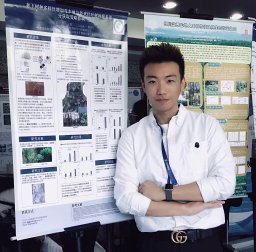 Han Yan合作论文数Coll Resources & Environm, Univ Chinese Acad Sci11Ning Ma合作论文数11
 Fengting Yang (杨风亭)合作论文数Institute of Geographic Sciences and Natural Resources Research, Chinese Academy of Sciences;University of Chinese Academy of Sciences10
 Sheng-Gong Li (李胜功)合作论文数Institute of Geographic Sciences and Natural Resources Research, Chinese Academy of Sciences;University of Chinese Academy of Sciences;National Ecosystem Science Data Center9
 Decai Gao (高德才)合作论文数Institute of Geographic Sciences and Resources, Chinese Academy of Sciences;University of Chinese Academy of Sciences7
 Xinyu Zhang (张心昱)合作论文数Institute of Geographic Sciences and Natural Resources Research, Chinese Academy of Sciences;University of Chinese Academy of Sciences7
 Grégoire Freschet合作论文数Station d'Ecologie Théorique et Expérimentale, Centre National de la Recherche Scientifique6Peipei Jiang合作论文数6
 Jiajia Zheng (征甲甲)合作论文数National Center for Nanoscience and Technology, Chinese Academy of Sciences;University of Chinese Academy of Sciences6
 Jinbo Zhang (张金波)合作论文数School of Geography, NanJing Normal University5
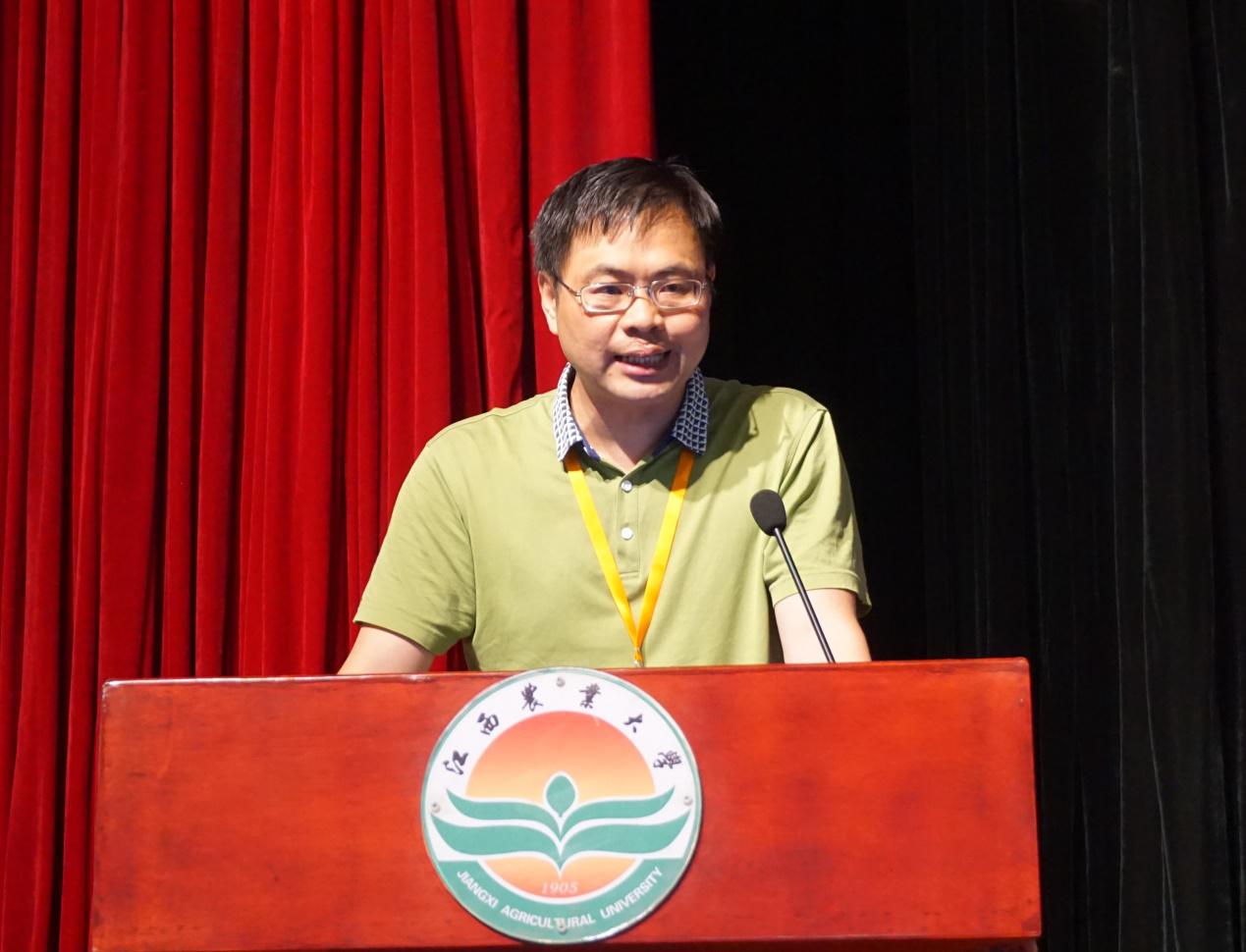 Fusheng Chen (陈伏生)合作论文数江西农业大学园林与艺术学院5
 Frederick Meinzer合作论文数Department of Forest Ecosystems and Society, College of Forestry, Oregon State University5
 Jianguo Sun (孙建国)合作论文数Harbin Engineering University5
 Christoph Müller合作论文数Institut für Pflanzenökologie, Justus-Liebig University Giessen;School of Biology and Environmental Science, University College Dublin5
 Xuefa Wen (温学发)合作论文数Institute of Geographic Sciences and Natural Resources Research, Chinese Academy of Sciences4
 Miaomiao Zhang合作论文数4Guodong Zhao (赵国冬)合作论文数College of Computer Science And Technology, Harbin Engineering University4
 Ruili Wang (王瑞丽)合作论文数College of Forestry, Northwest A&F University4
 Qingkang Li (李庆康)合作论文数Department of Astronomy, Beijing Normal University4Yafang Xue合作论文数3
 Ye Yuan合作论文数3
 J. Aaron Hogan合作论文数Dept Biol, Univ Florida3Yong Wang (王勇)合作论文数College Of Information And Communication Engineering, Harbin Engineering University3Chuang Zhang合作论文数3
 Xiaomin Sun (孙晓敏)合作论文数Key Laboratory of Ecosytem Network Observation and Modeling, Institute of Geographic Sciences and Natural Resources Research, Chinese Academy of Sciences3
 Oscar J. Valverde-Barrantes合作论文数Department of Biological Sciences, Kent State University3Ming-Yuan Hu合作论文数2Yifan Chen合作论文数2
 Wang Jianlei合作论文数2Xiangyun Xiong合作论文数2
 Qianyuan Liu合作论文数2SHI Lijuan (史丽娟)合作论文数2Yong Lu合作论文数2Gang Guo合作论文数2
 Yuqiu Gao合作论文数2
 Sidan Lyu合作论文数Key Laboratory of Ecosystem Network Observation and Modeling, Institute of Geographic Sciences and Natural Resources Research, Chinese Academy of Sciences, Beijing, 100101, China2YueMin Liu (刘越敏)合作论文数2Ming Jing (景明)合作论文数2
 Stephan Hattenschwiler合作论文数Centre of Functional and Evolutionary Ecology, University of Montpellier2
 Hans Lambers合作论文数School of Biological Sciences, University of Western Australia;Institute of Agriculture, University of Western Australia;National Academy of Agriculture Green Development, China Agricultural University2
 Qun Guo (郭群)合作论文数Institute of Geographic Sciences and Natural Resources Research, Chinese Academy of Sciences;University of Chinese Academy of Sciences2




