Although relationships between temperature and size are widely discussed in aquatic protists, empirical evidence remains absent for loricate protists, and systematic variations in thermal responses among ecological groups remain unexplored. Using tintinnids as a model system for marine plankton, we present the first comprehensive analysis of temperature-size relationships in loricate protists based on a 72-year dataset (1947–2019) from Jiaozhou Bay. Analysis of 702 microscopic measurements from five tintinnid species revealed fundamentally divergent thermal responses across lorica types. Agglutinated forms demonstrated significant inverse temperature-size relationships (p < 0.001), whereas hyaline forms exhibited positive thermal correlations (p < 0.001). Generalized Additive Models (GAMs) quantified these contrasting responses: entirely agglutinated species experienced 7.61
To explore the optimal culture density for the high-quality and high-yield growth of hard-shelled mussels (Mytilus coruscus) on Gouqi Island, a tracking and monitoring experiment was conducted from August 2020 for two years using various stocking densities (1600, 1800, 2000 individuals/sleeve) and sleeve spacings (0.6, 0.7, 0.8 m). The influence of environmental factors on the food source (phytoplankton) of these mussels was preliminarily examined to investigate the effect of phytoplankton biomass density and mussel production. The results showed that the mussels grew significantly better under low-density culture conditions (1600 individuals/ sleeve, 0.8 m sleeve spacing), and mussel yield and quality decreased under high-density culture conditions. Here, the influence of stocking density was more significant than sleeve spacing (F-test 95 % confidence). In addition, there was a difference in the growth and yield of the inner and outer regions of the field; thus, the location of the breeding block should be considered when setting the breeding density. The inner mussel fields were subject to the raft flow inhibition where phytoplankton is slowly supplemented, so a lower stocking density is required to ensure the optimal growth of the mussels. The outer fields can have a higher stocking density to improve the yield; however, an excessively high density should be avoided to prevent a cumulative blocking effect on the inner field.
In suspended mussel farms, culture-layer food supply can be limited, whereas the 4–8 m subsurface layer is rich in particulate organic matter and seston. Using a representative aquaculture block off Gouqi Island, China, this study examined the hydrodynamic and transport effects of non-uniform hanging-depth layouts. The 0° uniform-depth layout was the reference. Five configurations were modeled: V-shaped, inverted V-shaped, uniform-depth (90° inflow), V-shaped (extended), and inverted V-shaped (extended). Flume PIV validated the model. Simulations used uniform and measured velocity-profile inflows, with and without density stratification; a passive tracer tracked seston-rich water from the 4–8 m layer. Uniform-depth hanging formed a low-velocity zone in the sleeve layer, limiting water exchange. Non-uniform layouts altered drag distribution and promoted tracer redistribution into overlying 3–5 m waters. In the V-shaped configuration, water was guided upward along sleeve bottoms in the downstream half of the aquaculture block (S2), where pronounced redistribution within the aquaculture block resulted in a tracer concentration of approximately 0.1362 in the 2–3 m layer. Stratification constrained upward spreading, whereas extended configurations may limit food replenishment through enhanced upper-layer blockage and filtering effects. Low-Richardson-number regions corresponded with tracer uplift and enhanced spreading, indicating local shear. Overall, the V-shaped configuration balanced in-farm replenishment, downstream transport, and flow maintenance without additional sleeve length.
The coastal zone is a critical land-sea interface essential for ecological security and regional sustainable development. Existing ecosystem service assessments often fail to integrate terrestrial and marine subsystems and may overlook gradual hidden ecological degradation, resulting in fragmented understanding of coastal ecosystem dynamics. To address this gap, we constructed a Land-Sea Integrated Assessment framework to quantitatively evaluate the ecosystem services of Mainland China's Coastal Zone (CCZ) from 2000 to 2020, and introduced the Magnitude of Change in the Ecosystem Service Index (MC-ESI) to quantify the relative change in ESI and identify hidden ecological degradation hotspots. The results showed that: (1) the ESI of the CCZ remained relatively stable and exhibited a "first decrease then increase" trend during 2000-2020, while 55.97% of the CCZ experienced declining ESI values and the area proportion of Good and Excellent ecosystem-service grades continuously decreased, revealing widespread hidden ecological degradation under long-term anthropogenic disturbance; (2) spatially, ecosystem services exhibited pronounced patterns of "South strong-North weak" and "north improvement versus south degradation", with the average terrestrial ESI decreasing continuously by approximately 2% (2.50 to 2.45), whereas marine ESI rebounded by approximately 6% from 1.51 in 2010 to 1.60 in 2020, highlighting the important buffering role of marine ecosystems; (3) terrestrial ecosystem-service degradation was primarily driven by anthropogenic factors such as land-use changes and nighttime lights, whereas marine ecosystem stability depended mainly on nonlinear synergistic interactions among oceanographic factors including temperature, salinity, and distance to the coastline. This study highlights the importance of integrated land-sea ecosystem assessment for revealing hidden ecological degradation and understanding spatially heterogeneous coastal ecosystem dynamics. The proposed framework provides a scientific basis for adaptive coastal governance and spatially differentiated land-sea coordinated conservation under increasing urbanization and climate change pressures.
Large-scale aquaculture poses risks that include genetic and phenotypic homogenization to adjacent wild populations. When comparisons are restricted to areas already impacted by farming, the full extent of these morphological alterations is often obscured. To address this, we conducted a cross-scale analysis to reveal phenotypic trends and their underlying molecular mechanisms in the thick-shelled mussel (Mytilus coruscus) from the Ma'an Archipelago, East China Sea. We integrated morphometric measurements, shell mechanics, mitochondrial coi sequencing, and mantle transcriptomics across three distinct groups: aquaculture population (AP), reef-dwelling population near aquaculture zones (RDP), and wild reef-dwelling population distant from aquaculture zones (WRDP). Results revealed a significant phenotypic gradient: AP shells were elongated, thin, and brittle, whereas WRDP shells were robust, exhibiting superior thickness and mechanical strength. Notably, RDP displayed intermediate traits. While coi analysis indicated high genetic connectivity and a lack of significant population structure across the region—suggesting substantial historical gene flow—weighted gene co-expression network analysis (WGCNA) revealed a strong association between phenotype and gene expression. Specifically, cultured mussels exhibited up-regulation of endoplasmic reticulum (ER) stress pathways, suggesting an energy trade-off in which physiological stress responses compromise biomineralization capacity. Consequently, the phenotypic convergence of RDP toward AP highlights a latent risk of germplasm homogenization, even when currently masked by phenotypic plasticity. Our findings strongly suggest that aquaculture activities are reshaping the shell phenotypes of surrounding wild populations, underscoring the urgent need to establish conservation zones that protect offshore wild populations as irreplaceable reservoirs of adaptive potential.
Acetes chinensis is a key fishery resource along the Zhejiang-Fujian (Zhe-Min) coast, but its recruitment mechanisms and cross-regional connectivity remain poorly understood under the influence of strong monsoons and complex topography. To address this, a coupled Individual-Based Model (IBM) and SCHISM hydrodynamic model was developed to elucidate the non-linear modulation mechanisms of the flow field and thermal environment on Acetes chinensis in Zhe-Min waters. Validated against multi-source observational data, the coupled model effectively reproduces key hydrodynamic processes and characteristics of population evolution. Simulation results indicate that external population input is a decisive mechanism compensating for the winter decline in local resources and maintaining interannual population persistence. Furthermore, advective transport driven by monsoon circulation establishes the spatial patterns of spring onshore transport and summer northward dispersal. Concurrently, water temperature regulates population abundance through a dual non-linear mechanism by influencing reproductive rhythms and determining thermal tolerance thresholds. These findings confirm that resource variability is controlled by the combined effects of cross-regional advective replenishment and local thermal environmental forcing. Sensitivity experiments reveal that the initial stock size lays the foundation for population abundance, while active swimming ability is essential for maintaining critical nearshore retention. The study further reveals a generation-differentiated strategy characterized by spring retention for biomass recovery and autumn southward migration for overwintering. Crucially, scenario analysis of temperature anomalies predicts that shifts in key life history phases induced by climate warming may trigger a severe mismatch between recruitment peaks and current fishery management windows.
To comprehensively understand the impacts of large-scale raft culture activities on the diversity and biomass of macroalgae, we collected samples monthly from July 2021 to June 2022 in the Gouqi Island mussel farming area (raft culture area) and the natural rocky intertidal zone (control area). By using indices such as Shannon diversity, Margalef richness, Pielou evenness and relative importance index, as well as redundancy analysis, we compared the responses of alpha diversity, growth cycle, biomass spatiotemporal patterns of macroalgae to environmental factors in both raft culture area and control area. The results showed that a total of 61 macroalgae species were collected in the raft culture area, belonging to 13 orders, 25 families, and 31 genera. There were 24 dominant macroalgae species annually, among which Jania decussato-ichotoma, Pachymenia carnosa, and Chaetomorpha aerea dominated in most of months. 47 species of macroalgae, belonging to 31 genera and 24 families in 13 orders, were collected in control area. There were 13 dominant species, but only Sargasum thunbergii dominated throughout the year. The vigorous growth period of macroalgae represented by Hypnea cervicis, Hypnea boergesenii, P. carnosa, Grateloupia sp., J. decussato-dichotoma, Ulva lactuca, Ulva fasciata and Sargasum horneri in raft culture area significantly increased. Shannon index and Margalef index of macroalgae in raft culture area (2.36±0.25 and 1.45±0.23, respectively) were higher than those in control area (1.85±0.32 and 0.96±0.39, respectively). The macroalgae biomass in raft culture area exhibited a notable monthly variation, with a mean biomass of (10374.53±4688.17) g·m-2, which was considerably higher than that in the control area (3090.40±2230.33 g·m-2). In terms of spatial distribution, the mean monthly biomass was higher in nearshore region of raft culture area (11466.12±227.65 g·m-2) than that to the outer region (10498.29±1266.77 g·m-2) and the middle region (9229.95±252.75 g·m-2). The redundancy analysis indicated that transparency, salinity, dissolved oxygen, water temperature, turbidity, and ammonium nitrogen were significantly correlated to community structure. Those results indicated that large-scale raft culture area supported both higher diversity and biomass of macroalgae than intertidal zones. Meanwhile, dominant macroalgae such as J. decussato-ichotoma, P. carnosa and S. horneri presented extended periods of vigorous growth in artificial habitat. The conclusions could be taken into consideration on construction of raft macroalgal bed in marine ranching programs.
Abstract Although the productivity–biodiversity relationship (PBR) has been a hot topic, few studies have considered how anthropogenic pressures affect PBRs in marine microzooplankton. Here, we provide the first insights into PBRs in tintinnid assemblages using 18‐yr data from Jiaozhou Bay, a typical coastal bay in the Yellow Sea. We hypothesized and verified that PBRs vary across contrasting anthropogenic nutrient inputs and that functional and phylogenetic diversity would deliver more information than conventional species richness. High productivity promotes more diversity under low to medium rather than high anthropogenic nutrient inputs. Compared to species richness, functional and phylogenetic diversity reveal more PBR patterns and respond more quickly in response to varying anthropogenic inputs. A concave+ PBR is revealed for functional diversity in the ecozone with highly active water exchange. Our study contributes to the understanding of PBR in marine unicellular secondary producers and their responses to anthropogenic nutrient inputs in coastal ecosystems.
A high-resolution numerical simulation system for Hangzhou Bay and adjacent waters was developed based on the ECOM-si model to assess the ecological impacts of offshore wind farms and cross-sea bridge construction on the migration patterns of jellyfish (Rhopilema esculentum). By introducing a momentum sink term to quantify the flow-blocking effects of pillars and coupling a diel vertical migration (DVM) behavior model for jellyfish, the regulatory mechanisms of offshore engineering structures on local hydrodynamic fields and jellyfish migration pathways were systematically analyzed. Through multi-scenario numerical experiments, the results show that Pillars significantly altered flow velocities and the residual unit width water flux (RUWF), enhanced water retention within the bay, and restricted R. esculentum dispersal to offshore areas, leading to increased retention rates of R. esculentum within Hangzhou Bay. Due to the seaward expansion of the Changjiang surface diluted water and the landward movement of bottom high-salinity water, the longer daylight hours compared to nighttime from May to July, when juvenile R. esculentum grow after artificial release, create an asymmetry in the hydrodynamic effects between the surface and bottom layers under baroclinic forcing. The model incorporated a DVM behavior (rising during daytime and descending at night) module of R. esculentum, which resulted in a notable reduction of R. esculentum numbers offshore of the Changjiang Estuary when DVM was considered. Increased Changjiang River discharge suppressed northward jellyfish dispersal, favoring northeastward transport, while monsoon-driven surface Ekman flows enhanced horizontal migration. Under windless conditions, retention rates within the bay decreased, and southward dispersal trends became prominent.
Estuaries, as transitional zones between freshwater and seawater, possess unique attributes rendering the application of the Sea Water Quality Standard for assessment inappropriate and inaccurate. To enhance estuarine environmental protection and management, this study developed a dynamic salinity-based water quality criteria system for the Yangtze River Estuary (YRE), integrating existing marine and surface water standards. The estuary was partitioned into three salinity zones: Tidal-controlled Freshwater Zone (TCFZ), Salinity Transition Mixing Zone (STMZ), and Plume-influenced Marine Zone (PIMZ). Applying this system using survey data from six 2021-2022 cruises revealed a significantly improved comprehensive water quality classification compared to previous marine standards, indicating that the new criteria better characterize the true ecological conditions in each distinct zone. Class III dynamic criteria established nutrient thresholds: DIN (TCFZ: 1.080, STMZ: 0.561, PIMZ: 0.119 mg/L) and SRP (TCFZ: 0.033, STMZ: 0.027, PIMZ: 0.017 mg/L). Combined with hydrodynamic analysis, nitrogen and phosphorus were identified as primary controlling factors, driven by runoff-tide dynamics. This study proposes establishing a real-time, salinity-zone-based monitoring network, implementing seasonal nutrient flux thresholds, and strengthening controls on spring inputs and summer plankton monitoring in the YRE.
China is the largest mariculture country, and shellfish and algae output ranks first, showing high carbon sink capacity. In recent years, the single cultivation of macroalgae (Pyropia yezoensis) has been changed to macroalgae-shellfish mariculture in Haizhou Bay to increase the yield of P. yezoensis and improve the water environment quality. In this study, four surveys were carried out in July 2022 during the monoculture period of oyster (Magallana gigas), as well as at different stages of P. yezoensis culture (head-crop period, November 2022, peak growing season, January 2023, and end of harvesting, March 2023) in the mariculture and the surrounding waters of Haizhou Bay. The effects of different stages of culture on the seawater environment and seasonal and spatial variations in the carbonate system were analyzed, and the carbon sink capacity was preliminarily estimated. The results showed that in summer, the calcification of M. gigas and the primary production process of phytoplankton effectively reduced the dissolved inorganic carbon (DIC) level in the culture area. The culture area acts as a CO2 sink, with an average air-sea CO2 flux of -4.5 mmol m- 2 d-1. During the polyculture period, the P. yezoensis culture activities maintained the stability of the seawater carbonate system, and the culture area shows strong CO2 sinks, with the average air-sea CO2 flux of -24.10 mmol m- 2 d- 1, -37.68 mmol m- 2 d- 1, and -38.99 mmol m- 2 d- 1, respectively. The absorption of CO2 by large-scale cultured P. yezoensis through the "biological pump" effect is the main factor affecting the CO2 exchange process at the air-sea interface, and the absorption rate of CO2 by P. yezoensis at the mature stage is higher than that at the growth stage before harvesting. The study revealed that macroalgae-shellfish mariculture could promote mutual growth, alleviate environmental pressure, and enhance the carbon sink of the culture area. The relationship between mariculture and the carbon cycle of a mariculture ecosystem is very complicated, and its biochemical process should be given great attention for further study.
Fish-aggregating devices play a significant role in tuna purse fisheries. The severe marine environment and the large number of non-biodegradable fish-aggregating devices impact structural safety and cause marine litter. Therefore, hydrodynamic performance and the use of biodegradable materials are crucial issues for ensuring the sustainability of fish-aggregating devices. In this study, a type of virtual biodegradable drifting fish-aggregating device (Bio-DFAD) was designed. Numerical simulations were conducted to investigate the motion responses and relative velocities of Bio-DFADs in regular waves (first- and fifth-order waves). The numerical model was applied based on unsteady Reynolds-averaged Navier–Stokes equations with the realizable k–ε model. For different scenarios of modeling, various conditions were modeled, including the relative length, wave steepness, and diameter of the balsa wood, to analyze their effects on the hydrodynamic response of the Bio-DFADs. The results indicated that the increased relative length, wave steepness, and diameter of balsa wood had a significant influence on the motion response amplitude operators (RAOs) and relative velocity of Bio-DFADs. The results suggested that a relative length (LF/B = 1.5) and smaller diameter (DF = 30 mm) were recommended for fewer motion responses and relative velocity. The obtained results provide insight for practical engineering applications of the hydrodynamic design of Bio-DFADs.
Seaweed farming has made outstanding contributions to food supply and the restoration of the ecological environment despite the limitations in production and ecological effects due to the current intensive farming of single algae species. These limitations can be overcome by selecting suitable algal species based on their physiological characteristics and by constructing a large-scale seaweed rotation model. This study carried out a trial culture in aquaculture sea areas, and performed in situ monitoring of the environmental conditions and physiological characteristics of Saccharina japonica, Hizikia fusiformis, and Gracilariopsis lemaneiformis. Additionally, a comparative analysis of the three macroalgae at different times was conducted to determine their response characteristics to environmental factors. The results showed that: (1) The three macroalgae had varying light tolerance. The effective quantum yield of Hizikia fusiformis and Gracilariopsis lemaneiformis remained unchanged during the changes in light environment, while that of Saccharina japonica first decreased and then recovered. (2) The relative electron transport rates of the three macroalgae were significantly different under different temperature conditions. Hizikia fusiformis and Saccharina japonica exhibited the highest relative electron transport rates (70.45 and 106.75, respectively) in May (20.3 °C). Notably, Gracilariopsis lemaneiformis demonstrated good growth and exhibited the highest relative electron transport rate (93.07) in September (27.5 °C). These findings collectively support the feasibility of establishing a macroalgae rotation model. Based on the combined environmental conditions of the seas in Shandong, Zhejiang, and Fujian, a macroalgae rotation model was proposed. The application of this model in the construction of artificial seaweed farms in marine ranches can provide a stable output of large-scale seaweed production and ecological benefits.
Seaweeds are ecologically important primary producers, forming unique habitats. Microeukaryotes are pivotal in ecological functioning of seaweeds, but their ecological role and processes in seaweed habitats remain poorly understood due to a lack of field data. Here we presented an innovative insights into the microeukaryotic communities along the seaweed habitat gradients using 18S rDNA sequencing around a typical reef island, Gouqi Island. We set and verified habitat gradients of brown (HB, mainly Sargassum) and green algae (HG, mainly Ulva), and the control site between them (M), with detritus samples collected from collectors by SCUBA (Self-Contained Underwater Breathing Apparatus). Along the seaweed habitats, microeukaryotic biodiversity decreased from the detritus close to the seaweed habitats to surface water with increasing distance from detritus. For the dominant ecological function, clear distinction was also found in detritus and water samples along the seaweed habitat gradient, where phototrophs, mixotrophs and phagotrophs dominated in the detritus of brown algae dominated site, medium site, and green algae dominated site, respectively, responding differently to the environmental factors and seaweeds by Mantel analysis. Furthermore, we found that stochastic processes dominated in microeukaryotic community assembly in the brown seaweed habitat whereas deterministic processes dominated in green algae habitat. Highly varied occupancy was revealed in the green algae habitat by Specificity-Occupancy (SPEC-OCCU) analysis. Our result contributed to a better understanding of the ecological functioning of microeukaryotic communities in seaweed habitats, and further provided data for the bioassessment and conservation of seaweed habitats within marine ecosystems.
Suspended shellfish aquaculture, utilizing longlines and buoys fixed on the sea surface, is a crucial source of global seafood. However, typhoons, as the most common disasters in coastal regions, can generate massive waves and pose a threat to the safety of suspended aquaculture facilities. Therefore, it is essential to investigate the risk levels associated with suspended aquaculture farms during typhoon waves. The example of a large-scale suspended mussel farm in the East China sea was examined in this study. The wave conditions under extreme wind conditions (25m/s) and different typhoon paths were predicted using the SWAN model and modeled results compared well with the observed wave and wind data. The results indicated that when the center of the east-side typhoon was located at the same latitude as the farm, it will face the highest risk level. However, for the west-side and intermediate sweeping typhoons, the risk level reached highest in the farm, when the typhoon center is lower than the latitude of it. Under the combined effects of wind fetch and topography, the risk level in the southeast farming area of the island is the highest under different wind conditions. The farms to the northwest of the island face a higher risk level during the passage of east-side sweeping typhoons, while the southern farms of the island experience an elevated risk level during the west-side and intermediate sweeping typhoons. It is suggested that farming regions with lower risk levels are more conducive to the cultivation of species with longer culture cycles. Conversely, regions considered at higher risk are more suitable for species with shorter culture cycles. The study affords a reference for the optimization and insurance of suspended aquaculture farms.
Nutrients are critical in assessing water quality, so understanding their distribution and variability is essential for effective marine environmental protection. This study focuses on the Yangtze River estuary and surrounding waters, where suspended solids show a strong correlation with active phosphates and silicates. Using GOCI imagery and measured nutrient concentrations, such as active phosphate and silicate, remote sensing models were developed to investigate the seasonal and daily changes in surface water nutrients. The results showed the following key findings: Temporally, active phosphate (PO4-P) and silicate (SiO3-Si) concentrations exhibited distinct seasonal patterns, with the highest values observed in winter (1.692 μmol/L and 16.386 μmol/L, respectively) and the lowest in summer (0.503 μmol/L and 10.645 μmol/L, respectively). Little difference was found between spring and autumn. Spatially, elevated phosphate and silicate concentrations were found near the northern Jiangsu Shoal, the Yangtze River estuary, and Hangzhou Bay, and decreased towards the outer coastal waters. This suggests that the freshwater inflow from the Yangtze River is an important driver of the observed nutrient patterns. Diurnal variations in phosphate and silicate concentrations were observed in the surface waters of the Yangtze River estuary and adjacent areas. Significant diurnal variations in nutrient concentrations were observed in Hangzhou Bay, the northern part of the Yangtze River estuary and the southern part of the Yangtze River estuary. Slight diurnal variations were observed in the inland channels of the estuary. These results help to facilitate the study of the complex process of spatial and temporal dynamics of nutrients in the coastal waters of eastern China.
Noise pollution is increasingly prevalent in aquatic ecosystems, causing detrimental effects on growth and behavior of marine fishes. The physiological responses of fish to underwater noise are poorly understood. In this study, we used RNA-sequencing (RNA-seq) to study the transcriptome of the sonic muscle in small yellow croaker (Larimichthys polyactis) after exposure to a 120 dB noise for 30 min. The behavioral experiment revealed that noise exposure resulted in accelerated tail swimming behavior at the beginning of the exposure period, followed by loss of balance at the end of experiment. Transcriptomic analysis found that most highly expressed genes in the sonic muscle, including parvalbumin, slc25a4, and troponin C were related with energy metabolism and locomotor function. Further, a total of 1261 differentially expressed genes (DEGs) were identified, including 284 up-regulated and 977 down-regulated genes in the noise exposure group compared with the control group. Gene ontology (GO) analysis indicated that the most enriched categories of DEGs included protein folding and response to unfolding protein. Kyoto Encyclopedia of Genes and Genomes (KEGG) pathway analysis found overrepresented pathways including protein processing in the endoplasmic reticulum, chaperones and folding catalysts, as well as arginine and proline metabolism. Specifically, many genes related to fatty acid and collagen metabolism were up-regulated in the noise exposure group. Taken together, our results indicate that exposure to noise stressors alters the swimming behavior of croaker, inducing endoplasmic reticulum stress, disrupting lipid metabolism, and causing collagen degradation in the sonic muscle of L. polyactis.
The productivity of a suspended mussel farm depends on the abundance of naturally available food. This study constructs a tracer decay model that incorporates mussel filtration and integrates it with a well-established 3D ocean circulation model to examine the spatiotemporal variation of seston depletion at a large-scale suspended mussel farm on Gouqi Island, located offshore in the East China Sea. A novel Wirewalker ocean-wave-powered vertical profiling system was deployed to monitor chlorophyll-a concentration at the edge of the mussel farm. The observed profiles of chlorophyll-a concentration revealed that the current exiting the farm during ebb tide is associated with a lower concentration compared to the current entering the farm during flood tide. This suggests that the filter feeding activity of mussels within the farm is primary contributor to this reduced chlorophyll-a concentration. This finding is consistent with the tracer model results, which indicates a higher tracer concentration entering the farm and a lower tracer concentration exiting it. The model results suggest that the blocking effect of the farm can significantly exacerbate seston depletion, particularly during neap tide as opposed to spring tide. The interplay of tidal characteristics and topography has resulted in two areas that are particularly vulnerable to seston depletion: one centrally situated within the mussel farm, and another near the islands. However, it is possible to alleviate seston depletion by aligning the waterway within the farm with the major axis of the tidal ellipse. Consequently, it is crucial to consider tidal conditions surrounding the farm for optimal farm layout design, increased production, and enhanced stock quality in shellfish farms facing seston depletion.
Spatial environmental heterogeneity in the Yangtze River Estuary (YRE) is always mentioned but rarely quantified and included in the evaluation process. This study introduced the habitat suitability index evaluation model based on the Gini index (HSIgini) to evaluate the optimal ranges of suitable environmental factors for three typical estuarine gobies, i.e., Rhinogobius giurinus, Acentrogobius pflaumii, Odontamblyopus rubicundus, and their habitat quality. The evaluation was carried out based on field surveys conducted in the spring and summer of 2018–2020. The Lorentz curve and Gini index were used to evaluate the spatial environmental heterogeneities in the YRE. The spatial heterogeneity of environmental factors in the Yangtze Estuary ranged from 0.62 to 0.05, with the highest Gini index for salinity and the lowest for temperature. The combination of environmental factors had significant spatial effects on habitat, with temperature showing mainly seasonal effects. The study indicated that the YRE is a good habitat for gobies and that there is spatial and seasonal differentiation in the habitats of different species, greatly reducing interspecific competition. Environmental heterogeneity is important for biological processes and should be incorporated into the modeling of bio–environmental relationships in future research to provide a basis for environmental and biological conservation and management.
In aquatic ecosystems around the world, gobies comprise one of the most diverse groups of fishes in estuaries. The Yangtze River estuary, the biggest estuary in the western Pacific, is a major habitat for larval gobies, with the peak spawning and breeding season occurring during late spring and summer. To investigate the adaptation mechanism of larval gobies to environmental factors, three models (a global generalized linear model, a generalized additive model, and a geographically weighted Poisson regression) were used to simulate and forecast the major habitat distributions of larval gobies based on the survey data from 2018 to 2020. Six species of gobies were studied: Rhinogobius giurinu, Odontamblyopus rubicundus, Tridentiger barbatus, Parachaeturichthys polynema, Tridentiger trigonocephalus, and Trypauchen vagina. The habitats for brackish species T. barbatus were mainly in freshwater (where, using the practical salinity scale, salinity is 0-1) of the south branch, whereas the marine species P. polynema was mainly caught in oligohaline waters (where salinity is 1-5) of the north branch. The other euryhaline species were near the exit of the north branch or dispersed throughout the surveyed region. Year, season, salinity, and sample location had significant effects (P < 0.001) on determining the habitat distributions of larval gobies. The geographically weighted Poisson regression identified that the temperature, depth, distance from the coast, and chlorophyll a had a significant effect (P < 0.001) on the local distribution of habitats. This work supplements information about the distribution of major habitats and their interactions with the environment for the ecologically important species of goby in the Yangtze estuary during the larval stage, and the conclusions provide a basis for the management of aquatic ecosystems and biological habitats.
 Shouyu Zhang (章守宇)合作论文数上海海洋大学海洋科学学院40
 Zhenhua Wang (汪振华)合作论文数College of Marine Ecology And Environment, Shanghai Ocean University13
 Kai Wang (王凯)合作论文数College of Marine Ecology And Environment, Shanghai Ocean University10
 Hong Huang (黄宏)合作论文数College of Marine Ecology And Environment, Shanghai Ocean University9
 Yu Guo (郭禹)合作论文数6
 Jianrong Zhu (朱建荣)合作论文数State Key Laboratory of Estuarine and Coastal Research, East China Normal University6
 Jing Zhao (赵静)合作论文数College of Marine Sciences, Shanghai Ocean University6YANG Guanlin (杨冠林)合作论文数5
 Cheng Xiaopeng合作论文数5Qing YAN (闫庆)合作论文数5Xu Zhao (赵旭)合作论文数5
 Xijie Zhou (周曦杰)合作论文数5Wei YANG (杨伟)合作论文数4Xingchen WU (吴星辰)合作论文数4Min SHEN (沈敏)合作论文数4
 Meiping Feng (丰美萍)合作论文数College of Marine Ecology And Environment, Shanghai Ocean University4
 Jing Zhang (张经)合作论文数State Key Laboratory of Estuarine and Coastal Research, East China Normal University4
 Hui Wu (吴辉)合作论文数State Key Laboratory of Estuarine and Coastal Research, East China Normal University4
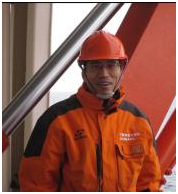 Hongsheng Liu (刘洪生)合作论文数College of Marine Ecology And Environment, Shanghai Ocean University4
 Chunyan Li合作论文数Coastal Ocean Estuarine Dynamics Lab, Department of Oceanography & Coastal Sciences, College of Coast and Environment, Louisiana State University4Wei Zhong合作论文数3WEN Ying (温英)合作论文数3GONG Fu-xian (龚甫贤)合作论文数3Jiaming ZHONG (钟佳明)合作论文数3
 Chaofeng Wang合作论文数3Yingying GUAN (关莹莹)合作论文数3
 Xuguang Zhang (张旭光)合作论文数College of Fisheries and Life Science, Shanghai Ocean University3Rong Wan (万荣)合作论文数College of Marine Sciences, Shanghai Ocean University3
 Xiaoxia Sun (孙晓霞)合作论文数中国科学院海洋研究所3
 Wuchang Zhang (张武昌)合作论文数Institute of Oceanology, Chinese Academy of Sciences3ZENG Xu (曾旭)合作论文数2Wenhua Bian (边文华)合作论文数2Pengbo Song (宋鹏波)合作论文数2
 Lu Zhai合作论文数2Yiqian SHI (石一茜)合作论文数2
 Jie Yin合作论文数2Mingxing DENG (邓明星)合作论文数2SHEN Hui (沈慧)合作论文数2
 Zengguang Li (李增光)合作论文数College of Marine Sciences, Shanghai Ocean University2Jian Zhang (张健)合作论文数College of Marine Sciences, Shanghai Ocean University2
 Huafeng Zou (邹华锋)合作论文数College of Fisheries and Life Science, Shanghai Ocean University2
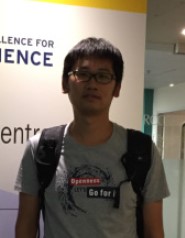 Liang Chang (常亮)合作论文数College of Marine Sciences, Shanghai Ocean University2
 Tian Lin (林田)合作论文数College of Marine Ecology and Environment, Shanghai Ocean University2
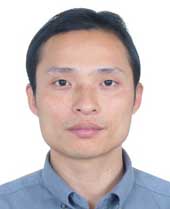 Pimao Chen (陈丕茂)合作论文数中国水产科学研究院南海水产研究所2
 Yingjun Chen (陈颖军)合作论文数Department of Environmental Science and Engineering, Fudan University2
 Yangdong Li (李阳东)合作论文数College of Marine Sciences, Shanghai Ocean University2Fang Yin合作论文数2
 Juanying Li (李娟英)合作论文数College of Marine Ecology and Environment, Shanghai Ocean University2




