Compact heat exchangers are widely used in energy conversion and thermal management systems, but their performance is often constrained by pressure losses in complex passages. Additively manufactured triply periodic minimal surface (TPMS) heat exchangers offer high surface-area density, smooth curvature, and bicontinuous channels; however, surface area alone does not guarantee useful thermal duty, because heat transfer depends on how effectively the internal surface is activated within a finite hydraulic budget. Preferential paths, maldistribution, dead zones, and weakly utilized surfaces can therefore limit the performance of TPMS cores. In this work, baffles are treated as flow-management elements rather than conventional turbulence promoters, and a bilevel genetic optimization method guided by flow priors is developed to place baffles in TPMS compact heat exchangers under prescribed pressure-drop limits. Computable flow priors, including path-length regulation, inlet-weighted turning, width uniformity, dead-zone suppression, and hot-cold counter-flow coupling, are used to guide the search toward layouts that suppress short-circuiting, improve domain utilization, and enhance spatial matching before CFD ranking. Under fixed volumetric flow rates, the pressure-drop limit is interpreted as a practical pumping-power budget. For the representative P-type, speed-1, one-period, 20 kPa benchmark, the proposed method achieves (Q=37.96) W using only 10 CFD simulations, compared with (Q=28.97) W for the Direct GA baseline using about 100 simulations and (Q=21.63) W for the unbaffled reference. Across six TPMS configurations and operating conditions, the best feasible designs increase (Q) by 24.4-78.6% relative to the unbaffled baselines while satisfying the prescribed pressure-drop limits. These results demonstrate that baffle placement guided by flow priors can convert hydraulic allowance into more effective activation of TPMS heat-transfer surfaces.
Designing microstructures that satisfy coupled cross-physics objectives is a fundamental challenge in material science. This inverse design problem involves a vast, discontinuous search space where traditional topology optimization is computationally prohibitive, and deep generative models often suffer from "physical hallucinations," lacking the capability to ensure rigorous validity. To address this limitation, we introduce AutoMS, a multi-agent neuro-symbolic framework that reformulates inverse design as an LLM-driven evolutionary search. Unlike methods that treat LLMs merely as interfaces, AutoMS integrates them as "semantic navigators" to initialize search spaces and break local optima, while our novel Simulation-Aware Evolutionary Search (SAES) addresses the "blindness" of traditional evolutionary strategies. Specifically, SAES utilizes simulation feedback to perform local gradient approximation and directed parameter updates, effectively guiding the search toward physically valid Pareto frontiers. Orchestrating specialized agents (Manager, Parser, Generator, and Simulator), AutoMS achieves a state-of-the-art 83.8\% success rate on 17 diverse cross-physics tasks, nearly doubling the performance of traditional NSGA-II (43.7\%) and significantly outperforming ReAct-based LLM baselines (53.3\%). Furthermore, our hierarchical architecture reduces total execution time by 23.3\%. AutoMS demonstrates that autonomous agent systems can effectively navigate complex physical landscapes, bridging the gap between semantic design intent and rigorous physical validity.
Gaussian Splatting has emerged as a prominent technique in computer vision and graphics, enabling high-fidelity scene reconstruction from a vast collection of 3D Gaussian primitives. Each primitive's appearance is governed by a viewindependent opacity parameter and a view-dependent color derived from spherical harmonics. A fundamental challenge, however, lies in the non-unique and heterogeneous nature of this parameterization, which limits physical plausibility and degrades expressiveness. To address this, we introduce the Extinction Coordinator for Gaussian Splattings (ECGS), which enforces a crucial consistency: a Gaussian's intrinsic opacity must align with its maximum alpha blending weight observed across all views. This constraint effectively encourages primitives to distribute along thin, surface-like shells, thereby enhancing the representation's expressiveness. Furthermore, we propose an anisotropic morphology regularization to promote planar Gaussian shapes while suppressing elongated, needle-like artifacts, leading to a more compact model. Extensive experiments on multiple benchmarks demonstrate that our approach reduces the Gaussian count by up to 75% while simultaneously boosting geometric accuracy and rendering speed. As a lightweight and modular component, ECGS can be seamlessly integrated into existing Gaussian Splatting pipelines. Code is available at: https://anonymous.4open.science/r/ECGS-F774.
Polygonal meshes are a fundamental surface representation, yet their resolution can vary significantly. Establishing a smooth, bijective projection between meshes of different resolutions is crucial for consistent attribute transfer but becomes challenging when handling sharp bends and complex geometric features. This paper presents a novel approach to address this challenge by implicitly representing the shell enclosing two polygonal meshes using a cubic trivariate B-spline function, where the inner and outer bounding surfaces are formulated as level sets of a single cubic B-spline function. Our method enforces the bijective projection requirements on the cubic B-spline function, ensuring that the resulting gradient field naturally defines a robust bijective projection. Leveraging the favorable properties of cubic B-spline functions-namely, 1) sufficient smoothness while maintaining expressive representation, and 2) computational efficiency and ease of implementation, our approach efficiently computes a smooth and bijective projection even for challenging cases. Compared to existing shell-based bijective projection methods, our method consistently produces valid bijective projections, even in complex scenarios, outperforming state-of-the-art techniques. We further demonstrate its effectiveness in robust attribute transfer and precision-controlled shape manipulation.
Lattice metamaterials enable lightweight, multifunctional structures, yet homogenization-based evaluation of their effective properties remains computationally expensive. Neural surrogates offer speed but often lack the accuracy and stability required for engineering-grade simulations. We introduce GMT, a Geometric Multigrid Transformer – a neural solver with high numerical fidelity for fast and reliable lattice homogenization. GMT achieves architectural alignment with Geometric Multigrid (GMG) by restructuring Point Transformer V3 to operate across sparse GMG hierarchies, capturing long-range dependencies and cross-level interactions essential for multigrid convergence. To enforce physical consistency, GMT incorporates physics-aware positional encoding for strict enforcement of periodicity and predicts both the finest-level solution and multi-level residual corrections. These predictions deliver a spectrally-aligned initialization, enabling end-to-end training under physics-informed and solver-aware losses and requiring only a single GMG V-cycle refinement to reach convergence. This fusion of neural prediction and numerical rigor achieves relative residual errors of 10^-5 with a 160× speedup over state-of-the-art GPU-based solvers at equivalent accuracy – particularly at high resolutions (e.g. 512^3), where traditional methods become most costly. We validate GMT across mechanical and thermal domains, demonstrate robust generalization to unseen geometries and non-periodic settings, and showcase scalability to high resolutions – enabling real-time design iteration, multi-scale simulations, high-throughput material discovery, and inverse design.
Porous structures are ubiquitous in nature, engineering, and landscape design, prized for their lightweight characteristics and rich geometric expressiveness.However, obtaining such organically irregular and visually permeable structures through natural weathering or conventional subtractive manufacturing remains severely limited.While additive manufacturing (AM) enables fabrication for complex geometries, manual modeling demands substantial design expertise and intensive effort, and the internal supports required during printing compromise morphology and are difficult to remove. Furthermore, quantitative metrics to evaluate visual permeability (VP) are critically lacking.To generate stochastic porous structures that are highly visually permeable, explicitly controllable, and support-free, we propose a novel generation and optimization framework tailored for AM. First, a quantitative VP metric drives a graph-based connectivity optimization to maximize aesthetic transparency and structural sparsity. Next, orthotropic Gaussian-kernel implicit fields model the continuous stochastic porous geometry, intrinsically reducing initial overhangs. Finally, a density-field optimization constrained by a differentiable layer-wise AM filter enforces support-free manufacturability under the prescribed build direction with minimal geometric distortion. Experimental results demonstrate that our framework automatically produces geometrically diverse, visually permeable, and support-free porous structures, bridging the gap between aesthetic procedural design and digital fabrication.
(short version abstract, full in article)High-fidelity flow field reconstruction is important in fluid dynamics, but it is challenged by sparse and spatiotemporally incomplete sensor measurements, as well as failures of pre-deployed measurement points that can invalidate pre-trained reconstruction models. Physics-informed neural networks (PINNs) alleviate dependence on large labeled datasets by incorporating governing physics, yet sensor placement optimization, a key factor in reconstruction accuracy and robustness, remains underexplored. In this study, we propose a PINN with Voronoi-enhanced Sensor Optimization (VSOPINN). VSOPINN enables differentiable soft Voronoi construction for sparse sensor data rasterization, end-to-end fusion of centroidal Voronoi tessellation (CVT) with PINNs for adaptive sensor placement, and unified layout optimization for multi-condition flow reconstruction through a shared encoder-multi-decoder architecture. We validate VSOPINN on three representative problems: lid-driven cavity flow, vascular flow, and annular rotating flow. Results show that VSOPINN significantly improves reconstruction accuracy across different Reynolds numbers, adaptively learns effective sensor layouts, and remains robust under partial sensor failure. The study clarifies the intrinsic relationship between sensor placement and reconstruction precision in PINN-based flow field reconstruction.
The advancements in low-cost manufacturing hardware have enabled inexperienced users to create 3D product prototypes in-house. As a common issue, however, the resulting 3D models, despite their aesthetic appeal, often lack the structural integrity required for practical use. While there has been significant research into automated shape adjustment techniques, these methods rely on additional inputs such as parametric representations and specific external load conditions, making them inaccessible to novice users. To address this challenge, we propose a shape optimization technique that does not require extra inputs. Starting from a target shape represented by a general 3D mesh, our method aims to produce an optimized shape that is both visually consistent and structurally more robust. Our approach formulates the problem as an approximate bilevel optimization: the inner problem solves a compliance-based surrogate to identify a critical load direction, while the outer problem minimizes the maximum stress across the entire shape surface. We develop an approximate bilevel solver that alternates between solving the outer and inner problems, as well as regular mesh refinement. Our empirical results demonstrate the effectiveness of our method in finding 3D shapes that are visually consistent, while also providing the necessary robustness for practical applications.
Buckling is a structural instability phenomenon that typically occurs before material yielding or fracture, and it constitutes a critical failure mode in lightweight structures and plays a decisive role in multiscale structural design. While previous multiscale studies have primarily focused on truss-based microstructures, a systematic investigation of shell-based lattices from the perspective of buckling resistance remains lacking. In this work, a buckling failure model for shell- and truss-based lattice unit cells is established to quantitatively characterize their buckling limits. A comparative study between shell- and truss-based lattices is conducted in terms of effective stiffness and buckling resistance, followed by their implementation within a global and local buckling-oriented multiscale topology optimization framework. The results show that, although shell-based lattices do not exhibit a distinct stiffness advantage, they demonstrate significantly improved buckling performance due to their continuous and smooth geometric configuration. In multiscale optimization, where intermediate- and low-density regions are commonly preserved to improve global structural stability, microscopic buckling resistance becomes a governing factor, and shell-based lattices are advantageous in this aspect. The present study provides a quantitative foundation for stability-oriented multiscale design and highlights the advantages of shell-based lattice structures in developing high-performance, buckling-resistant hierarchical structures.
Extracting high-fidelity mesh surfaces from Signed Distance Fields (SDFs) has become a fundamental operation in geometry processing. Despite significant progress over the past decades, key challenges remain-namely, how to automatically capture the intricate geometric and topological structures encoded in the zero level set of SDFs. In this paper, we present a novel isosurface extraction algorithm that introduces two key innovations: 1) An incrementally constructed power diagram through the addition of sample points, which enables repeated updates to the extracted surface via its dual-regular Delaunay tetrahedralization; and 2) An adaptive point insertion strategy that identifies regions exhibiting the greatest discrepancy between the current mesh and the underlying continuous surface. As Fig. 1 shows, our framework progressively refines the extracted mesh with minimal computational cost until it sufficiently approximates the underlying surface. Experimental results demonstrate that our approach outperforms state-of-the-art methods, particularly for models with intricate geometric variations and complex topologies.
In recent years, encoding explicit mesh surfaces into compact neural representations has emerged as a prominent research direction. Compression ratio and representation accuracy present a fundamental trade-off for evaluating such algorithms. Traditional approaches typically decompose the input mesh into two components: a simplified base mesh and a neural displacement field. However, this paradigm faces inherent limitations. First, employing triangles or quadrilaterals as geometric primitives necessitates the explicit storage of vertex connectivity, incurring substantial memory overhead. Second, existing approaches typically treat base mesh generation as a decoupled preprocessing step, failing to fully leverage automatic differentiation frameworks to optimize the distribution of the base mesh. To address these issues, we propose RTF2Mesh, a method that achieves compact representation using only unstructured point clouds with feature vectors and network parameters. At its core, our approach leverages a meshless vertex-normal representation derived from the Restricted Tangent Face (RTF). Furthermore, we employ the Kolmogorov-Arnold Network (KAN) to encode both the displacement information and the normals of the vertex-normal representation. The KAN is chosen for its superior parameter efficiency compared to traditional Multi-Layer Perceptrons (MLPs). These two improvements enable RTF2Mesh to achieve a more compact neural representation while eliminating the need for explicit storage of vertex connectivity. During decoding, surface normals are reconstructed from the input point cloud using the KAN's learned weights to generate a base surface. The KAN-based network then predicts the displacements of the subdivided base surface, producing a high-resolution triangle mesh. Compared to current state-of-the-art (SOTA) methods, RTF2Mesh achieves highly competitive performance at equivalent compression rates.
Zero-dimensional reduced-order models (0D ROMs) are central to multi-dimensional design workflows for high-end complex equipment. However, the planning process currently relies on manual expertise, limiting topological exploration and prolonging iterations. Even traditional optimization methods such as Genetic Algorithms (GA) are typically confined to local parameter tuning. Although Large Language Model (LLM) agents have shown promise in exploring large sample spaces, and frameworks such as Chain of Thought (CoT) and Reason and Act (ReAct) improve reasoning reliability, while Retrieval-Augmented Generation (RAG) overcomes domain knowledge barriers, a single agent still falls short for the long-horizon and highly coupled nature of complex 0D ROM planning. This paper proposes the Zero-dimensional reduced-order model CO-Planning framework (Z-COPA), a multi-agent architecture featuring a Symbolic Action Graph Engine (SAGE) and a MILP-Guided Navigation (MGN) optimizer. Its core innovation is a dedicated graph representation method that accurately encodes the 0D flow network topology, converting the empirical planning process into a rigorous graph structure optimization problem. We validate the forward and inverse design capabilities and generalization performance of Z-COPA on two real aircraft engine secondary-air systems, two IEEE power-distribution reconfiguration benchmarks, and two water-distribution network benchmarks. The results show superior task completion quality, obtaining the best performance in both forward and reverse design of air systems. Z-COPA disrupts the traditional 0D model planning paradigm, providing a new technical approach for exploring broader topological space and achieving highly automated, globally optimal air system architectures.
While Physics-Informed Neural Networks (PINNs) offer a mesh-free approach to solving PDEs, standard point-wise residual minimization suffers from convergence pathologies in topologically complex domains like Triply Periodic Minimal Surfaces (TPMS). The locality bias of point-wise constraints fails to propagate global information through tortuous channels, causing unstable gradients and conservation violations. To address this, we propose the Multi-scale Weak-form PINN (MUSA-PINN), which reformulates PDE constraints as integral conservation laws over hierarchical spherical control volumes. We enforce continuity and momentum conservation via flux-balance residuals on control surfaces. Our method utilizes a three-scale subdomain strategy—comprising large volumes for long-range coupling, skeleton-aware meso-scale volumes aligned with transport pathways, and small volumes for local refinement—alongside a two-stage training schedule prioritizing continuity. Experiments on steady incompressible flow in TPMS geometries show MUSA-PINN outperforms state-of-the-art baselines, reducing relative errors by up to 93\% and preserving mass conservation.
Triply periodic minimal surfaces (TPMS) have emerged as a highly promising structural framework for the development of high-performance compact heat exchangers. While previous studies have extensively analyzed the thermal performance of bare TPMS geometries, this work introduces a flow path optimization strategy through the strategic incorporation of baffles as a novel approach to further enhance their thermo-hydraulic efficiency. Employing a graph-theory-based systematic search algorithm, Gyroid-type TPMS structures with varying baffle placements were generated while ensuring the absence of closed cavities or dead zones. Computational fluid dynamics analysis demonstrates that baffles significantly influence fluid behavior by altering the primary flow path. Results indicate that both heat transfer (Nusselt number) and pressure drop correlate positively with the shortest flow path length. Notably, the overall efficiency, evaluated via the Performance Evaluation Criterion (\(\mathit{PEC}\)), increases with flow path length, reaching an optimal plateau before declining due to excessive frictional losses. Furthermore, baffle spatial distribution was found to critically impact performance independently of the path length, underscoring the importance of localized flow cross-section and uniformity optimization. Guided by the derived design principles, the optimized TPMS-based heat exchanger developed in this study achieves up to a 96\% improvement in heat transfer compared to the baseline unbaffled design, alongside up to a 64\% enhancement in \(\mathit{PEC}\). By providing mechanistic insights into flow regulation within TPMS domains, this research establishes a systematic and scalable framework for structural optimization, paving the way for next-generation compact heat exchanger designs.
Additive manufacturing (AM) has revolutionized the fabrication of complex 3D structures, positioning triply periodic minimal surfaces (TPMS) as a promising framework for high-performance heat exchangers. While previous studies have extensively analyzed the thermal performance of bare TPMS geometries, this work introduces a flow path optimization strategy through the strategic incorporation of baffles as a novel approach to further enhance their thermo-hydraulic efficiency. Through a graph-theory-based systematic search algorithm, Gyroid-type TPMS structures with varying baffle placements were generated while ensuring the absence of closed cavities or dead zones. Computational fluid dynamics (CFD) analysis demonstrates that baffles significantly influence fluid behavior by altering the primary flow path. Results indicate that both heat transfer (Nusselt number) and pressure drop correlate positively with the shortest flow path length. Notably, the overall efficiency, evaluated via the Performance Evaluation Criterion ($\mathit{PEC}$), increases with flow path length, reaching an optimal plateau before declining due to excessive frictional losses. Furthermore, baffle spatial distribution was found to critically impact performance independently of the path length, underscoring the importance of localized flow cross-section and uniformity optimization. Guided by the derived design principles, the optimized TPMS-based heat exchanger developed in this study achieves up to a 90\% improvement in heat transfer compared to the baseline unbaffled design, alongside a substantial enhancement in $\mathit{PEC}$. By providing mechanistic insights into flow regulation within TPMS domains, this research establishes a systematic and scalable framework for structural optimization, paving the way for next-generation compact heat exchanger designs.
The reassembly of fragmented pottery (anastylosis) is a fundamental yet labor-intensive task in archaeology. While computer-aided reconstruction has advanced, existing methods often rely on expensive 3D scanning and lack large-scale benchmarks, limiting their application in massive real-world assemblages. More importantly, traditional manual reassembly heavily biases towards diagnostic sherds (rims and bases) for typological analysis, missing the crucial opportunity to identify cross-context matches that are vital for determining micro-settlement synchronicity and understanding site formation processes. In this paper, we introduce Daxinzhuang18K, a novel open-source resource comprising a massive corpus of over 18,000 high-definition 2D pottery sherds excavated from a single closed context (H690) at the Shang Dynasty Daxinzhuang site, alongside a rigorously expert-annotated gold-standard subset. Offering a cost-effective and scalable alternative to 3D approaches, we propose SherdFusion, a comprehensive automated computational framework integrating multi-modal graph-based candidate retrieval, diffusion-guided continuous pose estimation, and learning-based pairwise compatibility verification. Evaluated using physically meaningful metrics and validated through a humanin-the-loop protocol, our system demonstrates how such automated methods can effectively manage high-throughput reassembly by robustly filtering ambiguous pseudo-matches to reconstruct multi-piece artifact groups. By enabling the exhaustive analysis of plain body sherds, this work not only accelerates the transition from “fragmented data” to “restored artifacts,” but also provides a reproducible paradigm for data-driven settlement archaeology and spatial analysis.
Knitted textures are widely used in functional surfaces and fabricated objects, where stitch-level geometry plays an important role in both visual appearance and physical interaction. Although high-quality knitted geometric details can be manually authored, the process is labor-intensive and requires substantial domain expertise. Recent generative approaches for 3D content creation often struggle to reproduce the fine-scale structural characteristics of knitted patterns, typically producing overly smooth surfaces that lack explicit yarn-level organization. In this paper, we present Knit2Vector, an inverse procedural modeling framework for reconstructing structure-aware knitted surface geometry from a single unconstrained image. Our key insight is that knitted textures can be naturally represented as collections of vectorized yarn segments organized according to stitch-level structures. Based on this observation, we introduce a differentiable vectorization framework that reconstructs explicit and editable yarn-level representations using B & eacute;zier primitives. Crucially, we leverage these vectorized priors to infer the underlying structural arrangement of yarns, enabling the reconstruction of geometrically consistent surface relief that preserves stitch-level structural coherence. Rather than directly estimating geometry from image appearance, our method derives geometry-aware cues from the reconstructed yarn layout to guide surface optimization. Compared with existing appearance-driven generative approaches, our method produces more structure-consistent knitted surface details with explicit and editable yarn-level representations. The resulting representation provides structure-aware geometric assets for applications including solid modeling, virtual prototyping, digital fashion, and high-end rendering.
Accurate segmentation is crucial for dataset labeling and morphological analysis of thin cracks, for which small segmentation error may take great effect to the results. However, due to the complex morphology and thin structures, so far it is still very hard to accurately segment thin cracks either by manual or by segmentation algorithms. In this paper we propose an approach for accurate and efficient segmentation of thin cracks. The core of our approach is an optimization-based image segmentation method designed specifically for extracting optimal thin strip regions from images. Our method can be considered as an extension of previous minimum path search problem, so we call it as Minimum Strip Cuts, or StripCuts for short. An effective objective function for segmentation refinement of thin cracks is proposed, whose global optimal solution can be obtained efficiently based on the proposed volumetric dynamic programming and crack linearization methods. Our method is robust to low-contrast cracks and complex background, and can run in real-time. Therefore, it can be used for refining exist datasets, and also for the post-processing of crack segmentation methods. Based on the proposed refinement method, we introduce a new crack segmentation dataset RefinedCracks, which provides accurate refined annotations for previous main crack segmentation datasets. The importance of refinement to the training and evaluation of crack segmentation methods is also verified by both quantitative and qualitative evaluations.
Heat exchangers are critical components in a wide range of engineering applications, from energy systems to chemical processing, where efficient thermal management is essential. The design objectives for heat exchangers include maximizing the heat exchange rate while minimizing the pressure drop, requiring both a large interface area and a smooth internal structure. State-of-the-art designs, such as triply periodic minimal surfaces (TPMS), have proven effective in optimizing heat exchange efficiency. However, TPMS designs are constrained by predefined mathematical equations, limiting their adaptability to freeform boundary shapes. Additionally, TPMS structures do not inherently control flow directions, which can lead to flow stagnation and undesirable pressure drops. This paper presents DualMS, a novel computational framework for optimizing dual-channel minimal surfaces specifically for heat exchanger designs in freeform shapes. To the best of our knowledge, this is the first attempt to directly optimize minimal surfaces for two-fluid heat exchangers, rather than relying on TPMS. Our approach formulates the heat exchange maximization problem as a constrained connected maximum cut problem on a graph, with flow constraints guiding the optimization process. To address undesirable pressure drops, we model the minimal surface as a classification boundary separating the two fluids, incorporating an additional regularization term for area minimization. We employ a neural network that maps spatial points to binary flow types, enabling it to classify flow skeletons and automatically determine the surface boundary. DualMS demonstrates greater flexibility in surface topology compared to TPMS and achieves superior thermal performance, with lower pressure drops while maintaining a similar heat exchange rate under the same material cost. The project is open-sourced at https://github.com/weizheng-zhang/DualMS.
 Changhe Tu (屠长河)合作论文数School of Computer Science and Technology, Shandong University19
 Baoquan Chen (陈宝权)合作论文数School of Intelligence Science and Technology, Peking University15
 Haisen Zhao (赵海森)合作论文数Interdisciplinary Research Center, School of Computer Science and Technology, Shandong University13
 Chenglei Yang (杨承磊)合作论文数Human-computer Interaction and Virtual Reality Research Center, School of Software, Shandong University;Engineering Research Center of Digital Media Technology, Ministry of Education, Shandong University13
 Andrei Sharf合作论文数Computer Science Department, Ben-Gurion University13
 Lihao Tian合作论文数10
 Lingxin Cao合作论文数10
 Jikai Liu (刘继凯)合作论文数School of Mechanical Engineering, Shandong University;Center for Advanced Jet Engineering Technologies, Shandong University10
 Wenping Wang合作论文数Department of Computer Science & Engineering, College of Engineering, Texas A&M University9
 Hao Peng合作论文数Shandong Univ, Sch Comp Sci & Technol, Qingdao, Peoples R China8Fanchao Zhong合作论文数7
 Rui Yin (尹锐)合作论文数School of Information Science and Engineering, Shandong University7Qingjie Huang (黄庆捷)合作论文数School of Information Science and Engineering, Shandong University7
 Shiqing Xin (辛士庆)合作论文数School of Computer Science and Technology, Shandong University7
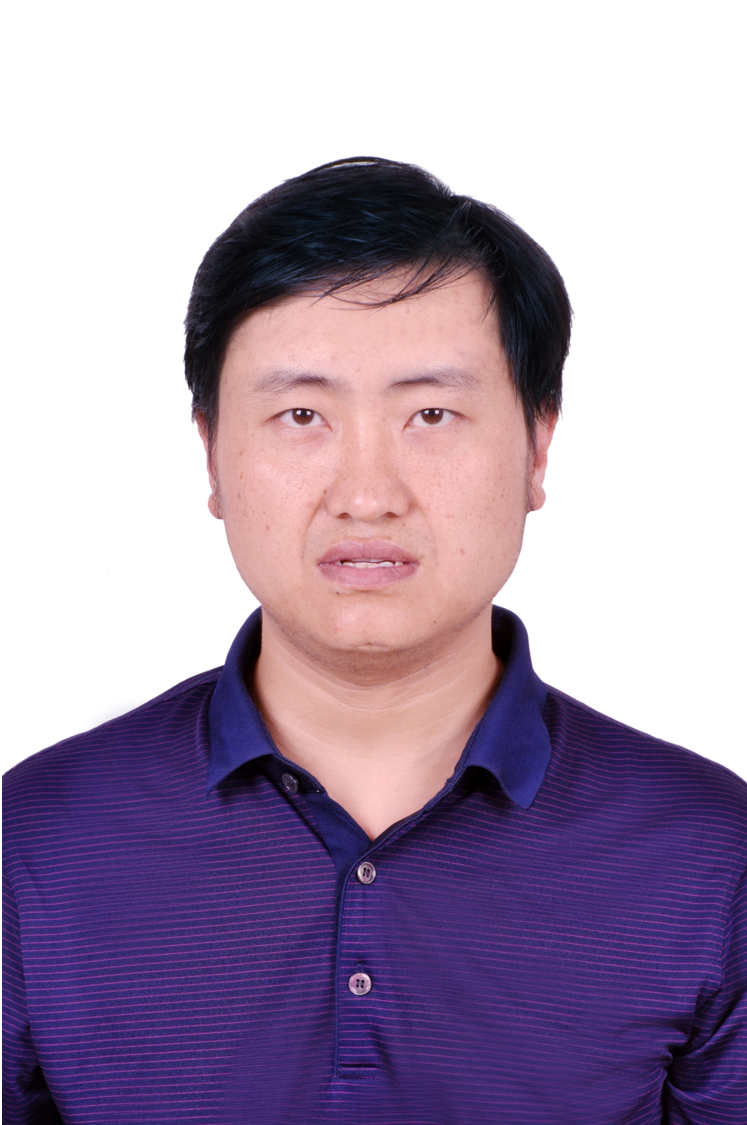 Qiang Du (杜强)合作论文数Institute of Engineering Thermophysics, Chinese Academy of Sciences;University of Chinese Academy of Sciences7ShuangMin Chen (陈双民)合作论文数6
 Xing Yu (邢宇)合作论文数6
 Hongliang Yang (杨洪亮)合作论文数School of Information Science and Engineering, Shandong University6
 Yang Liu (刘洋)合作论文数Microsoft Research Asia6
 Xiangxu Meng (孟祥旭)合作论文数School of Computer Science and Technology, Shandong University;Research Center of Human-computer Interaction & Virtual Reality, School of Software, Shandong University6Shouzhen Jiang合作论文数5
 Peiqing Liu合作论文数School of Mechanical Engineering, Shandong University5Yu Zhou合作论文数5
 Will Ji (季伟)合作论文数School of Information Science and Engineering, Shandong University5
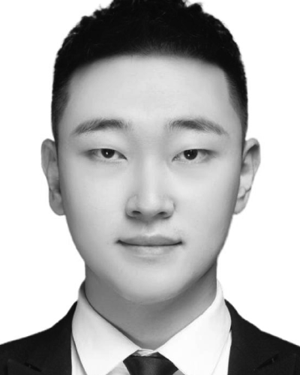 Feng-Yu Liu合作论文数5
 Daniel Cohen-Or合作论文数School of Computer Science, Tel Aviv University5
 Xin Yan (闫鑫)合作论文数School of Civil Engineering, Shandong University;School of Future Technology, Shandong University4Bingteng Sun合作论文数4Pengcheng Liu合作论文数4
 Xiaokang Liu合作论文数4
 Cong Rao合作论文数School of Computer Science and Technology, Shandong University, Qingdao, China4
 Yang Xia (夏阳)合作论文数School of Mechanics and Aerospace Engineering, Dalian University of Technology4
 Feng Sun (孙峰)合作论文数School of Life Sciences, Shandong University4
 Hao Pan (潘浩)合作论文数School of Software, School of Information Science and Technology, Tsinghua University4Longdu Liu合作论文数3Xiaojie Yin合作论文数3Wenqiang Liu合作论文数3Xiaohua Su合作论文数3Jingwen Sun合作论文数3
 Xuelin Chen合作论文数School of Computer Science and Technology, Shandong University3
 Hao Dong (董豪)合作论文数Center on Frontiers of Computing Studies, School of Computer Science, Peking University3
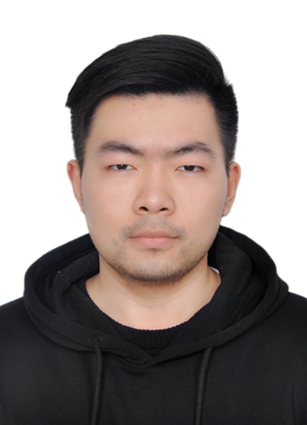 Mingdong Wu (吴铭东)合作论文数School of Computer Science, Peking University3Minghai Chen合作论文数3
 Dani Lischinski合作论文数The Rachel and Selim Benin School of Computer Science and Engineering, Hebrew University of Jerusalem3Lin Liu (刘琳)合作论文数School of Fine Arts, Shandong University3
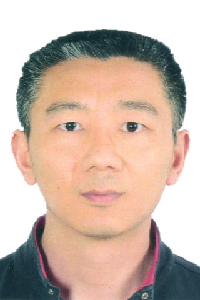 Yanning Xu (徐延宁)合作论文数Engineering Research Center of Digital Media Technology, Ministry of Education, Shandong University;School of Software, Shandong University;School of Computer Science and Technology, Shandong University3
 Yang Xu (徐杨)合作论文数College of Integrated Circuits, Zhejiang University3Xu Yin合作论文数3




