Postglacial expansion dynamics strongly influence the genetic structure of temperate species; however, mitochondrial data from the Baltic region are limited. To assess diversity, phylogenetic origins, and regional structuring, we analyzed mitochondrial cytochrome b (726 bp) and control region (421–422 bp) sequences of the common vole (Microtus arvalis Pallas, 1779) from Lithuania. Of the 91 cytb sequences and 70 control region sequences analyzed, five and four haplotypes were identified, respectively. Markedly low haplotype and nucleotide diversity compared with most European populations were detected. Phylogenetic Maximum Likelihood and network analyses revealed that all Lithuanian haplotypes belong to the eastern European lineage and are most closely related to Polish and central European samples, which supports recolonization from a Carpathian refugium. Despite the overall low variation, we detected two distinct mitochondrial groups: a highly differentiated western group and a second group encompassing eastern, northern, and central–southern populations. This strong regional structuring suggests limited maternal gene flow on a small geographic scale. There was no evidence of introgression from related taxa, such as Microtus obscurus. Our findings refine the phylogeographic context of Baltic M. arvalis and highlight the region’s role in shaping postglacial diversity patterns.
Although sympatric carnivores typically exhibit dietary differentiation to reduce interspecific competition, contemporary isotopic comparisons of European mustelids remain scarce. In this study, we present the first modern stable isotope analysis of hair to evaluate the dietary niches and trophic relationships of pine martens (Martes martes), stone martens (Martes foina), and European polecats (Mustela putorius) in Lithuania and Latvia. The stable carbon and nitrogen isotope values differed among the species. M. martes showed lower δ15N values and more depleted δ13C signatures than the two more synanthropic species. Isotopic niche analyses revealed that M. martes occupied the broadest niche, while M. foina and M. putorius exhibited narrower niches with substantial overlap. Habitat influenced trophic position: individuals from settlements showed higher δ15N values than those from forests or wetlands. In contrast, sex- and age-related differences were weak or absent. These results demonstrate that despite partial spatial coexistence, sympatric mustelids differ primarily in isotopic niche structure rather than mean isotope values and that human-modified environments promote trophic convergence among generalist mesocarnivores. However, the small sample sizes for M. foina and M. putorius mean that estimates of isotopic niche width and overlap should be regarded as preliminary, and observed sex- and age-related patterns likely reflect limited statistical power rather than the absence of intraspecific dietary variation.
Wild ungulates have deep impacts on socio-ecological systems, and analyzing large-scale population trends in a multispecies set can identify their environmental and socio-economic drivers. We collected annual hunting bags (n = 11,046, period 1975–2018) of European roe deer, red deer, wild boar, fallow deer, mouflon, northern chamois and moose, across Europe. We identified different temporal trends in their hunting bags and evaluated the social and environmental drivers of their relative abundances. The number of harvested red deer and fallow deer, increased steadily across Europe, with minor differences among countries, despite variations in land use and climate. On the contrary, European roe deer harvests have decreased in six European countries since the late 1990s, probably due to landscape changes and locally also due to predation, interspecific competition, and/or increasing temperatures. Northern chamois harvests in Austria and Switzerland have decreased markedly, probably due to increasing temperatures, which decrease the survival of kids at high altitudes. Wild boar harvests have decreased in Poland, Estonia, Latvia, and Lithuania since the African Swine Fever outbreak in 2013–2014. Minor differences emerged between countries adopting different management regimes for wild ungulates. While many studies pointed out landscape changes as the cornerstone for the increase in wild ungulates across Europe, our research emphasizes important species-specific differences. There is a need to predict how landscape dynamics, climate change and recovering large carnivores will affect populations of species already showing signs of decline, like the European roe deer or the northern chamois.
The aim of the study was to assess Sarcocystis prevalence in brains of small mammals from Lithuania and to comprehensively characterize their genetic variability. Brain samples of 687 small mammals (mice, voles and shrews) from Lithuania were analysed for Sarcocystis spp. using light microscopy and DNA sequence analysis. Parasites isolated were genetically characterised at nuclear 18S rRNA, 28S rRNA, ITS1, ITS2, mitochondrial cox1 and cytb, and apicoplast rpoB. Microscopic and molecular examination revealed the presence of S. glareoli in three rodent species (Apodemus flavicollis, Clethrionomys glareolus and Microtus arvalis), with a total prevalence of 2.6
Near-primeval forests provide ecological benchmarks for evaluating the functional consequences of landscape transformation. Using stable carbon (δ13C) and nitrogen (δ15N) isotope analyses of mammalian hair, we compared trophic organization in 26 mammal species between the near-primeval Białowieża Forest and human-modified landscapes in Lithuania and neighboring regions. Based on 2,450 hair samples, we quantified habitat-associated differences in corrected δ13C and δ15N values, isotopic niche width, niche overlap, and multivariate isotope-space structure. Community-level responses were evaluated using linear mixed-effects models incorporating habitat, trophic guild, collection year, and species identity.Human-modified landscapes were associated with widespread trophic reorganization. Community-level analyses revealed consistent δ15N enrichment across trophic guilds, whereas corrected δ13C responses were comparatively weak and species-specific. At the species level, δ15N values increased in 21 of 26 species, significant habitat-associated separation in isotopic space was detected for most taxa, and isotopic niche contraction was substantially more common than expansion (11 vs. 4 species). The magnitude and direction of isotopic responses varied among species, indicating heterogeneous trophic adjustments to landscape transformation.Our results demonstrate that human-modified landscapes reorganize mammalian trophic structure through changes in nitrogen pathways, resource use, and isotopic niche configuration. These changes occurred despite continued species persistence, indicating that taxonomic composition alone may substantially underestimate forest ecosystem transformation. Stable isotope analysis reveals functional reorganization that remains largely invisible to traditional biodiversity assessments, providing a powerful approach for assessing changes in forest ecosystem functioning and trophic integrity under landscape transformation.
Sarcocystis spp. (Apicomplexa: Sarcocystidae) are globally distributed protozoan parasites with an obligatory two-host prey-predator life cycle involving intermediate (IHs) and definitive hosts (DHs). Canids, including the red fox (Vulpes vulpes), often serve as DHs for species infecting various ungulates. This study identified Sarcocystis species in red foxes from Croatia, Lithuania, and Portugal. Between 2021 and 2024, 164 faecal samples (80 from Croatia, 50 from Portugal, and 34 from Lithuania) were analysed using nested PCR targeting the cox1 gene. Twelve Sarcocystis species were detected: S. arieticanis, S. capracanis, S. capreolicanis, S. cruzi, S. gracilis, S. hjorti, S. iberica, S. linearis, S. miescheriana, S. morae, S. rossii, and S. tenella. The overall prevalence was highest in Croatia (78%) and Lithuania (62%) and lowest in Portugal (30%). Phylogenetic and haplotype analyses revealed high homogeneity and absence of geographic structuring. These results confirm the red fox as a key DH for multiple Sarcocystis species infecting European ungulates and underscore its epidemiological importance in parasite transmission across diverse ecosystems.
The Eurasian beaver (Castor fiber) is a keystone ecosystem engineer whose expanding populations increasingly occupy agricultural landscapes. Hair stable isotope analysis was applied to reconstruct assimilated diet in 56 legally hunted beavers in Lithuania in 2024–2025. Stable carbon isotope values were tightly clustered (–25.53 ± 0.10‰ SE), while those for nitrogen showed greater variability (5.38 ± 0.20‰ SE), indicating limited interindividual dietary differentiation. Generalized linear models revealed no significant effects of sex, year, or month, and age-related differences were limited to the youngest individuals. Comparison with published Polish data showed no significant differences in mean isotope values. Overall, the results indicated a stable assimilated diet at the population level despite documented seasonal and habitat-specific foraging flexibility.
Records of Sarcocystis spp. diversity in rodents are relatively extensive; however, the increasing application of molecular approaches indicates that our current knowledge of these parasites remains incomplete. In the present study, morphological, genetic and phylogenetic data are provided on Sarcocystis arvalis n. sp. from the common vole (Microtus arvalis). Using light microscopy, the observed sarcocysts had a relatively thin (<1 μm) and smooth cyst wall. Via transmission electron microscopy, the sarcocyst wall thickness ranged from 0.7 to 1 μm, and the parasitophorous vacuolar membrane exhibited small knob-like blebs and was slightly wavy, type 1a. Based on 18S rRNA, 28S rRNA, cox1 and rpoB loci, S. arvalis n. sp. showed the highest similarity with Sarcocystis myodes from the bank vole (Clethronomys glareolus). According to the phylogenetic placement, S. arvalis n. sp. is the most closely related to Sarcocystis spp. with a rodent–mammal lifecycle. Morphologically, S. arvalis n. sp. forms sarcocysts that share a lot of similarities with those of S. myodes, Sarcocystis ratti and Sarcocystis cernae and molecular analysis is necessary for accurate species identification. Based on the abundance of the hosts and the proportion of voles in their diet, the most likely definitive hosts of S. arvalis n. sp. are red foxes, stone martens, least weasels, and domestic cats.
We examined the morphological variation in the striped field mouse (Apodemus agrarius) along south–north and west–east geographic gradients in Europe (Slovakia, Lithuania, and Estonia). Data collected over several decades (1980s–2020s) were analyzed, focusing on five traits: body mass, body length, tail length, hind foot length, and ear length, with GLM models assessing the influence of latitude, longitude, age, sex, and decade. Results revealed strong adherence to ecogeographic rules. Findings suggest that body size increased toward the north, following Bergmann’s rule, which links larger size to better heat conservation in colder climates. Conversely, appendage sizes (e.g., tail, ear) decreased, aligning with Allen’s rule to minimize heat loss. Longitudinal gradients revealed reductions in body length and appendages toward the east, potentially reflecting climatic and habitat variability. Temporal trends highlighted dynamic changes in body size, with increases in Slovakia and mixed trends in Lithuania and Estonia. Sex-based dimorphism varied by country and decade, with females often heavier and males displaying longer appendages. The findings underscore the influence of geographic and temporal factors on morphological variation, providing critical insights into the adaptability of A. agrarius. These results contribute to understanding species’ ecological plasticity and evolutionary responses.
Toxoplasma gondii, a widespread parasite, poses significant public health concerns. It infects humans and animals, with rodents serving as important intermediate hosts. The present study investigated the prevalence and genetic ITS1 diversity of T. gondii in wild rodents from Lithuania. A total of 469 rodents from eight species were captured across various regions, and DNA from neural and cardiac tissues was analyzed using nested PCR. Overall prevalence of T. gondii was 26.2% (95% CI = 22.3–30.5). The prevalence of infection varied among rodent species (0–50.0%) and across geographic locations. A mere few rodents exhibited concurrent infections in both tissues examined. Toxoplasma gondii was detected more frequently in the brains of Apodemus flavicollis and hearts of Clethrionomys glareolus, and in the males of Microtus arvalis. A total of 19 distinct ITS1 genotypes were identified, including 17 novel ones; Genotype 1 was the most prevalent and widely distributed. Phylogenetic and network analyses revealed a star-like topology centered on Genotype 1 and confirmed the accurate identification of T. gondii in Lithuanian rodents. This study provides the first evidence of T. gondii in wild rodents in Lithuania, highlighting the need for further research on its prevalence and potential impact on public health and wildlife.
In June 2025, a two-year-old female brown bear (Ursus arctos) appeared in the streets of Vilnius, the capital city of Lithuania. This sparked significant public, institutional, and media responses. This paper analyzes the event through ecological, social, and symbolic lenses to explore how large carnivores are perceived and managed at the wildland-urban interface. Through an examination of media reports, policy responses, and theoretical perspectives from environmental sociology and narrative studies, we explore how the bear's presence became a public safety concern and a culturally significant symbol. Public discourse revealed tensions between institutional authority and local ethical values, as evidenced by hunters' refusal to carry out a kill permit. This case also illustrates the growing use of technology, such as drones, in urban wildlife management. The bear's peaceful departure reinforced the effectiveness of nonlethal conflict resolution. This case underscores the importance of integrating ecological realities with social perceptions, media framing, and symbolic interpretations in large carnivore conservation. It emphasizes the need for interdisciplinary approaches that address the emotional and cultural aspects of human-wildlife interactions in rapidly urbanizing areas.
We examined long-term trends in the yellow-necked mouse (Apodemus flavicollis) in Lithuania using data collected from 1980 to 2024. Over 10,000 individuals were captured and 5666 were necropsied to measure standard morphometric traits, including body mass, length, and appendage dimensions. Temporal trends revealed an increase in the proportion of A. flavicollis within small mammal communities, from 6.5% in the 1980s to 28.2% in the 2020s, particularly in forest and grassland habitats. Sexual dimorphism was confirmed, with males generally larger than females in all traits, although age influenced the degree of size difference. Morphometric traits showed a consistent increase from the 1980s to the 2010s, followed by significant declines in body mass, body length, and ear length in the 2020s. Declines were most pronounced in males across all age groups. These findings are consistent with our previous findings in the field vole (Microtus agrestis) from the Baltic region, and the global patterns of body size reduction in small mammals due to climate warming and habitat change. This study highlights the importance of integrating sex- and age-based analyses to understand the ecological and evolutionary responses of mammals to environmental pressures. Future research is essential to explore the broader implications of these trends for ecosystem dynamics and species survival.
Understanding the trophic ecology of the European brown hare (Lepus europaeus) is essential for its conservation in intensifying agricultural landscapes. To explore dietary niches across habitats, sexes, and age groups, we applied stable isotope analysis of carbon (δ13C) and nitrogen (δ15N) in hair samples from 151 hares collected in Lithuania and Poland from 2023 to 2025. δ13C and δ15N values varied significantly by country and habitat, but not by sex or age. Lithuanian hares exhibited lower δ13C values and a wider isotopic niche, reflecting more diverse foraging in heterogeneous habitats. In contrast, Polish hares from uniform orchard landscapes showed higher δ13C enrichment and narrower isotopic ranges, indicating greater dietary specialization on cultivated plants. Temporal variation was minimal, and isotopic overlap among months and years was high. These results suggest that habitat heterogeneity, rather than demographic factors, drives dietary flexibility in L. europaeus. Thus, stable isotope analysis provides a powerful tool for linking agricultural land use with trophic niche breadth in farmland mammals. Promoting mixed cropping systems, permanent vegetation, and structurally diverse habitats could improve food quality and support the recovery of declining hare populations.
As shown in M. L. Hunter (Jr.)’s seminal book Wildlife, Forests and Forestry: Principles of Managing Forests for Biodiversity, published in 1990 [...]
This review synthesizes historical and contemporary research on wildlife–vehicle collisions and roadkill, outlining its evolution from early documentation to modern road ecology. It discusses how early efforts in North America and Europe that quantified animal casualties and developed standardized methodologies formed current studies that use advanced geospatial tools, citizen science, and artificial intelligence to analyze spatiotemporal patterns. We examine key ecological, methodological, and economic impacts of roadkill on wildlife populations and human safety, highlighting the role of road density, vehicle speed, and seasonal factors. The framework presented also underscores a commitment to sustainability by integrating environmental conservation with infrastructural development and socio-economic resilience. The review details various mitigation strategies, from fencing and wildlife crossings to dynamic signage, and evaluates their effectiveness in reducing mortality rates, thereby supporting sustainable development in transportation infrastructure and wildlife management. It also identifies research gaps and outlines future directions, advocating for integrated, multidisciplinary approaches to improve wildlife conservation, infrastructure planning, and public awareness in the context of rapidly expanding road networks.
We examined three decades of changes in the mammal fauna of Estonia, Latvia, and Lithuania in the context of climate variability, land use transformation, and anthropogenic pressures. We compiled distributional, abundance, and status data from publications, atlases, official game statistics, and long-term monitoring programs, and we evaluated trends using compound annual growth rates or temporal indices. Our review identified losses such as regional extinctions of garden dormice and European mink, declines in small insectivores (e.g., pond bats and shrews) and herbivores (e.g., Microtus voles), and the contraction of boreal specialists (e.g., Siberian flying squirrels). However, we also identified gains, including increases in ungulate numbers (e.g., roe deer, red deer, fallow deer, moose, and wild boars before African swine fewer outbreak) and the recovery of large carnivores (e.g., wolves and lynxes). Invasions by non-native species (e.g., American mink, raccoon dog, and raccoon) and episodic disturbances, such as African swine fever and the “anthropause” caused by the SARS-CoV-2 pandemic, have further reshaped community composition. The drivers encompass climatic warming, post-socialist forest succession, intensified hunting management, and rewilding policies, with dispersal capacity mediating the responses of species. Our results underscore the dual legacy of historical land use and contemporary climate forcing in structuring the fauna dynamics of Baltic mammal communities in the face of declining specialists and invasive taxa.
The taiga shrew (Sorex isodon), a boreal forest species widely distributed across northern Eurasia, had not previously been recorded in the Baltic states. We report the first occurrence of S. isodon in Lithuania, which extends the species range westward into the Baltic region. The specimen, which was initially misidentified as Sorex araneus, was collected in 2023 near Vilnius during non-systematic snap-trapping. A detailed examination of tail, cranial, and dental characteristics confirmed the identification as S. isodon. The individual was a non-adult male, weighing 5.8 g, and was trapped in a wet mixed forest influenced by beaver activity. This suggests that the microhabitat conditions are similar to those reported in Belarus and Ukraine. This finding extends the western boundary of S. isodon distribution by approximately 200–630 km. This study underscores the potential underreporting of this species in the Baltic region and highlights the importance of revisiting existing skull collections, conducting targeted trapping, and performing genetic analyses. Verifying additional records will clarify the habitat preferences and conservation relevance of S. isodon at the western edge of its range.
A review of 113 scientific and other publications on the smallest and most abundant deer in Lithuania, the roe deer (Capreolus capreolus), is presented, along with an analysis based on compound annual population growth rates of population numbers, hunting bags, and roadkill. This review covers the species’ history in the country from the last glaciation onwards, the changes in numbers from 1934 to 2023, hunting bag changes from 1965 to 2022, roadkill numbers from 2002 to 2022, data on roe deer reproduction, habitat selection, genetic diversity, pathogens, and damage to forest stands. It also provides an overview of species management and selection for trophies. Despite the exponential increase in roe deer numbers since 1990 and the dominance of this species in roadkill, even on urban roads, the number and density of animals and the damage they cause to forest stands are relatively low compared to other European countries. Within the observed period, drops in numbers were related to harsh winters in 1969/1970 and 1995/1996. Poaching, especially coinciding with weakened enforcement during the period of political–economic transition in the early 1990s, has also had a negative impact on population numbers, as have recent increases in the number of large predators. Population growth over the recent period does not correlate with hunting mortality, which has remained stable at an average of 16.9% since 2002.
The striped field mouse (Apodemus agrarius) is expanding in several European countries, but the details of this process are not always documented due to a lack of long-term studies. We conducted an analysis of changes in relative abundances and proportions of A. agrarius in small mammal communities in nine different habitat groups in Lithuania during 1975–2023. We found an increase in the abundance and proportion of A. agrarius, increasing synanthropization of the species, and tolerance to anthropogenization of habitats. Temporal variations in the relative abundance and proportion of species were observed, with lower values in February–July and higher values in September–January. The main finding is a remarkable increase in species presence in the country after the 1990s, with a peak observed in the 2010s–2020s, confirmed by eight local studies. During these decades, it was the third most abundant species, representing 19.8–20.0% of the individuals caught. It is also important to note that A. agrarius has recently been most abundant in commensal habitats (0.029 ± 0.006 individuals/trap day), with the highest species proportion in agricultural areas (24.8 ± 1.8%). There are many indications that the expansion of A. agrarius in Lithuania is becoming invasive.
We analyzed 474 human casualties in wildlife–vehicle accidents (WVAs) that occurred between 2002 and 2022 in Lithuania, which is a small northern European country. The study revealed the escalating trend of WVAs, since 2018 surpassing other transport accidents, although the number of casualties per WVA was ca. 100 times lower compared to other transport accidents. Moose was the primary contributor, responsible for 66.7% of fatalities and 47.2% of injuries, despite much lower species abundance compared to roe deer, which is the main species involved in WVAs without human casualties. Temporal patterns highlighted seasonal, daily, and hourly variations, with the majority of casualties occurring during dusk or dawn in May and September, on weekends, and between 20:00 and 22:00. Spatially, main roads with high traffic density exhibited the highest casualties per unit length. Most casualties occurred after hitting an animal directly with cars and motorcycles being most vulnerable vehicles. The effectiveness of WVA prevention measures was inconclusive: 9.5% of fatalities and 1.4% of injuries were registered in the area of the warning sign, and 10.4% of all casualties occurred on fenced road segments. These findings suggest the need for a critical evaluation of the current prevention strategies in reducing human casualties associated with WVAs.
 Laima Balciauskiene合作论文数Nature Research Centre, Akademijos 2, 08412 Vilnius, Lithuania.96
 Jasiulionis Marius合作论文数22
 Vitalijus Stirke合作论文数20
 Andrius Kucas合作论文数Nat Res Ctr, Akad 2, LT-08412 Vilnius, Lithuania17
 Petras Prakas合作论文数11
 Dalius Butkauskas合作论文数11
 Andrius Garbaras合作论文数Nuclear & Environmental Research Laboratory, Center for Physical Sciences & Technology, Savanoriu ave. 231, LT-02300 Vilnius, Lithuania10
 Algimantas Paulauskas合作论文数10
 Raminta Skipityte合作论文数10
 Janis Ozolins合作论文数9Jana Radzijevskaja合作论文数9
 Rimvydas Juskaitis合作论文数Institute of Ecology8
 Vidmantas Remeikis合作论文数8Laima Baltrūnaitė合作论文数7Jos Stratford合作论文数6
 Ilpo Kojola合作论文数Finnish Game;Fisheries Research Institute;Oulu Game and Fisheries Research;Oulu Game and Fisheries Research, Fisheries Research Institute6Aušra Čepukienė合作论文数5
 Sabina Nowak合作论文数Association for Nature “Wolf”, Twardorzeczka 229, 34-229 Lipowa, Poland5Peep Männil合作论文数Centre of Forest Protection and Silviculture5
 Martynas Kazlauskas合作论文数5
 Rauno Veeroja合作论文数4Uudo Timm合作论文数4
 Evelina Kaminskiene合作论文数4
 Dalyte Mardosaite-Busaitiene合作论文数4
 Luigi Boitani合作论文数Department of Biology and Biotechnologies, University of Roma "La Sapienza";Fondation Segré4
 Diana Zlatanova合作论文数Faculty of Biology, Sofia University "St. Kliment Ohridski4
 John D. C. Linnell合作论文数Deprtment of Forestry and Wildlife Management, Inland Norway University of Applied Science;Department of Terrestrial Ecology, Norwegian Institute for Nature Research4
 Reiner Ulrich合作论文数4Yukichika Kawata²合作论文数4Reda Mažeikytė合作论文数3Alius Ulevičius合作论文数3
 Juan Carlos Blanco合作论文数3Agrita Žunna合作论文数3
 Stephan Drewes合作论文数3
 Miha Krofel合作论文数Biotechnical Faculty, University of Ljubljana3
 Paolo Ciucci合作论文数Istituto Astronomico, Università di Roma la Sapienza3Saulius Švažas合作论文数3
 Giedrius Trakimas合作论文数3
 Jack Wierzchowski合作论文数3
 Henrik Andrén合作论文数Department of Ecology, Faculty of Forest Sciences, Swedish University of Agricultural Sciences3
 Marco Heurich合作论文数Inland Norway University of Appllied Science;University of Freiburg3
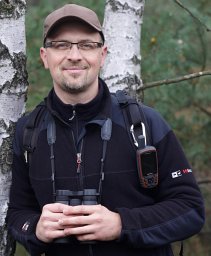 Robert W. Mysłajek合作论文数Association for Nature “Wolf”, Twardorzeczka 229, 34-324 Lipowa, Poland3Guna Bagrade合作论文数3
 Urs Breitenmoser合作论文数3
 Michal Stanko合作论文数3
 Vadim Sidorovich合作论文数Vertebrate Predation Research Group;Institute of Zoology;National Academy of Sciences of Belarus;Institute of Zoology, National Academy of Sciences of Belarus3
 Krzysztof Schmidt合作论文数Mammal Research Institute, Polish Academy of Sciences3
 Sandor Csanyi合作论文数Szent István University3
 Jasna Jeremic合作论文数2




