Regional assessment of soil fertility requires separating concentration dispersion from spatial dependence while recognizing the limits imposed by coarse regional surveys. We quantified soil organic matter (SOM), total nitrogen (TN), available phosphorus (AP), and available potassium (AK) in 638 topsoil samples (0–20 cm) from cultivated land in Wuwei, northwestern China. Descriptive statistics, Pearson correlations, distributional diagnostics, isotropic semivariograms, and additional sensitivity analyses of drift, directionality, and spatial validation were used. Pooled coefficients of variation ranged from 57.8% to 97.3%, with AK showing the greatest dispersion. SOM and TN were strongly correlated (r = 0.954, p < 0.01). The strongest in-sample semivariogram fits were exponential for SOM, spherical for TN, and Gaussian for both AP and AK; nugget-to-sill ratios [C0/(C0 + C)] were 0.266–0.441. In a separate 373-record georeferenced sensitivity analysis, detrended directional practical-range ratios (larger/smaller) ranged from 1.17 to 1.92, and spatially blocked five-fold R2 values were markedly lower than random-fold values, especially for AP. Thus, directional structure and geographic transfer remain uncertain, and the empirical variogram fit does not establish predictive performance. The results provide a regional baseline for sampling prioritization, not field-scale fertilizer prescription.
Woody plant invasions are widely reported to modify ecosystem functioning, particularly through changes in soil nutrients and belowground processes, yet the direction and magnitude of these effects remain highly contrasting across species and environments. To address this gap, a PRISMA-compliant global meta-analysis of 117 studies encompassing 635 paired invaded–uninvaded comparisons was conducted to quantify changes in soil biochemical properties. Across studies, woody plant invasions were connected with increases in soil nitrogen ( 50
Soil nickel (Ni) and copper (Cu) single pollution threatens agricultural sustainability and food safety, with both metals exhibiting hormesis (low-dose stimulation, high-dose inhibition) in crops. Conventional amendments lack selectivity and dual detoxification-nutrient supply capacity, limiting their use in Ni or Cu single-contaminated soils. To address these limitations, this study investigates the effects of Watermelon Rind-g-(AA-co-AAm) Hydrogel (WRH) on lettuce (Lactuca sativa) under Ni and Cu stress, using adsorption-desorption experiments and pot trials to explore WRH’s Ni²⁺/Cu²⁺ adsorption-desorption properties and impacts on lettuce growth and physiology. Results show WRH has distinct Ni²⁺/Cu²⁺ adsorption-desorption behaviors: adsorption is primarily monolayer uniform (well-fitted to the Langmuir model), while desorption efficiency is regulated by oxalic acid pH, forming an adsorption-reversible desorption dynamic balance with potential gradual metal release. Ni and Cu exhibit "low-concentration promotion, high-concentration inhibition" on lettuce—low levels (4 mg/kg Ni, 2 mg/kg Cu) boost growth, while high levels (12 mg/kg Ni, 6 mg/kg Cu) inhibit it. WRH significantly alleviates Ni and Cu single stress: it reduces heavy metal impacts, improves lettuce growth, and enhances physiological performance (e.g., increasing chlorophyll and soluble sugars, decreasing malondialdehyde). Notably, 0.4% WRH increases lettuce yield by 126.7% (Ni8 treatment, 8 mg/kg Ni) and 138.5% (Cu4 treatment, 4 mg/kg Cu). Based on adsorption-desorption model fitting results, we infer that WRH may sequester metal ions through its abundant hydrophilic functional groups on the network, with potential desorption triggered by root exudates under acidic rhizosphere environments, shifting from "toxicity reduction" to "trace nutrient supply". This study provides new insights and a theoretical basis for designing eco-friendly soil remediation materials for high-concentration Ni or Cu single pollution.
Understanding how straw incorporation affects soil stoichiometry and biochemical processes is essential for improving soil fertility in dryland wheat systems on the Loess Plateau. We quantified effects of four wheat straw return rates [0 (W0), 3500 (W1), 7000 (W2), and 14,000 kg ha−1 (W3)] on C-N-P stoichiometry, microbial biomass, active carbon fractions, and enzyme activities in a randomized block experiment in Dingxi, Gansu. Composite soil samples from 0–10, 10–20, and 20–30 cm were analyzed for soil organic carbon (SOC); total nitrogen (TN); total phosphorus (TP); microbial biomass C, N, and P; dissolved, particulate, and readily oxidizable organic C; and sucrase, urease, alkaline phosphatase, and catalase activities. Increasing straw input significantly increased SOC, TN, and TP across all depths, with W3 increasing them by up to 42, 33, and 24% relative to W0, respectively. Under W3, microbial biomass C and N more than doubled, and labile C fractions and enzyme activities increased by 35–80% compared with W0. Straw return also modified soil and microbial C:N:P stoichiometry, decreasing microbial C:N and C:N:P and increasing N:P, suggesting alleviated N limitation. Overall, moderate-to-high straw incorporation improved soil fertility and functioning, supporting straw return as a sustainable management practice for Loess Plateau drylands.
Iron deficiency limits plant growth and is usually addressed with iron fertilizers. Iron−based nanomaterials (nZVI, α−FeOOH, α−Fe2O3, γ−Fe2O3, and Fe3O4) show promise as novel alternatives, but the effects of sulfide nano−zero−valent iron (S−nZVI) on crops remain little studied. Thus, this study aimed to synthesize a novel iron−based nanomaterial, S−nZVI, using a one−step method, and to evaluate the effects of S−nZVI and nZVI at concentrations ranging from 5 to 100 mg L−1 on the physiological and photosynthetic characteristics of Chinese cabbage (Brassica rapa L.). In the study, foliar application of iron nanoparticles increased leaf area, biomass, and photosynthesis, with 50 mg L−1 the most efficient concentration (S−nZVI > nZVI). Moreover, the photosynthetic rate of the leaves increased significantly (>200%), and carbohydrate accumulation also increased significantly. Additionally, S−nZVI treatment increased leaf iron content by 5.8−fold compared to the control group, likely by enhancing the activity of antioxidant enzymes. However, the 100 mg L−1 S−nZVI treatment significantly inhibited these physiological and biochemical indicators. Overall, the foliar S−nZVI (50 mg L−1) enhanced Chinese cabbage growth by alleviating iron deficiency, boosting antioxidant activity, and reducing oxidative stress; further field trials are needed to verify its effectiveness and cost−efficiency.
Returning straw to the soil is increasingly recognized as a sustainable practice that enhances soil fertility and promotes carbon sequestration. However, it can also accelerate the decomposition of soil organic carbon (SOC) and CO2 emissions, raising concerns about carbon loss. This study aimed to clarify the biological and environmental drivers of SOC mineralization across soil depths in a semi-arid system. A 79-day incubation experiment was conducted using wheat straw applied at four rates (0, 3500, 7000, and 14,000 kg ha−1) to soils from 0–10, 10–20, and 20–30 cm. Cumulative CO2 release, SOC, dissolved organic carbon (DOC), and extracellular enzyme activities were quantified, and relationships were analyzed using correlation and structural equation modeling. Compared with the control, straw return increased cumulative CO2 emissions by 48–126%, SOC by 9–21%, and DOC by 17–32%. Enzyme activities of β-glucosidase and N-acetylglucosaminidase were 25–64% higher under straw treatments. Structural modeling revealed that enzyme activity had a stronger direct effect on SOC mineralization than chemical properties. These results support the co-metabolism theory, stimulating microbial metabolism to enhance both straw- and native-SOC decomposition. Overall, straw return improves nutrient cycling but increases CO2 emissions, underscoring the need for optimized management to balance soil fertility with carbon mitigation.
The contamination of water and soil by heavy metals (HMs) is a global issue that should be given much more concern. Modified nano-zero-valent iron (nZVI) composites offer an effective strategy for HMs remediation, but few studies have focused on removing coexisting HMs and the eco-toxicity of the composite. In this study, corn straw biochar-supported nZVI composites (nZVI-BC) were synthesized, characterized and used for the removal of Cr6 +, Pb2+, and Cd2+ in single and multi-system at different composites dosages, metal concentrations, and solution pH. This study indicated that the composites exhibited enhanced removal capacities for Cr6+, Pb2+, and Cd2+ (respectively 82.24, 737.2, and 545.28 mg g-1), which were considerably superior to those observed with the sole application of biochar (0.05, 89.88, and 108.49 mg g-1) and nZVI (39.8, 297.35, and 191.02 mg g-1). Results of the remediation application of the composites to multi-metal systems revealed that intricate interplay existed between coexisting HMs, which hindered the simultaneous removal effect. The coexistence of Cr6+ and Cd2+ decreased both removal efficiencies by 58.16 % and 14.06 % at high Cr6+ levels, respectively, while the coexistence of Cd2+ and Pb2+ resulted in a decrease in Cd2+ removal efficiency by 14.3 %. An in-depth characterization of the underlying adsorption mechanism was performed by using kinetic and isotherms models such as Pseudo-first-order, Pseudo-second-order, Langmuir and Freundlich, X-ray photoelectron spectroscopy (XPS) and transmission electron microscopy (TEM) analysis. Each HM exhibited a distinct adsorption mechanism. The primary removal processes for Cr6+ and Pb2+ involved adsorption, reduction, and precipitation, whereas Cd2+ was mainly removed by adsorption and precipitation. Eco-toxicity experiments revealed that nZVI-BC enhanced pak choi (Brassica rapa L.) seeds germination (13.32, 17.22, and 23.33 %) and vigor indexes (1.22, 1.44, and 1.15) under Cr6+, Pb2+, and Cd2+ contamination, respectively. Nevertheless, an observed shift in toxicity occurred when the composites dosage for Cr6+, Pb2+, and Cd2+ exceeded 2, 4, and 4 g L-1, respectively, thereby instigating adverse effects on the early stages of plant growth. This work elucidates the removal mechanism and intricate reactions between co-existing HMs, highlighting the potential of nZVI-BC as a remediation strategy for HMs contamination.
The objective of this study was to conduct a comparative analysis of the performance of hydrogels prepared from two distinct raw materials and to identify the hydrogels with the optimal overall capacity for dry farming applications. Ten grafted polymer hydrogels were prepared from melon peel (MP) and orange peel (OP). A comparative analysis of the degree of swelling, water absorption time, pH range, reusability, and soil water retention and water-holding capacity of the two hydrogels revealed that the MP-based hydrogels exhibited superior performance in all evaluated parameters when compared to their OP-based counterparts. The treatment group of hydrogels prepared from MPs exhibited the highest degree of swelling, with an absorptive capacity of up to 765.6 g/g in ultrapure water. The optimum absorption ratio at pH = 8.1 was 606.8 g/g, as determined by Gaussian distribution modeling. The treatment group with the best reusability demonstrated an average absorption ratio of 445.0 g/g. The degree of swelling was 84.0 g/g when the process was repeated seven times. After the MP-gels were applied to the soil, it was observed that the gels enhanced the water retention and holding capacity of the sandy soil. The water retention ratio of the sandy soil was increased by 271.0% by the addition of MP-gel, and the growth of wheat was found to be normal when 1.5% to 2.0% of MP-gel was added under drought-stress conditions. In light of the necessity to reuse agricultural waste, the preparation of MP-gel can facilitate the improvement of dry farming and address the issue of water scarcity in agriculture. This offers a viable solution for the growth and management of crops under conditions of drought stress.
Soil microbial nutrient limitation is of great significance for the maintenance of soil fertility, the sustainability of plant growth, and the stability of the alpine meadow ecosystems, which are particularly sensitive to global climate change. This study aimed to explore the effects of soil extracellular enzyme activities on soil microbial nutrient limitation across three altitudinal gradients—low altitude (LA: 2900–3200 m above sea level (masl)), middle altitude (MA: 3200–3500 masl), and high altitude (HA: 3500–3800 masl)—in alpine meadows in the northeastern Qinghai–Tibet Plateau, using the method of ecological stoichiometry. The research results showed that soil nutrients mostly accumulate in the surface layer: with increasing altitude, soil organic carbon (SOC) and total nitrogen (TN) contents gradually increase (p < 0.05), and their contents at high altitude in the 0–20 cm soil layer are twice those at low altitude. The activities of β-1,4-glucosidase (BG) and β-1,4-N-acetylglucosaminidase (NAG) at high altitude are significantly 26.77% and 30.88% higher than those at low altitude, respectively. Linear regression analysis shows a significant positive correlation between soil nutrients and C/N/P-related enzymes after logarithmic transformation along the altitudinal gradient. Enzyme vector analysis revealed that in the alpine meadows at altitudes ranging from 2900 to 3800 masl, relative nitrogen limitation was widespread, while relative carbon limitation was more significant in both high-altitude and low-altitude regions (p < 0.05). Notably, this study did not account for the granulometric composition of the soil at the sampling sites. Nevertheless, it partially reveals the nutrient acquisition strategies of microorganisms across different altitudinal gradients, providing a theoretical basis for understanding nutrient cycling in alpine meadow ecosystems and addressing global change.
The accumulation of heavy metal cadmium (Cd) in farmland soil in edible parts of crops seriously threatens plant growth, human health, and even the global ecological environment. Finding stabilization remediation technology is an important means to treat Cd-contaminated soil. This study comprehensively evaluated the synergistic effects of independent or combined application of biochar (BC) (10, 30 g kg−1) and nano zero-valent iron (nZVI) (0.1% w/w) on soil properties and morphological and physiological traits of pakchoi (Brassica rapa L. subsp. chinensis) under Cd (1, 3 mg kg−1) stress by pot experiments. It was shown that Cd toxicity negatively affected soil properties, reduced pakchoi biomass and total chlorophyll content, and increased oxidative stress levels. On the contrary, the combined application of BC (30 g kg−1) and nZVI (0.1%, w/w) reduced the Cd accumulation in the shoot parts of pakchoi from 0.78 mg·kg−1 to 0.11 mg·kg−1, which was lower than the Cd limit standard of leafy vegetables (0.20 mg kg−1) in GB 2762-2017 “National Food Safety Standard”. Compared with the control, the treatment group achieved a 61.66% increase in biomass and a 105.56% increase in total chlorophyll content. At the same time, the activities of catalase (CAT) and superoxide dismutase (SOD) increased by 34.86% and 44.57%, respectively, and the content of malondialdehyde (MDA) decreased by 71.27%. In addition, the application of BC alone (30 g·kg−1) increased the soil pH value by 0.43 units and the organic carbon (SOC) content by 37.82%. Overall, the synergistic effect of BC (30 g kg−1) and nZVI (0.1% w/w) helped to restore soil homeostasis and inhibit the biotoxicity of Cd, which provided a new option for soil heavy metal remediation and crop toxicity mitigation.
Drought-induced insufficient soil moisture severely threatens crop growth and yield, making efficient water-retaining materials a feasible solution to enhance crop drought tolerance. In this study, an eco-friendly Aloe vera-g-P(AA-co-AMPS) hydrogel (AVH) was synthesized via microwave-assisted graft copolymerization, and its water retention capacity and effect on lettuce drought tolerance were investigated. Characterized by Scanning Electron Microscope (SEM), Fourier Transform Infrared Spectroscopy (FTIR), and Thermogravimetric Analysis (TGA), AVH showed a three-dimensional interpenetrating network structure. It showed an equilibrium swelling ratio of 2618.4 g/g in ultrapure water (higher than reported hydrogels) and retained 95.35 % water after 163 h at 25 degrees C, indicating excellent swelling and long-term water retention. Pot experiments under mild (55 % field capacity) and severe (35 % field capacity) drought showed that with AVH increasing from 0 % to 0.3 %: under mild drought, lettuce leaf fresh weight and total chlorophyll increased by 405 % and 79.1 %, respectively; under severe drought, root length, root weight, and soluble sugar increased by 242 %, 360 %, and 72.2 %, respectively, while malondialdehyde decreased by 51.4 %. These results indicate that AVH can reduce plant oxidative damage, optimize osmotic regulation, and promote lettuce adaptation and growth under drought. Although further research on reusability and large-scale testing is needed, AVH shows promising application potential in crop drought control due to its excellent water absorption and retention capabilities, providing new insights for developing eco-friendly drought-resistant materials.
Vegetable wastes in general do not compost well due to their high moisture content (MC) and low dry mass. To overcome these obstacles, in this study co-composting of Chinese cabbage wastes (CA) or celery wastes (CE) with corn stover and sheep manure was utilized to improve the composting performance, and the effects of the additives on microbiota during composting and microbial degradation of lignocellulose and synthesis of humic acid (HA) were investigated. The results showed that addition of 25 % corn stover or 40 % sheep manure increased hemicellulose, cellulose and lignin destruction by 24.6 %- 29.9 %, 5.5 %- 14.0 % and 8.3 %- 17.3 %, respectively, and produced 20.5 %- 48.9 % more humic acid (HA). LEfSe analysis found that addition of 25 % corn stover or 40 % sheep manure promoted growth of lignocellulose-degrading microorganisms alongside with the transformation of anaerobic fermentation into aerobic fermentation, and analyses of bacterial and fungal functions testified that the addition of corn stover or sheep manure increased microbial activities related to aerobic chemoheterotrophy, lignocellulosic degradation and activities of saprotroph at different stages. Mantel test showed total organic carbon (TOC), moisture content (MC) and EC were positively correlated to bacterial biomarker and fungal biomarker, which were also significantly correlated to HA. The addition of 25 % corn stover or 40 % sheep manure was very effective in ameliorating the aeration state and provide alternative carbon sources during composting to promote growth of lignocellulose-degrading microorganisms, which increased lignocellulose degradation and saprophytic activities to accelerate the synthesis of HA.
In the context of increasing water scarcity and environmental pollution, this study investigates the synthesis and application of p(AA-Oco-AAm)-g-Citrus Sinensis Peel hydrogel (CSP hydrogel) to enhance soil water retention and remove organic dyes from wastewater. Hydrogels were prepared using a combination of acrylamide and acrylic acid, with the incorporation of citrus peel as a natural resource. The water absorption capacity of the hydrogels was evaluated, achieving a maximum retention rate of 477 g/g, significantly improving the water-holding ability of various soil types. Additionally, the hydrogels demonstrated a strong affinity for methylene blue, with an equilibrium adsorption capacity reaching 2299.45 mg/g, indicating their effectiveness in wastewater treatment. Kinetic and isothermal adsorption models were applied to analyze the adsorption dynamics, revealing a superior fit to the Langmuir model. The hydrogels maintained structural integrity and reusability over multiple cycles, underscoring their potential for sustainable agricultural practices and environmental remediation. This research highlights the dual benefits of utilizing agricultural waste for the development of eco-friendly materials while addressing critical challenges in water management and pollution control.
In order to meet the demand for coordinated development of agricultural waste utilization and water-saving agriculture, this study utilized waste celery tailings (CT) to make a super-absorbent hydrogel by chemical cross-linking. The hydrogel was optimized and screened. The study demonstrated the optimal CT-gel synthesis method: 7.5 wt% CT, 0.05 wt% MBA cross-linker, and 70 °C for 2 h. The optimized gel had a water absorption of 708 g/g and a water retention of more than 20% at 25 °C on day 10. The soil water retention of the CT-gel increased with time and dosage. In sandy soils, 0.6% CT-gel was most effective. The pot experiment showed that 2% of the gel significantly increased the height and growth rate of radish seedlings. This study effectively utilized various components of CT and provided a scalable approach for converting agricultural waste into functional materials, which is valuable for arid soil improvement and sustainable agriculture.
Straw returning has an effective strategy for improving soil carbon sequestration and aggregate stability, as well as promoting sustainable agricultural development. Although in recent years, predecessors have conducted in-depth studies on the impact of tillage patterns and straw returning levels on soil organic carbon (SOC) and aggregate stability, we remain unclear on which tillage modes and straw return levels were the most suitable combinations in the study area. In view of this, we examined the influence of two tillage modes (tillage with straw returning, TS; no-tillage with straw mulching, NTS) and four straw addition levels (one-time treatment, 3500 kg/ha; two-time treatment, 7000 kg/ha; three-time treatment, 10,500 kg/ha; four-time treatment, 14,000 kg/ha) to soil aggregate size distribution, stability, SOC content, and carbon fractions content by split-plot experiment. The results showed that NTS3 enhanced the proportion of middle macro-aggregates fraction (MM) and unstable macro-aggregates fraction (UM), as well as SOC and hot-water extraction C (HWC) content with NTS mode. TS3 enhanced the proportion of MM, small macro-aggregates fraction (SM) with TS mode. Pearson correlation analysis suggested that the effect of straw input level on SOC and soil aggregates is greater for NTS than TS. In conclusion, considering the aspects of not affecting soil aggregate stability and improving SOC content, we think that NTS plays a significant role in promoting and enhancing the capacity of farmland soil to retain organic carbon in the research area; particularly, NTS3, HWC, and dissolved organic carbon (DOC) serve as indicative indices for SOC changes.
Soil salinization restricts the sustainable development of global agriculture, expanding at an annual rate of approximately 1 million hectares. In China, the total area of saline–alkali land reaches 170 million hectares, of which the arable land area exceeds 50 million hectares. The arid northwest region witnesses worsening soil salinization due to arid climate and improper irrigation practices, which seriously affects the yield of crops such as spinach (Spinacia oleracea L.). As a leafy vegetable with high nutritional value and economic significance, spinach exhibits growth inhibition, leaf yellowing, and disrupted physiological metabolism under saline–alkali stress. Therefore, this study investigates the alleviating effects and mechanisms of Attapulgite Clay-g-(AA-co-AAm) Hydrogel (ACH) on spinach under salt stress (NaCl) and alkaline stress (NaHCO3). The results show that ACH has a loose, porous structure. As the addition of Attapulgite Clay increases, the surface roughness and porosity improve while retaining organic functional groups (amide groups, carboxyl groups) and inorganic Si-O bonds, providing a structural foundation for stress mitigation. In terms of yield enhancement, ACH effectively alleviates salt–alkali stress: under severe salt stress (SS2), 0.2% ACH increased leaf area by 91% and leaf weight by 95.69%; under mild alkaline stress (AS1), 0.2% ACH increased leaf area by 46.3% and leaf weight by 46.21%; and under severe mixed salt–alkali stress (MS2), 0.4% ACH increased root weight by 49.83%. Physiologically, ACH reduced proline content (51.25% reduction under severe mixed stress) and malondialdehyde (MDA) content (68.98% reduction under severe alkaline stress) while increasing soluble sugar content (63.54% increase under mixed stress) and antioxidant enzyme activity (SOD, POD, CAT). In terms of ion regulation, ACH reduced Na+ accumulation in roots and leaves (61.12% reduction in roots and 36.4% reduction in leaves under severe salt stress) and maintained potassium–sodium balance. To conclude, ACH mitigates the adverse effects of salt–alkali stress by coordinately modulating spinach’s growth, physiological metabolic processes, and ion balance. This synergistic regulatory effect ultimately contributes to sustaining high yields of spinach.
Land use change can significantly alter the proportion of soil aggregates, thereby influencing aggregate stability and distribution of soil organic carbon (SOC). However, there is minimal research on the variations in the distribution of soil aggregates, aggregate stability, and SOC in soil aggregates following land use change from farmland (FL) to forest and grassland in the Loess Plateau region of China. Select six land use patterns (farmland (FL), abandoned cropland (ACL), Medicago sativa (MS), natural grassland (NG), Picea asperata Mast. (PA), Platycladus orientalis (L.) Franco (PO)) on the Loess Plateau in China and collect undisturbed soil samples. These six land use patterns have similar geographical characteristics. The distribution of aggregates and the aggregate-associated SOC contents under the six land use patterns were measured at the 0-10 cm, 10-30 cm and 30-50 cm depths. The results showed that forestland and grasslands converted from FL significantly increased the aggregates (> 5 mm) content, mean weight diameter (MWD), and geometric mean diameter (GMD) but decreased the aggregates (< 0.25 mm) content. Compared with FL, the values at the 0-50 cm depth under PA, NG, MS, PO and ACL increased by 473.71-732.55%, 283.98-724.60%, 179.06-634.12%, 142.31-413.50% and 110.25-213.34%, respectively, for MWD and by 244.04-607.77%, 141.68-666.67%, 52.39-483.33%, 50.49-214.43%, and 35.23-64.29%, respectively, for GMD. Land use patterns and soil aggregate size had obvious influences on SOC content, SOC content in soil and aggregates decreased under ACL. In other forestland and grasslands, The SOC content in bulk soil, > 5 mm, 2-5 mm, 1-2 mm, 0.5-1 mm, 0.25-0.5 mm, and < 0.25 mm aggregates at the 0-50 cm depth after afforestation increased by 20.75-125.87%, 14.50-163.64%, - 11.86-118.18%, 9.65-150.95%, 38.28-126.49%, 51.26-165.87% and - 15.59-163.37%, respectively, Compared to FL. The contributions of different aggregates particle sizes to the increase in SOC content in bulk soil were 104.74%, 7.86%, 4.76%, 6.23%, 5.37%, and - 21.97%, respectively. MWD and GMD were positively correlated with SOC content in aggregates (1 mm), SOC content in bulk soil and aggregates. Although SOC content in bulk soil and different aggregates particle sizes under NG and PA were significantly higher that than under MS and PO, the soil macroaggregate content, MWD, and GMD under PO and NG were higher than that under PA and MS. These findings suggest that converted FL into PO and NG significantly improved soil structure and also increased SOC content. Therefore, in the process of transforming land use patterns on the Loess Plateau, the proportion of forest land and grassland should be appropriately increased to improve soil carbon storage and quality. The results of this study provides a theoretical basis and scientific basis for the scientific evaluation and understanding of soil organic carbon accumulation and distribution under different land use patterns in the Loess Plateau region of China.
Under the increasing severity of drought issues and the urgent need for the resourceful utilization of agricultural waste, this study aimed to compare the soil water retention properties of hydrogels prepared from Chinese cabbage waste (CW) and banana peel (BP) using grafting techniques with acrylic acid (AA) and acrylamide (AAm). Free radical polymerization was initiated with ammonium persulfate (APS), and N, N′-methylene bisacrylamide (MBA) served as the crosslinking agent to fabricate the grafted polymer hydrogels. The hydrogels were subjected to detailed evaluations of their water absorption, reusability, and water retention capabilities through indoor experiments. The optimal hydrogel was identified and its applicability in wheat seedling growth was assessed. The findings revealed that the CW-gel, with an equilibrium swelling ratio of 551.8 g/g in ultrapure water, demonstrated remarkable performance and sustained a high water retention of 57.6% even after drying, which was markedly superior to that of the BP-gel. The CW-gel with the best comprehensive properties significantly improved water retention in sandy soil by 78.2% and prolonged the retention time by five days, indicating its potential for long-term irrigation management. In contrast, the BP-gel showed better performance in clay soil, with an increased water-holding capacity of 43.3%. The application of a 1.5% CW-gel concentration under drought stress significantly improved wheat seedling growth, highlighting the role of hydrogels in agriculture and providing a new path for sustainable water resource management in dryland farming.
Abstract Land use change can significantly alter the proportion of soil aggregates, thereby influencing aggregate stability and distribution of soil organic carbon (SOC). However, there needed to be more research on the variations in the distribution of soil aggregates, aggregate stability, and SOC in soil aggregates following land use change from farmland (FL) to forest and grassland in the Loess Plateau region of central Gansu, China. The current research aimed to explore the dynamics of soil aggregates, aggregate stability, and SOC distribution in the Anjiagou watershed in the hilly and gully areas of the Loess Plateau in central Gansu, China. Six land use types (farmland (FL), abandoned cropland (ACL), Medicago sativa (MS), natural grassland (NG), Picea asperata Mast. (PA), Platycladus orientalis (L.) Franco (PO)) were selected as the research objects. By measuring the water-stable aggregates and SOC content of soil aggregates at 0–10 cm, 10–30 cm, and 30–50 cm soil depths, the composition, stability, and SOC characteristics of soil aggregates were analyzed. The results showed that the conversion of FL to forestland and grasslands significantly increased the content of aggregates > 5 mm, mean weight diameter (MWD), and geometric mean diameter (GMD) but decreased the content of aggregates < 0.25 mm. Compared with FL, the increases of MWD and GMD in the soil depth of 0–50 cm under PA, NG, MS, PO and ACL were 473.71% ~ 732.55%, 283.98% ~ 724.60%, 179.06% ~ 634.12%, 142.31% ~ 413.50%, 110.25% ~ 213.34% and 244.04% ~ 607.77%, 141.68% ~ 666.67%, 52.39% ~ 483.33%, 50.49% ~ 214.43%, 35.23% ~ 64.29% respectively. Compared with FL, after FL was returned to forestland and grasslands, SOC content in soil and aggregates decreased under ACL. In other forestland and grasslands, SOC contents in bulk soil, > 5 mm, 2–5 mm, 1–2 mm, 0.5-1 mm, 0.25–0.5 mm, and < 0.25 mm aggregates at the 0–50 cm soil depth increased by 20.75–125.87%, 14.50–163.64%, -11.86–118.18%, 9.65–150.95%, 38.28–126.49%, 51.26–165.87% and − 15.59–163.37%, respectively. After returning FL to forestland and grasslands, the contributions of aggregates with sizes of > 5 mm, 2–5 mm, 1–2 mm, 0.5-1 mm, 0.25–0.5 mm, and < 0.25 mm to the increase in SOC content in bulk soil were 104.74%, 7.86%, 4.76%, 6.23%, 5.37%, and − 21.97%, respectively. MWD and GMD were positively correlated with SOC content in aggregates of > 5 mm, 2–5 mm, and 1–2 mm, as well as in bulk soil and aggregates. Although SOC content in bulk soil and different particle size aggregates was significantly higher under NG and PA conditions than under MS and PO conditions, soil macroaggregate content, MWD, and GMD were higher under PO and NG treatments than under PA and MS treatments, indicating that soil structure was more reasonable. The ability to resist soil erosion was strongest under PO and NG treatments. Therefore, to improve soil and water conservation capacity and increase soil C sequestration in the Loess Plateau, converting FL to PO and NG may be the best choice for improving the ecological environment.
 Renzhi Zhang (张仁陟)合作论文数128Zhuzhu Luo (罗珠珠)合作论文数75
 Lingling Li (李玲玲)合作论文数甘肃农业大学农学院55Junhong Xie (谢军红)合作论文数45
 Yining Niu (牛伊宁)合作论文数32Peng Qi (齐鹏)合作论文数32
 Fasih Ullah Haider合作论文数University of Edinburgh28
 Stephen Yeboah合作论文数CSIR-Crops Research Institute12
 Linlin Wang (王林林)合作论文数Agronomy College, Gansu Agricultural University11XiaoJiao Wang (王晓娇)合作论文数11Gaobao Huang (黄高宝)合作论文数11LIU Jiahe (刘家鹤)合作论文数9Zhandong PAN (潘占东)合作论文数9Ma Wenjun (马文军)合作论文数9Jun ZHANG (张军)合作论文数9
 Yizong Huang (黄益宗)合作论文数Agro-Environmental Protection Institute, Ministry of Agriculture and Rural Affairs, Chinese Academy of Agricultural Sciences9
 Jun Wu (伍钧)合作论文数College of Environmental Sciences, Sichuan Agriculura University9
 Yuan Zhong (钟源)合作论文数8
 Muhammad Akmal Farooq合作论文数Department of Pharmacy, University of Agriculture Faisalabad8Jeffrey A. Coulter合作论文数8Yuzhen Wei (魏玉珍)合作论文数7Teng Bingqin (滕柄钦)合作论文数7CHEN Xiao-long (陈晓龙)合作论文数7YaoQuan Zhang (张耀全)合作论文数7
 Sardar Alam合作论文数Institute of Environmental Science and Technology, Zhejiang University7Chang Liu (刘畅)合作论文数6ChengSheng Sun (孙成胜)合作论文数6Xin Ma (马欣)合作论文数6
 Noor Ul Ain合作论文数Ctr Mol Med, Karolinska Inst5MA Qian-qian (马倩倩)合作论文数5Qiongli Bao合作论文数5
 Adnan Mustafa合作论文数Charles University in Prague5Ya-peng JIAO (焦亚鹏)合作论文数5Huan ZHOU (周欢)合作论文数5YouLing Wang (王友玲)合作论文数5Dan Yue (岳丹)合作论文数5
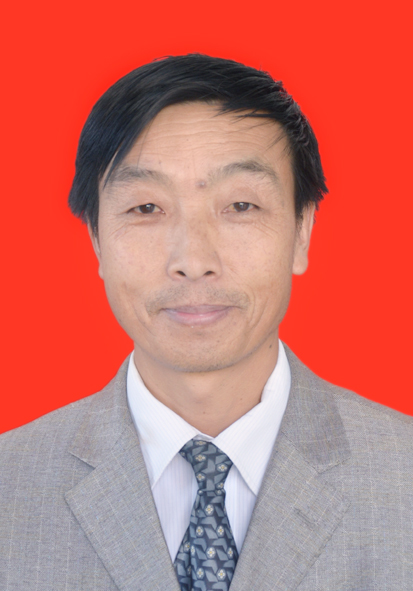 Ying Chen (陈英)合作论文数定西市农业科学研究院5
 Bo Dong合作论文数5
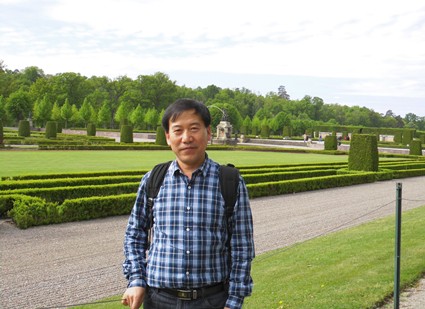 Qiang Chai (柴强)合作论文数甘肃农业大学农学院5
 Hailiang Li合作论文数4
 Saddam Hussain合作论文数4
 Guangdi Li合作论文数4
 Muhammad Naveed合作论文数4Min Song合作论文数4CAI Lu (才璐)合作论文数4ZHANG Jun (张军)合作论文数4




