A dual spool fuel valve has been developed for active control of combustion oscillations in aeroengines. The inner spool, directly driven by a multi-dimensional discrete magnetostrictive actuator (MDMA), regulates high-frequency fuel flow to meet the demands of active control system. Precise control of high-frequency fuel flow is critical for effective active control, necessitating accurate monitoring of the inner spool position. Traditional contact-based measurements, which rely on displacement sensors, are limited by integration complexity and intricate structural requirements. In contrast, displacement self-sensing methods for the MDMA offer a novel solution for monitoring the inner spool position. Therefore, this study presented a displacement self-sensing strategy employing four induction coils and developed a theoretical model based on the energy transfer process. However, the theoretical model exhibited low computational efficiency, and the induced current lagged behind the displacement, making it unsuitable for real-time high-frequency displacement calculation. To address this limitation, a real-time displacement self-sensing surrogate model (RDSSM) combining a two-layer multilayer perceptron network with a discrete wavelet transform algorithm was proposed. Experiments showed that the theoretical model had an average modeling error of 5.48 %, while the RDSSM achieved an error of 3.63 %. Furthermore, the closed-loop control experiments revealed an average relative error of 3.76 % between feedback displacement derived from the RDSSM and direct measurements, validating that the RDSSM can effectively replace traditional displacement sensors, enabling accurate self-sensing, feedback, and control of the inner spool position.
Natural flyers and swimmers exploit unsteady flow interactions in tandem wings or fins and thus achieve force-vectoring propulsion. However, efficient control strategies lie in a wide parameter space of both wings and fins. This study focuses on independent motion modulation of the hindwing to enhance the force-vectoring propulsion. The system is simplified as two-dimensional tandem airfoils, with the forewing performing continuous symmetric pitching-plunging motions while the hindwing undergoes asymmetric pitching (non-zero mean pitch angle, alpha(0)) and intermittent flapping. The results show that introducing alpha(0) shifts the system from a pure propelling mode to an integrated lift-propelling mode. This transition is primarily attributed to the enhanced leading-edge vortex (LEV) and altered projection of the aerodynamic force vector on the hindwing. More importantly, an intermittent flapping hindwing with a duty cycle of 0.5 can improve lift generation while substantially reducing power, thereby enhancing lift efficiency at propulsion equilibrium. This surprising enhancement benefits from the stronger starting vortex in the burst phase and the sustained but energy-free LEV-induced lift during the coast phase. Overall, this study demonstrates that, by combining asymmetric pitching and intermittent flapping, individual control of hindwing motion can efficiently manipulate the force vectoring of a tandem flapping-wing system. This may simplify the control of aerial and underwater vehicles with multiple flapping wings.
Physics-informed neural networks (PINNs) provide a meshless collocation framework for solving partial differential equations (PDEs) in engineering analysis. However, their accuracy and efficiency are strongly affected by the placement of interior collocation points. Fixed sampling strategies, such as uniform random sampling and low-discrepancy sampling, rely on predetermined distributions and cannot adapt to the evolving residual field during training. This may lead to insufficient resolution in localized difficult regions and inefficient sample utilization, especially for nonlinear, time-dependent, and high-dimensional problems. To address this issue, this paper proposes a Residual-Transport Resampling (RTR) method for adaptive collocation in PINNs. RTR formulates residual-driven adaptive sampling as a continuous density-learning and transport process. A learnable sampling density is optimized according to the current residual field and updated alternately with the PINN model, allowing collocation points to be dynamically reallocated toward informative high-residual regions while retaining domain-wide coverage. Numerical experiments show that RTR improves collocation-point allocation, accelerates convergence, and reduces solution errors compared with representative fixed and adaptive sampling baselines.
Multi-rotor ducted propellers, which integrate the high-efficiency characteristics of ducted propellers with the layout flexibility and safety advantages of distributed propulsion, are extensively utilized in the propulsion systems of low-altitude transport systems and large-scale unmanned aerial vehicles. This study numerically investigates the effects of spanwise distance, streamwise distance, rotational consistency, and rotational phase gap on the unsteady aerodynamic characteristics of multi-rotor ducted propellers under hovering conditions. A parameterized numerical computation model and an Aligned Rank Transform Analysis of Variance (ART-ANOVA) method suitable for small datasets exhibiting regular patterns were developed. Initially, numerical simulations investigated the aerodynamic performance of multi-rotor ducted propeller models with varying layout parameters. The aerodynamic coefficients of the propellers monotonically decrease as the layout spacing increases; however, the change trends differ. Aerodynamic interference reduces the airflow velocity and influences the distribution of high-pressure zones, consequently impacting thrust and efficiency. Subsequently, this paper examined the coupled effects of two rotational characteristics. The relationship between propeller aerodynamic performance and rotational phase gap exhibits distinct trigonometric function characteristics. The presence of the duct mitigates the mutual interference between blades, thereby altering the amplitude and phase of these characteristics. Finally, an ART-ANOVA method was employed to quantify the main and interaction effects, revealing that rotational consistency has a dominant influence on all aspects of aerodynamic performance. Insights into aerodynamic performance are crucial for advancing low-altitude transport systems that utilize ducted propeller propulsion systems.
Inadequate resource coordination and control can result in poor quality of experience (QoE) for user devices in heterogeneous edge-enabled cyber-physical systems. Unfortunately, in a cooperative edge network, existing studies have rarely jointly optimized communication, computing resources, and batch size for QoE guarantee when controlling task offloading. To this end, we investigate the problem of harnessing bandwidth, computation, and batch size for fair quality of experience (HARBOR) in a practical collaborative edge-AI environment, where UEs have different accuracy requirements of inference services and edge devices possess different batch processing capabilities. Specifically, we introduce the task completion efficiency as the task-completion-time-to-deadline ratio to quantify individual QoE. Then, we formulate the problem HARBOR as a mixed integer nonlinear programming with constraints of accuracy, bandwidth, computation, task hard deadlines and so on. The objective is to minimize the maximum task completion efficiency among all tasks to achieve task-level fairness. After providing the NP-hardness proof for HARBOR, we then devise an efficient scheme named e-HARBOR with a competitive ratio guarantee, to solve the decoupled sub-problems of HARBOR with calibrated long short-term memory network for resource prediction. Both testbed and simulation experiments evidently demonstrate that the proposed scheme works efficiently and scales well compared to baselines.
Distributed ducted propellers hold significant promise for propulsion systems in Advanced Air Mobility(AAM) due to their high efficiency, low noise, and enhanced redundancy and safety. However, a standardized benchmark for comparing the aerodynamic characteristics of different ducted propeller configurations remains lacking. Including additional ducted propellers can further complicate the flow field. This paper proposes an equivalent design method for ducted propellers based on the momentum theorem and similarity criteria, introducing three equivalent ducted propeller cases. Transient numerical simulations are conducted using the sliding mesh model. The three cases produce comparable thrust while consuming the same power, with the volume of distributed ducted propellers being reduced by over 29% compared to the single ducted propeller. This study investigates the effect of rotational frequency on aerodynamic performance under hovering conditions. While propeller performance demonstrates low sensitivity to variations in rotational frequency, duct performance exhibits high sensitivity. The research further examines how rotational frequency changes the pressure difference between the duct leading edge and trailing edge. Based on a sensitivity analysis of aerodynamic performance, the flow field mechanisms under different rotational consistency are examined for the case with one duct and two propellers. Differences in aerodynamic performance are attributed to the airflow velocity gradient differences at the duct leading edge and the flow separation characteristics on the crossing side. These findings are significant for enhancing the performance of distributed ducted propellers and improving aircraft controllability.
Single-precision floating-point GPU calculations in modern high-performance heterogeneous computing systems are crucial for increasing the efficiency of large-scale fluid simulations on unstructured grids. However, the lack of a unified programming language for heterogeneous systems and the significant computational errors of single-precision calculations in complex problems pose major challenges. Issues such as poor data locality and data contention in unstructured grid CFD calculations limit GPU performance. Through heterogeneous Kokkos computation, we improved data locality through data reordering and addressed data contention using the scatter-reduce strategy, atomic operations, and the color approach. We introduced an innovative hybrid- precision CFD computation strategy that leverages methods based on object distance and grid geometry for precision blending. This approach harnesses the computational advantages of single-precision GPU calculations while accurately capturing boundary layer information. We assessed the accuracy and performance of these methods on a heterogeneous CPU/GPU computing system. The reverse Cuthill-McKee algorithm significantly enhances performance, atomic operations are the optimal strategy for GPUs, and in the hybrid-precision strategy proposed in this paper, the Tesla A100 GPU, RTX 4090 GPU, and RX 7900 XTX GPU achieve overall speedup of 469, 310, and 413, respectively.
Flexible wings, serving as the key components of tailless flapping wing micro air vehicles (FWMAVs), simultaneously generate lift, thrust, and control torques. Due to the complex unsteady fluid-structure interactions involved in their flapping, accurately predicting their aerodynamic performance, such as mean lift and lift-to-power efficiency, becomes challenging. There is also a lack of widely accepted and rational design methods for flexible wings. To address these, we propose an experimental optimization design method based on response surfaces methodology and investigate the impact of four design parameters—aspect ratio ( A ), slack angle ( θ ), taper ratio ( λ ), and flapping frequency ( f )—on the aerodynamic performance of flexible wings. The results show that the models accurately predict the aerodynamic performance of flexible wings, with an error margin of less than 10% compared to experimental measurements. Utilizing these models, an optimal flexible wing for a tailless FWMAV with a mass of 15 g was designed and manufactured, which can generate 15.24 gf of lift while maintaining a lift-to-power efficiency of 6.07 gf/W. Additionally, the models indicate that the four parameters are nearly equally important for the aerodynamic performance of flexible wings, and the coupling between these parameters also significantly affects the aerodynamic performance. Specifically, A & λ , A & f , θ & f , and λ & f affect mean lift, while A & λ , θ & λ , and θ & f affect lift-to-power efficiency. These coupling effects help explain the contradictions found in previous studies regarding the influence of different parameters. Our research provides clear guidance and practical methods for designing flexible wings in tailless FWMAVs.
The energy consumption of edge devices or nodes is critical to ensure a long lifetime of cooperative edge-AI service network, which has been somehow overlooked in the literature. Failure to accommodating the energy depletion can not only bring quality of service degradation of mobile terminal devices, but can also harm the connectivity of the multi-access edge computing network. This paper thus addresses the application service fairness problem under energy depletion constraints, to make the service fairness paradigm practical to suit for energy-limited edge nodes, e.g., the unmanned areal vehicles (UAVs), solar energy powered road side units (RSUs). The problem is formulated as a non-convex integer linear programming, which is NP-hard. Then a randomized rounding algorithm as well as a greedy algorithm are designed to maximize the minimum service type’s completion rate. Extensive simulation results have shown that compared to the algorithms without energy constraints, the proposed randomized rounding algorithm and greedy algorithm with energy constraints can reduce the average energy consumption by about 39.87% and 40.31% respectively, at the cost of a mild average system throughput degradation.
This paper presents a shape optimization for the three-dimensional cooling channel with high Reynolds number flow and strong convection heat transfer based on isogeometric analysis (IGA). Meanwhile, the applicability conditions of Darcy’s potential flow, which is an approximate liner flow, are introduced to solve the heat-flow coupling problem. We call this method Darcy reduced-order isogeometric analysis (DRIGA). The volume parametric model is constructed by using the segmentation–mapping–merging mechanism of design features, and the model can be directly analyzed by IGA without data conversion and to eliminate discrete errors. The calculation formulas for DRIGA are derived. Then, a DRIGA-based shape optimization is achieved by applying the sensitivity analysis method with the average temperature as the objective function, the location coordinates of the fluid–solid boundary control points as the design variables, and the percentage of fluid volume and the pressure drop as the constraints. Several examples of approximate water-cooling devices show that our method can accurately describe the heat-flow coupling problem in the case of a narrow channel with a high flow velocity. The analytical results are in general agreement with those of the finite element convection–diffusion analysis, and the shape optimization results show that the average temperature is reduced, which proves the correctness of the method.
Insects flip their wings around each stroke reversal and may enhance lift in the early stage of a half-stroke. The possible lift-enhancing mechanism of this rapid wing rotation and its strong connection with wake vortices are still underexplored, especially when unsteady leading-edge vortex (LEV) behaviours occur. Here, we numerically studied the lift generation and underlying vorticity dynamics during the rapid rotation of a low aspect ratio flapping wing at a Reynolds number ( ${\textit {Re}}$ ) of 1500. Our findings prove that when the outboard LEV breaks down, an advanced rotation can still enhance the lift in the early stage of a half-stroke, which originates from an interaction with the breakdown vortex in the outboard region. This interaction, named the breakdown-vortex jet mechanism, results in a jet and thus a higher pressure on the upwind surface, including a stronger wingtip suction force on the leeward surface. Although the stable LEV within the mid-span retains its growth and location during an advanced rotation, it can be detrimental to lift enhancement as it moves underneath the wing. Therefore, for a flapping wing at ${\textit {Re}}\sim 10^3$ , the interactions with stable and breakdown leading-edge vortices lead to the single-vortex suction and breakdown-vortex jet mechanisms, respectively. In other words, the contribution of wing–wake interaction depends on the spanwise location. The current work also implies the importance of wing kinematics to this wing–wake interaction in flapping wings, and provides an alternative perspective for understanding this complex flow phenomenon at ${\textit {Re}}\sim 10^3$ .
By deploying deep neural network (DNN) models at the edge server, the computing capability of mobile devices running data mining applications can be greatly expanded having shorter delays than traditional cloud based paradigms. However, there exists a performance gap between theory and practise for current AI service caching and inference request routing solutions. Loading cost is one of the dominating factors that affect the edge-AI system performance, which cannot be neglected. Distinct from existing studies, we jointly optimize caching, computation, and communication in a cooperative multi-access edge computing (MEC) network, having loading cost in mind. The problem is modeled as a mixed-integer nonlinear programming, which is proven to be NPhard. We then devise an on-line approximation algorithm on the basis of approximate submodular property. Extensive simulation results demonstrate the superiority of proposed algorithm.
In vehicular edge computing, efficient strategies for model deployment and task offloading offer tremendous potential to reduce response time for machine learning inference. However, existing works do not pay much attention to that there are shared structures among different types of inference tasks. This limits the improvement in response time. This paper aims to fill this gap by investigating a share-aware joint model deployment and task offloading problem for multi-task inference in vehicular edge computing. We formulate the problem with an objective to minimize the total response time of all inference requests, under constraints of per task response time, per roadside unit storage capacity, etc. We prove that the formulated problem is NP-hard. To solve the problem, a time period aware algorithm, called TPA, is proposed with guaranteed approximation ratio. In TPA, an iterative approach is designed to solve the problem of maximizing system throughput during a certain time period. Then, the certain time period approximates to the minimum time period of completing all requests. The algorithms are evaluated in the environment comprising two CPUs, two GPUs, state-of-the-art multi-task learning models and the dataset of Google cluster-usage trace. Simulation results derived from this environment show that, the proposed TPA outperforms the state-of-the-art methods for all cases, in terms of the total response time of all requests. For example, TPA can significantly reduce the total response time by at least $73.72\%$ for different numbers of RSUs considered, compared with state-of-the-art methods.
Cooperative edge artificial intelligence (AI) has shown its advantages via edge-edge collaboration. By deploying deep neural network (DNN) inference service models at the edge server, the lifetime of user devices (UDs) can be prolonged through computation offloading. In practise, the service configuration delay or loading cost can potentially degrade the performance of cooperative edge-AI services. Although there have been recent studies on service caching and request routing having loading cost in mind, there exists performance gap between theory and practise, especially when UD applications have stringent deadlines, for example, running big data inference applications. This paper thus resolves the flaw of algorithm running time violates the task deadline using deep reinforcement learning. The original loading cost-aware joint cooperative edge-AI service deployment and computation offloading problem is reformulated with Markov decision process. The state, action spaces and the reward function have been well defined and the objective is to minimize the difference between the target network and evaluation network. Extensive simulation results demonstrate that compared with benchmark algorithms, the proposed algorithm can achieve more than 200 times performance gain on the algorithm running time, while obtains over 15% throughput enhancement than the benchmarks on various indices.
Cooperative edge computing has shown its advantage to expedite the computing speed and enhance resource utilization ratio when offering edge-AI services. Under such setting, existing works have studied the joint service deployment and request routing problem with cooperative edge servers, however, they have seldom considered the energy balance of edge servers, especially for those battery limited edge devices. To guarantee the edge-AI service quality and achieve a balanced energy consumption, this work thus addresses the joint service deployment and request offloading problem by optimizing the maximum energy consumption of an edge node in each small cell base station in the heterogeneous network. The problem is proven to be NP-hard with a randomized approximation solution. Experimental results demonstrate that the proposed algorithm RRMME can well guarantee the service quality and achieve energy balance. Compared to the designed benchmark algorithm without service quality guarantee, but has energy budget constraint, RRMME algorithm can significantly reduce the average energy consumption by about 28.7%, while has only a slightly service completion rate reduction of less than 8% averagely.
The intrinsic nature of non-independent and identically distributed datasets on heterogeneous devices slows down the distributed model training process and reduces the training accuracy. To settle this problem, we propose a dataset reconstruction scheme to transform the data distribution of training device’s dataset into independent and identically distributed dataset via data exchange among trusted devices. For energy efficiency, we further consider power control for the devices. We then formulate an optimization problem, which is a mixed integer non-linear programming problem, to minimize the total energy consumption for each round of distributed training. Due to the NP-hardness and coupling property of the optimization problem, we decompose it into two subproblems for dataset reconstruction and power control, respectively. An approximation algorithm is designed to obtain a near-optimal auxiliary devices set for dataset reconstruction with minimum energy consumption, while meeting the variance constraint of the optimization problem. We prove that approximation algorithm has a worst-case approximation ratio of 1+ln|Ωi(t)|, where |Ωi(t)| is the required data samples for dataset reconstruction of each training device. For power control, we design a dynamic programming algorithm to further reduce the energy consumption. For comparison, we propose three benchmark schemes that adopt either one of the algorithms or neither. We also customize three baseline algorithms based on the state-of-the-arts to compare with our proposed algorithm. Numerical results show that, our proposed algorithm outperforms three benchmarks on the average energy consumption for one round for different cases. When varying the labels that each device owns, our proposed algorithm outperforms the other three baseline algorithms on training accuracy. Besides, when setting a target accuracy, our proposed algorithm always has the lowest energy consumption.
Edge artificial intelligence (Edge-AI) is emerging with the proliferation of both multi-access edge computing (MEC) and AI. Cooperative Edge-AI can not only increase the computing resource utilization ratio with edge-edge collaboration, but also improve the big data processing efficiency of mobile end devices through computation offloading to a group of edge servers. Existing paradigms for cooperative edge-AI applications are not tailored for heterogeneous types of applications, thus harming the quality of experience (QoE) of different application users or operators in the network. This paper thus fills the gap by firstly defining the fairness index as service completion ratio, and then formulating the max-min fairness problem subject to edge server’s storage, computation, deadline constraints and so on. The problem is proven to be NP-hard through reduction from a well-known NP-complete problem, the multi-knapsack problem. To tackle the dynamics of both computing resources and channel fading conditions, a deep reinforcement learning algorithm is invented on the basis of buffer replay and evaluation-target networks, to derive the joint service deployment and computation offloading strategy. Extensive experimental results demonstrate that the proposed scheme named as Envision is at least 17× faster than the existing ORA algorithm.
In vehicular ad-hoc networks, vehicle-to-vehicle fog computing (VFC) can not only alleviate the computing delay of inference tasks from vehicles, but also reduce the computational overheads of RSUs. Existing studies on cooperative vehicle task computation offloading assume that RSUs can obtain global computing capability information of vehicles and the service-providing vehicles are always willing to offer services, while overlooking the privacy and selfishness of vehicles. Motivated by contract theory, we propose a joint service caching and task offloading NP-hard problem for vehicular fog computing, aiming to maximize the minimum service completion rate and to offer incentives for both service vehicles and RSUs. By designing contract-based joint service caching and task offloading algorithms, vehicles are encouraged to provide fog computing resources while protecting privacy. Extensive simulation results show that the proposed greedy algorithm CGA can improve the minimum service completion rate by over 10.8% and 14.7%, given fixed number of edge servers, when compared to a benchmark algorithm without contract, and a designed contract-based algorithm that maximizes the total throughput. Moreover, the designed contract-based approximation algorithm CRA can achieve the performance that are close to the benchmark algorithm without contract.
Private car-based carpooling (PCC) has become an important transportation mode in our daily life. Unlike ride-hailing or taxi-based carpooling, PCC has two unique features that have yet to be fully explored: (i) A private-car driver has more bargaining space than a non-private car driver; (ii) There exists unfriendly congestion in private car-based carpooling if not handled well. Existing carpooling schemes are not tailored for PCC services with an oversimplified assumption that passengers pay detour fees and there is no guarantee on the passenger's travel time. Consequently, such limitations not only harm the passenger's carpooling incentive but also hurt the passenger's quality of experience as well as the driver's utility. We propose a novel framework for the double-sided preference-aware carpooling (D-SPAC) problem, after comprehensively addressing the above two unique features. We formulate the D-SPAC problem as a mixed-integer non-linear programming problem, which is proved to be NP-hard, to maximize the total utility of passengers while meeting the driver's buyout asking price, traversal radius, passenger's waiting time, budget and both sides' detour length constraints. We design a coalitional double auction-based scheme that can better motivate both sides with guaranteed economic properties. We further design a deep reinforcement learning algorithm to cope with the position dynamics and the changing user requests. Extensive experimental results based on real-world data sets demonstrate the effectiveness of proposed algorithms over three benchmark algorithms.
 Jigang Wu (武继刚)合作论文数Center for High Performance Computing and Data Science, School of Computer Science and Technology, Guangdong University of Technology47
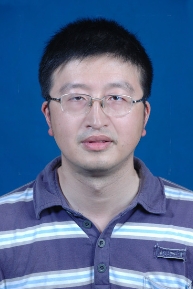 Jian Xia (夏健)合作论文数College of Aerospace Engineering, Nanjing University of Aeronautics and Astronautics17
 Yalan Wu合作论文数Guangdong Univ Technol, Sch Comp Sci & Technol, Guangzhou 510006, Guangdong, Peoples R China14
 Liusheng Huang (黄刘生)合作论文数Suzhou Institute for Advanced Research, University of Science and Technology of China;School of Computer Science and Technology, University of Science and Technology of China14
 Hongli Xu (徐宏力)合作论文数School of Computer Science and Technology, University of Science and Technology of China13
 Yuchuan Zhu (朱玉川)合作论文数College of Mechanical & Electrical Engineering, Nanjing University of Aeronautics and Astronautics9
 Shuling Tain (田书玲)合作论文数College of Aerospace Engineering, Nanjing University of Aeronautics and Astronautics8
 Jiale Huang合作论文数6
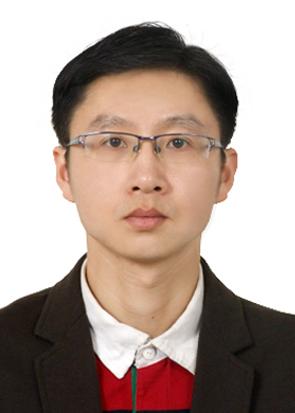 Jianghao Wu (吴江浩)合作论文数School of Transportation Science and Engineering, Beihang University6
 Yifei Sun (孙一飞)合作论文数5
 Mianyang Yao合作论文数5Yizhao Wu合作论文数5
 Xin Long合作论文数School of computer Science and Technology, Guangdong University of Technology, Guangzhou, China5
 Tianyu Zhao (赵天宇)合作论文数College of Sciences, Northeastern University5
 Henry H.-N. Dai (戴弘寧)合作论文数Department of Computer Science, Faculty of Science, Hong Kong Baptist University5WU Jia-xin (吴嘉鑫)合作论文数4
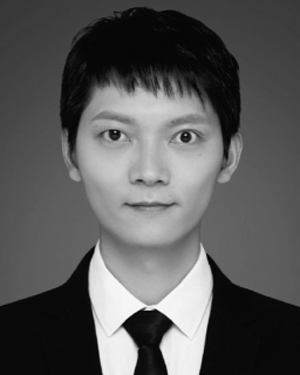 Gangqiang Zhou合作论文数Guangdong Univ Technol, Sch Comp Sci & Technol, Guangzhou 510006, Guangdong, Peoples R China4
 Yanqing Wang (王延庆)合作论文数College of Sciences, Northeastern University4Zehao Sun合作论文数4Xu Tianhao (徐添豪)合作论文数3
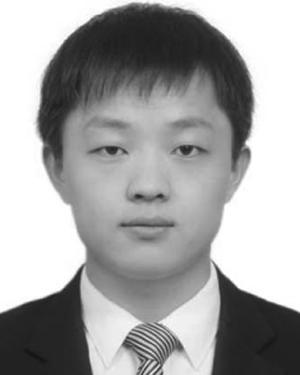 Xinxiang Zhang合作论文数3
 Jiaquan Yan合作论文数School of Computer Science and Technology, Guangdong University of Technology, Guangzhou, China3TAI Ming-hao (邰明皓)合作论文数3
 Jiaxing Li合作论文数School of Computer Science and Technology, Guangdong University of Technology, Guangzhou 510006, China3WeiJun Sun (孙为军)合作论文数3
 Chao Zhou (周超)合作论文数School of Transportation Science and Engineering, Beihang University3Weijie Guo (郭伟杰)合作论文数Institute for Quantum Science and Engineering, Southern University of Science and Technology3
 Lam Siew Kei合作论文数School of Computer Science and Engineering, Nanyang Technological University;College of Computing & Data Science, Nanyang Technological University3Yunze Song合作论文数2Hao Fu合作论文数2Kai Yan合作论文数2Feng Liu Yang合作论文数2Xin Wang合作论文数2
 Tonglai Liu合作论文数2Meng WEN (温猛)合作论文数2XUE Haotian (薛浩天)合作论文数2TONG Ying (佟莹)合作论文数2
 Yinan Li合作论文数2Jingyi Li合作论文数2
 Hansong Guo合作论文数Univ Sci & Technol China, Sch Comp Sci & Technol, Hefei, Anhui, Peoples R China2
 Zirong Luo合作论文数2
 Zhong Yun (云忠)合作论文数The College of Mechanical and Electrical Engineering, Central South University2Kaichen Yang合作论文数University of Florida2
 Yanlai Zhang (张艳来)合作论文数School of Transportation Science and Engineering, Beihang University2
 Baotong Li (李宝童)合作论文数School of Mechanical Engineering, Xi'an Jiao Tong University2
 Haipei Sun合作论文数Meta2
 Xiaoxia Huang (黄晓霞)合作论文数School of Electronics and Communication Engineering, Sun Yat-Sen University2
 Jun Zhang (張軍)合作论文数Department of Electronic & Computer Engineering, School of Engineering, The Hong Kong University of Science and Technology2Hongxiang Xu (徐鸿翔)合作论文数2




