The prerequisites for the locked-in stste are the presence of two components: one negative-sufficient paralysis of structures that render usual communications (mouth and oral apparatus for speech, and limbs for writing and pointing accurately) and one positive- preservation of consciousness. Lesions of the pontine base cause the syndrome. The most common pontine lesions are infarction related to basilar artery occlusion and pontine hemorrhages. Occasionally midbrain vascular lesions can cause the syndrome.
Introduction: To investigate the clinical characteristics in patients without traditional risk factors (TRFs) after transient ischemic attack or minor ischemic stroke, who were recruited in the TIAregistry.org.Patients and methods: A total of 3847 patients were analyzed. TRFs included hypertension, diabetes, hypercholesterolemia, current smoking, and atrial fibrillation. Background characteristics and outcomes at 1 and 5 years in patients without TRFs were compared to those in patients with TRFs. The primary outcome was major cardiovascular event (MACE), which was non-fatal stroke, non-fatal acute coronary syndrome, or vascular death. To evaluate the causes, we applied the ASCOD (atherosclerosis, small vessel disease, cardiac pathology, other causes or dissection) grading system.Results: One-year risk of MACE (5.3% vs 6.3%, hazard ratio (HR) 0.84, 95% confidence interval (CI) 0.53-1.31) was comparable between patients without TRFs (n = 402) and those with TRFs (n = 3445). Five-year risk of MACE was significantly lower in patients without TRFs than in those with TRFs (7.9% vs 13.9%, HR 0.57, 95% CI 0.39-0.82). In patients without TRFs, causal atherosclerosis was a potent risk factor (HR 5.67, 95% CI 2.68-12.02) and ipsilateral extra- or intra-cranial arterial stenosis was only significant predictor of MACE (interaction p = 0.0046) at 5 years.Conclusion and discussion: The 5-year risk of MACE was lower in patients without TRFs than those with TRFs, although a certain level of risk persisted in the absence of TRFs. The most significant predictor of MACE in patients without TRFs was arterial stenosis.
Background and ObjectivesIntubation for acute stroke is common in the United States, with few established guidelines. MethodsThis is a retrospective observational study of acute stroke admissions from 2011 to 2018 among fee-for-service Medicare beneficiaries aged 65-100 years. Patient demographics and chronic conditions as well as hospital characteristics were identified. We identified patient intubation, stroke subtype (ischemic vs intracerebral hemorrhage), and thrombectomy. Factors associated with intubation were identified by a linear probability model with intubation as the outcome and patient characteristics, stroke subtype, and thrombectomy as predictors, adjusting for within-hospital correlation. We compared hospital characteristics between adjusted intubation rate quartiles. We specified a linear probability model with 30-day mortality as the patient-level outcome and hospital intubation rate quartile as the categorical predictor, again adjusting for patient characteristics. We specified an analogous model for quartiles of hospital referral regions. ResultsThere were 800,467 stroke hospitalizations at 3,581 hospitals. Among 2,588 hospitals with 25 or more stroke hospitalizations, the median intubation rate was 4.8%, while a quarter had intubation rates below 2.4% and 10% had rates above 12.5%. Ischemic strokes had a 21% lower adjusted intubation risk than intracerebral hemorrhages (risk difference [RD] -21.1%, 95% CI -21.3% to -20.9%; p < 0.001), whereas thrombectomy was associated with a 19.2% higher adjusted risk (95% CI RD 18.8%-19.6%; p < 0.001). Women and older patients had lower intubation rates. Large, urban hospitals and academic medical centers were overrepresented in the top quartile of hospital adjusted intubation rates. Even after adjusting for available characteristics, intubated patients had a 44% higher mortality risk than non-intubated patients (p < 0.001). Hospitals in the highest intubation quartile had higher adjusted 30-day mortality (19.3%) than hospitals in the lowest quartile (16.7%), a finding that was similar when restricting to major teaching hospitals (22.3% vs 18.1% in the 4th vs 1st quartiles, respectively). There was no association between market quartile of intubation and patient 30-day mortality. DiscussionIntubation for acute stroke varied by patient and hospital characteristics. Hospitals with higher adjusted rates of intubation had higher patient-level 30-day mortality, but much of the difference may be due to unmeasured patient severity given that no such association was observed for health care markets.
This Viewpoint discusses how time windows between symptom onset and treatment have evolved and why more factors need to be considered.
Some argue that the term transient ischemic attack (TIA) has become obsolete in the current age of advanced modern technology. Let us look back and analyze the term, its support and detraction, and its potential continued usefulness. The best way to begin is a review of the history of the term.
Few medical issues are more controversial than carotid endarterectomy. The subject has been featured in the general press and on prime-time television; dispute has been encouraged between surgeon and nonsurgeon, with "needless surgery" a refrain poorly concealed in the background. These debates usually have more passion than substance. What is painfully obvious to experts on stroke is that we still don't know which patients, with what lesions, detected by which tests, should be treated, and with what therapies.In the past decade, the epidemiologic and pathological aspects of carotid-artery disease have been better defined. Techniques for diagnosis have multiplied, creating . . .
 Aishwarya Aggarwal合作论文数54
 Michael Hennerici合作论文数Department of Neurology, Heidelberg University;Department of Neurology, Universitätsklinikum Mannheim48
 Michael Daffertshofer合作论文数39
 Kristina Szabo合作论文数37
 Gottfried Schlaug合作论文数Neuroimaging Laboratory, Beth Israel Deaconess Medical Center;Music and Neuroimaging Laboratory, Harvard Medical School;Department of Neurology, University of Massachusetts Medical School35
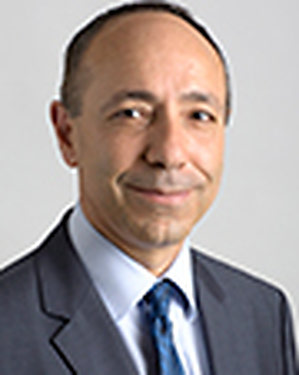 Magdy H. Selim合作论文数Department of Neurology, Beth Israel Deaconess Medical Center, Harvard Medical School32
 MS PESSIN合作论文数26Sandeep Kumar合作论文数26I Linfante合作论文数20
 Conrado Estol合作论文数Boston University;School of Medicine;School of Medicine, Boston University18D B Hier合作论文数17DL DEWITT合作论文数17
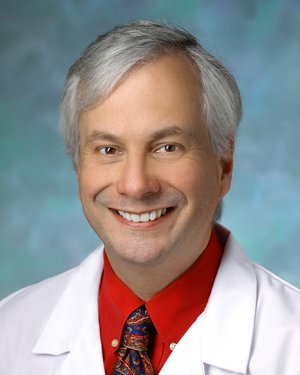 Rafael H. Llinas合作论文数Department of Neurology, Johns Hopkins University School of Medicine15Manu Mehdiratta合作论文数Department of Medicine, Temerty Faculty of Medicine, University of Toronto14JP MOHR合作论文数13C Chaves合作论文数13Kwan E S合作论文数13
 Scott E. Kasner合作论文数Division of Vascular Neurology, Department of Neurology, University of Pennsylvania13
 Geoffrey Donnan合作论文数Faculty of Medicine, Dentistry and Health Sciences, The University of Melbourne13Carlos S. Kase合作论文数13
 Gregory W. Albers合作论文数Department of Neurosurgery, School of Medicine, Stanford University;Stanford Stroke Center, Stanford Medical Center, Stanford University13Gokhale Sankalp合作论文数Beth Israel Deaconess Medical Center, Harvard Medical School12
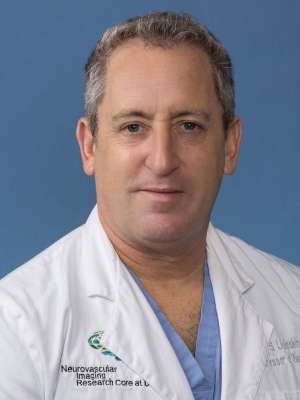 David S. Liebeskind合作论文数Department of Neurology, University of California, Los Angeles12Robert J. Wityk合作论文数12
 Pierre Amarenco合作论文数11
 Julien Bogousslavsky合作论文数Neurocentre GSMN, Clinique Valmont11
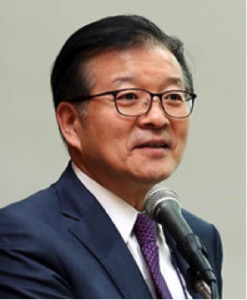 Chin-Sang Chung合作论文数Department of Neurology, Samsung Medical Center, Sungkyunkwan University School of Medicine11Sean I. Savitz合作论文数11Claudia Chaves合作论文数11
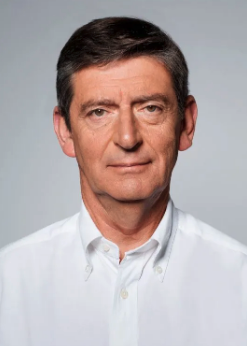 José Manuel Ferro合作论文数Clínica Universitária de Neurologia, Universidade de Lisboa Faculdade de Medicina10
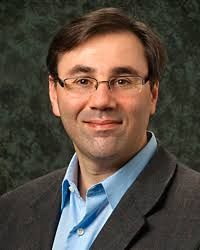 Gustavo Saposnik合作论文数Department of Medicine, Temerty Faculty of Medicine, University of Toronto10
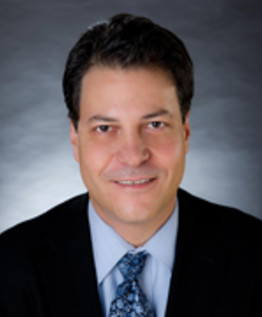 Mitchell S. Elkind合作论文数Department of Neurology Stroke, College of Physicians and Surgeons, Columbia University;Mailman School of Public Health, Columbia University;New York-Presbyterian Hospital10
 Robert R. Edelman合作论文数NorthShore Research Institute, NorthShore University;Department of Radiology, NorthShore University;Pritzker School of Medicine, University of Chicago10Michael S. Pessin合作论文数10Barbara Tettenborn合作论文数9
 Philip B Gorelick合作论文数The Ken & Ruth Davee Department of Neurology, Feinberg School of Medicine, Northwestern University9
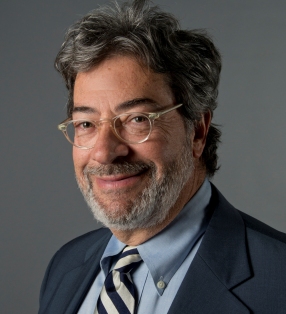 Jonathan A. Edlow合作论文数Department of Emergency Medicine, Beth Israel Deaconess Medical Center;Department of Medicine, Harvard Medical School9Axel J. Rosengart合作论文数9
 Richard F. Kaplan合作论文数Psychiatry University of Connecticut Health Center Farmington9Rm Weintraub合作论文数8
 Dilip K Pandey合作论文数8
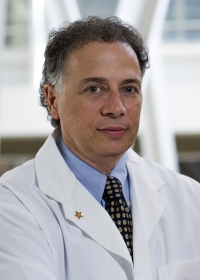 Frank L Silver合作论文数Krembil Research Institute, University Health Network;Division of Neurology, Department of Medicine, Temerty Faculty of Medicine, University of Toronto8Fink J N合作论文数8Rose-Finnell Linda合作论文数8
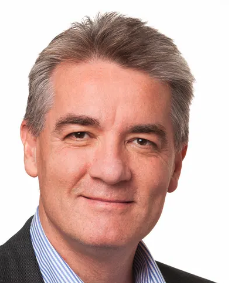 Peter Rothwell合作论文数Medical Sciences Division, Nuffield Department of Clinical Neurosciences, University of Oxford8
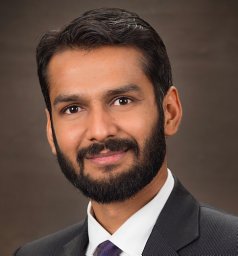 Lahoti Sourabh合作论文数Department of Neurology, Stroke and Cerebrovascular Division, Beth Israel Deaconess Medical Center8
 Fady T. Charbel合作论文数Dept Neurosurg, Univ Illinois8
 Shinichiro Uchiyama (内山真一郎)合作论文数Clinical Research Center for Medicine, International University of Health and Welfare;Center for Brain and Cerebral Vessels, Sanno Medical Center8




