Background:Accurate assessment of glenoid bone loss and morphological variations is crucial for determining optimal surgical care pathways for shoulder instability. While 2-dimensional (2D) and 3-dimensional (3D) computed tomography (CT) has been the gold standard for evaluating static bone quality, 3D magnetic resonance imaging (MRI) has recently been proven reliable for these static assessments but remains unvalidated for dynamic, advanced morphological variables. Purpose/Hypothesis:The purpose of this study was to compare the utility of 3D MRI and 3D CT in measuring advanced, dynamic morphological variables in glenohumeral instability. It was hypothesized that 3D MRI would be comparable with 3D CT for assessing both static bone loss and dynamic morphological parameters. Study Design:Cohort study (diagnosis); Level of evidence, 2. Methods:A total of 21 patients who had glenohumeral instability were included (mean age, 31.2 ± 14.9 years; 42.9% female; mean body mass index, 27.2 ± 5.8 kg/m2). All participants underwent preoperative 2D MRI and 2D CT scans with 3D MRI and 3D CT reformats. Patients were stratified based on a 10% subcritical bone loss threshold to evaluate measurement sensitivity between 3D MRI and 3D CT. Static imaging variables such as glenoid version, inclination, and bone loss (both glenoid and humeral) were measured. Dynamic variables-which are fixed values but are interactive/dependent on static measurements for calculation, including Hill-Sachs occupancy, glenoid track zones, and distance to dislocation were subsequently quantified. Paired t tests and χ2 tests were employed to compare imaging modalities. Results:All patients demonstrated a Hill-Sachs lesion, with 15 having evidence of glenoid bone loss. There were no significant differences between 3D MRI and 3D CT in measuring glenoid or humeral bone loss, distance to dislocation, occupancy ratios, or glenoid track zones. Dynamic variables were consistent across imaging modalities, even after stratification by the 10% subcritical bone loss threshold. Both modalities accurately identified on/off track lesions and peripheral-track zones. Inter- and intrarater reliability was good to excellent for all CT and MRI measurements. Conclusion:Overall, 3D MRI is a validated and reliable alternative to 3D CT for preoperative evaluation of static glenohumeral bone loss and dynamic morphological variables in shoulder instability, allowing clinicians to choose the modality that best fits their practice.
PURPOSEThe purpose of this study was to establish consensus statements via a Delphi process on concomitant procedures for knee cartilage injuries.METHODSA consensus process on knee cartilage injuries utilizing a modified Delphi technique was conducted. Seventy-nine surgeons across 17 countries participated in these consensus statements. Twelve questions were generated on concomitant procedures, with three rounds of questionnaires and final voting occurring. Consensus was defined as achieving 80-89% agreement, whereas strong consensus was defined as 90-99% agreement, and unanimous consensus was defined as 100% agreement with a proposed statement.RESULTSOf the 12 total questions and consensus statements on concomitant procedures developed from three rounds of voting, none achieved unanimous consensus, five achieved strong consensus, five achieved consensus, and two did not achieve consensus.CONCLUSIONThe statements achieving consensus were primarily related to the tibiofemoral joint, meniscal insufficiency, and ligamentous stability. Concomitant procedures, including osteotomy, meniscal repair or transplantation, and ligamentous repair or reconstruction, should be performed with cartilage procedures for the most optimal outcome. The statements that did not reach consensus were related to the patellofemoral joint and unloading osteotomies in patients with normal alignment.Level of EvidenceLevel V Expert Opinion.
Objectives: The purpose of this study was to utilize Patient-Reported Outcomes Measurement Information System (PROMIS) sleep scores to determine the prevalence of sleep dysfunction and its association with other PROMIS scores in patients with rotator cuff tears (RCT). Methods: Patients were retrospectively identified using the International Classification of Diseases-10 codes for RCT pathology, and PROMIS outcomes were assessed at multiple visits between November 2017 and February 2020. Generalized linear mixed effects models were fitted with PROMIS sleep score as the predictor variable and other PROMIS scores as the response variable. Additionally, models were fit using a clinically significant dichotomization of PROMIS sleep scores to assess differences in average PROMIS scores. Results: The study cohort included 481 patients, 201 (41.8 %) of whom had disrupted sleep at first visit. A higher percentage of those with disrupted sleep at first visit were female, nonwhite, and not married compared to those with normal sleep. PROMIS scores at first visit differed by sleep category. Higher PROMIS sleep scores were associated with higher anxiety, depression, fatigue, pain intensity, and pain interference scores and lower physical function, social participation, and upper extremity scores. Relationships were similar when dichotomous PROMIS sleep scores were considered. Conclusion: There was a high prevalence of sleep dysfunction in patients with RCT. Sleep disturbance is associated with increased anxiety, depression, fatigue, pain intensity, pain interference and decreased physical function, social participation, and upper extremity function in patients with RCTs. Level of evidence III: Retrospective Cohort Study.
PURPOSE:To systematically review the literature to evaluate the clinical studies on bioinductive collagen implant (BCI) for the treatment of rotator cuff tears. METHODS:A literature search of MEDLINE, Embase, and the Cochrane Library was performed based on the Preferred Reporting Items for Systematic Reviews and Meta-Analyses guidelines. Clinical studies reporting BCI for rotator cuff tears were included. Quantitive and qualitative data were evaluated. RESULTS:A total of 21 studies were included. In patients with full-thickness tears, 7 of the 8 studies with pre- to postoperative American Shoulder and Elbow Surgeons (ASES) scores demonstrated statistically significant improvements in mean pre- to postoperative ASES scores, with 75% to 100% of patients meeting the minimal clinically important difference. In those with partial-thickness tears, 7 of the 8 studies with pre- to postoperative ASES scores demonstrated statistically significant improvements in mean pre- to postoperative ASES scores, with 54.4% to 100% of patients meeting the minimal clinically important difference. For studies that quantified percent increases in tendon thickness, the reported increases ranged from 13% to 44% in full-thickness tears and 14% to 60% in partial-thickness tears. Six studies evaluated rotator cuff retears after BCI treatment in the full-thickness cohort, with rates reported ranging from 0% to 9%. Five studies evaluated rotator cuff retears after BCI treatment in the partial-thickness cohort, with rates reported ranging from 0% to 18%. Two of the included studies found that BCI was cost-effective due to the increased tendon healing, with cost savings of $5,338 to $13,061 per healed rotator cuff tendon. CONCLUSIONS:The literature on rotator cuff tear augmentation with BCI has shown consistently reported good results. Additionally, there was evidence of low retear rates and consistently improved tendon thickness with BCI, with 2 randomized controlled trials showing improved tendon healing with BCI. However, there appears to be a higher rate of adhesive capsulitis reported. LEVEL OF EVIDENCE:Level IV, systematic review of Level I, III, and IV studies.
Background: Hemiarthroplasty is often considered in the setting of preserved glenoid cartilage given the high risk of revision associated with total shoulder arthroplasty. Pyrocarbon (PyC) has been used as an implant material that theoretically allows for formation of a neomembrane that would act like cartilage to reduce glenoid wear. The purpose of this study was to evaluate the clinical outcomes, radiographic outcomes, revision rates, and complication rates in the existing literature on shoulder hemiarthroplasty using PyC. Methods: The MEDLINE, Embase, and Scopus databases were searched for articles relating to shoulder hemiarthroplasty using the terms "pyrocarbon"or "pyrolytic carbon."Abstracts and articles were screened against predefined inclusion and exclusion criteria, with a minimum of 24 months' follow-up required. Data on patient demographic characteristics, clinical outcome scores, complications, revision rates, and radiographic findings were recorded. Where appropriate, meta-analysis was performed. Results: Twelve studies were selected for final inclusion, with a total of 536 patients. Among the studies reporting preoperative and postoperative range of motion (ROM), an overall improvement in ROM was observed. The mean Constant score was 70.9 points postoperatively, with a mean improvement of 36.2 points (n = 359, 9 studies). Radiographically, 22.8% of patients (n = 536, 8 studies) had evidence of glenoid erosion, 10.4% had changes in implant positioning, and 9.9% had tuberosity thinning. In addition, 1.5% of patients had radiographic subacromial space reduction, whereas 0.7% had an increase in tuberosity thickness. Across all studies, there was an 8.6% complication rate, with the most common cause being glenoid erosion (2.6%, n = 14). There was an overall 7.7% revision rate (n = 41), with 63% of revisions (n = 26) undergoing conversion to reverse or total shoulder arthroplasty.Conclusion: PyC hemiarthroplasty shows overall improvements in ROM and patient-reported outcomes for patients. However, there remains concern for glenoid erosion on radiographic evaluation at minimum 2-year follow-up. Although preliminary studies have shown encouraging results, this systematic review emphasizes the need for longer-term follow-up studies with further radiographic evaluation of the severity of glenoid erosion and the association with functional outcomes and failure risk.(c) 2023 Journal of Shoulder and Elbow Surgery Board of Trustees. All rights reserved.
Background:Total shoulder arthroplasty (TSA) is the preferred treatment for glenohumeral arthritis refractory to nonoperative measures. However, some surgeons have argued for a role for hemiarthroplasty (HA) in the setting of a smooth glenoid that articulates appropriately with the humeral head. The purpose of this study is to evaluate long-term revision rates and short-term postoperative complications in patients undergoing either HA or TSA for glenohumeral arthritis. Methods:A retrospective review of patients who underwent HA and TSA was conducted using a commercially available national database. Demographics, postoperative complications, risk factors, revision rates, and costs were analyzed using 2 sample t-tests, chi-squared tests, and multivariate logistic regressions. Results:Patients were stratified by operation: (1) HA (n = 1615) or 2) TSA (n = 7845). Patients undergoing primary TSA had higher rates of prior ipsilateral rotator cuff repair and corticosteroid injections. At 2 years, patients who underwent HA, 3.0% of patients had revision surgery, compared to 1.6% of patients who underwent TSA (P = .002); at 5 years, 3.7% of the HA cohort (P < .0001) had revision surgery, compared to 1.9% of patients who underwent TSA. Conclusions:Patients undergoing TSA or RTSA for glenohumeral arthritis had higher preoperative co-morbidities but had no difference in short-term complication rates with a lower risk of revision surgery at both 2-year and 5-year follow-up when compared to HA. Increasing age, female sex, hyperlipidemia, postoperative infection, shoulder instability, and thromboembolism all independently increased odds for revision shoulder arthroplasty for glenohumeral arthritis. Level of evidence Level:III.
Background:No consensus exists regarding the superiority of operative versus nonoperative management for Achilles tendon ruptures, as multiple randomized controlled trials conducted since the advent of early mobilization protocols have found outcomes for these 2 interventions to be more similar than were previously held. Purpose:To use a large national database to (1) compare reoperation and complication rates between operative and nonoperative treatment of acute Achilles tendon ruptures and (2) evaluate trends in treatment and cost over time. Study Design:Cohort study; Level of evidence, 3. Methods:The MarketScan Commercial Claims and Encounters database was used to identify an unmatched cohort of 31,515 patients who sustained primary Achilles tendon ruptures between 2007 and 2015. Patients were stratified into operative and nonoperative treatment groups, and a propensity score-a matching algorithm-was used to establish a matched cohort of 17,996 patients (n = 8993 per treatment group). Reoperation rates, complications, and aggregate treatment costs were compared between groups with an alpha level of .05. A number needed to harm (NNH) was calculated from the absolute risk difference in complications between cohorts. Results:The operative cohort experienced a significantly larger total number of complications within 30 days of injury (1026 vs 917; P = .0088). The absolute increase in cumulative risk was 1.2% with operative treatment, which resulted in an NNH of 83. Neither 1-year (1.1% [operative] vs 1.3% [nonoperative]; P = .1201) nor 2-year reoperation rates (1.9% [operative] vs 2% [nonoperative]; P = .2810) were significantly different. Operative care was more expensive than nonoperative care at 9 months and 2 years after injury; however, there was no difference in cost between treatments at 5 years. Before matching, the rate of surgical repair for Achilles tendon rupture remained stable, from 69.7% to 71.7% between 2007 and 2015, indicating little change in practice in the United States. Conclusion:Results indicated no differences in reoperation rates between operative and nonoperative management of Achilles tendon ruptures. Operative management was associated with an increased risk of complications and higher initial costs, which dissipated over time. Between 2007 and 2015 the proportion of Achilles tendon ruptures managed operatively remained similar despite increasing evidence that nonoperative management of Achilles tendon rupture may provide equivalent outcomes.
Background: Radial tears of the lateral meniscus result in increased contact forces in the knee and may expedite the development of arthritis. Due to the technically difficult repair and poor healing potential, partial or complete lateral meniscectomy is often performed, even in young, active patients. There is a paucity of literature regarding clinical outcomes after repair of radial tears of the lateral meniscus. The purpose of this study is to review outcomes of a cohort of adolescent patients who have undergone repairs of mid-body radial lateral meniscus tears. Our hypothesis is that the repairs will be successful in terms of PRO outcomes, return to an active lifestyle, and low rate of re-operation in short-term follow-up.Methods: A retrospective review of subjects under the age of 18 years that underwent repair of mid-body, lateral meniscus tears with potential for 2 years of follow-up were identified. These patients were identified by CPT code and subsequent chart review for tear pattern and repair technique. Patients were then prospectively contacted by email or phone and completed patient-reported outcome surveys including the International Knee Documentation Committee (IKDC) score, the Knee Osteoarthritis Outcome Score (KOOS), Marx activity scale, and SPORTS score.Results: Of the 17 total patients retrospectively reviewed, eight completed the prospective portion of PROs which were collected at a mean of 55.8 months postoperatively. Six knees (35.3%) had postoperative MRI at mean 14 months postop, with five of the six (83.3%) suggestive of preserved integrity of the repair. There were five (29.4%) complications, all requiring subsequent surgical procedures. Four patients had meniscus tears at locations distinct from initial injury requiring partial meniscectomies at mean 13.8 months (range, 7-35 months); however, all radial mid-body tears from index procedures were completely healed under arthroscopic visualization. Mean 2-year IKDC score was 91.67 ± 10.72, and the mean Marx score was 11.63 ± 3.25. Six of eight (75%) reported performance at the same level of sport with one reporting pain during sport. Three respondents of the SPORTS score reported continued participation in organized sport with one patient participating at the collegiate intramural level.Conclusions: Repairs of radial mid-body tears in the lateral meniscus may provide a clinical benefit in the adolescent population. The majority of patients were able to return to their prior activity levels without complication, with evidence of healing on repeat evaluation.Level of Evidence: Level IV, case seriesKey Concepts•Return to sport is feasible for the majority of adolescent patients undergoing lateral, mid-body meniscal repair at approximately 6 months following surgery.•Re-operation was common with 5/17 (29.4%) patients undergoing re-operation with 4/5 returning for partial meniscectomy. Two of these were at sites distinct from the initial repair with complete healing of repair at radial tear site from index procedure. One showed a majority healed radial repair. One was completed at an outside hospital with insufficient detail to characterize.•If feasible, repair of radial tears of the mid-body of the lateral meniscus in adolescent patients should be attempted.
Purpose:The purpose of this study was to compare bone marrow stimulation using micro-computed tomography (micro-CT) analysis of an abrasion arthroplasty technique, drilling k-wire technique, traditional microfacture awl, or a microdrill instrument for subchondral bone defects.Methods:Eleven cadaveric distal femoral specimens were obtained and divided into 3 common areas of osteochondral defect: trochlea and weightbearing portions of the medial and lateral femoral condyles. Each area of interest was then denuded of cartilage using a PoweRasp and divided into quadrants. Each quadrant was assigned either a 1.6 mm Kirschner wire (k-wire), 1.25 mm microfracture awl, 1.5 mm fluted microdrill, PowerPick, or a curette (abrasion arthroplasty) to create 4 channels into the subchondral bone sing the same instrument. Subchondral bone and adjacent tissue areas were then evaluated using micro-CT to analyze adjacent bone destruction and extension into the bone marrow.Results:Overall, there was a significantly decreased area of bone destruction or compression using the microdrill (0.030 mm) as compared to the microfracture awl (0.072 mm) and k-wire (0.062 mm) (P < .05). Within the trochlea and the medial femoral condyle, there was significantly decreased bony compression with the microdrill as compared to the awl and k-wire (P < .05); however, when stratified, this was not significant among the lateral femoral condylar samples (P = .08).Conclusion:Bone marrow stimulation causes bony compression that may negatively impact subchondral bone and trabecular alignment. It is important to understand which tools used for bone marrow stimulation cause the least amount of damage to the subchondral bone.Clinical Relevance:This study demonstrates the decreased subchondral bony defects seen with the microdrill versus the traditional microfracture awl indicating that when performing bone marrow stimulation, the microdrill may be a less harmful tool to the subchondral bone.
Anatomic total shoulder arthroplasty (TSA) using a stemless prosthesis continues to increase in popularity as literature supporting their use grows. Intraoperative findings, however, may require switching from a planned stemless prosthesis to using a stemmed implant, yet literature attempting to understand the incidence and risk factors leading to this outcome is limited. The purpose of this study was to document the incidence of intraoperative change from a planned stemless implant to a stemmed prosthesis and to determine the correlation between the deltoid tuberosity index and this decision. All patients scheduled to undergo TSA with a stemless humeral prosthesis between 2018 and 2023 at a single academic institution were retrospectively reviewed. Sociodemographic data, comorbidities, and preoperative deltoid tuberosity indices (DTI) were collected for review. DTI was used as an approximation for a patient's bone mineral density. Surgeon plan for stemless TSA was verified via saved three-dimensional preoperative plans. Ninety-two patients were scheduled to undergo stemless TSA, 8 (8.70%) of which received a stemmed implant based on intraoperative findings. In all cases, the operative surgeon deemed the metaphyseal bone inadequate to facilitate use of a stemless implant. DTI was significantly higher in the stemless group relative to the stemmed group (1.55 vs. 1.37, P = .0023). Approximately 9% of planned stemless TSA were converted to stemmed TSA due to proximal humerus bone insufficiency based on surgeon assessment at time of surgery. Diminished DTI was noted to be a risk factor. Preoperative planning may be improved by including imaging parameters to assess bone sufficiency (eg, DTI).
Background: Cutibacterium acnes is a common pathogen associated with surgical site infection after shoulder surgery; current standard of care products are largely ineffective at reducing C acnes bacterial burden before surgery. The purpose of this systematic meta-analysis was to assess the efficacy of peroxide-containing solutions (PCS) in decreasing the C acnes burden on the shoulder. Methods: This was a systematic review of all level I and II studies investigating the effect of peroxidase-containing products for skin preparation. We extracted data regarding demographics, treatment details and timing, study methodology, and culture positivity. Forest plots were used to determine the pooled efficacy of peroxide solutions versus control. Results: Seven studies with 412 patients were eligible for inclusion. Notable heterogeneity was observed in the manner and timing of peroxide application. Two studies applied PCS at the time of surgery; four studies applied PCS in the 24- to 72-hour period leading up to culture acquisition. Compared with the placebo, peroxide significantly diminished C acnes culture positivity (Hazard Ratio 0.174, P = 0.009). When considering using peroxide-containing products in the period leading up to surgery or at the time of surgery, in addition to standard preparation, the addition of peroxide significantly diminished C acnes culture positivity (HR 0.467, P = 0.004). Owing to study heterogeneity, we could not make notable comparisons based on the timing or duration of benzoyl peroxides application. Conclusions: Despite heterogeneity in study design, pooled results of high-quality data suggest that the addition of PCS can markedly reduce C acnes bioburden. This review was not able to identify the ideal regimen for the utilization of PCS for reduction of C acnes burden. Level of Evidence: Level II
Orthopaedic surgeons prescribe more opioid narcotics than any other surgical specialty. Proximal humerus fractures (PHF) often occur in the high-risk elderly population. The opioid epidemic has led to public policy aimed at reductions in opioid prescription. This study aimed to evaluate the impact that new legislation has had on opioid prescription patterns in patients who sustained proximal humerus fractures. A retrospective review of all patients who sustained PHF at a single academic institution from 1/1/2015–12/31/2019 was performed. A total of 762 proximal humerus fractures were identified and final analysis included 383 patients. Collected data included basic demographics and opioid prescriptions obtained through review of the electronic medical record. The North Carolina Strengthen Opioid Misuse Prevention act legislation that went into effect on July 1, 2017. There was no difference in the number of pre- or postoperative opioid prescriptions provided with the new legislation. Our data showed a significant reduction in MeQs prescribed preoperatively pre-STOP act (188.1 MeQs) and post-STOP act (99.4 MeQs). There was also a significant difference in the amount of postoperative narcotics prescribed in the pre-STOP (972.6 MeQs) and post-STOP act (508.6 MeQs) groups (p < 0.01). With the enactment of the STOP act in North Carolina, we have seen a significant reduction in the amount of narcotic prescribed after sustaining a proximal humerus fracture preoperatively and postoperatively. This data demonstrates the impact that implementation of state-wide regulatory changes in opioid prescribing policy has had for a common orthopedic condition.
ABSTRACT: Introduction: Acute ankle sprains are one of the most common lower extremity injuries sustained by athletes and it is particularly common in sports such as lacrosse. The majority of ankle sprains affect the lateral ligaments; however, injuries can also occur to the medial ankle and the syndesmosis ligaments, commonly referred to as high ankle sprains. Objectives: The purpose of this review is to provide an overview of the management of ankle injuries in lacrosse players. Methods: Review of current literature was conducted using PubMed, Google Scholar, Cochrane Library, and Ovid. All published English articles related to ankle injuries in athletes, in particular soccer players, were selected. Results: Despite its high prevalence, a significant proportion of athletes experience residual symptoms and recurrence of injury, prolonging their ability to safely return to sport. Depending on the severity of injury, management often includes rehabilitation with conservative modalities, such as rest, ice, compression, elevation therapy, and adjunctive treatments like bracing, immobilization, and foot orthotics. Severe or refractory cases may warrant operative intervention. There remains significant emphasis on the importance of the rehabilitation process, regardless of whether conservative or surgical management is pursued. Conclusions: The decision to return to sport can be challenging and should involve a multidisciplinary approach, with the knowledge that there is a high rate of residual symptoms and injury recurrence.
This review summarizes the important preoperative factors that influence outcomes in patients undergoing shoulder arthroplasty. The current practice recommends surgeons to consider patient baseline characteristics, infection prevention, pain management, and hemostasis when finalizing the plan for shoulder arthroplasty(Fig. 1).
Perioperative management for patients undergoing shoulder arthroplasty has evolved significantly over the years to reduce overt complications and improve patient outcomes. The groundwork for perioperative care encompasses initial patient selection and education strategies for achieving successful outcome. Multimodal pain management strategies have advanced patient care with the increased use of new regional/local anesthetics. In addition, complications resulting from blood loss and transfusions have been curtailed with the use of synthetic antifibrinolytic agents. It remains critical for shoulder arthroplasty surgeons to optimize patients during the perioperative period through various modalities to maximize functional progression, outcomes, and patient's satisfaction following shoulder arthroplasty.
INTRODUCTION:The number of female residents in orthopaedic surgery is rising; however, orthopaedics currently has the lowest percentage of women among all medical specialties. The Hirsch index (h-index) is a metric used to determine research productivity, an important factor for academic promotion in the field of orthopaedics. The purpose of this study was to compare research productivity (using the h-index) among male and female orthopaedic surgeons at academic residency programs within the United States. METHODS:The websites for all Accreditation Council for Graduate Medical Education-accredited orthopaedic surgery residency programs in the United States were evaluated and the following information was collected: geographic region of the institution, sex, specialty, academic rank, and institutional leadership positions of faculty members. The h-index for each faculty member was collected from the Web of Science Database. RESULTS:H-indices of 4,323 academic orthopaedic surgeons from 160 residency programs in the United States were collected. In total, 1,587 faculty members were assistant professors (220, 13.9% women), 839 were associate professors (91, 10.8% women), 902 were professors (50, 5.5% women), and academic rank was not specified for 991 (74, 7.5% women). One hundred forty-three faculty members held the position of department chair (2, 1.4% women) and 701 were division chiefs (58, 8.3% women). In geographic regions with a greater proportion of female orthopaedic faculty members, women had greater research productivity. Among Department Chairs, associate professors, and professors there was no difference in research productivity between male and female academic orthopaedic surgeons. By contrast, among assistant professors, there was a significant difference in research productivity. CONCLUSION:A higher proportion of female faculty in an orthopaedic department was positively associated with increased female research productivity. Female faculty at the highest ranks and leadership positions are as academically productive as their male counterparts. Despite similar research productivity, female orthopaedic surgeons are not nearly as well represented as their male counterparts in orthopaedics in general and in leadership positions within the field. In addition, a significantly smaller research productivity among female assistant professors disappears at the higher ranks in comparison to their male counterparts. This indicates a critical gap in factors that influence research productivity according to sex at the most junior faculty rank. LEVEL OF EVIDENCE:Level III.
Cytomegalovirus (CMV) is a leading infectious cause of neurologic deficits, both in the settings of congenital and perinatal infection, but few animal models exist to study neurodevelopmental outcomes. This study examined the impact of neonatal guinea pig CMV (GPCMV) infection on spatial learning and memory in a Morris water maze (MWM) model. Newborn pups were challenged intraperitoneally (i.p.) with a pathogenic red fluorescent protein-tagged GPCMV, or sham inoculated. On days 15–19 post infection (p.i.), pups were tested in the MWM. Viral loads were measured in blood and tissue by quantitative PCR (qPCR), and brain samples collected at necropsy were examined by histology and immunohistochemistry. Viremia (DNAemia) was detected at day 3 p.i. in 7/8 challenged animals. End-organ dissemination was observed, by qPCR, in the lung, liver, and spleen. CD4-positive (CD4+) and CD8-positive (CD8+) T cell infiltrates were present in brains of challenged animals, particularly in periventricular and hippocampal regions. Reactive gliosis and microglial nodules were observed. Statistically significant spatial learning and memory deficits were observed by MWM, particularly for total maze distance traveled (p < 0.0001). Neonatal GPCMV infection in guinea pigs results in cognitive defects demonstrable by the MWM. This neonatal guinea pig challenge model can be exploited for studying antiviral interventions.
This article was migrated. The article was marked as recommended. Surgical skills training outside of the operating room is a critical component of surgical education. There has been little incorporation of these programs for medical students entering orthopaedic surgery residencies. As such, there is concern that incoming orthopaedic residents matriculate with skills below residency programs' expectations. This study aimed to assess the need for an orthopaedic surgical skills course during the 4th year of medical school.An anonymous electronic survey was emailed to 1457orthopaedic surgery residents and 732 current orthopaedic residency applicants using application data from a single orthopaedic residency program during the 2015-2016 through 2017-2018 cycles. 200 resident and 31 applicant emails were returned undeliverable, resulting in distribution to 1257 residents and 701 applicants. 135 junior residents (11% response rate) and 181 applicants (26% response rate) completed portions of the survey. 76 of 117 (65%) residents and 170 of 181 (94%) applicants did not participate in a formal orthopaedic surgical skills course. 110 of 118 (93%) residents and 160 of 171 (94%) applicants indicated that implementing such a course before entering residency would be beneficial. Applicants rated basic fracture reduction (95%; 171/180), casting/splinting (94%; 170/180), and reading basic x-rays (90%; 162/180) as the most important potential course components.Most respondents were not exposed to an orthopaedic skills course prior to residency. Participants indicated that such a course would be beneficial to incoming orthopaedic residents. Pilot programs should be developed to optimize an orthopaedic preparatory skills course for 4th year medical students pursuing careers in orthopaedic surgery.
Purpose: To describe the types, mechanisms, and severity of shoulder instability injuries in collegiate collision athletes during the 2009-2010 through 2013-2014 academic years using the National Collegiate Athletic Association Injury Surveillance Program; to compare the injury incidence between men's collision sports and their women's non-collision counterparts, when possible; and to compare injury outcomes between Divisions I, II, and III. Methods: Data regarding men's football, wrestling, ice hockey, and lacrosse, as well as women's ice hockey and lacrosse, were obtained. Injuries requiring attention from a health care provider were reported. Incidence rates per 100,000 athlete-exposures (AEs) were calculated with 95% confidence intervals (CIs). Analysis of variance was used to compare time loss (TL), and chi(2) analysis was used to compare surgery rates between divisions. Results: A total of 445 shoulder instability injuries occurred in 1,421,561 AEs from 2009-2010 to 2013-2014 (incidence rate, 31.30 injuries/100,000 AEs; 95% CI, 28.4-34.21 injuries/100,000 AEs). Subluxation accounted for 59.1% of injuries, with anterior subluxation (35.3%) being the most common injury. Dislocation resulted in the most TL per injury (17.58 days). Mean TL for all injuries was 8.17 days (standard deviation, 7.21 days). When non-time-loss injuries were excluded from analysis, players experienced a mean TL of 18.34 days (standard deviation, 8.44 days). Divisions I (4.77 days), II (20.52 days), and III (11.23 days) differed significantly in mean TL (P = .01). Of the injuries, 29.3% required surgery. The surgery rates for Divisions I (32.9%), II (38.1%), and III (19.4%) also differed significantly (P = .04). Men's ice hockey and lacrosse players sustained a 2.17-fold (95% CI, 1.04-4.50) higher incidence of shoulder instability than their female counterparts. Conclusions: Anterior subluxation and dislocation accounted for 52.1% of all shoulder instability injuries. Injured athletes missed 8 days on average, and nearly 30% of injuries required surgery. Surgery rates and TL were significantly different between Divisions I, II, and III. Female athletes playing non-collision ice hockey and lacrosse experienced significantly lower shoulder instability rates than their male counterparts.
 Eoghan T. Hurley合作论文数6
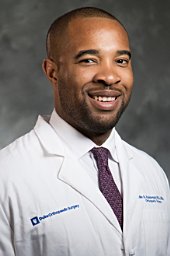 Oke Anakwenze合作论文数Department of Orthopaedic Surgery, Duke University6
 Richard Danilkowicz合作论文数Department of Orthopaedic Surgery, Duke University Medical Center5
 Christopher S Klifto合作论文数5Zoe W Hinton合作论文数4Symone M Brown合作论文数4
 Brian C Lau合作论文数Center for Sports Medicine, University of Pittsburgh Medical Center4Mary K. Mulcahey合作论文数4Kier M Blevins合作论文数3Jason S. Long合作论文数3Alexandra Paul合作论文数2Caroline N Park合作论文数2Jeffrey D Trojan合作论文数2
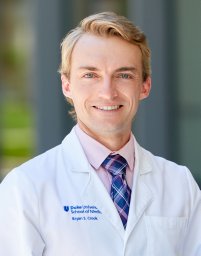 Bryan S Crook合作论文数Department of Orthopaedic Surgery, Duke University School of Medicine2Christine Park合作论文数2
 Tally Edward Lassiter合作论文数Department of Orthopaedic Surgery, Duke University2
 Mark R. Schleiss合作论文数Division of Pediatric Infectious Diseases, Department of Pediatrics, Medical School, University of Minnesota;Institute for Molecular Virology, University of Minnesota2
 Jonathan Dickens合作论文数2
 Alison Toth合作论文数2Nelmary Hernandez-Alvarado合作论文数1Alex M. Meyer合作论文数1Samuel G. Lorentz合作论文数1Armodios M. Hatzidakis合作论文数1
 Bazak Sharon合作论文数1Mark McCann合作论文数1Mitchell Negus合作论文数1
 Tom Doyle合作论文数1
 Kelms Amoo-Achampong合作论文数1Devin B. Lemmex合作论文数1Marcus Hoof合作论文数1Nimit K Lad合作论文数1Eric Warren合作论文数1
 Samuel B Adams合作论文数1Corinne Sommi合作论文数1Kaitlyn M Anderholm合作论文数1Bradley C Janus合作论文数1Kirsten R Coverstone合作论文数1
 Julia Riesch合作论文数1
 Kendall E. Bradley合作论文数1Jonathan W Cheah合作论文数1Chinedu Okafor合作论文数1Emily Poehlein合作论文数1
 Troy Q'mars Tabarestani合作论文数1Stephanie Hendren合作论文数1Steven Zeng合作论文数Department of Orthopaedic Surgery, Duke University Medical Center1
 Kunal Varshneya合作论文数Stanford Med, Dept Orthopaed Surg & Sports Med, Redwood City, CA USA1Mark M Cullen合作论文数1Joshua K Helmkamp合作论文数1
 Gloria Zhang合作论文数Med Ctr, Duke Univ1




