Background/Objectives: Varicocele repair can improve semen parameters and pregnancy rates in appropriately selected men; however, persistence or recurrence remains a common cause of treatment failure with ongoing infertility or scrotal pain. Because mechanisms and definitions vary across studies, counseling and salvage selection can be challenging. This review synthesizes contemporary evidence on why varicocele recur and provides an anatomy-informed approach to evaluation and retreatment. Methods: A narrative evidence synthesis was performed using PubMed/MEDLINE, prioritizing clinical practice guidelines, systematic reviews, meta-analyses, and contemporary adult and adolescent clinical series addressing mechanisms of failure, diagnostic workup, and outcomes of salvage microsurgery and endovascular therapy. Results: Recurrence rates vary by technique and follow-up, with the lowest rates reported in contemporary microsurgical subinguinal series. The dominant drivers of failure are incomplete venous control and complex reflux pathways, including duplicated internal spermatic veins and missed collaterals such as cremasteric, external spermatic, gubernacular, and deferential veins. Clinical examination remains central; Doppler ultrasonography is most useful when pain persists or semen parameters and testicular growth do not improve. Venography can define culprit channels in complex or multiply treated cases and enables targeted embolization. Retreatment achieves high anatomic success with consistent improvements in semen parameters and meaningful pregnancy rates in available series, with modality-specific complication profiles. Conclusions: Recurrent varicocele should be managed with structured reassessment that links venous anatomy and the index procedure to the salvage option. Microsurgical redo is generally favored after non-microscopic repairs, whereas endovascular occlusion is often preferred after prior surgery or when venographic mapping is needed.
Bacillus Calmette-Guérin (BCG)-unresponsive non-muscle-invasive bladder cancer (NMIBC) is a high-risk disease state for which early radical cystectomy remains the guideline-supported oncologic reference in surgically fit patients. Bladder-sparing therapy is necessary for patients ineligible for or declining cystectomy, but it is a preference-sensitive trade-off rather than an equivalent alternative: failure may permit high-grade recurrence, progression, and loss of a curative window. This targeted narrative review synthesizes the evidence for intravesical gemcitabine monotherapy, sequential gemcitabine-docetaxel, and the sustained-release gemcitabine intravesical system TAR-200/INLEXZO, updated through 4 August 2026. Because the review is not systematic and the evidence is dominated by single-arm and retrospective studies, cross-study comparisons are descriptive and establish neither superiority nor equivalence; many gemcitabine studies enrolled mixed BCG-failure cohorts that do not satisfy the contemporary definition. Gemcitabine monotherapy is active but shows declining disease control over time. Sequential gemcitabine-docetaxel has accumulated substantial multicenter observational experience, yet a 2026 retrospective comparison did not demonstrate improved high-grade recurrence-free survival over gemcitabine alone. TAR-200 achieved a centrally confirmed complete response at any time in 82.4% of patients, with a median duration of response of 25.8 months in the single-arm phase 2b SunRISe-1 study and is approved in the United States as INLEXZO for BCG-unresponsive carcinoma in situ with or without papillary tumors; no approved agent holds a papillary-only indication. Comparative patient-reported outcome evidence remains limited, and molecular markers, urinary tumor DNA and transcriptomic subtypes remain investigational rather than validated selection tools. Bladder-sparing treatment should therefore be phenotype- and label-aware, time-limited, and coupled to intensive surveillance with predefined triggers for cystectomy.
INTRODUCTION:Spontaneous rupture of the renal pelvis with urinary extravasation due to ureteral lithiasis is an uncommon entity, and it presents both diagnostic and therapeutic challenges, necessitating a systematic approach for diagnosis confirmation, treatment, and follow-up. Case Presentation and Review of the Literature: This article concerns a case of a 45-year-old male with acute left renal pain. Computed Tomography revealed renal pelvis rupture with perirenal urinary extravasation due to a 3 mm calculus located at the right ureterovesical junction. The patient was successfully managed with the insertion of a percutaneous nephrostomy and a drainage tube in the urinoma. A follow-up CT nephrostomography demonstrated complete healing of the renal pelvis, with no residual extravasation, while no evidence of the obstructing calculus was identified. RESULTS AND CONCLUSION:The incidence of renal pelvis rupture due to urolithiasis is rare and warrants heightened suspicion by the urologist for prompt diagnosis and appropriate management.
Declining Leydig cell steroidogenesis contributes to late-onset hypogonadism and to age-associated impairment of male reproductive health. Determinants of dysfunction extend beyond chronological aging. This review synthesizes recent experimental and translational evidence on cellular and molecular processes that compromise Leydig cell endocrine output and the interstitial niche that supports spermatogenesis. Evidence spanning environmental endocrine-disrupting chemicals (EDCs), obesity and metabolic dysfunction, and testicular aging is integrated with emphasis on oxidative stress, endoplasmic reticulum stress, mitochondrial dysregulation, apoptosis, disrupted autophagy and mitophagy, and senescence-associated remodeling. Across model systems, toxicant exposure and metabolic stress converge on impaired organelle quality control and altered redox signaling, with downstream loss of steroidogenic capacity and, in some settings, premature senescence within the Leydig compartment. Aging further reshapes the testicular microenvironment through inflammatory shifts and biomechanical remodeling and may erode stem and progenitor Leydig cell homeostasis, thereby constraining regenerative potential. Single-cell transcriptomic atlases advance the field by resolving Leydig cell heterogeneity, nominating subsets that appear more vulnerable to stress and aging, and mapping age-dependent rewiring of interstitial cell-to-cell communication with Sertoli cells, peritubular myoid cells, vascular cells, and immune cells. Many mechanistic insights derive from rodent in vivo studies and in vitro platforms that include immortalized Leydig cell lines, and validation in human tissue and human clinical cohorts remains uneven. Together, these findings frame mechanistically informed opportunities to preserve endogenous androgen production and fertility through exposure mitigation, metabolic optimization, fertility-preserving endocrine stimulation, and strategies that target inflammation, senescence, and regenerative capacity.
Male infertility contributes substantially to couple infertility, and a large proportion of cases remain idiopathic. Dysbiosis within the gut, seminal, and urinary microbiomes has been associated with impaired semen parameters, reproductive tract inflammation, and oxidative stress. This narrative review, informed by a structured literature search, summarizes current evidence for the gut-testis axis and the androbactome in male infertility and discusses mechanistic pathways linking microbial imbalance to sperm dysfunction. Proposed mechanisms include immune activation, increased oxidative stress, endocrine and metabolic perturbations, and disruption of epithelial barriers, including the blood-testis barrier. Early clinical trials report that selected probiotic or synbiotic formulations may be associated with improvements in one or more World Health Organization (WHO) semen parameters and with reductions in oxidative or inflammatory biomarkers (surrogate laboratory endpoints; pregnancy and live-birth outcomes are rarely reported and remain unproven) in selected populations, such as idiopathic infertility and the post-varicocelectomy setting. Given patient heterogeneity, a personalized approach requires prespecified clinical phenotypes and measurable monitoring targets, rather than indiscriminate supplementation. At present, probiotics should be considered an adjunct rather than a stand-alone therapy. Well-designed, contamination-aware microbiome studies and adequately powered randomized trials with clinically meaningful endpoints, including pregnancy and live birth, are required before routine clinical implementation. This synthesis is intended to support personalized counseling and trial design by clarifying candidate phenotypes, appropriate monitoring endpoints, and realistic limitations of current evidence.
Non-obstructive azoospermia (NOA) is characterized by focal and quantitatively limited spermatogenesis, making preoperative prediction of sperm retrieval difficult. Seminal plasma is a biologically plausible liquid-biopsy compartment because it contains testicular, epididymal and accessory-gland secretions enriched with extracellular vesicles, cell-free nucleic acids, proteins and metabolites. This narrative molecular review examines the mechanisms by which germ-cell-derived molecular cargo reaches the ejaculate and organizes seminal-plasma biomarkers by cargo class and spermatogenic stage. Particular attention is given to extracellular-vesicle non-coding RNAs, cell-free seminal mRNAs, germ-cell-enriched proteins including TEX101 and ECM1, and metabolomic and lipidomic signatures. Although several markers show promising discrimination, most remain discovery-stage, single-center and insufficiently validated. The central argument is that the field should move from isolated biomarker nomination toward locked, stage-mapped multi-analyte panels integrated with clinical and genetic predictors under modern prediction-model standards. Seminal plasma is best viewed not as a ready clinical test, but as a biologically coherent platform for future calibrated, externally validated and artificial-intelligence (AI)-ready sperm-retrieval decision support.
Spermatogenesis is a tightly coordinated differentiation program that sustains male fertility while transmitting genetic and epigenetic information to the next generation. This review consolidates mechanistic evidence showing how RNA-centered regulation integrates with the epitranscriptome and three-dimensional (3D) genome architecture to orchestrate germ-cell fate transitions from spermatogonial stem cells through meiosis and spermiogenesis. Recent literature is critically surveyed and synthesized, with particular emphasis on human and primate data and on stage-resolved maps generated by single-cell and multi-omics technologies. Collectively, available studies support a layered regulatory model in which RNA-binding proteins and RNA modifications coordinate transcript processing, storage, translation, and decay; small and long noncoding RNAs shape post-transcriptional programs and transposon defense; and dynamic chromatin remodeling and 3D reconfiguration align transcriptional competence with recombination, sex-chromosome silencing, and genome packaging. Convergent nodes implicated in spermatogenic failure are highlighted, including defects in RNA metabolism, piRNA pathway integrity, epigenetic reprogramming, and nuclear architecture, and the potential of these frameworks to refine molecular phenotyping in male infertility is discussed. Finally, key gaps and priorities for causal testing in spatially informed, stage-specific experimental systems are outlined.
Upper tract urothelial carcinoma (UTUC) accounts for approximately 5-10% of diagnosed urothelial carcinoma (UC). Due to advanced initial presentation or aggressive progression of UTUC, the majority of patients will need systematic treatment in the neo-adjuvant or adjuvant setting. The management of patients with UTUC is complicated due to the lack of published data and only limited studies addressing immunotherapy in UTUC patients are available. The perioperative scenario in localized high-risk disease is still evolving. For metastatic disease, two monoclonal antibodies targeting PD-1 (pembrolizumab and nivolumab) and three to its ligand PD-L1 (atezolizumab, avelumab and durvalumab) have obtained approval for the second-line treatment of platinum-pretreated patients. Atezolizumab and pembrolizumab are currently approved in the first-line setting for cisplatin ineligible patients, with PD-L1- positive tumors. The aim of this review was to highlight the role of immunotherapy in locally advanced and metastatic UTUC and provide the safety profile of these regimens.
Psychological stress is increasingly investigated as a potentially modifiable factor in male infertility, in part through oxidative stress. This narrative review synthesizes mechanistic and translational evidence linking stress-related neuroendocrine activation and coping behaviors with redox imbalance in the male reproductive tract. Chronic activation of the hypothalamic-pituitary-adrenal axis and sympathetic outflow elevates glucocorticoids and catecholamines. In controlled animal stress paradigms, this is accompanied by suppression of the hypothalamic-pituitary-gonadal axis and by immune and metabolic changes that favor reactive oxygen species generation. The resulting oxidative stress may reduce Leydig cell steroidogenesis, impair testicular and epididymal function, and induce lipid peroxidation, mitochondrial dysfunction, and sperm DNA fragmentation. In such models, these lesions, together with apoptosis of germ and supporting cells, are associated with lower sperm concentration, reduced motility, compromised viability, and diminished fertilizing potential. Overall, preclinical animal studies using defined stress paradigms provide experimental evidence consistent with causal effects of stress on oxidative injury and reproductive impairment in preclinical settings. Human studies linking perceived stress, anxiety/depression, and disturbed sleep to adverse semen parameters and oxidative biomarkers are summarized. However, the human evidence is predominantly associative, and the available studies are cross sectional and remain vulnerable to residual confounding and reverse causality. Potential effect modifiers, including smoking, alcohol use, and circadian disruption, are also discussed as contributors to heterogeneity across clinical studies. Standardized assessment of stress biology and redox status, longitudinal designs aligned with spermatogenic timing, and well-powered intervention trials are needed to define dose-response relationships and support individualized prevention and care.
Background/Objectives: Hypogonadotropic hypogonadism (HH) is an uncommon but treatable cause of non-obstructive azoospermia (NOA). Fertility can often be restored with gonadotropin therapy. This study evaluated spermatogenic and reproductive outcomes in men with HH-related NOA managed by stepwise gonadotropin therapy, microdissection testicular sperm extraction (microTESE) for persistent azoospermia, and assisted reproduction when indicated. Methods: A retrospective cohort study included 35 men treated between 2010 and 2022. Human chorionic gonadotropin (hCG), with or without follicle-stimulating hormone (FSH), was administered to induce spermatogenesis. Outcomes included sperm appearance in the ejaculate, microTESE sperm retrieval rate in persistent azoospermia, and pregnancy and live birth outcomes after natural conception or in vitro fertilization with intracytoplasmic sperm injection (IVF-ICSI) when required. Results: Mean gonadotropin therapy duration was 12.0 months (range 6-24). Sperm appeared in the ejaculate in 27/35 men (77%). The remaining 8/35 (23%) underwent microTESE, with sperm retrieved in 7/8 (88%). Seven couples proceeded to IVF-ICSI, undergoing 11 cycles that yielded 6 clinical pregnancies (55% per cycle) and 5 live birth deliveries, including 2 twin pregnancies. Among responders, 13 natural pregnancies occurred, resulting in 13 live birth deliveries, including 2 twin pregnancies. Overall, 18/35 men (51%) achieved biological fatherhood, corresponding to 18 live birth delivery events (4 twin and 14 singleton deliveries) and 22 newborns. Conclusions: In men with HH-related NOA, exogenous gonadotropin therapy is expected to induce spermatogenesis in most patients. MicroTESE provides high sperm retrieval rates for those without ejaculatory sperm. Through an integrated approach of hormonal induction, microsurgical sperm retrieval, and assisted reproduction, approximately half of patients may ultimately achieve biological fatherhood in longer-term follow-up, depending on baseline severity and partner factors.
Testicular germ cell tumors (TGCTs) are the most common solid malignancy in young men and are highly curable, making reproductive and endocrine survivorship central concerns. Gonadal dysfunction is often attributed to orchiectomy and gonadotoxic therapy, yet semen and hormonal abnormalities may already be present at diagnosis. This narrative review synthesizes evidence obtained before orchiectomy and, where explicitly identified, broader pretreatment or pre-gonadotoxic evidence. Pre-orchiectomy studies generally report reduced sperm concentration, total sperm count, and progressive motility, together with impaired Sertoli and Leydig cell function. Tumor-derived human chorionic gonadotropin (hCG) can mask reduced Leydig reserve; in hCG-negative men, research-derived testosterone-to-luteinizing hormone and calculated free testosterone-to-luteinizing hormone ratios may aid risk stratification but lack standardized diagnostic cutoffs. Proposed contributors include testicular dysgenesis, contralateral impairment, germ cell neoplasia in situ, local tumor effects, and oxidative or proteomic alterations, although evidential support varies. These findings support fertility counseling at diagnosis, sperm cryopreservation before orchiectomy when feasible without delaying treatment, selected use of onco-microTESE when no usable ejaculate is available, and hCG-aware endocrine follow-up.
Male infertility is an under-recognized global health burden. Accumulating evidence position the intestinal microbiota as a pivotal regulator of testicular function, underpinning the emerging gut microbiota–testis axis. This narrative review introduces the conceptual term “androbactome”, referring to gut microorganisms and microbial genes that are hypothesized to influence androgen biosynthesis, spermatogenesis, and broader reproductive endocrinology. The documented worldwide decline in sperm concentration heightens the urgency of clarifying microbe-mediated influences on male reproductive capacity. The synthesis of preclinical and clinical findings reveals four principal pathways by which dysbiosis compromises fertility: systemic inflammation, oxidative stress, endocrine disruption, and epigenetic alteration. Lipopolysaccharide-driven cytokinaemia, reactive oxygen species generation, hypothalamic–pituitary–gonadal axis suppression, and aberrant germ cell methylation collectively impair sperm quality and hormonal balance. Short-chain fatty acids, secondary bile acids, and indole derivatives emerge as pivotal messengers within this crosstalk. Therapeutic approaches targeting the androbactome, namely dietary optimization, probiotic or prebiotic supplementation, and fecal microbiota transplantation, have demonstrated encouraging improvements in sperm parameters and testosterone levels, yet the causal inference is constrained by predominantly cross-sectional designs and limited long-term safety data. Recognizing the androbactome as a modifiable determinant of male fertility may open new avenues for personalized diagnosis, risk stratification, and adjunctive therapy in regard to idiopathic infertility. The integration of multi-omics platforms to characterize microbial and metabolomic signatures promises to enrich diagnostic algorithms and guide precision interventions, but rigorously controlled longitudinal and interventional studies are required to secure a translational impact.
Prostate cancer (PCa) is the second most frequently diagnosed malignancy in men worldwide. Although traditionally considered a disease of older men, the incidence of early-onset PCa (diagnosis < 55 years) is steadily rising. Advances in screening and therapy have significantly improved survival, creating a growing cohort of younger survivors for whom post-treatment quality of life—notably reproductive function—is paramount. Curative treatments such as radical prostatectomy, pelvic radiotherapy, androgen-deprivation therapy (ADT), and chemotherapy often cause irreversible infertility via multiple mechanisms, including surgical disruption of the ejaculatory tract, endocrine suppression of spermatogenesis, direct gonadotoxic injury to the testes, and oxidative sperm DNA damage. Despite these risks, fertility preservation is frequently overlooked in pre-treatment counseling, leaving many patients unaware of their options. This narrative review synthesizes current evidence on how PCa therapies impact male fertility, elucidates the molecular and physiological mechanisms of iatrogenic infertility, and evaluates both established and emerging strategies for fertility preservation and restoration. Key interventions covered include sperm cryopreservation, microsurgical testicular sperm extraction (TESE), and assisted reproductive technologies (ART). Psychosocial factors influencing decision-making, novel biomarkers predictive of post-treatment spermatogenic recovery, and long-term offspring outcomes are also examined. The review underscores the urgent need for timely, multidisciplinary fertility consultation as a routine component of PCa care. As PCa increasingly affects men in their reproductive years, proactively integrating preservation into standard oncologic practice should become a standard survivorship priority.
Erectile dysfunction (ED) is a prevalent male sexual disorder characterized by the persistent inability to achieve or maintain an erection sufficient for satisfactory sexual performance. While its etiology is multifactorial, encompassing vascular, neurological, hormonal, and psychological components, emerging evidence suggests a significant role for gut microbiota dysbiosis in its development. The gut microbiota influences various metabolic, inflammatory, and neuropsychological processes critical to erectile function. Dysbiosis can lead to systemic inflammation, endothelial dysfunction, hormonal imbalances, and altered neurotransmitter production, all of which are key factors in ED pathogenesis. This narrative review synthesizes current research on the association between gut microbiota alterations and ED, highlighting specific bacterial taxa implicated in ED through mechanisms involving inflammation, metabolic disturbances, and hormonal regulation. This review explores potential mechanisms linking gut microbiota and ED, including pro-inflammatory cytokines, gut barrier integrity disruption, metabolic disorders, psychological factors via the gut–brain axis, and hormonal regulation. Furthermore, the gut microbiota offers promising avenues for developing non-invasive biomarkers and therapeutic interventions such as probiotics, prebiotics, dietary modifications, and fecal microbiota transplantation. Future research should focus on longitudinal studies, mechanistic explorations, and clinical trials to validate these findings and translate them into clinical practice. Understanding the interplay between the gut microbiota and erectile function could unveil novel diagnostic biomarkers and pave the way for innovative treatments targeting the microbiota, ultimately improving men’s sexual and overall health.
Urothelial bladder cancer constitutes one of the most common malignancies of the urinary tract, comprising 90-95% of urothelial carcinomas. Only 25% of patients present with muscle-invasive bladder cancer (MIBC), a neoplasm associated with higher morbidity and mortality. Concerning localized MIBC, cisplatin-based chemotherapy remains the standard neoadjuvant treatment; however, its survival benefits are limited, and its use is restricted to patients with adequate performance status and renal function. Current clinical guidelines recommend neoadjuvant immunotherapy as a first- or second-line option, especially for cisplatin-ineligible patients. Neoadjuvant immunotherapy as monotherapy or in combination with chemotherapy or other immune checkpoint inhibitors is under active investigation. In the ABACUS trial, atezolizumab monotherapy achieved a 31% pathological complete response (pCR). The NCT03520491 trial showed a pCR rate of up to 46% with nivolumab and ipilimumab. The KCT0003804 trial, evaluating immunotherapy plus chemotherapy, reported a 59% pCR and 81.8% 1-year disease-free survival. This review provides an updated overview of clinical trials on neoadjuvant immunotherapy for MIBC, highlighting its therapeutic potential and safety.
Background:Prostate biopsy is a crucial diagnostic tool for detecting clinically significant prostate cancer (csPCa). Traditional transrectal ultrasound (TRUS)-guided biopsy methods are often associated with an increased infection risk of infection and limited accuracy, particularly when diagnosing anterior lesions of the prostate gland. Objective:This article presented a structured protocol for performing transperineal fusion magnetic resonance imaging/ultrasound (MRI/US) prostate biopsy, highlighting its advantages over the TRUS approach. Our study included biopsy-naïve patients with elevated prostate-specific antigen levels or abnormal digital rectal examination findings, all of whom underwent pre-biopsy multiparametric MRI to guide targeted biopsies. The key objectives of this protocol were to improve the detection rates of csPCa, minimize infection risk, and standardize a transperineal technique that combines both systematic and targeted biopsies. In addition, we provided details on patient preparation, equipment requirements, procedural steps, and follow-up protocols to ensure the safety and effectiveness of the procedure. This protocol aims to serve as a guideline for institutions to adopt MRI/US fusion-guided transperineal biopsy, thereby enhancing diagnostic accuracy and patient safety. Conclusion:The transperineal fusion MRI/US biopsy protocol enhances diagnostic accuracy, particularly for anterior lesions, while reducing infections risks. Combining targeted and systematic biopsies improves detection rates of csPCa and offers a standardized, safe approach for clinical implementation.
Background/Objectives: Benign prostatic hyperplasia (BPH) is a common urological condition that can significantly impair quality of life in aging men by causing lower urinary tract symptoms (LUTS), including nocturia, weak stream, and incomplete emptying. While pharmacotherapy and surgical approaches such as transurethral resection of the prostate (TURP) remain cornerstone treatments, minimally invasive surgical therapies (MISTs) have emerged to bridge the gap between long-term medication use and invasive surgery. This narrative review assesses Rezūm therapy (water vapor thermal therapy, WVTT) by examining its mechanism of action, clinical efficacy, safety profile, and place in the BPH treatment algorithm. Methods: This narrative review synthesizes evidence from randomized controlled trials (RCTs), prospective studies, real-world cohorts, and published systematic reviews with meta-analyses to provide a comprehensive evaluation of Rezūm therapy for BPH. Key outcomes assessed include changes in International Prostate Symptom Score (IPSS), urinary flow rates, retreatment rates, adverse events, and sexual function preservation. Results: Across multiple studies, Rezūm significantly reduces IPSS (typically by ≥50%) and increases peak urinary flow by 4–5 mL/s. These improvements are durable, with five-year follow-up data showing low retreatment rates of approximately 4–5% and sustained symptom relief. The procedure, performed under local or minimal anesthesia, has a favorable safety profile: most adverse events are mild or transient, and notable complications, such as bleeding requiring transfusion or persistent sexual dysfunction, are rare. Importantly, Rezūm preserves both erectile and ejaculatory function in most patients, setting it apart from many traditional surgical interventions associated with higher sexual side effect rates. Conclusions: Rezūm is an effective and minimally invasive alternative for men with moderate prostatic enlargement who desire durable symptom improvement while avoiding the morbidity and sexual side effects associated with more invasive surgery. Future research should aim to further refine patient selection and assess long-term outcomes in broader populations.
The relationship between chronic kidney disease (CKD) and renal cell carcinoma (RCC) is both bidirectional and multifactorial. Several risk factors, including hypertension, diabetes mellitus, obesity, and smoking, have been associated with an increased risk for the development of CKD and RCC. CKD may predispose individuals to RCC through various mechanisms, including renal cystic diseases or induced oxidative stress effects. Conversely, RCC can induce CKD through the direct effects of the tumor, after surgeries for the management of the tumor (either partial or radical nephrectomy), and through perioperative acute kidney injury. Furthermore, medical interventions, including immunotherapy or targeted therapies, may precipitate acute kidney injury, potentially leading to the development of CKD. The expression of several genes in renal tissues has been related to the remodeling of kidneys during end-stage kidney disease and with an increased risk of the development of preneoplastic lesions and tumors. The aim of this review is to update the knowledge of these relationships, highlight the pathophysiologic mechanisms, and identify the genes and molecular expressions involved in this pathway.
Background/Objectives: Multiparametric-Magnetic Resonance Imaging(mp-MRI) presents the ability to detect clinically significant cancer, aiming to avoid biopsy if the results are negative or target an abnormal lesion if a suspected lesion of the prostate is found. Recent guidelines recommend the performance of 12 standard biopsies along with 3 to 5 targeted biopsies in suspected prostate lesions, depending on the size of the prostate lesion. In addition, prostate biopsy can be performed by either the transperineal or the transrectal approach. The aim of this comprehensive review is to highlight the role of both standard and targeted MRI/Ultrasound (US) fusion transperineal biopsy (TPB) in the diagnostic approach of prostate cancer cases, to report its diagnostic efficacy and complication rates and to suggest the promising usage of MRI/US fusion TPB in the future. Methods: A comprehensive review of the existing literature, including systematic reviews, meta-analyses, and clinical guidelines, was conducted to compare the efficacy and safety of transperineal and transrectal approaches in prostate cancer detection. Special emphasis was placed on mp-MRI-guided targeted biopsy and its combination with systematic sampling. Results: Prostate biopsy via the transperineal approach is related to increased detection rates, especially for anterior lesions, and decreased infection risk compared to the transrectal approach, while complication rates (hematuria, hemospermia, etc.) remain similar. Due to lower infection rates via the transperineal route, the performance of prostate biopsy using the transperineal approach is strongly recommended. Finally, transperineal fusion MRI/US biopsy can be valuable for repeat biopsies in patients who had an initial negative biopsy or for the follow-up of patients that undergo active surveillance. Conclusions: MRI/US fusion-guided TPB represents a significant advancement in prostate cancer diagnostics, combining improved precision with reduced infection risks. Although TPB presents higher detection rates for anterior prostatic lesions and lower post-biopsy infection rates, there is no significant difference in cancer detection rates compared to TRB. Targeted training and investment may reduce long-term expenses of TPB by lowering hospitalizations, antibiotic usage, and related costs. Future research should further refine this approach and explore its integration with emerging technologies like artificial intelligence for enhanced lesion targeting and diagnostic accuracy.
 Charalambos Deliveliotis合作论文数50
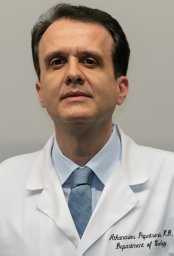 Athanasios Papatsoris合作论文数National & Kapodistrian University of Athens40
 Nikolaos Sofikitis合作论文数Department of Urology, School of Medicine, University of Ioannina26
 Aristotelis Bamias合作论文数Hygeia Hospital;Medical School, University of Athens23
 Fotios Dimitriadis合作论文数Faculty of Medicine, Tottori University23
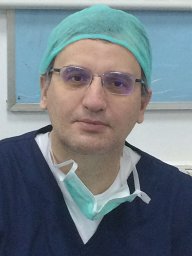 Andreas Skolarikos合作论文数Athens Medical School, Sismanoglio Hospital22
 Athanasios Zachariou合作论文数School of Health Sciences, University of Ioannina21
 Meletios A. Dimopoulos合作论文数Department of Clinical Therapeutics, School of Medicine, National and Kapodistrian University of Athens20
 Aris Kaltsas合作论文数Dept Urol, Univ Ioannina17
 Zisis Kratiras合作论文数Department of Urology, "Koutlibanio"General Hospital of Larisa16Athanasios Dellis合作论文数Department of Urology, Naval and Veterans Hospital of Athens12Alexandros G Lekas合作论文数10Ioannis M Varkarakis合作论文数9Charalampos Deliveliotis合作论文数8Athanasios Zikopoulos合作论文数8
 Evangelos Giamarellos Bourboulis合作论文数Medical School, National and Kapodistrian University of Athens8
 Andreas C. Lazaris合作论文数School of Medicine, National and Kapodistrian University of Athens;Department of Pathology, National and Kapodistrian University of Athens8
 Konstantinos Stravodimos合作论文数Medical School, National and Kapodistrian University of Athens8
 Evangelos N. Symeonidis合作论文数7Efstathiou Eleni合作论文数7
 Dionisios Mitropoulos合作论文数Department of Urology, University of Athens Medical School7Kimon Tzannis合作论文数6Nikos Antoniou合作论文数5George Lainakis合作论文数5
 Helen Giamarellou合作论文数Department of Internal Medicine, Hygeia General Hospital-Athens;Medical School, National and Kapodistrian University of Athens5
 Vassilis Protogerou合作论文数Dept of Descriptive Anatomy, Athens Medical School5
 Ioannis Zachos合作论文数Faculty of Nursing, National and Kapodistrian University of Athens5Theodoros Adamis合作论文数4Ilias Giannakodimos合作论文数4Kostas Stravodimos合作论文数4Christos Liakouras合作论文数4N. Antoniou合作论文数4A Giannopoulos合作论文数4Koutsoukos Konstantinos合作论文数4Bourdoumis Andreas合作论文数4
 Stéphane Oudard合作论文数Hôpital Européen Georges Pompidou4
 Efstratios Patsouris合作论文数National and Kapodistrian University of Athens4D. Lappas合作论文数4Evangelos Karayiotis合作论文数4
 Christina Bamia合作论文数Department of Hygiene;University of Athens;Medical School;Medical School, University of Athens4
 Nikolaos L. Kelekis合作论文数Department of Radiology, University of North Carolina4Aikaterini Pistiki合作论文数4Vasilios Karavasilis合作论文数4Ioannis Anastasiou合作论文数"Laiko" General Hospital, Athens Medical School4Andreas Koureas合作论文数4Celalettin Camci合作论文数3Dimitrios Deligiannis合作论文数3G Morack合作论文数3R J Menezes合作论文数3




