Large-scale B-mode polarization of the cosmic microwave background (CMB) is a prime target for current and future experiments in search of primordial gravitational waves. With increasingly sensitive instruments being deployed, secondary B-modes induced by the weak gravitational lensing of CMB photons are becoming an important limitation and need to be removed, a process known as delensing. In this work, we combine internally reconstructed CMB lensing maps from the Atacama Cosmology Telescope (ACT) data release 6 (DR6) with galaxy samples from unWISE and a map of the cosmic infrared background (CIB) fluctuations from Planck to produce a well-correlated tracer of the CMB lensing field. Our coadded tracer, shown to be 55%-85% correlated with the true lensing convergence at multipoles L <= 2000, is then convolved with ACT DR6 E-mode polarization to yield a template of the lensing B-modes. We assess its performance on a wide range of scales by using it to delens ACT DR6 and Planck B-modes over 23% of the sky, removing around 39% of the lensing power at 100 <= l <= 1500 and 47% at 30 <= l <= 300, respectively. Our template achieves the highest delensing efficiency to date and will be useful for the analysis of early polarization maps from the Simons Observatory. We finally outline prospects for further improvements by including additional large-scale structure tracers from upcoming cosmological surveys.
Large sinusoidal variations in the radio light curves of the blazars PKS J0805-0111 and PKS 2131-021 have recently been discovered with an 18-year monitoring programme at the Owens Valley Radio Observatory, making these systems strong supermassive black hole binary (SMBHB) candidates. The sinusoidal variations in PKS 2131-021 dominate its light curves from 2.7 GHz to optical frequencies. We report sinusoidal variations observed in both objects with the Atacama Cosmology Telescope (ACT) at 95, 147, and 225 GHz consistent with the radio light curves. The ACT 95 GHz light curve of PKS 2131-021 agrees well with the contemporaneous 91.5 GHz ALMA light curve and is comparable in quality, while the ACT light curves of PKS J0805-0111, for which there are no ALMA or other millimetre light curves, show that PKS 2131-021 is not an isolated case, and that this class of AGN exhibits the following properties: (a) the sinusoidal pattern dominates over a broad range of frequencies; (b) the amplitude of the sine wave compared to its mean value is monochromatic (i.e. nearly constant across frequencies); (c) the phase of the sinusoid phase changes monotonically as a function of frequency; (d) the sinusoidal variations are intermittent. We describe a physical model for SMBHB systems, the modified Kinetic Orbital model, that explains all four of these phenomena. The monitoring of similar to 8000 blazars by the Simons Observatory over the next decade should provide a large number of SMBHB candidates that will shed light on the nature of the nanohertz gravitational-wave background.
Ultralight axions (ULAs) are well-motivated dark matter particle candidates that arise in many extensions of the Standard Model of particle physics. ULAs with mass m_a≲ 10^-27 eV have been strongly constrained by cosmic microwave background (CMB) observations in temperature and polarization. We fit recent measurements of gravitational lensing of the CMB from Planck, the Atacama Cosmology Telescope (ACT) and the South Pole Telescope (SPT-3G) using a state-of-the-art simulation-calibrated nonlinear clustering model for ULAs. We derive the strongest constraints on ULAs in the mass range 10^-26 eV≤ m_a≤ 10^-24.5 eV. ULAs of this mass have been shown to alleviate tensions between inferences of the matter clustering if they compose a few percent of the total dark matter content of the Universe. We conclude that ULAs with a mass of 10^-26 eV make up less than 1.5% of the dark matter and 10^-25 eV axions make less than 9% (both at 95% confidence level). We identify a slight preference for non-zero axion density at 10^-24.5 eV at 2.1σ. We find that the preference for ULAs is largely driven by a few data points and that further investigation of non-linear ULA physics is needed to confirm or rule out this signal.
The mean pairwise velocity of massive halos reflects the gravitational force law on cosmic scales. We combine cosmic microwave background intensity maps from the Atacama Cosmology Telescope and a galaxy catalog from the Sloan Digital Sky Survey to estimate the mean pairwise velocity using the kinematic Sunyaev-Zeldovich (kSZ) effect. On scales from 30 to 230 megaparsecs, we constrain the gravitational acceleration between pairs of halos at separation r to be g∝1/r^{n} with n=2.1±0.3, which is consistent with Newtonian gravity in an expanding spacetime (i.e., the standard ΛCDM model). This constraint shows agreement with an inverse quadratic radial dependence over the large distances separating galaxy halos, as expected in standard cosmology. Upcoming surveys have the potential to rule out n=1 at 10σ significance. Our results establish the kSZ effect as a powerful tool for testing gravity on cosmological scales.
We present a 9.3 sigma detection of the pairwise kinematic Sunyaev-Zel'dovich (kSZ) effect by combining a sample of 913,286 Luminous Red Galaxies (LRGs) from the Dark Energy Spectroscopic Instrument Data Release 1 (DESI DR1) catalog and coadded Atacama Cosmology Telescope (ACT DR6) and Planck cosmic microwave background (CMB) temperature maps. This represents the highest-significance pairwise kSZ measurement to date. The analysis uses three ACT CMB temperature maps: coadded 150 GHz, total frequency maps, and a component separated Internal Linear Combination (ILC) map, all of which cover 19,000 square degrees of the sky from Advanced ACTPol observations conducted between 2017 and 2022. Comparison of the results of these three maps serves as a consistency check for potential foreground contamination that may depend on the observation frequency. An estimate of the best-fit mass-averaged optical depth is obtained by comparing the pairwise kSZ curve with the linear theory prediction of the pairwise velocity under the best-fit Planck cosmology and is compared with predictions from simulations. This estimate serves as a reference point for future comparisons with thermal SZ-derived optical depth measurements for the same DESI cluster samples, which will be presented in a companion paper. Finally, we employ a machine learning approach, trained on simulations to estimate the optical depth for 456,803 DESI LRG-identified clusters within the simulated mass range (greater than or similar to 1013M circle dot). These are combined with the measured kSZ signal to infer the individual cluster peculiar velocities, providing the opportunity to constrain the behavior of gravity and the dark sector over a range of cosmic scales and epochs.
The high electron temperature in galaxy clusters (> 1 keV or > 10(7) K) leads to corrections at the level of a few percent in their thermal Sunyaev-Zeldovich effect signatures. Both the size and frequency dependence of these corrections, which are known as relativistic temperature corrections, depend upon the temperature of the objects. In this work we exploit this effect to measure the average temperature of a stack of Compton-y selected clusters. Specifically, we apply the "spectroscopic method" and search for the temperature that best fits the clusters' signal measured at frequencies from 30 to 545 GHz by the Atacama Cosmology Telescope and Planck satellite. We measure the average temperature of clusters detected in the Atacama Cosmology Telescope maps to be 8.5 + 2.4 keV, with an additional systematic error of comparable amplitude dominated by passband uncertainty. Upcoming surveys, such as the Simons Observatory and CMB-S4, have the potential to dramatically improve upon these measurements and thereby enable precision studies of cluster temperatures with millimeter observations. The key challenge for future observations will be mitigating instrumental systematic effects, which already limit this analysis.
We present the tightest cosmic microwave background (CMB) lensing constraints to date on the growth of structure by combining CMB lensing measurements from the Atacama Cosmology Telescope (ACT), the South Pole Telescope (SPT), and . Each of these surveys individually provides lensing measurements with similarly high statistical power, achieving signal-to-noise ratios of approximately 40. The combined lensing band powers represent the most precise CMB lensing power spectrum measurement to date with a signal-to-noise ratio of 61 and an amplitude of A lens recon = 1.025 ± 0.017 with respect to the theory prediction from the best-fit CMB -ACT cosmology. The band powers from all three lensing datasets, analyzed jointly, yield a 1.6% measurement of the parameter combination S 8 CMBL ≡ σ 8 ( Ω m / 0.3 ) 0.25 = 0.82 5 − 0.013 + 0.015 . Including dark energy spectroscopic instrument baryon acoustic oscillation (BAO) data improves the constraint on the amplitude of matter fluctuations to σ 8 = 0.829 ± 0.009 (a 1.1% determination). When combining with uncalibrated supernovae from , we present a 4% sound-horizon-independent estimate of H 0 = 66.4 ± 2.5 km s − 1 Mpc − 1 . The joint lensing constraints on structure growth and present-day Hubble rate are fully consistent with a Λ CDM model fit to the primary CMB data from and ACT. While the precise upper limit is sensitive to the choice of data and underlying model assumptions, when varying the neutrino mass sum within the Λ CDM cosmological model, the combination of primary CMB, BAO, and CMB lensing drives the probable upper limit for the mass sum towards lower values, comparable to the minimum mass prior required by neutrino oscillation experiments.
The Simons Observatory Large Aperture Telescope Receiver (SO LATR) is a next generation Cosmic Microwave Background camera equipped with > 60, 000 detectors operating at 100 mK. Maintaining these detectors at the correct temperatures and locations requires stiff, cryogenically insulating struts. In this paper we report the design and performance of a novel glue joint in a strut used in the SO LATR to achieve the required performance. We use a tapped hole and set screw to create a profile on the exterior and interior wall of the glue joint, respectively, which greatly increases the strength of that joint by changing the failure mode from adhesive to cohesive. The failure mode of the resulting glue joint is cohesive with a yield strength 10
Large sinusoidal variations in the radio light curves of the blazars PKS J0805–0111 and PKS 2131–021 have recently been discovered with an 18-year monitoring programme at the Owens Valley Radio Observatory, making these systems strong supermassive black hole binary (SMBHB) candidates. The sinusoidal variations in PKS 2131–021 dominate its light curves from 2.7 GHz to optical frequencies. We report sinusoidal variations observed in both objects with the Atacama Cosmology Telescope (ACT) at 95, 147, and 225 GHz consistent with the radio light curves. The ACT 95 GHz light curve of PKS 2131–021 agrees well with the contemporaneous 91.5 GHz ALMA light curve and is comparable in quality, while the ACT light curves of PKS J0805–0111, for which there are no ALMA or other millimetre light curves, show that PKS 2131–021 is not an isolated case, and that this class of AGN exhibits the following properties: (a) the sinusoidal pattern dominates over a broad range of frequencies; (b) the amplitude of the sine wave compared to its mean value is monochromatic (i.e. nearly constant across frequencies); (c) the phase of the sinusoid phase changes monotonically as a function of frequency; (d) the sinusoidal variations are intermittent. We describe a physical model for SMBHB systems, the modified Kinetic Orbital model, that explains all four of these phenomena. The monitoring of ∼8000 blazars by the Simons Observatory over the next decade should provide a large number of SMBHB candidates that will shed light on the nature of the nanohertz gravitational-wave background.
The gas density profile around galaxies, shaped by feedback and affecting the galaxy lensing signal, is imprinted on the cosmic microwave background (CMB) by the kinematic Sunyaev-Zel'dovich effect (kSZ). We precisely measure this effect (SAN approximate to 10) via velocity stacking with 825,283 spectroscopically confirmed luminous red galaxies (LRG) from the Dark Energy Spectroscopic Instrument Year 1 (DESI Y1) survey, which overlap with the Atacama Cosmology Telescope (ACT) Data Release 6 temperature maps over >= 4; 000 deg2. We explore the kSZ dependence with various galaxy parameters and find no significant trend with redshift but clear trends with stellar mass and absolute magnitude in g, r, and z bands. Our analysis suggests that the gas extends beyond the dark matter halo (99.5% confidence level, i.e., probability to exceed (PTE) = 0.005). We find a tentative preference for hydrodynamical simulation models with stronger feedback that drives gas further out (Illustris z = 0.5, PTE = 0.37) over weaker-feedback cases (IllustrisTNG z = 0.8, PTE = 0.045), though with limited statistical significance. In all cases, a free multiplicative amplitude was fit to the simulated profiles, and further modeling work is required to firm up these conclusions. We find consistency between kSZ profiles around spectroscopic and photometric LRG, with comparable statistical power, thus increasing our confidence in the photometric analysis. Additionally, we present the first kSZ measurement around the DESI Y1 bright galaxy sample (BGS) and the emission-line galaxies (ELG) whose features match qualitative expectations. Finally, we forecast S=N similar to 50 for future stacked kSZ measurements using data from the ACT, the DESI Y3, and the Rubin Observatory. These measurements will serve as an input for galaxy formation models and baryonic uncertainties in galaxy lensing.
We present power spectra of the cosmic microwave background (CMB) anisotropy in temperature and polarization, measured from the Data Release 6 maps made from Atacama Cosmology Telescope (ACT) data. These cover 19,000 deg(2) of sky in bands centered at 98, 150 and 220 GHz, with white noise levels three times lower than Planck in polarization. We find that the ACT angular power spectra estimated over 10,000 deg(2), and measured to arcminute scales in TT, TE and EE, are well fit by the sum of CMB and foregrounds, where the CMB spectra are described by the Lambda CDM model. Combining ACT with larger-scale Planck data, the joint P-ACT dataset provides tight limits on the ingredients, expansion rate, and initial conditions of the universe. We find similar constraining power, and consistent results, from either the Planck power spectra or from ACT combined with WMAP data, as well as from either temperature or polarization in the joint P-ACT dataset. When combined with CMB lensing from ACT and Planck, and baryon acoustic oscillation data from the Dark Energy Spectroscopic Instrument (DESI DR1), we measure a baryon density of Omega(b)h(2) = 0.0226 +/- 0.0001, a cold dark matter density of Omega(c)h(2) = 0.118 +/- 0.001, a Hubble constant of H-0 = 68.22 +/- 0.36 km/s/Mpc, a spectral index of n(s) = 0.974 +/- 0.003, and an amplitude of density fluctuations of sigma(8) = 0.813 +/- 0.005. Including the DESI DR2 data tightens the Hubble constant to H-0 = 68.43 +/- 0.27 km/s/Mpc; Lambda CDM parameters agree between the P-ACT and DESI DR2 data at the 1.6 sigma level. We find no evidence for excess lensing in the power spectrum, and no departure from spatial flatness. The contribution from Sunyaev-Zel'dovich (SZ) anisotropy is detected at high significance; we find evidence for a tilt with suppressed small-scale power compared to our baseline SZ template spectrum, consistent with hydrodynamical simulations with feedback.
We conduct a systematic search for astrophysical transients using data from the Atacama Cosmology Telescope. The data were taken from 2017 to 2022 in three frequency bands spanning 77 to 277 GHz. In this paper, we present a pipeline for transient detection using single-observation maps where each pixel of a map contains one observation with an integration time of approximately 4 minutes. We detect 34 transient events at 27 unique locations. All but two of the transients are associated with Galactic stars and exhibit a wide range of properties. We also detect an event coincident with the classical nova YZ Ret and one event consistent with a flaring active galactic nucleus. We notably do not detect any reverse shock emission from gamma-ray bursts, a nondetection that may be in tension with current models.
The Simons Observatory (SO) is a ground-based cosmic microwave background (CMB) survey experiment that currently consists of three 0.42 m small-aperture telescopes and one 6 m large-aperture telescope (LAT), located at an elevation of 5200 m in the Atacama Desert in Chile. At the LAT’s focal plane, SO will install >62,000 transition-edge sensor detectors across 13 optics tubes (OTs) within the Large Aperture Telescope Receiver (LATR), the largest cryogenic camera ever built to observe the CMB. Here we report on the validation of the LATR in the laboratory and the subsequent dark testing and validation within the LAT. We show that the LATR meets cryogenic, optical, and detector specifications required for high-sensitivity measurements of the CMB. At the time of writing, the LATR is installed in the LAT with six OTs (corresponding to >31,000 detectors), and the LAT mirrors and remaining seven OTs are undergoing development.
According to cosmic microwave background (CMB) measurements, baryonic matter constitutes about 5% of the mass-energy density of the universe. A significant population of these baryons, for a long time referred to as "missing", resides in a low density, warm-hot intergalactic medium (WHIM) outside galaxy clusters, tracing the "cosmic web", a network of large scale dark matter filaments. Various studies have detected this inter-cluster gas, both by stacking and by observing individual filaments in compact, massive systems. In this paper, we study short filaments (< 10 Mpc) connecting massive clusters (< M-500 >approximate to 3 x 10(14) M-circle dot) detected by the Atacama Cosmology Telescope (ACT) using the scattering of CMB light off the ionised gas, a phenomenon known as the thermal Sunyaev-Zeldovich (tSZ) effect. The first part of this work is a search for suitable candidates for high resolution follow-up tSZ observations. We identify four cluster pairs with an intercluster signal above the noise floor (S/N > 2), including two with a tentative > 2 sigma statistical significance for an intercluster bridge from the ACT data alone. In the second part of this work, starting from the same cluster sample, we directly stack on similar to 100 cluster pairs and observe an excess SZ signal between the stacked clusters of y = (7.2(-2.5)(+2.3)) x 10(-7 )with a significance of 3.3 sigma. It is the first tSZ measurement of hot gas between clusters in this range of masses at moderate redshift ((z) approximate to 0.5). We compare this to the signal from simulated cluster pairs with similar redshifts and separations in the THE300 and MAGNETICUM Pathfinder cosmological simulations and find broad consistency. Additionally, we show that our measurement is consistent with scaling relations between filament parameters and mass of the embedded halos identified in simulations.
Recent advances in cosmological observations have provided an unprecedented opportunity to investigate the distribution of baryons relative to the underlying matter. In this work, we show that the gas is more extended than the dark matter, and the amount of baryonic feedback at z less than or similar to 1 disfavors low-feedback models such as that of state-of-the-art hydrodynamical simulation IllustrisTNG compared with high-feedback models such as that of the original Illustris simulation. This has important implications for bridging the gap between theory and observations and understanding galaxy formation and evolution. Furthermore, a better grasp of the baryon-dark matter link is critical to future cosmological analyses, which are currently impeded by our limited knowledge of baryonic feedback. Here, we measure the kinematic Sunyaev-Zel'dovich (kSZ) effect from the Atacama Cosmology Telescope, stacked on the luminous red galaxy sample of the Dark Energy Spectroscopic Instrument (DESI) imaging survey. This is the first analysis to use photometric redshifts for reconstructing galaxy velocities. Due to the large number of galaxies comprising the DESI imaging survey, this is the highest signal-to-noise stacked kSZ measurement to date; we detect the signal at 13 sigma, finding strong evidence that the gas is more spread out than the dark matter, as well as a preference for larger feedback compared to some commonly used state-of-the-art hydrodynamical simulations. Our work opens up the possibility of recalibrating large hydrodynamical simulations using the kSZ effect. In addition, our findings highlight the importance of properly accounting for baryonic feedback with future surveys such as LSST through direct probes such as the kSZ, and shed light on long-standing enigmas in astrophysics, such as the "missing baryon" problem.
We measure the growth of cosmic density fluctuations on large scales and across the redshift range 0.3
The Simons Observatory will map the temperature and polarization over half of the sky at millimeter wavelengths in six spectral bands from the Atacama Desert in Chile. These data will provide new insights into the genesis, content, and history of our Universe, the astrophysics of galaxies and galaxy clusters, objects in our solar system, and time-varying astrophysical phenomena. This ambitious new instrument suite, initially comprising three 0.5 m diameter small aperture telescopes and one 6 m diameter large aperture telescope, is designed using a common combination of new technologies and new implementations to realize an observatory significantly more sensitive than the previous generation. In this paper, we present the predeployment performance of the first mid-frequency "optics tube," which will be fielded on the large aperture telescope with sensitivity to the 90 and 150 GHz spectral bands. This optics tube contains lenses, filters, detectors, and readout components, all of which operate at cryogenic temperatures. It is one of seven that form the core of the large aperture telescope receiver in its initial deployment. We describe this optics tube, including details of comprehensive testing methods, new techniques for beam and passband characterization, and its measured performance. The performance metrics include beams, optical efficiency, passbands, and forecasts for the on-sky performance of the system. We forecast a sensitivity that exceeds the requirements of the large aperture telescope with greater than 30% margin in each spectral band and predict that the instrument will realize diffraction-limited performance and the expected detector passbands.
The kinematic Sunyaev-Zel'dovich (kSZ) effect induces a non-zero density-density-temperature bispectrum, which we can use to reconstruct the large-scale velocity field from a combination of cosmic microwave background (CMB) and galaxy density measurements, in a procedure known as “kSZ velocity reconstruction”. This method has been forecast to constrain large-scale modes with future galaxy and CMB surveys, improving their measurement beyond what is possible with the galaxy surveys alone. Such measurements will enable tighter constraints on large-scale signals such as primordial non-Gaussianity, deviations from homogeneity, and modified gravity. In this work, we demonstrate a statistically significant measurement of kSZ velocity reconstruction for the first time, by applying quadratic estimators to the combination of the ACT DR6 CMB+kSZ map and the DESI LRG galaxies (with photometric redshifts) in order to reconstruct the velocity field. We do so using a formalism appropriate for the 2-dimensional projected galaxy fields that we use, which naturally incorporates the curved-sky effects important on the largest scales. We find evidence for the signal by cross-correlating with an external estimate of the velocity field from the spectroscopic BOSS survey and rejecting the null (no-kSZ) hypothesis at 3.8σ. Our work presents a first step towards the use of this observable for cosmological analyses.
We present Atacama Cosmology Telescope (ACT) Data Release 6 (DR6) maps of the Cosmic Microwave Background temperature and polarization anisotropy at arcminute resolution over three frequency bands centered on 98, 150 and 220 GHz. The maps are based on data collected with the AdvancedACT camera over the period 2017-2022 and cover 19,000 square degrees with a median combined depth of 10 mu K arcmin. We describe the instrument, mapmaking and map properties and illustrate them with a number of figures and tables. The ACT DR6 maps and derived products are available on LAMBDA at https://lambda.gsfc.nasa.gov/product/act/actadv_prod_table.html. We also provide an interactive web atlas at https://phy-act1.princeton.edu/public/snaess/actpol/dr6/atlas and HiPS data sets in Aladin (e.g. https://alasky.cds.unistra.fr/ACT/DR4DR6/color_CMB).
We use new cosmic microwave background (CMB) primary temperature and polarization anisotropy measurements from the Atacama Cosmology Telescope (ACT) Data Release 6 (DR6) to test foundational assumptions of the standard cosmological model, Lambda CDM, and set constraints on extensions to it. We derive constraints from the ACT DR6 power spectra alone, as well as in combination with legacy data from the Planck mission. To break geometric degeneracies, we include ACT and Planck CMB lensing data and baryon acoustic oscillation data from DESI Year-1. To test the dependence of our results on non-ACT data, we also explore combinations replacing Planck with WMAP and DESI with BOSS, and further add supernovae measurements from Pantheon+ for models that affect the late-time expansion history. We verify the near-scale-invariance (running of the spectral index dn(s)/d ln k = 0.0062 +/- 0.0052) and adiabaticity of the primordial perturbations. Neutrino properties are consistent with Standard Model predictions: we find no evidence for new light, relativistic species that are free-streaming (N-eff = 2.86 +/- 0.13, which combined with astrophysical measurements of primordial helium and deuterium abundances becomes N-eff = 2.89 +/- 0.11), for non-zero neutrino masses (Sigma m(nu) < 0.089 eV at 95% CL), or for neutrino self-interactions. We also find no evidence for self-interacting dark radiation (N-idr < 0.134), or for early-universe variation of fundamental constants, including the fine-structure constant (alpha(EM)/alpha(EM,0) = 1.0043 +/- 0.0017) and the electron mass (m(e)/m(e,0) = 1.0063 +/- 0.0056). Our data are consistent with standard big bang nucleosynthesis (we find Y-p = 0.2312 +/- 0.0092), the COBE/FIRAS-inferred CMB temperature (we find T-CMB = 2.698 +/- 0.016 K), a dark matter component that is collisionless and with only a small fraction allowed as axion-like particles, a cosmological constant (w = -0.986 +/- 0.025), and the late-time growth rate predicted by general relativity (gamma = 0.663 +/- 0.052). We find no statistically significant preference for a departure from the baseline Lambda CDM model. In fits to models invoking early dark energy, primordial magnetic fields, or an arbitrary modified recombination history, we find H-0 = 69.9(-1.5)(+0.8), 69.1 +/- 0.5, or 69.6 +/- 1.0 km/s/Mpc, respectively; using BOSS instead of DESI BAO data reduces the central values of these constraints by 1-1.5 km/s/Mpc while only slightly increasing the error bars. In general, models introduced to increase the Hubble constant or to decrease the amplitude of density fluctuations inferred from the primary CMB are not favored over Lambda CDM by our data.
 Edward J Wollack合作论文数Goddard Space Flight Center, National Aeronautics and Space Administration169
 Suzanne T. Staggs合作论文数Department of Physics, Princeton University158
 Michael D. Niemack合作论文数Department of Physics, The College of Arts & Sciences, Cornell University/Astronomy Department, Cornell University158
 J. Richard Bond合作论文数Department of Physics, University of Toronto;Canadian Institute for Theoretical Astrophysics, University of Toronto119
 Mark Halpern合作论文数Department of Physics & Astronomy, Faculty of Science, The University of British Columbia117
 Kavilan Moodley合作论文数Centre for Mathematical Sciences;University of Cambridge;Centre for Mathematical Sciences, University of Cambridge115
 Neelima Sehgal合作论文数Department of Physics and Astronomy, College of Arts and Sciences, Stony Brook University113
 Jo Dunkley合作论文数Department of Astrophysical Sciences, Princeton University111
 C. Tucker合作论文数School of Physics and Astronomy;Cardiff University;School of Physics and Astronomy, Cardiff University110
 Simon Dicker合作论文数University of Pennslyvania108
 Kent Irwin合作论文数Physics Department, School of Humanities and Sciences, Stanford University;Hansen Experimental Physics Laboratory, Stanford University104
 Bruce Partridge合作论文数Haverford College104
 Lyman A. Page Jr.合作论文数Department of Physics, Princeton University103
 Arthur Kosowsky合作论文数Department of Physics and Astronomy, University of Pittsburgh103
 David Spergel合作论文数Center for Computational Astrophysics, Flatiron Institute;Department of Astrophysical Sciences, Princeton University,102
 John P. (Jack) Hughes合作论文数Department of Physics and Astronomy, School of Arts and Sciences, Rutgers University100
 Adam D. Hincks合作论文数Department of Astronomy & Astrophysics, Faculty of Arts and Science, University of Toronto/St. Michael’s College, University of Toronto94
 M. Hasselfield合作论文数Department of Physics and Astronomy;University of British Columbia;Department of Physics and Astronomy, University of British Columbia94
 Johannes Hubmayr合作论文数Quantum Electromagnetics Division, National Institute of Standards and Technology91
 Matt Hilton合作论文数Astrophysics Research Institute;Liverpool John Moores University;Astrophysics Research Institute, Liverpool John Moores University91Jeff McMahon合作论文数Dept Phys, Univ Chicago88
 Rolando Dunner合作论文数88Cristóbal Sifón合作论文数85
 Renee Hlozek合作论文数David A. Dunlap Department of Astronomy and Astrophysics, University of Toronto83
 Erminia Calabrese合作论文数83
 Jonathan Sievers合作论文数Department of Physics, Faculty of Science, McGill University82
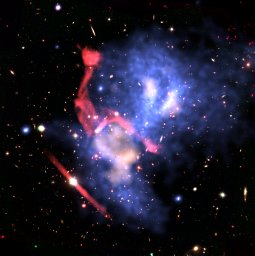 Tony Mroczkowski合作论文数Department of Astronomy;Columbia University;Department of Astronomy, Columbia University82
 Peter Ade合作论文数School of Physics and Astronomy, Cardiff University80
 Gene Hilton合作论文数Zanvyl Krieger School of Arts & Sciences, Johns Hopkins University;National Institute of Standards and Technology79Patricio A. Gallardo合作论文数Dept Phys, Cornell Univ78
 Douglas Scott合作论文数Department of Physics & Astronomy, The University of British Columbia77
 Blake D. Sherwin合作论文数Department of Applied Mathematics and Theoretical Physics, University of Cambridge76
 Kevin Huffenberger合作论文数Department of Physics & Astronomy, College of Arts & Sciences, Texas A&M University76Robert Thornton合作论文数Dept Phys & Astron, Univ Penn75Naess Sigurd合作论文数Sub-Department of Astrophysics, University of Oxford68
 Mathew Syriac Madhavacheril合作论文数Department of Physics & Astronomy, University of Pennsylvania68
 Federico Nati合作论文数Dipartimento di Fisica, Universitá di Roma La Sapienza68
 Tobias Marriage合作论文数Department of Physics & Astronomy, Krieger School of Arts & Sciences, Johns Hopkins University66
 Steve K Choi合作论文数Dept Astron, Cornell Univ65
 J. Colin Hill合作论文数Department of Physics, Columbia University65Louis Thibaut合作论文数Sub-Department of Astrophysics, University of Oxford64
 Ertus Pascale合作论文数61Laura Newburgh合作论文数Department of Astronomy, Yale University59
 Alexander Van Engelen合作论文数Canadian Inst Theoret Astrophys, Univ Toronto59
 Felipe Menanteau合作论文数Department of Astronomy, College of Liberal Arts & Sciences, University of Illinois Urbana-Champaign;National Center for Supercomputing Applications, University of Illinois Urbana-Champaign59
 Eve M. Vavagiakis合作论文数Dept Phys, Cornell Univ57Eric R. Switzer合作论文数Department of Physics;Princeton University;Department of Physics, Princeton University56
 Joshua O. Gundersen合作论文数Department of Physics;University of Miami;Department of Physics, University of Miami53John Orlowski-Scherer合作论文数Dept Phys & Astron, Univ Penn52




