Ameloblastic fibrosarcoma (AFS) is a very rare malignant odontogenic tumor that is considered the malignant counterpart of the ameloblastic fibroma. Histologically, the mesenchymal portion of the tumor shows the malignant features of sarcoma whereas the epithelial component is normal. 1 Muller S. Parker D. Kapadia S. et al. Ameloblastic fibrosarcoma of the jaws. Oral Surg Oral Med Oral Pathol Oral Radiol Endod. 1995; 79: 469 Abstract Full Text PDF PubMed Scopus (84) Google Scholar These tumors either present de novo or arise from a pre-existing ameloblastic fibroma.
The intraosseous ameloblastoma of the jaws occurs most often in the fourth and fifth decades of life. 1 Regezi JA Sciubba JJ Oral Pathology: Clinical Pathologic Correlations. in: ed 3. Saunders, Philadelphia, PA1999: 324 Google Scholar Its occurrence in children and adolescents younger than 18 years is uncommon, accounting for only 14.6% of 206 cases of ameloblastomas in 1 study. 2 Olaitan AA Adekeye EO Clinical features and management of ameloblastoma of the mandible in children and adolescents. Br J Oral Maxillofac Surg. 1996; 34: 248 Abstract Full Text PDF PubMed Scopus (58) Google Scholar
Although mucoepidermoid carcinomas appear predominantly in the major salivary glands, they can also occur in the minor salivary glands. These tumors may also arise in the mucosal glands of the genitalia, anus, and respiratory and digestive tracts. Mucoepidermoid carcinomas in the lower lip are rare. In a review of the earlier literature on mucoepidermoid tumors, Bhaskar and Bernier−1 found only two reports of cases occurring in the lip. The following report describes a patient who presented with such a lesion.
An elderly man had a large adenoid cystic carcinoma (ACC) of the upper lip. Because of the patient's desire not to have a major surgical resection, the primary modality of treatment was irradiation. A local recurrence following radiation therapy did require surgery, however without morbidity. During the postoperative course extreme physical deterioration of the patient necessitated a complete medical work-up. This revealed lung nodules, not seen previously, which were suspected of being malignant. A barium enema also revealed a sigmoid lesion suggestive of malignancy. Since none of the suspected distant sites were histologically examined, the course of the ACC is left to conjecture. Also, it is left to conjecture as to what course might have followed had the patient been treated initially with a surgical resection. The patient died 20 months after the original diagnosis of the lip tumor was made.
The primary purpose of this study was to determine a measure of selected patients' perceptions of the scope of services provided by the oral and maxillofacial surgeon. Data were collected from 403 patients by a questionnaire and were combined with data from the participating patients' charts. Analysis and interpretation of the data disclosed two trends: patients perceived that problems of odontogenic origin should be treated by dentists or oral surgeons, and patients perceived that problems of nonodontogenic origin should be treated by medical professionals rather than by oral and maxillofacial surgeons. If these patients are representative of the general population, then these trends strongly suggest a need for greater public and professional dental educational opportunities about the scope of services rendered by the oral and maxillofacial surgeon. It is recommended that dental societies and dental schools assume the lead in offering these opportunities.
The purposes of this study were to determine and evaluate the psychosexual behavior of selected patients whose jaws were immobilized. Data for this pilot study were collected by using a standardized interview protocol with ten patients whose jaws were immobilized. The interview questions were designed to ascertain whether sexual problems existed, the nature and management of these problems, and the suggested role the operating surgeon might assume in assisting the patient. The data revealed that sexual difficulties were experienced by nine of these patients, and many of their problems were similar. The chief complaints included: (1) shortness of breath during sexual intercourse, (2) difficulty in oral foreplay, (3) poor verbal communication, (4) altered self-image, (5) sexual dysfunctions induced by pain medication, (6) depression, and (7) a lack of ability to exercise oral-genital sexual contact. Nine of the ten patients agreed that the operating surgeon should inform his or her patients with immobilized jaws of potential sexual disability. We believe that additional studies of these problems could enhance the management of patients with oral and maxillofacial injuries.
Two cases of unilateral hypoplasia and dysplasia of the mandible with involvement of the maxilla existing simultaneously with perimandibular cavernous hemangiomas are described. In both cases the clinical picture resembled that of otomandibular dysostosis. In one case there existed simultaneously v. Recklinghausen's neurofibromatosis. In both cases severe venous bleeding which was difficult to control was encountered.
 David D. Dubois合作论文数11Chinnis R J合作论文数6Ds Fritsch合作论文数1Noordhoek Roseanna合作论文数1
 Stephen M. Pizer合作论文数222 Sitterson Hall;Department of Computer Science, University of North Carolina at Chapel Hill1
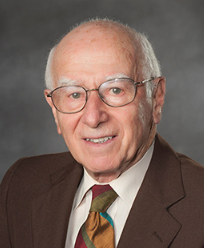 Daniel Laskin合作论文数Department of Oral and Maxillofacial Surgery, School of Dentistry, Virginia Commonwealth University1Dennis G. Page合作论文数1David Eberly合作论文数1John A. Svirsky合作论文数1




