Estimating individual dry matter intake (DMI) on pasture remains costly, labor-intensive, and episodic. We developed a deployable sequence model to predict daily, per-animal DMI using walk-on scale weights, metered water intake, animal metadata, and publicly available weather. A 3-layer long short-term memory (LSTM) network (hidden size = 256, dropout = 0.20) ingested 7-d windows of engineered covariates, including rolling statistics, first- and second-order differences, short lags, thermal ranges, and temperature-humidity index (THI), scaled with a RobustScaler; categorical variables were encoded with learned embeddings. The prediction head was a compact multilayer perceptron, and outputs were inverse Box-Cox transformed to kilograms per day. Training used animal-identity-grouped splits, Huber loss, Adam optimization with gradient clipping, learning-rate scheduling, early stopping, and Optuna hyperparameter tuning. A single feature-scaler bundle was evaluated against National Academies of Sciences, Engineering, and Medicine (NASEM) equations and three strictly held-out external validations: regional drylot (Morgantown, WV), non-regional drylot (Hyplains, KS), and grazing (2023 Wardensville, WV). Using identical evaluation masks, the LSTM improved accuracy relative to NASEM (pooled RMSE 1.329 vs. 1.858 kg/d; R2 0.655 vs. 0.326), with the largest gains in grazing (LSTM RMSE 1.180, R2 0.507; NASEM RMSE 3.883, R2 -4.337). Iterative fine-tuning with a frozen encoder showed stable behavior under bias-only head updates across production systems. These results demonstrate that accurate, generalizable DMI prediction can be achieved from pragmatic inputs, enabling scalable evaluation of intake phenotypes and feed-efficiency traits directly in grazing systems.
Water intake (WI) remains an under-characterized yet essential trait in beef cattle systems, with implications for animal health, climate resilience, and resource efficiency. Existing predictive models, including those from the National Academies of Sciences, Engineering, and Medicine (NASEM), rely on static equations derived from outdated data and lack resolution at the individual animal level. In this study, we developed and evaluated a long short-term memory (LSTM) model to predict daily WI using longitudinal data on animal characteristics, dry matter intake (DMI), and engineered environmental features. Data were collected from 2,268 animals across drylot and grazing systems between 2019 and 2024, with environmental variables sourced from NOAA and NASA. Feature engineering captured biologically relevant dynamics via rolling deltas, interaction terms, and temporal encodings. The LSTM model trained with these engineered features achieved strong predictive performance (root mean square error [RMSE] = 3.85 L/d; R2 = 0.74; P < 0.001) and generalized well to unseen regional (RMSE = 4.20 L/d; R2 = 0.61; P < 0.001) and non-regional (RMSE = 4.19 L/d; R2 = 0.63; P < 0.001) drylot datasets. In contrast, models trained without engineered features failed to generalize (RMSE = 22.7 L/d; R2 = -0.96), and NASEM predictions systematically underestimated high intake values. Permutation-based feature importance analysis highlighted the value of short-term environmental stress indicators, particularly temperature-humidity index (THI) and temperature deltas. These results demonstrate that sequence-based models incorporating dynamic environmental covariates can significantly improve WI prediction in beef cattle and provide a scalable decision-support framework for water-efficient genetic selection and adaptive management.
IntroductionAccurate prediction of dry matter intake (DMI) is essential for genetic selection, ration formulation, and performance evaluation in beef cattle. However, direct measurement of DMI remains costly and impractical for large-scale or grazing operations, limiting its adoption as a routine management and breeding tool.MethodsWe developed a reproducible and deployable machine learning framework integrating Gaussian Process Boosting (GPBoost), Machine Learning Flow (MLflow) model management, Flask-based web application for inference, and Apache Airflow-driven automation to predict individual daily DMI from animal intake and climate data. Four model variants were evaluated: a Full Model incorporating all animal and climate features, and three core models that differed only in age estimation methods—age in days from date of birth (DOB), age in months from month of birth (MOB), and age in months derived from season of birth (SOB).ResultsAll models demonstrated strong and consistent performance across training, testing, and validation datasets (R2 = 0.69–0.74; RMSE = 1.13–1.22 kg). Core models showed less than 3% error increase relative to the Full Model, indicating that precise birth dates are not required for accurate prediction. Feature importance analysis identified bodyweight, age, water intake behavior, and test day as primary drivers of prediction accuracy, with climate variables contributing secondarily.DiscussionThis work presents a scalable, production-ready MLOps pipeline capable of delivering real-time livestock decision support for DMI prediction without requiring precise historical birth date information. The framework addresses practical constraints in large-scale and grazing operations while maintaining model accuracy, enabling broader implementation of data-driven management strategies in beef cattle production systems.
Water intake (WI) in beef cattle is influenced by animal class, breed, production system, and environmental conditions, yet current models rely on limited, outdated data. We analyzed 130,000+ daily records of individual WI, dry matter intake (DMI), and body weight (BW) across 10 breeds from grazing and drylot systems over 5 yr. WI varied significantly by class (P < 0.001), with bulls consuming the most water (25.62 ± 0.03 L/d), followed by heifers (23.21 ± 0.07 L/d), and steers (21.83 ± 0.06 L/d), but heifers and steers had higher WI per 100 kg BW (P < 0.001). Breed effects were also significant (P < 0.001), with Red Angus and Limousin exhibiting the highest weight-adjusted WI. Drylot cattle drank more than grazing cattle (24.66 vs. 21.60 L/d; P < 0.001). WI increased with heat load; animals in THI ≥ 90 consumed 8.47 ± 0.03 L/100 kg BW compared to 5.53 ± 0.01 in THI < 72. However, relationships between WI and BW or DMI were weak (R2 = 0.06). These results challenge assumptions embedded in current recommendations (e.g., NASEM) and highlight the need for individualized, context-sensitive models. Our findings support future efforts in water-efficient selection, climate resilience, and sustainable beef production.
Dry matter intake (DMI) is a measure critical to managing and evaluating livestock. Methods exist for quantifying individual DMI in dry lot settings that employ expensive intake systems. No methods exist to accurately measure individual DMI of grazing cattle. Accurate prediction of DMI using machine learning (ML) promotes improved production and management efficiency. It also opens the door to empowering producers to validate and verify intakes in order to participate in incentive programs for delivering ecosystem service credits. We explored gradient boosting-based approaches to predict DMI in beef cattle using actual animal intake and climate datasets of 12,056 daily records from 178 cattle fed at West Virginia University from 2019 to 2020. The tested and developed methods include gradient boosting regression (GBR), Light boosting regression (LGB), extreme GBR (XGB), and Gaussian process boosting (GPBoost) models and 2 baseline models: 1. Nutrient Requirements of Beef Cattle Equation 1 & 2. mixed linear model regression (MLM). The GPBoost models were developed considering the random effects associated with animal ID and date. Moreover, we developed an end-to-end ML operations (MLOps) pipeline to streamline the ML steps using crucial components, such as MLflow and Dockerization. The best-performing model was determined by comparing the common evaluation metrics such as root mean squared error (RMSE), mean squared error (MSE), mean absolute error (MAE), and mean absolute percentage error. The RMSE values on the test data of the optimized models ranged from 1.18 to 1.54 kg. The focus was developing a generalized algorithm that models covariates associated with animal ID and date that would generalize well on unseen data. The GPBoost models exhibited the best bias and variance compared to the other models (MLM, GBR, LGB, XGB). The R2 of the GPBoost on the training and test datasets were 0.58 and 0.55, respectively. The GPBoost model generalized well on the test dataset and train dataset with MAE values of 0.92 and 0.90 kg, respectively. We implemented an end-to-end MLOps pipeline with MLflow and Docker, enabling experiment tracking, model registry, reproducibility, scalability (to deploy on multiple computers), and seamless deployment. This approach offers a reliable and scalable solution for accurate DMI prediction, enhancing livestock management, and facilitating participation in ecosystem service credits.
As global climate patterns shift and population growth accelerates, optimizing freshwater resource use is critical. Animal agriculture is frequently criticized for its perceived role in excessive water consumption; however, prevailing estimates of beef cattle water intake warrant reassessment. Existing beef cattle water intake standards are based on data collected in 1956, failing to account for decades of genetic progress and management improvements. Recent advances in precision livestock monitoring have provided unprecedented access to high-resolution animal data. However, such installations primarily record feed intake and lack the equipment to measure individual water intake. Machine learning models are well suited for leveraging large feed intake datasets to predict individual water intake in systems where feed intake is measured but water intake is not. We deployed RFID-enabled front-end weighing stations integrated with custom metered waterers at the Reymann Memorial Research, Outreach, and Education Center (REOC) in Wardensville, WV (2019) and the WVU Animal Sciences REOC in Morgantown, WV (2022) alongside Growsafe 8000 feed bunks. These systems facilitated the collection of daily body weight, feed intake, and water intake data at the individual animal level. From 2019-07-08 to 2024-02-16, we evaluated 2,020 animals for individual daily weight, feed intake, and water intake across both research locations. Data collection spanned 1,055 days, covering all months of the year. The dataset encompasses 11 breeds: Angus, Limousin, Angus cross-breed, Charolais, SimAngus, Hereford, Simmental, Charolais cross-breed, Black Hereford, Akaushi Wagyu, and Red Angus. Animal ages ranged from 162 to 753 days. The dataset includes water intake records from 1,255 bulls, 434 steers, and 331 heifers. Hourly climate data were collected from open-source climate stations and transformed into daily summaries of mean, maximum, minimum, and range. The resulting high-resolution dataset was used to train a Long Short-Term Memory (LSTM) recurrent neural network (RNN) model, well-suited for modeling longitudinal data. Features were engineered to capture temporal dynamics, cohort effects, and intake distribution patterns. Temporal features included cyclical encoding of month and day-of-year, polynomial transformations of test progression, and lag-based statistics to model intake trends. Pairwise distance metrics (Euclidean, Mahalanobis) and clustering methods characterized intake similarity within cohorts. These transformations enhanced the model’s ability to learn seasonality, group effects, and temporal dependencies in intake behavior. A 70:30 train-test split was used to evaluate model performance. After hyperparameter tuning, the model predicted individual water intake with an RMSE of 5.16 L, an MAE of 4.08 L, and an adjusted R² of 0.72. A generalization gap of 1.08 indicated no major overfitting. Our model can predict individual water intake in systems that only measure individual feed intake, enabling the identification and selection of water-efficient animals and improvement of water use in beef production systems.
Accurately predicting dry matter intake (DMI) is crucial for optimizing livestock nutrition and management. This study develops a machine learning model using GPBoost, a hybrid gradient boosting and Gaussian process approach, to predict DMI in grazing animals based on intake-related features collected from animals housed in a drylot system. Initially, the model is trained solely on drylot data and used to predict DMI for animals in grazing conditions during summer 2021 and 2022. To improve prediction performance under grazing conditions, 250 observations of grazing data of summer 2021 is incorporated into the training set (~120,584 observations), and the model is retrained before making final predictions on unseen grazing animals’ dataset (summer 2022). Model performance is evaluated using standard evaluation metrics, and results indicate that incorporating limited grazing data enhances predictive accuracy. The root mean squared error (RMSE) has decreased from 2.95 to 2.0 when the model is trained on the drylot data added with a subset of grazing dataset. Similarly, mean absolute error (MAE), mean square error (MSE) are decreased to 1.57 and 4.44 from 2.56 and 8.75. This approach demonstrates the potential of transfer learning in livestock feeding studies and provides a framework for improving DMI estimation across different production systems.
Phenotypic testing in cattle is essential for evaluating traits related to growth performance, feed efficiency, and water intake. Traditional phenotypic evaluations occur primarily in dry lot-based systems; however, pasture-based systems are the predominant setting for commercial beef production. Therefore it is necessary to assess whether performance rankings from dry lot systems are reflective of what is observed in grazing systems. Understanding the degree of correlation between these systems is crucial for improving the accuracy of genetic evaluations and refining selection strategies for economically important traits. Our study utilizes Vytelle In-Pen Weighing (IPW) systems to measure body weight and individual water intake in confinement settings, alongside Vytelle feed bunks to quantify individual dry matter intake (DMI). To extend this evaluation to a grazing-based system, we implemented a mobile IPW to measure body weight and individual water intake, from which we can determine individual daily DMI. These technologies allow for a direct comparison of performance traits of cattle in both dry lot and pasture-based systems. We evaluated two groups of heifers in both the dry lot and grazing systems sequentially and analyzed the consistency of individual rankings for three key efficiency traits: Residual Feed Intake (RFI), Average Daily Gain (ADG), and DMI across both testing environments. Preliminary results indicate a weak correlation in ADG rankings (r = -0.179, and 0.083) between the yearling crossbred and purebred heifers, suggesting that growth performance can differ between the management conditions. Similarly, DMI rankings exhibited weak correlations (r = -0.006, and 0.121), indicating that feed intake tendencies observed in confinement do not persist in pasture environments. RFI rankings displayed a similar variability (r = 0.344), reflecting potential environmental influences on feed efficiency measures. Differences in forage availability, grazing behavior, and energy expenditures may contribute to these discrepancies, pointing to the importance of evaluating animals in the kind of system in which they will be expected to perform. These findings indicate that performance traits like ADG, DMI and RFI can be assessed in either system; however, the resultant phenotypes likely only apply to that environment. The application of mobile weighing systems and predictive algorithms offers promising advancements in extending phenotypic testing beyond traditional dry lot settings. However, further refinement of predictive models and additional data collection are necessary to improve the accuracy of efficiency trait evaluation in grazing systems. By comparing performance trait rankings across environments, this study enhances our understanding of how phenotypic testing conditions influence genetic evaluation outcomes. Integrating pasture-based phenotypic testing into genetic selection programs may improve the ability to select cattle with superior efficiency and productivity in real-world grazing conditions. Future research should focus on refining pasture-based intake measurement methodologies and exploring genetic-by-environment interactions that impact feed efficiency rankings.
Breast ultrasound image segmentation and classification are the two crucial steps for early diagnosis of cancer. In this work we developed a breast cancer segmentation and multiclass classification artificial intelligence tools based on pretrained models. The proposed workflow includes both the development of a segmentation model architecture and second the development of a series of classification models to classify the ultrasound greyscale images into normal, benign or malignant. The training and testing of the pretrained models were performed using the Breast Ultrasound Images (BUSI dataset). For the image segmentation task, the models were trained on the images while using masks as target variable. In the multiclass classification, each image was provided with accurate label “benign”, “normal” or “malignant” and used to train a multiclass classifier. Optuna was used for hyperparameter optimization and for the testing of various pretrained models to determine the best encoder (ResNet18, EfficientNet-B0 & MobileNetV2)-decoder (U-Net, U-Net++, DeepLabV3) image segmentation architecture. For multiclass classification, five different pretrained models (ResNet18, DenseNet121, InceptionV3, MobielNetV3, GoogleNet) were optimized and tested for their ability to classify breast cancer images. The developed Image segmentation models performed well in terms of delineating the lesion in the breast ultrasound images. DeepLabV3 outperformed other segmentation architectures with consistent performance across train, validation and test images with Dice Coefficients of 0.87, 0.80 and 0.83 respectively. ResNet18:DeepLabV3 achieved an Intersection over Union score of 0.78 during training. ResNet18: U-net++ achieved best Dice coefficient (0.83) and IoU (0.71) and AUC score of 0.91 on the test (unseen) dataset when compared to other models. For classification of breast cancer images, ResNet18 achieved an F1 score of 0.95 and an accuracy of 0.90 on the train dataset, while InceptionV3 outperformed other models on the test dataset with an F1 score of 0.75 and accuracy of 0.83. We demonstrate a comprehensive approach to automate the image segmentation and multiclass classification of breast cancer ultrasound images into benign, malignant or normal using transfer learning models on an imbalanced ultrasound image dataset.
Abstract Dry matter intake (DMI) is a measure critical to managing and evaluating livestock. Methods exist for quantifying individual DMI in dry lot settings that employ expensive intake systems. No methods exist to accurately measure individual DMI of grazing cattle. Accurate prediction of DMI using machine learning (ML) promotes improved production and management efficiency. It also opens the door to empowering producers to validate and verify intakes in order to participate in incentive programs for delivering ecosystem service credits. We explored gradient boosting-based approaches to predict DMI in beef cattle using actual animal intake and climate dataset of 12,056 daily records from 178 cattle fed at West Virginia University from 2019 to 2020. The tested and developed methods include gradient boosting regression (GBR), Light boosting regression (LGB), extreme gradient boosting regression (XGB), and Gaussian process boosting (GPBoost) models and two baseline models: 1. Nutrient Requirements of Beef Cattle (NASEM 2016) Equation & 2. Mixed Linear Model Regression (MLM). The GPBoost models were developed considering the random effects associated with animal ID and date. Moreover, we developed an end-to-end MLoperations (MLOps) pipeline to streamline the ML steps using crucial components, such as MLflow and Dockerization. The best performing model was determined by comparing the common evaluation metrics such as root mean squared error (RMSE), mean squared error (MSE), mean absolute error (MAE) and mean absolute percentage error (MAPE). The RMSE values on the test data of the optimized models ranged from 1.18 kg to 1.54 kg. The focus was developing a generalized algorithm that models covariates associated with animal ID and date that would generalize well on unseen data. The GPBoost models exhibited the best bias and variance compared to the other models (MLM, GBR, LGB, XGB). The R2 of the GPBoost on the training and test datasets were 0.58 and 0.55 respectively. The GPBoost model generalized well on the test dataset and train dataset with MAE values of 0.92 kg and 0.90 kg respectively We implemented an end-to-end MLOps pipeline with MLflow and Docker, enabling experiment tracking, model registry, reproducibility and scalability (to deploy on multiple computers) and seamless deployment. This approach offers a reliable and scalable solution for accurate DMI prediction, enhancing livestock management and facilitating participation in ecosystem service credits.
Accurate prediction of dry matter intake (DMI) in cattle grazing on pasture is essential for optimizing nutritional management, enhancing production efficiency, and reducing feed costs for the beef industry. In pasture-based systems, DMI is influenced by factors such as forage quality, environmental conditions, individual animal body weight and stage of production. We have developed predictive that model uses key factors such as, forage composition, climactic conditions, body weight, age, breed, sex, and individual water intake to determine an animal’s individual daily DMI. From this individual DMI we can calculate individual pasture feed and water efficiency. This study aims to use a robust predictive model for DMI, RFI and RWI in cattle on pasture using a data-driven approach. Data was collected from a representative sample of yearling crossbred (n = 31) and purebred heifers (n = 33) managed on diverse pasture systems over two 60-day periods during the summer and early fall. A rotational grazing approach was used, giving a thirty-day rest period with an average pasture of 1.2 ha. Key variables measured included forage nutrient composition, pasture biomass, climactic conditions (such as temperature and humidity), animal-specific characteristics (including body weight and breed), and a total individual animal water intake. Using this data, individual predicted residual water and feed efficiency were calculated, as well as a pasture dry matter intake. Crossbred heifers had an average DMI of 7.54 Kg/day (6.73 kg to 12.0 kg) and purebred heifers averaged a DMI of 9.40 Kg/day (8.53 kg to 10.85 kg). Crossbred heifers’ RWI ranged from -6.67 L to +3.99 L and the purebreds RWI ranged from -6.6 L to +10.62 L/day. Crossbred heifers displayed a pasture RFI between -0.51 kg and 0.47 kg and the purebred heifers’ pasture RFI ranged from -0.75 kg to +0.75 kg. The analysis revealed that factors such as water intake, and body weight gain were significant predictors of individual animal dry matter intake. This model, which integrated both environmental and animal specific variables, explains 97% of the variation in dry matter intake. These results show a multidimensional approach to capturing the animal to environment interactions that determine feed intake in cattle. In conclusion, the predictive model used in this study provides a promising tool for estimating DMI in pasture-based cattle operations. Its implementation can assist producers in fine-tuning feeding strategies, thereby improving animal performance and reducing feed waste. Future research will focus on incorporating additional data sources and refining the model to enhance its predictive capabilities across different management systems and environmental conditions.
Feed and water efficiency are critical for improving the sustainability of beef production. This study evaluates the stability and relationship of Residual Feed Intake (RFI) and Residual Water Intake (RWI) in beef steers raised under different nutritional environments at Wardensville (medium energy ration) and Morgantown (high energy ration) over three years (2022: n=37, 2023: n=40, 2024: n=41). Animals were classified into high, medium, and low efficiency groups for RFI and RWI using custom quantiles. Contingency analysis was conducted utilizing agreement test, Kappa to assess the association between RFI and RWI and test the hypothesis that beef steers maintain consistent RFI and RWI rankings across different environmental conditions. RFI rankings across locations showed weak and inconsistent agreement. In 2022 (Kappa = 0.03, p = 0.82) and 2023 (Kappa = -0.04, p = 0.73), no significant relationship was found. In 2024, the agreement improved slightly (Kappa = 0.23, p = 0.018. RWI rankings were similarly inconsistent. In 2022, weak agreement (Kappa = 0.27, p = 0.02) suggested slight stability, but agreement was minimal in 2023 (Kappa = 0.04, p = 0.73) and 2024 (Kappa = 0.12, p = 0.28), confirming no significant ranking shifts. The relationship between RFI and RWI rankings remained inconsistent across years and locations. In 2022, the agreement was weak at both sites (Wardensville: Kappa = -0.01, p = 0.45; Morgantown: Kappa = 0.07, p = 0.28), showing no major shifts. This pattern persisted in 2023 (Wardensville: Kappa = 0.08, p = 0.25; Morgantown: Kappa = -0.15, p = 0.09), indicating symmetrical ranking changes. By 2024, agreement remained low (Wardensville: Kappa = -0.06, p = 0.28; Morgantown: Kappa = 0.08, p = 0.23) suggesting no significant re-ranking. In conclusion, the slight agreement in RFI rankings indicates that environmental factors, especially diet, influence beef steer categorizations while the weak agreement between RFI and RWI rankings suggests feed efficiency does not strongly predict water efficiency in beef cattle.
Variation in individual animal feed intake is influenced by factors such as bunk management, digestive physiology, social hierarchy, and health status. While previous research has primarily examined feeding behavior in cattle offered high-concentrate diets, limited information exists regarding these relationships in high-forage systems. Residual Feed Intake (RFI), defined as the difference between an animal's actual and expected feed intake based on metabolic mid-test body weight and average daily gain, serves as a key measure of feed efficiency. Animals with negative RFI values are classified as more efficient, whereas those with positive values are less efficient. This study investigated associations between feeding behavior and feed efficiency in yearling purebred Angus bulls (n = 232) and heifers (n = 58) consuming forage-based diets using a Vytelle feeding system. Upon arrival, bulls averaged 350.3 ± 3.6 kg and heifers averaged 287.5 ± 5.0 kg, with a subsequent 14-day acclimation followed by a 49-day ad libitum feeding period. In bulls, RFI was positively correlated with bunk visits (r = 0.34, p < 0.0001) and negatively correlated with duration (r = -0.16, p = 0.0124). In heifers, daily visits were negatively correlated with intake (r = -0.88, p < 0.0001), and RFI was negatively associated with RADG (r = -0.53, p < 0.0001).
The ability to accurately predict dry matter intake (DMI) is essential for optimizing feeding strategies in beef cattle production. This study evaluates the predictive performance of a machine learning model, GPBoost, trained on cattle receiving moderate energy rations (average NEm of 5.02 MJ/kg and NEg of 3.31 MJ/kg, Morgantown and Wardensville), to determine its accuracy in predicting DMI for animals on high energy rations (NEm 9.08 MJ/kg and NEg 6.33 MJ/kg Hy-plains). The dataset includes 44,270 observations from 607 cattle at Hy-Plains, Montezuma, KS, comprised of crossbred cattle, tested between July 6, 2022, and December 12, 2023. A regression analysis using actual DMI as the response variable and model-predicted DMI as the explanatory variable yielded an R² of 0.13, indicating low predictive power. The RMSE from the HyPlains dataset was 4.27 kg, compared to 1.44 kg in the model’s test set. Similarly, the MAE in the HyPlains dataset was 3.88 kg, significantly higher than 1.11 kg in the test set, indicating reduced prediction accuracy on high-energy rations. Additionally, the MSE for the HyPlains dataset was 18.0, compared to 2.071 in the test set of the model evaluation. Since the model’s predictive errors (MAE, MSE, and RMSE) were higher when applied to the HyPlains dataset than in the model’s test set, these findings indicate a decline in predictive accuracy when the model, trained on moderate energy rations, is applied to cattle consuming high-energy rations. In conclusion, these findings highlight the importance of collecting more accurate and comprehensive data to improve DMI predictions and enhance their reliability.
Accurate estimation of individual dry matter intake (DMI) in pastured beef cattle is crucial for grassland management, genetic improvement, and sustainable animal agriculture. Current methods for measuring DMI are labor-intensive, costly, and spatially demanding, with limited options for cattle producers. To address this, we developed a machine learning approach to predict DMI using only body weight, water intake, and open-source climate variables. Pasture data were collected from 2021 to 2023 in Wardensville, WV at the West Virginia University Research, Outreach, and Education Center. Each year, 36 crossbred steers were phenotyped for Residual Feed Intake (RFI) in a drylot, and after a grazing acclimation period, were rotationally grazed through seven 0.05 ha plots. Daily weights and water intake data were collected throughout the experiment using an RFID-equipped front-end scale and metered waterers. Fecal samples were collected to estimate individual DMI using an inert marker. This process was repeated as often as forage growth allowed from May–November, with four grazing tests in 2021, five in 2022, and three in 2023. A pasture training dataset was created from daily bodyweight, water intake, marker-derived intakes, and local climate data. This dataset was combined with a corresponding dataset containing the same features, but with ground truth DMI measured at a Growsafe 800 feed bunk, to train a Gaussian Process Boosting (GPBoost) model—a machine learning approach—for predicting individual DMI. The model was initialized, trained, and optimized in MLflow and Docker. Missing data were handled through a robust imputation strategy, including linear interpolation, Piecewise Cubic Hermite Interpolating Polynomial (PCHIP), K-Nearest Neighbors (KNN), and forward/backward filling techniques. Data were standardized and outliers were detected using interquartile range (IQR) and Z-score methods. An 80:20 train-test split was used for model validation. Model complexity was controlled by optimizing tree depth, number of leaves, learning rate, and regularization parameters, ensuring balance between generalization and predictive accuracy. The Gaussian process component enabled structured residual modeling, capturing latent dependencies across repeated measures for individual animals. Our GPBoost model trained on both drylot and pasture data was able to predict individual grazing DMI with an RMSE of 1.65 kg and an MAE of 1.2. Our model outperformed the current NASEM equations for pasture intake by 70%, demonstrating that this machine learning approach provides a more efficient and accurate method for predicting individual DMI in pastured beef cattle. This work represents a novel, scalable solution for researchers and producers seeking to estimate individual DMI with greater accuracy, improving both efficiency and sustainability in animal agriculture. Our model can be applied to season-long grazing datasets, allowing access into questions regarding differences in barn and pasture-derived RFIs, grazing efficiency and methane emissions, and lifetime ecological impacts of grazing cattle.
Early detection of breast cancer commonly relies on imaging technologies such as ultrasound, mammography and MRI. Among these, breast ultrasound is widely used by radiologists to identify and assess lesions. In this study, we developed image segmentation techniques and multiclass classification artificial intelligence (AI) tools based on pretrained models to segment lesions and detect breast cancer. The proposed workflow includes both the development of segmentation models and development of a series of classification models to classify ultrasound images as normal, benign or malignant. The pretrained models were trained and evaluated on the Breast Ultrasound Images (BUSI) dataset, a publicly available collection of grayscale breast ultrasound images with corresponding expert-annotated masks. For segmentation, images and ground-truth masks were used to pretrained encoder (ResNet18, EfficientNet-B0 and MobileNetV2)-decoder (U-Net, U-Net++ and DeepLabV3) models, including the DeepLabV3 architecture integrated with a Frequency-Domain Feature Enhancement Module (FEM). The proposed FEM improves spatial and spectral feature representations using Discrete Fourier Transform (DFT), GroupNorm, dropout regularization and adaptive fusion. For classification, each image was assigned a label (normal, benign or malignant). Optuna, an open-source software framework, was used for hyperparameter optimization and for the testing of various pretrained models to determine the best encoder-decoder segmentation architecture. Five different pretrained models (ResNet18, DenseNet121, InceptionV3, MobielNetV3 and GoogleNet) were optimized for multiclass classification. DeepLabV3 outperformed other segmentation architectures, with consistent performance across training, validation and test images, with Dice Similarity Coefficient (DSC, a metric describing the overlap between predicted and true lesion regions) values of 0.87, 0.80 and 0.83 on training, validation and test sets, respectively. ResNet18:DeepLabV3 achieved an Intersection over Union (IoU) score of 0.78 during training, while ResNet18:U-Net++ achieved the best Dice coefficient (0.83) and IoU (0.71) and area under the curve (AUC, 0.91) scores on the test (unseen) dataset when compared to other models. However, the proposed Resnet18: FrequencyAwareDeepLabV3 (FADeepLabV3) achieved a DSC of 0.85 and an IoU of 0.72 on the test dataset, demonstrating improvements over standard DeepLabV3. Notably, the frequency-domain enhancement substantially improved the AUC from 0.90 to 0.98, indicating enhanced prediction confidence and clinical reliability. For classification, ResNet18 produced an F1 score-a measure combining precision and recall-of 0.95 and an accuracy of 0.90 on the training dataset, while InceptionV3 performed best on the test dataset, with an F1 score of 0.75 and accuracy of 0.83. We demonstrate a comprehensive approach to automate the segmentation and multiclass classification of breast cancer ultrasound images into benign, malignant or normal transfer learning models on an imbalanced ultrasound image dataset.
Accurately predicting dry matter intake (DMI) with a minimal set of input variables is crucial for optimizing feed efficiency and improving livestock management, especially since many complex input features may not be readily available to all producers. One such challenge is tracking the exact birth date of every animal, making age estimation difficult. This study investigates the essential features required for precise DMI prediction using the Gaussian Process Boosting (GPBoost) model, which integrates gradient boosting with Gaussian processes to capture structured dependencies in the data. We conducted three experiments: (1) using all available features, including climate and intake variables, (2) using a core feature set that excludes climate variables, and (3) replacing age with birth month as an independent feature to simplify data collection. Our findings reveal that the model using birth month performs comparably to models using age, demonstrating that birth month, a more accessible variable, can effectively substitute for age without compromising predictive accuracy. The mean absolute error (MAE) for the full model, core model with age, and core model with birth month are 1.10, 1.11, and 1.10, respectively. The top three important features for the full model and core model with age were body weight, age, and average daily gain to date, whereas the model using birth month identified body weight, test days, and average daily gain to date as the most influential features. These results underscore the significance of intrinsic animal characteristics over environmental factors in DMI prediction and highlight the practicality of using birth month instead of age for data-driven decision-making in cattle nutrition management.
Improving the efficiency, economic viability, and environmental sustainability of beef cattle production requires tools to identify resource-efficient animals. Validated tools to measure, monitor, and verify individual feed and water intake are needed. Here, we verify the validity of the Vytelle In-Pen Weighing Position to passively collect daily full body weights and assess the use of an integrated flow meter with a commercial waterer as a tool to measure daily water intake. This study involved 103 bulls (40 Charolais and 63 Angus) and 54 heifers (25 Charolais and 29 Angus). These animals were fed in a facility with feed intake nodes, In-Pen Weighing, and metered waterers. Body weights collected on the chute scale and total water usage measured by a residential water meter were used to evaluate body weight and water intake measured at the In-Pen Weighing Positions. We confirmed that In-Pen Weighing is highly correlated to chute weighing (Spearman’s correlation coefficient, ρ = 0.99, p < 0.0001). We observed high correlation of total water use measured at the In-Pen Weighing units with the facility’s total water use (ρ = 0.9999, p < 0.0001). This validates the accuracy of the in-pen water meters, but not the precision of applying water consumption to individual animals. The use of such passive monitoring equipment has the potential to help improve the sustainability of animal agriculture.
Abstract In the face of a changing climate and growing population, sustainable use of freshwater resources is paramount. Animal agriculture is often viewed as an antagonistic force working against freshwater resource preservation. However, assumptions of water use in beef cattle have cause to be reevaluated. The current published standards for beef cattle water intake were developed from data collected in 1956. Rapid genetic advancement in performance and increasing pressure on animal agriculture to reduce water usage demand that the water intake profiles of cattle be recharacterized. Recently, advancements in water monitoring technologies have granted researchers access to highly informative water intake data. In 2019, we installed RFID-enabled front-end weighing positions equipped with custom metered waterers at our West Virginia University (WVU) Reymann Memorial Research, Outreach, and Education Center (REOC) in Wardensville, WV. In 2022, we installed the same system at the WVU Animal Sciences REOC in Morgantown, WV. These systems allowed us to collect daily body weight (BW) and water intake data on individual animals. From 2019-07-08 to 2024-02-16, 2,020 animals have been evaluated for individual daily BW, feed intake, and water intake at our research locations. Data were collected on animals consigned to the Wardensville Young Sire Performance test by regional beef cattle producers or sourced for research. In total, 1,055 d of data were collected, with data collected during every month, resulting in 149,292 unique daily water intake measurements. Eleven breeds (Angus, Limousin, Angus cross bred, Charolais, SimAngus, Hereford, Simmental, Charolais cross bred, Black Hereford, Akaushi, and Red Angus) were evaluated. The maximum, minimum, and mean age for all animals was 753, 162, and 343 d, respectively. In total, water intake data from 1,255 bulls, 434 steers, and 331 heifers were collected (Table). Our large, highly granular database of individual animal daily water intake has allowed us to generate profiles of water intake for large segments of beef cattle. These findings will aid in the re-standardization of expected water intakes and the improvement of beef cattle sustainability.
 Lemley Caleb O合作论文数Department of Animal and Dairy Sciences, Mississippi State University23
 Matthew Walker合作论文数22
 Tiffany A. Wilmoth合作论文数Division of Animal and Nutritional Sciences, West Virginia University18
 Stephen P Ford合作论文数Department of Animal Science, University of Wyoming15J. M. Koch合作论文数12Nathan Blake合作论文数11
 Domingo Mata Padrino合作论文数Div Plant & Soil Sci, West Virginia Univ11
 Ida Holaskova合作论文数11
 Kimberly A Vonnahme合作论文数Department of Animal and Range Sciences;North Dakota State University;Department of Animal and Range Sciences, North Dakota State University11Kenneth P. Blemings合作论文数11Nina J. Biensen合作论文数8
 Jill M Koch合作论文数8K. E. ArunKumar合作论文数7
 Godstime Taiwo合作论文数West Virginia University6Joseph Moritz合作论文数6Jarred Yates合作论文数5D.C. Lay合作论文数5J Franciskovich合作论文数4Jr. Lay D. C.合作论文数4K. M. Krause合作论文数4
 Jean Chmielewski合作论文数James Tarpo Jr. and Margaret Tarpo Department of Chemistry, College of Science, Purdue University4Walter R. Butler合作论文数Department of Animal Science, College of Agriculture and Life Sciences, Cornell University4
 Stephen Butler合作论文数Animal and Grassland Research & Innovation Centre4Andres Pech Cervantes合作论文数3D. L. Smith合作论文数3
 Modoluwamu Idowu合作论文数West Virginia University3P Bishop合作论文数3Shultz Michael D合作论文数3
 Ibukun Ogunade合作论文数Department of Animal Nutrition, Federal University of Agriculture3L. R. Tager合作论文数3Reena Zutshi合作论文数3Juanita G. Engels合作论文数2
 Taylor Sidney合作论文数2John K Yost合作论文数2
 Zaira Magdalena Estrada-Reyes合作论文数Department of Animal Science, North Carolina A&T State University2
 Beth A Costine-Bartell合作论文数Harvard Medical School, Massachusetts General Hospital2Christopher Saski合作论文数2Cleveland Beth M合作论文数2
 Lawrence Reynolds合作论文数Center for Nutrition and Pregnancy, North Dakota State University2
 Noorai Rooksana E合作论文数2Costine B A合作论文数2Karen Vogel合作论文数2
 Joel Caton合作论文数Department of Animal and Range Sciences;North Dakota State University;Department of Animal and Range Sciences, North Dakota State University2Jorge A. Flores合作论文数2Dale A. Redmer合作论文数Department of Animal and Range Sciences, North Dakota State University2Luckner Ulysse合作论文数2Julia L. Sharp合作论文数Clemson University2
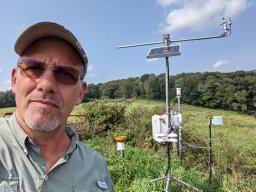 Jason A. Hubbart合作论文数2
 E. Keith Inskeep合作论文数Division of Animal & Nutritional Sciences, Davis College of Agriculture, Natural Resources and Design, West Virginia University2




