Introduction:Rates of prediabetes are rising in the United States, especially within communities of color. Without adopting self-care behaviors and adhering to routine screenings, prediabetes is likely to progress to type 2 diabetes. This study examines factors associated with non-adherence to recommended blood glucose testing among non-Hispanic Black and Hispanic men ages ≥40 years with a history of prediabetes. Methods:Using an internet-delivered survey, data were collected from 769 Black (56.7%) and Hispanic (43.3%) men with a history of prediabetes. Chi-square tests and independent sample-tests were to identify differences across study variables by race/ethnicity and blood glucose testing adherence. A logistic regression model with backward stepwise entry was fitted to assess factors associated with blood glucose testing non-adherence, adjusted for sociodemographic factors, co-morbidities, healthcare interactions, social support, and lifestyle behaviors. Results:Approximately 11% of participants did not receive a blood glucose test in the past 12 months, and 60.9% self-reported progression from prediabetes to diabetes. Men who self-reported progressing from prediabetes to diabetes were less likely to be non-adherent to blood glucose testing recommendations (Odds Ratio [OR]=0.51, P=0.006). Each additional year of age was associated with lower odds of being non-adherent to blood glucose testing (OR=0.97, P=0.018). On average, men who engaged more with healthcare providers during visits had lower odds of being non-adherent to blood glucose testing (OR=0.87, P<0.001). Men who reported reasons for medication non-adherence (OR=1.68, P=0.043) and used tobacco products (OR=2.39, P<0.001) were more likely to report blood glucose testing non-adherence. Conclusion:Findings suggest that disease progression, greater engagement with healthcare providers, and improved healthy behaviors may be associated with adherence to blood glucose testing among Black and Hispanic men with a history of prediabetes. Culturally tailored interventions and strategies are needed to improve adherence among male these sub-groups.
BACKGROUND:The prevalence of diabetes in the US necessitates investigations into how to better enable adults with type 2 diabetes to manage their health using easy to access and personally adaptable technologies. The ubiquity of digital content further justifies the need to consider the impact of different digital intervention modalities in diabetes self-care activities. OBJECTIVE:The purpose of this study is to compare the impact of two digital diabetes self-care education programs delivered separately, and in combination, to adults with type 2 diabetes across various settings in Texas. METHODS:We conducted a randomized control trial (RCT) in Texas with 188 adults with T2DM to assess whether two different interventions alone (vMMWD or TBES) or in combination (vMMWD followed by TBES) improved multiple outcomes associated with diabetes self-management. We employed several estimation techniques including generalized estimating equations (GEE), to account for multiple factors simultaneously. RESULTS:All three digital intervention modalities led to significant improvements (p<.05) in diabetes-related confidence, distress, and self-care behaviors, with significant effects from baseline through 6 months and supported by moderate to strong effect sizes for the total population (ranging from .446 to .827 at 3 months and .538 to .888 at 6 months). No statistically significant superiority was observed among the intervention modalities. Higher self-care behaviors were significantly associated with higher baseline confidence and lower distress. Those in the most disadvantaged positions (less education, less financial stability, and no health insurance) showed significantly larger improvement in selfcare behaviors. CONCLUSIONS:Given the benefits associated with the current study's interventions, we suggest future work to further develop digital content that can be tailored to individuals with T2DM to help them manage their chronic condition(s) in a cost-effective manner. CLINICALTRIAL:This trial was registered at ClinicalTrials.gov under ID number NCT06370494.
Alzheimer's disease genomics and other high-dimensional omics studies demand powerful statistical methods, yet Bayesian inference remains underutilized despite its advantages in small-sample settings, owing to the prohibitive cost of eliciting reliable priors across thousands or millions of parameters. We propose an AI-assisted Bayesian-frequentist hybrid inference framework that couples large language model based prior elicitation with the hybrid inference theory of Yuan (2009). ChatGPT-4o is queried via a standardized prompt to assess the strength of evidence linking each gene to a disease of interest, and the response is mapped to an informative normal prior via a standardized effect-size calibration. Parameters for covariates of secondary interest are treated as frequentist parameters, preserving efficiency and avoiding sensitivity to mis-specified priors. We derive closed-form hybrid estimators under uniform and conjugate normal priors in linear models, establish their asymptotic equivalence to the frequentist and full Bayes estimators, and show in simulations that hybrid inference using unconditional variance estimation leads to high statistical power while accurately controlling the Type I error rate. Applied to single-cell RNA sequencing data from the ROSMAP cohort for Alzheimer's disease as an example, the framework identifies biologically coherent pathways (such as gamma-secretase pathways) previously undetected. The proposed framework offers a principled and computationally scalable approach to genome-wide Bayesian analysis, with potential for broad application across omics platforms and disease settings.
Objectives The purposes of this study were to: (1) identify the prevalence of diagnosed and potentially undiagnosed obstructive sleep apnea (OSA) among overweight/obese non-Hispanic Black and Hispanic men ages ≥40 years with ≥1 chronic condition; and (2) examine factors associated with potentially undiagnosed OSA among these men. Setting Using an internet-delivered survey, data were analyzed from 942 overweight/obese Black and Hispanic men with chronic conditions. Methods Approximately 35% reported an OSA diagnosis; 65% were believed to have potentially undiagnosed OSA because of being overweight/obese, snoring loudly, and/or stopping to breathe while sleeping. A logistic regression was fitted to examine the association with potentially undiagnosed OSA, adjusting for sociodemographics, disease characteristics, health status, social support, and lifestyle behaviors. Results Men with more trouble falling asleep (OR=0.94, P<.001), fewer chronic conditions (OR=0.83, P<.001), obesity (OR=0.56, P<.001), and engaged in ≥150 minutes/week of physical activity (OR=0.69, P=.029) were less likely to have potentially undiagnosed OSA. Greater reliance on others to manage problems predicted higher odds of undiagnosed OSA (OR=1.03, P=.040), whereas frequently receiving needed health-related support were less likely to have potentially undiagnosed OSA (OR=0.67, P=.007). Conclusions OSA may remain unrecognized among non-Hispanic Black and Hispanic men with less severe disease profiles and mild disordered breathing symptomatology. Findings highlight the need for routine OSA screening and strategies to reduce disease self-care barriers among men with chronic conditions.
OBJECTIVE:Valid, reliable, and low-cost tools to assess pain can enhance quantitative pain assessment in multiple settings. Therefore, we assessed the technical validity, concurrent validity, reliability, and treatment sensitivity of the Egyptian algometer, which is a low-cost pain assessment tool. We also examined clinicians' inter- and intra-rater reliability with this device. METHODS:Technical validity of the algometer was tested by comparing the algometer to German standard weights. We tested (concurrent validity and reliability of the algometer in young healthy participants (n = 20, 27.31 ± 4.13 years), treatment sensitivity in 9 participants with discogenic sciatica (45.11 ± 14.77 years), and inter- and intra-rater reliability of 3 physical therapists who conducted all the tests. A combination of intra-class correlation coefficients (ICC(2,1) and ICC (2,3)) and Bland-Altman plots were used for all the analyses. RESULTS:The Egyptian algometer (i) demonstrated a force bias of ≤ ±3% versus standard German weights; (ii) showed excellent concurrent validity and reliability (ICC > 0.9) versus Wagner algometer, and (iii) inter-and intra-rater reliability (r > 0.9) for the standard acupuncture points. The Egyptian algorithm was sensitive to capture treatment changes across different body acupuncture points in patients with discogenic sciatica (range SEM = 0.22 to 0.41; p = 0.008 to 0.021; and 95% CI = -0.176 to -2.275; Cohen's d = 0.29-0.39). DISCUSSION:The Egyptian algorithm is a low-cost, valid, and reliable device to assess pain in healthy young adults. Additionally, the Egyptian algorithm can effectively capture pain treatment response in individuals with discogenic sciatica.
Loneliness is a critical public health issue among older adults, linked to higher risks of depression, cognitive decline, and mortality. Scalable, objective methods for its detection remain limited, particularly in natural conversational contexts. We analyzed speech and language markers of loneliness in 310 older adults using semi-structured telephone interviews to help understand how they process feeling lonely and how their language differs at different levels of feeling loneliness. Our multimodal framework combined linguistic features (psycholinguistic dictionaries, n-grams, and topic models) with acoustic features (pitch, tone, loudness) to examine associations with self-reported loneliness scores. Both predefined and data-driven methods captured patterns in verbal content and vocal delivery. Higher loneliness was associated with negations(r = 0.11), negative tone(r = 0.12), and conflict-related language. Lower loneliness was linked to social references(r = -0.18), motivational drives(r = -0.11), and emotional richness in speech(r = -0.12). We also found that the multimodal model (r = 0.298) outperforms the text-only and audio-only models. Findings suggest that loneliness manifests through both linguistic and acoustic cues, supporting the potential of speech-based analysis in psychological assessments and as an early indicator of emotional loneliness when used alongside existing assessments, rather than as standalone diagnostic tools.
The restricted mean survival time (RMST) analysis has been used extensively in clinical research involving time-to-event endpoints. The threshold time up to which the restricted mean survival is calculated has a critical impact on the analysis results. However, identifying an optimal threshold time for treatment comparison, which corresponds to the greatest restricted mean lifetime difference between groups, remains unclear in practice, and no analytical method has been developed on this topic. We present a novel method for determining the threshold time in the RMST analysis to compare two groups. Simulation studies indicate that this method leads to high statistical power and controlled type I error rate compared with existing methods. The proposed method is illustrated in two applications: (1) a clinical oncology study for non-small-cell lung cancer treatments comparison given a programmed death-ligand 1 biomarker measurement, and (2) a gerontology study of instrumental activities for care recipients with dementia.
Background: The prevalence of diabetes in the United States necessitates investigations into how to better enable adults with type 2 diabetes mellitus (T2DM) to manage their health using easy-to-access and personally adaptable technologies. The ubiquity of digital content further justifies the need to consider the impact of different digital intervention modalities in diabetes self-care activities. Objective: This study aimed to compare the impact of 2 digital diabetes self-care education programs delivered separately and in combination to adults with T2DM across various settings in Texas. Methods: We conducted a randomized controlled trial in Texas with 188 adults with T2DM to assess whether 2 different interventions alone (Virtual Making Moves with Diabetes or Technology-Based Education and Support) or in combination (Virtual Making Moves with Diabetes followed by Technology-Based Education and Support) improved multiple outcomes associated with diabetes self-management. We used several estimation techniques, including generalized estimating equations, to account for multiple factors simultaneously. Results: All 3 digital intervention modalities led to statistically significant improvements in diabetes-related confidence, distress, and self-care behaviors, with significance from baseline through 6 months and supported by moderate to strong effect sizes (Cohen d) ranging from 0.446 to 0.827 at 3-month follow-up versus baseline and from 0.538 to 0.888 at 6-month follow-up versus baseline. No statistically significant superiority was observed among the intervention modalities. Higher self-care behaviors were significantly associated with higher baseline confidence and lower distress. Those in the most disadvantaged positions (less education, less financial stability, and no health insurance) showed significantly larger improvement in self-care behaviors. Conclusions: Given the benefits associated with this study's interventions, we suggest future work to further develop digital content that can be tailored to individuals with T2DM to help them manage their chronic conditions in a cost-effective manner.
Black/African American men experience a disproportionate burden of type 2 diabetes (T2D) and high exposure to discrimination, yet it is unclear whether social networks buffer discrimination’s effects on mental health. This study tested moderation by network characteristics among Black/African American men with T2D. In a cross-sectional online survey (February-June 2024), 1,225 Black/African American men with T2D completed validated measures of everyday discrimination and healthcare discrimination, mental health, and egocentric network inventories elicited via multiple name generators. Network indicators included mean support, percentage of very supportive members, general communication frequency, and diabetes-specific communication frequency. Multiple regressions with interaction terms estimated direct and moderating effects, controlling for demographics. Both perceived everyday (β = 0.72, 95
Introduction:Adverse pregnancy outcomes (APOs) are poorly understood among women who experienced intimate partner violence (IPV). This study examines the influence of lifetime IPV experiences and social determinants on APOs among Jordanian married women. Methods:Cross-sectional data was examined from 4,419 women in the 2023-2024 Jordan Family and Population Health Survey. The outcome variables were APOs, LBW, and pregnancy loss (e.g., miscarriages, stillbirths). The exposure variable was lifetime IPV. Covariates were social determinants (age, education, wealth quintile, residency, regions), having children aged ≤ 5, delivering a singleton or twins/multiple births, using a skilled birth attendant (SBA), and being smokers. Descriptive and bivariate analyses were performed, and a series of binary logistic regression was fitted, controlling for the covariates. Results:About 9.5% (n = 377) of women reported miscarriages, 0.8% (n = 45) induced abortions, 0.2% (n = 14) reported stillbirths, and 89.5% reported live births. Among the live births (n = 3,983), 23.7% had a baby born with LBW. Of the sample, 6.7% (n = 289) reported experiencing IPV. Of them, 86.6% (n = 245) reported delivering a live birth baby, 13.25% (n = 43) reported miscarriage/abortion, 0.1% (n = 1) reported stillbirths. Logistic regression results showed that women from the richest wealth quintile group [adjusted odds ratio (aOR) = 0.50] and those who used an SBA (aOR = 0.07) had lower odds of reporting APOs compared to their counterparts. Contrarily, the individuals living in the Northern region showed higher odds of APOs (aOR = 1.43) compared to those that live in the Central region. Among IPV victims, those in the rural areas had higher odds of APOs and LBW infants (aOR = 7.72, p = 0.001), those from the Southern region had lower odds of APO (aOR = 0.14, p = 0.030), those than the reference categories. All p-values are <0.05. Discussion:Findings highlight the need for additional research related to the pregnancy implication of women with a history of IPV, especially among those living in the Jordan's Northern region and those from poorer wealth quintile.
BACKGROUND:Advance care planning (ACP) is important for older adults experiencing cognitive decline, and social determinants of health (SDoH) may shape engagement. PURPOSE:To evaluate cognitive and social-contextual differences in ACP among older adults. METHODS:Using 2018 Health and Retirement Study data, we evaluated ACP completion, defined as a living will (LW), durable power of attorney for health care, or both, across cognitive status groups and tested SDoH moderation. RESULTS:Individuals with dementia or impaired cognition had lower ACP completion than those with normal cognition. Education and neighborhood support moderated cognition-ACP associations. Among less educated individuals, dementia was associated with lower odds of LW completion. Lower neighborhood support was associated with lower odds of LW completion, whereas higher support was associated with greater odds of reporting at least one ACP measure. CONCLUSION:SDoH shape ACP during cognitive decline. Nurses should prioritize early, equitable ACP discussions to improve end-of-life care quality.
Implementation research plays a vital role in translating evidence-based interventions into real-world settings and addressing the unique challenges faced by aging populations. This editorial provides an overview of a Research Topic containing 21 manuscripts aimed at fostering evidence-based practices in the field of implementation research and exploring strategies to improve the delivery and effectiveness of interventions for older adults. The articles within the Research Topic centered around four themes: (1) application of implementation theories, models, and frameworks; (2) implementation strategies; (3) evaluation of interventions and their implementation; and (4) cross-cutting issues. Collectively, this collection of manuscripts underscores the importance of integrating dissemination and implementation considerations across all stages of an intervention, from its development through implementation and evaluation.
OBJECTIVE:This study aims to investigate how the components of social cognitive theory (SCT), namely personal, behavioral, and environmental factors, mediate the relationship between barriers to regular glucose monitoring and the frequency of blood sugar testing in Black/African American men with type 2 diabetes (T2D). DESIGN:This cross-sectional observational survey study utilized an internet-based survey to assess barriers to glucose monitoring, SCT components, and monitoring frequency among 1,225 Black/African American men with T2D. Data were analyzed using Structural Equation Modeling (SEM) to examine direct and indirect relationships between these factors. RESULTS:Outcome expectations had a significant positive direct effect (path estimate) on the frequency of glucose testing (β = 0.02, p = 0.005), although they did not mediate the relationship between barriers and testing (β = -0.01, p = 0.183). Observational learning exhibited a significant positive direct effect on testing frequency (β = 0.19, p < 0.001), with barriers partially mediating monitoring frequency through observational learning (β = 0.01, p < 0.001). Self-efficacy showed a significant positive direct effect on testing frequency (β = 0.02, p < 0.001), with the relationship between barriers and testing frequency fully mediated by self-efficacy (β = -0.01, p < 0.001). CONCLUSION:Both observational learning and self-efficacy partially or fully mediate the relationship between barriers and testing. These findings underscore the importance of interventions aimed at enhancing social support and observational learning to overcome barriers and improve adherence to glucose monitoring among Black/African American men with T2D.
Objectives. To illustrate how more advanced statistical approaches can enhance understanding of Type II diabetes self-care processes. Specific objectives were to examine intervention impacts on self-care behaviors and assess the extent to which observed changes were mediated by diabetes-related confidence and distress.Methods. Data were used from a three-arm virtual Living Healthier with Diabetes Study, a Diabetes Self-Management Education and Support (DSMES) randomized controlled trial. Participants (n=189) were aged 25 years and older with baseline hemoglobin A1C levels ≥7.5. Data were collected at baseline and 3- and 6-month follow-ups. Longitudinal analyses with multi-level mediation modeling were performed to identify changes in self-care behaviors and the mediation effects of confidence and distress, respectively.Results. From baseline to 3-month and 6-month follow-ups, participants showed significant improvements in overall and each self-care domain (i.e., diet, physical activity, glucose control, and foot care). When comparing 3-month outcomes to 6-month values, no significant differences were observed across any self-care domains, suggesting sustained improvements over time. In mediation analyses, knowledge indirectly improved confidence and reduced distress, but was not directly linked to self-care outcomes. Higher confidence and lower distress were consistently associated with improved scores across all self-care domains with statistical significance.Conclusions. Having a clearer understanding of complex behavioral pathways in intervention studies is critical, with the current study considering several key elements that can inform future methodological work as well as public health interventions.
PURPOSE:The purpose of this study was to examine the associations of demographics, diabetes-related symptoms, and egocentric social networks with loneliness among Black/African American men with type 2 diabetes (T2D). METHODS:As part of a National Institute of Health-funded study, cross-sectional data were collected using an internet-based survey. Eligible respondents (n = 1220) were men who identified as Black/African American and self-reported having T2D. The dependent variable was loneliness, measured with the 3-item UCLA Loneliness Scale (UCLA-3; score ≥6 indicating loneliness). Diabetes symptoms were measured by Diabetes Care Profile items. Egocentric networks were elicited with a multiprompt name generator to derive network size, perceived support, and frequency of diabetes-specific discussions. Poisson egressions were fitted to examine associations of demographics, T2D symptoms, and social-network factors with loneliness. RESULTS:Of the participants, 45.3% reported being lonely. In the Poisson regression, older age (prevalence ratio [PR] 0.99, 95% CI, 0.98-0.99), higher household income (PR 0.93, 95% CI, 0.88-0.98), and rural residence (PR 0.75, 95% CI, 0.59-0.96) were associated with a lower likelihood of loneliness. Greater hypoglycemia symptom burden was associated with a higher likelihood of loneliness (PR 1.24, 95% CI, 1.16-1.33). Higher perceived network support was associated with a lower likelihood of loneliness (PR 0.79, 95% CI, 0.72-0.88), while network size and diabetes-specific discussions with others were not significantly associated with loneliness. CONCLUSIONS:Diabetes care should routinely screen for loneliness, prioritize younger and lower income patients, and actively reduce hypoglycemia. Efforts to strengthen social support should emphasize strategies such as culturally responsive coaching to mobilize existing ties, warm handoffs to peer mentors, and community partnerships.
OBJECTIVE:Type 2 diabetes (T2D) disproportionately affects Black/African American men, with discrimination emerging as a critical factor influencing health outcomes through complex social pathways. This study examines how healthcare and everyday discrimination are differentially associated with diabetes self-management through social network mechanisms among this population. METHODS:A cross-sectional survey was conducted with 1225 Black/African American men using measures of perceived discrimination, four social networks (i.e., general communication frequency, diabetes-specific conversations, mean social support, and presence of highly supportive network members), and T2D self-care activities. Eight separate simple mediation models were estimated to examine each pathway independently, addressing multicollinearity concerns and providing interpretable estimates of individual associations. RESULTS:Healthcare discrimination and everyday discrimination demonstrated opposite associations with diabetes-specific conversations. Healthcare discrimination showed a negative association with diabetes-specific conversations (β = -0.21,p < .001), while everyday discrimination showed a positive association (β = 0.15,p < .001). Both discrimination types showed negative associations with social support quality measures. Diabetes-specific conversations demonstrated the strongest association with self-care activities (β = 0.24,p < .001). Healthcare discrimination operated through predominantly negative indirect pathways. Everyday discrimination showed competing pathways with positive indirect effects through communication dimensions and negative effects through support quality measures. Direct effects became non-significant after accounting for mediators. CONCLUSION:Healthcare discrimination was negatively associated with health-focused conversations critical for disease management, while everyday discrimination was positively associated with communication while negatively associated with support quality. These findings suggest discrimination types require differentiated intervention approaches, with healthcare discrimination necessitating restoration of health information networks and everyday discrimination requiring enhanced support quality alongside existing communication mobilization.
Individuals with chronic conditions have persistent, co-occurring symptoms affecting quality of life. Understanding symptom severity susceptibilities is critical for early risk identification, but gaps remain among racial and ethnic minority men with chronic conditions. As such, this study identifies symptom severity profiles in non-Hispanic Black and Hispanic men based on five common symptoms (fatigue, pain, shortness of breath, sleep disturbance, depression) and its associated demographic, clinical, and modifiable sociobehavioral risk factors. Online survey data from 1,982 men aged 40 and older with chronic conditions was analyzed using latent profile analysis (LPA) to identify symptom severity profiles. LPA revealed three symptom severity profiles: lowest (63.4%); moderate (13.9%); and highest (22.7%). Multinomial and binary logistic regressions were used to analyze demographic, clinical, social, and behavioral factors associated with symptom severity profiles. Compared to men in the lowest symptom severity profile, men in the highest symptom severity profile were younger (OR = 0.98, p < 0.001), had lower incomes (OR = 0.95, p = 0.028), had more comorbidities (OR = 1.92, P = 0.001), had more medications (OR = 1.09, P = 0.012), reported current tobacco (OR = 1.55, P < 0.001) or cannabis (OR = 1.45, P = 0.011) use, experienced more social disconnectedness (OR = 1.34, P < 0.001), and had poorer self-management efficacy (OR = 0.93, P < 0.001). Compared to men in the moderate profile, men in the highest profile had lower education (OR = 0.53, P = 0.002), more comorbidities (OR = 1.77, P = 0.018), higher medication use (OR = 1.11 P = 0.009), and increased cannabis use (OR = 1.56, P = 0.017). Findings highlight diverse symptom experiences and key factors that can be targeted in prevention and treatment strategies to reduce symptom severity within these subpopulations.
 Marcia Ory合作论文数Health Science Center, Texas A&M223
 Towne Samuel D合作论文数1 Department of Health Promotion and Community Health Sciences, School of Rural Public Health , Texas A&amp;M Health Science Center, College Station, Texas.;School of Rural Public Health, Texas A&amp;M Health Science Center65
 Sangnam Ahn合作论文数School of Rural Public Health, Texas A&M Health Science Center64
 Bergeron Caroline D合作论文数Department of Health Promotion, Education, and Behavior, University of South Carolina40
 Ashley L. Merianos合作论文数Health Promotion and Education, University of Cincinnati39
 Ledric D. Sherman合作论文数39
 Shinduk Lee合作论文数31
 Tyler Prochnow合作论文数School of Public Health, Texas A&M University30
 Ali Boolani合作论文数School of Applied Health and Educational Psychology, Oklahoma State University30
 Luohua Jiang合作论文数Department of Epidemiology, School of Medicine, University of California29
 E. Lisako J. Mckyer合作论文数Department of Health and Kinesiology, Texas A&M University25Zahra Rahemi合作论文数24
 Gang Han合作论文数24
 Juanita Bacsu合作论文数Rural Dementia Act Res RaDAR Team, Univ Saskatchewan23Kelly L. Wilson合作论文数21
 Kate Lorig合作论文数Stanford University School of Medicine20Dickerson Justin B合作论文数19
 Tiffany E Shubert合作论文数17
 Justine S. Sefcik合作论文数School of Nursing, University of Pennsylvania14S. Ahn合作论文数13
 Barry Adam E合作论文数13Mary Altpeter合作论文数13
 Oluyomi Oloruntoba合作论文数12
 Deborah Vollmerdahlke合作论文数Texas A&amp;M School of Public Health, 8402 Silver Mountain Cove, Austin, TX, 78737, USA, deborahvd@gmail.com.;Texas A&amp;M School of Public Health12
 Darina Petrovsky合作论文数University of Pennsylvania School of Nursing12
 Heather Goltz合作论文数University of Houston-Downtown12
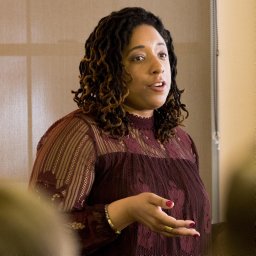 Washington Tiffany合作论文数University of Georgia12
 Chung Lin Kew合作论文数Dept Appl Clin Res, Univ Texas Southwestern Med Ctr Dallas11T Shubert合作论文数11
 Aya Yoshikawa合作论文数11
 Jairus C Pulczinski合作论文数School of Rural Public Health;M Health Science Center, College Station, Texas.;School of Rural Public Health, Texas A&M Health Science Center11
 Basia Belza合作论文数School of Nursing, University of Washington11Nelda Mier合作论文数School of Rural Public Health-McAllen Campus, Texas A&M Health Science Center11E. C. Schneider合作论文数10
 Mark E. Benden合作论文数Department of Environmental and Occupational Health, School of Public Health, Texas A&M Health Science Center;Center for Health Systems and Design, School of Architecture, Texas A&M University10Mary K. Boyd合作论文数9A. Wilson合作论文数9
 Kris Pui Kwan Ma合作论文数9
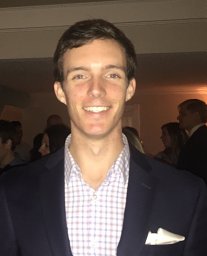 Zachary G Baker合作论文数University of Minnesota School of Public Health, University of Minnesota School of Public Health9
 Matthew E Rossheim合作论文数9
 Chivon Mingo合作论文数School of Aging Studies, University of South Florida9
 David M. DeJoy合作论文数Department of Health Promotion and Behavior, College of Public Health, University of Georgia9
 Lixian Zhong合作论文数9Wilson Ashley D合作论文数8Rosen Brittany L合作论文数School of Human Services, University of Cincinnati8
 Jinmyoung Cho合作论文数8Scott Horel合作论文数School of Rural Public Health, Texas A&M Health Science Center8Nancy Whitelaw合作论文数7Russell T. Warne合作论文数7




