The biogenic nanoparticles (BNPs) synthesis approach has emerged as the most sustainable and environmentally friendly option among the physical, chemical, and biological NPs synthesis methods. In diverse field applications such as agriculture, biomedicine, food and environmental sector, cosmetics, and energy sectors, biogenic nanoparticles (BNPs) contribute to resolving stress issues. In this review, we provide updated information on the biogenic synthesis of NPs and their application in resolving biotic stresses through direct or indirect approaches. Beyond merely summarizing recent developments, this review highlights the unique advantages of biogenic NPs over chemically or physically synthesized counterparts, particularly their eco-friendly fabrication, reduced toxicity, biodegradability, and enhanced biocompatibility with plant systems. We discuss how biogenic NPs target biotic stress–causing organisms through nano-pesticides, nano-insecticides, nano-herbicides, and related nano-enabled interventions that interact directly with pathogen or pest infection sites. Plant growth, upliftment, and tolerance development are indirect ways to overcome biotic stresses. Furthermore, this review study covers a broader view of the possible toxicological concerns of BNPs in agronomic activities.
Nature has been acknowledged as a fundamental source of diverse bioactive molecules. Among natural carotenoids, lutein, zeaxanthin, and their oxidative metabolites are specifically deposited in the macular region of living organisms. Lutein and zeaxanthin are carotenoids primarily found in green leafy vegetables, eggs, and various fruits. Lutein and zeaxanthin emerge as the primary carotenoids in the retina, playing a crucial role as photo-protectants to prevent retinal degeneration. The extraction of lutein and zeaxanthin from natural sources involves several techniques, including solvent extraction and supercritical fluid extraction, with an emphasis on optimizing efficiency and yield. Incorporating these carotenoids into functional foods-such as fortified dairy products, baked goods, and snacks-enhances their nutritional profiles and provides significant health benefits. This review examines the sources, stability, bioactivity, and various extraction methods for lutein and zeaxanthin, highlighting their potential for photoprotection, antioxidant activity, and antidiabetic effects. These attributes, combined with innovative extraction techniques, position lutein and zeaxanthin as promising ingredients for functional food applications.
In the pursuit of sustainable and health-conscious food systems, edible innovation has emerged as a transformative frontier. This article explores the evolving landscape of edible packaging technologies, the integration of natural additives with functional benefits, and how consumer perception shapes the adoption of these novel approaches. Active packaging, such as chitosan-based films embedded with essential oils or silver nanoparticles, has demonstrated potential in extending shelf life and enhancing microbial safety. Natural additives, including rosemary extract, curcumin, and green tea polyphenols, are increasingly used for their antioxidant, antimicrobial, and health-promoting properties while supporting clean-label demands. Yet, consumer perception influenced by factors like sensory appeal, labeling, health consciousness, and environmental awareness remains a critical determinant of success. For instance, studies have shown that consumers are more likely to accept edible films if they are transparent, tasteless, and marketed as environmentally friendly. By examining recent scientific advances and market responses, this article provides a concise yet insightful overview of the edible innovation movement and its implications for the future of food.
Osmotic dehydration (OD) is a sustainable alternative, offering reduced energy consumption compared to traditional drying approaches. This study investigates the role of OD in stabilizing bioactive compounds in lemon peel, fostering sustainable citrus by-product applications. Employing Response Surface Methodology (RSM) framework, pivotal variables-temperature (30-60 degrees C), exposure time (60-180 min), and sucrose concentration (50-70 degrees Brix)-were optimized to enhance water loss (WL) and solid gain (SG) while safeguarding bioactive retention. The optimal conditions (58.92 degrees C, 70 degrees Brix, 159 min) yielded a WL of 3.4 g/g, SG of 1.5 g/g, and high sensory acceptability. The OD treated lemon peel powder exhibited substantial retention of bioactive compounds, including ascorbic acid (4.1 mg/g) and total phenols (2.3 mg gallic acid/g), surpassing untreated controls. This enhanced bioactive profile underscores its potential as a sustainable and functional ingredient in nutraceutical applications.
The prolonged use of artificial fertilizers and agrochemicals damages soil health by reducing water retention, increasing salinity, and disrupting nutrient balance. This highlights the need for eco-friendly alternatives to manage crop diseases. Plant growth promoting rhizobacteria (PGPR) are beneficial soil bacteria that enhance plant growth, suppress pathogens, and restore soil fertility. They produce key compounds like phytohormones, antimicrobial metabolites, and enzymes, making them promising biopesticides and biofertilizers. Additionally, termite mound soil, rich in nutrients and beneficial microorganisms, supports plant growth and crop yield. Bacillus spp. is considered the most suitable PGPR with multiple plant growth promoting (PGP) activities. In this study, 42 soil-inhabiting termitarium bacteria were isolated and screened for their antifungal activity against A. alternata and their plant-growth-promoting activity in vitro. TH5/J showed maximum percentage inhibition of the phyto-pathogen (35.06 %) after 48 hours. CFCF (cell-free culture filtrate) also inhibited A. alternata in vitro. TH5/J produced the highest amount of Indole Acetic Acid (IAA), which supports the PGP in plants. The isolates also tested positively for ammonia and hydrogen cyanide (HCN). TH2/2 and TH5/J showed the maximum PGP activity on the mung bean seeds in vitro. These isolates were identified as belonging to Bacillus spp through biochemical analysis. This study highlights Bacillus spp. from termite mounds as eco-friendly biopesticides and biofertilizers, promoting plant growth of mung beans (Vigna radiata L.) and suppressing A. alternata. It emphasizes termite mound soil as a reservoir of beneficial microbes, offering a sustainable alternative to synthetic agrochemicals.
The rising global rates of metabolic disorders, such as obesity, type 2 diabetes, non-alcoholic fatty liver disease, and metabolic syndrome, call for new treatment methods beyond traditional drugs. The human gut microbiota, made up of trillions of microorganisms that plays a crucial role in maintaining metabolic balance through complex biochemical processes and interactions between hosts and microbes. Dysbiosis, which involves changes in microbial composition and a decrease in diversity, has become a major factor in metabolic problems. This disruption impacts the production of short-chain fatty acid, increase in permeability of intestine, and causes enduring low-grade inflammation. This review features into the potential of treatments based on microbiome for metabolic syndromes, focusing on probiotics, prebiotics, synbiotics, and postbiotics. It also encompasses innovative methods such as engineered microbial consortium, fecal microbiota transplantation (FMT), and vaginal microbiota transplantation (VMT). Probiotics show significant promise in improving blood sugar control and enhancing lipid levels. Prebiotics help bring about positive changes in microbial composition and the production of beneficial metabolites. Synbiotic combinations provide added benefits by helping good microbes thrive while supplying nutrients they can ferment. Postbiotics have recent research focus because they are safer, more stable, easier to store, and less likely to contribute to antibiotic resistance comparative to live probiotics. Even now there are substantial complications in translating microbiome research into standardized therapeutics despite of promising pre-clinical outcomes and some initial clinical data. These comprises individual variances, strain-specificity, dosage problems, regulation issues, and the necessity for personalised treatment strategies. Future success will depend upon personalized medicine, technological developments, and the incorporation of multi-omics strategy to generate metabolic health therapeutics depending on targeted microbiomes.
[This corrects the article DOI: 10.3389/fmedt.2025.1695329.].
Most of the food packaging materials used in the market are petroleum-based plastics; such materials are neither biodegradable nor environmentally friendly and require years to decompose. To overcome these problems, biodegradable and edible materials are encouraged to be used because such materials degrade quickly due to the actions of bacteria, fungi, and other environmental effects. The present study examined that starch can be effectively used as raw material to develop biodegradable, edible films. In this regard, Raw papaya and Citrus Peel were chosen to make biodegradable plastic film blended with corn starch. Raw papaya powder was combined with citrus peel powder for the development of film in treatments of T1, T2, T3, T4 and T5. RPP and CPP blend with Corn starch (CS) to maximize the film-forming properties and characteristics. The films were subjected to various parameter analysis like thickness, optical properties and barrier properties. As per the results, T3 was an optimized film, as it had minimum thickness (0.26 f 0.01), high tensile strength (5.79 f 0.12), elongation at break of 11.92 f 0.03, High transparency (1.42 f 0.06), and high degradation temperature. From the results, it is inferred that the prepared films are ideally suitable for food packaging and their production on a larger scale can considerably cut down the plastic wastage.
Litsea cubeba holds significant commercial value due to its essential oils and pharmacological properties. Establishing an effective in vitro culture system is crucial for mass propagation and conservation of this species. However, microbial contaminants present a common challenge, often hindering the establishment of in vitro cultures. The present study was conducted to establish and maintain in vitro cultures of L. cubeba. The sterilants, viz., mercuric chloride (HgCl2) and sodium hypochlorite (NaOCl), were evaluated at different concentrations (0.1, 0.2%) and exposure times (3, 5, 7 minutes for HgCl2; 10, 15, 20 minutes for NaOCl) to assess their contamination and survival rates. Among all the treatments tested, treatment 11 (T11) with 0.2% NaOCl for 15 minutes was found to be the most effective , with a survival rate of 97.30% and a contamination rate of 6.76%. The study revealed that NaOCl when applied at optimized concentrations, effectively reduced microbial contamination while maintaining higher explant viability. In contrast, although HgCl2 demonstrated strong antimicrobial action, it resulted in increased tissue damage and lower survival due to its phytotoxic nature. Extended exposure and higher concentrations of both sterilants significantly affected explant viability and inhibited shoot regeneration. These findings suggest that NaOCl is a more suitable and environment friendly alternative for sterilization in L. cubeba culture establishment. The study contributes toward developing a standardized sterilization protocol for efficient micropropagation and conservation of this valuable species.
Agri-food waste, which includes organic materials discarded throughout the food supply chain from agricultural production and post-harvest handling to processing, distribution, and consumption, poses significant environmental and economic challenges due to resource underutilization and disposal issues. However, the valorization of these residues into value-added products, particularly resistant starch (RS), offers a sustainable solution. RS, a non-digestible carbohydrate with prebiotic properties, provides numerous health benefits, including improved gut health, blood sugar regulation, and enhanced satiety. Various studies have explored innovative methods for RS extraction from agricultural by-products such as potato peels, rice bran, banana peels, and chestnut starch. Techniques such as enzymatic hydrolysis, ultrasound-assisted extraction, and thermal processing have demonstrated high efficiency in producing RS while maintaining its functional properties. Additionally, advancements in artificial intelligence (AI), big data, and machine learning are playing a crucial role in optimizing waste valorization processes. AI-driven technologies enable precise classification and separation of food waste, improving the efficiency of extraction and processing techniques. The integration of smart systems, such as IoT-based waste classification, further enhances resource recovery. As research and technological advancements continue, the large-scale application of these sustainable extraction and processing methods is expected to support a circular economy, reduce food waste, and provide functional food ingredients for the food industry.
This study investigates the efficacy of rosemary extract (RE) in stabilizing structured lipids (SL) developed using perilla seed oil (PSO) and palmolein (PO) under accelerated storage conditions. The oil samples, comprising PSO, Blend, and SL formulations with and without RE (1500 ppm) and BHT (200 ppm), were studied for their storage stability during a 30 day storage period at 65 °C, with the analysis carried out at 6 day intervals. Oxidative properties were comprehensively assessed, including both physical attributes (color, viscosity, and refractive index) and chemical parameters (peroxide value, free fatty acid (FFA), p-anisidine value, TOTOX value, conjugated dienes, and trienes). The results demonstrated that RE-enriched oil samples exhibited significantly higher oxidative stability (p < 0.05) compared to the control group. SL added with 1500 ppm of RE exhibited notable enhancements in quality parameters, showcasing reductions in FFA, TOTOX value, conjugated diene, and triene value by 44.01%, 35.42, 39.03, and 47.36, respectively, when compared to SL without any antioxidant. The RE at 1500 ppm concentration showed a similar effect as the synthetic antioxidant BHT at 200 ppm. Also, the RE demonstrated potent inhibition of the oxidation of polyunsaturated fatty acids, thereby contributing to the improved oxidative stability of the SLs. Furthermore, SL with RE also exhibited reduced degradation of the tocopherol content and total phenolic content during the storage period. Principal component analysis demonstrated that SL and blend followed similar oxidative characteristics as they fell within the same quadrant. These findings underscore RE as a potent source of antioxidants capable of scavenging free radicals and enhancing the oxidative stability of omega-3 fatty acid-rich SLs.
Litsea cubeba (Lours.) Pers. belongs to the family Lauraceae, which occurs mainly in the tropical and sub-tropical regions worldwide. The plant gained importance for its essential oils, sesquiterpenoids, flavonoids, lignans volatile oils, and numerous secondary metabolites. The Essential oil extracted from its bark, stem, leaves can be used commercially for the preparation of medicines, insecticides, perfumes, flavors, and colognes. The secondary metabolites extracted from L. cubeba show potenti
Camptothecin (CPT), an alkaloid isolated from the Camptotheca tree, has demonstrated significant anticancer properties in a range of malignancies. However, its therapeutic efficacy is limited by its hydrophobicity, poor bioavailability, and systemic toxicity. Derivatives, analogues, and nanoformulations of CPT have been synthesized to overcome these limitations. The aim of this review is to comprehensively analyze existing studies to evaluate the therapeutic efficacy, mechanistic aspects, and clinical potential of CPT and its modified forms, including derivatives, analogues, and nanoformulations, in cancer treatment. A comprehensive literature review was performed using PubMed/Medline, Scopus, and Web of Science databases; articles were selected based on specific inclusion criteria, and data were extracted on the pharmacological profile, clinical studies, and therapeutic efficacy of CPT and its different forms. Current evidence suggests that derivatives and analogues of CPT have improved water solubility, bioavailability, and reduced systemic toxicity compared to CPT. Nanoformulations further enhance targeted delivery and reduce off-target effects. Clinical trials indicate promising outcomes with enhanced survival rates and lower side effects. CPT and its modified forms hold significant promise as potent anticancer agents. Ongoing research and clinical trials are essential for establishing their long-term efficacy and safety; the evidence overwhelmingly supports further development and clinical testing of these compounds.
Natural carotenoids (CARs) such as β-carotene, astaxanthin, lutein, norbixin, bixin, capsanthin, lycopene, β-Apo-8-carotenal, canthaxanthin, β-apo-8-carotenal-ester, and zeaxanthin are being explored for possible applications in feed, food, cosmeceuticals, and nutraceuticals. Three primary areas of carotenoid research are emerging: (1) encapsulations for improved chemical and physical properties; (2) natural source carotenoid manufacturing; and (3) preclinical, epidemiological, and clinical studies of carotenoids’ potential health benefits. The recent advancements in research on the chemistry and antioxidant activity, marketing strategies, dietary sources, bioavailability, and bioaccessibility, extraction, dietary consumption, encapsulating techniques, and health advantages of carotenoids are all extensively discussed in this review. Carotenoids are pigments found naturally in most fruits and vegetables, algae, plants, and photosynthetic bacteria. Carotenoids cannot be synthesized by humans and must be consumed in the form of food or supplements. There are several roles for carotenoids in human health. Although individual carotenoids may function in different ways, their main action is to act as antioxidants. There are validated techniques for separating and purifying carotenoids, yet, industrial production requires the development of economically viable techniques for larger-scale implementation. Carotenoids have been shown to boost cognitive performance and cardiovascular health, as well as help prevent some types of cancer. Despite evidence for carotenoids’ health benefits, major population-based supplementation trials have yielded conflicting outcomes for several carotenoids. This review includes recent developments in carotenoid metabolism and nutritional and health advantages. It also offers an outlook on future directions in these areas.
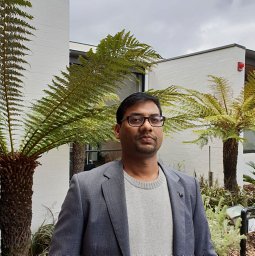 Dipendra Kumar Mahato合作论文数Sch Exercise & Nutr Sci, Deakin Univ40
 Pradeep kumar Vasudevan合作论文数35
 Shikha Pandhi合作论文数Corresponding author.14
 Akansha Gupta合作论文数Sch Exercise & Nutr Sci, Deakin Univ13
 Raman Selvakumar合作论文数Centre for Protected Cultivation Technology, ICAR-Indian Agricultural Research Institute10
 Vijai. Shanker Tripathi合作论文数9
 Bhupendra Prakash Sharma合作论文数9
 Sadhna Mishra合作论文数Faculty of Agricultural Sciences, GLA University7
 Manoj Kumar Mahawar合作论文数ICAR, Central Institute for Research on Cotton Technology7
 Surabhi Pandey合作论文数Indian Institute of Public Health Delhi7
 Himashree Bora合作论文数6
 Abhishek Dutt Tripathi合作论文数6
 Pradeep Kumar合作论文数6Sheetal Devi合作论文数6
 Arun Kumar Pandey合作论文数MMICT&BM(HM) Department, Maharishi Markandeshwar (Deemed to be University),6Chikanshi Sharma合作论文数5
 Rasane Prasad合作论文数Centre of Food Science and Technology, Banaras Hindu University5
 Arvind Kumar合作论文数5
 Sang Gu Kang合作论文数School of Biotechnology, Yeungnam University5Shirani Gamlath合作论文数5
 Ramesh Kasimani合作论文数Department of Physics
Indian Institute of Science
5
Ramesh Kasimani合作论文数Department of Physics
Indian Institute of Science
5 Raveena Kargwal合作论文数4
 Ajay Bharti合作论文数4
 Sreejani Barua合作论文数Agr & Food Engn Dept, IIT4Rituraj Borah合作论文数Appl Microbiol Lab, North Eastern Reg Inst Sci & Technol4Veena Paul合作论文数Institute of Agricultural Sciences, Banaras Hindu University4
 Awdhesh Kumar Mishra合作论文数Department of Endocrine Surgery, Sanjay Gandhi Post Graduate Institute of Medical Sciences4
 Pooja Tripathi合作论文数4Kalim Shahina合作论文数4
 Vivek K Bajpai合作论文数Department of Energy Materials and Engineering, Dongguk University/Department of Biotechnology, Daegu University4Safia Obaidur Rab合作论文数3Aparna Agarwal合作论文数Dept Food & Nutr & Food Technol, Univ Delhi3
 Kajal Dhawan合作论文数Dept Food Technol & Nutr, Lovely Profess Univ3
 Shalini Arora合作论文数College of Dairy Science and Technology, LUVAS3
 Vivek Saurabh合作论文数Div Food Sci & Postharvest Technol, Indian Agr Res Inst3
 Namita Ashish Singh合作论文数3
 Saeed Mohd合作论文数Department of Biosciences, Integral University3
 Amit Kishore Singh合作论文数Department of Botany, Banaras Hindu University3
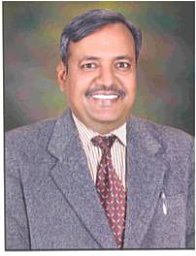 Ramesh Chandra合作论文数3Kyung Eun Lee合作论文数Yeungnam University3
 Anju Bajpai合作论文数Central Institute for Subtropical Horticulture3
 Muthukumar Muthamilselvan合作论文数National Research Center3C. Patil合作论文数2Pallavi Mittal合作论文数2
 Rajesh Pati合作论文数2
 Sukni Bui合作论文数2




