Background: We aimed to compare performance of three cardiovascular disease (CVD) risk estimation tools; the World Health Organization/International Society of Hypertension (WHO/ISH) risk prediction tool, the American College of Cardiology/American Heart Association Atherosclerotic Cardiovascular Disease (ACC/AHA ASCVD) Risk Estimator, and Framingham risk score (FRS) in estimating the risk of fatal and nonfatal cardiovascular events. Methods: We conducted a prospective, observational, hospital-based study involving 200 high-risk study participants, who visited a non-communicable disease clinic in a tertiary care hospital in eastern India. The 10-year CVD risk was estimated using the ACC/AHA ASCVD Risk Estimator, FRS, and the WHO/ISH risk prediction tool. We used kappa statistics to determine agreement among these CVD risk estimators. Results: The mean (SD) age of study participants was 54.07 (9.15) years, and the majority (63.5%) were males. About 96% of the participants were diabetic, 33.5% were hypertensive, and 16% were current smokers. About 18%, 20.5%, and 0.5% were classified as high-risk using the ACC/AHA ASCVD Risk Estimator, FRS, and WHO/ISH risk tools, respectively. The agreement was moderate between the ASCVD risk estimator and FRS (Kappa 0.541, P < 0.001) and fair between the ASCVD risk Estimator and WHO/ISH (Kappa 0.305, P < 0.001) and between FRS and WHO/ISH (Kappa 0.314, P < 0.001). Conclusions: A higher level of agreement was found between FRS and ASCVD risk scores compared to the WHO-ISH risk score. The WHO-ISH risk score identified most study participants in the lower-risk category, contrary to the FRS and ASCVD risk scores.
Health education is an important public health intervention that promotes disease prevention, awareness generation, and healthy behavioural practices within communities. Undergraduate medical students are increasingly involved in community-based health education activities; however, they often encounter several operational and communication-related challenges during field implementation. This study explored the perceptions of undergraduate medical students regarding the challenges and opportunities in imparting health education in community settings. A phenomenological qualitative study was conducted among third-year undergraduate medical students in the Department of Community Medicine and Family Medicine at All India Institute of Medical Sciences Bhubaneswar between July 2022 and October 2022. Participants were selected through purposive sampling after attending health education training and participating in community-based health education activities. In-depth interviews were conducted using a semi-structured interview guide. Data saturation was achieved after nine interviews; additional interviews were conducted to improve data richness. Interviews were audio-recorded, transcribed verbatim, and analysed thematically using ATLAS.ti. A total of fifteen undergraduate medical students participated in the study. Participants perceived health education as an important tool for improving community awareness, preventive healthcare, and medication adherence. Interactive methods such as skits, role-plays, posters, demonstrations, and local-language communication were considered effective in enhancing community engagement. Major challenges identified included language barriers, inadequate training, limited institutional support, logistical constraints, poor community participation, and excessive workload among community mobilizers. Students emphasized that collaboration with ASHA workers and community mobilizers improved rapport building and public participation. Opportunities identified included stronger faculty mentorship, better planning, culturally sensitive communication, community-centred educational strategies, and enhanced institutional and community support. Undergraduate medical students recognized the importance of health education in improving community health; however, several communication, organisational and logistical barriers affected its implementation in community settings. Strengthening community-oriented medical education, local-language communication skills, faculty mentorship, and collaboration with community mobilizers may improve the effectiveness and sustainability of community health education programmes.
Introduction:Occupational disorders are the causes of lost workdays, inefficient performance by workers, and medical costs. This study was done to explore the understanding and perspectives of paddy farmers on foot care and their preventive strategies. Methods:In-depth interviews (IDI) using a semi-structured IDI guide were conducted among the experienced (40 years and above) paddy farmers over two months. A total of 15 farmers were interviewed, and then a qualitative content analysis was done using ATLAS.ti. An inductive approach was taken. Results:In-depth interviews showed three themes: first, "Farmers' knowledge, beliefs, and views on foot care" included recognizing the importance of foot health, seeing foot care as part of overall well-being (general health), engaging in positive health-seeking behaviors, and having limited awareness of foot-related risks. Second, the "Experience of foot injuries" was common and included thorn pricks, lacerations, sprains, pain, swelling, and tingling. Third, farmers reported "strategies and challenges in foot care," including basic hygiene practices such as washing and oil application. Footwear was often viewed as impractical during fieldwork due to slipperiness or discomfort. However, most farmers expressed a strong need for support in accessing suitable protective footwear. Conclusion:This study uncovered a lack of formal education and public health support related to foot care among paddy farmers. These findings emphasize the need for community-level education on foot health. Improving foot care awareness and providing access to suitable, field-appropriate protective footwear could be crucial in preventing injuries and enhancing overall foot health among agricultural workers.
Objectives: The first step in implementing comprehensive palliative care is to assess the need for it within the community. Therefore, our study aimed to determine the number of individuals requiring end-of-life care in the rural sectors in the peri-urban area and to evaluate the unmet needs of the identified patients. Materials and Methods: Data triangulation was conducted using information from health workers in the respective villages, cancer registry data from the District Headquarters Hospital, and snowball sampling. The identified patients were interviewed using a semi-structured questionnaire that included socio-demographic information, disease details and assessments across four domains of palliative care. Results: A total of 225 patients were identified. Among these patients, 55.9% were over the age of 60 years, while 8.0% were children and adolescents. The most common diseases identified included cerebrovascular disease, heart disease, frailty, cancer and chronic kidney disease among adults and cerebral palsy among children. The prevalent physical issues reported were immobility, pain, fatigue, breathlessness and constipation. Approximately two-thirds of the patients expressed concerns regarding their future and financial issues. Three out of four patients reported difficulties in performing daily activities. Most of the patients attributed their source of strength to their relationships with others, followed by their faith in God. Socioeconomic factors such as education, occupation, family type and income were found to influence various domains of palliative care, except the spiritual domain. Conclusion: In the studied population, 4.3 individuals/1,000 required end-of-life care. In addition, all four domains of care exhibited unmet needs. These needs can be addressed through policy implementation and the integration of palliative care into primary care services.
Background:Particularly vulnerable tribal groups (PVTGs) are among the most marginalized tribal communities in India. The uptake of government-led health and nutrition programmes by them is low owing to the geographical remoteness of their habitats, communication gaps between service providers and PVTG communities, and distinct cultural beliefs. Under the "Jiban Sampark" ("Connection with Life") project-a collaboration between the Government of Odisha, United Nations Children's Fund (UNICEF), and AIIMS Bhubaneswar-a structured training of trainers (ToT) programme was implemented to build the capacity of stakeholders serving these communities. The objective of this study was to implement and assess the effectiveness of the training programme on the knowledge of stakeholders working for PVTGs in tribal districts of Odisha, an eastern state of India. Methods:A single-group pre-post (before-after) interventional study was conducted in 12 tribal districts from April 2019 to January 2020. Six modules were developed and vetted by subject experts for the training of different stakeholders including health officials, officials from Women and Child Development (WCD) departments, Non-Governmental Organization (NGO) personnel, and functionaries of the Odisha Livelihood Mission (OLM) and the Odisha PVTG Empowerment and Livelihood Programme (OPELIP). Three-day residential trainings covered six modules; knowledge was assessed across five domains-childhood malnutrition, adolescent health, antenatal and postnatal care, newborn care and immunization, and communication in service delivery-using a pretested, content-validated 20-item questionnaire administered immediately before and after training to 231 of the 242 participants trained. Results:The mean total knowledge score improved significantly after training compared with before training (13.80 ± 3.78 vs 11.55 ± 5.19; paired t-test, P < 0.001). All five domains improved significantly by McNemar's test (all P < 0.0001). The pre-test overall knowledge was lowest among OPELIP staff and health functionaries (8.41 ± 3.03 and 9.16 ± 2.49, respectively). The post-test scores of health functionaries were highest across all domains, and their overall improvement was statistically significant (9.16 ± 2.49 vs 15.48 ± 4.19; P < 0.001). WCD functionaries, who had the highest baseline score, showed a significant decline in total score (14.85 ± 6.37 vs 12.82 ± 3.96; P = 0.023). Conclusion:The assessment of pre- and post-test results revealed a significant improvement in the knowledge of stakeholders across most domains and cadres. Hence, an administrative mechanism within the government system is needed to impart training to all stakeholders at regular intervals and to monitor the cascade training of frontline workers (FLWs).
Online teaching was an attractive option during coronavirus disease 2019 pandemic. Appropriate use of technology compensated for usual offline teaching methods of taking lecture sessions and their assessment. Current article explores utilizing technology in imparting lectures to undergraduate students and their judgments through assessments. Efforts were made to gauge interest and obstacles incurred in the due process of learning by taking feedback. This was a cross-sectional study conducted on fifth-semester students (MBBS Batch 2018) via a virtual platform. A lecture session on “Growth and Development of an Under-5 Child” was conducted through Google Meet, which also included an assessment through which student’s learning was appraised using crossword, pictorial, multiple-choice, and situation-based questions. Feedback and areas of improvement were taken at the end. We found that 16.8% scored 88% marks, and 60.2% scored 94% for crosswords. Two pictorial questions got only 1.5% and 13.8% correct answers, respectively. Some suggestions obtained as feedback were more interaction with students, more multiple-choice questions after the lecture, proper class scheduling, reducing time of academic sessions, and including questions during lecture course instead of giving them after lecture. Students were comfortable using technology to conduct a class and its assessment.
PurposeBeedi rolling, employing nearly five million predominantly female home-based workers across India, remains one of the less formally organized occupational sectors. This study aimed to evaluate the working conditions and health hazards of beedi rollers across five Indian states.MethodsA multi-centric cross-sectional study conducted in five states enrolled 1,800 adults; 900 beedi rollers and 900 controls. Data were obtained through structured interviews, clinical examinations, spirometry, and biochemical analyses of blood and urine samples. A multivariable binary logistic regression model was used to quantify the adjusted associations between occupational status (beedi rollers vs. non-beedi workers) and various morbidities, accounting for sociodemographic confounders.ResultsBeedi rollers had significantly higher odds of musculoskeletal and exposure-related conditions. Adjusted odds ratios for neck pain, back and leg pain, and lower back pain were 5.77, 3.14, and 1.71, respectively. Respiratory and ocular symptoms were more prevalent, with sneezing (AOR 3.13) and ocular redness (AOR 2.19) markedly elevated. Mean urinary cotinine levels were substantially higher among exposed workers (76.97 ng/ml) compared to controls (15.81 ng/ml; p < 0.001), corresponding to an AOR of 4.61 for elevated cotinine. Beedi rollers also exhibited higher diastolic blood pressure and HbA1c, alongside reduced Serum Glutamic-Oxaloacetic Transaminase (SGOT) levels.ConclusionThis multi-state analysis underscores the profound occupational health burden among beedi rollers, driven by ergonomic strain and chronic tobacco exposure. Despite being a large informal workforce, these workers have yet to be fully integrated into occupational health services, highlighting opportunities to strengthen India's progress toward Universal Health Coverage. Addressing these gaps calls for strengthening workplace design, reinforcing occupational safety standards, and implementing targeted policy interventions.
BackgroundAdequate water, sanitation, and hygiene (WASH) are essential to sustain healthy living. Providing WASH in any working facility, like hospitals and educational and non-educational institutions, helps prevent infections and the spread of disease and protects the stakeholders and the community from various infectious diseases. According to the 2030 vision for WASH in Schools agenda for Sustainable Development Goal, governments must work on universal and equitable access to safe and affordable drinking water.MethodsThis cross-sectional study assessed the WASH status of all the Anganwadi centers (AWCs)/Indian preschools and interviewed all the Anganwadi workers working in those centers using a semi-structured pre-tested questionnaire developed by modifying the Swachh Vidyalaya Puraskar assessment questionnaire. It collected data on the availability and gaps in the WASH infrastructure at the Anganwadi centers and the training needs of the Anganwadi workers using the epi-collect-5 digital platform.ResultsIn the present survey, 58.3% of the AWCs run in government buildings. A daily cleaning schedule was not followed in 68.2% of the AWCs. An improved source of drinking water was available in 83.7% of the AWCs. In more than 86% of the AWCs, there were either no toilets available or available toilets that were not child-friendly. Over 90% of the AWCs had no handwashing facility for the kids to use after toilet use or before eating the hot cooked food served. More than 70% of the Anganwadi workers need to be sensitized or trained related to WASH.ConclusionInfrastructure improvement needs to be done, such as constructing child-friendly toilets or modifying existing toilets into child-friendly ones. Once the department's human resources are sensitized about the importance of WASH through on-job training, they can be asked to supervise the kids' hand hygiene practices. In the long run, all these will lead to a decrease in health-related issues due to lack of sanitation and improve the health and learning ability of the kids.
Anemia prevalence among Indian adolescent girls increased from 53.2% to 57.2% from the National Family Health Survey 4–5. Uptake of four iron and folic acid (IFA) tablets per month was 10% and 54.3% among school-going adolescent girls in India and Odisha, respectively. The present study evaluated the uptake and determinants of weekly IFA supplementation (WIFS) uptake among adolescent girls and assessed the impact of culturally acceptable health education on its consumption. The present cross-sectional study was conducted between December 2022 and February 2023 in rural Odisha. A multistage sampling with simple random sampling for the selection of villages and schools followed by a universal sampling of participants was used. A semi-structured questionnaire was used to assess the WIFS uptake and determinants, followed by the utility of a culturally relevant health education session on the uptake of IFA, whose impact on WIFS uptake was evaluated after 1 month. The initial WIFS uptake was 68.7% (95% confidence interval: 63%–73%) among school-going students and absent among dropouts, increasing to 72.8% and 76.9%, respectively, 1 month after culturally appropriate health education. The key factors influencing the uptake of WIFS included the child’s level of education, consistent availability of IFA tablets, and awareness among adolescents about the importance of WIFS. The uptake of WIFS was low among adolescent girls belonging to the rural areas of Odisha. Providing health education, coupled with a reliable supply of IFA tablets, was shown to significantly improve WIFS participation.
Background and objectives:Early diagnosis of glaucoma is one of the most crucial strategies to tackle the huge burden of glaucoma and associated blindness. Early diagnosis, though, will not cure the disease but prevent the progression of glaucoma, leading to a reduction in ocular morbidity. This study aimed to estimate the proportion of the population with knowledge of glaucoma and their attitude and practices related to the disease. Materials and methods:We conducted this community-based cross-sectional study in Mendhasala, a rural block of Odisha, a state in eastern India. We chose two of the five sectors in the block using simple random sampling. We employed a 30 × 30 cluster sampling method, selecting 30 participants from each village. Households with at least one member over 18 were identified using systematic random sampling. The data were collected using a prestructured and validated questionnaire and analyzed using Microsoft Excel 2021. Results:We gathered data from 899 participants, containing sociodemographic information and information about their knowledge, attitudes, and practices concerning glaucoma. The mean age of the participants was 45.7 years (SD 14.43), with an almost equal number of males and females. Only 4.23% (95% CI: 3.01%-5.8%) had ever heard of glaucoma, of whom three were unaware of the eye changes associated with the condition. Education and employment status were significant predictors of knowledge related to glaucoma. Conclusion:Health education campaigns should be reinforced at the community level to increase the knowledge related to glaucoma. This may increase the care-seeking attitude towards glaucoma in the community. How to cite this article:Taywade M, Nayak B, Pal D, et al. Knowledge, Attitude, and Practices Related to Glaucoma in a Rural Population of Eastern India: A Cross-sectional Study. J Curr Glaucoma Pract 2025;19(3):119-124.
Background: Early identification of high-risk pregnancies is essential in reducing maternal and infant mortality. The Mamata scheme, a conditional cash transfer program, aims to support pregnant women and lactating mothers by improving access to essential care and nutrition. This study aimed to assess the prevalence of high-risk pregnancies and utilization of Mamata scheme in rural Odisha. Materials and Methods: A cross-sectional study was conducted in the rural field practice area of AIIMS, Bhubaneswar, from June 1, 2021, to August 30, 2021. Women of reproductive age with amenorrhea for over 1 month were included through universal sampling. After confirming pregnancy, a structured questionnaire was used to assess registration status, eligibility for Mamata scheme, and high-risk pregnancy conditions. Results: Out of 143 participants in the study, the prevalence of high-risk pregnancies was 25.17% (95% confidence interval [CI]: 18.06–32.26). Among them, 70% were identified due to past pregnancy history, 22% based on current pregnancy history, and 8% had high-risk factors from both past and current pregnancy histories. Among identified high-risk pregnancies, the most common risk factor was those who had a previous cesarean section or any uterine surgery (38.88%). For Mamata scheme, among participants, 64.34% (95% CI: 55.90–72.16) met the eligibility criteria. The enrolled were 96.50% (95% CI: 92.03–98.85) in the scheme, which reflects the widespread access to conditional cash transfers. Conclusions: The study highlights a significant prevalence of high-risk pregnancies in rural areas, alongside high enrolment in Mamata scheme. Public health measures are required to empower community health workers regarding early identification of high-risk pregnancies and linkage with appropriate care.
Background: Severe acute malnutrition (SAM) prevalence in India has increased over the last decade. SAM children are admitted to nutritional rehabilitation centres (NRCs) for medical complications. NRCs have successfully achieved weight gain among SAM children; however, long-term weight gain is difficult to maintain. This study aimed to explore caregivers’ and stakeholders’ perceptions of the treatment interventions offered at NRCs in Bhubaneswar. Methods: The research used qualitative methods, where nine in-depth interviews (IDIs) were conducted using a semi-structured interview guide among mothers of SAM children and their stakeholders. Transcripts from the recorded IDIs were prepared in English. ATLAS.ti version 7 software was used for in-depth thematic analysis using an inductive approach to generate top codes, sub-themes, and major themes. The study was approved ethically with written informed consent from the participants. Results: The study found three major themes: perceived improvement in their child's health, a sense of being welcomed and cared for, and challenges, along with a reluctance to accept intervention. Caregivers reported improvements in children’s health, including better adherence to daily routines, increased food intake, and notable weight gain. However, challenges included unfamiliarity with NRC environments, concerns about family care during their stay, and societal reluctance towards government health interventions. Stakeholders’ perspectives focused on the quality and effectiveness of services and interventions, and systemic hindrances to service provision. Conclusions: Our findings suggest that community-level challenges persist in delivering NRC services. Public health measures are needed to increase awareness in the community about the prevention and management of SAM children.
Menstrual cups are effective menstrual management products that can empower women and improve their quality of life. Despite their advantages, usage remains limited. This study aimed to assess awareness, usage, and attitudes regarding menstrual cups among undergraduate female students. A cross-sectional study was conducted among 249 female MBBS and BSc Nursing undergraduate students at a medical college in eastern India. Convenient sampling was used, inviting all students from the two courses at AIIMS Bhubaneswar. Data were collected via a semi-structured questionnaire circulated as a Google Form and analyzed using Microsoft Excel 2021. Of the 249 students, 226 (90.8
Mumps is a vaccine-preventable disease commonly affecting children. Mumps vaccines (MuVac) are currently marketed in polyvalent forms. This study used bibliometric analysis to study the pattern of performance of articles, authors, and journals, and to disclose gaps and constituents of research on MuVac. The study was conducted using the Scopus database. Different keywords related to MuVac were identified, and a search was conducted. All studies published in any language between 1972 and 2021 were included in the analysis. The data was exported, a basic descriptive analysis was done, and an analysis was done using the Biblioshiny R software package. VOSviewer software was used to construct and visualize the bibliometric network. A total of 699 publications on MuVac were gathered, with an average citation of 33.87. The maximum number of 66 articles was published in 2015. Using Bradford's law, the core zone contained 14 journals with 232 articles. Top documents were analyzed based on top local citations, global citations, and the highest locally cited references. Best authors based on the highest number of studies published, citations, and author impact were analyzed using h-, g-, and m-induces. Journal-level performances were analyzed in the headings of top sources, the journal with the highest total number of citations. The study using bibliometric analysis has helped to identify top authors, journals, institutions, and countries in the field of research on MuVac. This study has summarised the pattern and trends of research activity on MuVac and will help provide valuable perspectives and direction for future studies. Newer software like R and VOSviewer helps conduct bibliometric analysis and data visualization.
Background: Odisha, home to a substantial tribal population, lacks robust community-based data on hypertension prevalence and its determinants among tribal groups. Aims & Objectives: This study aimed to assess the prevalence of hypertension and identify associated socio-demographic and behavioural determinants among tribal adults in a tribal-dominated area of Odisha. Methodology: A community-based cross-sectional study was conducted from April 2022 to March 2023 in 22 tribal villages under the Rural Health and Training Centre (RHTC), Mendhasala, Khordha district, Odisha. Adults aged >= 18 years residing in the area for at least six months were included. Using probability proportionate to size sampling, 669 participants were enrolled. Data were collected through house-to-house surveys using a standardized proforma and Computer-Assisted Personal Interviews (CAPI). Multivariable logistic regression was performed to identify independent determinants of hypertension, with statistical significance set at p<0.05. Results: The mean age of participants was 42.8 +/- 15.7 years, with females constituting 55.2% of the sample. Overall, 31.2% of participants were hypertensive. Hypertension was significantly associated with age >40 years (AOR: 1.61; 95% CI: 1.12-1.82), higher BMI (>24 kg/m(2)) (AOR: 1.35; 95% CI: 1.18-2.52), unmarried/divorced/widowed status (AOR: 6.16; 95% CI: 1.97-9.29), and tobacco use (AOR: 2.62; 95% CI: 1.56-4.39). Conclusion: The study demonstrates a high burden of hypertension among tribal adults in Odisha, driven predominantly by modifiable behavioural and social determinants such as tobacco use and marital status. The findings highlight the need for culturally appropriate, community-based screening, targeted tobacco cessation strategies, and lifestyle interventions to address the growing NCD burden among tribal populations.
Background: Scabies may cause community outbreaks without early diagnosis and appropriate treatment. Oral ivermectin offsets some of the challenges associated with topical 5% permethrin application for treating scabies. We aimed to evaluate the efficacy of two doses of oral ivermectin (200 µg/kg) on day one and day seven compared to 5% (weight/volume [w/v]) once whole-body application of permethrin lotion in treating scabies. Materials and Methods: We recruited 100 participants with mild or moderate scabies and randomized them into ivermectin and permethrin arms using computer-generated sequences. Participants and their contacts in the ivermectin arm received two doses of ivermectin (200 µg/kg) on day one and day seven. Participants and their contacts in the permethrin arm received treatment with 5% (w/v) permethrin application over the whole body. The participants were followed up after 4–6 weeks of the intervention to determine the cure rate. Results: We got a similar cure rate among the scabies patients who received either ivermectin (90.70%) or permethrin (93.33%). The cure rate was 100% after one dose of whole-body application of permethrin or two appropriate doses of ivermectin among mild to moderate cases of scabies. The cost was lower in the ivermectin arm than in the permethrin arm. Conclusion: The cure rates of scabies with one local application of 5% permethrin lotion and two doses of oral ivermectin tablets are similar. Ivermectin has an added advantage that the cost is lower and its usage is convenient.
The epidemiological transition caused a significant non-communicable disease burden in all countries, including India. It can be tackled appropriately by integrating pharmacological and non-pharmacological interventions. The outcome of the disease or control status related to the disease condition depends significantly on patient education. Mnemonics is already an accepted way of improving cognition. The newer learning theories talk about different types of mnemonics and their role in imparting knowledge. We developed three mnemonics regarding essential information related to hypertension, diabetes mellitus, and obesity. It will help achieve better control status in those diseases by improving cognition.
Self-directed learning (SDL) is a learning procedure among participants where they understand their learning goals, formulate them, and identify resources for learning. There are four key steps of SDL. SDL allows learners to be more effective learners and social beings through peer group discussions. Hence, it helps develop innovative ideas and valuable insights. The COVID-19 pandemic has caused a significant paradigm shift in teaching–learning methods. The self-paced online courses are appeared to be a crucial part in learning during the pandemic. Those courses are somehow interlinked with the principles of SDL, thus SDL can be a boon in the current scenario with the COVID-19 pandemic. However, lack of independence and self-motivation forms a major barrier to SDL learning. The lack of a healthy relationship between the teachers/instructors and students and adequate technology might also affect the adoption of SDL. SDL will attain a massive success with the availability of adequate resources and technology and their effective utilization.
 Debkumar Pal合作论文数25
 Binod Kumar Patro合作论文数Postgraduate Institute of Medical Education and Research, School of Public Health20
 Bimal Kumar Sahoo合作论文数19
 Priyamadhaba Behera合作论文数Dept Community Med & Family Med, All India Inst Med Sci11
 Divya Sethi合作论文数7
 Dinesh Prasad Sahu合作论文数Dept Community Med & Family Med, All India Inst Med Sci7
 Gopi Kumbha合作论文数6
 Vikas Bhatia合作论文数All India Institute of Medical Sciences6
 Shampa Maji合作论文数5
 Binod Kumar Behera合作论文数Dept Community Med & Family Med, All India Inst Med Sci5
 Kajal Das合作论文数4
 Ambarish Das合作论文数4
 Rajni Pal合作论文数3
 G. Alekhya合作论文数3
 G Susmita Dora合作论文数Dept Community Med & Family Med, All India Inst Med Sci3
 Suravi Patra合作论文数Department of Psychiatry, Government Medical College and Hospital3
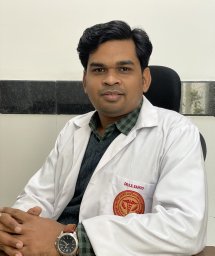 Sahoo Soumya Swaroop合作论文数Department of Community Medicine, Pt. B.D. Sharma PGIMS3Ranjana Kalra合作论文数2
 Arvind Kumar Singh合作论文数2
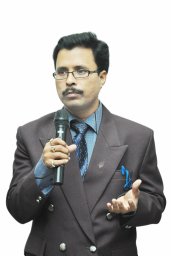 Swapan Banerjee合作论文数Seacom Skills University2
 Prem S. Panda合作论文数Dept Community Med, Kalinga Inst Med Sci2
 Debjyoti Mohapatra合作论文数2
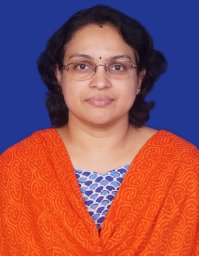 Swayam Pragyan Parida合作论文数Department of Community & Family Medicine, All India Institute of Medical Sciences2
 Sarika Palepu合作论文数Department of Community & Family Medicine, All India Institute of Medical Sciences2
 Sirka Chandra Sekhar合作论文数2
 Singh Sweta合作论文数Department of Obstetrics and Gynecology, Sree Uthradom Thirunal Academy of Medical Sciences2Saharia Gautom Kumar合作论文数Department of Biochemistry, NEIGRIHMS2
 Suchanda Sahu合作论文数Dept. of Biochemistry, Christian Medical College2
 Akshaya R.合作论文数1Alekhya Gajjala合作论文数1
 Kritika Singhal合作论文数1Bishwaranjan Purohit合作论文数1Swati Priyadarshini Acharya合作论文数1Jyolsna Nair合作论文数1Pradnya Dilip Chandanshive合作论文数1
 Siddharth Mishra合作论文数1
 Prajna Giri合作论文数1Boppana Sujwal合作论文数1Subhakanta Sahu合作论文数1
 Sejal Saraf合作论文数1
 Siva Santosh Kumar Pentapati合作论文数1
 Hrushikesh Das合作论文数1
 Bhaswati Samaddar合作论文数1
 Saurav Nayak合作论文数1Amrit Mishra合作论文数1
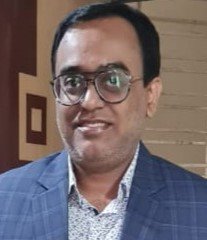 Rashmi ranjan Mohanty合作论文数Department of Medicine, All India Institute of Medical Sciences1
 Sanjay kumar Giri合作论文数Dept Plast & Reconstruct Surg, All India Inst Med Sci1
 Krupal J Joshi合作论文数Dept Community & Family Med, All India Inst Med Sci1
 Somen Kumar Pradhan合作论文数Dept Community Med & Family Med, All India Inst Med Sci1




