Food quality depends on both consumer expectations and industry standards. Sensory assessment is one dimension of food quality. The current method of food industry to assess quality of food is product testing through trained sensory panels or consumer panels. These evaluations are effective, but very time consuming in time and human resources. So, food industry is interested in the development of new faster and cheaper methods. This paper proposes a complete computer system to predict quality of bread from color images of its crust and crumb. The proposed method encloses an algorithm to extract the crust and crumb from the bread image, a module to calculate color texture features from images and a machine learning module to predict the sensory traits, using support vector regression among other methods. Statistical evaluation comparing the Pearson correlation (R) between the scores provided by the trained panel and the computer prediction is presented for 24 sensory traits on 54 bread samples. The prediction achieved high reliability for 7 out of 24 traits (R≥0.75), 14 traits with moderate to good reliability (0.5≤R<0.75) and only 3 traits are predicted with bad to moderate reliability (R approximately 0.4). These results are very encouraging for the bread industry, although still subject to some limitations due to the small size of the dataset, due to its application in quality control and product categorization.
Women are underrepresented in technical and scientific disciplines due to gender stereotypes. This paper proposes a program of activities to introduce concepts related to engineering and computer science in early childhood education using a gender perspective. We atempt to promote female vocations and to develop a gender equality environment. Machine thinking concepts are taught using everyday childhood experiences and games, carefully selected to avoid propagating society’s gender stereotypes. Some activities are the simulation of a cook robot using our body, or the construction of a computer program like a children’s story. School’s staff perception were very positive. We also describe experiences of in-person dissemination in schools.
Background/Objectives: Pathological complete response (pCR) after neoadjuvant chemotherapy (NAC) is an important prognostic marker in HER2-positive breast cancer (BC). However, reliable pre-treatment predictors based on routinely available clinical data remain limited. This study evaluated whether clinicopathologic and baseline magnetic resonance imaging (MRI) variables could predict NAC response using classical machine learning (ML) approaches. Methods: A retrospective cohort of 112 patients with HER2-positive BC treated with NAC was analysed, including 57 patients who achieved pCR and 55 who did not. Fourteen pre-treatment variables were evaluated, including hormone receptor (HR) status, tumour grade, ER and PR expression, Ki67, nodal status, age, and baseline MRI characteristics. Seventy ML classifiers were compared using a fully nested leave-one-out cross-validation (LOOCV) framework. Performance was assessed using accuracy, area under the receiver operating characteristic curve (AUROC), Cohen’s kappa, sensitivity, specificity, and F1-score. Results: A support vector machine (SVM) with a radial basis function (RBF) kernel achieved the highest observed accuracy (82.1%) among the 70 evaluated classifiers. The corresponding AUROC was 83.3%, Cohen’s kappa was 64.2%, and sensitivity, specificity, and F1-score were 87.7%, 76.4%, and 83.3%, respectively. HR-related variables, particularly PR and ER expression, together with Ki67 and baseline MRI features, ranked among the most influential predictors. Despite relying exclusively on routinely available pre-treatment variables, the model demonstrated meaningful predictive performance. Conclusions: ML applied to routinely available clinicopathologic and baseline MRI variables showed promising ability to predict pCR before treatment initiation in HER2-positive BC. The proposed approach may support pre-treatment clinical risk assessment using information already generated during routine clinical assessment. Nevertheless, prospective multicentre external validation, calibration assessment, and evaluation of clinical utility are required before implementation in routine clinical practice.
Background: Obsessive Compulsive Disorder (OCD) is associated with an increased suicide risk in comparison with general population. Among the suicide risk factors we can highlight psychiatric comorbidities, childhood trauma, obsessive-compulsive severity and a combination of other risk factors related to social and family environment. This study aims to develop and validate a reliable machine learning algorithm to predict suicide risk in OCD patients, based on a combination of clinical and sociodemographic variables. Method: A cohort of 199 OCD patients was followed for an average of 17.8 years (follow-up time range of between 2-28 years) in an OCD-specialized unit. Suicide-related behaviors were documented in the medical records of each participant at the time of occurrence. For the present study, a specialized psychiatrist systematically reviewed all clinical records to extract detailed information on the type of suicide-related behaviors experienced by each participant. Clinical data, including comorbidities, Y-BOCS and CTQ, were collected and used to train supervised machine learning models. Results: The best-performing model included three predictive variables: family history of suicide, affective comorbidities, and substance use. This model achieved a sensitivity of 71.4%, specificity of 74.4%, F1score=62.7% and area under ROC curve of 0.80, demonstrating moderate predictive capability. OCD severity and childhood trauma did not significantly enhance prediction performance. Conclusion: This study highlights the potential of supervised machine learning in identifying suicide risk in OCD patients based on commonly-collected clinical variables. The presence of any of the three predictors that conform the best-performing model (family history of suicide, affective comorbidities, and substance use) is sufficient to detect the presence of suicide-behavior risk. Those predictors are routinely assessed in clinical practice, making this model a feasible instrument for early risk detection. Further research with larger and more diverse cohorts is needed to refine predictive accuracy and integrate additional biomarkers for improved suicide risk stratification.
Background/Objective: Preoperative prediction of third molar eruption with artificial intelligence (AI) has been a challenge in dentistry and oral surgery. Methods: In this investigation, we used machine learning (ML) algorithms to characterize M3 panoramic radiological images for the preoperative differential diagnosis of third nolar eruption/retention and compared them with clibical explorations to validate their performance. Results: We retrospectively collected data of patients with mandibular thid molar retention, where all eruption diagnoses were confirmed via clinical exploration. A total of 383 panoramic radiographies were selected to train the PDApp software for eruption diagnosis for the software validation. Conclusions: The PDApp software achieved the highest performance metrics for the prediction of mandibular third molar eruption
Dry-cured ham is a traditional Mediterranean meat product consumed throughout the world. This product is very variable in terms of composition and consumer's acceptability is influenced by different factors, among others, visual intramuscular fat and its distribution across the slice, also known as marbling. On-line inter and intramuscular fat evaluation and marbling assessment is of interest for classification purposes at the industry. Currently, this assessment can only be performed by visual inspection and traditional sensory panels. The current work presents the software MarblingPredictor, which predicts the marbling score of the three most representative ham muscles from square regions of interest automatically extracted from a ham slice. It also estimates the rate of subcutaneous and intermuscular fat content in the ham slice. Using MarblingPredictor, the mean absolute error between the true and predicted marbling scores was 0.53, very similar to the error of sensory panellist, which is 0.50. The correlation between the computer and sensory scores is 0.68, which means a moderate to good recognition. This result underscores the relevance of this tool for its application in the ham industry for quality control and categorization purposes. As part of this work, we also present the dataset HamMarbling of annotated ham slices used to train and test the software with the marbling scores provided by the panellists. The MarblingPredictor software and images are available from https://citius.usc.es/transferencia/software/marblingpredictor for Windows- and Linux-based systems for research purposes.
Emerging infectious diseases demand comprehensive containment strategies, encompassing early detection and patient monitoring. Conventional diagnostic tests often suffer from low sensitivity, reliance on specialized equipment, and binary (positive/negative) outputs that provide limited clinical insight. To address these limitations, we introduce a novel approach integrating time-domain micro-nuclear magnetic resonance (TD-μNMR) with a dual intelligent relaxometric sensing (DIS) system, combining Fe3O4 and MnO nanoparticles with machine learning algorithms. This system profits from the distinct T1 and T2 relaxometric profiles of these nanoparticles to simultaneously detect endogenous (immune response) and exogenous (viral) analytes in complex biological samples. Specific molecular recognition by the nanoparticles induces measurable relaxometric changes, transforming them into sensitive NMR sensors. We demonstrate the efficacy of this method through multiplexed detection of SARS-CoV-2 antigens and antibodies, showcasing its potential for advanced diagnostics.
Accurate computer-aided cell detection in immunohistochemistry images of different tissues is essential for advancing digital pathology and enabling large-scale quantitative analysis. This paper presents a comprehensive comparison of six unsupervised segmentation methods against two supervised deep learning approaches for cell detection in immunohistochemistry images. The unsupervised methods are based on the continuity and similarity image properties, using techniques like clustering, active contours, graph cuts, superpixels, or edge detectors. The supervised techniques include the YOLO deep learning neural network and the U-Net architecture with heatmap-based localization for precise cell detection. All these methods were evaluated using leave-one-image-out cross-validation on the publicly available OIADB dataset, containing 40 oral tissue IHC images with over 40,000 manually annotated cells, assessed using precision, recall, and F1-score metrics. The U-Net model achieved the highest performance for cell nuclei detection, an F1-score of 75.3%, followed by YOLO with F1 = 74.0%, while the unsupervised OralImmunoAnalyser algorithm achieved only F1 = 46.4%. Although the two former are the best solutions for automatic pathological assessment in clinical environments, the latter could be useful for small research units without big computational resources.
Nutrient deficiency in wheat plants can lead to diseases and important losses in yield. These diseases can be visually detected on wheat leaf images. We perform the image classification as nutrient controlled or deficient, using a collection of 57 machine learning classifiers programmed in 4 different programming languages, applied on color texture features extracted from the images. We also use other 90 methods under the Caret automated R classification framework on the same features. Furthermore, we use 62 deep learning networks under three frameworks applied on the leaf images in three settings: trained from the scratch, fine-tuning of pretrained networks and classification of deep and shallow features extracted by deep networks. The radial basis function (RBF) neural network achieves the best performance, with kappa and accuracy of 57% and 81.2%, and with a low false positive rate (11.1%), while pretrained deep networks and classification of shallow features achieve 40% and 47%, respectively. Since nutrient deficiency is a continuous concept, ranging from 0% to 100%, and a sharp categorization into controlled and deficient may always be relative, these results identify the RBF network as an accurate approach for the detection of nutrient deficiency in wheat leaves.
Background: Preoperative prediction of mandibular third molar (M3) eruption remains a major challenge in dentistry and oral surgery. Artificial intelligence (AI) offers new opportunities to improve diagnostic accuracy and reduce the subjectivity associated with manual assessment. Objective: This study aimed to develop and validate PDApp, a machine-learning-based software designed to predict third lower molar eruption status (erupted vs. retained) using panoramic radiographic images, and to compare its diagnostic performance with clinical exploration. Materials and Methods: A retrospective dataset of 383 mandibular third molars with clinically confirmed eruption status was collected. Panoramic radiographic images were processed and used to train multiple machine learning (ML) algorithms integrated into PDApp for eruption prediction. The software’s performance metrics were analyzed and validated against clinical exploration, considered the diagnostic reference standard. Results: PDApp achieved the highest performance metrics among the evaluated ML approaches, reaching an accuracy of up to 99.5% in predicting mandibular third molar eruption. The tool showed strong reliability in differentiating erupted from retained M3 using panoramic radiographs. Conclusions: PDApp represents a robust, accurate, and easy-to-use AI-based tool for predicting third molar eruption potential in adolescent and teenage patients. Its implementation may enhance diagnostic efficiency, reduce common errors associated with manual evaluation, and support clinical decision-making in the management of impacted mandibular third molars. Future work will focus on integrating automatic calculation of radiographic ratios to achieve a fully automated prediction workflow.
Research has linked camouflaging with compensating and hiding autistic traits during social interactions. Furthermore, these strategies have been linked to increased anxiety and depression symptoms and to greater reliance on camouflaging behaviors among individuals with more autistic traits, even in non-autistic populations. This study evaluated the viability of a machine learning algorithm to predict autistic traits and symptoms of depression and anxiety using camouflaging behaviors. The sample included 601 participants: 102 autistic adults (72 women, 18 men, and 12 non-binary individuals) and 499 non-autistic adults (399 women, 92 men, and eight non-binary individuals). The study predicted autistic traits measured with the Broader Autism Phenotype Questionnaire (BAPQ) subscales - Aloofness, Pragmatics, and Rigidity - as well as the total score of depressive (Patient Health Questionnaire - PHQ-9) and anxious symptoms (General Anxiety Disorder - GAD-7) using the individual items from the Camouflaging Autistic Traits Questionnaire Spanish version (CAT-Q-ES) as predictors. We developed fifty supervised learning models, including support vector machines, neural networks, linear regressors, decision trees, random forests, and Gaussian processes, among others. Correlation coefficients between true and predicted scores were strong for Aloofness (R=.85), Pragmatics (R=.82), and Rigidity (R=.74), being only moderate for Depression (R=.60) and Anxiety (R=.54). Autism diagnosis or gender identity did not improve the prediction's accuracy. These results show the viability of machine learning algorithms to predict autistic traits (Aloofness, Pragmatics and Rigidity) and anxiety-depression symptoms, using the CAT-Q-ES. This suggests potential for developing a tool that may improve autistic traits and emotional problems screening in individuals whose diagnosis is unclear or not yet established, regardless of gender identity.
Kids with autism often “see” the world differently than other kids do. They can have unique experiences of vision, hearing, taste, smell, or touch sensations. These sensory changes are often linked to behavior problems such as isolation, lack of interest, aggression, anxiety, depression, or lack of attention. We thought it would helpful if we could detect behavior problems that might not be obvious yet but are possible in the future. In our study, we used computer programs, based on a type of artificial intelligence called machine learning, to predict possible behavior problems based on how autistic kids receive sensations in their everyday lifes. Our programs analyze the answers to test questions about the way kids perceive the world through their senses, and these programs can then make reliable predictions of behavior problems before they arise. These early predictions allow families and doctors to be aware of and treat those problems early.
Oral cancer ranks sixteenth amongst types of cancer by number of deaths. Many oral cancers are developed from potentially malignant disorders such as oral leukoplakia, whose most frequent predictor is the presence of epithelial dysplasia. Immunohistochemical staining using cell proliferation biomarkers such as ki67 is a complementary technique to improve the diagnosis and prognosis of oral leukoplakia. The cell counting of these images was traditionally done manually, which is time-consuming and not very reproducible due to intra- and inter-observer variability. The software presently available is not suitable for this task. This article presents the OralImmunoAnalyser software (registered by the University of Santiago de Compostela-USC), which combines automatic image processing with a friendly graphical user interface that allows investigators to oversee and easily correct the automatically recognized cells before quantification. OralImmunoAnalyser is able to count the number of cells in three staining levels and each epithelial layer. Operating in the daily work of the Odontology Faculty, it registered a sensitivity of 64.4% and specificity of 93% for automatic cell detection, with an accuracy of 79.8% for cell classification. Although expert supervision is needed before quantification, OIA reduces the expert analysis time by 56.5% compared to manual counting, avoiding mistakes because the user can check the cells counted. Hence, the SUS questionnaire reported a mean score of 80.9, which means that the system was perceived from good to excellent. OralImmunoAnalyser is accurate, trustworthy, and easy to use in daily practice in biomedical labs. The software, for Windows and Linux, with the images used in this study, can be downloaded from https://citius.usc.es/transferencia/software/oralimmunoanalyser for research purposes upon acceptance.
Breast cancer is the most diagnosed cancer worldwide and represents the fifth cause of cancer mortality globally. It is a highly heterogeneous disease, that comprises various molecular subtypes, often diagnosed by immunohistochemistry. This technique is widely employed in basic, translational and pathological anatomy research, where it can support the oncological diagnosis, therapeutic decisions and biomarker discovery. Nevertheless, its evaluation is often qualitative, raising the need for accurate quantitation methodologies. We present the software BreastAnalyser, a valuable and reliable tool to automatically measure the area of 3,3’-diaminobenzidine tetrahydrocholoride (DAB)-brown-stained proteins detected by immunohistochemistry. BreastAnalyser also automatically counts cell nuclei and classifies them according to their DAB-brown-staining level. This is performed using sophisticated segmentation algorithms that consider intrinsic image variability and save image normalization time. BreastAnalyser has a clean, friendly and intuitive interface that allows to supervise the quantitations performed by the user, to annotate images and to unify the experts’ criteria. BreastAnalyser was validated in representative human breast cancer immunohistochemistry images detecting various antigens. According to the automatic processing, the DAB-brown area was almost perfectly recognized, being the average difference between true and computer DAB-brown percentage lower than 0.7 points for all sets. The detection of nuclei allowed proper cell density relativization of the brown signal for comparison purposes between the different patients. BreastAnalyser obtained a score of 85.5 using the system usability scale questionnaire, which means that the tool is perceived as excellent by the experts. In the biomedical context, the connexin43 (Cx43) protein was found to be significantly downregulated in human core needle invasive breast cancer samples when compared to normal breast, with a trend to decrease as the subtype malignancy increased. Higher Cx43 protein levels were significantly associated to lower cancer recurrence risk in Oncotype DX-tested luminal B HER2- breast cancer tissues. BreastAnalyser and the annotated images are publically available https://citius.usc.es/transferencia/software/breastanalyser for research purposes.
The support vector machine (SVM) with Gaussian kernel often achieves state-of-the-art performance in classification problems, but requires the tuning of the kernel spread. Most optimization methods for spread tuning require training, being slow and not suited for large-scale datasets. We formulate an analytic expression to calculate, directly from data without iterative search, the spread minimizing the difference between Gaussian and ideal kernel matrices. The proposed direct gamma tuning (DGT) equals the performance of and is one to two orders of magnitude faster than the state-of-the art approaches on 30 small datasets. Combined with random sampling of training patterns, it also runs on large classification problems. Our method is very efficient in experiments with 20 large datasets up to 31 million of patterns, it is faster and performs significantly better than linear SVM, and it is also faster than iterative minimization.
The extreme learning machine is a fast neural network with outstanding performance. However, the selection of an appropriate number of hidden nodes is time-consuming, because training must be run for several values, and this is undesirable for a real-time response. We propose to use moving average, exponential moving average, and divide-and-conquer strategies to reduce the number of training’s required to select this size. Compared with the original, constrained, mixed, sum, and random sum extreme learning machines, the proposed methods achieve a percentage of time reduction up to 98\% with equal or better generalization ability.
Comorbidity between neurodevelopmental disorders is common, especially between autism spectrum disorder (ASD) and attention deficit/hyperactivity disorder (ADHD). This study aimed to detect overlapped sensory processing alterations in a sample of children and adolescents diagnosed with both ASD and ADHD. A collection of 42 standard and 8 proposed machine learning classifiers, 22 feature selection methods and 19 unbalanced classification strategies were applied on the 6 standard question groups of the Sensory Profile-2 questionnaire. The relatively low performance achieved by state-of-the-art classifiers led us to propose the feature population sum classifier, a probabilistic method based on class and feature value populations, designed for datasets where features are discrete numeric answers to questions in a questionnaire. The proposed method achieves the best kappa and accuracy, 60% and 82.5%, respectively, reaching 68% and 86.5% combined with backward sequential feature selection, with false positive and negative rates below 15%. Since the SP2 questionnaire can be filled by parents for children from three years, our prediction can alert the clinicians with an early diagnosis in order to apply early interventions.
Every day we live with more technology and computer systems. It is widely known that this technology is not neutral and can harm citizens, specially women. A possible cause for this lack of neutrality could be the under-representation of women on development teams. Our hypothesis is that the motivation of female students could increase through the use of alternative didactic methodologies, specifically the cooperative learning, including the gender dimension in its design. This study describes and analyses the use of cooperative learning to teach computer programming courses in a higher education STEM discipline, the Math degree. The statistical evaluation of the perception of the students along two academic years was very positive, specially for the female students.
The decision-making process for third molar removal or maintenance remains controversial in dental practice. The most important variables to be analyzed in predicting the potential of third molar eruption are retromolar space and the direction of eruption. The various methods for prediction include linear measures: measurement of the available space, mandibular size and growth, size of the third molar, and third molar angulation. The available software is not suitable for predicting third molar eruption. The purpose of the present work was to develop a clinical tool that can automatically predict eruption of the third molars based on combined linear and angular measurements. In this paper, the development and validation analysis of Panoramic Dental Application (PDApp) software (registered by the University of Santiago de Compostela (USC)) is presented, which can automatically predict third molar eruption from panoramic radiographs. This prediction is performed using a machine learning classifier (a support vector machine with Gaussian kernel) trained on a set of 188 cases wherein third molar angulation and the radiological retention coefficient are used as input data. Operating in the daily practice of the School of Dentistry at USC, an accuracy of 97.96% in predicting the potential of third molar eruption is achieved for a set of 539 third molars belonging to 289 patients. The software was also rated as the best imaginable system by the system usability scale (SUS) questionnaire. In this study, we developed and analyzed a new, unique software tool with increased diagnostic accuracy that will facilitate and optimize dental care in routine clinical workflow.
 Eva Cernadas合作论文数Titular de Universidade
Departamento de Informatica
Area de Linguaxes e Sistemas Informaticos26
Eva Cernadas合作论文数Titular de Universidade
Departamento de Informatica
Area de Linguaxes e Sistemas Informaticos26 Senén Barro Ameneiro合作论文数Singular Research Centre on Intelligent Technologies, University of Santiago de Compostela20
 Jorge Ribeiro合作论文数5Roberto Iglesias合作论文数5
 Almoutaz Mbaidin合作论文数4
 Audi Albtoush合作论文数4
 Maria Tubio Fungueirino合作论文数Fdn Inst Invest Sanitaria Santiago Compo FIDIS4
 Sadi Alawadi合作论文数Department of Information Technology, Uppsala University4
 José Neves合作论文数Departamento de Sociologia, Instituto de Ciencias Sociais, Universidade do Minho4Fernández-Prieto Montse合作论文数4
 Ángel Carracedo Álvarez合作论文数Center for Research in Molecular Medicine and Chronic Diseases, University of Santiago de Compostela4
 José A. Taboada合作论文数4
 David Mera合作论文数Systems Laboratory, Electronics and Computer Science Department. Technological Research Institute, University of Santiago de Compostela4
 Arno Formella合作论文数Departamento de Informática, Escola Superior de Enxeñaría Informática, Universidade de Vigo4Zakaria A. Al-Tarawneh合作论文数3
 Jose Machado合作论文数3Jacobo Porto-Alvarez合作论文数3
 Miguel Souto合作论文数3
 Khalid Alkharabsheh合作论文数Universidade de Santiago de Compostela3Gallas-Torreira Mercedes合作论文数3
 Jesús María Rodríguez Presedo合作论文数Centro de Investigación en Tecnoloxías da Información (CITIUS),, University of Santiago de Compostela3
 António Abelha合作论文数Departamento de Informática;Universidade do Minho;Departamento de Informática, Universidade do Minho3Pilar Carrión合作论文数3
 Xose A. Vila合作论文数Electronics and Computer Science;Faculty of Physics;University of Santiago de Compostela;Faculty of Physics, University of Santiago de Compostela3
 Victor Gonzalez-Castro合作论文数Dep. of Electrical, Systems and Automatic Engineerings, Univ. of León3Roberto Garcia Figueiras合作论文数2Sonia Rabade-Uberos合作论文数2J Ramon Antúnez-López合作论文数2
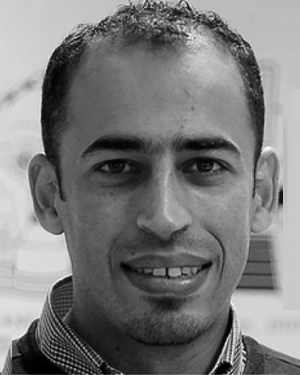 Ziad Akram Ali Hammouri合作论文数2Haitham Maarouf合作论文数2
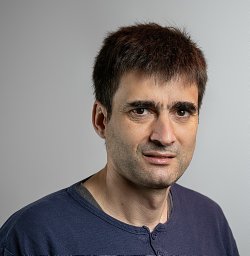 Jose R.R. Viqueira合作论文数University of Santiago de Compostela, Spain2Cinto Segalàs合作论文数2
 Elena Fulladosa合作论文数2Baleato-González Sandra合作论文数2Muñoz Israel合作论文数2
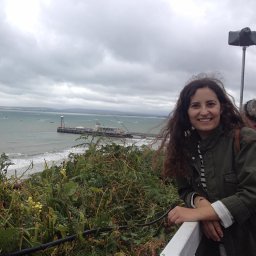 Cruz Sara合作论文数CIPsi School of Psychology, University of Minho2
 Manuel Lama合作论文数University of Santiago de Compostela2
 Carlos V. Regueiro合作论文数2
 J. A. Rodriguez合作论文数2
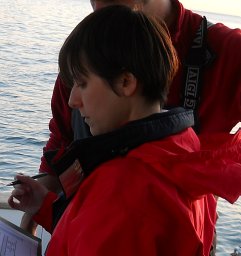 Rosario Dominguez-Petit合作论文数Instituto Mediterraneo de Estudios Avanzados2
 Angel Dacal-Nieto合作论文数Computer Science Department, Universidade de Vigo2Yania Crespo González-Carvajal合作论文数Computer Science department2
 Dinani Gomes合作论文数2
 Esteban Vazquez-Fernandez合作论文数GRADIANT, Galician R&D Center in Advanced Telecommunications2
 José M. Cotos合作论文数Systems Laboratory, Electronics and Computer Science Department. Technological Research Institute, University of Santiago de Compostela2Eduardo Sánchez Vila合作论文数Dept. Electronics and Computer Science, University of Santiago de Compostela,
2
José M. Cotos合作论文数Systems Laboratory, Electronics and Computer Science Department. Technological Research Institute, University of Santiago de Compostela2Eduardo Sánchez Vila合作论文数Dept. Electronics and Computer Science, University of Santiago de Compostela,
2 Adriana Sampaio合作论文数School of Psychology, University of Minho2
 Pino Alonso合作论文数Department of Psychiatry, Bellvitge University Hospital2




