Community sports teams are low-threshold arenas for involvement in physical activities with the potential to promote recovery among persons with experiences of mental health or substance use problems. This study focuses on a community sports team, Psykiatrialliansen (PA), based in Bergen, Norway, to explore how participation may relate to sense of engagement in everyday activities, social inclusion, and life satisfaction. A cross-sectional study was conducted among a sample of members of PA ( N = 57), with questions related to participation in activities, as well as measures of sense of engagement, social inclusion, and life satisfaction. In addition to descriptive statistics, the associations between sense of engagement, social inclusion, and life satisfaction were explored. Study participants reported being involved in a range of physical activities. Common self-reported benefits related to mental health, physical health, friendships, and leisure. Sense of engagement, social inclusion, and life satisfaction were significantly positively associated. The results indicate that participation in community sports may be linked with connectedness, belonging, and well-being.
Community sports initiatives can promote social inclusion by facilitating low‐threshold participation in physical exercise with others. Due to social and systemic barriers, persons with experiences of mental health and substance use problems often have limited access to community arenas, such as those offering physical exercise. Community sports may counteract such inequities in practice. In Bergen, Norway, the community sports initiative Psykiatrialliansen (The Psychiatric Alliance) aims to promote participation in physical exercise for anyone with an interest in being involved. On a weekly basis, they arrange a range of sports and activities in ordinary sports arenas across the city, free of charge. The purpose of the study was to explore how members and coaches experience participation, and in which ways participation contributes to experiences of social inclusion. Focus groups, paired interviews, and individual interviews were conducted with 33 participants. A two‐tiered thematic analysis was conducted based on a framework for social inclusion, resulting in the main theme “experiences of social inclusion,” with the following subthemes: (a) access to resources, (b) recognition through responsibilities and roles, and (c) a sense of belonging through relationships. The participants described a unique and generous arena where resources were emphasized. Furthermore, they described experiences of being acknowledged through responsibilities and positive roles. Finally, the community sports initiative was viewed as a low‐threshold, inclusive community that facilitated a sense of belonging through positive relationships. The findings indicate that Psykiatrialliansen contributes to experiences of social inclusion in multiple, intersecting ways.
Individual placement and support (IPS) is effective in improving outcomes for competitive employment for people experiencing severe mental illness (SMI). Knowledge of the meaningfulness of work to IPS participants is scarce. This study describes the meaningfulness of work as experienced by IPS participants. The study adopted a peer research design and included in-depth interviews with 10 IPS participants in Norway. Phenomenological reflective lifeworld research was applied. The findings were further examined by incorporating Prilleltensky's mattering wheel concept. This study revealed that work provides the possibility of gaining significance and recognition. Participants acknowledged work as a source of (1) belonging, (2) contributing, and (3) having value. The sense of belonging that work awakens and the possibility it provides for contribution enables individuals to add value to themselves and others. While unemployment can accentuate feelings of isolation, uselessness, and worthlessness, employment can develop and cultivate a sense of mattering to one's self and the community. This study addresses the novel aspect of the connection between the meaningfulness of work and mattering. Highlighting the importance of mattering through work for persons experiencing SMI can encourage mental health practitioners to include employment as a standard mental health intervention. Please refer to the Supporting Information section to find this article's community and social impact statement.
Background Employment is recognised as a fundamental human right. Still, many people experiencing severe mental illness are outside the workforce. Appropriate employment has several benefits for mental health and is central to recovery and citizenship. Individual Placement and Support (IPS) integrates treatment and employment support and is an evidence-based model for supporting people experiencing severe mental illness to gain and maintain employment. Employment specialists are front-line workers of IPS. In Norway, the implementation of IPS is in a later phase and employment specialists are employed outside health services. This study explores and describes employment specialists’ job situation within this new context. Methods Qualitative data were collected through field notes and five focus group interviews. The study participants were 36 IPS employment specialists located at 13 different sites in Northern Norway. Transcripts and field notes were analysed by thematic analyses. Results Our findings show that the IPS structures are settled in Norway, but some challenges remain. The most prominent consequence of the new context is the challenge of integration within health teams. Nonetheless, employment specialists find their work with clients meaningful and having great impact with opportunities for personal and professional development. Conclusion IPS is anchored in Norwegian policy and several of the early intervention challenges are resolved. Our study provides increased understanding of the employment specialists job situation within the new IPS context in Norway. Employment specialists are “front-line-workers” in enacting the IPS principles, and their perspectives on the contextual change are crucial in the development of IPS.
ObjectivesIndividual placement and support (IPS) is an evidence-based form of vocational rehabilitation that aims to help people with mental illness obtain and remain in competitive employment. The objective of this study is to quantify the national growth of IPS over an 8-year period in Norway.MethodsUsing a combination of qualitative and registry data, we map how IPS was implemented in Norway between 2012 and 2019, both in terms of geographic availability and intensity of service provision.ResultsIn 2012 IPS was available in 4 out of 19 counties, with 14.9% of the population living in an area where IPS was present. By 2019 this had increased to all 19 counties in Norway, and more than 70% of the population lived in an area of Norway where IPS was available. The results are presented in eight heat maps that visually display how the intensity and availability of the service have expanded.ConclusionThis study has identified when and where IPS became available in Norway, which is key to future effectiveness studies of IPS in the IPSRON project.
Recovery in co-occurring substance use and mental health problems is a personal and social process that involves quality of life and community inclusion. Recovery-oriented practices consequently need to address both personal and social issues, and collaborative approaches can be useful in developing recovery-oriented practices to promote recovery and citizenship. The aim of the present study was to examine the potential benefits of using a collaborative approach to recovery-oriented practice development for self-reported recovery and citizenship among residents at a supported housing site. Residents, staff, and researchers collaborated to develop principles for a recovery-oriented practice, which were then to be integrated into practice. A prospective comparative design was applied with residents at a supported housing site with an ongoing collaborative recovery-oriented practice development initiative (n = 7), and a reference group of residents at supported housing sites following practice as usual (n = 21). There was a significant increase in the recovery domain of willingness to ask for help after the recovery-oriented practice development among residents at the project site. The reported levels of the citizenship domains civil and legal rights and staff support among residents at the project site demonstrated stability, whereas the levels of these domains decreased among residents at the reference sites. The results suggest that facilitating collaborative approaches to developing recovery-oriented practices can help promote recovery and protect citizenship for residents in supported housing. The study had several methodological limitations; thus, further research on the promotion of recovery and citizenship in supported housing is needed.
This commentary highlights two cross-cultural issues identified from our global mental health (GMH) research, RECOLLECT (Recovery Colleges Characterisation and Testing) 2: self-enhancement and ingroup biases. Self-enhancement is a tendency to maintain and express unrealistically positive self-views. Ingroup biases are differences in one’s evaluation of others belonging to the same social group. These biases are discussed in the context of GMH research using self-report measures across cultures. GMH, a field evolving since its Lancet series introduction in 2007, aims to advance mental health equity and human rights. Despite a 16.5-fold increase in annual GMH studies from 2007 to 2016, cross-cultural understanding remains underdeveloped. We discuss the impact of individualism versus collectivism on self-enhancement and ingroup biases. GMH research using concepts, outcomes, and methods aligned with individualism may give advantages to people and services oriented to individualism. GMH research needs to address these biases arising from cross-cultural differences to achieve its aim.
Having a job is an important component of recovery from mental illness and a source of economic, social, and health benefits. Most people experiencing severe mental illness (SMI) want to work but are excluded from employment opportunities. Employment specialists (ESs) working in individual placement and support (IPS) teams help persons struggling with SMI obtain competitive employment. This study is a qualitative phenomenological study of 10 IPS participants in the Norwegian context, serving to develop a deeper understanding of the IPS phenomenon as it is experienced in the everyday life of IPS participants. The study was designed as a peer research project including four members of a competence group with experience in IPS and SMI. The results, analyzed using the reflective lifeworld research approach, revealed four constituents: “Having a safety net along the way toward employment,” “Feeling more like a person, not just a patient,” “Brighter future,” and “Going above and beyond employment support.” IPS functions as an anchor in participants’ journey toward employment. Strong and meaningful relationships with an ES seem crucial for IPS participants to gain the strength and confidence essential to engage in the job search. IPS participants experience various challenges in everyday life, resulting in ESs exceeding their vocational role to cover the unmet needs that health services seem unable to fully address. Closer coordination between vocational and health services, as well as a deeper focus on everyday life issues, will positively affect IPS participants’ vocational outcomes and quality of life.
Background: Individual Placement and Support (IPS) is an evidence-based vocational rehabilitation program that helps people with severe mental problems to obtain and maintain paid jobs. Turnover of IPS employment specialists is a scarcely studied subject that can undermine the effectiveness and implementation of the intervention. Objective: This study aimed to explore and describe the experiential factors and processes that shape IPS employment specialists’ decisions to quit. Methods: Braun and Clarke thematic analysis was used to analyze interviews of former IPS employment specialists, who worked during the early implementation phase in Northern Norway. Results: A number of negative and positive experiential factors and processes were found to shape IPS employment specialists’ decisions to quit their jobs. A single theme captured our findings ‘The decision to quit for IPS employment specialists is a gradual process consisting of draining factors outweighing nourishing factors’. Conclusion: To retain IPS employment specialists in the early implementation phase, it is not enough to rely on hiring well-fitting individuals. Instead, prospectively developing interorganizational contexts, timely identifying and addressing work environment problems, while nurturing the strengths of individual workers can be helpful in decreasing turnover rates of IPS employment specialists.
Recovery Colleges (RCs) are learning-based mental health recovery communities, located globally. However, evidence on RC effectiveness outside Western, educated, industrialised, rich, and democratic (WEIRD) countries is limited. This study aimed to evaluate associations between cultural characteristics and RC fidelity, to understand how culture impacts RC operation. Service managers from 169 RCs spanning 28 WEIRD and non-WEIRD countries assessed the fidelity using the RECOLLECT Fidelity Measure, developed based upon key RC operation components. Hofstede's cultural dimension scores were entered as predictors in linear mixed-effects regression models, controlling for GDP spent on healthcare and Gini coefficient. Higher Individualism and Indulgence, and lower Uncertainty Avoidance were associated with higher fidelity, while Long-Term Orientation was a borderline negative predictor. RC operations were predominantly aligned with WEIRD cultures, highlighting the need to incorporate non-WEIRD cultural perspectives to enhance RCs' global impact. Findings can inform the refinement and evaluation of mental health recovery interventions worldwide.
PurposeThe aim of this study is to explore the characteristics of what is experienced in mental health recovery-oriented places and how these characteristics can facilitate social connections and participation.Design/methodology/approachThis qualitative study has an explorative, interpretive and collaborative design. Dyadic interviews and participatory fieldwork observations were used as methods for data generation. Data were analyzed using a collaborative hermeneutic approach.FindingsCharacteristics of recovery-nurturing places involved how concrete and tangible features of place may nurture and enable actions and ways of being with oneself and others. Three broad themes explore the characteristics and how they can enable recovery: nurturing senses, nurturing practical skills and nurturing communication.Originality/valueThis study demonstrates how materiality and recovery are interconnected and expands the understanding of recovery as "in-the-mind processes." It explores how places and material objects have a recovery-nurturing potential through enabling actions and participation and thereby supporting people in living, storying and restorying their lives.
We explore the implementation and development of individual placement and support (IPS) in Norway. IPS is an evidence-based practice for supporting people experiencing mental illness to obtain and maintain competitive employment. Implementation of IPS into routine practice has been challenged by different paradigms in vocational rehabilitation, health and welfare policies. Data were mainly collected through individual and joint interviews of IPS experts and key stakeholders involved in the implementation of IPS. Data were analysed using thematic analysis. Three themes were derived from the analysis, representing different phases in the implementation process: (1) seeking a way to meet unmet need in work and mental health practice, (2) gathering knowledge and national evidence, and (3) embedding IPS into routine practice. The study demonstrates how health and welfare policy gradually developed IPS from vocational rehabilitation to a mainstreamed welfare employment scheme. This development may secure the future of IPS in Norway. However, the implications for practice in the longer term are unknown. Our study provides insight into how implementation of an evidence-based practice both influences and is influenced by national policymaking.
A model of recovery and recovery-oriented practice has been developed based on three previously published meta-syntheses of experiences and processes of mental health and substance use recovery. The model integrates the findings of these three meta-syntheses into three components: experiences of recovery, processes of recovery-oriented practice, and social and material capital. The experiences of recovery involve being, doing, and accessing and are viewed as embedded in the processes of recovery. The processes of recovery-oriented practice aim to mobilize and apply various forms of capital to support the recovery journey. Social and material capital, in turn, constitute the context in which recovery occurs and requires mobilization for the individual and the service system. The model is grounded in the principles of well-being, person-centeredness, embedding, self-determination, and the interdependency of human living. The model is both descriptive and explanatory, as it depicts the experiential and processual aspects of recovery and recovery-oriented practice and their interrelationships. The model as a framework needs to be elaborated further through application in practice and research, especially for understanding how experiences, processes and practices interact over time, and how they are affected by access to material and social capital.
Gjennom den norske velferdsstaten har offentlige myndigheter tatt ansvar for borgernes liv og velferd. Skole og utdanning er garantert for den enkelte, og om man blir syk, trenger hjelp eller på annen måte ikke klarer seg selv, er risikoen for den enkelte redusert. Alle borgere er garantert goder, tjenester og en viss trygghet gjennom det sikkerhetsnettet velferdsstaten utgjør. Det er også et velferdspolitisk mål å redusere sosial ulikhet. Men den norske velferdsstaten slik vi kjenner den er i dramatisk endring. Denne boka handler om hvilke endringer som peker seg ut som noen av de mest sentrale, hvorfor de trer fram og hvilke konsekvenser de kan få. Boka veksler mellom analyse av overordnede mønstre, drivkreftene bak disse mønstrene slik de skapes på ulike felt på velferdsstatens grunnplan og fyldige beskrivelser av hvordan tjenester, profesjonsroller og brukere gis nye vilkår og dermed forandres. Bokas tematikk spenner vidt, og dens bidragsytere søker å kaste lys over fellestrekkene i den store variasjonen som kjennetegner det vi kaller velferdsstatens transformasjoner.
The aim of this qualitative study was to explore subjective experiences of howfriluftsliv can support processes of recovery for persons living with eating disorders. Eight participants with experiences with bulimia nervosa and/or binge-eating disorders, and with interests in nature and friluftsliv were interviewed twice, using 'going together' and semi-structured interviews as data generation method. The results reveal how friluftsliv, byencompassing relational processes, facilitated opportunities to recognize one's personal needs—for instance, choosing to be social or to be by oneself. Friluftsliv was described as a learning and practice arena for reclaiming control over one's recovery and life. Furthermore, the participants demonstrated how (re)establishing oneself as an outdoor person supported the development of a new sense of self. The article concludes with an emphasis on how friluftsliv was experienced as comprising nurturing occupations and environments that enabled other aspects of one's life than the eating disorder to be prominent.
Mental health lived experience narratives are first-person accounts of people with experience of mental health problems. They have been published in journals, books and online, and used in healthcare interventions and anti-stigma campaigns. There are concerns about their potential misuse. A four-language systematic review was conducted of published literature characterizing uses and misuses of mental health lived experience narratives within healthcare and community settings. 6531 documents in four languages (English, Danish, Swedish, Norwegian) were screened and 78 documents from 11 countries were included. Twenty-seven uses were identified in five categories: political, societal, community, service level and individual. Eleven misuses were found, categorized as relating to the narrative (narratives may be co-opted, narratives may be used against the author, narratives may be used for different purpose than authorial intent, narratives may be reinterpreted by others, narratives may become patient porn, narratives may lack diversity), relating to the narrator (narrator may be subject to unethical editing practises, narrator may be subject to coercion, narrator may be harmed) and relating to the audience (audience may be triggered, audience may misunderstand). Four open questions were identified: does including a researcher's personal mental health narrative reduce the credibility of their research?: should the confidentiality of narrators be protected?; who should profit from narratives?; how reliable are narratives as evidence?).
Gjennom den norske velferdsstaten har offentlige myndigheter tatt ansvar for borgernes liv og velferd. Skole og utdanning er garantert for den enkelte, og om man blir syk, trenger hjelp eller på annen måte ikke klarer seg selv, er risikoen for den enkelte redusert. Alle borgere er garantert goder, tjenester og en viss trygghet gjennom det sikkerhetsnettet velferdsstaten utgjør. Det er også et velferdspolitisk mål å redusere sosial ulikhet. Men den norske velferdsstaten slik vi kjenner den er i dramatisk endring. Denne boka handler om hvilke endringer som peker seg ut som noen av de mest sentrale, hvorfor de trer fram og hvilke konsekvenser de kan få. Boka veksler mellom analyse av overordnede mønstre, drivkreftene bak disse mønstrene slik de skapes på ulike felt på velferdsstatens grunnplan og fyldige beskrivelser av hvordan tjenester, profesjonsroller og brukere gis nye vilkår og dermed forandres. Bokas tematikk spenner vidt, og dens bidragsytere søker å kaste lys over fellestrekkene i den store variasjonen som kjennetegner det vi kaller velferdsstatens transformasjoner.
 Bengt Karlsson合作论文数52
 Larry Davidson合作论文数Department of Psychiatry, School of Medicine, Yale University24
 Ottar Ness合作论文数Faculty of Health Sciences, Buskerud University College24
 Hesook Suzie Kim合作论文数College of Nursing, University of Rhode Island22
 Trude Klevan合作论文数Mental Hlth Serv, Akershus Univ Hosp17
 Alain Topor合作论文数14
 Randi Semb合作论文数9
 Rolf Sundet合作论文数9Stian Biong合作论文数9Dave Sells合作论文数8Knut Tore Sælør合作论文数8Mona Sommer合作论文数8
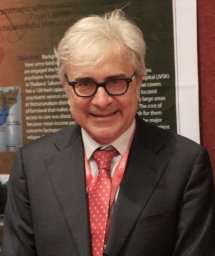 Roberto Mezzina合作论文数Dipartimento di Salute Mentale, University of Trieste8Izabel Marin合作论文数8Cathrine Fredriksen Moe合作论文数6
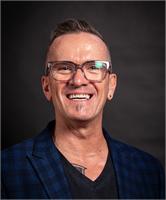 Brendan McCormack合作论文数Susan Wakil School of Nursing and Midwifery, The University of Sydney;Faculty of Medicine and Health, The University of Sydney5Bengt Sundfør合作论文数5
 Esther Ogundipe合作论文数5Beate Brinchmann合作论文数5
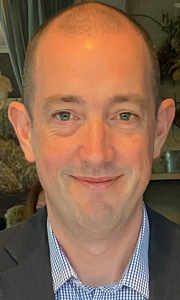 Eóin Killackey合作论文数Centre for Youth Mental Health, Faculty of Medicine, Dentistry and Health Sciences, The University of Melbourne5
 Marius Veseth合作论文数5
 Miles Rinaldi合作论文数South West London, St George's Mental Health NHS Trust5
 Eva Biringer合作论文数Division of Psychiatry, Helse Fonna HF5
 Arnstein Mykletun合作论文数Department of Mental Health and Suicide, Norwegian Institute of Public Health5Per Einar Binder合作论文数4Tommy Lunde Sjåfjell合作论文数4Caroline Yeo合作论文数4
 Monika Knudsen Gullslett合作论文数Dept Nursing & Hlth Sci, Univ Southeastern Norway USN4
 Linda Nesse合作论文数Norwegian Univ Life Sci NMBU4Norman Anderssen合作论文数4
 Torleif Ruud合作论文数Division of Mental Health Services, Akershus University Hospital4Mike Slade合作论文数4
 Famke Van Lieshout合作论文数3
 Knut Ivar Bjørlykhaug合作论文数3Ellen Andvig合作论文数3Anders J W. Andersen合作论文数3Reidun Jonassen合作论文数3Lise Katrine Jepsen Trangsrud合作论文数3
 Camilla Jensen Oanes合作论文数3
 Ashleigh Charles合作论文数Institute of Mental Health, University of Nottingham3
 Tor-Johan Ekeland合作论文数Faculty of Social Science and History, Volda University College3
 Gaby Jacobs合作论文数3
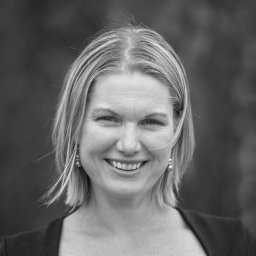 Solfrid Bratland-Sanda合作论文数University of South-Eastern Norway3Simran Takhi合作论文数2Holly Hunter-Brown合作论文数2Fabio Lucchi合作论文数2Danielle Dunnett合作论文数2
 Gianfranco Zuaboni合作论文数2
 Stynke Castelein合作论文数2




