The paper profiles the characteristics of 101,927 users of brief psychological counseling. Employee assistance program (EAP) provider AllOne Health made available archival data from their business during 2020 to 2024 for 5,706 employers across 8 industries in the United States. Employer size varied from under 250 workers to over 2.8 million (median 2,407). User age averaged 40 years (range under 20 to over 70; 5% children; 3% retiree age). Mental health issues were the most common presenting issue (45%), followed by personal relationships and family issues (32%), personal life stressors (13%), work and workplace crisis issues (7%) and substance use issues (2%). The typical case used 3.4 sessions of counseling over a 44-day period. Time between each session was about 2 weeks. Clients chose different modalities for using therapy: 38% in-person; 16% telephone; 46% online video. Exploratory tests found mostly trivial size differences between clinical use factors (issue, sessions used, duration, modality) and context factors (client age, year of use, use during COVID-19 pandemic, employer industry and size). Users of service subtypes of “In-the- Moment” counseling (n = 10,027) and Life Coaching (n = 1,153) were also examined and found to be distinguished mostly by differences in the mix of presenting issues. This is one of the largest sample size studies ever done on this topic. Limitations, comparisons to past user profile studies and implications for research are discussed. Appendix of 28 case examples with different kinds of issues is provided.
The paper provides an empirical profile of the utilization characteristics of 59,137 users of Work/Life services over a 5-year period. Employee assistance program (EAP) provider AllOne Health made available for study the archival data for users of consultation, resource, and referral services for employee work/life issues. The sample had 4,981 employers across 8 industries in the United States. Employer size varied from under 250 workers to over 2.8 million (median 3,075). User age averaged 43 years (range 20-70+). Results identified legal issues as the most common service used (51%) followed by financial issues (23%), personal life assistance (21%; split into convenience support 14%, childcare 4% and eldercare 3%), medical advocacy assistance (4%) and wellness coaching (2%). Only 9 of 35 exploratory tests found differences between levels of use of services with five context factors. Age had 5 results: Younger age clients used more financial, childcare and convenience services while older age clients used more legal and eldercare services. Year/pandemic period and employer factors had few differences. Limitations and implications for research are discussed. This is the largest study ever done to examine users of Work/Life services from EAPs.
The Farm First program enables farmers in Vermont experiencing problems to obtain supportive counseling and resources. This study investigated a pilot project to proactively screen farmers for behavioral health problems (i.e., anxiety, depression and substance use) and provide short-term evidence-based interventions from licensed counselors. A sample of 46 clients (35 farmers, 10 farm workers, 1 family member) reported on multiple outcome measures both at the start of use and at three months after final program use. Interventions included informational resources, referrals to local services and individual counseling (n=16; for 3.8 sessions of counseling over 11 weeks, on average). Positive changes were obtained for mental health risks (PHQ-4; clinical anxiety risk status was reduced from 30% of the sample at Pre to 9% at Post), alcohol misuse and use of some psychosocial coping techniques (all p< .05). A follow-up survey revealed positive user satisfaction and program impact (n=27).
Sleep problems were examined in archival data from 18,646 users of a commercial service that provided online health risk screening, educational resources, and self-guided computerized therapy lessons for insomnia and other mental health disorders. The sample was split between college students and working adults and represents a growing modern segment of adults who voluntarily seek out digital support for common behavioral issues. Goals were to explore the prevalence and possible correlates of insomnia among this unique sample. The cognitive behavioral-based therapy from this service has evidence of its clinical effectiveness and value to users in past research. Results revealed 36% of all users were at risk for clinical insomnia disorder. Severity of insomnia was significantly (all _p _<.001) associated with severity of depression (_r_ =.65; 43% clinical); anxiety (_r_ =.54; 40% clinical); stress (_r_ =.54; 25% clinical); social phobia (_r_ =.34; 27% clinical); and general health status (_r_ = -.26; 15% clinical). Younger age was weakly associated with insomnia (_r_ = -.14; avg. 32 years; range 18-83) while both gender (_r_ = -.05; 76% female) and race (_r_ =.00; 81% White) were unrelated to insomnia. Insomnia was associated with lower work performance and greater work absenteeism (_r_ = -.30; _r_ =.17, respectively). The conclusions are that insomnia was commonly experienced, often comorbid with other common mental health conditions, and linked to work performance problems. Thus, online self-help health services should screen for multiple disorders, including insomnia, rather than focusing on specific disorders.
: This applied naturalistic study examined the background and service use characteristics and also the work and clinical outcomes of employees who were formally referred by their employer to use brief counseling services from an employee assistance program (EAP) at CuraLinc Healthcare. The data was from 41,986 employees who worked at over 1,750 different employers located in the United States. The study period spanned 7 years, from January of 2017 through March of 2023. The majority of employees voluntarily used EAP counseling, with about only 3% of the total clients being formally referred to use the EAP by their employer – typically due to issues related to employee job performance or substance abuse. The two types of referral clients (Formal Management Referral or FMR n = 1,215 and Self/Other Referral or SOR n = 40,771) were similar or had only small differences on most of the profile factors. Factors with meaningful differences included the reason why the service was used (i.e., presenting issues of alcohol, drug, work stress and anger management were far more common among formal referrals than SOR; 77% > 13%
- This article presents a commentary by scholar Dr. Mark Attridge on the best practices and current trends in the Employee Assistance Program (EAP) benefit for employees in the United States. The goal is to help employers better understand and maximize their EAP by presenting research-based content in a style that is more conversational than academic. The paper starts with an overview of the basic qualities that define and differentiate EAPs. This is followed by examining short-term counseling and related individual EAP services for supporting distressed workers. The third part presents evidence of the effectiveness of EAP counseling and a recommended self-report outcome measure available to EAP providers. The fourth part describes the organizational level services that full-service EAPs also provide to support the workplace. The next part explores best practices that employers can use to improve the utilization of the program. The final part notes the growth of EAP globally. Also presented is a resource bibliography of over 270 research-based materials created by the author on a variety of EAP topics.
: This was an applied naturalistic study examining changes in work and clinical outcomes after using individual mental health coaching services from an employee assistance program in the United States. The data was from 872 employee users at CuraLinc Healthcare during the years 2020 to 2022. The coaching intervention included individual sessions that focused on helping the employee with personal goal setting, problem-solving and skill-building. Over two-thirds of clients engaged in coaching for support with mental health issues (anxiety 47%, depression 12% or other 9%) while others had issues of stress (19%), personal relationships (marital 8%, family 4%) or work (2%). The coaching was delivered online and usually lasted about five weeks. The study features a Pre to Post single-group research design with self-report data collected at the start of use and again at follow-up after the last session. Repeated measures ANOVA tests found significant improvement with each result being a large size statistical effect for the outcomes: work absenteeism hours were reduced by 88% ( d =0.42); work productivity level was increased by 32% ( d =0.79); severity of depression symptoms was reduced by 66% ( d =0.67). Exploratory analyses indicated that improvement on outcomes was experienced consistently across different sub-groups of clients based on age, gender, employer and service use factors. Having an absence problem was reduced from 42% of all clients at Pre to 7% at Post. Specific hours of missed work in the past month (measured by the Workplace Outcome Suite) changed from 6.7 hours at Pre to less than 1 hour at Post. Employees with a problem with their work productivity (i.e., low performance and lack of focus, measured by Stanford Presenteeism Scale) was reduced from 27% of clients at Pre to 1% at Post. Among the subsample of clients initially with a work productivity problem, 94% achieved “reliable recovery” with a larger than chance level increase in their productivity score. The average total hours of absence and lost work productivity combined in the past month was reduced from 52.8 hours at Pre to 14.5 hours at Post. The percentage of all employees at-risk for clinical depression (measured by the PHQ-9) was reduced from 20% of coaching clients at Pre to zero at Post. Within this at-risk subgroup, 85% achieved “reliable recovery” such that the differences in their scores was greater than at chance level. Coaching services thus appear to be a viable alternative to counseling for employees interested in more goal-oriented, solution-focused type of support.
 David Pawlowski合作论文数14
 Patricia Ann Herlihy合作论文数10Dave Sharar合作论文数8Tom Amaral合作论文数8Sandra Routledge合作论文数8McPherson Tracy L合作论文数7Diane Stephenson合作论文数7Tom Bjornson合作论文数7Eric Goplerud合作论文数7rich paul合作论文数5
 Jianli Wang合作论文数5
 Lashewicz Bonnie合作论文数University of Calgary5
 Alain Marchand合作论文数Université de Rennes 1, IUT de Rennes5Heidi Eccles合作论文数4Molly Nannarone合作论文数4Aiken Alice B合作论文数4
 Ellen S. Berscheid合作论文数Department of Psychology, College of Liberal Arts, University of Minnesota4m a jude miller burke合作论文数3
 Kendall Ho合作论文数University of British Columbia3
 Steven P. Dickens合作论文数2Rachel Smail-Crevier合作论文数Inst Mental Hlth Res, Univ Ottawa2
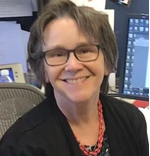 Susan Sprecher合作论文数Department of Sociology & Anthropology, Illinois State University2Stanford W. Granberry合作论文数2David B Nicholas合作论文数1Laura Ghali合作论文数1Russell C Morfitt合作论文数1terry cahill合作论文数1
 Alberto José Niituma Ogata合作论文数Sch Adm, Getulio Vargas Fdn1
 Norbert Schmitz合作论文数Division of Epidemiology, Biostatistics and Occupational Health, School of Population and Global Health, Faculty of Medicine and Health Sciences, McGill University1
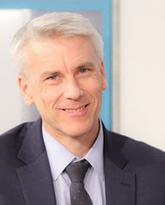 Scott B. Patten合作论文数Department of Community Health Sciences, Cumming School of Medicine, University of Calgary;Department of Psychiatry, Peter Lougheed Hospital1
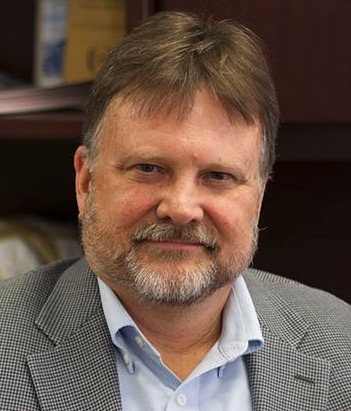 Jeffry Simpson合作论文数Department of Psychology, College of Liberal Arts, University of Minnesota;Center on the Demography of Aging, University of Minnesota1Bergmark R E合作论文数1Clarke Margaret合作论文数1
 Rodrigo Rodriguez-Fernandez合作论文数1Institute of Tropical Medicine and International Health, Charité-Universitätsmedizin1
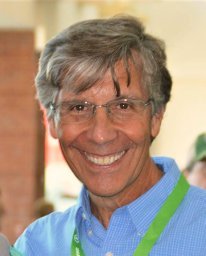 Joel B. Bennett合作论文数Organizational Wellness and Learning Systems USA USA1
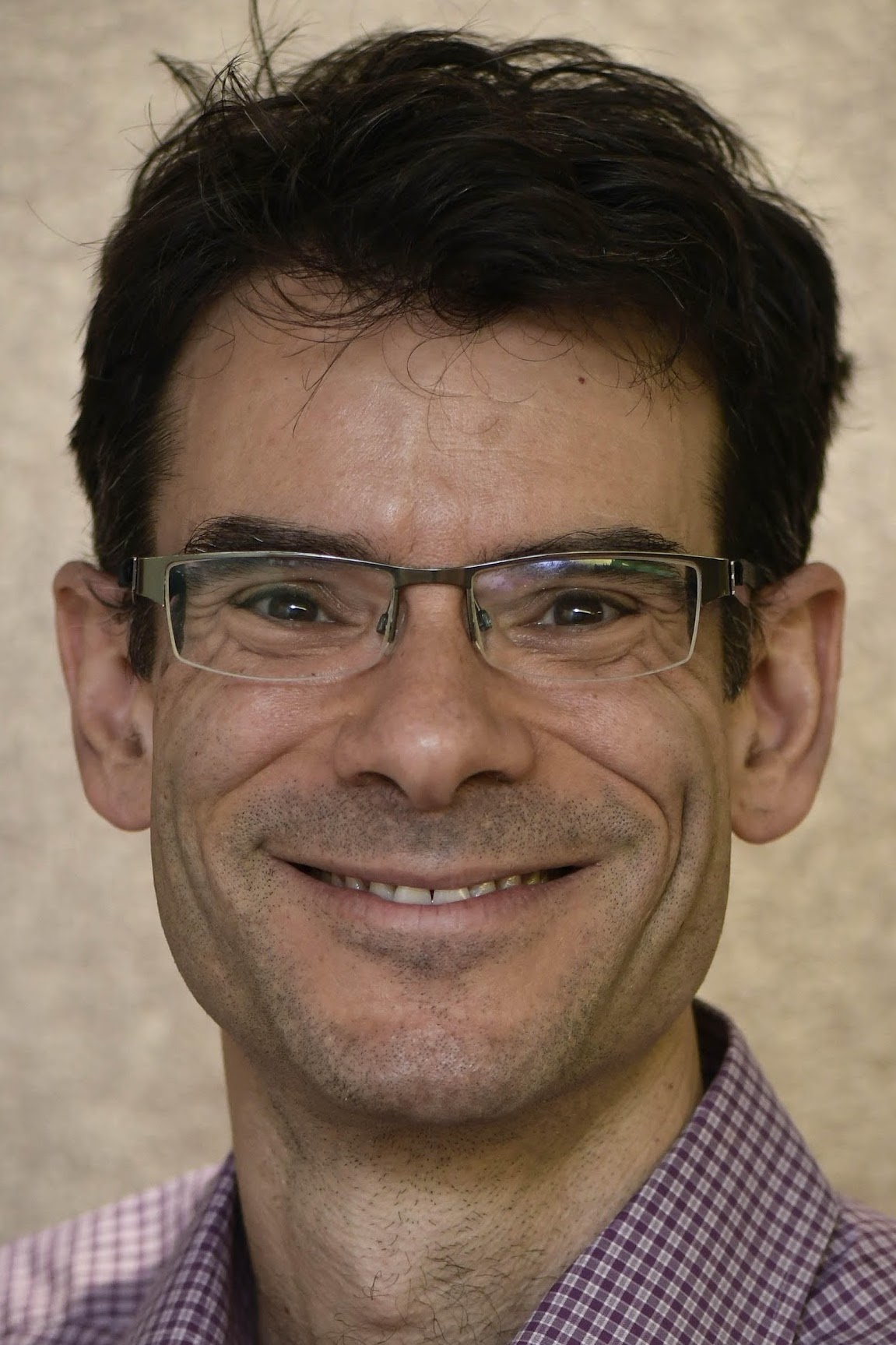 Lonnie Zwaigenbaum合作论文数Autism Research Centre, Department of Pediatrics, Faculty of Medicine and Dentistry, University of Alberta1
 Bob VandePol Msw合作论文数1
 James Campbell Quick合作论文数University of Texas at Arlington1
 Jessica Grossmeier合作论文数1
 Raymond W. Lam合作论文数Department of Psychiatry, Faculty of Medicine, The University of British Columbia1David Roseborough合作论文数1




