Building on previous research and theory on volunteerism, three pre-registered studies used message matching techniques to investigate the effects of self-focused messages (emphasizing the benefits to the volunteers) and other-focused messages (emphasizing the benefits to the recipients) and social status in promoting volunteerism. Participants, randomly assigned, read either self-focused messages or other-focused messages that contained information about an opportunity to volunteer to help people in poverty. Then, they completed a set of self-report measures on the prospect of volunteering, intentions to volunteer, attitudes toward volunteering, empathy toward the recipients, and anticipated costs of becoming a volunteer. They also reported their perceived social status and household income. However, we did not find evidence that matching self-focused messages to individuals of higher status and other-focused messages to lower status individuals promoted volunteerism. The overall pattern of results suggests only limited effects of message matching with self- and other-oriented motivations across individuals with differing socioeconomic backgrounds. Building on this overall pattern of findings, we discussed the roles of social status, volunteer experience, and persuasive messages in promoting volunteerism.
Persuasive messages are more effective when they are tailored to engage differences in people’s motivations—such as a person’s values or identity. This phenomenon is known as “motivational matching”. Yet, studies commonly confound the beneficial effects of matching with the detrimental effects of mismatching. We present a framework to disentangle these effects, and report two experiments (using samples of American adults) that demonstrate how mismatching actively reduces persuasion. In Study 1 (N=689), messages promoting volunteerism were substantially less successful to the extent that they contained elements that conflicted with people’s motivations to volunteer. In Study 2 (N=1,101), the detrimental effects of providing mismatched messages (e.g., presenting liberal individuals with appeals highlighting conservative values) were greater in magnitude than the benefits of providing matched messages (e.g., presenting liberal individuals with appeals highlighting liberal values). We discuss implications for theory and practice, including situations when generic/neutral messaging may outperform matching-based persuasion.
The intellectually gifted have been found to have higher levels of many prosocial dispositions, but there is limited evidence of increased prosocial behavior. The present research used existing and original datasets to examine relations between intellectual giftedness and prosocial behavior and dispositions. In Study 1, those identified as intellectually gifted engaged in more political and helping behaviors than those not identified as intellectually gifted. In Study 2, gifted-identified undergraduate students reported more prosocial behavior (e.g., volunteering and giving) than nonidentified students; however, there were no clear differences in dispositions (e.g., personality and motivation) between gifted-identified and nonidentified students. Implications of these consistent linkages between intellectual giftedness and engaging in prosocial behavior for future research and practical applications are discussed.
Abstract Volunteering and civic engagement function as important antecedents and consequences of generativity across many stages of the lifespan. This chapter reviews and discusses theorizing and research on the various roles of generativity in community engagement and volunteering. It investigates the intertwined relations of volunteerism, civic engagement, and generativity from the perspectives of three key roles of generativity. First, generative concern as an individual propensity predicts volunteering and community-oriented actions (i.e., civic prosocial behavior). Second, generative commitment (setting generative goals and striving to achieve them) can serve as the linking mechanism between individual traits and civic prosocial behavior. Third, it examines a burgeoning area of research on how the experience of engaging in civic prosocial behavior can increase generativity. Lastly, it discusses types of motivation that may underlie generativity and the ways that these motivations can contribute to developing interventions to promote prosocial behavior and civic engagement.
We examine how individual differences in self-focused and other-focused orientations relate to prosocial (e.g., helping, volunteerism) and antisocial (e.g., theft, violence) behaviours/attitudes. Using four datasets (total N = 176, 216; across 78 countries), we find that other-focused orientations (e.g., socially focused values, intimacy motivation, compassionate/communal traits) generally relate positively to prosocial outcomes and negatively to antisocial outcomes. These effects are highly consistent cross-nationally and across multiple ways of operationalizing constructs. In contrast, self-focused orientations (e.g., personally focused values, power motivation, assertive/agentic traits) tend to relate positively to both antisocial and prosocial outcomes. However, associations to prosocial outcomes vary substantially across nations and construct operationalizations. Overall, the effects of other-focused orientations are consistently larger than those of self-focused orientations. We discuss the implications of these findings for interventions that target self-focused and other-focused motivations to influence prosocial and antisocial outcomes.
Although research typically views voluntourism (travelling to take part in volunteerism) as a specialised case of tourism, this paper considers a complementary approach, viewing voluntourism as something of a specialised case of volunteering. Using data from the 2015 American Community Survey's Volunteer Supplement, we sought to discover whether there was a higher level of local prosocial behaviour by those who have taken part in voluntourism (as compared to those who have not taken part in voluntourism). We found support for this proposition; those who had taken part in voluntourism gave more time to volunteering (overall and to their main organisation), were more likely to have donated $25 or more to charity, and were more likely to have attended community meetings on public affairs (as compared to those who had not taken part in voluntourism). With only a single exception, these findings held up across both domestic and international voluntourism; attending community meetings on public affairs was not related to international voluntourism. Based on our results, we conclude that those who take part in voluntourism are also more involved in other, local forms of prosocial action. Individual and programme level implications for tourism practitioners are discussed.
THEORY:Medical pro bono, in which medical professionals provide no (or low) cost services, is one approach to addressing unmet healthcare needs. Prior efforts to understand who chooses to take part in pro bono and why they might do so have been primarily atheoretical in their approach. The current investigation focuses on students in medical school and draws on relevant theory and research in psychology to identify predictors of their intentions to engage in medical pro bono service during and after medical school.Hypotheses:Four major approaches to identifying predictors of medical pro bono are examined: the role of demographic variables as predictors of medical pro bono, conceptualizing medical pro bono as a form of volunteerism, viewing medical pro bono as an expression of personality, and medical pro bono as a reflection of role identities and expectations. Each of these approaches can be characterized as being about medical students' individual attributes or aspects of the situation they are in.METHODS:A total of 278 medical students from 15 different medical schools in the United States of America completed a web-based survey (8/4/2020-9/22/2020). The students completed measures of pro bono identity and expectations, intentions to engage in medical pro bono activities, prosocial personality, volunteer motivation, exposure to volunteering, general traits of personality, and demographic variables (in this order). We used linear regression analyses to separately predict three measures of intentions (general medical school intentions, intentions toward medical pro bono trips during medical school, and general post medical school intentions).RESULTS:The strongest predictors of intentions to engage in medical pro bono were one's identity and expectations related to pro bono. Medical students who had incorporated medical pro bono into aspects of their identity and/or considered medical pro bono to be an expectation indicated higher intentions to engage in medical pro bono work. Conversely, volunteer motivation/exposure, personality, and demographic variables were much weaker predictors of medical pro bono.CONCLUSIONS:The findings of the present study have implications for ways that medically oriented volunteering may be increased by individual-level interventions and/or changes in medical education. Individual-level interventions could leverage the importance of identity and expectations to craft persuasive messaging to appeal to identity and expectations as drivers of engagement in medical pro bono. Program level interventions could work toward the institutionalization of medical pro bono by the inclusion/promotion of medical pro bono into the program's co-curricular and/or extracurricular activities.
Mask-wearing, social distancing, and vaccination remain effective ways to mitigate the spread of COVID-19. Yet, many hesitate to enact some or all these preventive behaviors. We created three persuasive messages-framed to promote benefits to either (1) oneself, (2) close-others, or (3) distant-others-to determine whether the effectiveness of these messages varied based on personality differences (specifically independent/interdependent self-construal and chronic construal level). In two online experiments (N = 862), we measured individual differences and showed participants one of the three messages. Consistent interactions between interdependent self-construal and message conditions showed that those high in interdependent self-construal responded most positively to the self-focused messages promoting mask-wearing, social distancing, and COVID-19 vaccination. Those low in interdependent self-construal responded most negatively to the self-focused messages. Although no interaction effect was observed for independent self-construal, and inconsistent evidence emerged for construal level, other-focused messages performed either better or equally well to the self-focused messages for most participants and may thus be promising for future public health communication efforts.
Mask-wearing, social distancing, and vaccination remain effective ways to mitigate the spread of COVID-19. Yet, many hesitate to enact some or all these preventive behaviors. We created three persuasive messages—framed to promote benefits to either 1) oneself, 2) close-others, or 3) distant-others—to determine whether the effectiveness of these messages varied based on personality differences (specifically independent/interdependent self-construal and chronic construal level). In two online experiments (N = 862), we measured individual differences and showed participants one of the three messages. Consistent interactions between interdependent self-construal and message conditions showed that those high in interdependent self-construal responded most positively to the self-focused messages promoting mask-wearing, social distancing, and COVID-19 vaccination. Those low in interdependent self-construal responded most negatively to the self-focused messages. Although no interaction effect was observed for independent self-construal, and inconsistent evidence emerged for construal level, other-focused messages performed either better or equally well to the self-focused messages for most participants and may thus be promising for future public health communication efforts.
IT spending levels are returning from the Covid-induced highs of 2020. This is consistent with many other findings in 2021, including the percentage of organizations increasing both IT headcount and salaries. The top five IT management issues for organizations in 2021 were Cybersecurity, Alignment, Analytics, Digital Transformation and Compliance; the top five largest IT investments were Cloud, Analytics, Cybersecurity, Application Development and ERP; while the five hardest to find IT technical skills were Cybersecurity, Analytics, AI, Functional Knowledge and Cloud. The most common criteria for assessing CIO performance were User Satisfaction (Internal), Value of IT to the Business, Strategic Contribution of IT, IT Availability and Cybersecurity. The average tenure of CIOs is six years (median four) with almost 47% reporting to their CEO. A ten-year low of 22.6% report to their CFO. CIOs continue to come from outside organizations at record levels (again over 80%) and 24.1% came from prior non-IT positions, down significantly from the 2019 high of 31.1%.(1)
Message matching refers to the design and distribution of persuasive messages such that message features (e.g., the themes emphasized) align with characteristics of the target audience (e.g., their personalities). Motivational message matching is a form of this technique that seeks to enhance persuasion by matching specifically to differences in motivational characteristics (e.g., salient goals, needs, values). Despite widespread use of motivational matching, there is little understanding of how and when to use it. We conducted a preregistered (PROSPERO CRD42019116688; osf.io/rpjdg) systematic review and three-level meta-analysis of 702 experimental studies on motivational matching (synthesizing 5,251 effect sizes from N = 206,482). Studies were inclusive of publications until December 2018, and primarily identified using APA PsycInfo, MEDLINE, and Scopus. We evaluate moderation using meta-regressions, and provide bias assessments (sensitivity analyses, funnel plots). Motivational matching increases persuasion by an average of r = .20 (95% CI: .18, .22) as assessed by differences in attitudes, intentions, self-reported behavior, and observed behavior, relative to comparison conditions. This effect is larger than previously observed for other message matching approaches (e.g., message tailoring, message framing) which usually average r < .10. Although motivational matching can effectively improve persuasion, its effects are also marked by meaningful heterogeneity. Notably, motivational matching effects are largest when matching to contextual factors (than to individual differences), when compared to messages that conflict with people’s motivations, and when target characteristics are manipulated rather than assessed. Through this review, we develop and evaluate theoretical propositions that inform the optimization of motivational matching.
The high-temperature processing and organic solvents used in the synthesis of heterojunction photocatalysts is a challenge for the large-scale manufacturing that will be necessary for impact at the societal scale. While syntheses under more benign conditions have been demonstrated, the resulting material performance is often not competitive. Herein, we demonstrate the controlled, aqueous phase, and ambient temperature biomineralization-based synthesis of nanocrystalline CdS/ZnS core/shell hydrogen evolution photo catalysts using a purified form of the enzyme, cystathionine gamma-lyase. Photocatalytic hydrogen evolution measurements show that controlled Zn2+-based passivation of the surface of CdS improves the hydrogen evolution activity from 1300 mu mol h(-1) g(-1) to 3200 mu mol h(-1) g(-1) in the presence of a Na2S/Na2SO3 sacrificial reagent, which is on par with reported hydrogen evolution rates of CdS/ZnS core/shell photocatalysts synthesized through traditional chemical routes. The steady-state photoluminescence (PL) intensity and PL lifetime measurements coupled with energy-dispersive X-ray spectroscopy indicate that Zn2+ passivates the surface of biomineralized CdS nanocrystals, with the extent of passivation controlled by the concentration of the zinc precursor added directly to the synthesis solution. Photodeposition of a platinum cocatalyst onto the highest-performing CdS/ZnS photocatalyst further boosts the hydrogen evolution rate to 7200 mu mol h(-1) g(-1) in the presence of a Na2S/Na2SO3 sacrificial reagent, establishing biomineralization as an effective platform for the controlled synthesis of high-performing heterojunction hydrogen evolution photocatalysts.
These are the findings of the Society for Information Management's 40th Anniversary IT Issues and Trends Study, with responses from 1,005 IT executives, including 345 CIOs and 624 unique organizations. The average revenue of participating organizations was $5.4 billion (median $420 million). IT spending, as a percentage of revenue, was 6.9%, the highest figure in ten years and 27% higher than in 2019. Average IT spending in 2020 was $372.6 million. The percentage of organizations decreasing IT spending more than doubled. Most reported increases in both head count and employee salaries, which were, however, less than in recent years. These and many other findings were likely affected by the Covid-19 pandemic. The top five IT management issues in 2020 were Cybersecurity, Alignment of IT with the Business, Data Analytics, Digital Transformation, and Compliance & Regulations, unchanged from 2019. The top five largest IT investments were also largely unchanged: Cloud Computing, Data Analytics, Cybersecurity, Application Development and CRM. Use of cloud services continued to increase, almost doubling in the last five years, and Cybersecurity continues to be a concern. The most common criteria for assessing CIO performance were User Satisfaction (Internal), Value of IT to the Business, Contribution of IT to Strategy, IT Cost Control and Cybersecurity. The average tenure of CIOs remains a little over six years, with almost 47% reporting to the CEO and over 26% to the CFO, the former down and the latter up since 2019. Continuing trends are for CIOs to come from outside the organization (now over 80%) and from non-IT positions (now nearly a quarter). successfully.(1)
This cross-sectional study aimed to describe the association between medication experiences and beliefs and self-reported medication adherence in patients with chronic diseases in two different samples from two different societies: the USA and the Sultanate of Oman. The Morisky Medication Adherence Score (MMAS-8) questionnaire was used to measure medication adherence. Three items (statements) were used for measuring medication experiences and beliefs variable on a four-point Likert scale adapted from the 2015 National Consumer Survey of the Medication Experience and Pharmacists’ Role (NCSME&PR). In the U.S., quantitative secondary data analysis of 13,731 participants was conducted using the 2015 NCSME&PR, a self-administered online survey coordinated by Qualtrics Panels between 28 April 2015 and 22 June 2015. The same variables were translated into Arabic, with studies conducted at the Royal Court Medical Center in Oman, and data from 714 participants were collected between 16 June 2019 and 16 August 2019. Data were analyzed using IMB/SPSS version 24.0 software. Chi-square analysis and descriptive statistics were used. The results showed that the low adherence rates for medication (MMAS-8 < 6) were 56% and 52% in Omani and U.S. groups, respectively. Approximately 90% of the U.S. and Omani participants believed that “medicines are a life-saver”; however, medication adherence was higher in Oman (30%) than in the United States (9%) for these participants. In total, 60% of the U.S. and 29% of Omani participants believed that “medicines are a burden”; however, about 60–65% of participants in both countries were in the low medication adherence group. Additionally, 63% of the U.S. and 83% of the Omani participants disagreed that “medicines do more harm than good”; however, medication adherence in the U.S. (15%) was higher than in Oman (8%). In conclusion, a decrease in low medication adherence was observed with positive medication experiences and beliefs. However, the impacts of medication experiences and beliefs on low medication adherence rates were different from one population to another. The “medication burden” statement resulted in the highest percentage of difference in terms of low medication adherence rates between those who agree and those who disagree in the U.S. group (20%), whereas the “medicines are a life-saver” statement resulted in a greater difference in the Omani group (30%). Proper communication between patients and healthcare providers based on the patient’s medication experiences and beliefs will substantially improve medication adherence.
Matching messages to characteristics of individuals is a frequently used technique in persuasion research. However, these interventions rarely target high-impact, difficult sustainability behaviors. In four studies, we present participants with persuasive messages consistent (or inconsistent) with their political beliefs; these messages advocate for a variety of pro-environmental attitudes and behaviors (e.g., voting, diet). Generally, we find that messages consistent with an individual's political orientation elicit more pro-environmental attitudes and behavioral intentions, but these matching effects are limited only to the attitudinal and behavioral domains specifically mentioned in the message (i.e. there is no spillover into other attitudinal or behavioral domains). Practical implications and future directions are discussed.
 Allen M. Omoto合作论文数Claremont Grad Univ41
 Arthur Stukas合作论文数School of Psychological Science, La Trobe University26
 Patrick Dwyer合作论文数Univ Calif Davis22
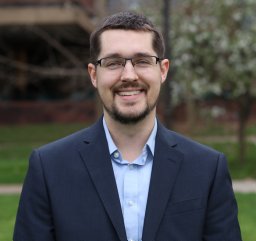 Alexander Maki合作论文数Vanderbilt University14
 Michael Tsapatsis合作论文数Department of Chemical and Biomolecular Engineering, Whiting School of Engineering, Johns Hopkins University14E. Gil Clary合作论文数14
 Keven Joyal-Desmarais合作论文数10
 Paul Fuglestad合作论文数10
 Klein Olivier合作论文数Research Centre for Social and Intercultural Psychology, Université Libré de Bruxelles9
 Steven Gangestad合作论文数Department of Psychology, College of Arts & Sciences, University of New Mexico9Clelia Anna Mannino合作论文数8John S. Kim合作论文数8
 Loren Terveen合作论文数GroupsLens Research Lab, Department of Computer Science and Engineering, College of Science and Engineering, University of Minnesota;Division of Human-Centered Computing, Department of Computer Science and Engineering, College of Science and Engineering, University of Minnesota8Eg Clary合作论文数7Jennifer Filson Moses合作论文数7
 Dionisios G. Vlachos合作论文数Department of Chemical and Biomolecular Engineering, College of Engineering, University of Delaware;Catalysis Center for Energy Innovation, University of Delaware7Alexandra Scharmer合作论文数Department of Psychology, University of Minnesota6
 Marc T Kiviniemi合作论文数SUNY Buffalo6
 Jeffry Simpson合作论文数Department of Psychology, College of Liberal Arts, University of Minnesota;Center on the Demography of Aging, University of Minnesota6
 Ellen S. Berscheid合作论文数Department of Psychology, College of Liberal Arts, University of Minnesota6
 Stefan Sturmer合作论文数Institut für Psychologie, FernUniversität Hagen6Tracy M. Davis合作论文数6
 Chris Maurer合作论文数Univ Virginia5
 Russell Torres合作论文数5
 Alexander J Rothman合作论文数College of Liberal Arts, University of Minnesota5
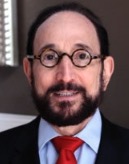 Leon A. Kappelman合作论文数G. Brint Ryan College of Business, University of North Texas;Solutions-Organizations-Systems, Inc.;North Texas Cyber Fraud Task Force5Julie A. Haugen合作论文数5
 Vess Johnson合作论文数Nascentric, Inc.5Rich Davies合作论文数4
 Katia Guerra合作论文数Boise State Univ4
 Robert D. Ridge合作论文数4
 William B. Swann合作论文数Department of Psychology, University of Texas at Austin4
 Theresa Vescio合作论文数4
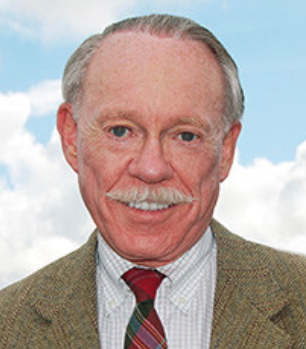 Ephraim McLean合作论文数Georgia State University4Kg Debono合作论文数3Larry J Cummings合作论文数3Peter D. Ascher合作论文数3Joshua Braverman合作论文数3Hyun Euh合作论文数Univ Minnesota, Minneapolis, MN 55455 USA3Kevin Kim合作论文数3Denny Schrock合作论文数Iowa State Univ3
 Christopher J. Kiely合作论文数Department of Materials Science and Engineering, P.C. Rossin College of Engineering and Applied Science, Lehigh University3
 Mark Van Vugt合作论文数Social and Organizational Psychology Group, Vrije Universiteit Amsterdam/Department of Politics, University of Oxford3
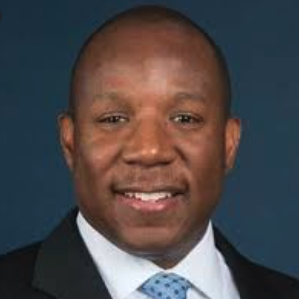 Robert Livingston合作论文数Harvard Kennedy School, Harvard University3Kay Deaux合作论文数3
 John E. Transue合作论文数3Nathalie Scaillet合作论文数3
 Mary Hockenberry Meyer合作论文数Department of Horticultural Science, University of Minnesota3
 Jeetain Mittal合作论文数Artie McFerrin Department of Chemical Engineering, College of Engineering, Texas A&M University3




