Global declines in aquatic biodiversity are driven by the confluence of chemical pollution, pathogens, and climate change. Although organisms experience diurnal temperature fluctuations (DTFs) in natural habitats, standard risk assessments typically rely on constant thermal regimes, potentially obscuring lethal synergies. Building on our previous field surveys confirming the co-occurrence of juvenile kuruma prawns (Penaeus japonicus) carrying white spot syndrome virus (WSSV) and ecologically relevant insecticide concentrations in estuarine areas of eastern Japan, we utilized a full-factorial design to expose prawns to three stressors: WSSV (infected or uninfected), fipronil (0 or 0.1 μg L⁻1; 14-day exposure), and three DTF regimes (20–25°C, 20–30°C, and 25–30°C). Mortality rates were significantly elevated in the WSSV + fipronil treatments at both 20–30°C and 25–30°C relative to those under the 20–25°C regime. Crucially, the daily maximum temperature (30°C), rather than the fluctuation amplitude, drove this enhanced toxicity. While significant variations in internal viral and insecticide burdens were observed, metabolomic profiling identified severe perturbations in energy metabolism as the primary driver of lethality. These findings suggest that transient exposure to thermal extremes triggers a fatal energetic deficit in multi-stressed organisms. The present study demonstrates that realistic DTFs must be integrated into ecological risk assessments to accurately predict the impacts of climate change on aquatic pathosystems.
What makes living things special is how they manage matter, energy, and entropy. A general theory of organismal metabolism should therefore be quantified in these three currencies while capturing the unique way they flow between individuals and their environments. We argue that such a theory has quietly arrived – 'Dynamic Energy Budget' (DEB) theory – which conceptualises organisms as a series of macrochemical reactions that use energy to transform food into structured biomass and bioproducts while producing entropy. We show that such conceptualisation is deeply rooted in thermodynamic principles and that, with the help of a small set of biological assumptions, it underpins the emergence of fundamental ecophysiological phenomena, most notably the three-quarter power scaling of metabolism. Building on the subcellular nature of the theory, we unveil the eco-evolutionary relevance of coarse-graining biomass into qualitatively distinct, stoichiometricially fixed pools with implicitly regulated dynamics based on surface area-volume relations. We also show how generalised enzymes called 'synthesising units' and an information-based state variable called 'maturity' capture transitions between ecological and physiological metabolic interactions, and thereby transitions between unicellular and multicellular metabolic organisation. Formal theoretical frameworks make the constraints imposed by the laws of nature explicit, which in turn leads to better research hypotheses and avoids errors in reasoning. DEB theory uniquely applies thermodynamic formalism to organismal metabolism, linking biological processes across different scales through the transformation of matter and energy, the production of entropy, and the exchange of information. We propose ways in which the theory can inform trans-disciplinary efforts at the frontiers of the life sciences.
Growing concerns have emerged over the combined effects of multiple stressors on ecosystems. Empirical evidence shows that the sensitivity of aquatic invertebrates to insecticides varies under thermally fluctuating conditions. Additionally, field surveys in estuarine areas of western Japan confirmed the presence of juvenile kuruma prawns (Penaeus japonicus) carrying the white spot syndrome virus (WSSV). Given the potential of co-exposure to multiple stressors, we performed a combined exposure experiment using a full-factorial design with three stressors: WSSV infection (presence or absence: initial 2 h exposure), fipronil (insecticide) exposure (0 or 0.1 μg/L: 14 d exposure), and temperature (20, 25, or 30 °C). We observed the highest mortality (75 %) in the WSSV + Fipronil treatment at 30 °C, with the associated specimens showing significant changes in the internal load of WSSV and concentrations of fipronil and its metabolite, fipronil sulfone. Severe perturbations of metabolites associated with increased energy expenditure and fatty acid utilization have been identified as potential factors underlying lethality in juvenile kuruma prawns. The results demonstrate that WSSV infection increases the susceptibility of thermally stressed juvenile kuruma prawns to fipronil. Therefore, further studies are required to determine the combined effects of multiple stressors in environmentally relevant scenarios on juvenile kuruma prawns as well as in estuarine ecosystems.
Tuna and billfish are charismatic pelagic fishes attracting considerable scientific attention due to their ecophysiological and socioeconomic importance. However, the knowledge of their basin-wide spawning and larval habitats, especially in a warming ocean, is limited. We use the largest available dataset on tuna and billfish larvae in the Pacific Ocean to build a geostatistical species-distribution model with high explanatory power. The results reveal the spatial distribution of tuna and billfish larvae through all seasons across the Pacific. The model also identifies the optimal temperature ranges for nine major species and assesses the potential impact of ocean warming on larval distributions. We additionally present evidence that environmental variables, such as pH, phosphate concentration, and sea-surface height, exert secondary effects on larval distributions that warrant further investigation. Our findings make a quantum leap in understanding the ecophysiology of tuna and billfish, providing valuable information for future conservation efforts.
Catch-and-effort data are among the primary sources of information for assessing the status of terrestrial wildlife and fish. In fishery science, elaborate stock-assessment models are fitted to such data in order to estimate fish-population sizes and guide management decisions. Given the importance of catch-and-effort data, we scoured a comprehensive dataset pertaining to albacore tuna (Thunnus alalunga) in the north Pacific Ocean for novel ecological information content about this commercially valuable species. Specifically, we used unsupervised learning based on finite mixture modelling to reveal that the north Pacific albacore-tuna stock can be divided into four pseudo-cohorts. We discovered that smaller body mass pseudo-cohorts inhabit relatively high-subtropical to temperate-latitudes, with hotspots off the coast of Japan. Larger body mass pseudo-cohorts inhabit lower-tropical to subtropical-latitudes, with hotspots in the western and central north Pacific. These results offer evidence that albacore tuna prefer different habitats depending on their body mass, and point to long-term migratory routes for the species that the current tagging technology is unlikely to capture in full. We discuss the implications of the results for data-driven modelling of albacore tuna in the north Pacific, as well as the management of the north Pacific albacore-tuna fishery.
Recent decades have seen a rise in the use of physics methods to study different societal phenomena. This development has been due to physicists venturing outside of their traditional domains of interest, but also due to scientists from other disciplines taking from physics the methods that have proven so successful throughout the 19th and the 20th century. Here we dub this field 'social physics' and pay our respect to intellectual mavericks who nurtured it to maturity. We do so by reviewing the current state of the art. Starting with a set of topics that are at the heart of modern human societies, we review research dedicated to urban development and traffic, the functioning of financial markets, cooperation as the basis for our evolutionary success, the structure of social networks, and the integration of intelligent machines into these networks. We then shift our attention to a set of topics that explore potential threats to society. These include criminal behaviour, large-scale migrations, epidemics, environmental challenges, and climate change. We end the coverage of each topic with promising directions for future research. Based on this, we conclude that the future for social physics is bright. Physicists studying societal phenomena are no longer a curiosity, but rather a force to be reckoned with. Notwithstanding, it remains of the utmost importance that we continue to foster constructive dialogue and mutual respect at the interfaces of different scientific disciplines.
A core challenge in global change biology is to predict how species will respond to future environmental change and to manage these responses. To make such predictions and management actions robust to novel futures, we need to accurately characterize how organisms experience their environments and the biological mechanisms by which they respond. All organisms are thermodynamically connected to their environments through the exchange of heat and water at fine spatial and temporal scales and this exchange can be captured with biophysical models. Although mechanistic models based on biophysical ecology have a long history of development and application, their use in global change biology remains limited despite their enormous promise and increasingly accessible software. We contend that greater understanding and training in the theory and methods of biophysical ecology is vital to expand their application. Our review shows how biophysical models can be implemented to understand and predict climate change impacts on species' behavior, phenology, survival, distribution, and abundance. It also illustrates the types of outputs that can be generated, and the data inputs required for different implementations. Examples range from simple calculations of body temperature at a particular site and time, to more complex analyses of species' distribution limits based on projected energy and water balances, accounting for behavior and phenology. We outline challenges that currently limit the widespread application of biophysical models relating to data availability, training, and the lack of common software ecosystems. We also discuss progress and future developments that could allow these models to be applied to many species across large spatial extents and timeframes. Finally, we highlight how biophysical models are uniquely suited to solve global change biology problems that involve predicting and interpreting responses to environmental variability and extremes, multiple or shifting constraints, and novel abiotic or biotic environments.
Patterns in nature are fascinating both aesthetically and scientifically. Alan Turing’s celebrated reaction–diffusion model of pattern formation from the 1950s has been extended to an astounding diversity of applications: from cancer medicine, via nanoparticle fabrication, to computer architecture. Recently, several authors have studied pattern formation in underlying networks, but thus far, controlling a reaction–diffusion system in a network to obtain a particular pattern has remained elusive. We present a solution to this problem in the form of an analytical framework and numerical algorithm for optimal control of Turing patterns in networks. We demonstrate our method’s effectiveness and discuss factors that affect its performance. We also pave the way for multidisciplinary applications of our framework beyond reaction–diffusion models.
Reconstructing complex networks from observed data is a fundamental problem in network science. Compressive sensing, widely used for recovery of sparse signals, has also been used for network reconstruction under the assumption that networks are sparse. However, heterogeneous networks are not exactly sparse. Moreover, when using compressive sensing to recover signals, the projection matrix is usually a random matrix that satisfies the restricted isometry property (RIP) condition. This condition is much harder to satisfy during network reconstruction because the projection matrix depends on time-series data of network dynamics. To overcome these shortcomings, we devised a novel approach by adapting the alternating direction method of multipliers to find a candidate adjacency matrix. Then we used clustering to identify high-degree nodes. Finally, we replaced the elements of the candidate adjacency vectors of high-degree nodes, which are likely to be incorrect, with the corresponding elements of small-degree nodes, which are likely to be correct. The proposed method thus overcomes the shortcomings of compressive sensing and is suitable for reconstructing heterogeneous networks. Experiments with both artificial scale-free and empirical networks showed that the proposed method is accurate and robust.
There is a growing focus on species’ traits in ecology, including initiatives to integrate trait data into biodiversity databases. This focus is motivated in part by a need to develop better predictive capacity for how species respond to environmental change. In this context, one is interested in functional traits – i.e. those with a defined link to environmental variability. This leads immediately to the questions of which traits to prioritise and how to characterise them. Here we argue that this can be achieved with greatest clarity by letting traits be defined by the equations of theoretical models that link individuals to their environments, i.e. mechanistic niche models. We illustrate this approach using the biophysical equations of heat and water exchange, and the metabolic equations of ontogentic growth. From this we derive a schema for a functional trait database that provides a high level of generality and consistency across taxa, and hooks into integrated predictive modelling frameworks. We argue that functional trait attribution at levels above the individual are unhelpful, but discuss how inferences can be made from individual-level functional trait data to populations and species.
The decision of whether or not to vaccinate is a complex one. It involves the contribution both to a social good—herd immunity—and to one’s own well-being. It is informed by social influence, personal experience, education, and mass media. In our work, we investigate a situation in which individuals make their choice based on how social neighbourhood responded to previous epidemics. We do this by proposing a minimalistic model using components from game theory, network theory and the modelling of epidemic spreading, and opinion dynamics. Individuals can use the information about the neighbourhood in two ways—either they follow the majority or the best-performing neighbour. Furthermore, we let individuals learn which of these two decision-making strategies to follow from their experience. Our results show that the flexibility of individuals to choose how to integrate information from the neighbourhood increases the vaccine uptake and decreases the epidemic severity if the following conditions are fulfilled. First, the initial fraction of individuals who imitate the neighbourhood majority should be limited, and second, the memory of previous outbreaks should be sufficiently long. These results have implications for the acceptance of novel vaccines and raising awareness about vaccination, while also pointing to promising future research directions.
We study the evolutionary dynamics of the Prisoner’s Dilemma game in which cooperators and defectors interact with another actor type called exiters. Rather than being exploited by defectors, exiters exit the game in favour of a small pay-off. We find that this simple extension of the game allows cooperation to flourish in well-mixed populations when iterations or reputation are added. In networked populations, however, the exit option is less conducive to cooperation. Instead, it enables the coexistence of cooperators, defectors, and exiters through cyclic dominance. Other outcomes are also possible as the exit pay-off increases or the network structure changes, including network-wide oscillations in actor abundances that may cause the extinction of exiters and the domination of defectors, although game parameters should favour exiting. The complex dynamics that emerges in the wake of a simple option to exit the game implies that nuances matter even if our analyses are restricted to incentives for rational behaviour.
Lei Shi1,2,∗ Chen Shen, Libin Jin, Qi Shi, Zhen Wang, Marko Jusup, and Stefano Boccaletti 1. School of Statistics and Mathematics, Yunnan University of Finance and Economics, Kunming, 650221, China. 2. Interdisciplinary Research Institute of Data Science, Shanghai Lixin University of Accounting and Finance, Shanghai 201209, China. 3. Center for OPTical IMagery Analysis and Learning (OPTIMAL), Northwestern Polytechnical University, Xi’an 710072, China. 4. CNR Institute for Complex Systems, Via Madonna del Piano 10, 50019 Florence, Italy. 5. Unmanned Systems Research Institute, Northwestern Polytechnical University, Xi’an, 710072, China. 6. Tokyo Tech World Hub Research Initiative (WRHI), Institute for Innovative Research, Tokyo Institute of Technology, 152-8550 Tokyo, Japan. 7. Moscow Institute of Physics and Technology, Institutskiy per., Dolgoprudny, Moscow Region, 141701 Russia. (Dated: April 7, 2021)
β cells are biologically essential for humans and other vertebrates. Because their functionality arises from cell-cell interactions, they are also a model system for collective organization among cells. There are currently two contradictory pictures of this organization: the hub-cell idea pointing at leaders who coordinate the others, and the electrophysiological theory describing all cells as equal. We use new data and computational modeling to reconcile these pictures. We find via a network representation of interacting β cells that leaders emerge naturally (confirming the hub-cell idea), yet all cells can take the hub role following a perturbation (in line with electrophysiology).
On Oshima Peninsula, Hokkaido, Japan, recent trends concerning the intrusions of the brown bear into crop fields and a subsequent increase in agricultural damage have highlighted the need for new and more effective population management strategies. To devise such strategies, we constructed a population dynamics model for adult females, based on bear aggressiveness and human-bear interactions. The results of the analysis indicate that an adaptive management strategy successfully reduces the risk of management failure. In Shiretoko World Heritage site, also Hokkaido, wild bears become a nuisance by interacting with photographers who visit the area. Through such interactions, bears get used to the presence of people, and due to a lack of fear, may eventually exhibit aggressive behavior. Managing bear populations, therefore, also demands managing people. To further exacerbate the situation, the human–wildlife conflict has spilled from national parks to metropolitan areas. Ban on hunting does not help either.The human–wildlife conflict is common in both developing and developed countries. African elephant ivory has historically achieved a high price that subsequently caused a dramatic fall in the population between 1979–1989. Elephants were listed in CITES Appendix I in 1989. Populations in southern Africa have since rebounded and, despite an increase in poaching and smuggling after the ban on exports, they have been downgraded to Appendix II. It is not the case that humans exclusively threaten elephants. In Tanzania, for example, dozens of people annually get mauled by elephants, with the human–elephant conflict generally being more critical around nature reserves. In Europe and the United States, thriving trophy hunting turned out to be a powerful means of managing damage caused by animals. Developing countries sometimes seek to mimic this positive effect, for example, by game hunting for elephants and tigers.Wild animal meat (bushmeat), fish, shellfish, and even insects are important protein sources, especially in poorer areas of the world, such as sub-Saharan Africa. Therefore, there is no alternative to making use of wildlife for food more sustainable, while managing the human–wildlife conflict. The same holds for farmland, which is usually the land that had once been occupied by wild birds or beasts before being taken over by human inhabitants. If farming is to coexists with wild birds and beasts, some level of the human–wildlife conflict is inevitable in agriculture, as well as in forestry and fisheries. People are inseparable from the biosphere, and thus not only use wildlife but are sometimes being used by wildlife too. Under the Convention on Biological Diversity, the basis of nature conservation is that there are ecosystem services or nature’s contribution to people that promote human well-being. This leads to the idea of Sustainable Development Goals.
Public goods, ranging from judiciary to sanitation to parkland, permeate daily life. They have been a subject of intense interdisciplinary study, with a traditional focus being on participation levels in isolated public goods games (PGGs) as opposed to a more recent focus on participation in PGGs embedded into complex social networks. We merged the two perspectives by arranging voluntary participants into one of three network configurations, upon which volunteers played a number of iterated PGGs within their network neighborhood. The purpose was to test whether the topology of social networks or a freedom to express preferences for some local public goods over others affect participation. The results show that changes in social networks are of little consequence, yet volunteers significantly increase participation when they freely express preferences. Surprisingly, the increase in participation happens from the very beginning of the game experiment, before any information about how others play can be gathered. Such information does get used later in the game as volunteers seek to correlate contributions with higher returns, thus adding significant value to public goods overall. These results are ascribable to a small number of behavioral phenotypes, and suggest that societies may be better off with bottom-up schemes for public goods provision.
What do corruption, resource overexploitation, climate inaction, vaccine hesitancy, traffic congestion, and even cancer metastasis have in common? All these socioeconomic and sociobiological phenomena are known as social dilemmas because they embody in one form or another a fundamental conflict between immediate self-interest and long-term collective interest. A shortcut to the resolution of social dilemmas has thus far been reserved solely for highly stylised cases reducible to dyadic games (e.g., the Prisoner's Dilemma), whose nature and outcome coalesce in the concept of dilemma strength. We show that a social efficiency deficit, measuring an actor's potential gain in utility or fitness by switching from an evolutionary equilibrium to a social optimum, generalises dilemma strength irrespective of the underlying social dilemma's complexity. We progressively build from the simplicity of dyadic games for which the social efficiency deficit and dilemma strength are mathematical duals, to the complexity of carcinogenesis and a vaccination dilemma for which only the social efficiency deficit is numerically calculable. The results send a clear message to policymakers to enact measures that increase the social efficiency deficit until the strain between what is and what could be incentivises society to switch to a more desirable state.
Collective risks permeate society, triggering social dilemmas in which working toward a common goal is impeded by selfish interests. One such dilemma is mitigating runaway climate change. To study the social aspects of climate-change mitigation, we organized an experimental game and asked volunteer groups of three different sizes to invest toward a common mitigation goal. If investments reached a preset target, volunteers would avoid all consequences and convert their remaining capital into monetary payouts. In the opposite case, however, volunteers would lose all their capital with 50% probability. The dilemma was, therefore, whether to invest one's own capital or wait for others to step in. We find that communicating sentiment and outlook helps to resolve the dilemma by a fundamental shift in investment patterns. Groups in which communication is allowed invest persistently and hardly ever give up, even when their current investment deficits are substantial. The improved investment patterns are robust to group size, although larger groups are harder to coordinate, as evidenced by their overall lower success frequencies. A clustering algorithm reveals three behavioral types and shows that communication reduces the abundance of the free-riding type. Climate-change mitigation, however, is achieved mainly by cooperator and altruist types stepping up and increasing contributions as the failure looms. Meanwhile, contributions from free riders remain flat throughout the game. This reveals that the mechanisms behind avoiding collective risks depend on an interaction between behavioral type, communication, and timing.
Cooperation is the backbone of modern human societies, making it a priority to understand how successful cooperation-sustaining mechanisms operate. Cyclic dominance, a non-transitive set-up comprising at least three strategies wherein the first strategy overrules the second, which overrules the third, which, in turn, overrules the first strategy, is known to maintain biodiversity, drive competition between bacterial strains, and preserve cooperation in social dilemmas. Here, we present a novel route to cyclic dominance in voluntary social dilemmas by adding to the traditional mix of cooperators, defectors and loners, a fourth player type, risk-averse hedgers, who enact tit-for-tat upon paying a hedging cost to avoid being exploited. When this cost is sufficiently small, cooperators, defectors and hedgers enter a loop of cyclic dominance that preserves cooperation even under the most adverse conditions. By contrast, when the hedging cost is large, hedgers disappear, consequently reverting to the traditional interplay of cooperators, defectors, and loners. In the interim region of hedging costs, complex evolutionary dynamics ensues, prompting transitions between states with two, three or four competing strategies. Our results thus reveal that voluntary participation is but one pathway to sustained cooperation via cyclic dominance.
Residing in the islets of Langerhans in the pancreas, beta cells contribute to glucose homeostasis by managing the body’s insulin supply. A circulating hypothesis has been that healthy beta cells heavily engage in cell-to-cell communication to perform their homeostatic function. We provide strong evidence in favor of this hypothesis in the form of (i) a dynamical network model that faithfully mimics fast calcium oscillations in response to above-threshold glucose stimulation and (ii) empirical data analysis that reveals a qualitative shift in the cross-correlation structure of measured signals below and above the threshold glucose concentration. Combined together, these results point to a glucose-induced transition in beta-cell activity thanks to increasing coordination through gap-junctional signaling and paracrine interactions. The model further suggests how the conservation of entire cell-cell conductance, observed in coupled but not uncoupled beta cells, emerges as a collective phenomenon. An overall implication is that improving the ability to monitor beta-cell signaling should offer means to better understand the pathogenesis of diabetes mellitus.
 Zhen Wang (王震)合作论文数School of Artifcial Intelligence, OPtics and ElectroNics, Northwestern Polytechnical University28
 Tin Klanjscek合作论文数Biology Department, Woods Hole Oceanographic Institution15
 Boris Podobnik合作论文数Zagreb School of Economics and Management, Zagreb School of Economics and Management11
 Nina Marn合作论文数10
 Tarzan Legović合作论文数Biological Institute9
 Xuelong Li (李学龙)合作论文数Institute of Artificial Intelligence, China Telecom8
 Sebastiaan Adriaan Louis Maria Kooijman (Sebastiaan A. L. M. Kooijman)合作论文数Department of Theoretical Biology, Faculty of Earth and Life Sciences, Vrije Universiteit Amsterdam8
 Petter Holme合作论文数Department of Computer Science, Aalto University;Center for Computational Social Science, Kobe University7
 Stefano Boccaletti合作论文数Istituto dei Sistemi Complessi, Consiglio Nazionale delle Ricerche;Italian Embassy in Israel7
 H. Eugene Stanley合作论文数Department of Physics, College of Engineering, Boston University6
 Matjaž Perc合作论文数Complex Systems Center, University of Maribor6
 Yoh Iwasa (巌佐庸)合作论文数Department of Biology, Faculty of Science, Kyushu University;RIKEN Center for Interdisciplinary Theoretical and Mathematical Sciences6
 Velimir Labinac合作论文数6
 Hiroyuki Matsuda合作论文数5
 Jun Tanimoto合作论文数Department of Advanced Environmental Science and Engineering, Faculty of Engineering Sciences, Kyushu University5Sunčana Geček合作论文数R. Bošković Institute5
 Ivan Romić合作论文数Grad Sch Econ, Osaka City Univ4
 Chao Gao (高超)合作论文数School of Artificial Intelligence, OPtics and ElectroNics, Northwestern Polytechnical University4
 Tania Patricia Marques de Sousa合作论文数3
 Song Zhao合作论文数Dept Mech & Mechatron Engn, Univ Waterloo3Hirotaka Ijima合作论文数National Research Institute of Far Seas Fisheries3Daniel Schenz合作论文数Graduate School of Life Science, Hokkaido University3
 Chen Liu (刘晨)合作论文数School of Ecology and Environment, Northwestern Polytechnical University3
 Madeleine Beekman合作论文数Behaviour, Ecology and Evolution Lab, Faculty of Science, University of Sydney3
 Zili Zhang (张自力)合作论文数College of Computer and Information Science, Southwest University;School of Software, Southwest University3Lee Joung Hun合作论文数3
 Yamir Moreno合作论文数Institute for Biocomputation and Physics of Complex Systems, University of Zaragoza;Department of Theoretical Physics, Faculty of Sciences, University of Zaragoza;CENTAI Institute3
 Chen Shen合作论文数National Institute of Standards and Technology3
 Lei Shi (石磊)合作论文数School of Statistics and Mathematics, Yunnan University of Finance and Economics3
 Tiago Domingos合作论文数DEM, Instituto Superior Técnico3
 Toshiyuki Nakagaki合作论文数Hokkaido University Research Institute for Electronic Science3
 Shingo Iwami合作论文数Department of Mathematical Sciences, Osaka Prefecture University3
 Marjan Slak Rupnik合作论文数Institute of Physiology, Center for Physiology and Pharmacology, Medical Science Divisions, Medical University of Vienna;Alma Mater Europaea - Evropski Center Maribor2Umika Ohta合作论文数2Anne Elise Nieblas合作论文数2
 Danyang Jia合作论文数Sch Mech Engn, Northwestern Polytech Univ2
 Hao Guo合作论文数Shanghai AI Laboratory, China Shanghai AI Laboratory2
 Madeleine Beekman合作论文数School of Life and Environmental Sciences, Faculty of Science, The University of Sydney2
 Keke Huang (黄科科)合作论文数School of Automation, Central South University2
 Yi Wang (王毅)合作论文数School of Mathematics and Physics, China University of Geosciences2
 K. M. Ariful Kabir合作论文数2Pecquerie Laure合作论文数CNRS, Univ Brest2
 Michael Kearney合作论文数School of BioSciences, University of Melbourne2Tadasu Matsuo合作论文数2
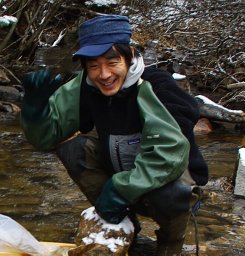 Yuichi Iwasaki合作论文数Department of Civil Engineering, Tokyo Institute of Technology2
 Michael Thompson合作论文数School of Life and Environmental Sciences, The University of Sydney2
 Andraz Stozer合作论文数Faculty of Medicine, University of Maribor2
 Gui-Quan Sun (孙桂全)合作论文数School of Mathematics, North University of China;School of Mathematics and Statistics, Shanxi University2




