This study examined neural and mechanical responses at the onset of prolonged static stretching performed at different amplitudes, their progression during the stretching period, and alterations immediately after its completion. Thirteen healthy adults completed three randomized sessions: control (15-min rest in neutral ankle angle), 15 min of submaximal stretching (ROMmax - 5°), and 15 min of supramaximal stretching (ROMmax + 5°). Spinal excitability (Hmax/Mmax), evoked contractile properties (PTT), voluntary strength (MVC), passive torque, and maximal range of motion (ROMmax) were assessed at baseline (PRE), during stretching (T00, T05, T10, and T15), and immediately after stretching (POST). Spinal excitability decreased at stretch onset but progressively increased during stretching (T00-T15, p < 0.05), with greater facilitation in supramaximal (soleus and gastrocnemius, p < 0.001) than submaximal conditions (soleus only, p < 0.001). These changes were transient, returning to baseline at POST (p < 0.001). Passive torque increased during both stretching (p < 0.05); however, in supramaximal, it declined after 5 min and stabilized until 15 min (p = 0.001), while in submaximal, it declined only at 15 min (p = 0.043). Both conditions reduced PTT (p < 0.05), with slightly greater decreases in the supramaximal condition. MVC decreased similarly after both protocols (p < 0.05). ROMmax improved in both (p < 0.05), with slightly greater gains in the supramaximal condition. Static stretching amplitude modulates neuromechanical adaptations. Both supramaximal and submaximal protocols reduced voluntary strength but improved flexibility, with greater spinal excitability after the initial decrease and slightly larger ROMmax gains at supramaximal amplitude.
This study aimed to describe the upper-body bilateral deficit (BD) in recreational climbers and to examine its relationship with specific performance. Fifteen recreational climbers (11 men, 4 women; 25-45 years; ≥3 years of experience) performed unilateral and bilateral maximal isometric handgrip strength test (HGT), and unilateral and bilateral maximal isometric strength test using a climbing-specific fingerboard test (CSFT). The fatigue resistance index test (FRI) and the endurance capacity test (ECT) were used as performance tests. Paired Student's T-tests were used to compare bilateral deficit results between CSFT and HGT. Pearson's correlation was used to assess relationships between these variables with the level at 5%. The results showed a significant (p < 0.05) bilateral deficit in the CSFT (-2.53 ± 4.49%) and the HGT (-2.05 ± 3.29%), with no difference between methods. A positive correlation was found between bilateral deficit in the CSFT and the ECT (r = 0.53; p = 0.044), while no correlation was observed with the FRI. Relative bilateral strength to body mass was strongly associated with ECT (r = 0.92; p < 0.001). Greater bilateral deficit was associated with endurance capacity in climbers. In addition, the CSFT demonstrated good predictive accuracy and may be considered a specific and reliable tool for assessing BD in climbers.
This study examined the acute effects of dynamic stretching at different velocities on the neuromuscular system. Fourteen participants underwent four experimental sessions in random order: (1) control (lying at rest with the ankle in a neutral position); (2) slow velocity dynamic stretching (50 beats/min; SLOWDS); (3) moderate velocity dynamic stretching (70 beats/min; MODDS); and (4) fast velocity dynamic stretching (90 beats/min; FASTDS). The stretching protocols consisted of four sets of 10 repetitions and targeted the plantar flexor muscles of the right ankle. Assessments included corticospinal excitability (via motor-evoked potential-MEP/Mmax), spinal reflex activity (via H-reflex-Hmax/Mmax), muscle contractile properties (peak twitch torque; PTT), maximal voluntary contraction (MVC), and maximal range of motion (ROMmax). Dynamic stretching did not affect MEP/Mmax and MVC of the plantar flexor muscles (P > 0.05). All stretching protocols similarly reduced soleus Hmax/Mmax (P < 0.05), and increased PTT (P < 0.05). Additionally, all conditions, including control, similarly increase ROMmax (P < 0.05, and Cohen's d value of -0.39, -0.28, -0.38 and -0.29 for CON, SLOWDS, MODDS and FASTDS, respectively). Therefore, dynamic stretching reduces spinal reflex activity and enhances muscle contractile properties irrespective of movement velocity without impairing corticospinal excitability and MVC.
Isometric handgrip (IHG) exercise lowers resting blood pressure (BP) and may modulate autonomic control, but its acute effects on beat-to-beat blood pressure variability (BPV) and sex-specific responses are unclear. We examined the impact of a single IHG bout on beat-to-beat BPV in healthy young adults, focusing on sex differences. Thirty-eight subjects (20 men, 18 women) completed randomized, sham-controlled crossover trials: true IHG (30
PURPOSE:The effectiveness of neuromuscular electrical stimulation hinges on the evoked torque level, which can be attained through either conventional (CONV) or wide-pulse high frequency (WPHF). However, the best electrode placement is still unclear. This study adopted a crossover design to compare the effects of WPHF applied to the tibial nerve trunk (N-WPHF) or muscle (M-WPHF) with CONV in healthy participants. METHODS:A total of 30 participants (age: 22.4 [4.5]) were involved in 4 sessions. During each session, participants performed: 2 maximal voluntary contractions, 2 contractions at maximal evoked torque, and 2 contractions at submaximal evoked torque at 20% maximal voluntary contraction. Neuromuscular electrical stimulation intensity-evoked torque, efficiency, and discomfort were measured in maximal and submaximal conditions. Statistical analyses were conducted using a 1-way mixed-model analysis of variance with repeated measures. RESULTS:N-WPHF and M-WPHF showed higher evoked torque than CONV (P = .002 and P = .036) and greater efficiency than CONV for maximal evoked torque (P = .006 and P = .002). N-WPHF induced higher efficiency than M-WPHF and CONV for submaximal evoked torque (P = .004). Higher discomfort was observed for both N-WPHF and M-WPHF for submaximal evoked torque compared with CONV (P = .003 and P < .001). CONCLUSION:Our results suggest that WPHF applied at either the nerve or muscle could be the best choice for the maximal condition, whereas nerve application is preferred for the submaximal condition.
We investigated the categorical agreement between actual and estimated force–velocity–power (FVP) profiles (i.e., force deficit, velocity deficit, and balanced profile). Complementarily, we compared the FVP output metric (i.e., F0, V0, Pmax, and SFV) to identify potential sources of error. Following familiarization, 37 athletes (mean age 26 years; 95
Low-load conditioning activity with blood flow restriction has been addressed as an efficient method to enhance an individual’s performance during their main exercise activity. However, the optimal degree of blood flow restriction remains unclear. Therefore, this study investigated the acute effects of low-load conditioning activity with different degrees of blood flow restriction on muscle strength, power, and perceived exertion. Twenty recreationally trained men (20.9 ± 2.3 years) participated in a randomized crossover design including three conditions: control, low-load blood flow restriction at 50%, and 75% of total arterial occlusion pressure. Participants performed squats (three sets of ten reps) followed by isokinetic assessments of the knee flexor and extensor performance at 7 and 10-min post-exercise. The session rating of perceived exertion (SRPE) was recorded 30 min after each session. No significant effects were observed for condition, time, or their interaction on peak torque, total work, or average power (p < 0.05). However, SRPE was significantly higher in the 75% BFR condition compared to both the 50% BFR and control conditions (p < 0.05), with no difference between the 50% BFR and control. These findings suggest that low-load conditioning activity with blood flow restriction does not acutely enhance neuromuscular performance. However, a higher degree of restriction increases perceived exertion.
BACKGROUND: The reduction of muscle mass and strength commonly observed after bariatric surgery might negatively affect the individual physical function. Muscle quality is also of functional relevance in different populations, but its significance in patients who underwent bariatric surgery has yet to be explored. OBJECTIVE: To examine the association between muscle strength and quality with physical function in women mid- to long-term after Roux-en-Y gastroplasty (RYGB). METHODS: In this cross-sectional study, 133 women (43.7 +/- 9.9 years) who have undergone RYGB at least two years before the study were included. All participants underwent body composition evaluation using DEXA and knee extensors peak moment (PM) using an isokinetic dynamometer. Muscle quality (MQ) was obtained through the ratio between absolute PM and dominant leg fat-free mass. Physical function was measured through the 30-second sit-to-stand (30-STS), 6-minute walking (6-MWT), and timed up-and-go (TUG) tests. RESULTS: Differences between PM tertiles were observed for 30-STS and 6-MWT tests. However, statistical significance disappeared when adjusting for age. Regarding PM relative to body weight, all functional tests were significantly different between tertiles. Comparing functional performance according to MQ tertiles, differences were found for 30-STS and 6-MWT tests, but significance disappeared when adjusting for age. Absolute PM was correlated to the 30-STS performance and 6-MWT, while PM relative to body mass and MQ were correlated with all functional tests. CONCLUSIONS: Muscle strength and quality seem to be associated with physical function in women mid-to-long-term after RYGB, but strength relative to bodyweight outperformed absolute strength and MQ.
Aging is associated with neurodegeneration and a loss of muscle function, especially in lower-limb muscles. While caffeine may augment muscle force generation through multiple effects on the central nervous system, no studies have yet compared the effects of caffeine on force-generating capacity between younger and older men, who might respond differently due to age-related changes in the structures on which caffeine acts. In a double-blind, controlled trial, 22 younger (25 ± 5 years) and 21 older (68 ± 6 years) men were tested for isometric plantarflexor torque on two separate days (2-7 days apart) before and 60 min after ingesting 3 mg/kg (∼2 cups of coffee) of caffeine or placebo. No effects of caffeine ingestion on peak torque or rate of torque development were detected in either older or younger men. Therefore, 3 mg/kg of caffeine may not acutely counteract age-related decreases in force capacity of the functionally important plantarflexor muscles.
Determining how the quadriceps femoris musculotendinous unit functions, according to hip and knee joint angles, may help with clinical decisions when prescribing knee extension exercises. We aimed to determine the effect of hip and knee joint angles on structure and neuromuscular functioning of all constituents of the quadriceps femoris and patellar tendon properties. Twenty young males were evaluated in four positions: seated and supine in both 20° and 60° of knee flexion (SIT20, SIT60, SUP20, and SUP60). Peak knee extension torque was determined during maximal voluntary isometric contraction (MVIC). Ultrasound imaging was used at rest and during MVIC to characterize quadriceps femoris muscle and tendon aponeurosis complex stiffness. We found that peak torque and neuromuscular efficiency were higher for SUP60 and SIT60 compared to SUP20 and SIT20 position. We found higher fascicle length and lower pennation angle in positions with the knee flexed at 60°. The tendon aponeurosis complex stiffness, tendon force, stiffness, stress, and Young's modulus seemed greater in more elongated positions (60°) than in shortened positions (20°). In conclusion, clinicians should consider positioning at 60° of knee flexion rather than 20°, regardless if seated or supine, during rehabilitation to load the musculotendinous unit enough to stimulate a cellular response.
This study aimed to verify the time course recovery of muscle edema within the quadriceps femoris and functional performance after lower-body single- and multi-joint exercises. For this within-participant unilateral and contralateral experimental design, fourteen untrained young males performed a unilateral knee extension exercise (KE), and a unilateral leg press (LP) exercise in a counterbalanced order. At pre-, post-, 24 h, 48 h, 72 h, and 96 h after exercise, the peak torque (PT), unilateral countermovement jump (uCMJ) performance, and rectus femoris (RF) and vastus lateralis (VL) muscle thicknesses were recorded in both legs. The PT decreased immediately after (p = 0.01) both exercises (KE and LP) and was fully recovered 24 h after KE (p = 0.38) and 48 h after LP (p = 0.68). Jump height and power, in the uCMJ, followed the same PT recovery pattern after both exercises. However, vertical stiffness (Kvert) was not affected at any time point after both protocols. The RF thickness increased after both exercises (p = 0.01) and was fully restored 48 h after KE (p = 0.86) and 96 h after LP (p = 1.00). The VL thickness increased after both exercises (p = 0.01) and was fully restored 24 h after LP (p = 1.00) and 48 h after KE (p = 1.00). The LP exercise, compared to KE, induced more prolonged impairment of functional performance and delayed recovery of RF muscle edema. However, the VL edema-induced muscle swelling recovery was delayed after the KE exercise. The different recovery kinetics between functional performance and muscle damage should be taken into consideration depending on the objectives of the next training sessions.
Background: Low-frequency electrical stimulation (LFES) is an adjuvant method for heart failure (HF) patients with restrictions to start an exercise. However, the impact on molecular changes in circulating is unknown. We investigated the effects of 10 weeks of home-based LFES on plasma cytokines profile, redox biomarkers, metalloproteinases (MMPs) activity, and exercise performance in HF patients. Methods: Twenty-four HF patients (52.45 ± 9.15 years) with reduced ejection fraction (HFrEF) (EF < 40%), were randomly assigned to a home-based LFES or sham protocol. Plasma cytokines profile was assessed through interleukins, interferon-gamma, and tumor necrosis factor levels. Oxidative stress was evaluated through ferric reducing antioxidant power, thiobarbituric acid-reactive substances, and inducible nitric oxide synthase. The MMPs activity were analyzed by zymography. Cardiorespiratory capacity and muscle strength were evaluated by cardiopulmonary test and isokinetic. Results: LFES was able to increase the active-MMP2 activity post compared to pre-training (0.057 to 0.163, p = 0.0001), while it decreased the active-MMP9 (0.135 to 0.093, p = 0.02). However, it did not elicit changes in cytokines, redox biomarkers, or exercise performance (p > 0.05). Conclusion: LFES protocol is a promising intervention to modulate MMPs activity in HFrEF patients, although with limited functional effects. These preliminary responses may help the muscle to adapt to future mechanical demands dynamically.
Exercise intolerance, a hallmark of patients with heart failure (HF), is associated with muscle weakness. However, its causative microcirculatory and muscle characteristics among those with preserved or reduced ejection fraction (HFpEF or HFrEF) phenotype is unclear. The musculoskeletal abnormalities that could result in impaired peripheral microcirculation are sarcopenia and muscle strength reduction in HF, implying lowered oxidative capacity and perfusion affect transport and oxygen utilization during exercise, an essential task from the microvascular muscle function. Besides that, skeletal muscle microcirculatory abnormalities have also been associated with exercise intolerance in HF patients who also present skeletal muscle myopathy. This cross-sectional study aimed to compare the muscle microcirculation dynamics via near-infrared spectroscopy (NIRS) response during an isokinetic muscle strength test and ultrasound-derived parameters (echo intensity was rectus femoris muscle, while the muscle thickness parameter was measured on rectus femoris and quadriceps femoris) in heart failure patients with HFpEF and HFrEF phenotypes and different functional severities (Weber Class A, B, and C). Twenty-eight aged-matched patients with HFpEF (n = 16) and HFrEF (n = 12) were assessed. We found phenotype differences among those with Weber C severity, with HFrEF patients reaching lower oxyhemoglobin (O2Hb, μM) (−10.9 ± 3.8 vs. −23.7 ± 5.7, p = 0.029) during exercise, while HFpEF reached lower O2Hb during the recovery period (−3.0 ± 3.4 vs. 5.9 ± 2.8, p = 0.007). HFpEF with Weber Class C also presented a higher echo intensity than HFrEF patients (29.7 ± 8.4 vs. 15.1 ± 6.8, p = 0.017) among the ultrasound-derived variables. Our preliminary study revealed more pronounced impairments in local microcirculatory dynamics in HFpEF vs. HFrEF patients during a muscle strength exercise, combined with muscle-skeletal abnormalities detected via ultrasound imaging, which may help explain the commonly observed exercise intolerance in HFpEF patients.
BACKGROUND: The neuromuscular efficiency index (NME) is defined as the individual ability to generate force in relation to the muscle activation level and might be useful to the assessment of individuals with spinal cord injury (SCI) and might elucidate the modifications in strength after an SCI compared to non-disabled subjects (CG). OBJECTIVE: Verify if the NME of fully and partially preserved muscles discriminate men with low and high levels of SCI and a matched non-disabled CG. METHODS: Fifty-four men with SCI were stratified into the high (HP), and low (LP) paraplegia groups and twenty-seven non-disabled individuals were selected (CG). All subjects performed maximum strength tests in the isokinetic dynamometer for shoulder abduction/adduction (isokinetic) and trunk flexion/extension (isometric). Surface electromyography was measured to calculate the NME, and discriminant analysis was carried out to identify which NME variables would be able to discriminate HP, LP, and CG. RESULTS: There were no NME significant differences between groups for the primary muscles of the shoulder abduction/adduction. All NME data failed at discriminant tolerance test to compare HP from LP. The latissimus dorsi NME during trunk extension discriminated CG from HP and LP. CONCLUSIONS: The latissimus dorsi NME during trunk extension might be used as an assessment tool to compare SCI individuals and the non-disabled-matched controls. The authors recommend using the NME index for the analysis or comparisons between the same SCI levels.
Santos, WDNd, Vieira, CA, Bottaro, M, Nunes, VA, Ramirez-Campillo, R, Steele, J, Fisher, JP, and Gentil, P. Resistance training performed to failure or not to failure results in similar total volume, but with different fatigue and discomfort levels. J Strength Cond Res 35(5): 1372-1379, 2021-The purpose of this study was to compare the acute response to 4 sets of high velocity parallel squats performed to momentary failure (MF) or not to momentary failure (NF). Twelve women (24.93 +/- 5.04 years) performed MF and NF protocols, in a randomized order with 2-3 interday rest. The protocol involved 4 sets of parallel squats executed at high velocity at 10RM load, with 2 minutes of rest interval between sets. During the NF protocol, the sets were interrupted when the subject lost more than 20% of mean propulsive velocity. The analysis involved the number of repetitions performed per set, total number of repetitions, movement velocity loss, power output loss, rating of perceived exertion (RPE), rating of perceived discomfort (RPD), and session rating of perceived exertion (sRPE). Compared with NF, MF resulted in a higher number of repetitions in the first set (11.58 +/- 1.83 vs. 7.58 +/- 1.72, p < 0.05), but a lower in the last set (3.58 +/- 1.08 vs. 5.41 +/- 1.08, p < 0.05). Total number of repetitions was similar between the protocols (MF 26.25 +/- 3.47 vs. NF 24.5 +/- 3.65, p > 0.05). In both protocols, there were significant decreases in maximum and mean movement velocity loss and power output loss, but higher decreases were observed in MF than NF (p < 0.05). Values for RPE, sRPE, and RPD were higher during MF than NF (p < 0.05). Controlling the movement velocity in NF protocol enabled performance of a similar total volume of repetitions with lower movement velocity and power output losses, RPE, sRPE, and RPD than during an MF protocol.
Abstract Ferreira-Júnior, JB, Benine, RPC, Chaves, SFN, Borba, DA, Martins-Costa, HC, Freitas, EDS, Bemben, MG, Vieira, CA, and Bottaro, M. Effects of static and dynamic stretching performed before resistance training on muscle adaptations in untrained men. J Strength Cond Res 35(11): 3050–3055, 2021—This study evaluated the effects of dynamic and static stretching (SS) performed before resistance training on biceps femoris hypertrophy and knee flexor strength gains in untrained young men. Forty-five untrained young men (age, 21.2 ± 0.5 years; mass, 72.2 ± 5.6 kg; height, 178 ± 1 cm) were randomly assigned to 1 of the 3 groups: (a) 80 seconds of SS (n = 14); (b) 80 seconds of dynamic stretching (DS, n = 13); or (c) control group (CON, n = 18) in which subjects performed no stretching before exercise. Both SS and DS were performed before resistance exercise. Resistance training consisted of 4 sets of 8–12 repetition maximum of seated leg curl exercise 2 days per week for 8 weeks, with a period of at least 48 hours between sessions. Unilateral biceps femoris muscle thickness (MT) and maximal isometric strength (MIS) of the knee flexors were measured 1 week before training and 1 week after the last training session. There were significant increases in MIS (SS = 13.9 ± 10.3 kgf; DS = 10.2 ± 13.1 kgf; CON = 12.7 ± 7.6 kgf; p < 0.05) and MT (SS = 6.0 ± 3.5 mm; DS = 6.7 ± 4.1 mm; CON = 5.7 ± 3.0 mm; p < 0.05) with no significant differences across groups (p > 0.05). Additionally, all groups demonstrated moderate effect sizes for MIS (1.27–1.4), and DS was the only group that had a large effect size for MT increases (DS = 2.18; SS = 1.35; CON = 0.92). In conclusion, 80 seconds of SS and DS did not induce any additional muscular adaptations to resistance training in untrained young men.
Background: Myofascial release (MR) has been widely used in sports and clinical environment. There are studies that have already evaluated the effect of MR on postural control, however, the data found are inconclusive. Objectives: Investigate the effect of MR on ankle plantar flexor muscles over static postural balance. Method: Sixty-five young men were randomized allocated into one of three groups: 1) MR group (n = 25, Myofascial Release); 2) Sham (n = 25, fake intervention); or 3) Control group (n = 15). Both MR and Sham techniques were applied during 5 min in the ankle flexors of each leg. The bipodal static postural balance test was performed before and 2 min post each intervention on a force plate with eyes closed during the test. All subjects performed 3 sets of 30-s with 1 min of rest. Mean values to the center of pressure velocity (COPvel) was used for analysis. Results: The bipodal balance test showed that there was no significant difference between groups (p > 0.05), but there was a significant time effect (p < 0.05). A significant decrease (p < 0.05) in post-test COPvel (cm.s(-1)) values (sham 4.9 +/- 1.2; MR 4.5 +/- 0.6; CON 4.22 +/- 0.8) was found when compared to values of pre-test (sham 5.3 +/- 1.0; MR 5.0 +/- 0.8; CON 4.94 +/- 1.3) for all groups. Conclusions: The results demonstrated that MR performed on ankle flexors did not affect static postural balance in young man. This study is a clinical trial (Register Number: RBR-48k5jm). (c) 2021 Published by Elsevier Ltd.
Quadriceps neuromuscular electrical stimulation (NMES) may stimulate patellar tendon remodeling and recovery, but it is unclear if hip and knee joint angles during NMES affect patellar tendon loading. Therefore, the purpose of this study was to evaluate the effects of hip and knee joint angles on patellar tendon properties during quadriceps NMES. Twenty healthy men performed quadriceps NMES in supine with 60º of knee flexion (SUP60), seated with 60º of knee flexion (SIT60), supine with 20º of knee flexion (SUP20), and seated with 20º of knee flexion (SIT20). Patellar tendon mechanical and material properties were determined during maximum quadriceps evoked contraction. Patellar tendon force, stress, and stiffness were greater for SUP60 and SIT60 compared to SUP20 and SIT20. Young's modulus was greater for SUP60 and SIT60 compared to SIT20. Tendon elongation, strain, resting length, and average CSA were not different between conditions. In conclusion, during quadriceps NMES, the patellar tendon is loaded more when the knee is flexed to 60º compared to 20º. These findings suggest that clinicians should favor 60º of knee flexion over 20º during NMES when the goal is to load the patellar tendon. Further research is needed to determine optimal positioning for maximal patellar tendon loading. The trial was registered at clinicaltrials.gov under protocol NCT03822221 on January 30, 2019.
The vertical jump test is one of the simplest and most prevalent physical tests used in practice and research. This study investigated the validity and reliability of a new mobile application (Jumpo) for measuring jump performance on Android devices. University-aged students (n = 10; 20 ± 3 years; 176 ± 6 cm; 68 ± 9 kg) reported to the laboratory on three occasions (2-7 days apart): to be familiarized with the jump performance measurements and then for test-retest reliability assessments. Participants performed countermovement jumps (CMJ), squat jumps (SJ), and right and left single-legged jumps in random order on a force platform while being recorded by a smartphone's slow-motion camera. Flight time was selected as the criterion variable. Strong positive correlations between the Jumpo and force platform were observed for each jump type tested (r ≥ 0.93), although the flight times obtained with the Jumpo App were systematically shorter than those provided by the force platform by 3-6% (p < 0.001). The Jumpo App demonstrated a high test-retest reliability (ICC ≥ 0.94, CV ≤ 3.7%) with no differences between the coefficients of variation obtained from the Jumpo App and force platform (p ≥ 0.25). With respect to jump type, data from double-legged jumps (CMJ and SJ) were more accurately measured than data from single-legged jumps. The Jumpo App provides a valid and reliable measurement of jump performance, but the following equation should be used to calibrate its flight time results, allowing comparisons to be made to force platform data: Force platformflight time = 0.948 × Jumpoflight time + 41.515. Future studies should cross-validate the calibration equation in a different sample of individuals.
 Lee E Brown合作论文数School of Geography, University of Leeds65
 Paulo Gentil合作论文数College of Physical Education and Exercise Science, University of Brasilia55
 Ricardo Jaco de Oliveira合作论文数48
 Rodrigo L Carregaro合作论文数40
 Vieira Amilton合作论文数College of Physical Education, University of Brasília39
 Ronei S Pinto合作论文数36
 Rodrigo Celes合作论文数36
 Ricardo M. Lima合作论文数Department of Chemical Engineering34
 Eduardo Lusa Cadore合作论文数Physical Education School, Federal University of Rio Grande do Sul32
 Andre Santos Martorelli合作论文数29
 Joao Batista Ribeiro Ferreira合作论文数26
 Joao Luiz Quagliotti Durigan合作论文数Physical Therapy Department, Universidade de Brasília26Saulo Martorelli合作论文数21
 Claudio Battaglini合作论文数Department of Exercise and Sport Science, College of Arts and Sciences, The University of North Carolina at Chapel Hill20
 Radaelli Regis合作论文数School of Physical Education, Federal University of Rio Grande do Sul19
 Joao Veloso合作论文数18
 Filipe Dinato de Lima合作论文数Universidade de Brasília;Centro Universitário de Brasília;Universidade de Brasília, Centro Universitário de Brasília18
 Cunha Rafael合作论文数School of Physical Education, Universidade de Brasília (UnB),16
 Jake C. Carmo合作论文数16Maria Claudia Pereira合作论文数15
 Nicolas Babault合作论文数Groupe Analyse du Mouvement, – Université de Bourgogne15
 Jeffersonda Silva Novaes合作论文数Universidade Federal do Rio de Janeiro;Departamento de Ginástica;Departamento de Ginástica, Universidade Federal do Rio de Janeiro15
 Mikel Izquierdo Redín合作论文数Department of Health Sciences, Public University of Navarra;Navarrabiomed, Centro De Investigación Biomédica15
 Schwartz, F.P.合作论文数Inst. Alfredo Ferreira Filho;c;Inst. Alfredo Ferreira Filho13
 Lidia Mara Aguiar Bezerra合作论文数13Saulo Soares合作论文数13
 Wagner Rodrigues Martins合作论文数Faculty of Physical Therapy, University of Brasilia13
 Carlos Ernesto合作论文数ICESI, Universidad13
 Eurico N. Wilhelm合作论文数School of Physical Education, Federal University of Rio Grande do Sul;Centre for Sports Medicine and Human Performance, Brunel University London;Federal University of Rio Grande do Sul, Brunel University London12
 Denis Cesar Leite Vieira合作论文数UCB, Catholic University of Brasilia12
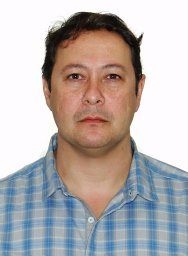 Carlos Alexandre Vieira合作论文数College of Physical Education, University of Brasília11
 Lucas Ugliara合作论文数10Júnior Valdinar A R合作论文数10
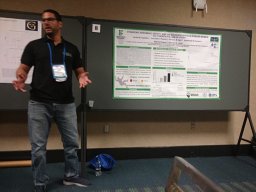 Andre Gadelha合作论文数Faculty of Physical Education, University of Brasília;University of Brasília;University of Brasília, University of Brasília10
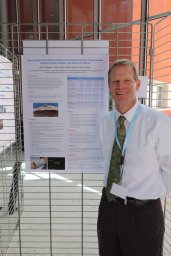 Dale Wagner合作论文数HPER Department, Utah State University10
 Carlos Vieira合作论文数9
 Silvia Neri合作论文数Clin Surg, Univ Hosp Udine9
 Luiz Fernando Martins Kruel合作论文数Universidade Federal do Rio Grande do Sul9Karenina Arrais Guida Modesto合作论文数8Euler Cardoso合作论文数8
 Savio Alex合作论文数8
 Cintia Ehlers Botton合作论文数8
 James J. Tufano合作论文数8
 Valdinar Rocha合作论文数8
 Jared W Coburn合作论文数Human Performance Laboratory, University of Nebraska at Lincoln8
 Francisco Assis De Oliveira Nascimento合作论文数Department of Electrical Engineering, University of Brasília8Diego Jesus合作论文数7
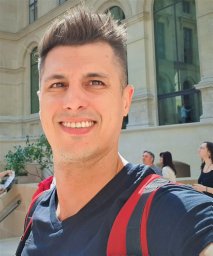 Frederico Ribeiro Neto合作论文数Sarah Network of Neuroscience and Rehabilitation7Cleto Vitor A合作论文数7




