National food-based dietary guidelines (FBDGs) play a central role in promoting healthy and sustainable eating patterns. However, the extent to which sustainability-oriented messaging in these guidelines is supported by digital dissemination tools remains unclear. This study aims to analyse how environmental sustainability is addressed in the FBDGs of selected Nordic and Mediterranean countries, and to assess the degree of digital readiness through official digital platforms. A comparative document analysis was conducted using publicly available national dietary guideline materials. Most countries explicitly addressed environmental sustainability in their guidelines, but only a few had identifiable official digital resources. Bridging the gap between sustainability-oriented messaging in FBDGs and the digital tools to support them represents a key opportunity for public health informatics.
Introduction: The primary aim of this study was to evaluate the association of metabolic syndrome (MetS), based on different definitions, with the risk of total cardiovascular disease (CVD), unstable angina (UA), stable angina (SA), and myocardial infarction (MI). Additionally, we aimed to investigate which definition of MetS is a better predictor of CVD events in a large sample of Iranian adults.Methods: The analysis was conducted among 7,910 adults from the Mashhad Stroke and Heart Atherosclerotic Disorder (MASHAD) cohort study. The presence of MetS at baseline was defined using the following criteria: International Diabetes Federation (IDF 2005), National Cholesterol Education Program Adult Treatment Panel III (NCEP ATP III), and World Health Organization (WHO). Hazard ratios (HR) and 95% confidence intervals (CI) were used to estimate the association of MetS and its components with CVD events.Results: The prevalence of MetS among CVD patients was 56.40%, 52.30%, and 23.90% based on the IDF, NCEP ATP III, and WHO criteria, respectively. The highest HR for total CVD (HR: 2.29; 95% CI: 1.54–3.40; P<0.001), UA (HR: 2.13; 95% CI: 1.22 – 3.72; P<0.01), and MI (HR: 3.11; 95% CI: 1.33–7.26; P<0.01) was found when using the WHO definition. The highest HR for SA (HR: 2.56; 95% CI: 1.37 – 4.81; P<0.001) was found when using the NCEP ATP III definition.Conclusion: Having MetS based on the WHO definition was a significant predictor for the incidence of total CVD, MI, and UA, while having MetS based on the ATP III criteria was associated with a higher risk of SA in the MASHAD study population.
Introduction: The aim of our study was to compare complete blood count (CBC) parameters between two populations to determine if there is a need for intervention to improve the health status of workers in the work place.Methods: This study utilized a comparative cross-sectional studydesign. A total of 654 male workers aged 20-69 years at the Shahid Hasheminejad Gas Processing Company (S.G.P.C) were included. Additionally, a control group of employees in Mashhad city (N=681), matched for age and sex, were enrolled in the study. Fasting blood samples were collected from both groups and blood parameters for all participants were analyzed.Results: Employees exposed to gas in S.G.P.C had higher white blood cell (WBC) and red blood cell (RBC) counts compared to the control group (P-value<0.05). Furthermore, mean corpuscular hemoglobin concentration (MCHC) and mean corpuscular hemoglobin (MCH) were significantly higher in the control group (P-value<0.01). However, there was no significant difference in hemoglobin (Hb) levels between the two groups (P-value>0. 05).Conclusion: Occupational status and working environment may contribute to higher RBC and WBC counts in exposed workers.
Type 1 diabetes (T1D) causes insulin deficiency and exogenous therapy is required for maintaining targeted glucose levels. Hypoglycemia is the most frequent side effect of insulin, being severe hypoglycemia (SH) one of the most critical hazards with a range of life-threatening consequences. Artificial intelligence (AI) and multimodal fusion have boosted predictive performance in different domains. This study aims to evaluate the effectiveness of early fusion (EF) and late fusion (LF) approaches for predicting SH, to create a methodology capable of achieving robust results in datasets with a low number of samples for predicting SH and to characterize the risk factors involved in the SH onset using explainable AI (XAI). Data from a case-control study comprising adults over 60 years with T1D and with diabetes duration of 20 years were used and three types of modalities were considered: (1) continuous glucose monitoring data (time series); (2) clinical codes (text); and (3) surveys related to fear, unawareness, depression, and cognitive tests (tabular data). The results revealed that EF outperformed models trained with single-modality data by 5.8%, with an area under the receiver operating characteristic curve of 0.779. XAI techniques helped to discover that features related to fear and unawareness are mainly associated with SH. Our study introduced an interpretable and multimodal methodology capable of predicting the occurrence of SH in adults with T1D in the next year. Our interpretable methodology contributes to predicting SH and identifying related key factors, thus preventing SH complications and improving patient’s quality of life.
Backgrounds Restless legs syndrome (RLS) is an unpleasant condition that affects the quality of life of patients. Its prevalence in increased in women with premenstrual syndrome (PMS). Vitamin D plays a key role in female reproduction through its impact on calcium homeostasis and neurotransmitters. We aimed to evaluate the effect of dairy products fortified with Vitamin D-3 on RLS in women with PMS. Materials and methods We conducted a 2.5-month, randomized, total-blinded clinical trial to evaluate the effectiveness of low-fat milk and yogurt fortified with vitamin D on RLS in women with PMS. Among 141 middle-aged women with abdominal obesity, 71 and 70 cases received fortified and non-fortified low-fat dairy products, respectively. All subjects completed a Symptoms Screening Tool (PSST) and RLS questionnaires. Results The results showed that in the women with severe PMS (PSST > 28), serum levels of vitamin D increased significantly following vitamin D fortification. The mean restless legs score in the severe PMS subgroup (PSST > 28) was significantly lower after the intervention (p < 0.05. Serum Vitamin D levels significantly differed between intervention and control groups in all individuals (PSST < 19, PSST 19-28, and PSST > 28) (p < 0.05), but no significant differences were found between RLS scores of the intervention and control groups in the three PMS subgroups (p > 0.05). Conclusion Fortifying dairy products with vitamin D-3 can increase the serum levels of vitamin D and reduce the RLS severity in women with severe PMS, but not in other groups.
BackgroundDespite substantial progress in AI research for healthcare, translating research achievements to AI systems in clinical settings is challenging and, in many cases, unsatisfactory. As a result, many AI investments have stalled at the prototype level, never reaching clinical settings.ObjectiveTo improve the chances of future AI implementation projects succeeding, we analyzed the experiences of clinical AI system implementers to better understand the challenges and success factors in their implementations.MethodsThirty-seven implementers of clinical AI from European and North and South American countries were interviewed. Semi-structured interviews were transcribed and analyzed qualitatively with the framework method, identifying the success factors and the reasons for challenges as well as documenting proposals from implementers to improve AI adoption in clinical settings.ResultsWe gathered the implementers’ requirements for facilitating AI adoption in the clinical setting. The main findings include 1) the lesser importance of AI explainability in favor of proper clinical validation studies, 2) the need to actively involve clinical practitioners, and not only clinical researchers, in the inception of AI research projects, 3) the need for better information structures and processes to manage data access and the ethical approval of AI projects, 4) the need for better support for regulatory compliance and avoidance of duplications in data management approval bodies, 5) the need to increase both clinicians’ and citizens’ literacy as respects the benefits and limitations of AI, and 6) the need for better funding schemes to support the implementation, embedding, and validation of AI in the clinical workflow, beyond pilots.ConclusionParticipants in the interviews are positive about the future of AI in clinical settings. At the same time, they proposenumerous measures to transfer research advancesinto implementations that will benefit healthcare personnel. Transferring AI research into benefits for healthcare workers and patients requires adjustments in regulations, data access procedures, education, funding schemes, and validation of AI systems.
Background: Inflammation has been shown to be an important feature of atherosclerosis. We aimed to assess a profile of inflammatory cytokines and growth factors in patients with established coronary artery disease (CAD), 12 months after stent implantation. Methods: A total of 193 patients with CAD, who were candidates for angiography, 12 months after stent implantation (cases), were compared with 107 patients with CAD, who were candidates for their first angiography (controls). Fasting blood glucose (FBG), triglycerides (TGs), total cholesterol (TC), low-density lipoprotein cholesterol (LDL-C), high-density lipoprotein cholesterol (HDL-C) and high-sensitive C-reactive protein (hs-CRP) were measured using routine methods. The serum concentrations of IL-1 alpha, IL-1 beta, IL-2, IL-4, IL-6, IL-8, IL-10, TNF-alpha, IFN-gamma, MCP-1, EGF and VEGF were determined using competitive chemiluminescence immunoassays. Results: Serum levels of FBG (p = .002), TG (p = .029) and hs-CRP (p = .005) were significantly lower in cases than controls. The cytokines and growth factor profiles in cases were significantly different from controls. After multivariate analysis, serum levels of IL-2 (p < .001), IL-4 (p = .028) were significantly lower in cases compared with the controls while serum levels of IL-8, TNF-alpha, MCP-1, EGF and VEGF were significantly higher in the cases (p < .001). Conclusions: In patients with CAD and higher consumption of drug used (statins, aspirin and glucose lowering agents) to mitigate the risk of a secondary event, the level of hs-CRP one year after stent implantation decreased despite of significant higher serum levels of pro- and anti-inflammatory cytokines and growth factors.
Introduction: Serum vitamin D levels are related to a wide spectrum of factors including low sunlight exposure, high oxidative stress, low physical activity and sleep disorders. In this paper we are going to investigate the most crucial parameters associated with serum vitamin D levels in survey of ultraviolet intake by nutritional approach (SUVINA) study with a data mining approach.Material and Methods: Data including demographic, anthropometric, clinical and laboratory information were extracted from the SUVINA dataset comprising 289 subjects who were enrolled into our study. The XGBoost algorithm was used to define the most important features related to vitamin D level in our population.Results: Applying XGBoost modeling for vitamin D level showed that the presented scheme can determine the most important determinants of serum vitamin D level with an accuracy of 91%. Pro-oxidant anti-oxidant balance (PAB), body fat percentage, physical activity level (PAL), age, restless leg syndrome (RLS), and dietary inflammatory index (DII) density were the most important variables correlated with vitamin D deficiency.Conclusion: Using XGBoost and with an accuracy of more than 90%, we showed that the six most important risk factors for vitamin D deficiency are PAB, PAL, age, body fat percentage, RLS and DII density, respectively.
Background: Anemia is a serious public health problem which may be associated with cardiovascular diseases (CVDs) and brain damage. This survey aims to determine the prevalence of anemia and its association with demographic and biochemical factors and metabolic syndrome in a human sample derived from the MASHAD cohort study. Methods: This survey was conducted on a sub-sample of 9847 individuals aged 35 to 65 as part of the MASHAD cohort study. Demographic characteristics and biochemical and anthropometrics indices were recorded. Data were analyzed using SPSS version 20. Results: Anemia was seen in 11.5% of the population. Anemia was significantly more prevalent in younger subject (P<0.001), females (P<0.001) and those with elevated body mass index (BMI) (P<0.001). Mean high-density lipoprotein (HDL) was higher in anemic participant (P=0.032). The incidence of anemia was significantly lower in smokers (P<0.001) and also participant with hypertension (HTN) (P<0.001), diabetes mellitus (DM) (P<0.001) and metabolic syndrome (MetS) (P<0.001). Mean FBG (P<0.001), TG (P<0.001), total cholesterol (P<0.001), LDL (P<0.001) and uric acid (P<0.001) were significantly lower in anemic subjects. Cholesterol, MetS, low-density lipoprotein (LDL), BMI, uric acid, diabetes mellitus and also TG remained significantly different after multivariate analysis between anemic and healthy participants. Conclusion: The studied population had a lower prevalence of anemia compared to the previous WHO report for Iranians. Iron deficiency is recognized as the most important cause of anemia in Iran; however, further investigations will be need to confirm this pattern. We demonstrated that anemia is adversely associated with MetS and DM.
BACKGROUND AND AIMS:Coronary heart disease (CHD) is an important public health problem globally. Algorithms incorporating the assessment of clinical biomarkers together with several established traditional risk factors can help clinicians to predict CHD and support clinical decision making with respect to interventions. Decision tree (DT) is a data mining model for extracting hidden knowledge from large databases. We aimed to establish a predictive model for coronary heart disease using a decision tree algorithm.METHODS:Here we used a dataset of 2346 individuals including 1159 healthy participants and 1187 participant who had undergone coronary angiography (405 participants with negative angiography and 782 participants with positive angiography). We entered 10 variables of a total 12 variables into the DT algorithm (including age, sex, FBG, TG, hs-CRP, TC, HDL, LDL, SBP and DBP).RESULTS:Our model could identify the associated risk factors of CHD with sensitivity, specificity, accuracy of 96%, 87%, 94% and respectively. Serum hs-CRP levels was at top of the tree in our model, following by FBG, gender and age.CONCLUSION:Our model appears to be an accurate, specific and sensitive model for identifying the presence of CHD, but will require validation in prospective studies.
Introduction: Cardiovascular disease (CVD) is the leading cause of mortality and one of the main challenges for health systems worldwide. In this study, we aimed to evaluate the association of socio-demographic, lifestyle, psychological and anthropometric factors and underlying diseases such as hypertension (HTN), diabetes mellitus (DM) and metabolic syndrome (MS) with CVD risk among a subpopulation of Iranian adults.Methods: In this prospective study, a total of 235 CVD patients along with 8405 healthy and non-symptomatic individuals who participated in MASHAD cohort study were enrolled. CVD diagnosis was performed by taking electrocardiogram (ECG) and medical history and performing physical examination for each participant. Health and lifestyle questionnaires, the Beck’s anxiety inventory (BAI), Beck’s depression inventory (BDI) and the James and Schofield human energy requirements equations were completed for all participants. Anthropometric measurements were also recorded for all subjects. All statistical analyses including chi-square and student independent T-test were performed using SPSS 16.0 software (SPSS Inc., Chicago, IL, USA) at a significant level of 0.05.Results: We found that there were significant associations between CVD risk and age, body mass index (BMI), waist circumference (WC), waist-to-height ratio (WHtR), diabetes mellitus (DM) and family history (FH) of CVD in both genders; though, there was a significant negative correlation between physical activity level (PAL) and risk of CVD among men and women. Also hypertension (HTN), metabolic syndrome (MS), depression and anxiety were positively and higher education level was negatively associated with CVD events only in females. While, waist-to-hip ratio (WHR) was an independent predictor of CVD among males (P-value< 0.05).Conclusion: There are several modifiable and non-modifiable risk factors that are independently considered as CVD predictors among the MASHAD study population. It is recommended to prioritize the lifestyle modification, development of local risk calculators and gender-related stratified strategies in order to prevent and manage CVD among the Iranian population.
BACKGROUND:Candidemia is associated with a heavy burden of morbidity and mortality in hospitalized patients. The availability of blood culture results could require up to 48-72 h after blood draw; thus, early treatment decisions are made in the absence of a definite diagnosis.METHODS:In this retrospective study, we assessed the performance of different supervised machine learning algorithms for the early differential diagnosis of candidemia and bacteremia in adult patients on a large dataset automatically extracted within the AUTO-CAND project.RESULTS:Overall, 12,483 episodes of candidemia (1275; 10%) or bacteremia (11,208; 90%) were included in the analysis. A random forest classifier achieved the best diagnostic performance for candidemia, with sensitivity 0.98 and specificity 0.65 on the training set (true skill statistic [TSS] = 0.63) and sensitivity 0.74 and specificity 0.57 on the test set (TSS = 0.31). Then, the random classifier was trained in the subgroup of patients with available serum β-D-glucan (BDG) and procalcitonin (PCT) values by exploiting the feature ranking learned in the entire dataset. Although no statistically significant differences were observed from the performance measures obtained by employing BDG and PCT alone, the performance measures of the classifier that included the features selected in the entire dataset, plus BDG and PCT, were the highest in most cases.CONCLUSIONS:Random forest classifiers trained on large datasets of automatically extracted data have the potential to improve current diagnostic algorithms for candidemia. However, further development through implementation of automatically extracted clinical features may be necessary to achieve crucial improvements.
Introduction: An association between heat shock protein 27 (Hsp27) antigen with cardiovascular risk factors has been shown previously. Furthermore, higher levels of serum anti-HSP27 antibodies are also related to higher cardiovascular morbidity and mortality. In the current study, we looked at the relationship between serum Hsp27 antibodies and hypertension, as an important cardiovascular risk factor, in individuals without evidence of cardiovascular disease (CVD).Methods: A sub-population of hypertensive patients (HTN+) without underlying CVD were recruited from the Mashhad stroke and atherosclerosis heart disease (MASHAD) study to assess the association between serum Hsp27 antibodies and hypertension; independent of other cardiovascular risk factors. A total of 1599 people were studied of whom 288 individuals had hypertension and 1311 were used as controls (HTN-).Results: Mean serum Hsp27 antibody titers were 0.20 (0.27) OD in the whole population sample and was not significantly different in the normotensive (HTN-) compared to HTN+ individuals with different degrees of hypertension.Conclusion: There were no significant associations between serum anti-Hsp27 concentrations and either the presence or severity of hypertension. Future studies are warranted to explore the association of anti-Hsp27 antibody and antigen levels and other cardiovascular risk factors.
Introduction: Vitamin D deficiency (VDD) affects more than one billion individuals globally. We aimed to review all the published papers on vitamin D deficiency in in the country. Method: PubMed, Google Scholar, Web of Science, Scopus, Science direct and scientific information databases were searched for papers related to the prevalence of vitamin D insufficiency for all age groups in Iran from 2000 to 2018. The Joanna Briggs Institute prevalence critical appraisal tool was applied for the assessment of the methodological quality of these studies. The Meta-analysis is based on the random effect model using Comprehensive Meta-analysis data analysis.Results: Eighty-seven original articles reported on participants with vitamin D insufficiency in Iran. According to the meta-analysis of the prevalence of moderately deficient of vitamin D in men and women as well as younger and older individuals (>18 years) using a cut-off point of 25(OH) D3<20 ng/mL was 39% and 51%, respectively. Vitamin D concentrations <30 ng/mL among Iranian populations in the cities of Tehran, Shiraz, Mashhad, and Zahedan were reported to be higher than 90%. The prevalence of vitamin D insufficiency in Iranian women was higher than in men in various age groups. The highest prevalence of vitamin D insufficiency in neonates, children, adults and pregnant women was observed in the Middle East. Most countries had a high prevalence of VDD in elderly people.Conclusion: Vitamin D insufficiency is common in the Iranian population and is an important public health problem that should be considered seriously.
Introduction: Coronary heart disease (CHD) is the leading cause of morbidity and mortality globally, and specially in Iran. An accurate assessment of the incidence of coronary heart disease (CHD) is very important for public health. In current study we aimed to investigate the incidence of CHD and importance of several classical modifiable and un-modifiable risk factors for CHD among an urban population in eastern Iran after 6 years follow-up. Methods: The population of MASHAD cohort study were followed up for 6 years, every 3 years initially by phone and those who reported symptoms of cardiovascular disease (CVD) were asked to attend for a cardiac examination. An estimate of the incidence of CHD was determined with 95% confidence interval (95% CI) and multiple logistic regression analysis was performed to assess the association of several baseline characteristics with the incidence of a CHD event. Evaluation of goodness-of-fit was undertaken using ROC analysis. CHD cases were divided into four different categories: stable angina, unstable angina pectoris, myocardial infarction and sudden cardiac death. Results: In the six years of follow-up of the Mashhad study participants, the incidence density of CHD events in men and women in 1000 person-year with 95% confidence intervals were 19.20 (8.10-30.30) and 11.60 (7.30-15.90), respectively. The areas under ROC curve (AUC), based on multiple logistic regression model of CHD outcome, was determined to be 0.783. Conclusion: Our findings indicated that the incidence rate of coronary heart diseases in MASHAD cohort study increases with age, and our final model was able to predict approximately 78% of CHD events in this Iranian population.
Introduction: Coronary heart disease (CHD) is the leading cause of morbidity and mortality globally, and specially in Iran. An accurate assessment of the incidence of coronary heart disease (CHD) is very important for public health. In current study we aimed to investigate the incidence of CHD and importance of several classical modifiable and un-modifiable risk factors for CHD among an urban population in eastern Iran after 6 years follow-up. Methods: The population of MASHAD cohort study were followed up for 6 years, every 3 years initially by phone and those who reported symptoms of cardiovascular disease (CVD) were asked to attend for a cardiac examination. An estimate of the incidence of CHD was determined with 95% confidence interval (95% CI) and multiple logistic regression analysis was performed to assess the association of several baseline characteristics with the incidence of a CHD event. Evaluation of goodness-of-fit was undertaken using ROC analysis. CHD cases were divided into four different categories: stable angina, unstable angina pectoris, myocardial infarction and sudden cardiac death. Results: In the six years of follow-up of the Mashhad study participants, the incidence density of CHD events in men and women in 1000 person-year with 95% confidence intervals were 19.20 (8.10-30.30) and 11.60 (7.30-15.90), respectively. The areas under ROC curve (AUC), based on multiple logistic regression model of CHD outcome, was determined to be 0.783. Conclusion: Our findings indicated that the incidence rate of coronary heart diseases in MASHAD cohort study increases with age, and our final model was able to predict approximately 78% of CHD events in this Iranian population.
Introduction: Bone indexes including trabecular bone score (TBS) and bone mineral density (BMD) have been shown to be associated with wide spectrum of variables including physical activity, vitamin D, liver enzymes, biochemical measurements, mental and sleep disorders, and quality of life. Here we aimed to deter-mine the most important factors related to TBS and BMD in SUVINA dataset. Methods: Data were extracted from the Survey of Ultraviolet Intake by Nutritional Approach (SUVINA study) including all 306 subjects entered this survey. All the available parameters in the SUVINA database were included the analysis. XGBoost modeler software was used to defne the most important features associated with bone indexes including TBS and BMD in various sites. Results: Applying XGBoost modeling for 4 bone indexes indicated that this algorithm could identify the most important variables in relation to bone indexes with an accuracy of 92%, 93%, 90% and 90% respectively for TBS T-score, lumbar Z-score, neck of femur Z-score and Radius Z -score. Serum vitamin D, pro-oxidant-oxidant balance (PAB) and physical activity level (PAL) were the most important factors related to bone indices in different sites of the body. Conclusions: Our fndings indicated
There is a large proliferation of complex data-driven artificial intelligence (AI) applications in many aspects of our daily lives, but their implementation in healthcare is still limited. This scoping review takes a theoretical approach to examine the barriers and facilitators based on empirical data from existing implementations. We searched the major databases of relevant scientific publications for articles related to AI in clinical settings, published between 2015 and 2021. Based on the theoretical constructs of the Consolidated Framework for Implementation Research (CFIR), we used a deductive, followed by an inductive, approach to extract facilitators and barriers. After screening 2784 studies, 19 studies were included in this review. Most of the cited facilitators were related to engagement with and management of the implementation process, while the most cited barriers dealt with the intervention’s generalizability and interoperability with existing systems, as well as the inner settings’ data quality and availability. We noted per-study imbalances related to the reporting of the theoretic domains. Our findings suggest a greater need for implementation science expertise in AI implementation projects, to improve both the implementation process and the quality of scientific reporting.
BACKGROUND:Metabolic syndrome (MetS) is a cluster of clinical and metabolic features that include central obesity, dyslipidemia, hypertension and impaired glucose tolerance. These features are accompanied by increased oxidative stress and impaired antioxidant defenses. Vitamin E is a major factor in the non-enzymatic antioxidant defenses. The aim of present study was to investigate the association between serum levels of vitamin E and the presence of MetS and its components in a sample population of Mashhad stroke and heart atherosclerotic disorder (MASHAD) cohort study.METHODS:This cross-sectional study was carried out in 128 subjects with MetS and 235 subjects without MetS. MetS was defined according to the International-Diabetes-Federation criteria. Serum levels of vitamin E were measured using the HPLC method. Anthropometric and biochemical parameters were measured using standard protocols. Results. MetS patients had significantly lower serum levels of vitamin E (Vit E), Vit E/Total cholesterol (TC), and Vit E/ (TC+triglyceride(TG)) compared to the control group (P < 0.05). Vit E/ (TG+TC) was also significantly lower in diabetics or those with elevated levels of high sensitive C-reactive protein (hs-CRP). Additionally, there was a significant association between Vit E/ (TG + Total Cho) and the number of components of the metabolic syndrome (p= 0.02) Conclusions. There is a significant inverse association between indices of Vit E status and the presence of MetS. Moreover, a significantly lower Vit E/ (TC+TG) was observed along with individuals with increasing numbers of components of the MetS.
OBJECTIVE:Coronary artery disease (CAD) as an important cause of morbidity and mortality globally. The scavenger receptor class B type 1 (SCARB1) plays an essential role in the reverse cholesterol transport. We have explored the association between a genetic variant, rs5888, in the SCARB1 gene with CAD and serum HDL-C levels.METHODS:Patients were categorized into two groups' angiogram positive (>50% coronary stenosis) and angiogram negative (<50% coronary stenosis). Genotyping was carried out using polymerase chain reaction-amplification refractory mutation system. The association between the SNP rs5888 and serum HDL-C was analyzed using a logistic regression model.RESULTS:The results showed that the subjects carrying a T allele was associated with a decreased serum HDL-C levels compared to the C allele in total population (p < 0.001). The risk of angiogram positivity in subjects carrying a T allele was 3.1-fold higher than for the control group (p < 0.001).CONCLUSION:CVD patients carrying the T allele of rs5888 variant in the SCARB1 gene was associated with decreased serum level of HDL.
 Majid Ghayour-Mobarhan合作论文数105
 Gordon Ferns合作论文数Department of Medical Education, Brighton and Sussex Medical School, University of Sussex95
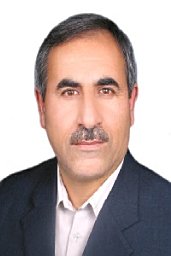 Esmaily Habibollah合作论文数Dept Biostat & Epidemiol, Mashhad Univ Med Sci41Hamideh Ghazizadeh合作论文数UNESCO Center for Health-Related Basic Sciences and Human Nutrition, Mashhad University of Medical Sciences35
 Susan Darroudi合作论文数Student Res Comm, Mashhad Univ Med Sci34
 Mohsen Moohebati合作论文数Cardiovascular Research Center, Mashhad University of Medical Sciences;Department of Cardiology, Mashhad University of Medical Sciences;Mashhad University of Medical Sciences, Mashhad University of Medical Sciences31
 Avan Amir合作论文数Molecular Medicine Group, Mashhad University of Medical Sciences29
 Mahmoud Ebrahimi合作论文数Dept Mech Engn, Univ Maragheh28Maryam Saberi-Karimian合作论文数23
 Alireza Heidari Bakavoli合作论文数20
 Mohammad Safarian合作论文数Faculty of Medicine, Mashhad University of Medical Science18
 Mohsen Nematy合作论文数18Afsane Bahrami合作论文数Clin Res Dev Unit, Mashhad Univ Med Sci15Esmaeili Habibollah合作论文数14Maryam Mohammadi Bajgiran合作论文数12
 Azarpazhooh Mahmoud Reza合作论文数Dept Neurol, Mashhad Univ Med Sci12
 Seyed Mohammad Reza Parizadeh合作论文数Department of Biochemistry, Mashhad University of Medical Sciences;Metabolic Syndrome Research Center, Mashhad University of Medical Sciences12
 Saeid Eslami合作论文数Academic Medical Center, University of Amsterdam12Mohsen Mouhebati合作论文数12
 Zahra Khorasanchi合作论文数Dept Nutr, Mashhad Univ Med Sci11
 Sayyed Saeid Khayyatzadeh合作论文数School of Public Health, Shahid Sadoughi University of Medical Sciences11
 Payam Sharifan合作论文数Faculty of Medicine, Mashhad University of Medical Sciences10Fatemeh Sadabadi合作论文数Metab Syndrome Res Ctr, Mashhad Univ Med Sci10
 Sara Saffar Soflaei合作论文数Mashhad Uni Med Sci10
 Zahra Asadi合作论文数Sch Med, Mashhad Univ Med Sci9
 Mojtaba Shafiee合作论文数College of Pharmacy and Nutrition, University of Saskatchewan9
 Bahrami-Taghanaki Hamidreza合作论文数Mashhad University of Medical Sciences, Mashhad University of Medical Sciences9
 Kayhan Gonoodi合作论文数Dept Nutr, Mashhad Univ Med Sci8
 Mehrane Mehramiz合作论文数Equally contributed as first author.8Sadeghnia Hamid Reza合作论文数Dept Pharmacol, Mashhad Univ Med Sci8
 Tayefi Batool合作论文数Endocrinology and Metabolism Population Science Institute, Tehran University of Medical Sciences8
 Faezeh Ghasemi合作论文数Faculty of Medicine, Mashhad University of Medical Sciences;Faculty of Medicine, Mashhad University of Medical Sciences8Mohammadpour Amir Hooshang合作论文数7
 Bagherniya Mohammad合作论文数School of Nutrition Sciences and Dietetics, Tehran University of Medical Sciences7Mohammad Reza Parizadeh合作论文数7
 Phuong Dinh Ngo合作论文数School of Mechanical Engineering, Purdue University7Mahmoud Reza Azarpajouh合作论文数6Ameneh Timar合作论文数6
 Farzad Rahmani合作论文数6Hamideh Moalemzadeh Haghighi合作论文数6Mahsa Ahmadnezhad合作论文数6
 Alireza Amirabadizadeh合作论文数Cardiovascular Diseases Research Center, Birjand University of Medical Sciences6Parvin Zamani合作论文数Pharmaceutical Technology Institute, Mashhad University of Medical Sciences6
 Mohammad Sobhan sheikh Andalibi合作论文数6Pasdar Alireza合作论文数6
 Elham Mohammadzadeh合作论文数School of Medicine, Mashhad University of Medical Sciences6
 Mohaddes Ardabili Hossein合作论文数6
 Fereydouni Narges合作论文数6
 Amirhossein Sahebkar合作论文数Cardiovascular Research Center, Mashhad University of Medical Sciences;Biotechnology Research Center, Mashhad University of Medical Sciences;Department of Meical Biotechnology, School of Medicine, Mashhad University of Medical Sciences6




