Climate activists' tactics range from relatively moderate (e.g., authorised marches) to more radical (e.g., vandalism), but the presence of a 'radical flank' on wider public support for moderate 'centre' groups is poorly understood. In a pre-registered experiment, a sample of non-activist Austrian adults, representative on age, gender, and region (N = 1407), responded to two hypothetical climate protest scenarios. We found that: a) the presence of a radical flank resulted in greater support for a centre activist group; but b) only when the centre group actively distanced themselves from (vs. endorsed) the radicals' actions. Pre-registered path analysis supported the plausibility of a proposed moderated serial mediation model, suggesting that centrists who actively distanced from the radicals were potentially more supported, because: a) they were seen as less radical themselves; and b) respondents identified more with them. Results suggest public support for moderate pro-climate actions is enhanced through the presence of a radical flank when moderates distance themselves from the radical flank.
Abstract Background Interventions that use nature contact to promote health and well-being exist at the societal/infrastructural level (incl. nature-based solutions) and the individual/group level (incl. nature-based therapies). One way nature-based therapies promote health is by fostering resilience to manage stressors. Nature-based biopsychosocial resilience theory (NBRT) provides a framework to explain how nature plays a role in how resilience-related adaptive resources are built and maintained but this has yet to be tested. Methods The current paper outlines a four-year multi-country (Austria, Belgium, Bulgaria, Denmark, Italy, the Netherlands, Spain, Sweden, the UK) research programme that tests the NBRT framework and explores how nature-based therapies can build and maintain individual and community resilience. As well as reviewing and mapping existing interventions globally, nine case studies across Europe are exploring how nature promotes resilience across: (1) whole populations (three case studies); (2) individuals at-risk of metabolic syndrome (three case studies); and (3) individuals with existing issues such as chronic stress, mobility challenges, or cognitive impairments (three case studies). Three case studies use longitudinal cohorts, five use randomised controlled trials, and one a practitioner shared-experience approach. The determinants and impacts of nature-based therapies are also considered beyond effects on individual participants, by assessing distributional issues (e.g., health equity), environmental impacts, financial implications, broader societal acceptability and engagement, as well as the barriers and enablers to successful implementation. In three specific case studies (Barcelona, Padua and Salzburg), this is done through multi-sectoral social innovation actions we refer to as ‘Resilience Hubs’. Results will be summarised in academic publications, a series of sector-specific guides, and an overall ‘What works’ guide for practitioners, policy makers, and the public. Discussion We use a novel theoretical framework to structure a research and innovation programme to inform the implementation of nature-based therapies across Europe and globally. Challenges include the integration of terminology and research practices from multiple disciplinary perspectives, participant recruitment and attrition, especially among marginalised groups, a potential lack of local stakeholder time and interest, potentially small effect sizes of time-limited interventions, and difficulties in identifying distinct causal mechanisms. Mitigation strategies are discussed. Trial registration Of nine case studies (CSs), five are intervention trials and have been registered: a) CS4 doi.org/10.1186/ISRCTN74582097 (22.07.2024); b) CS5 doi.org/10.1186/ISRCTN14169596 (10.06.2024); c) CS6 clinicaltrials.gov/study/NCT06622629 (30.09.2024); d) CS7 doi.org/10.1186/ISRCTN93192592 (29.05.2024); e) CS8 clinicaltrials.gov/study/NCT06205940 (15.05.2024). All nine case studies have received ethical approval (see Declarations section).
Time spent in nature benefits human mental and physical well-being. However, much of the variance in outcomes of nature contact remains unexplained, suggesting that new mechanistic pathways need to be considered. Here, we tested a novel conceptual model linking nature contact with life satisfaction via pathways involving positive experiences of living in and experiencing the world through the physical self. Using data from the Body Image in Nature Survey (BINS; N = 50,363), representing respondents from 58 nations and speaking 36 different languages, we find that nature contact is associated with greater self-compassion and greater perceived restoration in nature, which in turn are associated with more positive body image. In addition, more positive body image is associated with greater life satisfaction. These associations were robust to sensitivity tests, generalised to all gender identities and age groups, and held individually in almost all national groups and languages. Although replications are needed, we propose that the materialities of natural environments help to link bodily experiences to the production and experience of well-being, a process that is largely stable across national groups.
Persistent, mobile, and toxic (PMT) chemicals, such as per- and polyfluoroalkyl substances (PFAS), pose significant environmental and health risks. Public risk perception is an important driver of change in regulation and consumption patterns. Previous research has investigated the effect of toxicity information, but little is known about public perception of chemical properties such as persistence or mobility alone or in combination with toxicity. In this study, 328 participants rated one of two everyday products in terms of affect, concern, and policy support. Labels indicated the presence of persistent (P), mobile (M), and toxic (T) chemicals either in isolation or combined (PM, PT, MT, and PMT), compared to a control with no label. When labels indicated only a single chemical property, toxicity elicited the strongest risk response, and this was amplified for products with high body contact (dental care) compared to low body contact (household cleaner). Labels warning of all three properties together (PMT) triggered the strongest risk response while demonstrating a nonadditive relationship. These findings suggest that the public is sensitive to warnings about different chemical properties beyond toxicity. Informing the public of diverse chemical properties has the potential to change behavior and encourage support for stricter regulation.
New mobile phone base stations are frequently opposed by the public, even though mobile phones are used by most of the population. While such reaction has often been described as NIMBYism (‘not in my back yard’), this label offers little insight into the psychological mechanisms underlying such opposition. The present mixed-methods research moves beyond a simple NIMBY interpretation through an in-depth investigation of public location preferences for 4G- plus 5G-capable base stations. Study 1 included six focus groups conducted in December 2022, and Study 2 was a ten-country survey (n = 10,358) conducted between September-December 2023. In both studies, participants were asked to select their preferred base station site from six hypothetical locations and indicate the reasons underlying their choice. Overall, many participants followed one of two siting approaches: approach A preferring locations ‘as far away as possible’, and approach B preferring the ‘least visually appealing’ location. While in Study 1 participants tended to follow approach B (16 out of 35), in Study 2 approach A was followed most frequently (53.6%). Among the reasons surveyed, distance had the greatest influence on location preferences, followed by reception, exposure to EMFs, and visual appearance. Distance and EMF were strongly correlated (r = .531), which is why we assume that distance was a proxy for reduced exposure. However, greater distance can in fact increase overall exposure due to the increased power required for higher handset transmission. Age, gender, risk perception, exposure perception, use of 5G, acceptance and the expected impact of 5G were also associated with the choice of location. We found that widespread public communication efforts are needed to explain how 5G technology works, and that other issues such as visual amenity also need to be sensitively managed. Our results inform the broader discourse on base station siting: communication between stakeholders needs to be improved, fostering mutual understanding of preferences, and guiding decision-making for both telecommunication companies and the public.
Formal risk assessment considers characteristics such as proximity, dose, and vulnerability. However, public risk perception may also be influenced by other-possibly less relevant-factors such as visibility and novelty. The introduction of 5G and its associated infrastructure and radiofrequency electromagnetic fields (RF-EMF) may therefore change perceptions of RF-EMF from mobile communications in general. To explore this, we conducted an online survey in 10 European countries (n = 10,358) using a picture-based approach. Respondents perceived daily RF-EMF exposures as moderate but expected them to increase with 5G. A mobile phone at the ear was generally associated with higher perceived exposure than multiple base stations. Overall, distance to the RF-EMF source most strongly influenced perceived exposure, followed by the number of sources. 5G reception was linked to higher exposure perception than 4G or Wi-Fi reception. These patterns were consistent across most countries. We conclude that when assessing RF-EMF exposure, people rely on heuristics (e.g., more sources imply more exposure) that often guide them correctly. Understanding when and why people feel particularly exposed can help develop more effective communication about true levels of exposure and risk.
Emotion regulation (ER) takes many forms. One of the most intriguing is situation selection, which refers to selecting the situations we're exposed to with a view to influencing our emotions. Despite its importance, surprisingly little is known about situation selection. In the present work, we examine an important form of situation selection, namely location selection-emphasizing the deliberate choice of environmental settings, with a particular focus in selecting nature experiences, to influence emotional states. To measure and explore this process, we validated a new self-report scale-the Nature Selection Emotion Regulation Questionnaire (NS-ERQ)-across three studies. In the first study (NS1 = 292), we developed the English version of the scale starting with an initial set of 20 items. The items were generated based on Russell's Circumplex Model of Affect (1980), reflecting the four primary dimensions of affect defined by valence and arousal. Exploratory factor analysis led to a refined 12-item scale, organized into a two-factor structure: restoration and revitalization. The second study (NS2-T1 = 302) tested the 12-item scale's reliability, convergent, and discriminant validity, as well as test-retest reliability and predictive validity through a follow-up survey (NS2-T2 = 125). The third study (NS3 = 308) adapted the scale for Italian speakers, confirming the two-factor structure as well as its reliability and validity. Furthermore, the scale demonstrated measurement invariance across English and Italian versions, confirming its cross-linguistic equivalence. Overall, these findings establish the NS-ERQ as a robust instrument for assessing how individuals choose to visit natural environments for emotion regulation, providing a new framework for understanding the role of selecting environmental context in emotion regulation.
People often underestimate support for pro-environmental policies. While correcting such misperceptions should, in theory, boost policy support, the evidence remains mixed. To improve message effectiveness, we develop and test a systematic process titration approach based on three stepwise, theoretically informed criteria: messages that target (1) substantial misperceptions of (2) majority positions, which are (3) conceptually close (statistically related) to policy support. Across three preregistered studies in the US (n = 21,600)—a survey, single-message experiments, and a tournament of ten corrective messages—we apply this approach to 32 perceptions of others’ beliefs, emotions, values, policy preferences, and behaviors, to increase support for the UN Convention on Biological Diversity. Criteria 1 and 2 most reliably distinguish effective from ineffective messages (δ = 0.24, 95% CrI [0.11, 0.36]). Contrary to theory and existing research practices, Criterion 3—statistical associations between misperceptions and the outcome—provides no predictive value in identifying effective interventions beyond Criteria 1 and 2. Overall, a two-step titration process approach offers a practical and effective way to identify misperception targets before large-scale implementations.
A growing body of qualitative and quantitative research has explored the potential benefits to mental health and well-being of open-water or "wild" swimming. To date, most studies have used small samples in specific locations, limiting generalisability, and have not distinguished open-water swimming from other forms of outdoor swimming, such as in open-air pools, raising questions about any additional benefits of wild swimming over and above swimming outside per se. Using survey data from n = 1200 recently recalled outdoor swimming visits across 19 different countries, we compared self-reported well-being outcomes for swims in either open-water (wild) locations or open-air pools. Additionally, we explored the degree to which satisfaction of the motivations identified by self-determination theory (i.e. autonomy, relatedness, and competence) may explain any differences. Swimming visits in both locations were associated with high levels of positive, and low levels of negative, well-being, as well as high levels of autonomy, relatedness and competence. Open-water swimming was, nonetheless, associated with significantly higher positive well-being than open-air pool swims, with mediation analysis indicating that feelings of greater autonomy and competence (but not relatedness) primarily accounted for the difference. Results for anxiety were more nuanced, perhaps because more competent swimmers were more likely to swim in less safe, more anxiety inducing, places. Results re-iterate, help explain, and support the generalisation of previous research reporting potential benefits of open-water swimming for mental health and well-being, and highlight the need to support further safe access to high quality open-water locations.
Fast fashion deliberately targets young consumers' purchase impulse tendencies. It is based on a poor-quality production, high turnover model and has quickly become a major contributor to clothing-related pollution worldwide. This study examines whether reflection tasks can reduce young consumers' (aged 18–34) purchase impulses and if environmental considerations influence their decisions. Using a pre-registered online experimental vignette study with a between-participant design, 1123 UK-based young consumers were randomly allocated to one of three reflection tasks or a control group. The tasks involved (1) thinking of general reasons not to buy (Reflection Neutral), (2) thinking of reasons not to buy including environmental considerations (Reflection Environment) or (3) recalling a happy memory with a favourite clothing item (Reflection Desire). Findings revealed that participants in Reflection Neutral and Reflection Environment conditions reported significantly lower purchase desire and purchase likelihood compared to the control group, with no significant difference between these two conditions. Reflection Desire did not reduce purchase desire or likelihood compared to the control. These results suggest that targeted reflection tasks, particularly those involving reasons not to buy a clothing piece, have the potential to promote more sustainable consumption behaviours. Real-world validation of these findings could contribute to efforts to reduce fast fashion's environmental impact.
Nature exposure has numerous health benefits and might reduce self-reported acute pain. Given the multi-faceted and subjective quality of pain and methodological limitations of prior research, it is unclear whether the evidence indicates genuine analgesic effects or results from domain-general effects and subjective reporting biases. This preregistered neuroimaging study investigates how nature modulates nociception-related and domain-general brain responses to acute pain. Healthy participants (N = 49) receiving electrical shocks report lower pain when exposed to virtual nature compared to matched urban or indoor control settings. Multi-voxel signatures of pain-related brain activation patterns demonstrate that this subjective analgesic effect is associated with reductions in nociception-related rather than domain-general cognitive-emotional neural pain processing. Preregistered region-of-interest analyses corroborate these results, highlighting reduced activation of areas connected to somatosensory aspects of pain processing (thalamus, secondary somatosensory cortex, and posterior insula). These findings demonstrate that virtual nature exposure enables genuine analgesic effects through changes in nociceptive and somatosensory processing, advancing our understanding of how nature may be used to complement non-pharmacological pain treatment. That this analgesic effect can be achieved with easy-to-administer virtual nature exposure has important practical implications and opens novel avenues for research on the precise mechanisms by which nature impacts our mind and brain.
The fifth-generation telecommunications standard (5G) offers advantages over previous standards (3 G/4G) such as faster data transfer, lower latency, enhanced network capacity, and increased bandwidth. Implementation of 5G requires construction of new infrastructure and the standard allows the use of higher radio frequency electromagnetic fields (RF-EMF). These changes have sparked concerns about potential negative effects on human health and society, but perceptions and knowledge of these vary among different groups, which has implications for communication. Using the mental models approach to risk communication (MMARC), we conducted semi-structured interviews to compare knowledge and perceptions of experts (N = 10), non-experts (N = 22), and self-identified electrosensitive (EHS) individuals (N = 3), with the objective of elucidating (1) what non-experts and EHS individuals do not know or misunderstand about the impacts of 5G, and (2) what misconceptions and 'blind spots' experts have regarding the perspectives of non-experts and EHS individuals. Non-experts often lacked technical knowledge about 5G and were unfamiliar with current safety standards. EHS individuals, in contrast to other non-experts, were better informed about technical aspects such as frequencies and infrastructure. Some non-experts believed that 5G could harm their health, but most reported not thinking about these effects very often. Non-experts also questioned their agency (ability to choose) in using smartphones and the need for the continued evolution of mobile phone technology; experts addressed these topics less frequently. Contrary to the experts' expectations, non-experts focused equally on antennas/base stations and mobile phones when considering sources of RF-EMF. While experts felt that information about the effects of 5G is available, non-experts wanted to be better informed but felt this information is not readily accessible. These findings underscore the importance of building trust, addressing knowledge gaps, and considering the broader context of public concerns when communicating about impacts of 5G.
The 12-item Self-Compassion Scale–Short Form (SCS–SF) is a widely used instrument for the assessment of self-compassion. To date, there have been few examinations of this instrument’s psychometric properties, particularly across nations and languages. Therefore, we used data from the Body Image in Nature Survey (BINS) to assess measurement invariance of the SCS–SF across nations, languages, gender identities, and age groups. Participants (N = 56,968) from 65 nations completed the SCS–SF in 40 languages. Using these data, we tested various hypothesised models of the SCS–SF in the total sample and, using multi-group confirmatory factor analysis, tested for invariance of the optimal model across national groups, languages, gender identities, and age groups. In the total dataset, we found that an 11-item, 2-factor model (i.e., SCS-11) provided best fit to the data, with the two factors tapping distinct constructs of compassionate and uncompassionate self-responding. The SCS-11 was found to be partially scalar invariant across national groups and languages, and fully scalar invariant across gender identities and age groups. There was wide variation in latent means for the two factors, particularly across national groups and languages. Further analyses showed negligible associations between the two factors and sociodemographic variables, including marital status, financial security, and urbanicity. Our results suggest that it may be possible to derive a stable 2-factor model of the SCS–SF for use in cross-cultural research, but also highlight the likelihood of cross-national and cross-linguistic variations in the way that self-compassion is understood.
The Satisfaction With Life Scale (SWLS) is a widely used self-report measure of subjective well-being, but studies of its measurement invariance across a large number of nations remain limited. Here, we utilised the Body Image in Nature (BINS) dataset-with data collected between 2020 and 2022 -to assess measurement invariance of the SWLS across 65 nations, 40 languages, gender identities, and age groups (N = 56,968). All participants completed the SWLS under largely uniform conditions. Multi-group confirmatory factor analysis indicated that configural and metric invariance was upheld across all nations, languages, gender identities, and age groups, suggesting that the unidimensional SWLS model has universal applicability. Full scalar invariance was achieved across gender identities and age groups. Based on alignment optimisation methods, partial scalar invariance was achieved across all but three national groups and across all languages represented in the BINS. There were large differences in latent SWLS means across nations and languages, but negligible-to-small differences across gender identities and age groups. Across nations, greater life satisfaction was significantly associated with greater financial security and being in a committed relationship or married. The results of this study suggest that the SWLS largely assesses a common unidimensional construct of life satisfaction irrespective of respondent characteristics (i.e., national group, gender identities, and age group) or survey presentation (i.e., survey language). This has important implications for the assessment of life satisfaction across nations and provides information that will be useful for practitioners aiming to promote subjective well-being internationally.
Emerging evidence suggests that residential greenspace is associated with a lower prevalence of health risk behaviours, but it remains unclear whether these effects are generalizable across countries or different types of nature contact. Using representative cross-sectional samples from 18 countries/regions, we examined the associations between two types of nature contact (greenspace, nature visits), current smoking and everyday drinking. After controlling for a range of covariates, greenspace was inversely associated with current smoking and everyday drinking. Visiting natural spaces at least once a week was linked to a lower prevalence of current smoking, but unrelated to everyday drinking. Increasing residential greenspace could be a promising strategy for reducing multiple health risk behaviours, whilst visit-based interventions may be a more appropriate target for smoking cessation.
Per- and polyfluoroalkyl substances (PFAS), also known as 'forever chemicals', are a large class of synthetic chemicals with consumer benefits, including waterproofing, stain prevention and non-stick properties. However, some PFAS have been identified as toxic to human health, being linked to cancer, lowered fertility, and developmental issues. Concern is high because PFAS can persist for long periods in the environment, accumulate in animals and humans, and are easily transported by water. Both scientific experts and the public (non-experts) are key actors who can support a reduction in PFAS pollution, but we lack data on public PFAS awareness and what actions they will support to reduce pollution. Combining quantitative and qualitative data in a mental models approach, we systematically compare expert and non-expert perceptions of PFAS and related issues, including the essentiality of consumer items that can contain PFAS. While we find knowledge gaps, such as a non-expert tendency to focus on direct chemical exposure routes during the use phase and to underestimate exposure through indirect routes, we also find commonalities: Both experts and non-experts understand the benefits chemicals provide alongside the risks and are aware of the greater risks posed by chemicals like PFAS to vulnerable groups. Moreover, experts and non-experts tend to view similar kinds of products and the functions they serve as most or least essential. Commonalities can provide routes to reducing PFAS use by highlighting cases where the majority agree a level of performance afforded by PFAS is not necessary. Finally, we provide suggestions for developing effective risk communications about PFAS with the public.
Nature connectedness is increasingly recognised as a causal issue in environmental crises and a powerful strategy for transformative change. However, little is known about how it varies across countries and the macro-level factors that influence the human–nature relationship at a societal level. Using a large dataset (N = 56 968) from a diverse set of 61 countries, this study explored how both objective country-level indicators of the socio-ecological context and subjective country-level indicators of socio-political values were related to nature connectedness. Using linear, factor, and network analysis, several objective (urbanicity and business environment) and subjective country indicators (scientific and religious values) were significantly associated with nature connectedness. These and other factors are combined into a proposed conceptual model of key macro-factors in the human–nature relationship that can inform future research and policy initiatives.
The world is confronted with a Triple Planetary Crisis of climate change, biodiversity loss and pollution. Human behaviours are key drivers of these crises and thus solutions need to focus on understanding the factors influencing people's levels of risk perception and willingness to support system level actions (e.g., effective regulatory measures). The current research adapts a conceptual framework that has proven useful in understanding these issues in the context of climate change (the Climate Change Risk Perception Model, CCRPM; van der Linden, 2015) to one of the most widely discussed areas of environmental pollution, i.e., plastics, and microplastics in food and drink specifically. Drawing on data from a quasi-representative survey in Austria (N = 741), we found relatively high risk perception concerning microplastics in food/drink, and higher support for "pull" (e.g., incentive) than "push" (e.g., fines) plastic-reducing policies. Higher risk perception was predicted most by sociocultural and experiential factors (i.e., higher biospheric values, negative affect, indirect exposure through talking to others about the issue). The pattern of predictors for policy support differed between "push" and "pull" measures (e.g., higher perceived scientific consensus and trust in science predicted higher support for "pull" but not "push" measures). Moreover, exploratory path analyses suggested that experiential factors were related to policy support indirectly through risk perception. Our findings suggest that frameworks such as the CCRPM can be usefully adapted to other contexts of environmental and/or health concern. By identifying the psychological drivers of public risk perception of microplastics in food and drink and support for different types of policies, these findings can inform the development of effective measures and communication strategies.
Gendered norms, knowledge, and between-gender relationships can impact climate change adaptation/mitigation at the individual and community level. Indonesia, particularly West Kalimantan, is significantly affected by climate change and is committed to combating it with attention to equality and equity. Focusing on a case-study site in West Kalimantan, we explored gendered perceptions of environmental changes and whether and how those are shaped by social roles and contextual factors. Through four focus groups and a survey, we found a variety of gender differences in perceptions of local issues but also generational changes in men in the expression of those differences. However, governance issues were found to unite both genders in the perception of impact on them as an agrarian community. We highlight the evolving nature of gender differences and unifying similarities in interactions with environmental changes, and stress the need to intentionally include men and women's experiences in local planning and policy.
 Sabine Pahl合作论文数University of Sheffield63
 Lora Fleming合作论文数Department of Epidemiology & Public Health, Miller School of Medicine, University of Miami60
 Ben Wheeler合作论文数European Centre for Environment and Human Health, Medical School, University of Exeter45
 Lewis R Elliott合作论文数European Centre for Environment and Human Health, University of Exeter Medical School41
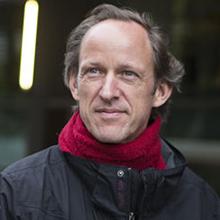 Mark J Nieuwenhuijsen合作论文数Instituto de Salud Global de Barcelona27
 James Grellier合作论文数24
 Rebecca Lovell合作论文数European Centre for Environment and Human Health, University of Exeter Medical School21
 Matilda Van Den Bosch合作论文数Department of Forest and Conservation Sciences, Faculty of Forestry, The University of British Columbia;School of Population and Public Health, Faculty of Medicine, The University of British Columbia;European Forest Institute;Circular Bioeconomy Alliance;Barcelona Institute for Global Health18
 Michael Depledge合作论文数European Centre for Environment and Human Health, University of Exeter Medical School;Department of Zoology, Oxford University;University College London;Chiba University Medical School18
 Joanne K Garrett合作论文数Royal Cornwall Hospital, University of Exeter Medical School16
 Alcock Ian合作论文数Royal Cornwall Hospital, University of Exeter Medical School15
 Tim Taylor合作论文数Royal Cornwall Hospital, University of Exeter Medical School14
 Greg Bratman合作论文数School of Environmental and Forest Sciences, University of Washington14
 Ann Ojala合作论文数Department of Social Research, University of Helsinki12
 Amy Mizen合作论文数11
 Nicholas Osborne合作论文数Queensland Alliance for Environmental Health Sciences, Faculty of Health and Behavioural Sciences, The University of Queensland11
 James White合作论文数Centre for Trials Research, School of Medicine, Cardiff University11
 Matthew Browning合作论文数Department of Parks, Recreation, and Tourism Management, College of Behavioral, Social and Health Sciences, Clemson University11
 Ashley Akbari合作论文数11
 Bethany R. Roberts合作论文数European Ctr Environm & Human Hlth, Univ Exeter10
 Ronan Lyons合作论文数Medical School, Faculty of Medicine, Health and Life Science, Swansea University;Department of Epidemiology and Preventive Medicine, Monash University10
 Gareth Stratton合作论文数Department of Engineering, Swansea University;Applied Sport Technology and Exercise Medicine Research Centre, College of Engineering, Swansea University10
 Fry Richard合作论文数10
 Sarah Rodgers合作论文数School of Medicine, Swansea University10
 Charles Abraham合作论文数School of Psychological Sciences, Faculty of Medicine, Dentistry and Health Sciences, University of Melbourne10
 Mireia Gascon合作论文数Barcelona Institute for Global Health10
 Francis Rowney合作论文数Sch Geog Earth & Environm Sci, Univ Plymouth9Simon Bell合作论文数School of Architecture and Landscape Architecture, Edinburgh College of Art, The University of Edinburgh9
 Rebecca Sally Geary合作论文数Department of Infection and Population Health, University College London;Faculty of Epidemiology and Population Health, London School of Hygiene and Tropical Medicine;r.geary@ucl.ac.uk.;London School of Hygiene and Tropical Medicine, University College London9A. J. Watkins合作论文数9
 Daniel A Thompson合作论文数Populat Data Sci, Swansea Univ8
 Angel Dzhambov合作论文数Faculty of Medicine, Medical University of Plovdiv8
 Lea Waters合作论文数Ctr Posit Psychol, Univ Melbourne8
 Anne Roiko合作论文数8Deborah Cracknell合作论文数School of Nursing, Faculty of Medical and Health Sciences, The University of Auckland8
 Leonie Fian合作论文数7
 Leanne Martin合作论文数7
 Jiao Song合作论文数7
 Smalley A合作论文数European Centre for Environment and Human Health, The University of Exeter Medical School7
 Voracek Martin合作论文数Fakultät für Psychologie, Universitat Wien7
 Maria Luisa Lima合作论文数7
 Nicola L Yeo合作论文数6
 Paula Kellett合作论文数European Marine Board6
 Theo Economou合作论文数Climate and Atmospheric Research Centre, The Cyprus Institute6
 Muhammad Mainuddin Patwary合作论文数Environm Sci Discipline, Khulna Univ6
 Jon May合作论文数School of Psychology, University of Plymouth6
 Thomas Astell-Burt合作论文数School of Science and Health, University of Western Sydney;School of Geography and Geosciences, University of St. Andrews;University of Western Sydney, University of St. Andrews6
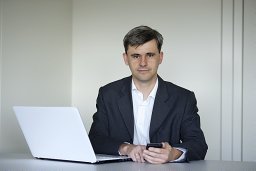 Stefan Stieger合作论文数Medical University of Vienna6
 Stephen Skippon合作论文数6




