Cultures, such as Japan, are characterized by tighter or more rigid norms than others, like the United States. However, the mechanism underlying this cultural difference remains unclear. We tested the hypothesis that individuals carrying genetic polymorphisms linked to cultural learning, particularly the 7- or 2-repeat variable number of tandem repeat variants of the dopamine D4 receptor gene, DRD4, would show heightened sensitivity to norm violations if they are from tight cultures but not in loose cultures. A total of 214 Japanese and 236 European American young adults (total N = 450) evaluated the normativity of various behaviors while their electroencephalogram (EEG) was recorded. Consistent with previous findings, norm violations elicited a robust N400 response, an electrocortical marker of expectancy violation. Critically, this N400 norm-violation effect was significantly stronger for Japanese carriers of the DRD4 alleles linked to cultural learning, but no such genetic moderation was observed among European Americans. Moreover, Japanese non-carriers showed a significantly weaker N400 response than their American counterparts. These results suggest that in a tight culture like Japan, heightened neural sensitivity to norm violations may be concentrated among individuals with genetic predispositions for enhanced reward processing, pointing to the dynamic interplay between genetic variations and cultural environments.
Japanese adults typically have healthier lipid profiles than American and European adults and a lower prevalence and later onset of atherosclerotic cardiovascular disease (ASCVD). Many Japanese also have uniquely elevated levels of high-density lipoprotein cholesterol (HDL-C). The following analysis examined the relationship between HDL-C level and HDL-C peroxide content, a bioindicator of unhealthy lipid metabolism in Japanese adults. Blood samples were collected from 463 participants, 31-84 years of age, who lived in Tokyo. A second blood sample was collected 5 years later from 241 of the participants, allowing us to evaluate the temporal stability of the inverse correlation between HDL-C level and HDL-C peroxide content. Glucoregulation and inflammatory activity were assessed because both can be associated with dyslipidemia and HDL-C dysfunction. Obesity and central adiposity were also considered. Overall, women had healthier HDL-C profiles than men. Elevated HDL-C (>90 mg/dL) was common (16.6%) and found more often in women. Higher HDL-C peroxide content was associated with older age and central adiposity and incremented further when HA1c and CRP were higher. When assessed 5 years later, lower HDL-C peroxide content continued to be evident in adults with higher HDL-C. While similar associations have been described for other populations, most Japanese adults typically had healthier levels of HDL-C with lower HDL-C peroxide content than previously reported for American adults.
European Americans are self-enhancing, whereas East Asians are sometimes self-critical. However, the mechanisms underlying this cultural difference remain unclear. Here, we addressed this gap by testing 32 Taiwanese and 32 American young adults, who indicated whether their self-esteem would change in various episodes involving success or failure. We monitored their electroencephalogram (EEG) and assessed upper-alpha band power in response to the outcome information. An increase in upper-alpha power indicates internally directed attention; therefore, it is an index of self-referential processing when assessed during a judgment about the self. As predicted, Americans judged that their self-esteem (but not another's) would increase more after a success than it would decrease after a failure, thereby showing the previously observed self-enhancing pattern. Taiwanese tended to show the opposite pattern, self-criticism. Notably, Americans, but not Taiwanese, showed an increase in upper-alpha band power in response to the self's successes (vs. failures). This bias in the EEG index of self-referential processing predicted the cultural difference in self-enhancement (vs. criticism). The role of self-referential processing in self-enhancement is discussed. (PsycInfo Database Record (c) 2022 APA, all rights reserved).
There are strong cultural norms for how emotions are expressed, yet little is known about cultural variations in preschoolers' outward displays and regulation of disappointment. Chinese, Japanese, and American preschoolers' (N = 150) displays of emotion to an undesired gift were coded across both social and nonsocial contexts in a "disappointing gift" paradigm. Generalized estimating equations revealed that, regardless of culture, when children received a disappointing gift, they showed more positive expressions of emotion ("fake smile") in social contexts (in the presence of unfamiliar and familiar examiners) relative to when they were alone, suggesting that preschool-aged children are able to mask their disappointment with positive displays. However, children's emotion expressions varied across both cultures and contexts. American children were more positively and negatively expressive than Japanese children and were more negatively expressive than Chinese children. Chinese and Japanese preschoolers verbally reported more negative emotions but showed more neutral expressions than American preschoolers when receiving the disappointing gift. In addition, across different contexts of the task, there were subtle differences in how Chinese and Japanese children regulated their emotional expressions, with Chinese children showing similar levels of neutral expressions (e.g., "poker face") across different contexts in the task. Thus, our findings highlight the importance of understanding cultural meanings and practices underlying emotion development during early childhood. (C) 2020 Elsevier Inc. All rights reserved.
In the current cultural psychology literature, it is commonly assumed that the personal self is cognitively more salient for those with an independent (vs. interdependent) self-construal (SC). So far, however, this assumption remains largely untested. Here, we drew on evidence that resting state alpha power (RSAP) reflects mental processes constituting the personal self, and tested whether RSAP is positively correlated with independent (vs. interdependent) SC. Study 1 tested European Americans and Taiwanese, whereas Study 2 tested European Americans and Japanese (total N = 164). A meta-analysis performed on the combined data confirmed a reliable association between independent (vs. interdependent) SC and RSAP. However, this association was only reliable when participants had their eyes closed. Even though European Americans were consistently more independent than East Asians, RSAP was no greater for European Americans than for East Asians. Our data helps explore a missing link in the theorizing of contemporary cultural psychology.
Adults are biologically responsive to context, and their responses to particular situations may differ across cultures. However, are preschoolers’ biological systems also responsive to situational contexts and cultures? Here, we show that children’s neurobiological stress responses, as indexed by salivary cortisol, are activated and responsive to psychosocial stressors relevant to their sociocultural emphases. By examining cortisol changes across different contexts among 138 preschoolers living in the United States, China, and Japan, we found that an achievement-related stressor elicited an increased cortisol response among Chinese preschoolers, whereas interpersonal-related stressors elicited an increased cortisol response among Japanese preschoolers. By contrast, U.S. preschoolers showed decreased cortisol responses after these stressors but consistently higher levels of anticipatory responses to separation at the beginning of each session. Our findings suggest that children’s neurobiological stress systems may be a critical biological mechanism allowing societal-level cultural phenomena to be embodied in individual-level responses, even among preschoolers.
Japan is an exceptionally healthy East Asian country with extended longevity. In addition, the typical levels of several proinflammatory proteins, including both C-reactive protein (CRP) and interleukin-6 (IL-6), are often reported to be low when compared to American and European populations. This analysis determined if blood levels of CRP and IL-6 were associated with 4 cultural practices reflective of Japanese behavior and customs - drinking tea, eating seafood, consuming vegetables, and partaking in relaxing baths regularly - among 382 adults living in Tokyo. Regression models controlled for demographic factors, adiposity (BMI), physical exercise, smoking, alcohol use, and chronic illness (e.g., diabetes). Consuming a Japanese diet was associated with significantly lower CRP and IL-6 levels. More frequent bathing was associated with lower IL-6, but not specifically predictive of low CRP. This study has confirmed prior evidence for low inflammatory activity in Japanese adults and its association with several behavioral practices common in Japan.
Background The aim of this study was to examine the internal consistency, structural validity, and convergent/known-group validity of the Japanese version of the 42-item Psychological Well-Being Scale (PWBS-42). Methods The PWBS-42 includes six 7-item subscales designed to measure the following dimensions of eudaimonic psychological well-being: 1) autonomy, 2) environmental mastery, 3) personal growth, 4) positive relations with others, 5) purpose in life, and 6) self-acceptance. A questionnaire was administered to 2102 community residents in Tokyo aged 30 or over as a part of the Midlife in Japan (MIDJA) survey, in 2008. The internal consistency reliability was tested using Cronbach’s α. Structural validity was examined using exploratory factor analysis (EFA). Convergent validity was evaluated by calculating correlations of the Japanese PWBS-42 subscales with life satisfaction, negative affect, negative adjectives, positive affect, positive adjectives, self-esteem, and perceived stress scales. Results Data from 1027 respondents (505 males and 522 females) were analyzed (valid response rate = 56.2%). Cronbach’s α values ranged from 0.70 to 0.78 for five of the subscales, while that for purpose in life was lower (0.57). EFA yielded a five-factor structure: The first two factors consisted of negative and positive items mostly from the environmental mastery, purpose in life, and self-acceptance subscales. The third, fourth, and fifth factors consisted mostly of items from the positive relations with others, autonomy, and personal growth subscales, respectively. As hypothesized, the scores for life satisfaction, negative and positive affect/adjectives, self-esteem and perceived stress were significantly correlated with all subscales of the Japanese PWBS-42. Conclusion The subscales of the Japanese version of the PWBS-42 showed accep. levels of reliability and support for convergent validity in the Japanese population. The factor structure was slightly different from the theoretical 6-factor model: items of three subscales (environmental mastery, purpose in life, and self-acceptance) loaded together on two factors. This finding may be interpreted in light of the interdependent self construal found in Japan in which these three components could be closely linked.
Aim:To compare the prevalence of poor glycemic control in probability samples of Japanese and American adults, and to determine the association with their somatic phenotypes.Material and Methods:Blood samples and anthropometric measures were obtained from 382 Japanese, 32-79 years of age, randomly selected to reflect the 23 wards of Tokyo. HA1c values were compared to 1215 Americans, 35-86 years of age, from a national study across the 48 continental states, along with an over-sampling of African-Americans from one city (www.midus.wisc.edu). Body Mass Index (BMI) and Waist-hip ratio (WHR) were also assessed.Results:Many Japanese now have high HA1c approaching Caucasian-American levels, although elevated HA1c (>6.5%, 48 mmol/mol) is not nearly as prevalent as among African-Americans. Significant age-related trends were evident in both countries, with poor glycemic control occurring at younger ages in males and rarely found until old age in Japanese women. Japanese had higher HA1c levels at BMIs of 23-25, in contrast to Americans with Type 2 diabetes who more typically had a BMI over 30. Central adiposity predicted HA1c levels better than BMI, a relationship also apparent at a smaller WHR in Japan.Conclusion:The prevalence of high HA1c in Tokyo almost rivals white Americans, but those statistics are dwarfed by the 37% of Afr-Amer adults identified with Type 2 diabetes. Elevated HA1c was more common in men, reflecting central adiposity, but poor glycemic control was also widespread among overweight Afr-Amer women. Type 2 diabetes was higher among older Japanese, when more women succumb. Overall, the findings highlight the societal and clinical challenges posed by demographic trends in both countries.
Feeling good is linked to better health in Western contexts. Recent studies show, however, that the affect-health link is not consistent across cultures. We suggest two reasons for such inconsistency. The first follows from research showing that North American (vs. East Asian) cultures tend to value high arousal positive (HAP) states, for example, excited, more than low arousal positive (LAP) states, for example, calm. The second is one we propose for the first time. Positive affective experience is manifest in internal feelings but also in affective practices, such as taking a bath (a highly valued affective experience in Japan) or a fitness workout (a highly valued affective experience in the United States). We hypothesized that the HAP feelings/practices-health link would be stronger in the United States versus Japan, and the LAP feelings/practices-health link would be stronger in Japan versus the United States. Using survey samples from the United States (N = 640) and Japan (N = 382), we examined how health outcomes are shaped by positive affective feelings and practices varying in arousal. In a first set of analyses, HAP feelings predicted better physical and biological health in the United States but not in Japan. No cultural differences were consistently found for the effect of LAP feelings on health. In addition, engaging in HAP practices predicted better physical and biological health in the United States whereas engaging in LAP practices predicted better physical health in Japan but not in the United States. These findings suggest that the pathways underlying the culture-health link are culturally variable. (PsycINFO Database Record (c) 2020 APA, all rights reserved).
Previous work assessing psychological tendencies across cultures suggests that East Asians are more holistic in cognition (e.g., extending attention to the context in object perception) and interdependent in social orientation (e.g., feeling happy when connected with others) than European Americans. However, little is known about the possible moderation of these findings by age and social class because of this literature’s near-exclusive focus on young and highly educated segments of the respective populations. The neglect of these demographic variables has persisted even though different theories predict divergent effects of such variables. Here, we addressed this gap by testing a comprehensive set of eleven holistic cognition measures and six interdependent social orientation measures in random samples of Japanese and Americans who varied in age, educational attainment, and gender (N = 666). The previously reported cultural variation proved highly stable across the subpopulations. Though other demographic factors played a significant role for both cognitive style and social orientation, their combined contribution was 14-18 times smaller than the effects of national culture. We discuss implications for the existing theories of culture.
We test the proposition that both social orientation and cognitive style are constructs consisting of loosely related attributes. Thus, measures of each construct should weakly correlate among themselves, forming intra-individually stable profiles across measures over time. Study 1 tested diverse samples of Americans (N = 233) and Japanese (N = 433) with a wide range of measures of social orientation and cognitive style to explore correlations among these measures in a cross-cultural context, using demographically heterogeneous samples. Study 2 recruited a new sample of 485 Americans and Canadians and examined their profiles on measures of social orientation and cognitive style twice, one month apart, to assess the stability of individual profiles using these variables. Despite finding typical cross-cultural differences, Study 1 demonstrated negligible correlations both among measures of social orientation and among measures of cognitive style. Study 2 demonstrated stable intra-individual behavioral profiles across measures capturing idiosyncratic patters of social orientation and cognitive style, despite negligible correlations among the same measures. The results provide support for the behavioral profile approach to conceptualizing social orientation and cognitive style, highlighting the need to assess intra-individual stability of psychological constructs in cross-cultural research.
Caregiver impact on the efficacy of cognitive emotion regulation (ER; i.e. reappraisal) during childhood is poorly understood, particularly across cultures. We tested the hypothesis that in children from Japan and the USA, a neurocognitive signature of effective reappraisal, the late positive potential (LPP), will be bolstered by cognitive scaffolding by parents, and explored whether the two cultures differed in whether mere physical proximity of parents provides similar benefit. Five-to-seven-year-olds (N = 116; nJapan = 58; nUSA = 58) completed a directed reappraisal task (EEG-recorded) in one of three contexts: (i) parent-scaffolding, (ii) parent-present and (iii) parent-absent. Across cultures, those in the parent-scaffolding group and parent-present group showed effective reappraisal via the LPP relative to those in the parent-absent group. Results suggest that scaffolding is an effective method through which parents in these two cultures buttress child ER, and even parental passive proximity appears to have a meaningful effect on child ER across cultures.
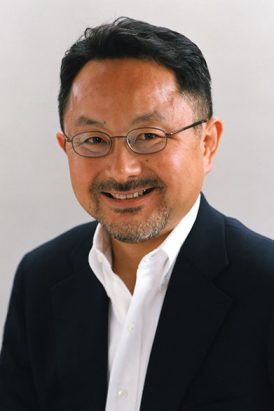 Shinobu Kitayama合作论文数Culture and Cognition Lab, Department of Psychology, College of Literature, Science, and the Arts, University of Michigan42
 Carol Ryff合作论文数Department of Psychology, University of Wisconsin-Madison;Institute on Aging, University of Wisconsin-Madison28
 Hazel Rose Markus合作论文数Department of Psychology, Stanford University23
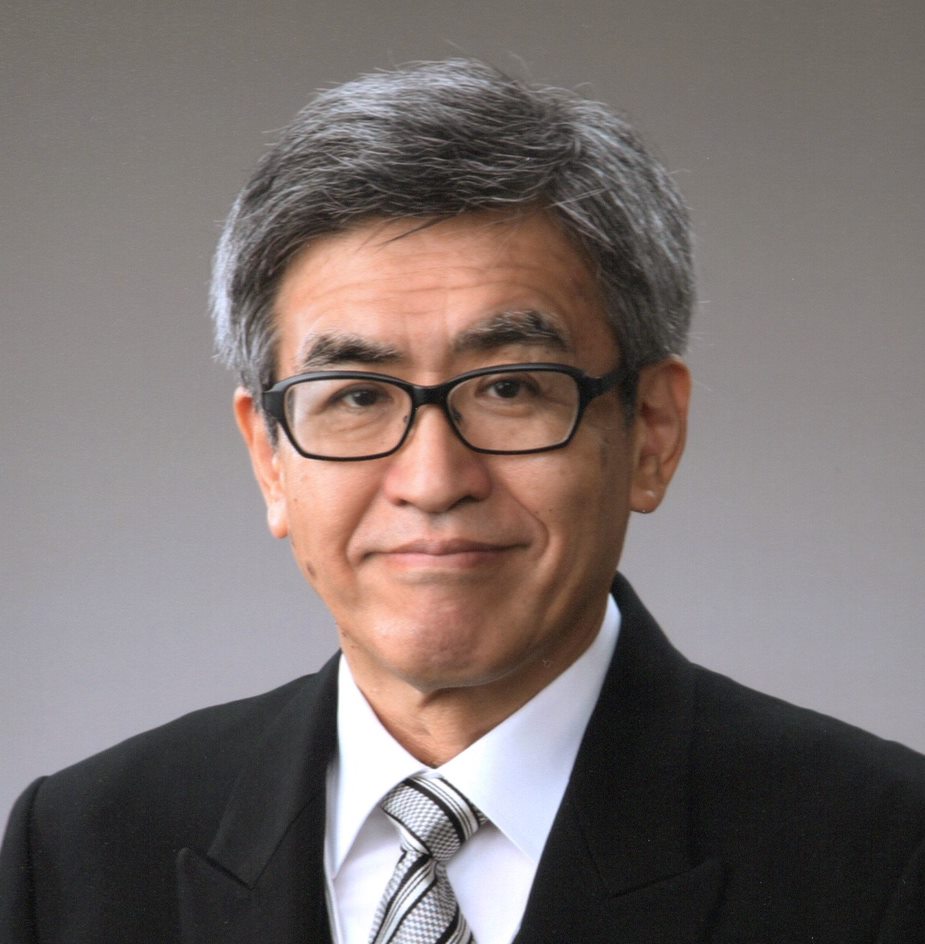 Norito Kawakami (川上憲人)合作论文数Graduate School of Medicine, The University of Tokyo22
 Christopher L. Coe合作论文数18
 Yuri Miyamoto合作论文数Department of Psychology, University of Michigan17Love Gayle D合作论文数15
 Hidemi Hirabayashi合作论文数14
 Batja Gomes de Mesquita合作论文数Leuven Culture and Emotion Lab, Center for Social and Cultural Psychology, KU Leuven;Faculty of Psychology and Educational Sciences, KU Leuven14
 Jiyoung Park合作论文数College of Medicine, Dongguk University13Midori Kazama合作论文数12Curhan Katherine B合作论文数12
 Cynthia R. Levine合作论文数Department of Psychology, University of Washington10
 Jennifer Morozink Boylan合作论文数Department of Health & Behavioral Sciences, College of Liberal Arts and Sciences, University of Colorado Denver9Kan Chiemi合作论文数9Aya Kamikubo合作论文数7
 Twila Tardif (谭霞灵)合作论文数Asian Languages and Cultures, College of Literature, Science, and the Arts, University of Michigan-Ann Arbor6
 Joseph Tobin合作论文数Department of Chemistry, University College Cork6
 Igor Grossmann合作论文数Dept Psychol, Univ Waterloo5Yeh Hsueh合作论文数5Janxin Leu合作论文数5
 Cristina E Salvador合作论文数Department of Psychology and Neuroscience, Trinity College of Arts & Sciences, Duke University4
 Alison L. Miller合作论文数Injury Prevention Center, Medical School, University of Michigan-Ann Arbor4
 Jinkyung Na合作论文数4
 Richard Nisbett合作论文数Department of Psychology, College of Literature, Science, and the Arts, The University of Michigan;Institute for Social Research, The University of Michigan4
 Michael E. W. Varnum合作论文数Department of Psychology, Arizona State University4
 Derya Güngör合作论文数National Institutes of Health Child and Family Research, Eunice Kennedy Shriver National Institute of Child Health and Human Development4
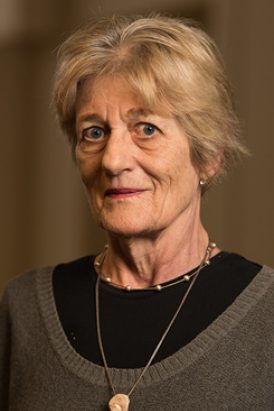 Phoebe Ellsworth合作论文数Department of Psychology, College of Literature, Science, and the Arts, University of Michigan4Nai-Ching Hsiao合作论文数3Jon-Fan Hu合作论文数3
 Brian Kraus合作论文数Dept Psychol, Northwestern Univ3
 Sheryl Olson合作论文数Department of Psychology, College of Literature, Science, and the Arts, University of Michigan-Ann Arbor3Dienberg Love Gayle合作论文数3
 Attilio Rigotti R.合作论文数Departamento de Nutricion, Pontificia Universidad Catolica de Chile3
 Li Wang (王莉)合作论文数Department of Developmental and Educational Psychology, School of Psychological and Cognitive Sciences, Peking University3
 Tamara Sims合作论文数Department of Psychology, Stanford University3
 Michael Boiger合作论文数Faculty of Psychology and Educational Sciences, University of Leuven3
 Daniel Allan Kessler合作论文数3
 Takahiko Masuda合作论文数University of Alberta3Barbara T. Felt合作论文数3Reiko Nakajima合作论文数2Jun NAKAHARA合作论文数2Yuan Huijuan合作论文数2
 Kazuhiro Watanabe合作论文数2
 Jiah Yoo合作论文数Department of Psychology, University of Arizona.2
 Duygu DİNÇER合作论文数Biruni University2
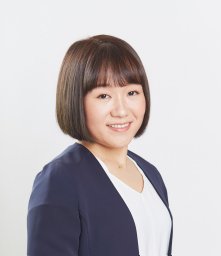 Natsu Sasaki合作论文数Graduate School of Medicine, The University of Tokyo2
 Daisuke Nishi (西大輔)合作论文数Department of Mental Health, Graduate School of Medicine, The University of Tokyo2
 Kotaro Imamura合作论文数Graduate School of Medicine, The University of Tokyo2




