BACKGROUND:Pediatric lower extremity vascular injuries are challenging to manage and treat. Early recognition and a high index of suspicion is needed to ensure accurate diagnosis and timely interventions to prevent limb loss. These injuries present numerous technical challenges to the surgical multidisciplinary team, particularly in a very young patient. Technical challenges relate to small vessel size, vasospasm, and at times the lack of a suitable conduit for vascular reconstructions. The literature describing accepted clinical algorithms and techniques to manage these patients and their injuries are sparse. Moreover, there is significant variability in clinical specialties involved in their care. METHODS:A thorough literature review was performed on pediatric lower extremity traumatic injuries. Iatrogenic injuries were not included in this review. Expert opinion of those who routinely intervene on pediatric lower extremity traumatic injuries was also considered. CONCLUSIONS:The goal of this review was to summarize different injury patterns and promote management strategies that have been successful among practitioners experienced in managing pediatric extremity vascular trauma.
The healing of wounds in patients with chronic venous insufficiency can be complex and benefit from multiple synergistic therapies, both to reduce venous hypertension and to treat the wounds themselves. Exercise therapy and compression can reduce venous stasis and edema. Pentoxifylline may provide some benefit. All patients should be evaluated for arterial and deep venous pathology that may be contributing; they should also be continuously reassessed for possible wound infection. Debridement of various types can help maintain a clean wound and speed healing. While many dressings may be beneficial, only hydrogels have demonstrated benefit over basic contact dressings. Some skin substitute products may improve the rate of wound healing. A vascular specialist committed to healing wounds associated with venous insufficiency should be familiar with all of these options; ongoing research is needed to help practitioners know when to use each.
The care of patients with venous and lymphatic disorders has been championed in core discipline description, Accreditation Council for Graduate Medical Education (ACGME) educational content, and ultimately board certification by only one specialty since its inception - Vascular Surgery. Venous and lymphatic disorders have been an accepted core component even when treatment options were restricted to painstaking compression therapy for venous ulcers, sometimes supplemented by superficial and/or deep interventions when appropriate conditions existed. Vascular surgeons have devoted extensive time and talent to understanding venous embryology, anatomy, physiology, pathophysiology, the performance and interpretation of vascular ultrasound, venography, intravascular ultrasound, as well as medical, endovascular, and surgical venous procedures. The ACGME process (educational requirements and documented hands-on experience) and accredited board certification (Vascular Surgery Board) provides the public with a way to measure who is optimally equipped to care for their affliction. The American Board of Medical Specialties (ABMS) is aware of the public's critical need to be able to look to accreditation as a meaningful indication of a provider's competence. 1 Certification Matters | American Board of Medical Specialties. https://www.certificationmatters.org/ Google Scholar It is for this reason--public safety--that accreditation is so important. The push to validate physicians who might wish to treat patients with venous and lymphatic disease via unaccredited board certification should be a concern to the entire health-care community. We can understand why certain insurers would restrict reimbursement for procedures performed by nonvascular surgery trained physicians. “The United State of Venous and Lymphatic Medicine”—uniting the specialties to form a more perfect unionJournal of Vascular Surgery: Venous and Lymphatic DisordersVol. 11Issue 3PreviewIn 2020, Dr B.K. Lal gave his presidential address, memorializing his term at the American Venous Forum (AVF).1 In that address, Dr Lal eloquently summarized the challenges facing venous and lymphatic medicine (VLM), including the broad variation in practice patterns, the lack of formal graduate medical education among many VLM practitioners, and insurance carriers, such as Total Health Care (THC) in Michigan, making ad hoc determinations on who is qualified to treat VLM patients. It was the last comment that struck me, because I was the doctor in Michigan to which Dr Lal was referring with regard to THC. Full-Text PDF
Objective: Early reports suggest that patients with novel coronavirus disease-2019 (COVID-19) infection carry a significant risk of altered coagulation with an increased risk for venous thromboembolic events. This report investigates the relationship of significant COVID-19 infection and deep venous thrombosis (DVT) as reflected in the patient clinical and laboratory characteristics. Methods: We reviewed the demographics, clinical presentation, laboratory and radiologic evaluations, results of venous duplex imaging and mortality of COVID-19-positive patients (18-89 years) admitted to the Indiana University Academic Health Center. Using oxygen saturation, radiologic findings, and need for advanced respiratory therapies, patients were classified into mild, moderate, or severe categories of COVID-19 infection. A descriptive analysis was performed using univariate and bivariate Fisher's exact and Wilcoxon rank-sum tests to examine the distribution of patient characteristics and compare the DVT outcomes. A multivariable logistic regression model was used to estimate the adjusted odds ratio of experiencing DVT and a receiver operating curve analysis to identify the optimal cutoff for D-dimer to predict DVT in this COVID-19 cohort. Time to the diagnosis of DVT from admission was analyzed using log-rank test and Kaplan-Meier plots. Results: Our study included 71 unique COVID-19-positive patients (mean age, 61 years) categorized as having 3% mild, 14% moderate, and 83% severe infection and evaluated with 107 venous duplex studies. DVT was identified in 47.8% of patients (37% of examinations) at an average of 5.9 days after admission. Patients with DVT were predominantly male (67%; P = .032) with proximal venous involvement (29% upper and 39% in the lower extremities with 55% of the latter demonstrating bilateral involvement). Patients with DVT had a significantly higher mean D-dimer of 5447 6 7032 ng/mL (P = .0101), and alkaline phosphatase of 110 IU/L (P = .0095) than those without DVT. On multivariable analysis, elevated D-dimer (P = .038) and alkaline phosphatase (P = .021) were associated with risk for DVT, whereas age, sex, elevated C-reactive protein, and ferritin levels were not. A receiver operating curve analysis suggests an optimal D-dimer value of 2450 ng/mL cutoff with 70% sensitivity, 59.5% specificity, and 61% positive predictive value, and 68.8% negative predictive value. Conclusions: This study suggests that males with severe COVID-19 infection requiring hospitalization are at highest risk for developing DVT. Elevated D-dimers and alkaline phosphatase along with our multivariable model can alert the clinician to the increased risk of DVT requiring early evaluation and aggressive treatment.
Purpose Limited data are available describing the long-term results of pediatric patients undergoing aortic repair secondary to trauma. Therefore, this descriptive investigation was completed to abrogate this deficit. Methods A retrospective review of an urban level 1 pediatric trauma database maintained at a high-volume dedicated children’s hospital between 2008-2018 was completed to capture all cases of severe traumatic aortic injury and associated demographics, mechanisms, injury severity, treatment, and clinical outcomes. Results In the prespecified interval, 2189 children (age <18 years) presented to our facility as a level 1 trauma activation. Of these cases, a total of 10 patients (.5%) had a demonstrable thoracic or abdominal aortic injury. The mean age of our study cohort was 10.4 ± 5.7 years. The mechanism of injury consisted of 8 participants involved in motor vehicle accidents, 1 pedestrian struck by a vehicle, and 1 struck by a falling boulder. Injuries were identified via CT angiogram (n = 9) or autopsy (n = 1) and consisted of 6 thoracic aortas and 4 abdominal aortas. The mean trauma injury severity score was 37.6 ± 19.9. Seven of the patients underwent open surgical intervention, 1 underwent endovascular intervention, 1 was treated with medical management, and 1 patient expired in the trauma bay before surgery could be performed. Aortic pathologies observed were 6 transections, 2 dissections, and 2 occlusions. Five of the ten patients underwent nonaortic surgical procedures. To determine operative outcomes, we excluded the 2 patients who did not receive aortic intervention. In the 8 remaining patients, the mean hospital length of stay was 12.8 ± 4.8 days with 6.8 ± 4.1 days in the intensive care unit. All 9 participants who survived the initial trauma evaluation were discharged from the hospital. Mean follow-up was 38.3 ± 43.0 months; during which, we observed no additional aortic-related morbidity, mortality, and reinterventions. The only stent-graft deployed remained in stable position without evidence of endoleak or migration by duplex. Conclusion Traumatic aortic injury is exceedingly rare in children and primarily of blunt etiology. Of the patients who survive the scene, operative repair seems to be associated with excellent perioperative and long-term survival.
Objective: The attempt to repair a ruptured abdominal aortic aneurysm carries a significant risk of perioperative mortality. The relationship between body mass index (BMI) and outcomes after repair of ruptured abdominal aortic aneurysms (AAAs) has not been well defined. We report the association of BMI with outcomes after ruptured AAA repair. Methods: Patients undergoing ruptured AAA repairs between 2008 and 2017 at 2 tertiary academic centers were included in this retrospective study. Demographics (including BMI), type of repair, length of stay, and admission mortality risk scores were gathered and analyzed using bivariate and multivariate logistic regressions. Adjusted odds ratio (AOR) was reported with 95% CIs andPvalues from the multivariate analysis. The primary outcome was 30-day mortality. Akaike information criterion (AIC) and c-statistics were used to assess the predictive power of models including physiologic score with or without BMI. Results: A total of 202 patients underwent repair of ruptured AAA. In bivariate relationship, increased BMI was significantly associated with 30-day mortality. With multivariate analysis, adjusting for demographics, type of procedure, and physiologic score, for each kg/m(2)increase in BMI, an 8% increase in the likelihood of perioperative mortality (AOR = 1.08, 95% CI: 1.01-1.17;P= .04) was observed. Conclusion: When adjusted for admission risk score, type of procedure, and demographics, obesity was associated with increased 30-day mortality. With BMI as an additional data point, the c-statistics and AIC comparisons indicated that we would have a greater ability to preoperatively estimate mortality after ruptured AAA repair. Consideration could be made to include BMI in future mortality risk scoring systems for ruptured AAA.
BACKGROUND:Chronic mesenteric ischemia (CMI) results from the inability to achieve adequate postprandial intestinal blood flow, usually from atherosclerotic occlusive disease at the origins of the mesenteric vessels. Patients typically present with postprandial pain, food fear, and weight loss, although they can present with acute mesenteric ischemia and bowel infarction. The diagnosis requires a combination of the appropriate clinical symptoms and significant mesenteric artery occlusive disease, although it is often delayed given the spectrum of gastrointestinal disorders associated with abdominal pain and weight loss. The treatment goals include relieving the presenting symptoms, preventing progression to acute mesenteric ischemia, and improving overall quality of life. These practice guidelines were developed to provide the best possible evidence for the diagnosis and treatment of patients with CMI from atherosclerosis.METHODS:The Society for Vascular Surgery established a committee composed of vascular surgeons and individuals experienced with evidence-based reviews. The committee focused on six specific areas, including the diagnostic evaluation, indications for treatment, choice of treatment, perioperative evaluation, endovascular/open revascularization, and surveillance/remediation. A formal systematic review was performed by the evidence team to identify the optimal technique for revascularization. Specific practice recommendations were developed using the Grading of Recommendations Assessment, Development, and Evaluation system based on review of literature, the strength of the data, and consensus.RESULTS:Patients with symptoms consistent with CMI should undergo an expedited workup, including a computed tomography arteriogram, to exclude other potential causes. The diagnosis is supported by significant arterial occlusive disease in the mesenteric vessels, particularly the superior mesenteric artery. Treatment requires revascularization with the primary target being the superior mesenteric artery. Endovascular revascularization with a balloon-expandable covered intraluminal stent is the recommended initial treatment with open repair reserved for select younger patients and those who are not endovascular candidates. Long-term follow-up and surveillance are recommended after revascularization and for asymptomatic patients with severe mesenteric occlusive disease. Patient with recurrent symptoms after revascularization owing to recurrent stenoses should be treated with an endovascular-first approach, similar to the de novo lesion.CONCLUSIONS:These practice guidelines were developed based on the best available evidence. They should help to optimize the care of patients with CMI. Multiple areas for future research were identified.
The CEAP (Clinical-Etiology-Anatomy-Pathophysiology) classification is an internationally accepted standard for describing patients with chronic venous disorders and it has been used for reporting clinical research findings in scientific journals. Developed in 1993, updated in 1996, and revised in 2004, CEAP is a classification system based on clinical manifestations of chronic venous disorders, on current understanding of the etiology, the involved anatomy, and the underlying venous pathology. As the evidence related to these aspects of venous disorders, and specifically of chronic venous diseases (CVD, C2-C6) continue to develop, the CEAP classification needs periodic analysis and revisions. In May of 2017, the American Venous Forum created a CEAP Task Force and charged it to critically analyze the current classification system and recommend revisions, where needed. Guided by four basic principles (preservation of the reproducibility of CEAP, compatibility with prior versions, evidence-based, and practical for clinical use), the Task Force has adopted the revised Delphi process and made several changes. These changes include adding Corona phlebectatica as the C4c clinical subclass, introducing the modifier "r" for recurrent varicose veins and recurrent venous ulcers, and replacing numeric descriptions of the venous segments by their common abbreviations. This report describes all these revisions and the rationale for making these changes.
This article describes a deep femoral arteriovenous fistula (AVF) diagnosed over a decade after a small caliber gunshot injury to the groin. The fistula persisted following 2 previous attempts at endovascular exclusion and was referred to our institution for further care. We describe the successful exclusion of the AVF via a combination of endovascular techniques. Postoperatively, obliteration was noted to be durable for 4 additional years of follow-up.
BACKGROUND:Stimulated by published reports of potentially inappropriate application of venous procedures, the American Venous Forum and its Ethics Task Force in collaboration with multiple other professional societies including the Society for Vascular Surgery (SVS), American Vein and Lymphatic Society (AVLS), and the Society of Interventional Radiology (SIR) developed the appropriate use criteria (AUC) for chronic lower extremity venous disease to provide clarity to the application of venous procedures, duplex ultrasound imaging, timing, and reimbursements.METHODS:The AUC were developed using the RAND/UCLA Appropriateness Method, a validated method of developing appropriateness criteria in health care. By conducting a modified Delphi exercise and incorporating best available evidence and expert opinion, AUC were developed and scored.RESULTS:There were 119 scenarios rated on a scale of 1 to 9 by an expert panel, with 1 being never appropriate and 9 being appropriate. The majority of scenarios consisted of symptomatic indications were deemed appropriate for venous intervention. For scenarios with anatomically short segments of reflux and/or no symptoms, the indications were rated less appropriate. For the indication of edema, a wide dispersion of ratings was observed especially for short segments of saphenous reflux or stenting for iliac/ inferior vena cava disease, noting that there are multifactorial causes of edema, some of which could coexist with venous disease and possibly impact effectiveness of treatment. Several scenarios were considered never appropriate, including treatment of saphenous veins with no reflux, iliac vein or inferior vena cava stenting for iliac vein compression as an incidental finding by imaging with minimal or no symptoms or signs, and incentivizing sonographers to find reflux.CONCLUSIONS:The AUC statements are intended to serve as a guide to patient care, particularly in areas where high-quality evidence is lacking to aid clinicians in making day-to-day decisions for common venous interventions. This may also prove useful when applied on a population level, such as practice patterns, and not necessarily to dictate decision making for individual cases. As a product of a collaborative effort, it is hoped that this could be utilized by physicians and multiple stakeholders committed toward improving patient care and to identify and stimulate future research priorities.
The Executive Board (EB) of the Society for Vascular Surgery (SVS) is pleased to receive and respond to the Report of the Diversity, Equity and Inclusion (DEI) Taskforce (TF). In September 2019, the TF members were charged with envisioning a more diverse and inclusive SVS and vascular surgery workforce. The timeline of their response, stretching back over the past year, encompasses perhaps the most controversial and socially contentious period of the past generation. The issues identified by the TF, significant and compelling as they are, also demand our attention at this moment in time. In summary, in accepting the TF Report, your EB commits to the changes necessary to implement its more than 40 recommendations, objectives, and requested actions. Many can be readily achieved in the near term; others require strategic alignment and resource allocation, and a few await the more comprehensive culture change that only sustained effort will achieve. The report articulates well the “why” of this effort: the health, vitality and future relevance of the SVS and the specialty itself depend on our ability to understand what needs to be done. The recommendations themselves define the “what”—our opportunity to respond. This document introduces the “how”—our action plan to implement change. This plan acknowledges the central goal or outcome of each respective recommendation, identifies the SVS committee or council best positioned to respond, and the likely timeline to completion. This framework summarizes, at a glance, the who, what and when of our response (Table).TableDiversity, Equity and Inclusion Taskforce Report recommendationsRecommendationDomainAssigned toTimelineaNear term: 0-6 months; midterm: 6-12 months; long term: ≥12 months.Commission the DEI Committee as an element of the EB governance structureGovernance, Policy and ProcessEB; Appointments CommitteeNear termCreate a Diversity Position StatementGovernance, Policy and ProcessEB; DEI CommitteeNear termRevise our Mission and Core Values Statements and update respective BylawsGovernance, Policy and ProcessEBMid termAppoint DEI Committee liaisons to Councils and Committees implementing DEI initiativesGovernance, Policy and ProcessAppointments CommitteeNear termDevelop/curate DEI educational resources, including implicit bias training for leadershipGovernance, Policy and ProcessDEI CommitteeLong termAlign the annual appointments process with the DEI prioritiesGovernance, Policy and ProcessAppointments CommitteeMid termLaunch the member censusMeasurement and ResearchEBNear termProduce an annual DEI Report that tracks progress across multiple domainsMeasurement and ResearchDEI CommitteeLong termEstablish and underwrite a new Health Disparities Research awardMeasurement and ResearchPopulation Health TF; Research Council; SVS FoundationLong termDevelop and implement a multi-year action plan to augment the URiM and LGBTQ+ workforce in vascular surgeryRepresentation and EngagementCOVERS CoalitionLong termIdentify and recruit women, URiM and LGBTQ+ vascular surgeons to membership in the SVSRepresentation and EngagementMembership CommitteeLong termSubstantially evolve the SVS appointments process to leverage the growing diversity of the organizationRepresentation and EngagementAppointments CommitteeMid termEmphasize diversity awareness in SVS Nominations Committee deliberationsRepresentation and EngagementExecutive Committee; DEI CommitteeMid termIncrease opportunities for women, URiM, and LGBTQ+ members to participate in and lead SVS-sponsored activitiesRepresentation and EngagementAppointments CommitteeLong termIncorporate DEI principles into eligibility requirements for scholarships and awardsRepresentation and EngagementResearch Council and other Committees overseeing awards and scholarshipsNear termExpand SVS leadership training and grant opportunities for women, URiM and LGBTQ+ membersProgramsLeadership Development CommitteeLong termDevelop programs to help members navigate hospital disciplinary proceedings, privileging hurdles, Ongoing and Focused Professional Practice Evaluations and similar practice impedimentsProgramsDEI CommitteeLong termEnhance DEI programming in all SVS educational offerings including the Vascular Annual MeetingProgramsEducation CouncilLong termAssure diverse representation in SVS-sponsored programs and events, including moderators, panelists, and invited presentersProgramsEducation CouncilMid termDevelop specific programming for women, URiM, and LGBTQ+ trainees and medical studentsProgramsResident and Student Outreach Committee; Young Surgeons Committee; COVERS CoalitionLong termIntentional consideration of women, URiM and LGBTQ+ members for leadership opportunities at every levelProgramsAppointments Committee; Councils and Committees developing ProgramsLong termOperationalize the new Communications Committee and charge it with highlighting our support for DEIPublications and CommunicationsAppointments Committee; Communications CommitteeNear termImplement and extend the 14 point diversification plan announced by JVS LeadershipPublications and CommunicationsEB; JVS LeadershipNear termEnsure that all voices are represented in our ongoing Town Halls, Meet the Leadership, and Ask the Experts sessionsPublications and CommunicationsCommunications CommitteeLong termCommission an updated Journal of Vascular Surgery DEI SupplementPublications and CommunicationsExecutive Committee; DEI CommitteeNear termEvolve mentorship programs to champion DEI principles and prioritiesRecruitment and OutreachResident and Student Outreach Committee; Young Surgeons Committee; COVERS CoalitionLong termEmpower COVERS to recruit a fully representative workforce in vascular surgeryRecruitment and OutreachCOVERS CoalitionLong termCOVERS, Coalition for Optimization of Vascular Surgeon Trainees and Students; DEI, Diversity, Equity and Inclusion; EB, Executive Board; JVS, Journal of Vascular Surgery; LGBTQ+, lesbian, gay, bisexual, transgender and queer; SVS, Society for Vascular Surgery; TF, taskforce; URiM, underrepresented in medicine.a Near term: 0-6 months; midterm: 6-12 months; long term: ≥12 months. Open table in a new tab COVERS, Coalition for Optimization of Vascular Surgeon Trainees and Students; DEI, Diversity, Equity and Inclusion; EB, Executive Board; JVS, Journal of Vascular Surgery; LGBTQ+, lesbian, gay, bisexual, transgender and queer; SVS, Society for Vascular Surgery; TF, taskforce; URiM, underrepresented in medicine. To facilitate strategic alignment, the recommendations are further sorted into Implementation Domains based on core purposes. The domains seek to stimulate change in the following key strategic areas (Fig):➢Governance, policy, and process➢Measurement and research➢Representation and engagement➢Programs➢Publications and communications➢Recruitment and outreach An oft-stated strategic planning axiom holds that, “Culture eats strategy for lunch.” Sustainable, meaningful change depends on cultural alignment. Although the “culture” of a medical specialty or professional organization is ultimately derived from its membership, it is strongly influenced by the credibility and consistency of leadership. Many TF recommendations address the fundamental building blocks of culture change: governance, policy, and process evolution. These are the responsibility of the Executive and Strategic Board of Directors, with guidance from their governance-related committees including Appointments, DEI, and Communications—the latter two newly created to catalyze change, the former in the process of significant evolution for the same purpose. Bringing the SVS charter documents (eg, constitutions and bylaws) as well as key board policies and positions into alignment with DEI principles will be our initial and primary focus, with processes subsequently aligned to these new standards. Key recommendations in this domain include the following.•Commission the DEI Committee as an element of the EB governance structure. This committee will serve as a resource and guide to the EB and Strategic Board of Directors, as well as councils, committees, sections, and TFs with governance interests. Further, the DEI Committee will take primary responsibility for achieving many of the objectives outlined in the DEI TF Report;•Create a Diversity Position Statement, including elements addressing:○Commitment to a diverse workforce;○Prohibition of bias related to race, ethnicity, gender, religion, or sexual identity;○Resources needed to eradicate discrimination, bias, and harassment; and○Equitable participation and leadership opportunities for all members.•Revise our Mission and Core Values Statements and update respective bylaws;•Appoint DEI Committee liaisons to councils and committees implementing these initiatives;•Develop/curate DEI educational resources, including implicit bias training for leadership; and•Align the annual appointments process with DEI priorities. You cannot change what you cannot measure, and the TF report repeatedly cites the lack of comprehensive membership demographics as a significant impediment to change. The SVS can safely acquire and archive the demographic and practice variables we need to measure, but we need members to provide the necessary information. This year's inaugural member census, with input from the Clinical Practice and Research Councils, as well as the Membership Committee, EB, and multiple staff departments, will anchor robust longitudinal trend analyses necessary to populate dashboards and measure progress. We need every member's help in completing this census. In addition to the member census, several other DEI research projects are envisioned for the DEI Committee, Research Council, and SVS Foundation Board, including those related to the vascular workforce as well as the communities we serve. Key recommendations in this domain include the following.•Launch the member census;•Produce an annual DEI Report that tracks progress across multiple domains;•Establish and underwrite a new Health Disparities Research award; and•Incorporate DEI principles into eligibility requirements for research awards. A common theme expressed throughout the DEI TF Report is the need to acknowledge and embrace the growing diversity of the SVS membership to achieve equity for women, underrepresented in medicine (URiM), and lesbian, gay, bisexual, transgender and queer (LGBTQ+) vascular surgeons. As has been so commonly stated recently, “you cannot be what you cannot see.” Proportional participation and opportunities for advancement are essential, if not existential, imperatives for organizational effectiveness and member engagement. The SVS Appointments, Nominations, and DEI Committees, as well as the EB itself, will be seeking guidance from membership on how to achieve the desired balance of background and ability to serve and lead effectively. Key recommendations in this domain include the following.•Develop and implement a multiyear action plan to augment the URiM and LGBTQ+ workforce in vascular surgery;•Identify and recruit women, URiM, and LGBTQ+ vascular surgeons to membership in the SVS;•Substantially evolve the SVS appointments process to leverage our growing diversity;•Emphasize diversity awareness in SVS Nominations Committee deliberations;•Increase opportunities for women, URiM, and LGBTQ+ members to participate in and lead SVS-sponsored activities; and•Incorporate DEI principles into eligibility requirements for scholarships and awards. SVS programs are the vehicle through which member ideas and visions become reality. Ideally, these programs develop into valuable contributions to vascular health. We commit to embedding DEI principles throughout the programmatic activities of the SVS. Whether in clinical education, wellness, leadership development, advocacy, quality, practice management, or branding, all programs will reflect this commitment, and every committee, council, and TF will be asked to review their program portfolio accordingly. Key recommendations in this domain include the following:•Expand SVS leadership training and grant opportunities for women, URiM, and LGBTQ+ members;•Develop programs to help members navigate hospital disciplinary proceedings, privileging hurdles, Ongoing and Focused Professional Practice Evaluations and similar practice impediments;•Enhance DEI programming in all SVS educational offerings, including the Vascular Annual Meeting;•Ensure diverse representation in SVS-sponsored programs and events, including moderators, panelists, and invited presenters;•Develop specific programming for women, URiM, and LGBTQ+ trainees and medical students; and•Intentionally consider women, URiM, and LGBTQ+ members for leadership opportunities at every level. The SVS portfolio of communication portals, through which we share our work and achievements with the world, “tells our story.” Everything we publish and communicate, whether through our journals, magazines, newsletters, e-mail blasts, video, social media, or podcasts, is being evaluated not only for its content, but also for the sensitivity of its context. We agree with the DEI TF assessment that cultural competency depends on a diversity of backgrounds, perspectives, and experiences in those responsible for editorial processes throughout the publishing enterprise. Key recommendations in this domain include the following.•Operationalize the new Communications Committee and charge it with highlighting our support for DEI;•Implement and extend the 14-point diversification plan recently announced by the JVS leadership;•Ensure that all voices are represented in our ongoing Town Halls, Meet the Leadership, and Ask the Experts sessions; and•Commission an updated Journal of Vascular Surgery DEI Supplement this academic year. The previous five domains are SVS-centric. They refer to initiatives and activities within the direct control of the SVS. The TF Report stresses the importance of extending DEI principles into the development of the future workforce in vascular surgery. These efforts require effective, coordinated actions across all vascular societies. The SVS Strategic Board, conceiving of such a coalition at its January 2020 retreat, organized the Coalition for Optimization of Vascular Surgeon Trainees and Students (COVERS), including the Association of Program Directors in Vascular Surgery, SVS, Society for Clinical Vascular Surgery, and Vascular & Endovascular Surgery Society to focus on medical student recruitment and trainee development. Key recommendations in this domain include the following:•Evolve mentorship programs to champion DEI principles and priorities; and•Empower COVERS to recruit a fully representative workforce in vascular surgery. Two universal constants in our world include the speed of light and the constant state of evolution and change. Whether as individuals or organizations, we either develop sufficient insight, foresight, and resilience to adapt to the changing environment around us, or we choose a path of diminishment and eventual extinction. Vascular surgery as a relatively young specialty, and the SVS as its champion, are both familiar with this dynamic. The SVS has evolved substantially to meet the challenges of today. The pace of change is quickening, however, and by its nature increasingly broad, diverse, and compelling. DEI have been on our collective radar for some time, but it took the leadership of Kim Hodgson, the 2019-2020 SVS President, to frame DEI as strategic opportunities for our society. Under his directive, your EB established the DEI TF to develop this action plan to guide our efforts going forward. As we approach the 75th anniversary of our founding in San Francisco in 1946, historical precedent is difficult to ignore. The surgeons who created the SVS had learned from experience, both in peacetime and in war, that more effective methods were needed for the management of vascular injuries and disease. Your current leadership recognizes now that more effective methods are needed to resolve structural and cultural barriers to career development and advancement for women, URiM, and LGBTQ+ SVS members, as well as improving access to, and outcomes from, vascular care for underprivileged and minority populations across our society. This is our moment to maximize opportunity for all, both within the SVS and the larger communities we serve, starting with the proposed bylaws provisions and extending throughout all facets of our organization. We appreciate the work and insight of the DEI TF in preparing these comprehensive recommendations. Their contribution will help to ensure at least 75 more years of effective member advocacy and exemplary public service from your SVS.
This study suggests that males with severe COVID-19 infection requiring hospitalization are at highest risk for developing DVT. Elevated d-dimers, Alk Po4 along with our multivariable model can alert the clinician to the increased risk of DVT requiring early evaluation and aggressive treatment.
Objective Venous duplex imaging defines venous pathology (VP). Unexpected clinically relevant findings are also found but rarely mentioned in the literature. This study aims to define the prevalence of ancillary findings (nonvenous duplex) by study type and venous outcome and subgroup associations with primary study indication and risk factors. Methods Our vascular laboratory database was queried for lower extremity venous duplex studies with comments regarding ancillary findings and associated patient demographics, primary study indication, associated conditions, and venous study outcome. Results There were 52,215 venous studies performed, 48,425 to evaluate for venous occlusion (acute/chronic) and 3790 for venous reflux. Of these studies, 15,810 found VP and 36,405 found no venous disease. There were 875 studies with venous disease that had ancillary duplex findings (5.5%) noted as 559 (3.5%) with prominent lymph node(s) (LN), 179 (1.1%) Baker's cyst (BC), 44 (0.3%) hematoma/mass (HM), 31 (0.2%) arterial aneurysm, and 16 (0.1%) arterial occlusion. There were 3130 studies free of VP with ancillary findings (8.6%) noted as 2258 (6.2%) prominent LN(s), 626 (1.7%) BC, 156 (0.4%) HM, 37 (0.1%) arterial aneurysm, and 22 (0.06%) arterial occlusion. The overall prevalence of ancillary findings was 8.62%. Analysis demonstrated statistically more ancillary findings in venous occlusion (odds ratio [OR], 1.25) studies, which was the largest group at 13 to 1. Studies free of venous disease had more ancillary findings (P < .001) with an OR of 1.88 and similar results were noted for LN(s), BC, and hematoma. Studies with VP favored a finding of aneurysm (OR, 0.52). Subgroup analyses demonstrated that those with prominent LN(s) were statistically older and male and BC statistically older in those with coexistent venous disease. BC subgroup analysis showed that studies free of venous disease were 2.5 times more likely to report pain as the primary study indication (P < .0001). In general, within ancillary subgroups, leg symptoms were statistically more prominent on the side with ancillary pathology and free of venous disease. Conclusions Ancillary findings are not uncommon and are more common in studies found free of VP. The most common are LNs, BC and HM and, within subgroups, significant leg symptoms favors the presence of ancillary findings without coexisting venous disease. Ancillary findings should be an integral part of a quality report.
The molecule oxygen was introduced into the environment approximately 2 × 10⁹ years ago by early forms of blue-green algae. Generally speaking, ischemic bowel is a continuum from mild damage of the mucosal surface to full thickness necrosis. Specific enzymes quickly remove the oxygen-derived free radicals from the environment, thereby preventing uncontrolled reactions. The generation of free radical pathology was known in other areas, and the stage was set for an advancement of knowledge in the pathogenesis of bowel ischemia. Capillary osmotic reflection coefficient gave these investigators a sensitive measure for studying a variety of substances known to increase capillary permeability or to have an effect on an ischemic bowel injury. Carbonic anhydrase and myoglobin were inhibiting by reducing the oxygen free radical. The oxygen free radical is implicated by the cytoprotective action of superoxide dismutase, a specific enzyme to detoxify the superoxide radical.
This chapter deals with deep venous valve reconstructions aimed to provide a competent valve in the lower leg deep venous system and thereby prevent free reflux of blood into the lower leg when standing. Normal venous anatomy with some expected variations, particularly in relation to adjacent muscle bundles to allow for proper exposure, is discussed in addition to basic normal physiology and hemodynamics. The causes of and pathology of deep venous valvular disease highlight the difference between primary and secondary conditions. The resultant pathophysiology is common to both conditions and the aim of repair is to ameliorate the abnormal physiology sufficient to control a patient’s symptoms to a tolerable degree. The clinical evaluation required to define your specific patient’s condition in terms of clinical presentation, etiology, affected anatomy, and pathophysiologic consequences (CEAP) is detailed. Advanced imaging as regards to noninvasive and invasive techniques (venography) is required to plan an operative approach in a patient with deep venous valvular disease. If this imaging finds venous valves that are architecturally preserved, direct valve repair is possible by virtue of external banding, external valvuloplasty, or internal valvuloplasty. If no valve leaflets amenable to repair are present, valve transposition, valve transplantation, or valve substitutes such as the recently described neovalve are potential operative options. Details regarding these repairs are the essence of this technical-oriented textbook. Postoperative care and early and late outcomes are provided from a review of the literature.
 Alan P. Sawchuk合作论文数59
 Joseph L Unthank合作论文数Indianapolis52
 Raghu L. Motaganahalli合作论文数School of Medicine, Indiana University31D. F. Cikrit合作论文数31
 Mike Murphy合作论文数MRC Mitochondrial BIology Unit, University of Cambridge27Stephen G Lalka合作论文数26Dolores F. Cikrit合作论文数23
 Andres Fajardo合作论文数School of Medicine, Indiana University21
 Gary W. Lemmon合作论文数18
 S Keisin Wang合作论文数Univ Texas Hlth Sci Ctr Houston16
 Thomas W. Wakefield合作论文数Section of Vascular Surgery, Department of Surgery, Medical School, University of Michigan-Ann Arbor16
 Stephen Lalka合作论文数16
 Steven J Miller合作论文数Dept Math & Stat, Williams Coll12Akingba A George合作论文数Department of Surgery, Indiana University School of Medicine;Department of Medicine, Indiana University School of Medicine11
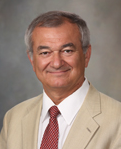 Peter Gloviczki合作论文数Mayo Clinic11Bo Eklof合作论文数10
 Natalie A. Drucker合作论文数Dept Surg, Indiana Univ Sch Med9
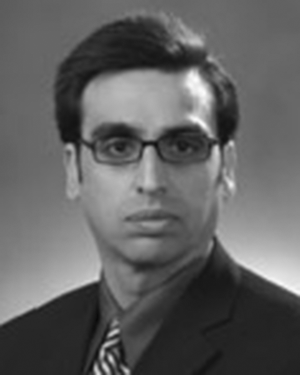 Shoaib Shafique合作论文数8Mark H. Meissner合作论文数8JC NIXON合作论文数7Robert B. Mclafferty合作论文数7
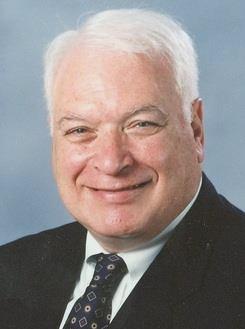 Jay L. Grosfeld合作论文数Department of Surgery, School of Medicine, Indiana University7Harold M Burkhart合作论文数7Matthew R. Distasi合作论文数7
 Fedor Lurie合作论文数Straub Clinic & Hospital7Ashley R. Gutwein合作论文数6
 Cynthia Shortell合作论文数6Matthew A. Ziegler合作论文数6Frank T. Padberg合作论文数5Craig Nixon合作论文数5Mk Reilly合作论文数5JL Glover合作论文数5
 Joseph D. Raffetto合作论文数Department of Surgery, School of Medicine, Boston University;Department of Surgery, Brigham and Women's Hospital;Harvard Medical School5Fath S W合作论文数5Talukdar Anjan J合作论文数5Thomas R. Weber合作论文数5Marc A. Passman合作论文数5John L. Glover合作论文数5Robert L. Kistner合作论文数5Bridget M. Sanders合作论文数4Jl Tuttle合作论文数4Brian M. Rapp合作论文数4
 Gupta Alok Kumar合作论文数College of Basic Sciences and Humanities, GB Pant University of Agriculture and Technology4Martin Angela合作论文数4Scott C. Miller合作论文数4Betty Solooki合作论文数4
 Lava R. Timsina合作论文数College of Public Health, University of Nebraska Medical Center4Phillip J. Bendick合作论文数4
 M. Hassan Murad合作论文数Division of Health Care Policy & Research, Department of Quantitative Health Sciences, Mayo Clinic4




