Functional electrical stimulation (FES) is a prevalent technique commonly used to activate muscles in individuals with neurological disorders. Traditional FES strategies predominantly utilize low-frequency (LF) stimulation, which evokes synchronous action potentials, leading to rapid muscle fatigue. To address these limitations, we introduced a subthreshold high-frequency (HF) stimulation method that employed continuous, charge balanced subthreshold current pulses at kilohertz frequencies, designed to evoke motor unit (MU) activation similar to voluntary activation. We evaluated the effectiveness of HF stimulation on the reduction of muscle fatigue across different force levels (10%, 25%, and40% of maximum force). The HF stimulation utilized continuous charge-balanced, brief pulses of 80 μs (at a 10 kHz frequency) targeted the ulnar/median nerve bundles. We compared the fatigue effects with conventional LF stimulation and voluntary muscle contractions. Our results indicated that HF stimulation maintained more sustained force outputs and muscle activation over a prolonged time compared with LF stimulation. The HF stimulation also evoked a more dispersed muscle activation pattern, similar to voluntary muscle contractions. These findings suggest that HF stimulation can significantly enhance the sustainability of muscle contractions and reduce muscle fatigue, potentially improving the efficacy and applicability of FES in clinical and home-based settings for individuals with neurological impairments.
Motor unit (MU)-driven decoding has shown promise for motion intention recognition, including continuous finger force decoding. However, the role of training strategies in the long-term stability and robustness of MU-driven decoders remains underexplored. Therefore, we systematically investigated how different training strategies, including segment window size for decomposition, training data size, and number of training sessions, affect multi-day decoding performance. Specifically, eight participants performed 80-s isometric finger force tasks across three days. High-density surface electromyogram (sEMG) signals were collected from the forearm using two 16 x 8 electrode arrays placed over the flexor and extensor muscles. MU activity was extracted through fast independent component analysis and refined to retain task-relevant MUs. We systematically varied three training strategies, i.e., the data segment window size (10, 20, 40, or 80 s) for MU decomposition, the amount of training data (4, 8, or 12 trials), and the number of training sessions (1 or 2 sessions). Our results revealed that increasing decomposition window size led to improved decoding performance. The 80-s window size maintained high force decoding accuracy while reducing both the number of extracted MUs and the computation time. In addition, a larger training dataset in a session significantly enhanced decoding performance, whereas the inclusion of additional sessions provided only limited benefits. Compared with amplitude-based models, the MU-driven decoder achieved superior accuracy and consistently lower prediction error. These findings highlight the critical effects of training strategies on decoder reliability and provide guidance for the development of practical, long-term MU-based decoders for neuroprosthetic and rehabilitative applications.
Motor intent decoding based on neural signals provides a promising pathway for intuitive human-robot interactions. Among various neural signal sources, binary spiking activities of motor units (MUs) serve as a reliable basis for intent decoding. However, the non-stationary nature of MU action potential poses a major challenge for robust intent decoding. To address this issue, we developed an adaptive motor intent decoding framework that dynamically refined the MU pool to maintain cross-day reliability. The framework integrated three modules: (1) a cross-validation component for selecting MUs with consistent decoding performance across days, (2) a flag policy to exclude inactive and inaccurate MUs based on temporal activation consistency, and (3) a refinement component to retain only finger-specific MUs that can lead to accurate individual finger force predictions. We validated our new approach by quantifying finger force performance. We obtained high-density surface electromyographic (sEMG) recordings over three days. We then performed adaptive source separation to extract neuronal firing spikes for subsequent motor intent decoding. We also demonstrated the feasibility of our approach during real-time control of a robotic finger. The results demonstrate that our developed adaptive motor intent decoder consistently achieved higher prediction accuracy across multiple days than the non-adaptive decomposition method. Compared with deep learning approaches, our approach outperformed Convolutional Neural Network (CNN), while achieving comparable performance to CNN-Long Short-Term Memory (CNN-LSTM) across days. These findings highlight the robustness of MU-level adaptive motor intent decoding in overcoming cross-day neural signal variations, thereby contributing to the development of accurate and robust signal processing strategies for reliable and practical applications in human-robot interactions.
Wearable surface electromyography (sEMG)-based gesture recognition enables intuitive human-machine interaction, but practical deployment is often limited by hardware constraints, model complexity, and inter-subject variability. In this study, we developed a high-performance wrist-worn sEMG acquisition system and a lightweight neural network, ThinNet, to achieve efficient and accurate gesture recognition. The wristband features a ring-shaped differential electrode array and embedded filtering modules, achieving a signal-to-noise ratio (SNR) of 66.96 dB, significantly higher than commercial devices. Using data from 100 participants performing six gestures, ThinNet achieved 90.47% inter-subject accuracy, with peak accuracy reaching 96.80% under a three-tier buffered decision strategy. Systematic analysis demonstrated that the model maintains high performance with only 40% fine-tuning data, indicating excellent data efficiency. Importantly, the framework supports scalability across additional users and practical deployment in real-world applications. These results highlight the combined effectiveness of hardware optimization and algorithm design in advancing wearable sEMG-based gesture recognition systems.
As wearable technology and machine learning (ML) algorithms have developed by leaps and bounds, many studies have focused on automatically monitoring Parkinson's disease (PD). The procedure includes two steps: first, classifying activities, usually the Movement Disorder Society-sponsored revision of the unified PD rating scale (MDS-UPDRS) part III tasks; second, evaluating the performance of these activities and recognizing PD. To improve the efficiency and precision of the procedure, this study proposes a self-attention squeeze-and-excitation temporal convolutional network (SASE-TCN). Based on the multistage temporal convolutional network (MS-TCN) and attention mechanisms, SASE-TCN can effectively extract the distant sequential and channelwise features. In addition, based on acceleration signals, SASE-TCN can classify MDS-UPDRS III tasks and recognize patients with PD simultaneously with the multitask learning mechanism. The model was tested with two public datasets, PD-BioStampRC21 and PD-motion. The SASE-TCN model obtained an average F1 score of 0.7802-0.9160 for activity classification and an average accuracy of 0.7366-0.8578 for PD recognition. The results demonstrated the feasibility of the SASE-TCN in classifying PD-related activities and recognizing PD with accelerometers. This study will support the diagnosis and treatment of PD.
Accurate decoding of human motion intention from surface electromyography (sEMG) signals recorded non-invasively from the skin surface is critical for enabling intuitive control in assistive robotics and human-machine interactions. With the advancement of high-density sEMG (HD-sEMG), neural decoding methods based on motor unit (MU) activity have shown promise due to their potential to capture finely controlled movement information. However, the effects of data segmentation parameters on the decomposition and decoding accuracy remain underexplored. In this study, we systematically investigated how the segmentation length and data size of sEMG signals used for decomposition affect the performance of finger force decoding. Specifically, HD-sEMG signals were recorded from eight human participants during single- and multi-finger isometric force tasks. A neural decoding pipeline was developed for finger force predictions. We first evaluated the impact of four segmentation window lengths (10 s, 20 s, 40 s, and 80 s) on decoding accuracy, and found that a 20-second window was sufficient to ensure accurate decoding, with no additional benefit from using longer segments. Using this setting, we further examined the effect of training data size by comparing decoders trained with different data sizes. Our results showed that using the full training dataset significantly improved decoding performance compared to using only half of the training dataset. These findings offer practical guidelines for optimizing data usage in MU-based motion intention decoding systems.
Classifying eye movements accurately is essential for various practical applications. However, eye movement classification (EMC) based on electrooculogram (EOG) is still challenging, and the existing solutions are still suboptimal in terms of accuracy. Traditional machine learning (ML)-based methods mainly focus on handcrafted features, relying heavily on prior knowledge of EOG analysis. Besides, most existing deep learning (DL)-based methods simply concentrate on extracting sing-scale or multi-scale features without considering the contribution of features across different levels, constraining the model capacity in learning discriminative representations. To address the aforementioned problems, a novel Multi-scale Inception-based Deep Fusion Network (MIDF-NET), composed of paralleled CNN streams and a multi-scale feature fusion (MSFF) module, proposed to extract informative features from raw EOG signals. The paralleled CNN streams can extract multi scale representations of EOGs effectively and the MSFF module fuses these features, taking advantage of low and high-level multi-scale features. Comprehensive experiments were conducted on 5 public EOG datasets subjects and 59 recordings), containing 5 types of eye movements (Blink, Up, Down, Right, and Left). State-ofthe-art EOG-based eye movement approaches including classical machine learning models and deep networks were also implemented for comparison. Experimental results demonstrate that our MIDF-NET achieved highest accuracy among the 5 public datasets (87.7%, 86.0%, 95.0%, 94.2%, and 95.4%), outperforming state-of-the-art methods with a significant accuracy improvement. In conclusion, the proposed MIDF-NET comprehensively consider the multi-level features according to the feature fusion sub-networks and effectively classify the eye movement patterns via the enhanced representation of EOGs.
Finger force monitoring has become increasingly prevalent in the field of the Internet of Medical Things (IoMT) as a key indicator of muscle strength and health status, facilitating remote rehabilitation and personalized health monitoring. However, existing methods are limited by inaccurate decoding performance or complex procedures when derived in a supervised manner. To address these challenges, we developed a novel unsupervised approach featuring a robust and lightweight neural-drive decoder for multi-finger force predictions. High-density surface electromyogram (sEMG) signals were recorded from the finger extensor muscles during isometric finger extension tasks. Each MU was then assigned a probability indicating its association with the target finger, based on its mean firing rates during the activation periods of individual fingers. MUs with probabilities exceeding a predefined threshold were retained for the final force prediction. Our results demonstrate that the neural-drive decoder achieved a computation time of 68.83 +/- 13.63 ms, making it suitable for real-time applications. Furthermore, our decoder outperformed the sEMG-amplitude-based approach (R2: 0.79 +/- 0.039 vs. 0.64 +/- 0.080, root mean square error: 4.89 +/- 0.73 vs. 7.31 +/- 1.88% of maximum force, Pearson correlation coefficient: 0.87 +/- 0.028 vs. 0.76 +/- 0.06, mean absolute error: 3.86 +/- 0.62 vs. 6.08 +/- 1.51 % of maximum force). The developed neural decoder demonstrated advantages over the state-of-the-art neural decoders in terms of accuracy, training procedures, and practicality. Additionally, our approach exhibited robust performance across various probability thresholds, data sources, and background noise, highlighting its potential for finger force monitoring applications in diverse IoMT scenarios.
Surface electromyogram (EMG) signals have been a preferred modality for motor intent detections in the fields of robotic control, rehabilitation, and health monitoring. However, current EMG-based measurement techniques suffer a degradation in performance cross session over time due to factors such as shifts in electrode placement, changes in muscle states, and environmental noise. To address this challenge, we developed a novel neural-drive approach, capable of robust cross-day predictions of individual finger forces. Specifically, high-density EMG (HD-EMG) data were collected from flexor and extensor muscles during single-finger and multifinger tasks. The experimental procedure was repeated three times (sessions), with an average interval of 6.58 days between sessions. We first decomposed the EMG signals in a session to obtain separation matrices that contained motor unit (MU) information in the EMG signals. We then refined the separation matrices that accurately reflected individual fingers. The corresponding separation matrices were applied to EMG signals in the other two sessions to derive the neural drive for force predictions of individual fingers. Our results revealed that the cross-session performance was comparable with the within-session performance. In addition, the neural-drive approach can outperform the conventional EMG-amplitude approach, especially in the cross-session performance. Our developed approach can enhance the long-term reliability of finger force predictions and holds potential for various practical applications.
Accurate control over individual fingers of robotic hands is essential for the progression of human-robot interactions. Accurate prediction of finger forces becomes imperative in this context. The state-of-the-art neural decoders can extract neural signals from surface electromyogram (sEMG) signals. However, these decoders require labeled data for decoder training, which is challenging to obtain in cases such as limb loss and limits decoder generalizability. In our study, we extracted motoneuron firing information by decomposing high-density sEMG signals from both finger flexor and extensor muscles. We assigned each neuron a probability, reflecting its association with the targeted fingers, based on its temporal firing rate distribution. We then employed a probability thresholding and weighting strategy to select and prioritize neurons for finger force predictions. Our results revealed that the unsupervised neural decoder significantly outperformed both the supervised neural decoder and sEMG-amplitude approaches (R-2: 0.74 +/- 0.028 vs. 0.70 +/- 0.028 vs. 0.63 +/- 0.031, root mean square error: 6.74 +/- 0.60% vs. 8.41 +/- 0.56% vs. 10.33 +/- 0.59% of maximum force), thereby offering a promising and practical solution for accurate force controls. Our results also demonstrated high computational efficiency (96.26 +/- 24.16 ms), viable for real-time implementations. The outcomes offer an unsupervised decoder with simplified data requirements for decoder training. The decoder boasts enhanced functionality and adaptability in predicting finger flexion and extension forces. In addition, our approach holds promise for broader applications in scenarios where force measurement proves challenging.
Understanding the neural mechanisms underlying haptic sensations is crucial for advancing neuroprosthetics. However, achieving on-site amplification non-invasively through-hair neural recordings remains a significant challenge as it requires thermoreversible, bioadhesive, and semiconducting characteristics in the same material. Typical polymer composite compromises on complementary properties. To address this, we present a membraneless organelles - inspired ionic biogel that leverages liquid-liquid phase separation. This enables a unique synergy of complementary properties, including rapid thermoreversible transitions, p-type semiconductivity, thermoelectricity, enhanced electrochemical stability, self-healing, and bioadhesive capabilities. These characteristics enable to analyze the frequency dependence of event-related desynchronization during electrical stimulation over days mimicking the frequency response of mechanoreceptors sensation. This thermoresponsive, semiconducting ionic biogel also enables a phase-reversible, self-balancing, tip-shaped vertical organic electrochemical transistor with a high transconductance of 44 mS at 40°C. The ionic biogel demonstrates synergistic complementary properties to understand through-hair neurohaptics.
Functional electrical stimulation (FES) is a commonly used method for activating muscles in individuals with neurological impairments. However, traditional FES protocols primarily use low-frequency (LF) stimulation, which evokes synchronous action potentials and induces rapid muscle fatigue. To address this limitation, we applied a recently developed subthreshold high-frequency (HF) stimulation technique to reduce muscle fatigue. Specifically, the HF stimulation was configured with short, charge-balanced pulses of 80 µs at 10 kHz. The HF stimulation, targeting the ulnar and median nerve bundles, was evaluated across three force levels (10%, 25%, and 40% of maximum force). To demonstrate the superiority of the HF stimulation, we also applied LF stimulation for comparison and used voluntary contraction as a baseline. During the experiment, finger forces were recorded and analyzed in both the time and frequency domains. Compared with conventional LF stimulation, HF stimulation effectively reduced muscle fatigue and exhibited temporal and spectral frequency characteristics (i.e., mean force values and median frequency) closer to those of voluntary contractions. These findings underscore the potential of HF stimulation to improve the sustainability and practicality of FES for individuals with neural or muscular conditions.Clinical Relevance— This study investigated the efficacy of subthreshold kilohertz stimulation in reducing muscle fatigue during prolonged use at varying force levels, potentially facilitating the applications of kilohertz stimulation in clinical settings
Objective.Accurate prediction of motor unit (MU) discharge activity from surface electromyogram (sEMG) signals is critical for understanding neuromuscular control and for enabling practical neural interface applications. However, current MU decomposition approaches rely on person-specific data, limiting their generalizability.Approach.We developed a cross-person decomposition framework and validated the algorithm using synthesized high-density sEMG data by convoluting simulated MU firing spike trains with action potential templates derived from human experimental data. We first obtained separation matrix from multiple training subjects and applied them to decompose sEMG signals from unseen test subjects. This allowed us to obtain MU spike trains. The predicted outcomes were then compared with the ground truth across multiple metrics, including spike detection accuracy, MU firing rate (FR), waveform similarity of MU action potentials (MUAPs), and MU recruitment thresholds.Main results. Our results demonstrated strong agreement between predicted and true MU activity. Specifically, we found highR2values (⩾0.95) for the populational FR, and the coefficient of variation of FR remained stable across different MU retention thresholds. The MU similarity analyzes revealed that the predicted MUAPs closely matched ground truth counterparts both in waveform shape and spatial distribution. Furthermore, recruitment thresholds exhibited strong linear relation (R2= 0.98 ± 0.006) with minimal error.Significance. These findings demonstrate the feasibility of efficient cross-person MU decomposition with minimal accuracy loss, laying the groundwork for generalized, plug-and-play myoelectric systems in neurophysiology, neuroprosthetic, and rehabilitation applications.
Accurate hand movement prediction plays a pivotal role in advancing robotic control technologies. Neuronal firing signals, as the driving representation of motor intentions, offer a physiologically meaningful approach to decode motor commands. These representations are typically extracted using blind source separation techniques. However, the high computational intensity of these methods limits practical applications. Therefore, we directly learned neuronal firing representations from surface electromyogram (sEMG) signals via an efficient deep forest (DF) framework. Specifically, we first obtained populational neuronal firing rate signals as the ground truth. The DF model was trained to map sEMG signals directly to populational neuronal firing rate. To enable robust and continuous finger force predictions, we evaluated the DF framework on data obtained across multiple sessions, with an average session interval of 6.58 days. Our results revealed that the DF framework accurately maps sEMG amplitudes to neuronal firing representations, achieving comparable accuracy to source-separation-based method with significantly reduced computational time. The developed DF model also outperformed neural network models and other decision-tree-based ensemble methods. Furthermore, despite utilizing the same input features, the DF framework significantly outperformed the sEMG-amplitude approach, showcasing its capacity to capture complex neural drive information for more accurate finger force predictions. Moreover, the robustness test against noise interference revealed that the DF framework maintained stable performance under different noise levels. These findings highlight the potential of DF framework as an efficient solution for real-time robotic control applications.
Neuromuscular diseases or physical disabilities have the potential to impair hand dexterity, significantly affecting daily life. To date, technologies for hand gesture recognition based on surface electromyography (sEMG) have garnered increasing attention. These technologies aim to decode motion intentions, thereby advancing assistive devices such as prosthetic hands in restoring lost hand function. However, the limited generalization capacity across different users has hindered progress towards practical implementation. In this study, high-density (256-channel) sEMG data of 10 commonly used hand gestures were collected from 41 subjects on their two days. Then, we evaluated the inter-subject classification performances. To guarantee strong robustness over users, we systematically investigated eight prevailing unsupervised domain adaptation techniques to align the feature distribution between the source domain and the target domain, and combined these techniques with 5 classifiers. Afterwards, a simplified approach is proposed. Meanwhile, to make a comprehensive comparison, extensive validation on both private dataset and two publicly available datasets (Ninapro DB4 and Ninapro DB5) are evaluated. As a result, our proposed approach achieving remarkable classification accuracies of 81.74%, 84.00%, and 93.50%, respectively. The outcomes showed that the proposed approach is promising to build for addressing the inter-subject differences and make significant strides in the field of gesture recognition for inter-subject scenario.
Reliable prediction of multi-finger forces is crucial for neural-machine interfaces. Various neural decoding methods have progressed substantially for accurate motor output predictions. However, most neural decoding methods are performed in a supervised manner, i.e., the finger forces are needed for model training, which may not be suitable in certain contexts, especially in scenarios involving individuals with an arm amputation. To address this issue, we developed an unsupervised neural decoding approach to predict multi-finger forces using spinal motoneuron firing information. We acquired high-density surface electromyogram (sEMG) signals of the finger extensor muscle when subjects performed single-finger and multi-finger tasks of isometric extensions. We first extracted motor units (MUs) from sEMG signals of the single-finger tasks. Because of inevitable finger muscle co-activation, MUs controlling the non-targeted fingers can also be recruited. To ensure an accurate finger force prediction, these MUs need to be teased out. To this end, we clustered the decomposed MUs based on inter-MU distances measured by the dynamic time warping technique, and we then labeled the MUs using the mean firing rate or the firing rate phase amplitude. We merged the clustered MUs related to the same target finger and assigned weights based on the consistency of the MUs being retained. As a result, compared with the supervised neural decoding approach and the conventional sEMG amplitude approach, our new approach can achieve a higher R2 (0.77 ± 0.036 vs. 0.71 ± 0.11 vs. 0.61 ± 0.09) and a lower root mean square error (5.16 ± 0.58 %MVC vs. 5.88 ± 1.34 %MVC vs. 7.56 ± 1.60 %MVC). Our findings can pave the way for the development of accurate and robust neural-machine interfaces, which can significantly enhance the experience during human-robotic hand interactions in diverse contexts.
Surface electromyography (sEMG)-based gesture recognition can achieve high intra-session performance. However, the inter-session performance of gesture recognition decreases sharply due to the shift in data distribution. Therefore, developing a robust model to minimize the data distribution difference is crucial to improving the user experience. In this work, based on the inter-session gesture recognition task, we propose a novel algorithm called locality preserving and maximum margin criterion (LPMM). The LPMM algorithm integrates three main modules, including domain alignment, pseudo-label selection, and iteration result selection. Domain alignment is designed to preserve the neighborhood structure of the feature and minimize the overlap of different classes. The pseudo-label selection and iteration result selection can avoid the decrease in accuracy caused by mislabeled samples. The proposed algorithm was evaluated on two of the most widely used EMG databases. It achieves a mean accuracy of 98.46% and 71.64%, respectively, which is superior to state-of-the-art domain adaptation methods.
Extracting robust features from surface electromyogram (sEMG) for accurate pattern recognition is a central research topic in biomechanics and human-machine interaction. Although related topics have been extensively investigated, the robustness of the recognition models over the inter-subject and inter-session signal variabilities remains challenging. From the perspective of feature projection, here we have proposed and validated the concept of sEMG feature disentanglement. We used an autoencoder-like architecture with specialized loss functions to explicitly decompose the sEMG features into the pattern-specific and subject-specific components. The former can be applied to robust sEMG pattern recognition, while the latter can be used as task-independent biometric identifiers. The proposed method was evaluated on data from twenty subjects with training and testing data acquired 3-25 days apart. The hand gesture recognition performance under the rigorous cross-subject and cross-day validation protocols demonstrates the proposed concept, showing a significant performance improvement over the state-of-the-art methods. Overall, this work provides a new insight into developing robust sEMG-based pattern recognition models. Moreover, it also indicates several exciting research directions in sEMG analysis, like task-independent sEMG biometric, sEMG privacy-preserving, and sEMG style-transfer.
Gaze estimation, as a technique that reflects individual attention, can be used for disability assistance and assisting physicians in diagnosing diseases such as autism spectrum disorder (ASD), Parkinson’s disease, and attention deficit hyperactivity disorder (ADHD). Various techniques have been proposed for gaze estimation and achieved high resolution. Among these approaches, electrooculography (EOG)-based gaze estimation, as an economical and effective method, offers a promising solution for practical applications. Objective: In this paper, we systematically investigated the possible EOG electrode locations which are spatially distributed around the orbital cavity. Afterward, quantities of informative features to characterize physiological information of eye movement from the temporal-spectral domain are extracted from the seven differential channels. Methods and procedures: To select the optimum channels and relevant features, and eliminate irrelevant information, a heuristical search algorithm (i.e., forward stepwise strategy) is applied. Subsequently, a comparative analysis of the impacts of electrode placement and feature contributions on gaze estimation is evaluated via 6 classic models with 18 subjects. Results: Experimental results showed that the promising performance was achieved both in the Mean Absolute Error (MAE) and Root Mean Square Error (RMSE) within a wide gaze that ranges from −50° to +50°. The MAE and RMSE can be improved to 2.80° and 3.74° ultimately, while only using 10 features extracted from 2 channels. Compared with the prevailing EOG-based techniques, the performance improvement of MAE and RMSE range from 0.70° to 5.48° and 0.66° to 5.42°, respectively. Conclusion: We proposed a robust EOG-based gaze estimation approach by systematically investigating the optimal channel/feature combination. The experimental results indicated not only the superiority of the proposed approach but also its potential for clinical application. Clinical and translational impact statement: Accurate gaze estimation is a key step for assisting disabilities and accurate diagnosis of various diseases including ASD, Parkinson’s disease, and ADHD. The proposed approach can accurately estimate the points of gaze via EOG signals, and thus has the potential for various related medical applications.
Surface electromyogram (sEMG)-based multi-degree of freedom (DoF) finger force estimation for the prosthesis and armband applications has obtained increasing attention in the human-machine interface (HMI) field. However, few studies have explored the relation between force estimation performance and coverage area of sEMG electrodes. To address the needs of transradial amputees with varying stump lengths, we investigated the force estimation performance using 16 different electrode layouts covering different forearm areas. Additionally, since the position of the armband affects force estimation performance, we evaluated how model performance varies with the armband worn from the wrist to the elbow. This allows users to select their armband position based on a trade-off between model performance and practical convenience. We acquired 256-channel forearm sEMG and multi-DoF finger force data from 20 intact subjects. Each subject participated in the experiment on two different days (3 to 25 days apart). Benchmark features were extracted and least squares-based linear finite impulse response models were constructed to estimate the multi-DoF finger force. Both intra-day and interday results were reported for comparison. As a result, the interday regression root mean square error ranged from 8.71 +/- 0.80% to 10.98 +/- 0.98% of maximum force for prosthesis application and from 9.45 +/- 0.79% to 10.82 +/- 0.90% of maximum force for armband application. In summary, this work enables users to customize their systems based on their physical conditions and requirements.
 Wei Chen (陈炜)合作论文数School of Information Science and Engineering, Fudan University28
 Jiahao Fan合作论文数Fudan Univ, Sch Informat Sci & Technol, Ctr Intelligent Med Elect, Shanghai 200433, Peoples R China13
 Chenyun Dai (戴晨赟)合作论文数School of Information Science and Technology, Fudan University13
 Xiaogang Hu合作论文数College of Health and Human Development, The Pennsylvania State University13
 Xinyu Jiang (蒋新宇)合作论文数Women and Children Hospital of Xiamen University10
 Xiangyu Liu合作论文数East China Univ Sci & Technol, Sch Art Design & Media, Shanghai 200237, Peoples R China9
 Zheng Zeng合作论文数6
 Linkai Tao合作论文数5
 Anjing Zhang合作论文数5WU Xuejiao (吴雪娇)合作论文数4Haibo Qin合作论文数4
 Chen Chen合作论文数4
 Haikang Diao合作论文数Fudan University, Peking University4Zaihao Wang合作论文数3
 Haoran Ren合作论文数Fudan Univ, Ctr Intelligent Med Elect, Sch Informat Sci & Technol, Shanghai 200433, Peoples R China3
 Toshiyo Tamura (田村俊世)合作论文数Future Robotics Organization, Waseda University3
 Hongyu Chen (陈泓瑜)合作论文数3
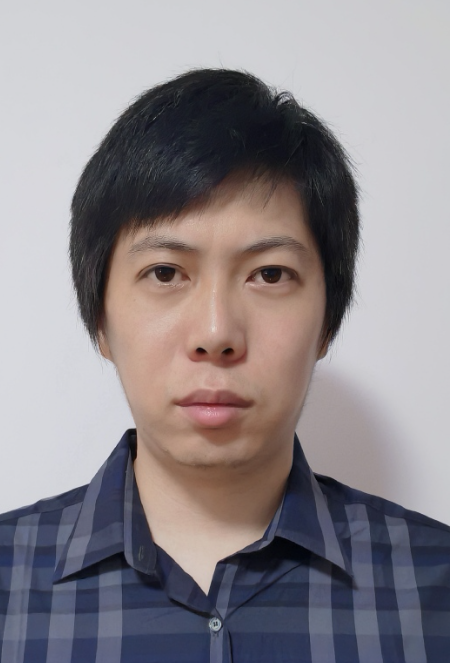 Yao Guo (郭垚)合作论文数Institute of Science and Technology for Bram-inspired Inteligence, Fudan University3Yunfeng Zhu合作论文数2Ruizhi Su合作论文数2Zihao Wang合作论文数2Xingwei Wang合作论文数2
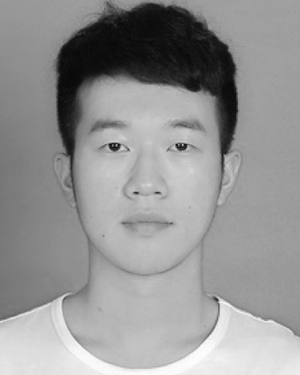 Hangyu Zhu合作论文数2
 Yuanfeng Zhou合作论文数2
 Chenglu Sun合作论文数School of Information Science and Technology, Fudan University, Shanghai, China2
 Xian Zhao合作论文数School of Information Science and Technology, Fudan University2
 Feng Shu (殳峰)合作论文数复旦大学工程与应用技术研究院2Xinming Ye (叶心明)合作论文数School of Sports Science and Engineering, East China University of Science and Technology2
 Metin Akay合作论文数Department of Biomedical Engineering, Cullen College of Engineering, University of Houston2
 Xiaomei Wu (邬小玫)合作论文数School of Information Science and Technology, Fudan University2
 Yalin Wang (王雅琳)合作论文数School of Automation, Central South University2
 Amara Amara合作论文数ISEP, 75006 Paris, France2Wei Yuan合作论文数1Sio Hang Pun合作论文数1Yonglin Wu合作论文数1
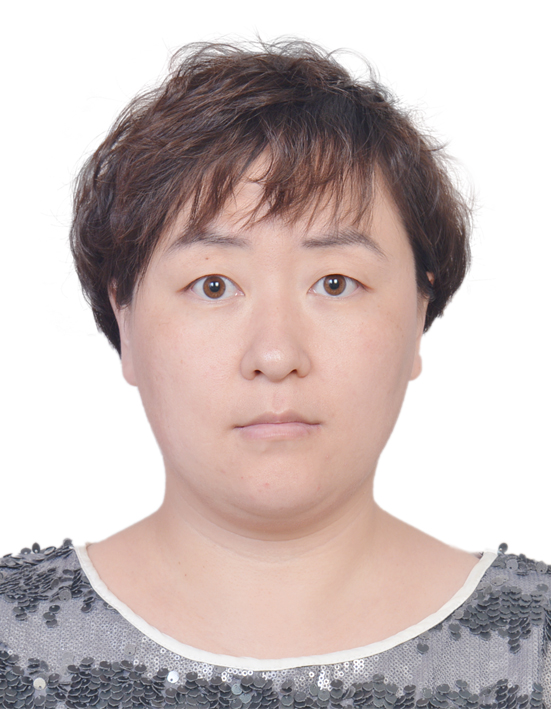 Yanjuan Geng (耿艳娟)合作论文数Shenzhen Institute of Advanced Technology, Chinese Academy of Sciences;University of Chinese Academy of Sciences1
 Minghui Liu合作论文数1Guoqiang Zhu合作论文数1Xinhua Wang合作论文数1
 Jun Hu (胡军)合作论文数Department of Industrial Design, Eindhoven University of Technology1
 Wei Zhou合作论文数1Zeyu Wang合作论文数1
 Ning Shen合作论文数1
 Ke Xu合作论文数1
 Abu Musa Abdullah合作论文数Department of Chemistry Photonics and Energy Research Laboratory, University of Texas Rio Grande Valley1
 Ankan Dutta合作论文数Department of Engineering Science and Mechanics, The Pennsylvania State University1Wenting Qin合作论文数1
 Laishuan Wang合作论文数1




