Despite evidence that people believe that the unhealthier the food, the tastier it is, some studies also suggest the opposing belief-the healthier the food, the tastier it is. A framework is proposed to reconcile this contradiction, and four studies demonstrate that the discrete categorization of foods as healthful versus unhealthful determines which intuition consumers use. When stereotypically unhealthy foods (e.g., candies, ice cream, hot dogs) are encountered, they are automatically categorized as unhealthful and the properties associated with that category (e.g., sweetness, saltiness, fat content) become accessible. Inferences about taste are then based on these properties and the unhealthier the encountered products are (i.e., the higher the sugar and fat content they have), the tastier they are perceived to be (unhealthy = tasty belief). Conversely, when stereotypically healthful foods (e.g., fruits) are encountered, other properties (e.g., freshness, vitamins) become salient, and tastiness is mainly inferred based on these properties, leading to the inference that the healthier these foods are (i.e., the more freshness and vitamins they have), the tastier they are perceived to be (healthy = tasty belief). Marketers and policymakers can leverage these findings to understand better when emphasizing healthiness benefits or hurts taste perceptions.
Most research on the consumer journey has focused on product purchases. This research, however, examines the consumer journey for experiences – in this case a long-distance hike. Two studies examine how people become aware of, learn more about, prepare for, evaluate, and reflect on a 200-mile hike on the John Muir Trail in California. The first study interviewed hikers while on the trail. The second study analyzed online discussion groups dedicated to the trail. These studies reveal that the idea of a long-distance hike often arises from a mention by others where people add the idea to a mental “bucket list”. For those with whom the idea resonates, they may quickly decide to hike the trail, though their motivation may not always be clear, and the trip may not occur for quite some time. Getting a permit is frequently a barrier, but online communities often offer advice. Preparation for the hike is typically a high-involvement process that involves purchasing equipment and physical training. The hike itself is a paradox of aesthetic appreciation in the face of physical struggle. Importantly, many hikers later report the journey as an important experience and serve as evangelists for other hikers. The two studies corroborate certain notions about the consumer decision process while calling others into question. For instance, they validate the significance of word-of-mouth recommendations from individuals with similar backgrounds, which plays a pivotal role in raising awareness. Simultaneously, they challenge conventional thinking by demonstrating that the decision-making process is influenced not solely by rational factors but also by emotional elements. Finally, these findings underscore the importance of employing multiple research methods to comprehensively grasp the intricate aspects of the consumer journey, especially the consumption of experiences.
Background and Importance There is a scarcity of research that holistically explores pharmacists' employment experience and their professional performance. It has been shown that job satisfaction is linked to professionals' productivity and educational preparedness. Aim and Objectives This study aimed to explore the professional experiences of pharmacists who graduated from the College of Pharmacy (CPH) through an examination of their perceptions of job satisfaction, achievements in the workplace, and preparedness to practice. Material and Methods A convergent mixed-methods design was utilised at which the Herzberg Motivation-Hygiene theory was applied. This study involved the administration of a pre-tested questionnaire among all pharmacists who graduated from the CPH (n=214) and the conduction of seven focus groups of which the participants were selected from a heterogeneous purposive sample (n=87). Results One hundred and thirty-six pharmacists completed the questionnaire (response rate=63.6%), and 40 pharmacists participated in the FGs. The pharmacists demonstrated a good level of job satisfaction (median score=30 (IQR=12), [out of 48]). Examples of job satisfaction and dissatisfaction sources were the recognition, and the limited opportunities for professional growth, respectively. They also demonstrated good satisfaction (median score=20 (IQR=21), [out of 56]) with their ability to attain several achievements (e.g., developing pharmacy-related services) which allowed for career success. Moreover, the pharmacists indicated a fair level of agreement about the adequacy of their preparedness to practice (e.g., being care providers) (mean=37 (SD=7.5), [out of 52]); however, certain aspects warranted further improvement (e.g., non-clinical knowledge). Conclusion and Relevance Overall, the pharmacists had positive perceptions of their professional experiences. However, reinforcements are needed throughout the learning experience to support the pharmacists' interests in different pharmacy career prospects. References and/or Acknowledgements Conflict of Interest No conflict of interest.
While increasing in popularity, pilgrimages appear to be blurring their distinction with tourism. This research investigates the motivations and meanings behind contemporary pilgrimages along the Camino de Santiago in Spain and the Chemin de Saint Jacques in France. Using both face-to-face interviews and Facebook postings, several motivations and outcomes were identified. First, these pilgrimages often served as a rite of passage. Second, the journey provided an opportunity to disconnect from regular routines to embrace a simpler, slower pace of life. Third, pilgrims fostered a sense of connection to nature and to fellow humans. Fourth, most pilgrims derived a sense of accomplishment from their journey. Finally, for many pilgrims this journey became a part of their personal identity, and many memorialized their pilgrimage through memorabilia or tattoos. Overall, understanding the benefits of leisure is important to understand the benefits that experiences can provide to participants.
This research examines the process behind the decision to undertake a multi-week hiking trip. It analyzes memoirs to understand people's interest in, preparation for, and consumption of three long-distance thru-hiking trails - the Camino de Santiago, the Appalachian Trail, and the Pacific Crest Trail. The study reveals that the inspiration for long-distance hiking often arises as a vague notion, serendipitously through accidental exposure. This idea may incubate for years as people add the idea to a mental 'bucket list'. Most typically, an important event triggers the decision to attempt the trail. Once people commit, preparatio requires information and intensive planning. The trip itself is typically a time of self-discovery. Finally, some hikers become devotees and serve as online evangelists to other potential hikers. These narratives provide an understanding of the psychological aspects behind the consumer journeys and the value of examining people's narratives as a source of this understanding.
The internet has allowed the development on online communities, or “e-tribes” that are dedicated to narrow interest groups. This research used a qualitative netnographic examination of people’s participation in four online Facebook groups dedicated to bicycle touring. These groups appear to be online “leisure communities”. The results demonstrate that these groups provide a considerable amount of information and support to these niche communities. In this case a small but devoted following of bikers made use of these Facebook groups as their online community. Participants requested and shared information and opinions on equipment, planning, routes, and experiences on the road. Posters varied in their use of the online community, from frequently active to one-time users. Almost all requesters seem to benefit from basic information on equipment and routes. The groups are generally supportive where more experienced bikers mentor and encourage potential bikers. We did not investigate how long people remained a member of the groups, or what percentage moved from novices to more experienced riders, or what could lead to a lasting commitment to a group. Finally, although this analysis used several groups, our results may not generalize to other e-tribes or social networks in general.
The experience of a downward change in one's financial situation is so common that most consumers will experience it during their lifetime, and this prevalence has been compounded by the recent COVID-19 pandemic. Limited research, however, has examined the impact of economic hardship on consumers' food-related behavior. Using a sample of Canadians and Americans (n = 519; M-age = 38.4; SDage = 13.6; 46.2% female; 85% lived alone), we identify that economic hardship significantly and negatively predicts consumer food waste behavior, such that economic hardship leads consumers to waste less food. Conversely, we also identify a positive indirect effect wherein economic hardship positively predicts ontological insecurity (i.e., the aversive feeling of being overwhelmed and out of control), which in turn positively predicts overconsumption (e.g., overstocking one's fridge or pantry) and in turn predicts higher food waste. This preliminary work opens the door to future work exploring a potentially rich avenue of research on the implications of adverse economic events on consumer food choice, consumption, and disposal. Implications for research and practice are discussed.
Purpose The purpose of this study is to propose environmental efficacy as the perception of social, physical resource and temporal factors at one’s disposal that promote or impede behavior. In this exploratory study, four focus groups and a two-country survey provide support for a new environmental efficacy construct as an adjunct to self and response efficacies. Design/methodology/approach This research examines environmental efficacy within the context of workplace safety. The research engaged participants from four focus groups as well as a survey of 358 young Canadian males and 494 young American males to test the proposed construct. Findings First, qualitative responses from the focus groups supported environmental efficacy as a viable construct. Second, a factor analysis demonstrated environmental efficacy is distinct from self- and response efficacies. Third, regressions demonstrated that environmental efficacy predicts motivation to act, above and beyond self- and response efficacies. Research limitations/implications As an exploratory study, only a limited number of scale items were included. The research was conducted within the workplace safety context, using young males, and the stimuli involved the use of fear appeals. These restrictions warrant additional research in the area of environmental efficacy. Practical implications This study suggests that further development of the environmental efficacy construct may offer social marketers a more effective means of identifying and addressing barriers to desired behavior change. Such a measure should allow social marketers to improve understanding of the importance of environmental forces. Originality/value This research introduces a novel concept, environmental efficacy, and demonstrates that it is a distinctive and useful concept for understanding motivation to act. This concept is potentially valuable to social marketers seeking to enhance the effectiveness of their programs. It offers a tool to help identify barriers that can thwart the effectiveness of interventions.
The field of marketing has begun to examine the consumption of experiences as an important and growing part of the economy and of people’s lives. In the contemporary context, people often spend a considerable amount of time and money in recreational pursuits. Consistent with the tenants of Consumer Culture Theory, leisure-time activities may provide an important means of identity and self-definition to consumers. To what extent do experiences provide a means of identity? This ethnographic study examined people’s experiences on the several hundred-mile Camino de Santiago in Spain. First, I engaged in participant-observer research in June 2018 by walking the Camino and conducting 34 semi-structured interviews with pilgrims along the 300-km Camino Primitivo and the 500-km Camino Frances. The interviews were conducted in English and I talked with pilgrims not only from the USA, Canada, the UK, and Australia, but also from Denmark, Germany, Portugal, Luxembourg, Italy, and France. These interviews were conducted at many points along the trails. I began the interview by asking where they were from, how they heard about the Camino, and their motivation for the walk. I then asked about their experiences on the way. The interview took between 10 and 30 min, although I met many of the pilgrims at other times and asked follow-up questions. I also re-contacted five of the pilgrims I had met on the trail by email several months after they had returned home to ask them about their insights and if the walk altered their view of themselves or their world view. Finally, I followed several online Camino forums on Facebook for additional insights. For many the journey came at a transition point such as finishing college, “emptying the nest,” or retirement. Many pilgrims suggested that the Camino provided some draw, but one that they could not fully explain. As for their experiences, many pilgrims told me that the journey provided them a means to decelerate and simplify their hectic everyday life, and some offered that this provided an opportunity to examine their lives. For many pilgrims the journey also provided a sense of identity, a sense of accomplishment, and a sense of connectedness to nature and to other people. Many pilgrims later reminisced about the trail, their experiences, and their friendships and expressed an interest to revisit the Camino in the future. This study demonstrates that a Camino pilgrimage can provide a sense of accomplishment and a sense of identity to participants. This finding is consistent with other studies of leisure-time activities including long-distance hikes, extended international travel, and extreme adventures, and suggests that they can be important in establishing one’s identity. This is a valuable insight for Consumer Culture Theory researchers.
The consumption of experiences has become an important part of our economy. We put a great deal of effort, time and money into planning and pursuing what we do in our leisure time. Is the "consumer journey" a good metaphor for this decision process? This research examines people's interest in, preparation for, and consumption of several long-distance hikes.The first study analyzed printed memoirs of the Camino de Santiago, Appalachian Trail, and the Pacific Crest Trail. The first step in the consumer journey – awareness – often results from serendipity. The notion may incubate for months or years until the second step when an event or events trigger the decision to attempt the trail. The next step – trial – often involves intensive planning and test hikes. The fourth step, purchase decision – the hike itself – is a time of discovery. Post-hike experience involves reflections, memories, and sometimes insights or sharing of their experiences.The second study examined the experience of John Muir Trail hikers examining online forums and on-trail face-to-face interviews with hikers. Again, awareness often begins with accidental exposure and adding the idea to a mental "bucket list." More information is gathered. After making a decision, the trial phase includes both high-involvement mental preparation and practice hikes to test their abilities and equipment. The hike itself is its own journey filled with first-hand learning and self-discovery. Finally, many hikers share the journey with others and serve as evangelists to other potential hikers.In many ways making a decision to take a thru-hike follows the traditional consumer journey; however, there are also differences with the traditional view of the consumer journey. First, a decision to hike does not usually begin with a felt need in any cognitive sense. Second, consideration often percolates for a long while. Third, the decision to go is often triggered as a result of a life change. Fourth, the decision results in a protracted preparation process of planning and provisioning. Fifth, the journey itself is not a single discreet decision but is frequently revisited. Finally, sharing these experiences is an opportunity to relive and bring some closure to the journey. Although the decision process has been envisioned as a "funnel" this model is based on working backwards from a purchase decision to how a consumer "got there". From a consumer's point of view, a more accurate metaphor may be a decision tree, with branches at each decision point leading toward a variety of potential outcomes. Tens of thousands of people may develop an initial awareness of a product or service through serendipity, and may not only be contemplating the initial possibility, but other possible alternatives.
Ads making use of sexual appeals have the potential to attract attention, but they also run the risk of offending viewers. In this paper, two studies were performed to explore consumers' third-person perceptions of sexual appeals in advertising for hedonic and utilitarian products. This research examined whether the third-person perception mediates the relationship between attitude toward the ad and purchase intention. We also examined whether these relationships are contingent on attitude toward sexual stimuli (positive vs. negative). Canadian (N = 400) and Turkish (N = 400) undergraduate students participated in each study. Findings consistently demonstrate that third-person phenomenon was supported in each study. The exact form of the third-person perception, however, differs across product types and cultural contexts. Also, attitude toward ads significantly affects third-person perception. In turn, third-person perception significantly affects both purchase intention on self and purchase intention on others. Furthermore, these relationships are contingent on the attitude toward sexual stimuli.
Shoreline litter is one of the most widespread pollution problems today. Since shorelines represent very sensitive and large geographical areas, any organized cleanup event requires considerable manpower in order to be successful. This case study illustrates how Vancouver Aquarium and World Wildlife Foundation recruited, organized, and retained tens of thousands of volunteers in order to build a shoreline cleanup movement across Canada.
Learning from the past can help increase our chances for success in the future. Savitt (Journal of Marketing 44:52–85, 1980) believes that marketing scholars have not paid sufficient attention to our history, and this is important for social marketing. There are many benefits to be gained from examining our history. In this chapter, we provide a brief history of social marketing, to help us understand where we have been, how we got here, and to orient our social marketing practice for the future. There are several specific benefits of reviewing our history. First, understanding the history of social marketing helps delimit the concept and scope of the enterprise. Historical analysis illuminates the use of technical terms and identifies the boundaries of its application. Therefore, a review of history strengthens our general understanding of the field. Second, the study of our history facilitates informed discussions, critical reflections, and analytical thought that the development of any discipline needs (Domegan in Journal of Historical Research in Marketing 2:457–466, 2010). That is, history is a vehicle for diagnosing the current context and understanding changes with the aim of imbuing our potential praxis with meaning. Third, as long as we learn from experience, the past can provide a source of wisdom and good sense. As a result, this can help us improve social marketing tools’ efficacy and efficiency in future endeavors. Though our history may not progress linearly, advances are unlikely if they are not based on a firm knowledge of where we have been. An understanding of our history allows us to of bridge the past, present, and future (Domegan in Journal of Historical Research in Marketing 2:457–466, 2010).
This case study addresses, from a social marketing perspective, the start-up of the Ana Bella Social School for Women’s Empowerment, a project jointly co-created by Danone (through the Danone Ecosystem Fund), Momentum Task Force, and Ana Bella Foundation, with the objective of empowering female victims of gender violence, through professional training and labor integration as brand ambassadors at Danone’s points of sale. In addition, the benefits of the implementation of the Ana Bella Social School for Women’s Empowerment have been analyzed from a triple point of view, i.e., women involved in the project (micro-level), participating organizations (meso-level), and society (macro-level). Thus, this study shows how the link between social marketing and co-creation of value can lead to the desired social impact, in this case, the improvement of economic, personal, and social–relational conditions of female survivors of gender violence. In this context, we define the marketing strategy (product, price, place, promotion, people, and process) carried out to empower women and assess the results and possible improvements to be made in the future.
Background: One important form of sustainability is the continuation of culture and cultural practices. This study examined the case of Japanese Ohanami or cherry blossom festivals. Historically, Ohanami focused on the cherry blossom as a symbol of spring’s arrival, where communal aspects, consumption of sake and seasonal foods, painting or photography, and pilgrimages to sacred sites were used to celebrate the ephemeral aspects of blossoms, spring, and life. Methods: This study examines how cherry blossom festivals are celebrated and understood and how these celebrations are changing. Results: Current celebrations demonstrate several forces are changing this celebration. The changes in cherry blossom festivals are seen in four areas (bonding, cultural continuity, marketing exploitation, and cultural symbolism). Cherry blossom festivals are also observed overseas—at first glance this suggests its continuity, however, the ways in which Ohanami is observed raise concerns about the accuracy of this cultural practice. Conclusion: Ohanami celebrations are celebrated both in Japan and overseas, and although their practice continues, the nature of the cultural celebrations are changing.
Social marketing efforts do not only benefit from research, but research is essential to effective social marketing. This research can be done at several points in time. Before the program begins or (as intervention as is often labeled) begins, you can find out what people are already doing, why they are doing, what they are doing, how they see the desired behavior, and whether they have any desire to change; during the intervention, you can ask how well your effort is working, and what they think about your social marketing intervention; afterward, you can discover how effective the intervention was, where it succeeded and where it didn’t. You can also understand which of the social marketing tools were employed in a given intervention and compare that to how successful the effort was. That is, research is critical in finding out what people do and why, and this provides an understanding of what you should do, as well as what worked, what didn’t, and why. This chapter will review the major categories and approaches to social marketing research. In the appendix following this chapter, online resource links are provided for further guidance in research and evaluation.
Marketing’s foundation in economics has steered us toward the rational aspects of consumer behavior. Despite some recent recognition of the emotional aspects of consumer behavior, emotions have not received adequate consideration in academic research. Our focus on cognition results from three important factors. First, because our existing paradigms focus primarily on thinking they have generally led us away from studying emotion. Importantly, however, some research suggests that emotional factors underlying consumer decisions can often have a stronger effect than rational forces or functional aspects of the product. As a result, we probably underestimate the power of emotions in consumer choice. The second reason emotion is not given its due is that we have thought of cognition and emotion as generally mutually exclusive. Look back at the various models of involvement, and quickly you will see that mental processing has been characterized as either high involvement and rational (e.g., AIDA) or low involvement and heuristic. Newer theories propose that all human experience and decision-making consist of both cognitive and emotional processes, so both of these factors are important in human behavior. A third reason we have ignored emotion is a result of the constraints imposed by the methods we have used. Despite our desire to peer into the “black box” of the human mind, historically this was almost impossible. Behavior is usually the result of automatic brain functions. People often act for reasons that are not fully known to them or fully rational; therefore, self-reports are not a reasonable way to assess these functions. Fortunately, we have a new arsenal of physiological “neuromarketing” measures of attention, emotion, and involvement including measures such as EEGs, eye tracking, and fMRIs. These techniques can be used to probe emotional responses. Each method provides its own perspective on preconscious physiological reactions that together can provide a rich picture of emotional responses. These physiological measures are becoming increasingly important in marketing research. Even better than relying exclusively on psychophysiological measures alone is to employ these methods in combination with cognitive measures. In sum, it is time to break free of traditional models that focus entirely on cognition and generally ignore emotion. We propose that to understand the consumer experience we need to understand that decision-making is based on both cognition and emotion, and it is important to consider how physiological measures can be used to examine emotional responses. References Available Upon Request
As scientists, we try to derive theories to provide predictions on why things operate as they do. That is, we hope to understand a phenomenon by understanding the underlying system. In its most ideal form, we try to understand the general principles which underpin the phenomenon—to allow us to explain not only when something occurs and when it does not, but why. Ideally, this understanding will lead us to be able to make predictions not only about the particularistic phenomenon but lead up to generalizable knowledge about similar phenomena. In Chap. 4 , we discuss the use of research and evaluation in social marketing. We address the nature of research, when it should be conducted, and how. The appendix offers online resources that provide further guidance into conducting research and evaluating your program.
 Debra Z Basil合作论文数Centre for Socially Responsible Marketing, University of Lethbridge24
 Sameer K. Deshpande合作论文数Wharton Statistics8
 William J. Brown合作论文数7
 Caroline Schooler合作论文数6
 Edward Wile Maibach合作论文数Center for Climate Change Communication, George Mason University;Department of Communication, College of Humanities and Social Sciences, George Mason University4
 Anne Marie Lavack合作论文数Faculty of Business Administration, University of Regina3
 Mihai C. Bocarnea合作论文数3J Goldberg合作论文数2
 Nezahat Ekici Ozcan合作论文数Dept Business Adm, Karamanoglu Mehmetbey Univ2
 Michael D. Slater合作论文数School of Communication, The Ohio State University2
 Nancy M. Ridgway合作论文数2
 Gonzalo Díaz Meneses合作论文数Universidad de Las Palmas de Gran Canaria2
 Mary Runté合作论文数Faculty of Management;University of Lethbridge;Faculty of Management, University of Lethbridge2
 B. Zafer Erdogan合作论文数Department of Marketing, University of Strathclyde;fax: +90-228-212-9140.;Department of Marketing, University of Strathclyde2richard c vincent合作论文数1N Maccoby合作论文数1James H. Mintz合作论文数1Turfa Awrans Al-Hathal合作论文数1Lolwa Al-Ghazal合作论文数1
 Ranin Abidi合作论文数1Olivier Trendle合作论文数1Kelly Cardwell合作论文数1Sara Elshami合作论文数1C Schooler合作论文数1
 Mikael Johnson合作论文数1
 Rhiannon MacDonnell Mesler合作论文数Inst Consumer & Social Well Being, Univ Lethbridge1
 Emi Moriuchi合作论文数Dept MIS Mkt & Analyt, Rochester Inst Technol1Mohammad Issam Diab合作论文数1
 Carol Werle合作论文数Grenoble Ecole de Management, CERAG1
 Mai Robert合作论文数Faculty of Business, Economics and Social Sciences, Christian-Albrecht-University of Kiel1
 Alla El-Awaisi合作论文数1
 Katherine C. Lafreniere合作论文数Faculty of Management, University of Lethbridge1
 Robert J. Williams合作论文数Faculty of Health Sciences, University of Lethbridge1
 Annie Lang合作论文数The College of Arts + Sciences, The Media School, Indiana University Bloomington1
 John Usher合作论文数Multichannel Audio Research Laboratory, McGill University1
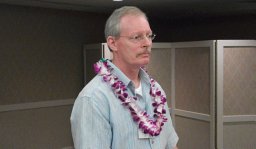 R. Kelly Aune合作论文数Department of Speech, University of Hawai’i at Mānoa1
 Olivier Trendel合作论文数1Sanjeev A Deshpande合作论文数1
 Karen Glanz合作论文数Department of Biobehavioral Health Sciences, School of Nursing, University of Pennsylvania;Department of Biostatistics, Epidemiology and Informatics, Perelman School of Medicine, University of Pennsylvania1
 Dana L. Alden合作论文数Shidler College of Business, University of Hawai'i at Mānoa1Beth Howard-Pitney合作论文数1Cheryl L. Albright合作论文数1
 Fatima Mraiche合作论文数Algal Technologies Program, Center for Sustainable Development, Qatar University;College of Pharmacy, Qatar University1
 Tanya Drollinger合作论文数Dhillon School of Business, University of Lethbridge1
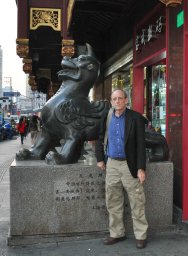 John E. Newhagen合作论文数College of Journalism;University of Maryland;College of Journalism, University of Maryland1
 Banan A. Mukhalalati合作论文数1
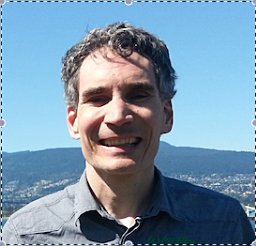 Alexandre Bureau合作论文数Université Laval, Université Laval Robert-Giffard1
 Derek Stewart合作论文数School of Pharmacy, The Robert Gordon University1
 Noella Piquette合作论文数1




