Background/Objectives: Migraine is frequently comorbid with Meniere’s disease, which may complicate interpretation of inner ear imaging and clinical diagnosis. While endolymphatic hydrops has been studied in Meniere’s disease and vestibular migraine separately, comparative imaging data for Meniere’s disease patients with and without migraine remain limited. Methods: We retrospectively analyzed 78 patients with definite Meniere’s disease who underwent endolymphatic contrast-enhanced MRI (HYbriD of Reversed image of Positive endolymph signal and native image of positive perilymph signal; or “HYDROPS”). Patients were classified as Meniere’s disease only group (n = 56), or Meniere’s disease with migraine (n = 22). The degree of endolymphatic hydrops (negative, mild, or significant) was assessed separately in the inner ear, the cochlea, and the vestibule. Results: In Meniere’s disease group, the affected ear consistently showed higher rates of significant endolymphatic hydrops compared to the healthy ear across the inner ear, cochlea, and vestibule (p < 0.01). In contrast, Meniere’s disease with migraine group showed no significant interaural differences. Meniere’s disease with migraine group showed a significantly higher frequency of significant endolymphatic hydrops in the healthy cochlea (p < 0.01). Similar patterns were observed in the inner ear (p < 0.025) and vestibule (p = 0.05), although these differences did not reach statistical significance. Bilateral hydrops was significantly more frequent in Meniere’s disease with migraine group than in Meniere’s disease group among all regions investigated (p < 0.05). Conclusions: Meniere’s disease patients with migraine exhibit a distinct endolymphatic hydrops pattern, characterized by bilateral or symmetrical hydrops and involvement of the healthy ear. These findings suggest migraine-related mechanisms may contribute to endolymphatic hydrops, and bilateral endolymphatic hydrops on endolymphatic contrast-enhanced MRI in suspected Meniere’s disease cases should prompt consideration of comorbid migraine, in addition to bilateral Meniere’s disease or asymptomatic hydrops.
IntroductionDespite strong evidence for vestibular rehabilitation therapy (VRT), the proportion of referred patients who actually attend remains poorly characterized. This study quantified the VRT referral-to-attendance gap in a South Florida cohort and evaluated whether sociodemographic and insurance-related factors were associated with treatment uptake and clinical outcomes measured by the Dizziness Handicap Index (DHI) and Functional Gait Assessment (FGA).MethodsWe conducted a retrospective chart review of 243 adults aged 18–80 (observed range 25–79) who were recommended VRT at the University of Miami Ear Institute between 2012 and 2022. Demographic information (age, sex, race, ethnicity, insurance status), vestibular diagnoses, and outcome measures were extracted. Functional outcomes were assessed with baseline and follow-up DHI and FGA scores. Neighborhood-level socioeconomic status was characterized using the Area Deprivation Index (ADI). Disparities in VRT attendance and outcomes were evaluated using Chi-square tests, Firth’s penalized logistic regression, and analysis of covariance.ResultsOf 243 patients referred for VRT, only 41% (n = 99) attended therapy, revealing a 59% referral-to-attendance gap, with a median of 7 visits (IQR 3–15) among attenders. No demographic, socioeconomic, insurance, or time variables were significantly associated with VRT attendance in unadjusted or multivariable analyses (all p > 0.05). In exploratory analyses limited to 25 patients with paired DHI data, DHI scores decreased by 15.2 points (95% CI −24.5 to −5.9; p = 0.002), though notably this did not exceed the 18-point minimum clinically important difference (MCID). Neighborhood deprivation (ADI) and insurance category were associated with DHI responder status. No medium-deprivation or publicly insured patients achieved the MCID, though no high-deprivation patients had paired data.ConclusionNo measured sociodemographic or clinical variable explained non-attendance, suggesting that structural or logistical barriers may be the primary drivers of this gap. Neighborhood deprivation and insurance category were associated with clinically meaningful DHI improvement in exploratory analyses, but these findings are constrained by a small, racially homogeneous analytic sample and require confirmation in larger prospective studies with standardized outcome collection.
Several aspects of oculomotor, vestibular, reaction time, and cognitive (OVRT-C) abilities improve throughout childhood at varying rates and become adult-like at different ages. However, developmental testing of these abilities often focuses on limited age ranges and does not elucidate clear developmental trajectories. The present study utilized high-resolution eye-tracking to evaluate 40 children aged 7–17 years on a comprehensive battery of OVRT-C tests to better understand how and when these abilities develop across childhood. As expected, mean responses on OVRT-C tests showed consistent improvement as subject age increased. We report a high prevalence of saccadic intrusions during smooth pursuit in children and adolescents, more self-paced saccades in older children, decreased auditory and visual RT with age, and fewer errors on the anti-saccade test in older children. We also used the Akaike information criterion (AIC) and Bayesian information criterion (BIC) modelling to determine whether a two- or three age group division would be most appropriate for each OVRT-C test. For all key OVRT-C metrics, our data support a separation of children into two age groups as opposed to three. While the age group divide varied by OVRT-C test, these data suggest these abilities mature at differing rates, and optimal separations into two age groups rather than three may reflect a slowing of rapid development as OVRT-C performance becomes more adult-like.
HYPOTHESIS:Mild therapeutic hypothermia (MTH) could be delivered to the human inner ear using a localized, noninvasive approach to achieve protective temperature reductions without systemic side effects. BACKGROUND:MTH has demonstrated protective effects in the cochlea following injuries such as device implantation, ototoxicity, and noise overexposure. It targets key cellular mechanisms, including proinflammatory pathways, oxidative stress, pyroptosis, and apoptosis. However, systemic and invasive methods for MTH carry risks and are less practical for broader clinical applications. Developing a localized, noninvasive approach could offer a safer, more accessible solution for hearing preservation after cochlear injury. METHODS:Cadaveric middle and inner ear structures, maintained near physiological conditions, were used to test a custom-designed cooling gel pack (ReBound) placed externally on the temporal bone. Temperature changes were recorded over 60 or 30 minutes. To complement experimental findings, three-dimensional geometrical models were created from imaging data, and finite element heat transfer analysis simulated temperature changes across inner ear structures. RESULTS:With external gel pack application, inner ear temperatures dropped by 2.9°C within 30 minutes and 4.6°C within 60 minutes. Cooling persisted for 10 minutes post-device removal. Numerical modeling corroborated these findings, indicating average temperature reductions of 2°C to 4°C. Biological sex differences were observed in cooling efficiency and overall temperature drop. CONCLUSION:This study demonstrates that localized, noninvasive MTH can effectively reduce inner ear temperatures to therapeutically relevant levels. These findings support a promising, clinically translatable approach for protecting cochlear structure and function after injury, with minimal systemic risks.
The severity of SARS-CoV-2 illness is influenced by factors including age, sex, pre-existing health conditions, and individual immune responses. However, the mechanisms conferring immunity following antigenic challenge have not been fully elucidated. There are currently no studies evaluating longitudinal proteomic changes in individuals following vaccination and breakthrough, limiting our understanding of the underlying mechanisms driving conferred immunity. In this work, we evaluated the differential protein expression in individuals with (CoV-P) or without (CoV-N) prior SARS-CoV-2 infection following primary vaccination and after breakthrough infection (CoV-BT). Overall, we found that individuals receiving primary vaccination relied on innate immune mechanisms, including complement and coagulation cascades, and natural killer cell-mediated cytotoxicity, while conversely, breakthrough infection immune mechanisms relied on T cell-mediated immunity. These mechanistic differences may help explain heterogeneity associated with vaccine-induced and breakthrough infection-related outcomes.
Ménière's disease (MD) is characterized by loss of balance and hearing disorders. Although there is known to be endolymphatic hydrops involved in the pathological process, the pathogenesis of the disease is still largely unclear. Approximately half of patients with MD suffer from depressive symptoms and high levels of several stress hormones were observed in MD and depression, simultaneously. Recently, gut microbes have been shown to influence the function of the central nervous system in humans through their metabolites. We studied the intestinal microbiota of 10 patients with MD and 11 healthy donors (HD). Significant negative correlations were found between disease duration and alpha diversity indexes of gut microbes in patients with MD. The relative abundance of the species Butyricicoccus ambiguous taxa was increased in patients with MD compared with that of HD. In contrast, Oscillospiraceae UCG-002/UCG-005 ambiguous taxa and Anaerovoracaceae (Eubacterium) brachy group uncultured bacterium were increased in the relative abundance of HD than that of patients with MD. The relative abundance of the Butyricicoccus species was positively correlated with disease duration. Thus, these compositional alterations of gut microbes in patients with MD are associated with inner ear pathologies, such as endolymphatic hydrops, by changing the metabolite profiles in the intestine.
OBJECTIVE:A publicly available large language learning model platform may help determine current readability levels of otolaryngology patient education materials, as well as translate these materials to the recommended 6th-grade and 8th-grade reading levels. STUDY DESIGN:Cross-sectional analysis. SETTING:Online using large language learning model, ChatGPT. METHODS:The Patient Education pages of the American Laryngological Association (ALA) and American Academy of Otolaryngology-Head and Neck Surgery (AAO-HNS) websites were accessed. Materials were input into ChatGPT (OpenAI, San Francisco, CA; version 3.5) and Microsoft Word (Microsoft, Redmond, WA; version 16.74). Programs calculated Flesch Reading Ease (FRE) scores, with higher scores indicating easier readability, and Flesch-Kincaid (FK) grade levels, estimating U.S. grade level required to understand text. ChatGPT was prompted to "translate to a 5th-grade reading level" and provide new scores. Scores were compared for statistical differences, as well as differences between ChatGPT and Word gradings. RESULTS:Patient education materials were reviewed and 37 ALA and 72 AAO-HNS topics were translated. Overall FRE scores and FK grades demonstrated significant improvements following translation of materials, as scored by ChatGPT (p < 0.001). Word also scored significant improvements in FRE and FK following translation by ChatGPT for AAO-HNS materials overall (p < 0.001) but not for individual topics or for subspecialty-specific categories. Compared with Word, ChatGPT significantly exaggerated the change in FRE grades and FK scores (p < 0.001). CONCLUSION:Otolaryngology patient education materials were found to be written at higher reading levels than recommended. Artificial intelligence may prove to be a useful resource to simplify content to make it more accessible to patients.
Post vaccine immunity following COVID-19 mRNA vaccination may be driven by extrinsic, or controllable and intrinsic, or inherent health factors. Thus, we investigated the effects of extrinsic and intrinsic on the peak antibody response following COVID-19 primary vaccination and on the trajectory of peak antibody magnitude and durability over time. Participants in a longitudinal cohort attended visits every 3 months for up to 2 years following enrollment. At baseline, participants provided information on their demographics, recreational behaviors, and comorbid health conditions which guided our model selection process. Blood samples were collected for serum processing and spike antibody testing at each visit. Cross-sectional and longitudinal models (linear-mixed effects models) were generated to assess the relationship between selected intrinsic and extrinsic health factors on peak antibody following vaccination and to determine the influence of these predictors on antibody over time. Following cross-sectional analysis, we observed higher peak antibody titers after primary vaccination in females, those who reported recreational drug use, younger age, and prior COVID-19 history. Following booster vaccination, females and Hispanics had higher peak titers after the 3 rd and 4 th doses, respectively. Longitudinal models demonstrated that Moderna mRNA-1273 recipients, females, and those previously vaccinated had increased peak titers over time. Moreover, drug users and half-dose Moderna mRNA-1273 recipients had higher peak antibody titers over time following the first booster, while no predictive factors significantly affected post-second booster antibody responses. Overall, both intrinsic and extrinsic health factors play a significant role in shaping humoral immunogenicity after initial vaccination and the first booster. The absence of predictive factors for second booster immunogenicity suggests a more robust and consistent immune response after the second booster vaccine administration.
OBJECTIVE:To prospectively evaluate the association between hearing preservation after cochlear implantation (CI) and intracochlear electrocochleography (ECochG) amplitude parameters. STUDY DESIGN:Multi-institutional, prospective randomized clinical trial. SETTING:Ten high-volume, tertiary care CI centers. PATIENTS:Adults (n = 87) with sensorineural hearing loss meeting CI criteria (2018-2021) with audiometric thresholds of ≤80 dB HL at 500 Hz. METHODS:Participants were randomized to CI surgery with or without audible ECochG monitoring. Electrode arrays were inserted to the full-depth marker. Hearing preservation was determined by comparing pre-CI, unaided low-frequency (125-, 250-, and 500-Hz) pure-tone average (LF-PTA) to LF-PTA at CI activation. Three ECochG amplitude parameters were analyzed: 1) insertion track patterns, 2) magnitude of ECochG amplitude change, and 3) total number of ECochG amplitude drops. RESULTS:The Type CC insertion track pattern, representing corrected drops in ECochG amplitude, was seen in 76% of cases with ECochG "on," compared with 24% of cases with ECochG "off" ( p = 0.003). The magnitude of ECochG signal drop was significantly correlated with the amount of LF-PTA change pre-CI and post-CI ( p < 0.05). The mean number of amplitude drops during electrode insertion was significantly correlated with change in LF-PTA at activation and 3 months post-CI ( p ≤ 0.01). CONCLUSIONS:ECochG amplitude parameters during CI surgery have important prognostic utility. Higher incidence of Type CC in ECochG "on" suggests that monitoring may be useful for surgeons in order to recover the ECochG signal and preventing potentially traumatic electrode-cochlear interactions.
Objective To investigate if pharmacological treatment with prednisone and L-N-acetylcysteine (STE + NAC) influence functional hearing preservation in cochlear implant (CI) surgery. Study Designs Preimplantation and postimplantation longitudinal case–control study. Setting Tertiary referral center. Patients Pediatric and adult recipients of CI with preimplantation functional hearing defined as an average of air-conducted thresholds at 125, 250, and 500 Hz (low-frequency pure-tone average [LFPTA]) <80 dB. Interventions Preimplantation and postimplantation audiometry. Weight-adjusted oral prednisone and L-N-acetylcysteine starting 2 days before surgery (Miami cocktail). Prednisone was continued for 3 days and L-N-acetylcysteine for 12 days after surgery, respectively. Cochlear implantation with conventional length electrodes. Main Outcome Measures Proportion of patients with LFPTA <80 dB, and LFPTA change at 1-year postimplantation. Results All 61 patients received intratympanic and intravenous dexamethasone intraoperatively, with 41 patients receiving STE + NAC and 20 patients not receiving STE + NAC. At 1-year postimplantation, the proportion of functional hearing preservation was 83% in the STE + NAC group compared with 55% of subjects who did not receive STE + NAC ( p = 0.0302). The median LFPTA change for STE + NAC-treated and not treated subjects was 8.33 dB (mean, 13.82 ± 17.4 dB) and 18.34 dB (mean, 26.5 ± 23.4 dB), respectively ( p = 0.0401, Wilcoxon rank test). Perioperative STE + NAC treatment resulted in 10 dB of LFPTA better hearing than when not receiving this treatment. Better low-frequency preimplantation hearing thresholds were predictive of postimplantation functional hearing. No serious side effects were reported. Conclusion Perioperative STE + NAC, “The Miami Cocktail,” was safe and superior to intraoperative steroids alone in functional hearing preservation 1-year after cochlear implantation.
Objective: The video head impulse test (v-HIT) can evaluate the function of all semicircular canals (SCCs) in a short period. In this work, we sought to compare v-HIT results among 2 commercially available devices, the ICS impulse (Otometrics, Denmark) (ICS) and Eye See Cam (Interacoustics, Denmark) (ESC), among individuals with unilateral vestibular disorders. Design: Retrospective study (n = 15). Setting: St. Marianna University School of Medicine Hospital. Patients: Fifteen patients with acute unilateral vestibular disorders. Intervention: Two v-HIT devices were conducted across patients to compare the results of the 2 models. Main Outcome Measures: Gain values and pathological saccades for each SCC were compared across the 2 models. Monothermal caloric testing was performed to compare alongside v-HIT gain values. Results: There was no difference between the 2 models for the evaluation of the horizontal SCCs. There was a significant negative correlation (ESC: r = −0.52, ICS: r = −0.53) between caloric testing and the gain values of the 2 models. In the vertical SCCs, the gain values of ESC were significantly higher than the gain values of ICS. Detection of catch-up saccades in vertical SCCs was similar across the 2 models. Conclusion: For the horizontal SCCs, there was no difference in test results between the 2 models. However, in the vertical SCCs, gain values were variable across the 2 devices. Larger scale studies are needed to develop normative ranges for the vertical canals.
Objective: The effect of stress on vaccine-induced humoral immunity and therapeutic interventions tomitigate pandemic-related stress remain underexplored. Method: Participants in a longitudinal cohort study (n = 189) completed a validated measure, GAD-7, and 10-instrument stress measure to assess stress and anxiety after severe acute respiratory syndrome coronavirus 2 (SARS-CoV-2) vaccination. Serum was collected to obtain SARS-CoV-2 antibody titer levels. Results: Participants experienced increased stress due to the SARS-CoV-2 pandemic with a positive correlation between GAD-7 scores and peak antibody titers overall; however, there was a negative association with scores commensurate with severe anxiety. Health care workers and younger participants were more significantly affected by anxiety. Conclusions: Mild anxiety levels may have immune-enhancing effects, whereas severe anxiety may cause antibody generation reduction. Mental health-focused interventions are imperative for younger adults and health care workers. Young adults may be more resilient to increased stress levels.
Abstract The goal of this study is to characterize how proteomic signatures differ following COVID-19 vaccination in individuals naïve to SARS-CoV-2 infection (CoV-N) and those with a prior history of infection (CoV-P) to better understand the influence of pre-infection on host responses to vaccination. A subset of individuals (n = 63) enrolled in our IRB-approved, longitudinal cohort (COVID-19 Immunity Study [CITY]) were included in this study. Serum samples collected at baseline and ≤ 14 days following two doses of primary vaccination (PV) were analyzed with the proteomic aptamer-based SomaScan assay across 1500 targets. Significant (α ≤ 0.05) differentially expressed proteins (DEPs) were those with ≥ 2.5 log2-adjusted fold changes following PV among both CoV-P and CoV-N. Proteins identified in both groups were utilized in Kyoto Encyclopedia of Genes and Genomes (KEGG) pathway analysis to elucidate biological regulation following PV. Twenty DEPs were identified in the CoV-P group and 91 DEPs in the CoV-N group. CoV-P displayed downregulation of fibrinogen, the active compound in fibrin clot synthesis. CoV-N displayed increased activation of C3, the essential activator of the alternative complement pathway, and downregulation of alternate pathway inhibitors CR1 and complement decay acceleration factor. The significant activation of complement pathways in CoV-N indicates an enhanced innate immunoprotected effect following vaccination not observed in CoV-P individuals.
IntroductionExposure to occupational or recreational loud noise activates multiple biological regulatory circuits and damages the cochlea, causing permanent changes in hearing sensitivity. Currently, no effective clinical therapy is available for the treatment or mitigation of noise-induced hearing loss (NIHL). Here, we describe an application of localized and non-invasive therapeutic hypothermia and targeted temperature management of the inner ear to prevent NIHL.MethodsWe developed a custom-designed cooling neck collar to reduce the temperature of the inner ear by 3–4°C post-injury to deliver mild therapeutic hypothermia.ResultsThis localized and non-invasive therapeutic hypothermia successfully mitigated NIHL in rats. Our results show that mild hypothermia can be applied quickly and safely to the inner ear following noise exposure. We show that localized hypothermia after NIHL preserves residual hearing and rescues noise-induced synaptopathy over a period of months.DiscussionThis study establishes a minimally-invasive therapeutic paradigm with a high potential for rapid translation to the clinic for long-term preservation of hearing health.
IntroductionThis study sought to determine the effect of Occupational Safety and Health Administration (OSHA) compliant noise on auditory health and assess whether pre-noise near infrared (NIR) light therapy can mitigate the effects of noise exposure.MethodsOver four visits, participants (n = 30, NCT#: 03834714) with normal hearing completed baseline hearing health assessments followed by exposure to open ear, continuous pink noise at 94 dBA for 15 min. Immediately thereafter, post-noise hearing tests at 3000, 4000, and 6000 Hz and distortion product otoacoustic emissions (DPOAEs) were conducted along with the Modified Rhyme Test (MRT), Masking Level Difference Test (MLD), and Fixed Level Frequency Tests (FLFT) [collectively referred to as the Central and Peripheral Auditory Test Battery (CPATB)] to acquire baseline noise sensitivity profiles. Participants were then randomized to either Active or Sham NIR light therapy for 30 min binaurally to conclude Visit 1. Visit 2 (≥24 and ≤ 48 h from Visit 1) began with an additional 30-min session of Active NIR light therapy or Sham followed by repeat CPATB testing and noise exposure. Post-noise testing was again conducted immediately after noise exposure to assess the effect of NIR light therapy. The remaining visits were conducted following ≥2 weeks of noise rest in a cross-over design (i.e., those who had received Active NIR light therapy in Visits 1 and 2 received Sham therapy in Visits 3 and 4).ResultsRecovery hearing tests and DPOAEs were completed at the end of each visit. Participants experienced temporary threshold shifts (TTS) immediately following noise exposure, with a mean shift of 6.79 dB HL (±6.25), 10.61 dB HL (±6.89), and 7.30 dB HL (±7.25) at 3000, 4000, and 6000 Hz, respectively, though all thresholds returned to baseline at 3000, 4000, and 6000 Hz within 75 min of noise exposure. Paradoxically, Active NIR light therapy threshold shifts were statistically higher than Sham therapy at 3000 Hz (p = 0.04), but no other differences were observed at the other frequencies tested. An age sub-analysis demonstrated that TTS among younger adults were generally larger in the Sham therapy group versus Active therapy, though this was not statistically different. There were no differences in CPATB test results across Active or Sham groups. Finally, we observed no changes in auditory function or central processing following noise exposure, suggestive of healthy and resilient inner ears.ConclusionIn this study, locally administered NIR prior to noise exposure did not induce a significant protective effect in mitigating noise-induced TTS. Further exploration is needed to implement effective dosage and administration for this promising otoprotective therapy.
BACKGROUND:As artificial intelligence (AI) is integrating into the healthcare sphere, there is a need to evaluate its effectiveness in the various subspecialties of medicine, including otolaryngology. Our study intends to provide a cursory review of ChatGPT's diagnostic capability, ability to convey pathophysiology in simple terms, accuracy in providing management recommendations, and appropriateness in follow up and post-operative recommendations in common otolaryngologic conditions.METHODS:Adenotonsillectomy (T&A), tympanoplasty (TP), endoscopic sinus surgery (ESS), parotidectomy (PT), and total laryngectomy (TL) were substituted for the word procedure in the following five questions and input into ChatGPT version 3.5: "How do I know if I need (procedure)," "What are treatment alternatives to (procedure)," "What are the risks of (procedure)," "How is a (procedure) performed," and "What is the recovery process for (procedure)?" Two independent study members analyzed the output and discrepancies were reviewed, discussed, and reconciled between study members.RESULTS:In terms of management recommendations, ChatGPT was able to give generalized statements of evaluation, need for intervention, and the basics of the procedure without major aberrant errors or risks of safety. ChatGPT was successful in providing appropriate treatment alternatives in all procedures tested. When queried for methodology, risks, and procedural steps, ChatGPT lacked precision in the description of procedural steps, missed key surgical details, and did not accurately provide all major risks of each procedure. In terms of the recovery process, ChatGPT showed promise in T&A, TP, ESS, and PT but struggled in the complexity of TL, stating the patient could speak immediately after surgery without speech therapy.CONCLUSIONS:ChatGPT accurately demonstrated the need for intervention, management recommendations, and treatment alternatives in common ENT procedures. However, ChatGPT was not able to replace an otolaryngologist's clinical reasoning necessary to discuss procedural methodology, risks, and the recovery process in complex procedures. As AI becomes further integrated into healthcare, there is a need to continue to explore its indications, evaluate its limits, and refine its use to the otolaryngologist's advantage.
False positive reactive plasmin reagin (RPR) reactivity following a COVID-19 vaccine has been reported, and it is therefore conceivable that individuals who receive frequent coronavirus disease 2019 (COVID-19) vaccinations may exhibit durable RPR responses. Here, we sought to investigate the extent to which repeated mRNA COVID-19 vaccines can elicit chronic false RPR reactivity in a longitudinal cohort. Participants (n = 119) in an IRB-approved (#20201026), longitudinal SARS-CoV-2 cohort study were screened for RPR reactivity via manual RPR card assays. Samples with reactive results underwent additional testing, including follow-on RPR screening at additional timepoints, confirmatory fluorescent treponemal antibody (FTA-ABS) testing and anti-nuclear antibody (ANA) testing. Medical histories were collected. We observed (n = 2) screen-positive RPR results (1.7% [2/119]) following booster vaccination, for which two individuals exhibited chronic, vaccine-induced RPR reactivity for up to 9 months following booster vaccination. Both participants were ANA-negative. It is imperative for clinicians to be mindful of the potential immunologic interference of COVID-19 vaccines with standard infectious disease assays, including RPR testing. Detailed medical histories and clinical contexts, including recent vaccination, should be reviewed prior to proceeding with distressing and invasive workups.
 Carey D. Balaban合作论文数Department of Otolaryngology, University of Pittsburgh;Center for Neuroscience, University of Pittsburgh37
 Gottshall Kim R合作论文数29Ben J. Balough合作论文数28
 Erin Williams合作论文数Department of Biomedical Engineering, University of Miami23
 Mikhaylo Szczupak合作论文数Department of Otolaryngology-Head and Neck Surgery, University of Pittsburgh20Telischi Fred F合作论文数12
 Savita Pahwa合作论文数Department of Microbiology & Immunology, Miller School of Medicine, University of Miami;Center for Aids Research, Miller School of Medicine, University of Miami12Derin Wester合作论文数12
 Snapp Hillary A合作论文数Department of Otolaryngology, University of Miami11Pallikkuth Suresh合作论文数Department of Microbiology &Developmental centre for AIDS research (D-CFAR),, University of Miami Miller School of Medicine;Developmental centre for AIDS research (D-CFAR),, University of Miami Miller School of Medicine11Alexander Kiderman合作论文数10
 Florian Krammer合作论文数Department of Microbiology, Icahn School of Medicine at Mount Sinai10
 Abraham Shulman合作论文数10
 Suhrud Rajguru合作论文数Feinberg School of Medicine, Northwestern University;Chicago;Feinberg School of Medicine, Northwestern University8LIU Xue-zhong合作论文数7
 Sara Murphy合作论文数Dept Agr Nutr & Food Syst, Univ New Hampshire7Simon I Angeli合作论文数7Felipe Echeverri Tribin合作论文数6Fumihiro Mochizuki合作论文数6Juan Manuel Carreno合作论文数Icahn School of Medicine at Mount Sinai, New York, NY.6Crawford James V合作论文数6
 Barry J. Hoffer合作论文数National Institute on Drug Abuse, National Institutes of Health6
 Adrien A. Eshraghi合作论文数Department of Veterans Affairs Medical Center6alexander d kiderman合作论文数5
 Kathryn Marshall合作论文数5Robin C Ashmore合作论文数5Robert J Moore合作论文数5Bonnie Levin合作论文数5Barbara Goldstein合作论文数5Richard D. Kopke合作论文数5Robert F. Labadie合作论文数4E Grunberg合作论文数4
 Craig A Buchman合作论文数4Valerie S Stark合作论文数4James Buskirk合作论文数4Yoshiyuki Sasano合作论文数4
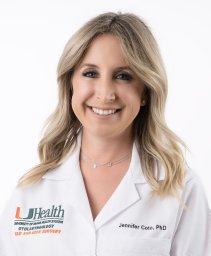 Jennifer Coto合作论文数Department of Otolaryngology, University of Miami4
 Sandra Prentiss合作论文数Dept Otolaryngol, Univ Miami4Joel A Goebel合作论文数4
 Arnold R. Brossi合作论文数National Institutes of Health4
 Rick A. Rogers合作论文数Department of Environmental Health, Harvard T.H. Chan School of Public Health, Harvard University;Division of Engineering and Applied Sciences, Harvard University;Rogers Imaging;KTH Royal Institute of Technology;White Anvil Innovations, LLC4Michael D. Seidman合作论文数4Susan H. Blanton合作论文数Miami Institute for Human Genomics, University of Miami Miller School of Medicine4Herbert Silverstein合作论文数4Drew M. Horlbeck合作论文数4Manabu Komori合作论文数Department of Otorhinolaryngology, Jikei University School of Medicine4Herman A. Jenkins合作论文数4Michael J. O'Leary合作论文数3John P Carey合作论文数3




