BACKGROUND:Rapid discrimination of traumatic brain injury (TBI) from hemorrhagic shock remains challenging during initial trauma evaluation. Ubiquitin carboxyl-terminal hydrolase L1 (UCHL1) and glial fibrillary acidic protein (GFAP) are established TBI biomarkers; however, UCHL1 may also increase in systemic shock. We evaluated a point-of-care whole-blood UCHL1/GFAP assay in undifferentiated severe injury and examined associations with TBI, massive transfusion, and in-hospital mortality. STUDY DESIGN:In this prospective, single-center study, 273 consecutive highest-level trauma activations at risk for TBI or hemorrhage were enrolled between February 2025 and March 2026. UCHL1 and GFAP were measured using the iSTAT-Alinity platform and compared with arrival point-of-care lactate. Associations were assessed using Mann-Whitney U testing, receiver operating characteristic analysis, Fisher's exact testing, and logistic regression. RESULTS:GFAP >218 pg/mL (OR 73.2, p<0.001) and UCHL1 >2003 pg/mL (OR 3.3, p<0.001) were associated with TBI, whereas lactate >1.8 mmol/L was not (OR 0.6, p=0.12). Massive transfusion was associated with UCHL1 >2678 pg/mL (OR 3.9, p=0.002) and lactate >4 mmol/L (OR 5.5, p<0.001). In-hospital mortality was associated with GFAP >1532 pg/mL (OR 14.4, p<0.001), UCHL1 >2866 pg/mL (OR 4.1, p<0.001), and lactate >5.8 mmol/L (OR 2.0, p=0.03). Extreme GFAP elevation (>10,000 pg/mL) was strongly associated with mortality (30/34 patients; OR 35.4; PPV 88.2%; p<0.001). CONCLUSIONS:Point-of-care UCHL1/GFAP functions as a global trauma biomarker. Concurrent elevation of GFAP and UCHL1 is strongly associated with TBI, whereas isolated UCHL1 elevation may reflect hemorrhagic shock. Extreme GFAP elevation identifies patients at exceptionally high risk for in-hospital mortality, even without radiographic stratification.Level of Evidence: Level II.
BACKGROUND:Hypothermia is a common finding following prehospital trauma with important consequences. Treatment includes removal of the patient from exposure and application of a vapor barrier and blankets. The role of elevated inspired airway temperatures for rewarming has been advocated for decades with little evidence of benefit. We sought to determine if warming of inspired gas up to 44°C will increase core temperature to normothermia after hypothermia as compared with standard of care warming. METHODS:Female swine, 39.0 ± 2.5 kg, were orally intubated and placed on a mechanical ventilator (R860, GE Healthcare, Chicago, IL) with the plane of anesthesia maintained via intravenous (IV) propofol infusion. A heat and moisture exchanger (HME) was used for airway humidification and baseline measurements for all animals. After baseline vital signs, airway temperature, and core body temperature were recorded, a simulated hemorrhage was completed via a peristaltic pump. Blood was withdrawn at 1 mL/kg/min until 20% of total calculated blood volume was reached. Shed blood was anticoagulated and retained for later use. Active cooling was the accomplished via Arctic Sun 5000 Temperature Management System. Animals were then randomized to 1 of 4 warming methods: heated humidifier (HH) set at 37°C; HH set at 44°C; HME alone, and HME with warm fluids IV infusion, with 6 animals per group. Animals were wrapped in a mylar thermal blanket, warmed per the randomized warming method, and monitored for 4 hours. RESULTS:The use of inspired gas temperatures up to 44°C was associated with a small increase (1.5°C) in core body temperature compared with an HME alone. However, none of the methods of rewarming returned animals to the baseline temperature after 4 hours. CONCLUSIONS:Active humidification with supranormal temperatures had minimal impact on core body temperature following 4 hours of treatment.
INTRODUCTION:Microvesicles are submicron blebs shed from aging cells during storage. Some microvesicles have been shown to be procoagulant; however, the influence of microvesicles on coagulability of stored whole blood has not been elucidated. Additionally, the mechanism of microvesicle influence on coagulation in human blood is unknown. We hypothesized that microvesicles produced during storage express phosphatidylserine on their outer leaflet, which causes an increase in thrombin generation. METHODS:Whole blood was collected into citrate phosphate double dextrose from 14 healthy donors (6 male, 8 female) aged 20 to 30 years and stored for 21 days. Baseline and end of storage hemostasis was measured with rotational thromboelastometry (Non-Activated ROTEM [NATEM] and Extrinsically Activated ROTEM [EXTEM]). Thrombin generation was measured after stimulation with tissue factor (TF) and phospholipids as well as TF alone. Microvesicles were measured using flow cytometry on day 1 and day 21 of storage. Microvesicle effects were determined by adding microvesicles to platelet-poor plasma (PPP) with and without lactadherin and assaying for changes in thrombin generation. RESULTS:Whole blood did not demonstrate differences in NATEM after storage. However, on EXTEM analysis, whole blood demonstrated decreased coagulability. When PPP was stimulated with TF and phospholipids, or TF alone, thrombin generation increased with storage duration. Microvesicle concentrations also increased with storage duration. When microvesicles were added to PPP and then stimulated with TF and phospholipids or TF alone, thrombin generation was increased, and this effect was mitigated by blocking phosphatidylserine on microvesicles with lactadherin. CONCLUSION:Whole blood storage results in increased thrombin generation potential over time. This has previously been viewed as beneficial but could be detrimental when unchecked. These data suggest that changes in thrombin generation are due in part to phosphatidylserine expression on microvesicles produced during storage. These data highlight the need for further studies investigating the use of stored whole blood.
BACKGROUND:Blood transfusion before arrival at a hospital reduces mortality from traumatic hemorrhage and shock. Whether transfusion with whole blood is more beneficial than transfusion with blood components is uncertain, as are the effects of the length of time that blood products are in storage between donation and transfusion. METHODS:In this pragmatic, multicenter, phase 3, cluster-randomized trial, we assigned 44 air medical bases in a 2:1 ratio to the use of up to 2 units of whole blood or as-indicated blood components (plasma, red cells, or both) for prehospital transfusion in trauma patients during 1-month blocks. The primary outcome was death from any cause within 30 days after randomization. An observational substudy assessed outcomes according to the storage age of whole blood. RESULTS:Of 1020 eligible patients transported to hospitals by the air bases, 715 were assigned to receive whole blood and 305 to receive blood components; 695 and 298, respectively, were included in the primary analysis. Mortality at 30 days was 25.9% in the whole-blood group and 20.5% in the component group (adjusted odds ratio, 1.24; 95% confidence interval [CI], 0.87 to 1.76; P = 0.24). No substantial between-group differences in adverse events were observed. In the observational substudy, 30-day mortality was 27.1% among 210 patients who received whole blood with a storage age of 15 to 21 days and 26.4% among 443 patients who received whole blood with a storage age of 1 to 14 days (adjusted odds ratio, 0.99; 95% CI, 0.74 to 1.32). CONCLUSIONS:In injured patients with hemorrhagic shock, the use of whole blood for prehospital transfusion did not result in lower 30-day mortality than the use of blood components. (Funded by the Defense Health Agency Research Technology Portfolio Management, Combat Casualty Portfolio; TOWAR ClinicalTrials.gov number, NCT04684719.).
INTRODUCTION:Aeromedical evacuation continues to grow and push altitude boundaries as unmanned aerial vehicle feasibility is explored. The inherent hypobaric, hypoxic environment that comes with aeromedical evacuation is known to be deleterious in various injury models, but no studies have investigated the effects of post-injury flight after polytrauma. This study hypothesized that hypobaric hypoxia inherent to the aeromedical evacuation environment potentiates the proinflammatory milieu of murine polytrauma, worsens systemic and organ-level endotheliopathy, and modulates coagulability. MATERIALS AND METHODS:Mice underwent a polytrauma model consisting of midline laparotomy, rectus muscle crush, splenectomy, and hemorrhagic shock, followed by simulated flight for one hour at 12,000 feet. Cohorts included untouched, flight alone, polytrauma, and polytrauma with flight. Whole blood and lungs were collected. Serum inflammatory markers, serum endotheliopathy markers, lung immunohistochemistry, and coagulation profiles were analyzed. RESULTS:Flight combined with polytrauma was found to elevate systemic proinflammatory cytokines, including IL-1β, MCP-1, MIP-1α, and TNFα, from control levels (P < .05). Notably, IL-1α was uniquely increased from polytrauma to polytrauma with flight (P < .05). The endotheliopathy biomarker, syndecan, was increased by polytrauma and polytrauma with flight compared to controls, but without a difference between polytrauma and polytrauma with flight. Lung histological markers of endothelial disruption and rotational thromboelastometry parameters were unchanged by flight after polytrauma. CONCLUSIONS:In this murine model of polytrauma and post-injury flight, early altitude exposure after polytrauma had an additive effect on the proinflammatory state, with the potential to differentiate flight exposure utilizing IL-1α. Early altitude exposure did not, however, exacerbate trauma-induced coagulopathy or endotheliopathy. Future studies should continue to address the physiologic basis of worsened clinical outcomes after early post-injury aeromedical evacuation.
Background: Expanded use of surgical stabilization of chest injuries has raised interest in how to evaluate rib plating and the expected early course of chest wall injury program development. Prior work has used operative time to approximate an institutional learning curve for such programs. However, patient- centered and outcome-based evidence for institutional learning is lacking. We hypothesized that pulmonary complications, readmissions, and ventilator-free days (VFDs) can be used to delineate institutional learning curves for a chest wall stabilization program. Methods: A single-center retrospective review of all chest wall stabilization operations at a level 1 trauma center was performed. Serial data on all operative chest injuries was collected following the initiation of an operative chest injury program. Clinical outcomes including pulmonary complications, readmissions, and VFDs were used to determine success and misstep, and learning curves were plotted using cumulative summation (CUSUM) modeling calibrated using anticipated incident rates of 5%, 10%, 20%, and 25% for respective outcomes. Results: Over 7 years, 168 patients underwent chest wall stabilization, of which 19% experienced a pulmonary complication post-operatively, and 8.3% required readmission. CUSUM curves for pulmonary outcomes and readmission demonstrated no clear morphology, with respective 20% and 10% incidence curves trending parallel to the X-axis. The CUSUM curves for VFDs demonstrated distinct inflection towards serial successes for all incidence rates after operation 86. Conclusions: VFDs appear to be a clinically relevant outcome for illustrating an institutional learning curve for chest wall stabilization procedures, while pulmonary complications and readmissions in this analysis suggest stable incidence rates over time. Future multi-institutional study may help illuminate trends and programmatic milestones for institutions seeking to establish a comprehensive chest wall injury program.
INTRODUCTION:Secondary injury following traumatic brain injury (TBI) commonly results from hypoxia. Cabin Altitude Restriction (CAR) is used in postinjury aeromedical evacuation (AE) to reduce the hypobaric effects of flight on wounded warriors. Previous work has shown increased inflammation after high altitude exposure following TBI. The aim of this study is to determine the level of systemic inflammation induced by the hypobaric conditions of CAR after TBI. METHODS:Forty-eight female pigs were utilized to test TBI vs. sham, CAR hypobaria and standard cabin (SC) hypobaria vs. ground conditions; as well as relative hypoxia. Traumatic brain injury was induced by controlled cortical injury. Hypobaric conditions were established in an altitude chamber at levels of 5000 ft (CAR) or 8000 ft (SC) for 90 min with or without relative hypoxia (95% SpO2 for 5000 ft or 90% SpO2 for 8000 ft) while at altitude. Serum cytokines were analyzed via enzyme linked immunosorbent assay at the 90-min and 6-h post-injury timepoints. RESULTS:Serum interleukin (IL)-1b, IL-6, and tumor necrosis factor-alpha were significantly elevated following TBI with exposure to altitude-induced hypobaria/hypoxia at CAR and SC altitude pressure compared to ground level, normoxic conditions. This increase in cytokine release was present immediately post-flight and following 4 h of post-flight observation. CONCLUSIONS:The CAR-prescribed cabin altitude of 5000 ft may not be sufficient in ameliorating altitude-induced inflammatory cytokine release following TBI. This altitude effect was not rescued with supplemental oxygen to promote SpO2 of 100%, demonstrating a hypobaric effect independent of altitude-related hypoxia. Further study may focus on delayed AE after injury rather than CAR for early post-injury flight.
Importance Supplemental oxygen is fundamental to caring for critically injured adults but can expose them to excess inspired oxygen. Objective To determine the safety and effectiveness of targeting normoxemia in critically ill trauma patients. Design, Setting, and ParticipantsThis multicenter, stepped-wedge, cluster randomized clinical trial compared targeted normoxemia (defined as a peripheral oxygen saturation [Spo2] of 90% to 96%) with usual care among adult trauma patients admitted to an intensive care unit (ICU) at 8 level I trauma centers across the US. These trauma centers were randomized at 3-month intervals when they crossed over from usual care to targeting normoxemia. Eligible patients were enrolled between July 15, 2020, and November 14, 2022. All statistical analyses were performed from April 2023 to November 2024 according to intention-to-treat approach. Intervention In the usual care group, supplemental oxygen was determined by treating clinicians. In the targeted normoxemia group, a multimodal educational and informatics intervention encouraged decreasing the supplemental oxygen administered whenever Spo2 exceeded 96%. Main Outcomes and Measures The primary outcome was supplemental oxygen-free days (SOFDs), defined as the number of days alive and not receiving supplemental oxygen through day 28. Safety outcomes included hypoxemia (defined as Spo2 <88%) during the ICU admission, in-hospital mortality, and adverse events. Results A total of 12 487 patients were enrolled (mean [SD] age, 51.7 [21.1] years; 8799 males [70.5%]; mean [SD] Injury Severity Score, 19.6 [12.0]). The proportion of ICU time spent in normoxemia increased from 56.2% in the usual care group to 71.6% in the targeted normoxemia group. Hyperoxemia (defined as Spo2 >96%) decreased from 42.4% in the usual care group to 26.7% in the targeted normoxemia group, and hypoxemia was similar between groups (1.1% vs 1.1%). The raw mean (SD) number of SOFDs was 19.6 (10.3) days for the targeted normoxemia group and 17.5 (10.4) days for the usual care group (adjusted mean difference [AMD], 0.32 [95% CI, -0.37 to 1.00] days; P = .30). Among patients not receiving mechanical ventilation at ICU admission, mean SOFDs were greater in the targeted normoxemia group than in the usual care group (22.6 [8.30] days vs 20.6 [8.86] days; AMD, 0.75; 95% CI, 0.00-1.50 days). The mean (SD) time for weaning to room air was 1.6 (3.2) days for the targeted normoxemia group and 2.7 (4.0) days for the usual care group (adjusted hazard ratio [AHR], 1.23; 95% CI, 1.13-1.33 days). In-hospital mortality to day 90 occurred in 563 patients (9.9%) in the targeted normoxemia and 732 patients (10.7%) in the usual care group (AHR, 1.05; 95% CI, 0.83-1.33). No adverse events were reported in either group. Conclusions and Relevance This randomized clinical trial showed that targeting normoxemia did not increase the number of SOFDs but safely reduced supplemental oxygen use among critically ill trauma patients. Trial RegistrationClinicalTrials.gov Identifier: NCT04534959
Acute brain injury is a prominent admitting diagnosis of critically ill patients, often requiring endotracheal intubation to protect the airway and resulting in respiratory failure and the need for mechanical ventilation. Following brain injury, a primary focus is avoidance of secondary insults including both hypercarbia and hypoxemia. Hyperoxemia may also result in unanticipated neurologic consequences. Brain-lung crosstalk refers to complex relationships that drive iatrogenic injury in both organs, mediated by inflammation, immunosuppression, and autonomic dysfunction. In an effort to further reduce secondary brain injury, care must be taken from time of intubation to extubation to preserve cerebral blood flow and adequate oxygen delivery. This review describes timing and methodology for intubation of a patient with brain injury, the controversies and current recommendations related to mechanical ventilation settings, and the difficulty of decision-making with extubation and tracheostomy.
INTRODUCTION:The use of normothermic rapid transfusers to deliver high volumes of warmed blood products to hemorrhaging patients is common practice. However, the effects of these transfusers on the coagulation profile of stored compared to fresh whole blood has not been studied. METHODS:Units of fresh whole blood and blood stored for 21 days were acquired from our local blood bank. Rapid infusion was simulated using a Level 1 H-1200 at 42°C and 300 mmHg of pressure. Samples were taken preinfusion and postinfusion and examined for cell counts, biochemical changes, viability, viscoelastic properties, and microvesicle concentrations. RESULTS:Fresh whole blood was unaffected by rapid infusion in all end points. In contrast, rapid infusion of stored whole blood resulted in significantly higher levels of free hemoglobin (63 ± 25 mg/mL preinfusion to 101 ± 41 mg/mL postinfusion, P = 0.0025), decreased platelet contribution to clot (73 ± 5% to 66 ± 6%, P = 0.0075), decreased platelet aggregation (10.1 ± 5.5 to 6.0 ± 3.7 area under the curve with arachidonic acid, P = 0.03), and increased platelet derived microvesicles (164 ± 151 to 260 ± 163 events/μL, P = 0.01). Platelet and platelet microvesicle concentrations expressing CD62 in stored whole blood remained unchanged postinfusion (P > 0.05). CONCLUSIONS:Infusion of stored whole blood via a rapid infuser resulted in hemolysis, platelet dysfunction, and increased platelet-derived microvesicles. We suspect that platelet destruction due to pressurized infusion leads to an increase in microvesicle concentration and a subsequently altered coagulation profile.
Introduction Ubiquitin carboxyl-terminal hydrolase L1 (UCHL1) is used as a biomarker of traumatic brain injury (TBI). However, there is limited data on the use in critically injured or polytrauma patients. In this study, we hypothesized that UCHL1 may also serve as a marker of shock and global hypoperfusion after critical injury. Methods Serum samples were collected from 425 intensive care unit-admitted trauma patients. Samples were retrospectively analyzed for UCHL1 by enzyme-linked immunosorbent assay. Supplementary data were collected from medical record review, including TBI and blood transfusion requirement used as a surrogate for hemorrhagic shock. Results UCHL1 level was associated with TBI diagnosis at arrival (P = 0.02) but not at 24 or 72 h. UCLH1 was also significantly elevated at higher level transfusion at 24 (rho = 0.21) and 72 (rho = 0.19) h (P < 0.001). In addition, UCHL1 was significantly elevated in the 30-d mortality group at 0, 24, and 72 h (P < 0.04). When compared to lactic acid, a current standard marker of shock and resuscitation, mean lactic acid demonstrated similar associations with elevations at higher level transfusion at 0 (rho = 0.38), 6 (rho = 0.19), and 24 (rho = 0.25) h (P < 0.002). In addition, lactic acid was also elevated in the 30-d mortality group at all time points (P < 0.04). Conclusions In critical injury, UCHL1 levels are elevated in both TBI and hemorrhagic shock. Therefore, after severe injury, UCHL1 may also serve as an indicator of global hypoperfusion. The associations of UCHL1 with shock and 30-d mortality could be applied to rapid bedside detection of shock and assessment of resuscitation progression.
INTRODUCTION:Endotheliopathy is well studied in chronic kidney disease, brought on by the chronic stressors of proinflammatory cytokines and reactive oxygen species. However, the endothelial response to renal transplantation has not been well investigated. This study aimed to evaluate circulating biomarkers of endothelial injury acutely after renal transplantation. METHODS:Serum samples were collected from 51 renal transplant patients preoperatively, immediately postoperatively, and at 24 and 72 h postoperatively. Serum was then analyzed for biomarkers of endotheliopathy, including E-selectin, P-selectin, syndecan-1, thrombomodulin, and vascular endothelial growth factors. RESULTS:Patients were 51% male with a median age of 58 [45, 64] years, and 65% Caucasian. Eighty percent of patients underwent deceased donor kidney transplant (DDKT), and 20% underwent living donor kidney transplant (LDKT). Twenty percent of transplants were complicated by delayed graft function (DGF). Most endothelial biomarkers were highest preoperatively, including P-selectin, matrix metalloproteinase-1, vascular endothelial growth factor (VEGF)-A, VEGF-D, VEGF-R2, and very late antigen (VLA)-4 (P < 0.05). In contrast, platelet endothelial cell adhesion molecule-1 increased, peaking at 72 h postoperatively (P < 0.001). Furthermore, DDKT recipients had higher levels of postoperative thrombomodulin compared with LDKT recipients (P = 0.03), and patients with DGF were more likely to have higher perioperative levels of VEGF-A (P < 0.05). CONCLUSIONS:Most biomarkers of endothelial injury, including adhesion proteins and mediators of endothelial cell migration and survival, decrease acutely after renal transplantation, with a rise in platelet endothelial cell adhesion molecule-1 being the exception. In subgroup analyses, thrombomodulin was elevated in DDKT compared to LDKT recipients, and perioperative VEGF-A elevation was correlated with DGF diagnosis. The etiology of these changes, whether by organ implantation alone or by associated immunosuppression, merits further investigation.
BACKGROUND:Mechanical ventilation requires frequent reassessment from providers to ensure delivery of lung protective ventilation. However, in resource-limited settings, the time and attention lung protective ventilation requires are not always feasible. This study aimed to compare a physiologic closed-loop control (PCLC) ventilator capable of self-adjusting based on patient parameters against standard of care (SOC) ventilatory management in a porcine model. METHODS:The study compared SOC (n = 15) with PCLC (n = 15) for three porcine injury models: hemorrhage, lung injury, and hemorrhage with lung injury. Hemorrhage animals were progressively bled to three mean arterial pressures (60, 50, and then 40 mm Hg) and monitored for 60 minutes after each bleed. Lung injury used saline surfactant washout to a targeted PO 2 /fraction of inspired oxygen (FiO 2 ) ratio of <250 mm Hg. Hemorrhage with lung injury combined surfactant washout followed by hemorrhage. Study end points were defined by the percent of time spent within target values: Acute Respiratory Distress Syndrome Network concordance, oxygenation (>96% with FiO 2 0.21% or oxygen saturation [SpO 2 ] <92% on FiO 2 1.00%), tidal volume (4 ≤ V T /kg ≤ 10 mL/kg), and plateau pressure (≤30 cm H 2 O). RESULTS:Standard of care animals spent a lower percentage of time within targeted SpO 2 range compared with PCLC (49% ± 25% vs. 68% ± 24% of time, p = 0.04) across all injury models, while all other parameters were comparable. In the hemorrhage group, the percentage of time within targeted SpO 2 was also lower in SOC compared with PCLC ( p = 0.01), while the remaining parameters, and all parameters within lung injury alone and hemorrhage with lung injury were otherwise equivalent ( p > 0.05). CONCLUSION:Physiologic closed-loop control performed equally to or better than SOC during both hemorrhage and lung injury. Physiologic closed-loop control has the potential to provide intensive care unit-level ventilator management in resource-limited circumstances, both in civilian and military operations. LEVEL OF EVIDENCE:Therapeutic/Care Management; Level III.
BACKGROUND:The Knowledge, Skills, and Ability-Clinical Activity (KSA-CA) methodology was developed to gauge surgeon readiness; it uses Current Procedural Terminology codes organized into high- and low-acuity procedural groups. This study will evaluate if the methodology has a measure of procedural complexity. METHODS:Deidentified case logs from 41 general surgery residents (years 1-5) were analyzed. Individual Current Procedural Terminology codes were converted into KSA-CA scores and work relative value units (wRVUs). The wRVUs was used as surrogate measure of complexity. Correlations between the KSA-CA scores and median wRVU values, and the relationship between these metrics with the residents' clinical year were examined with Spearmen rank correlations ( ρ ). RESULTS:The KSA-CA scores and wRVU values were strongly correlated with the training year ( ρ > 0.85, p < 0.0001); the case logs were also correctly ranked by the KSA-CA score. The KSA-CA points and median wRVU values for the high-acuity procedures were also strongly correlated ( ρ = 0.76, p = 0.0001). Finally, the wRVU value variability within most procedural groups was noted to be large; analysis of this variability identified areas where basic surgical skills were overrepresented in the KSA-CA score. CONCLUSION:The KSA-CA methodology is a valid measure of residents' case logs by clinical year. Also, the residents' KSA-CA scores and their median wRVU values were strongly correlated. These results support the validity of the KSA score as a proxy to procedural complexity. Several suggestions for the refinement of the KSA methodology were also presented to address overrepresentation of some basic clinical skills in the KSA-CA methodology. LEVEL OF EVIDENCE:Diagnostic Test or Criteria; Level IV.
Early blood pressure management is central to neurologic resuscitation of spinal cord injury; however, the role of augmented blood pressure is unclear. To compare the efficacy and safety of augmented vs conventional blood pressure on 6-month neurologic outcomes after acute spinal cord injury. This multicenter randomized clinical trial took place from October 3, 2017, to July 26, 2023, and assessed patients 18 years or older with spinal cord injury followed up for 6 months at 13 large US trauma centers. Patients were equally randomized to augmented (>85-90 mm Hg) or conventional (>65-70 mm Hg) mean arterial pressure for 7 days or until intensive care unit discharge. Primary end points were change in motor and sensory American Spinal Injury Association Impairment Scale scores from baseline to 6 months. Safety end points included organ dysfunction and complications. The trial randomized 92 patients (mean [SD] age, 53.78 [18.74] years; 76 [83%] male). At 6 months, 38 patients had completed follow-up and 15 had died. Among survivors, there were no mean (SD) differences in change from baseline in upper extremity motor scores (34.95 [3.25] vs 32.95 [3.65]; difference, 2.48; 95% CI, −5.93 to 10.90; P = .55), lower extremity motor scores (18.53 [4.62] vs 19.95 [4.59]; difference, −4.56; 95% CI, −16.11 to 7.03; P = .43), or total sensory scores (108.47 [12.49] vs 130.89 [14.87]; difference, −32.00; 95% CI, −65.40 to 1.40; P = .06) comparing the augmented and conventional groups. The augmented group had higher mean (SD) modified Sequential Organ Failure Assessment scores (excluding cardiovascular components) at day 3 (1.65 [1.79] vs 0.80 [1.10]; difference, 0.85; 95% CI, 0.23-1.47; P = .008) and day 6 (1.55 [1.82] vs 0.80 [1.35]; difference, 0.74; 95% CI, 0.05-1.44; P = .04), longer mechanical ventilatory support (9.44 [15.27] vs 3.78 [8.42] days; difference, 5.67 days; 95% CI, 0.48-10.85 days; P = .03), and more respiratory complications (36 [78%] vs 18 [39%]; risk difference, 40%; 95% CI, 22%-58%; P < .001) than the conventional group. No differences in mortality or other secondary outcomes were observed. Although underpowered, this randomized clinical trial of patients with spinal cord injury did not demonstrate better neurologic recovery comparing early augmented and conventional blood pressure and calls this practice into question. Further study is needed to identify groups who may benefit from augmenting blood pressure and determine potential harm mechanisms. ClinicalTrials.gov Identifier: NCT02878850
INTRODUCTION:Trauma induces cellular injury, coagulopathy, and a dysregulated physiologic response that results from endotheliopathy and the inflammatory response. This study aimed to compare early serum markers of endotheliopathy versus inflammatory cytokines to predict 30-day mortality in critically ill trauma patients. METHODS:Serum samples were collected from 232 trauma patients on admission to the intensive care unit. Twelve endothelial markers were analyzed, including angiopoietin 1, E-selectin, P-selectin, syndecan-1, thrombomodulin, and vascular endothelial growth factors. Inflammatory cytokines analyzed included eotaxin, interleukin (IL) 1 receptor antagonist, IL-6, IL-8, IL-10, interferon-gamma inducible protein-10, and monocyte chemoattractant protein-. The primary outcome was 30-day mortality with subgroup analyses based on transfusion status at 6 hours. RESULTS:Subjects were 67% White, 67% male, with a median age of 58 years (34, 75). Injuries were 88% blunt with a median injury severity score of 21 (14, 30) and a 7.3% mortality rate. Mortality did not differ by transfusion status. No endothelial marker was associated with mortality, even for transfusion subgroups. By contrast, six inflammatory cytokines were associated with 30-day mortality (P < 0.05). Inflammatory markers remained associated with mortality in the no transfusion cohort for eotaxin (P = 0.04), IL-6 (P = 0.005), and IL-8 (P = 0.02), and the submassive transfusion cohort for IL-6 (P = 0.045), IL-8 (P = 0.04), and interferon-gamma inducible protein-10 (P = 0.02). CONCLUSIONS:Postinjury inflammatory markers collected at the time of intensive care unit admission offer potential 30-day mortality predictive value even in patients who do not undergo massive transfusion. In contrast, early markers of endotheliopathy may not predict mortality.
Background Recent studies suggest that donor sex affects coagulation parameters in whole blood. Additional experiments have examined the effect of storage on the coagulation of whole blood; however, the effects of donor sex on storage-related changes have not been examined. We determined the sex-specific effects of estrogen on microvesicle formation during whole blood storage as well as microvesicle modulation of storage coagulopathy. Methods Whole blood obtained from male and female mice was stored under standard storage conditions or treated with ethinyl estradiol or vehicle (dimethyl sulfoxide) for 10 days. The storage lesion was assessed. Coagulation potential was examined using rotational thromboelastometry. In additional experiments, microvesicles isolated from day 10 whole blood were added to stored whole blood and coagulation was examined. Results After 10 days of storage, several aspects of the storage lesion differ in blood from male, as compared with female, donors. Ethinyl estradiol reduced microvesicle concentration in male blood to levels similar to day 10 female whole blood. On rotational thromboelastometry analysis, the addition of male microvesicles mitigated the storage coagulopathy of female whole blood on nonactivated thromboelastometry and extrinsically activated test. Conclusions Male- and female-stored whole blood differ in aspects of the storage lesion. In stored whole blood, male erythrocytes demonstrate reduced membrane integrity with increased microvesicle shedding. This was ameliorated by blood storage with estrogen. Storage coagulopathy in female blood was lessened by the addition of microvesicles. Our data demonstrate that estrogen and biological sex play a key role in microvesicle production and coagulation potential during whole blood storage.
 Timothy A. Pritts合作论文数University of Cincinnati111Amy T. Makley合作论文数University of Cincinnati74Rebecca Schuster合作论文数39Charles C. Caldwell合作论文数33Taylor E Wallen合作论文数31Lou Ann Friend合作论文数29Alex B. Lentsch合作论文数29Adam D. Price合作论文数26
 Matthew Baucom合作论文数25Kathleen E Singer合作论文数22Lisa G. England合作论文数20
 Mackenzie Morris合作论文数19Veile Rosalie合作论文数19
 Dennis J Hanseman合作论文数University of Cincinnati Pancreatic Disease Center, University of Cincinnati Medical Center17
 Thomas Blakeman合作论文数17Jennifer E Baker合作论文数14
 Nora C Elson合作论文数Department of Surgery, Good Samaritan TriHealth Hospitals14
 Chris Droege合作论文数Department of Pharmacy Services, University of Cincinnati12Jay A. Johannigman合作论文数12
 John B. Holcomb合作论文数Department of Surgery, Heersink School of Medicine, The University of Alabama at Birmingham;Decisio Health, Inc.12Vanessa Nomellini合作论文数11Sabre Stevens-Topie合作论文数10Bernadin Joseph合作论文数10Ann Salvator合作论文数10
 Christopher Janowak合作论文数10
 Charles E. Wade合作论文数Department of Surgery, McGovern Medical School, The University of Texas Health Science Center10
 Erich Gulbins合作论文数Department of Molecular Biology, University of Duisburg-Essen;Center of Medical Biotechnology, University of Duisburg-Essen10Grace M Niziolek合作论文数9
 Maia Phillips Smith合作论文数Corresponding author. Tel.: 508-687-2430.9Richard J. Strilka合作论文数Department of Radiology (Division of NMR Research),, The Pennsylvania State University College of Medicine9Ellen R Becker合作论文数8
 Richard D Branson合作论文数Department of Surgery, College of Medicine, University of Cincinnati8
 Mark Johnson合作论文数Res Lab, USN8Grace E Martin合作论文数8
 Warren Dorlac合作论文数8Ryan C Chae合作论文数7Kasiemobi Pulliam合作论文数7Leah K Winer合作论文数7Victor K Heh合作论文数7Jenna N Whitrock合作论文数7Andrew Jung合作论文数7Jeffrey J. Sussman合作论文数7Eric M. Campion合作论文数7
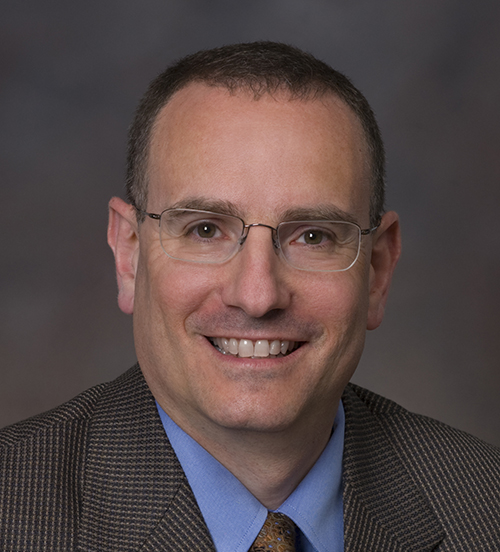 Martin A. Schreiber合作论文数Division of Trauma, Critical Care and Acute Care Surgery, School of Medicine, Oregon Health & Science University7D A Millar合作论文数6
 Molly Droege合作论文数6Carolyn D Philpott合作论文数6Brandon Foreman合作论文数6
 Michael J. Edwards合作论文数Department of Surgery, College of Medicine, University of Cincinnati;University Hospital, University of Cincinnati6




