BACKGROUND AND OBJECTIVES:Laser interstitial thermal therapy (LITT) has emerged as a minimally invasive alternative to open craniotomy for patients deemed unsuitable for surgery due to deep-seated or eloquent lesion location, age, frailty, or comorbidities. However, its use in newly diagnosed deep-seated low-grade glioma (nLGG) has not been elucidated. We aimed to evaluate the safety and efficacy of LITT for deep-seated nLGG compared with a similar surgical cohort. METHODS:We retrospectively reviewed patients with unifocal, deep-seated nLGG treated with either LITT or surgical resection between 2013 and 2024. Demographic, perioperative, and follow-up data were compared between groups. Kaplan-Meier assessed progression-free and overall survival outcomes. To address baseline tumor volume differences, a subset analysis was performed using a greedy nearest-neighbor algorithm to generate a 1:1 matched cohort based on tumor volume. RESULTS:A total of 15 patients in the study group (median age 46 [IQR: 34-53] years, 40.0% men) were compared with 51 patients (median age 38 [IQR: 29-54] years, 43.1% men) in the control group. There were no significant differences in in-hospital complications (P = .999), 30-day complications (P = .999), or complications between 30 days and 3 months (P = .713), new postoperative motor or speech deficits (0.999) between groups. Postoperative adjuvant chemotherapy (23.1% vs 46.9%, P = .217) and radiation (23.1% vs 44.7%, P = .210) rates did not differ significantly. Among high-risk patients, time to adjuvant chemotherapy (64.7 vs 77.7 days) and radiation (36.0 vs 53.6 days) was earlier in the LITT group, although not statistically significant. Kaplan-Meier analysis showed no statistically significant differences in progression-free survival or overall survival between groups. On matched pair analysis, there remained to be no statistically significant differences in outcomes observed between LITT and craniotomy groups. CONCLUSION:This pilot study is the first to suggest that LITT is a safe treatment option for patients with deep-seated nLGG, offering comparable outcomes with surgical resection.
BACKGROUND:Chimeric antigen receptor T-cell (CAR-T) therapy represents a promising frontier in oncology, but its application to high-grade gliomas (HGG) is challenged by the blood-brain barrier, limited efficacy, and significant toxicities associated with systemic administration. Locoregional delivery has the potential to address these shortcomings. This systematic review evaluates the safety and efficacy of locoregional vs systemic CAR-T cell delivery for HGG. METHODS:Following PRISMA (Preferred Reporting Items for Systematic Reviews and Meta-Analyses) guidelines, a total of 112 studies were identified from three separate databases between 2015 and 2024. Of these, 19 articles were assessed for eligibility, resulting in 16 articles meeting the inclusion criteria with 194 treated patients across 14 clinical trials. A comparative meta-analysis was performed to compare the safety and efficacy outcomes of locoregional administration (eg, intracerebroventricular, intratumoral) with systemic (intravenous) delivery. Severe (grade ≥3) adverse event rates and therapeutic responses were pooled to calculate crude incidence, rate ratios, and relative risks (RRs) with 95% CIs. Both fixed-effect and random-effects models were used to evaluate incidence rate ratios. RESULTS:Locoregional delivery was associated with a markedly improved safety profile, demonstrating an over 60% reduction in the incidence of grade ≥3 adverse events compared with systemic infusion (RR=0.39; 95% CI 0.30 to 0.52; p<0.001). Furthermore, locoregional strategies demonstrated encouraging signals of antitumor activity, including rates of disease responses not widely observed with systemic approaches (RR=3.79; 95% CI 1.23 to 11.70; p<0.05). Locoregional delivery also enables the analysis of cerebrospinal fluid to monitor T-cell trafficking and emerging biomarkers of immune activation. CONCLUSION:Intracranial delivery of CAR-T cells helps overcome key barriers that limit the efficacy and safety of systemic therapy in brain tumors. These findings support a paradigm shift that integrates locoregional delivery techniques as a pivotal component in the design of future CAR-T cell trials, offering a safer and potentially more effective therapeutic approach with greater opportunities for longitudinal sampling for patients with HGG.
Sequence similarity underlies most protein annotation, yet many functions remain hidden beyond detectable homology1–3. By mining millions of AlphaFold2 models4,5, we identify two human families of ‘superdark’ seven-transmembrane proteins—TM184 and PRRT—with structural homology to G-protein-coupled receptors (GPCRs). These proteins exhibit hallmark GPCR activities, including β-arrestin recruitment and GPCR kinase (GRK)-dependent phosphorylation. Here we focus on TM184C—the most broadly expressed and evolutionarily conserved superdark GPCR-like protein, which localizes to highly dynamic intracellular vesicles rather than the plasma membrane. These vesicles move along microtubules, accumulate in cell projections and promote the formation of tunnelling nanotube- and tumour microtubule-like intercellular connections. These bridges mediate organelle sharing through a process that requires the TM184C C-terminal tail and its arrestin code motif6, linking GPCR-like β-arrestin and GRK regulation to vesicle function and intercellular connectivity. TM184C also constrains autophagic flux by limiting LC3B lipidation and autophagosome accumulation—a role that is deeply conserved, as human TM184C restores autophagic body homeostasis in yeast lacking its homologue, Hfl1. Together, these findings illustrate how structure-based protein discovery can illuminate the dark proteome and identify TM184C as an ancient GPCR-like regulator of autophagy, intercellular connectivity and material exchange. TM184C—an ancient G-protein-coupled receptor-like superdark protein involved in regulation of autophagy, intercellular connectivity and material exchange—underscores the promise of exploring the understudied human proteome and beyond.
Background The inevitable progression of high-grade gliomas has prompted a need for data-backed identification of compromised tissue prior to detection on traditional serial imaging. Whole-brain magnetic resonance spectroscopy (WB-MRS) can fill this role to classify glioma progression prior to contrast enhancement. Voxel-level data can differentiate areas of perilesional tissue under supervised machine learning (ML) and has been shown to predict the likelihood of tumor progression within six months. In this study, we aim to improve the spatial utility of WB-MRS ML through unsupervised ML clustering for utility in intraoperative integration with existing neuronavigation platforms. Methods This analysis involved 16 adult patients that developed recurrence of high-grade glioma (HGG) on serial imaging, including 13 with glioblastoma (GBM) and three with anaplastic astrocytomas. Postoperative WB-MRS images were used as data inputs. We investigated two unsupervised clustering methods to optimize the identification of compromised perilesional tissue from a previously published supervised model. All voxels within the new region of interest (ROI) are reclassified as future progression regardless of their classification from the supervised model. Results After hyperparameter tuning, Density-Based Spatial Clustering of Applications with Noise (DB-SCAN) shows an area under the curve (AUC) of 0.942, while K-Means Clustering shows an AUC of 0.874. DB-SCAN also shows a superior accuracy, specificity, sensitivity, and F1-score to the original supervised model alone. Conclusion The incorporation of unsupervised clustering enhances the utility of WB-MRS for identifying compromised perilesional tissue and predicting high-grade glioma progression. Unsupervised clustering incorporates critical geospatial data and offers a more surgically relevant approach to visualizing tumor progression. Importance of Study Early detection of high-grade glioma recurrence remains a major limitation of current imaging modalities, restricting the ability to guide timely and precise interventions. While prior work has demonstrated that WB-MRS combined with supervised ML can identify metabolically abnormal tissue at risk for progression, these approaches lack spatial coherence and clinical usability. In this study, we introduce a hybrid pipeline integrating supervised voxel-wise predictions with unsupervised spatial clustering (DBSCAN and K-means) to refine recurrence mapping. This approach significantly improves classification performance and generates spatially contiguous, clinically interpretable regions of interest. Importantly, these outputs can be exported as DICOM overlays, enabling direct integration into neuronavigation systems. While still in pilot phase, this work advances WB-MRS from a predictive tool toward a clinically integrable platform, with potential applications in surgical planning, biopsy targeting, and longitudinal disease monitoring in patients with high-grade glioma.
Abstract Glioblastoma (GBM) remains the most common and lethal adult malignant primary brain cancer with few treatment options. A significant issue hindering GBM therapeutic development is intratumor heterogeneity and plasticity. GBM tumors contain neoplastic cells within a fluid spectrum of diverse transcriptional states. Identifying effective therapeutics requires a platform that predicts the differential sensitivity and resistance of these states to various treatments. Here, we develop scFOCAL (Single-Cell Framework for -Omics Connectivity and Analysis via L1000), to quantify the cellular drug sensitivity and resistance landscape. Using single-cell RNA sequencing of newly diagnosed and recurrent GBM tumors, we identify compounds from the LINCS L1000 database with transcriptional response signatures selectively discordant with distinct GBM cell states, and leverage this capability to predict combination synergy. We validate the significance of these findings in vitro, ex vivo, and in vivo, and use the Olig2 inhibitor CT-179 as a reference drug to identify additional small molecules that would maximize the cell-drug discordance across the GBM transcriptional landscape. Our analysis leads to the combination of Olig2 inhibition with treatment with Depatux-M, of with which we demonstrate synergy in vivo. Our studies suggest that scFOCAL identifies cell states that are sensitive and resistant to targeted therapies in GBM using a measure of cell and drug connectivity, which can be applied to identify new synergistic combinations. Citation Format: Robert K. Suter, Anna M. Jermakowicz, Rithvik Veeramachaneni, Matthew D'Antuono, Longwei Zhang, Rishika Chowdary, Simon Kaeppeli, Madison Sharp, Pravallika Palwai, Vasileios Stathias, Grace Baker, Luz Ruiz, Winston Walters, Maria Cepero, Danielle Burgenske, Edward B. Reilly, Anatol Oleksijew, Mark G. Anderson, Sion Ll. Williams, Michael E. Ivan, Ricardo J. Komotar, Macarena I. De La Fuente, Gregory Stein, Alexandre Wojcinski, Santosh Kesari, Jann N. Sarkaria, Stephan C. Schürer, Nagi G. Ayad. Drug and single-cell gene expression integration identifies heterogeneity-aware synergistic combinations for glioblastoma [abstract]. In: Proceedings of the AACR Special Conference in Cancer Research: Brain Cancer; 2026 Mar 23-25; Philadelphia, PA. Philadelphia (PA): AACR; Cancer Res 2026;86(6_Suppl):Abstract nr B032.
Although most vestibular schwannomas (VS) occur sporadically, both sporadic and hereditary tumors share common molecular features beyond the loss of NF2. New evidence highlights the role of interconnected signaling pathways and epigenetic regulation in Schwann cell tumorigenesis, pointing toward potential molecularly targeted therapeutic strategies. This review synthesizes preclinical, molecular, and clinical evidence to examine genetic and epigenetic mechanisms underlying VS, therapeutic strategies, and contributors to hearing loss. A structured search of ClinicalTrials.gov identified 21 Phase 1–3 interventional therapeutic trials. VS pathogenesis is driven by NF2 loss and merlin deficiency, leading to dysregulation of Hippo/YAP-TAZ, PI3K/AKT/mTOR, VEGF, MAPK, and adhesion pathways. Epigenetic alterations, including DNA methylation, chromatin remodeling, non-coding RNAs, and SOX10 dysfunction, further shape tumor behavior. Clinical trial analysis revealed a predominance of early-phase, non-comparative studies, limited progression to later-phase trials, and incomplete results reporting, indicating gaps in high-quality evidence. Bevacizumab remains the most consistent systemic therapy for select NF2-related cases, while other agents such as icotinib, lapatinib, everolimus, selumetinib, and brigatinib have shown modest activity, primarily disease stabilization. Emerging approaches, including TEAD inhibition, PI3K/mTOR blockade, MEK inhibition, and combined signaling-epigenetic strategies, show preclinical promise. Hearing loss is multifactorial, involving tumor-secreted factors, inflammation, vascular changes, and inner ear damage alongside nerve compression. VS biology reflects integrated genetic and epigenomic dysregulation. Advancing care will require multi-omic classification, biomarker-driven trials, and combination therapies targeting both signaling and epigenetic vulnerabilities. Future management is expected to shift toward personalized, mechanism-based strategies aimed at durable tumor control while preserving hearing and quality of life.
Awake craniotomy (AC) maximizes safe resection of tumors that encroach on functionally critical areas. However, AC presents additive challenges that are further compounded in the geriatric population. We aim to show that AC is safe and feasible in the elderly, and reveal which peri-operative metrics contribute towards post-operative outcomes, including length of stay, readmissions and discharge disposition. We conducted a decade-long retrospective review of AC in patients older than 75 years old. Multivariate linear and logistic regressions were used to identify independent predictors of re-admission, length of stay in ICU and the hospital, and discharge disposition. Variables included Karnofsky Performance Status (KPS), American Society for Anesthesiologists score, frailty index (mFI-11), age in addition to other key metrics. There were 70 patients with mean age 80 and KPS 75.2 included in our cohort. Glioblastoma was the most common pathology (61.4
There is no approved drug therapy for schwannomas associated with NF2-related schwannomatosis (NF2-SWN). Neither life-saving surgical resection or radiation are curative and can compound the debilitating neurological effects of the schwannomas. We previously identified fimepinostat, a dual histone deacetylase (HDAC)/phosphoinositide-3 kinase (PI3K) inhibitor, as a promising drug candidate with pro-apoptotic effects on NF2-related schwannomas. This preclinical study used the pharmaceutical formulation of fimepinostat to confirm its efficacy in schwannomas and identify pro-apoptotic signaling pathways. Fimepinostat was tested in human schwannoma model cells, patient-derived primary vestibular and non-vestibular schwannoma cells, and in a sciatic nerve allograft model. The signaling pathways leading to caspase-3-dependent apoptosis were elucidated using immune assays, flow cytometry, imaging, proteome, and acetylome analysis. Acute exposure to fimepinostat led to p21-dependent cell cycle inhibition, upregulation of tumor necrosis factor-related apoptosis-inducing ligand receptor 2 (TRAIL R2), and downregulation of tumor necrosis factor receptor 1 (TNFR1), Yes-associated protein (YAP), and inhibitors of apoptosis. Moreover, fimepinostat downregulated cytokine and chemokine secretion increased by merlin loss in schwannoma cells. Fimepinostat is a promising new drug intervention for NF2-SWN patients with the potential to promote tumor regression.
Recurrence risk estimates underpin meningioma research, including molecular classification and clinical trial benchmarking, yet are often based on retrospective or historical data. The aim of this study was to assess the variation of recurrence risk estimates across calendar periods, WHO classification editions, geographical settings, and healthcare systems.thetermine We analyzed 4,111 patients with primary WHO-1/-2 meningiomas from 31 centers in 15 countries (1990–2019). Recurrence was defined according to local radiological assessment. The 5- and 10-year recurrence risks were estimated using regression standardization with inverse probability of censoring weights, adjusting for key clinical, surgical, and histopathological variables. Recurrence risk estimates varied across all domains examined. More recent calendar periods were associated with higher predicted recurrence risk, particularly for WHO-2 at 5 years (e.g., ≥ 2013 vs. ≤ 2007: RR 1.60, 95
BACKGROUND AND OBJECTIVES:Brain shift during neurological surgery for brain tumors can be caused by factors such as retraction, resection, and osmotic changes and can undermine the reliability of preoperative image-based navigation. Intraoperative ultrasound (iUS) provides a low-cost, real-time imaging alternative, but current correction strategies rely on intraoperative MRI, limiting generalizability and spatial granularity. We present a deep learning framework that predicts voxel-wise brain deformation directly from paired iUS sweeps, allowing for localized brain shift compensation without relying on preoperative MRI. METHODS:Using the Brain Images of Tumor Evaluation data set of 13 patients with pre-resection and postresection 3-dimensional iUS and landmark annotations, we trained two 3-dimensional neural network architectures and their ensemble. Performance was measured using standard regression metrics at anatomic landmarks with leave-one-patient-out cross-validation. RESULTS:The baseline model achieved the lowest average root median squared error [median: 1.45 (IQR: 0.39)], while the enhanced model had the best directional accuracy [median 69.33° (IQR: 44.45°)]. The ensemble balanced both metrics. Gradient-weighted Class Activation Mapping visualization helped identify regions more likely to deform in pre-resection scans. Landmark-wise error analysis showed consistency, with most patients below 2-mm median absolute error but one patient with atypical anatomy had higher error, suggesting challenges in generalizing large or nonuniform shifts with limited data. CONCLUSION:Whereas most previous studies have focused on MRI-to-iUS or MRI-to-MRI deformation modeling, our study demonstrates the feasibility of estimating spatially resolved brain shift directly from iUS-to-iUS scans using deep learning. This approach provides dense, real-time deformation fields for better intraoperative adaptability. Future work should expand on data set diversity and size, and integrate multitask learning to distinguish deformation from parenchymal collapse.
Immune checkpoint inhibitors (ICIs) are promising for leptomeningeal disease (LMD), but systemic delivery is limited by poor cerebrospinal fluid penetration and treatment-related toxicity. This study evaluates the safety and efficacy of adjunctive intrathecal (IT) ICI therapy compared with systemic ICI alone. We report two institutional cases of melanoma-associated LMD treated with IT ICI alongside systemic therapy. Following PRISMA guidelines, PubMed, Embase, and Scopus were systematically reviewed, identifying 28 eligible studies consisting of case reports, small series, and early phase trials. Of 542 patients screened, 201 received ICI therapy: 161 systemic ICI alone and 40 IT ICI with concurrent systemic therapy. Patient-level and aggregate data were extracted to compare adverse events (AEs), progression-free survival (PFS), and overall survival (OS). Exploratory time- and dose-adjusted analyses accounted for differences in treatment exposure. IT ICI therapy demonstrated a favorable safety profile. At the patient level, adjunct IT delivery was associated with a non-significant trend toward reduced grade ≥ 3 AE risk (RR 0.50; 95
This study aimed to determine where along the surgical care pathway race- and ethnicity-associated differences emerge after primary transsphenoidal surgery (TSS) for Cushing’s disease (CD). Single-center retrospective cohort of 104 adults undergoing primary TSS for pathologically confirmed CD (2013–2024): 44 White non-Hispanic (WnH), 44 Hispanic, and 16 Black. Preoperative phenotype, perioperative complications, biochemical remission, radiographic persistence, and reintervention were compared across groups using unweighted statistics (Kruskal-Wallis, chi-square or Fisher’s exact tests). Sensitivity analysis used inverse probability of treatment weighting (IPTW) with a multinomial propensity model; Black subgroup comparisons were considered exploratory. Hispanic patients lived closer to the center (p = 0.003) and presented with milder disease. Black patients were younger (p = 0.003), with higher BMI (p = 0.033) and near-uniformly solid tumors (94
Spinal cord injury disrupts corticospinal transmission and impairs voluntary motor control. While epidural spinal cord stimulation (ESCS) can augment residual motor output, its capacity to drive long-term neuroplasticity remains unoptimized. Here, we present a first-in-human case study showing that an implantable brain-computer interface (BCI) paired with cervical ESCS can potentiate corticospinal connectivity, leading to immediate and sustained improvements in upper-limb motor function in an individual with chronic, motor-complete cervical SCI. The BCI decoded motor intent from electrocorticography signals to trigger stimulation at intent onset, coupling ESCS to volitional movement attempts. This BCI-ESCS paradigm enhanced grip strength and object manipulation immediately and produced greater increases in corticospinal excitability after a single session compared to tonic ESCS. Notably, a four-week BCI-ESCS therapy led to clinically meaningful improvements in voluntary hand function even without system assistance, with some gains persisting one-month post-therapy. These proof-of-concept findings suggest that intention-driven neuromodulation may induce corticospinal plasticity, offering a mechanistically driven neuromotor recovery approach. Overall, BCI-ESCS reveals enhanced volitional control even in an individual with severe paralysis deemed at the recovery plateau. ### Competing Interest Statement M.E.I. is a consultant to Medtronic, and J.D.G. is a consultant to ONWARD Medical; Neither of these consulting roles are directly related to the work presented in this study. M.R.P. is a co-founder, director, and shareholder in MyndTec Inc., and is also a co-founder and consultant for NovaKonexus. W.D.D. is a co-founder and managing member of InflamaCORE, LLC, and has licensed patents on inflammasome proteins as biomarkers of injury and disease, as well as on targeting inflammasome proteins for therapeutic purposes. W.D.D. is also a Scientific Advisory Board Member of ZyVersa Therapeutics. M.C. holds several patents on spinal cord stimulation for motor recovery and is a shareholder of Reach Neuro Inc., a company developing spinal cord stimulation for post-stroke motor recovery. The remaining authors have no conflicts of interest, financial or otherwise. ### Clinical Trial NCT06533969 ### Funding Statement This study was supported by The Miami Project to Cure Paralysis, the Buoniconti Foundation, and the Morton Cure Paralysis Fund. ### Author Declarations I confirm all relevant ethical guidelines have been followed, and any necessary IRB and/or ethics committee approvals have been obtained. Yes The details of the IRB/oversight body that provided approval or exemption for the research described are given below: The study was approved by the University of Miami Institutional Review Board (IRB) (IRB 20190536) and conducted in accordance with the Declaration of Helsinki. I confirm that all necessary patient/participant consent has been obtained and the appropriate institutional forms have been archived, and that any patient/participant/sample identifiers included were not known to anyone (e.g., hospital staff, patients or participants themselves) outside the research group so cannot be used to identify individuals. Yes I understand that all clinical trials and any other prospective interventional studies must be registered with an ICMJE-approved registry, such as ClinicalTrials.gov. I confirm that any such study reported in the manuscript has been registered and the trial registration ID is provided (note: if posting a prospective study registered retrospectively, please provide a statement in the trial ID field explaining why the study was not registered in advance). Yes I have followed all appropriate research reporting guidelines, such as any relevant EQUATOR Network research reporting checklist(s) and other pertinent material, if applicable. Yes All data produced in the present study are available upon reasonable request to the authors.
Despite therapeutic advances, central nervous system (CNS) tumors such as glioblastoma and brain metastases remain highly lethal. Neurosurgeons have historically driven innovation in neuro-oncology but may be underrepresented as principal investigators (PIs) in clinical research. We analyzed all 525 U.S.-based neuro-oncology trials listed on ClinicalTrials.gov as of October 2024 to evaluate trends in neurosurgeon-led research, stratified by phase, funding source, and institutional characteristics. Oncologists led 34.8
Focused ultrasound (FUS) is an emerging technology that uses ultrasound waves to ablate or modulate tissue. While it has been explored in several different clinical fields for over two decades, it has only recently begun to receive attention in neurosurgery. The neurosurgical field seems primed to benefit from a non-invasive precision technology such as FUS, which could minimise the adverse effects of invasive surgery if it delivers comparable efficacy in treatment. Through thermoablation, the high-intensity form of focused ultrasound (HIFU) can ablate nuclei in the basal ganglia to treat movement disorders and also ablate tumours and other targets. The low-intensity form of focused ultrasound (LIFU), typically delivered in a pulsed mode, can be used in conjunction with microbubbles to transiently open the blood-brain barrier (BBB) to increase the bioavailability of therapeutics into brain tissue in a highly targeted manner. While ultrasound is non-invasive (in terms of access to the point of treatment), relatively cheap and with a well-understood safety envelope, it is challenging to accurately focus ultrasound through the skull. Uncertainties remain about the adverse intracranial effects of HIFU, including overheating and brain swelling. Transient BBB opening with LIFU could be a viable solution to an unmet need in therapy delivery; it has the potential to be part of a broader treatment envelope for patients who require both neurosurgical and chemotherapy treatment. We highlight the potential applications of FUS in neurosurgery, its promises and the challenges it still faces.
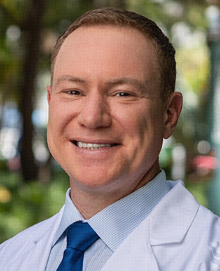 Ricardo Jorge Komotar合作论文数Department of Neurological Surgery, Miller School of Medicine, University of Miami223
 Ashish H Shah合作论文数135Daniel G Eichberg合作论文数Department of Neurosurgery, University of Miami Miller School of Medicine107
 Evan Luther合作论文数Department of Neurosurgery, University of Miami Miller School of Medicine88
 Victor M. Lu合作论文数86
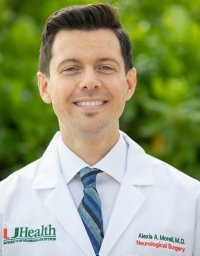 Alexis A Morell合作论文数Miller Sch Med, Univ Miami52
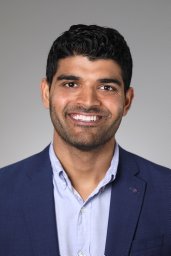 Shah Ashish H合作论文数Department of Neurological Surgery, University of Miami47
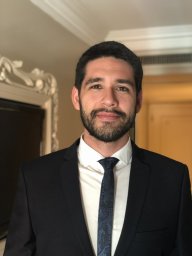 Martín A Merenzon合作论文数39
 Andrew T. Parsa合作论文数Department of Neurological Surgery, Northwestern University34Long Di合作论文数27Christine Dinh合作论文数27
 Jacques J. Morcos合作论文数Department of Neurosurgery, University of Miami26Sakir H Gultekin合作论文数25
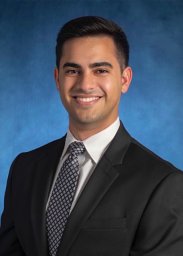 Adham M Khalafallah合作论文数Department of Neurological Surgery, University of Miami Miller School of Medicine25
 Lekhaj C Daggubati合作论文数Department of Neurosurgery, Penn State Health24
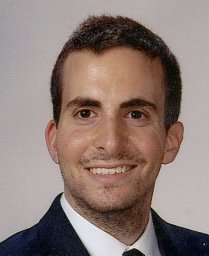 Safaee Michael合作论文数Departments of Neurological Surgery and.24
 Shovan Bhatia合作论文数Georgia Center for Medical Robotics23Fernandez-Valle Cristina合作论文数23
 Aaron Clark合作论文数23Telischi Fred F合作论文数22
 Gurvinder KAUR Bains合作论文数Department of Neurological Surgery, University of California at San Francisco22
 Olena Bracho合作论文数21
 Vaidya Govindarajan合作论文数Dept Neurol Surg, Univ Miami21Macarena I. de la Fuente合作论文数21
 Nitesh V Patel合作论文数Division of Neurosurgery, UMDNJ-Robert Wood Johnson Medical School20
 Taemin Oh合作论文数19
 Matthew Sun合作论文数Department of Neurological Surgery, University of California19
 Orin Bloch合作论文数Department of Neurological Surgery, Northwestern University/Robert H. Lurie Comprehensive Cancer Center, Northwestern University/Lou and Jean Malnati Brain Tumor Institute, Feinberg School of Medicine, Northwestern University19Alexa Semonche合作论文数18LIU Xue-zhong合作论文数18Katherine Berry合作论文数18Chandler Berke合作论文数17
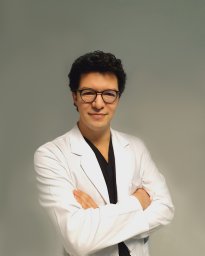 Muhammet Enes Gurses合作论文数Microsurg Neuroanat Lab, Yeditepe Univ17Jonathan R. Jagid合作论文数17Michael Kader合作论文数16
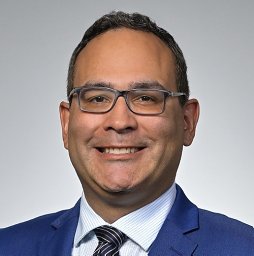 Iahn Cajigas合作论文数Brain and Cognitive Sciences, Massachusetts Institute of Technology Cambridge16Jay Chandar合作论文数14
 Elif Gokalp合作论文数13Dominique Higgins合作论文数13
 Tiffany Eatz合作论文数Miller School of Medicine, University of Miami13Aria M Jamshidi合作论文数13
 Nagi Ayad合作论文数Department of Biomedical Sciences, Scripps Florida13Michael C Oh合作论文数12
 Cameron Rivera合作论文数12Adam S Levy合作论文数12Deepa Seetharam合作论文数Department of Urology, University of Miami Miller School of Medicine12
 Mellon Eric A合作论文数12Haley Hardin合作论文数11Winston Walters合作论文数11




