Although antenatal physical activity is increasingly promoted, uptake remains low and safety concerns persist. Social discourse reveals how physical activity is constructed as either compatible or incompatible with motherhood. Building on the literature, this study focuses on the discursive practices pregnant women deploy to account for a proactive physical activity identity; one that is uncompromised by pregnancy, but cognizant of exercising safely. Twelve pregnant women participated in single semistructured interviews. Data were analyzed using critical discursive psychology and positioning theory. To account for a proactive physical activity identity, pregnant women assumed empowered, advocate, and rebellious subject-positions, which were navigated through interpretative repertoires: reframing motherhood, retaining autonomy, and physical activity motivational. Pregnant women resisted traditional mothering virtues of sacrifice and selflessness and negotiated a medicalized-risk discourse to construct physical activity as an autonomy-giving practice necessary for self-care, independence, and preparedness for birth/labor. The findings reveal the sociocultural and historical debates concerning the exercising pregnant body with which proactive pregnant women contend, and how a rebellious subject-position is necessitated to account for a proactive physical activity identity. Pro-antenatal physical activity messaging should cultivate empowered and advocate subject-positions and reframe societal misconceptions of the exercising pregnant woman to attenuate the need for rebellion.I
Objectives: To understand differences between birth expectations and experiences, and to explore possible reasons for mismatches. Design: Online survey Setting: UK Population: Postnatal primiparous (PP) and multiparous (MP) women within 5 years of a birth Methods: Survey advertised on social media, Participants completed questions relating to birth expectations, experience and preparedness. Data were analysed descriptively and presented overall and by parity. Results: Of the 819 women, 40% expected birth to be straightforward [PP 29% vs MP 51%], 20% anticipated difficulty [PP 22% vs MP 19%], and 40% [PP 51% vs MP 30%] were unsure. Among the 737/819 whose birth was not exactly as expected, 44% [PP 30% vs MP 47%] found it better than expected, while 56% [PP 66% vs MP 38%] found it more difficult. Unplanned births were higher in those with difficult experiences, particularly for primiparous women [PP 58% vs MP 23%]. Women cited quicker births, fewer complications, and better coping as reasons for positive experiences, while complications, pain, and slower labour contributed to difficulties. Overall, 77% (633/819) [PP 64% vs MP 80%] of women felt very or somewhat prepared for birth. Among them, 76% (484/633) [PP 88% vs MP 69%] had attended antenatal education. However similarly, 75% (130/174) [PP 80% vs MP 66%] of those who felt less prepared had also attended antenatal education. Conclusions: Most women have an element of expectation-experience mismatch. Over half in the found birth more difficult than expected, this suggests current approaches to birth preparation may be inadequate. Further research into reducing the expectations-experience gap is needed.
Objective Social media is increasingly used as a source of mental health information for young people, with influencers playing a key role in public health communication. However, little is known about how young people engage with influencer mental health content and the media literacy skills they use to evaluate it. The objective of this study is to explore and evaluate the self-reported media literacy skills and beliefs that young people use when they encounter mental health content on TikTok. Methods The study uses qualitative, thematic analysis to provide an empirical account of how young people interpret mental health content from influencers on TikTok. Research was conducted via eighteen group (n = 73 participants) and individual interviews (n = 13) with eighty-six participants in the United Kingdom. The analysis focused on self-reported media literacy skills and strategies for navigating influencer-led mental health content. Results The study identifies three contextual challenges in young people’s responses to mental health content on TikTok: (I) reliability and relatability act as distinct but complementary criteria used to assess influencers and their mental health content; (II) platform beliefs influence willingness to engage with mental health content; and (III) algorithmically driven platform design hinders critical thinking about mental health content. Conclusions These findings highlight the sophistication of young people’s media literacy skills alongside the significant, contextual barriers, which hinder the use of social media as a channel for mental health support from influencers. Our results suggest that public health campaigns may need to take a more platform-sensitive approach to online communication, acknowledging the ways platform-driven beliefs and design shape how and why young people engage with mental health content.
BACKGROUND:Screening for anxiety problems in primary schools and offering parent-led cognitive behavioural therapy (CBT) via online and telephone support for those who screen positive could address key barriers to effective early intervention for some of the most prevalent child mental disorders. We aimed to evaluate outcomes from a screening-to-intervention pathway for child anxiety problems alongside usual school provision compared with assessment and usual school provision only. METHODS:iCATSi2i was a pragmatic, parallel-group, superiority, cluster-randomised, controlled trial in 84 primary and junior schools in England with at least two year-4 classes. Children aged 8-9 years in participating classes who were not opted out by their parent were eligible to participate. After baseline assessments, schools (clusters) were randomly assigned (1:1) to screening, feedback, and intervention, alongside usual school practice (intervention group) or assessment and usual school practice only (control group), stratified by school-level deprivation. Before allocation, schools were ordered by the number of children who screened positive for anxiety problems at baseline (target population). Block randomisation was used with block sizes of two and four. Trial statisticians were masked to group allocation until datasets were ready for final analysis. In schools in the intervention group all parents in sampled classes were invited to complete a two-item screening questionnaire (iCATS-2) at baseline and received feedback on the screening outcome (after randomisation); parents of children who screened positive for anxiety problems (target population) were offered parent-led CBT delivered via online and telephone support, using the Online Support and Intervention for Child Anxiety (OSI) platform (and this was available for other families on request); a single whole-class session on identifying and managing fears and worries was also provided. In both groups, assessments (including the screening questionnaire) were completed and schools continued with usual provision. The primary outcome was screen-negative for anxiety problems (score 0-2 on the parent-reported iCATS-2) versus screen-positive (score 3-6) in the target population at 12 months. Primary analyses were conducted in the intention-to-treat population, with missing data imputed. Adverse events were monitored and recorded throughout. The trial was registered with the ISRCTN registry, ISRCTN76119074, and the study is complete. The study management group included individuals with relevant lived experience. FINDINGS:We recruited participants and collected baseline assessments between Jan 6, and Nov 30, 2022. Parents of 1459 children (27% of 5335 children in participating classes) completed the screening questionnaire, and 409 screened positive (target population). On the basis of parent report, 222 (54%) of 408 children who screened positive were female, 185 (45%) were male, and one (<1%) preferred not to report child gender. 325 (85%) of 384 children were reported by the school as White. The mean age was 8·8 years (SD 0·3). 42 schools were randomly assigned to the intervention group (target population: 205 children) and 42 to the control group (target population: 204 children). In the target population at 12 months, more children screened negative for anxiety problems in the intervention group (89 [61%] of 145 children) than the control group (62 [38%] of 163 children), with an adjusted odds ratio of 2·32 (95% CI 1·41-3·81; p=0·0009) in the primary analysis based on imputed data. No serious adverse events related to trial procedures or the intervention or adverse events related to the intervention were reported. INTERPRETATION:An integrated screening-to-intervention pathway for child anxiety problems in primary schools reduced parent-reported child anxiety problems compared with assessment and usual provision only, providing a promising way to improve access to effective early intervention. FUNDING:National Institute for Health and Care Research Programme Grants for Applied Research.
Background: Cyberpsychology research has focused extensively on the potential impacts of social media on mental health and wellbeing. However, less is known about which platforms the public identify as “social media” and the extent to which they endorse associated positive and negative impacts. In this preregistered mixed methods study, we explored perceptions towards social media in a large sample representative of the U.K. public. Methods: Participants (n = 968, 484 adolescents) completed an online survey that asked them to identify which platforms they identified as being a “social media”, rate their level of endorsement with 68 positive and negative research-informed characteristics, and their understanding of, and agreement with, common definitions. Ninety-five participants also provided open-ended responses to questions that asked how social media had impacted themselves or others. Findings: Perceptions of which online platforms constitute “social media” varied, despite these aligning with scholarly definitions. Across age groups, participants strongly endorsed that social media is addictive, spreads misinformation, and is time-consuming, as well as being accessible and easy to use, entertaining, and updates people on local issues and news. Overall, they endorsed more negative than positive characteristics. Reflexive thematic analysis highlighted three themes of “Beyond the screen”, “Negative online behaviour” and “Removal of blame/accountability” for adults, and “Mental health concerns”, “Finding connection and support” and “Productivity concerns” for adolescents. Discussion: Understanding how the public perceives social media can inform research best practice (e.g., tailored definitions) and public policy (e.g., debates around age-restricted social media/bans).
Introduction: Mental health needs and sexual and reproductive health (SRH) needs, including sexually transmitted infections (STIs) and unintended pregnancies, are increasing in the UK. Evidence links poor mental health to riskier sexual behaviours, higher rates of STI diagnosis, and delays in contraception uptake, yet how mental health shapes access to SRH care remains underexplored. This study aims to identify factors influencing awareness, utilisation, and experiences of care, and equity in access to SRH care for people with mental health conditions. Methods: Ten electronic databases were systematically searched to identify relevant literature from OECD countries published after 2012. Studies were screened for inclusion, and data were synthesised using narrative synthesis. Study quality was assessed using the Mixed Methods Appraisal Tool. Results: Of 6,146 studies identified, 10 met the inclusion criteria. Included studies were heterogeneous in population and definitions of mental health conditions, comprising five quantitative and five qualitative studies of variable quality. Findings indicated reduced or delayed SRH care utilisation, particularly among people with depression or severe mental illness. Access was shaped by intersecting factors, including stigma, sexuality, ethnicity and culture, substance use, and age, alongside system-level barriers such as a lack of provider training, and limited integration between mental health and SRH care. Facilitators of improved access included low-barrier services, person-centred care, informal support networks, and integrated service models with effective communication between mental health and SRH services. Conclusions: Overall, evidence on the impact of mental health on access to SRH care remains limited. While mental health conditions are associated with delayed, reduced, and more complex engagement with SRH care, further research is needed to address gaps and identify effective strategies to improve access. Improving equitable access will require holistic approaches to SRH care for people with mental health conditions, alongside stronger communication and referral pathways between services.
In this paper, we provide the first, large-scale corpus-pragmatic analysis of mental health advice by social media influencers on TikTok. We identify advice-giving in large datasets focusing on if-conditionals as a specific form that allows us to analyse how the audience is positioned relative to a need and the solution which is then proposed. To identify the different ways in which mental health issues are presented, we use an adapted version of the 'mental health quotient' (Newson and Thiagarajan, 2020), as a linguistically informed framework for differentiating between lay discussions of mental health and those that invoke specific disorders. We sample a corpus of over 27,000 TikTok videos from 85 mental health influencers, using corpus-scale identification to extract and analyse if-conditionals produced by mental health professionals and wellness influencers. Our analysis of the protasis shows how these two types of influencers use prompts that share some similarities but also rely on fundamentally different models of healthcare. The relationship between these prompts and the information and recommendations in the apodosis show how health professionals rely on diagnostic information and therapeutic advice, while wellness influencers recommend embodied practice and products to treat mental health issues. These findings set out the distinctive ecosystem of healthcare which is emerging within the algorithmically driven contexts of sites like TikTok. (c) 2026 The Author(s). Published by Elsevier B.V. This is an open access article under the CC BY license (http://creativecommons.org/licenses/by/4.0/).
Experience-based co-design emphasizes understanding service-users’ experiences to inform service improvement, yet little research has explored domestic abuse survivors’ perspectives within this framework. This study examined survivors’ accounts of their interactions with the police and organizations that support domestic abuse survivors. We aimed to identify aspects of practice experienced as either helpful or in need of improvement. Semi-structured interviews with six survivors in one area of England were analyzed using reflexive thematic analysis. Survivors described obstructive and supportive responses from formal services. Four interrelated themes were developed: The Importance of Being Understood, Believed, and Cared For; It Is Important That There Is Good Communication Between the Survivor and Formal Services; Survivors Want a Victim-Centered, Rapid, and Meaningful Response; and Specific Circumstances Sometimes Influence Opportunities for Help-Seeking. Survivors described being dismissed and disbelieved, which contributed to negative help-seeking experiences and heightened feelings of vulnerability. In contrast, empathic and timely responses validated survivors’ experiences and supported their sense of safety. The findings highlighted the importance of practice that recognizes the different forms abuse can take, provides timely, victim-centered support, and responds equitably to survivors in diverse circumstances. This study demonstrates the valuable insights gained through applying an experience-based co-design approach in this setting.
INTRODUCTION:Antenatal education (ANE) equips pregnant women with knowledge and skills for pregnancy, birth, and the postnatal period. It should facilitate preparation for the whole spectrum of the maternal journey and empower women to make informed decisions. This study aimed to explore the antenatal education needs and preferences of women who are currently pregnant or planning a pregnancy. METHODS:A UK wide cross-sectional survey was conducted (September 2019 to July 2020), recruiting women living in the UK, above 16, who were currently pregnant or planning a pregnancy. The survey gathered demographic information, details of current or planned class attendance, preferred ANE providers and desired skills and information. Quantitative data were analysed descriptively, and free-text responses underwent thematic analysis. RESULTS:Of 553 participants included in the analyses, 77% preferred free National Health Service (NHS) classes and 60% planned to attend multiple class types, including paid options. Participants valued practical skills, particularly for labour and the postpartum period, and actively sought perinatal social networks. Multiparous women were less likely to attend classes, citing prior experience or practical barriers. Despite high interest in NHS classes, regional variations in availability and limited accessibility were noted. CONCLUSION:NHS antenatal classes are a trusted source of ANE, forming a core element of many women's antenatal journey. However, inconsistent provision highlights the need for a standardised, comprehensive curriculum. Flexible delivery models and tailored content are crucial to address diverse needs, particularly for multiparous women and underrepresented groups. Enhanced accessibility could reduce inequalities in ANE provision and improve maternal outcomes.
INTRODUCTION:Anxiety problems are prevalent in childhood and, without intervention, can persist into adulthood. Effective evidence-based interventions for childhood anxiety disorders exist, specifically cognitive-behavioural therapy (CBT) in a range of formats. However, only a small proportion of children successfully access and receive treatment. Conducting mental health screening in schools and integrating evidence-based interventions for childhood anxiety problems may be an effective way to ensure support reaches children in need. The Identifying Child Anxiety Through Schools-Identification to Intervention (iCATS i2i) trial involves screening for childhood anxiety problems and offering a brief online parent-led CBT intervention. This paper presents the protocol for the process evaluation of the iCATS i2i trial, which aims to examine the implementation and acceptability of the study procedures, the mechanisms of change and whether any external factors had an impact on procedure engagement or delivery. METHODS AND ANALYSIS:This process evaluation will use both quantitative and qualitative methods to evaluate the implementation and acceptability of and barriers/facilitators to engagement and delivery of the iCATS screening/intervention procedures. Quantitative data sources will include opt-out and completion rates of baseline measures and usage analytics extracted from the online intervention platform. Qualitative interviews will be conducted with children, parents, school staff, iCATS i2i clinicians and researchers delivering study procedures. The Medical Research Council framework for process evaluations will guide study design and analysis. ETHICS AND DISSEMINATION:This study has received ethical approval from the University of Oxford Research Ethics Committee (R66068_RE003). Findings from the study will be disseminated via peer-reviewed publications in academic journals, conferences, digital and social media platforms and stakeholder meetings. TRIAL REGISTRATION:ISRCTN76119074.
Police officers are significantly more likely than other emergency workers to experience mental health issues (MIND (2015) Blue Light Scoping Survey. https://www.mind.org.uk/media-a/4857/scoping-survey.pdf) and significantly more likely than the general population to develop post-traumatic stress disorder (Bell and Eski, Policing 10:95–101, 2015). More specifically, forensic scene investigators (FSIs; also known as crime scene investigators) are a sub-group of police officers who are exposed to distressing material as part of gathering forensic evidence from crime scenes. Recent studies have suggested that FSIs are at risk of high levels of stress and trauma responses (Clark RD, Distelrath C, Vaquera GS, Winterich D, DeZolt E (2015) Critical-incident trauma and crime scene investigation: a review of police organizational challenges and interventions. J Forens Identification 65(6):929–951. https://collected.jcu.edu/cgi/viewcontent.cgi?article=1033&context=soc-facpub) and (Mrevlje, Rorschachiana 39:1–19, 2018). Despite this, research into the personal experiences of FSIs is sparse. The present study therefore specifically explored the lived experiences of FSIs and their daily work using Interpretative Phenomenological Analysis (IPA). Seven FSIs from a specialist unit within a UK police force took part in semi-structured interviews. Two superordinate themes were identified: (i) The psychological impact of being an FSI is high and requires personal sacrifice and (ii) The organisation does not care about reducing our stress—it increases it . All participants talked about the psychological impact of working as an FSI and the need to emotionally detach to be able to function/work in the role. Findings are discussed in relation to theoretical and practical implications, as well as directions for future research.
BackgroundSocial media influencers are powerful storytellers who function as conduits of public health communication and may contribute significantly to young people's mental health literacy. Influencers who discuss mental health include health professionals, wellness practitioners and experts by lived experience. As yet, there has been no multimodal analysis of how these three influencer types narrate mental health issues. This study critically evaluates 398 TikTok videos to show how three distinct types of influencers construct multimodal narratives around mental health.MethodsData was collected using the TikTok Research API and annotated for narrative patterns and visual formatting using an inductively created multimodal framework.ResultsThe analysis shows important differences between the storytelling practices of health professionals, who inform others through talking head explainers, enactments and stitches, and lived experience influencers who invited shared perspectives on their stories of illness, treatment and recovery through compilations and 'watch as I do this' formats. Wellness practitioners occupy an interdiscursive mid-space, blending the verbal aspects of 'informing' (explainers) with the visual narration of 'shared experience' to promote solutions through recommendation and advertising. The data also highlights similarities between the health professionals and wellness influencers in their use of marketing calls to action, indicating the commercialisation of mental health solutions offered in TikTok videos.ConclusionsIt is concerning that the gap between information and support provided on TikTok may lead to partial and imbalanced development of mental health literacy by adolescent users and that content provided by certain influencer types mimics authoritative and authentic communication but promotes non-medical solutions to mental health, unsupported by evidence.Patient or Public InvolvementTwelve young people with lived experience of mental health challenges, aged between 16 and 25, were recruited through The McPin Foundation to form the young people's advisory group (YPAG) for the project. This age range incorporates adolescents and 'emerging adults' who are likely to experience a range of life transitions and encounter challenges in mental health. The group met remotely four times during the study, helping to define the categories of influencers, refining the narrative categories and visual formats for the code book and discussing data examples openly to guide the analysis. Two members of the YPAG were trained and participated as coders in the inter-rater reliability process.
BACKGROUND:Psychological interventions need to be adapted for use with people with intellectual disabilities to ensure they are engaging, accessible and effective. Co-design allows the experiences of service users and stakeholders to actively shape and develop interventions, to ensure their accessibility. METHOD:An adapted model of Experience Based Co-Design (EBCD) was used to co-develop a novel, mental imagery-based psychological intervention for people with mild to moderate intellectual disabilities and anxiety. Involvement in EBCD was evaluated for people with intellectual disabilities and stakeholders using both quantitative and qualitative methods. RESULTS:Numerous concrete and specific intervention adaptations arose and were implemented. Our findings indicated that all participants were able to engage fully with EBCD, and that participants found the process a positive experience. CONCLUSIONS:EBCD has likely resulted in a more accessible and engaging intervention which can be now tested within a larger study.
Longitudinal Qualitative Research (LQR) aims to chronicle individuals’ lives in real-time, offering a “qualitative movie” of their unfolding experiences, focusing on the dynamic interplay of continuity and change. The rising interest in LQR has led to methodological advancements, with LQR being combined with established methodologies. Among these, Interpretative Phenomenological Analysis (IPA) has stated to engage with longitudinal design. IPA’s unique focus on idiography, phenomenology and hermeneutics can be particularly fruitful when engaging with temporal dimensions. Yet, applying longitudinal design to any qualitative study is complex; it requires thoughtful consideration of how we embed temporal lenses through the whole study cycle and goes beyond collecting data 'more than once’. The literature on the implications of embedding longitudinal design in IPA methodology is still developing. In particular, the considerations related to embedding temporality when approaching data collection have not yet been explored in detail. In this paper, we reflect on key considerations and strategies when conducting data collection as part of longitudinal IPA. We focus on the balance between flexibility and continuity when collecting data across sequential waves of data collection, and on the extent to which researchers explicitly engage with participants in uncovering continuity and change throughout their studies, which we discuss in turn. We do that by drawing on published papers, complemented by our own experience using IPA and LQR to illustrate the methodological dilemmas. By doing this, we hope to provide valuable insights for researchers considering the use of IPA and LQR and to facilitate an understanding of how these features can be integrated effectively throughout the research process.
Introduction Ethnic minorities (also called racialised groups) are more likely to experience severe mental illness (SMI). People with SMI are more likely to experience multimorbidity (MM), making psychosis among racialised groups more likely to lead to MM, poor outcomes, disability and premature mortality.Methods and analysis This National Institute for Health and Care Research-funded study (151887) seeks to use innovative participatory methods including photovoice and biographical narrative interviews in urban and rural areas of England to assemble experience data. These data will be subjected to polytextual thematic analysis, and alongside pictures and captions, will inform an experienced-based co-design of interventions, the implementation of which will be evaluated. There will be an economic analysis and a process evaluation of the implementation.Ethics and dissemination This programme of work has received ethical (IRAS 322421; Newcastle North Tyneside Research Ethics Committee 23/NE/0143) and sponsor approval. The findings will be disseminated in galleries showing the creative work, as lay and academic summaries and infographics; as practice briefings for practitioners, commissioners and policy makers; peer-reviewed publications.Trial registration number https://www.researchregistry.com/browse-the-registry%23home/registrationdetails/649c08111c037d0027b17d17/
 Cathy Creswell合作论文数Department of Psychiatry, University of Oxford/Department of Experimental Psychology, University of Oxford19
 Paul Stallard合作论文数Department for Health, Faculty of Humanities and Social Sciences, University of Bath14
 Abi Merriel合作论文数School of Clinical and Experimental Medicine, University of Birmingham12
 Elizabeth Newton合作论文数Coll Hlth Psychol & Social Care, Univ Derby11
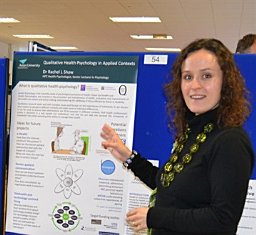 Rachel Shaw合作论文数National Park Service;U. S. Department of the Interior;Mangi Environmental Group;Mangi Environmental Group, U. S. Department of the Interior11
 Susan H. Spence合作论文数School of Applied Psychology, Griffith University;Australian Institute for Suicide Prevention, Griffith University10
 Mara Violato合作论文数Nuffield Department of Population Health, University of Oxford10
 Reardon Tessa C合作论文数School of Clinical Sciences, Monash University10
 Tamsin Ford合作论文数Department of Paediatrics, University of Cambridge10
 Lucy Taylor合作论文数Departments of Experimental Psychology and Psychiatry, University of Oxford9
 Samantha Pearcey合作论文数Dept Expt Psychol, Univ Oxford9
 Miriam Toolan合作论文数9Burden Christy合作论文数Maternal Medicine Department, University Hospitals Bristol9
 John Rose合作论文数School of Psychology, University of Birmingham9Fran Morgan合作论文数8
 Victoria Williamson合作论文数8
 Felicity Waite合作论文数Department of Psychiatry, University of Oxford8
 Paul Flowers合作论文数Department of Psychology, Glasgow Caledonian University8
 Obioha Chukwunyere Ukoumunne合作论文数College of Medicine and Health, University of Exeter;National Institute for Health Research8Michelle Sancho合作论文数7Jason Stainer合作论文数7
 Zoe V.R. Boden-Stuart合作论文数University of Brighton7Ian Macdonald合作论文数7
 Claire Hill合作论文数7
 David M Clark合作论文数University of Oxford7
 Daniel Freeman合作论文数Medical Sciences Division, University of Oxford;Department of Experimental Psychology, Magdalen College, University of Oxford7Abigail Fraser合作论文数Department of Medicine;Rabin Medical Center;Beilinson Campus;Department of Medicine, Rabin Medical Center7
 Sinead Lambe合作论文数Department of Experimental Psychiatry, Medical Sciences Division, University of Oxford;National Institute for Health and Care Research7
 Alastair Gray合作论文数Nuffield Department of Population Health, Medical Sciences Division, University of Oxford7
 Falko Sniehotta合作论文数Institute of Health and Society, Newcastle University;Population Health Science Institute, Faculty of Medical Sciences, Newcastle University;Faculty of Medicine Mannheim and Clinic Mannheim, Heidelberg University7Shioma-Lei Craythorne合作论文数6Paul Brown合作论文数6Mary Lynch合作论文数6
 Polly Waite合作论文数6
 Laina Rosebrock合作论文数Department of Experimental Psychology, Medical Sciences Division, University of Oxford6
 Emma Brooks合作论文数6Eleanor Leigh合作论文数Lishman Brain Injury Unit, The Maudsley Hospital6Bec Jasper合作论文数5
 Emma Warnock-Parkes合作论文数Oxford Hlth NHS Fdn Trust5Katie Barnard合作论文数5Ariane Petit合作论文数5Gemma Unwin合作论文数Sch Psychol, Univ Birmingham5
 Mulvale Gillian合作论文数DeGroote School of Business, McMaster University5
 Andrew Pollard合作论文数St Cross College, University of Oxford;Oxford Vaccine Group, University of Oxford5
 Glenn Robert合作论文数Department of Adult Nursing, Florence Nightingale Faculty of Nursing, Midwifery & Palliative Care, King’s College London5
 Rachel Plachcinski合作论文数5Heer Kuljit合作论文数5Sonia Barnfield合作论文数5
 Helen McShane合作论文数Nuffield Department of Medicine, University of Oxford;Harris Manchester College, University of Oxford;Oxford NIHR Biomedical Research Centre;Medical Sciences Division, University of Oxford5




