Minimal Phenomenal Experiences (MPEs) are states of consciousness in which wakefulness is preserved but phenomenal content is low or absent. The Entropic Brain Hypothesis (EBH) is a model of conscious processes that regards the entropy of spontaneous brain activity as a marker of 'phenomenal richness', exemplified by high-content psychedelic experiences (HCPEs). Yet recent human neuroimaging studies of MPEs induced by meditation – and possibly 5-MeO-DMT – suggest that these states, defined by their phenomenological simplicity, also show signs of increased neurophysiological entropy. This presents a conundrum for the EBH: brain entropy is elevated with increased and decreased richness of the phenomenal experience. Here, we put forward the Complex Brain Hypothesis (CBH), which proposes that the richness of experience differentiating MPEs from HCPEs is better indexed by complexity than by entropy. We argue that brain complexity is modulated by the grain of inference through which the brain resolves uncertainty: some HCPEs exemplify a fine-grained regime, in which loosened constraints amplify fluctuations into proliferating content, whereas some MPEs exemplify a coarse-grained regime, in which a simpler model dissolves variety into an experience of 'contentless' awareness. Both regimes can be associated with elevated brain entropy, but they diverge in phenomenology and perturbational signatures. By resolving the entropy-content conundrum, the CBH refines the EBH and highlights MPEs as an important test case for computational theories of consciousness.
Under the influence of psychedelics, people often report encountering "entities" who seem to have their own autonomous agency. Depending on the cultural milieu, these entities are reported to take a variety of forms, including spirits, elves, ancestors, or fragments of the self. Encounters with such beings hold a central place in many traditions of psychedelic practice around the world. And yet, mechanistic accounts of these experiences are scarce in the neuroscientific literature. Here, we propose a neurocomputational model to account for experiences of entities, focusing primarily on those occasioned by the serotonergic psychedelic N,N-dimethyltryptamine. Our model builds on earlier theoretical accounts, including the entropic brain model of psychedelics, computational accounts of the felt presence of other minds, and theories of self-other discrimination based on sensory attenuation. We synthesize and expand on these perspectives through an overarching physics-based approach to cognition and brain function-the active inference framework. We propose that the general effects of psychedelics on large-scale neural dynamics may shape the way the brain comes to infer and interpret agentic presences. In particular, the reduction in the predictability of sensory perceptions during the psychedelic state may incline the brain to interpret perceptions, both internal and external, as resulting from non-self-agentic sources. In specifying the neurocomputational mechanisms, our model aims to explain how the brain supports entity encounters while also accounting for the diversity (and similarity) of these experiences across cultural contexts.
Here, we develop neuronal criticality as an explanatory framework for computational neurophenomenology and the science of advanced meditation. Near a critical transition between different phases, many dynamical and informational observables are linked through their common dependence on the system’s distance from criticality and therefore cannot vary independently. Formal models in the science of consciousness, which often associate these, or related, observables with aspects of experience, inherit corresponding covariance constraints: a displacement toward or away from criticality predicts systematic phenomenal changes across classes of experiential states. We propose that top-down attention self-regulates the distance to criticality in a practice-dependent manner, connect the distance to criticality to predictive coding, the accompanying neurophysiology, and existing computational models, and account for several phenomenological aspects of advanced meditation. Additionally, we show that more mutually distinguishable models of the process of modelling are situated within the computational regime near criticality, and argue that the regulation of the distance to criticality benefits from increased degrees of meta-awareness. Furthermore, leveraging tools developed in the field of information geometry, we demonstrate how, in the meditative endpoint of phenomenal deconstruction called cessation of consciousness, in which awareness itself is understood to fully fall away, the intrinsic Riemannian metric of the statistical manifold ‘collapses’. The implied impossibility of belief-updating is consistent with recent empirical evidence suggestive of critical dynamics during episodes of cessation. In sum, neuronal criticality offers a promising framework for computational neurophenomenology, and enables new families of empirical and theoretical constraints toward a more comprehensive understanding of consciousness.
Meditation practices often involve sustaining attention on the body. Typically, attention is understood to enhance both neural resource allocation and the subjective salience of the attended target. However, in deep meditative states, practitioners sometimes report a dissolution of bodily boundaries, a phenomenon known in Pali as bhaṅga. This presents a paradox: why does focused attention, which typically heightens sensory perception, instead lead to its dissolution? This paper addresses this apparent contradiction by integrating computational, phenomenological, and empirical perspectives on attention, interoception and meditation. We focus on the body-scan technique, as practiced in Theravada Buddhist traditions, and its powerful capacity to produce experiences of the dissolution of bodily boundaries. Working within the Predictive Processing framework, we propose that this "dissolution" of bodily boundaries results from the body-scan's impact on attentional processes. We argue that by enhancing the precision of low-level predictions related to somatosensory signals, the body-scan effectively attenuates these signals, thereby diminishing perception of the body’s boundaries. In support of this claim, we first describe the body-scan technique and its phenomenological outcomes. We then introduce key concepts from the predictive processing framework and provide a detailed analysis of attentional processes during the body-scan. We conclude that the attenuation of somatosensory signals during the body-scan not only contributes to the experience of bhaṅga but also suggests a broader potential of this practice for enhancing well-being. With appropriate therapeutic integration, this attentional modulation offers promising applications in addressing conditions characterized by disrupted self-regulation, such as addiction and emotional dysregulation.
INTRODUCTION:Since its synthesis in 1962, ketamine has been widely used in diverse medical contexts, from anesthesia to treatment-resistant depression. However, interpretations of ketamine's subjective effects remain polarized. Biomedical frameworks typically construe the drug's experiential effects as dissociative or psychotomimetic, while psychedelic paradigms emphasize the potential therapeutic merits of these non-ordinary states. AREAS COVERED:Ketamine's psychoactive effects have inspired diverse interpretations. In this review, we trace the historical evolution of these perspectives - which we broadly categorize as 'dissociative,' 'dream-like,' and 'psychedelic' - and show how they emerged out of these clinical contexts. We highlight the influence of factors such as language, dose, and environmental context on ketamine's effects and therapeutic outcomes. We discuss potential mechanisms underlying these context-dependent effects and explore the broader clinical and research-related ramifications. EXPERT OPINION:Ketamine's subjective effects are undeniably powerful, yet their therapeutic significance remains debated. A nuanced, interdisciplinary approach is essential for maximizing ketamine's potential. Future research should focus on how explanatory models, treatment environments, and patient preparation can optimize ketamine's benefits while minimizing distress. We suggest that, rather than being a tiger to be tamed as its creator once described, ketamine may best be understood as a chameleon whose color shifts depending on its context.
Meditation practitioners, historically and today, sometimes report experiencing energy-like sensations in their body. While recent empirical studies have explored such experiences in the context of Buddhist and Yogic practice, no comparable research has yet examined energy-like sensations in Jewish, Christian, or Islamic traditions. We interviewed 30 practitioners and 30 teachers from Abrahamic contemplative traditions and found that energy-like somatic experiences were common within our sample. Twelve practitioners (40%) spontaneously reported having experienced at least one, and thirteen teachers (43%) described them occurring either personally or to their students and colleagues. These experiences occurred along a continuum of intensities and valences, with interpretations ranging from anticipated signs of progress to striking unexpected events. Participants drew on a variety of metaphors and frameworks to make sense of these experiences. They often blended ideas from multiple traditions and mixed concepts from spiritual and psychological explanatory models. When comparing these descriptions from our sample to those reported by Western Buddhists in earlier research, we observe notable commonalities as well as differences in the patterns of energy-like experiences across these traditions. Our findings suggest that energy-like somatic experiences emerge through a complex interaction of cultural and bodily processes, where interpretive frameworks interact with attentional and biological processes to determine the specific phenomenology and outcomes of these energetic sensations.
Criticality describes a regime between order and chaos that supports flexible yet stable informationprocessing. Here we examine whether neural dynamics can be volitionally shifted towardcriticality through the self-regulation of attention. We examined ten experienced practitioners ofmeditation during a 10-day retreat, comparing refined states of meditative absorption, called the“jhānas”, to regular mindfulness of breathing. We collected electroencephalography (EEG) andphysiological data during these practices and quantified the signal’s dynamical properties usingLempel–Ziv complexity, signal entropy, chaoticity and long-range temporal correlations. Inaddition, we estimated perturbational sensitivity using a global auditory oddball mismatchnegativity (MMN) during meditation. Relative to mindfulness, jhāna was associated withpronounced self-reported sensory fading, slower respiration, higher neural signal diversity acrossmultiple measures, reduced chaoticity, and enhanced MMN amplitude over frontocentral sites.Spectral analyses showed a flatter aperiodic 1/f component and a frequency-specific reorganizationof long-range temporal correlations. Together, increased diversity with reduced chaoticity andheightened deviance detection indicate a shift toward a metastable, near-critical regime duringjhāna. We propose an overlap of the phenomenology of jhāna with minimal phenomenalexperiences in terms of progressive attenuation of sensory content with preserved tonic alertness.Accordingly, our findings suggest that criticality is a candidate neurophysiological marker of theabsorptive, minimal-content dimension of the minimal phenomenal experience.
Therapeutic alliance is defined as the collaborative relationship between patient and therapist. Strong therapeutic alliances have been associated with positive clinical outcomes, but much remains unknown about alliance and its physiological basis. Interpersonal neural synchrony (INS) - the synchronization of neural signals between interacting individuals - is emerging as a novel lens for studying interactions with relatively objective and time-sensitive neuroimaging techniques. We searched four databases to identify studies of INS in clinical encounters. Our search yielded 161 articles, 46 met criteria for full-text review and 11 were included. The included articles reported INS across a total of 160 dyads, all published since 2018. Despite diverse methodologies, INS was observed in all studies and was often related to therapeutic outcomes. However, results were mixed regarding associations between INS and therapeutic alliance. These results highlight that, while promising, additional research is needed to elucidate the relationship between INS, therapeutic alliance and clinical outcomes. Future studies should aim to standardize methodologies, explore temporal dynamics (e.g., through longitudinal assessments), and include larger sample sizes.
Buddhist Jhāna meditation and the Christian practice of speaking in tongues appear wildly distinct. These spiritual techniques differ in their ethical, theological, and historical frames and seem, from the outside, to produce markedly different states of consciousness—one a state of utter calm and the other of high emotional arousal. Yet, our phenomenological interviews with experienced practitioners in the USA found significant points of convergence. Practitioners in both traditions describe a dynamic relationship between focused attention, aroused joy, and a sense of letting go or release that they describe as crucial to their practice. This paper highlights these shared phenomenological features and theorizes possible underlying mechanisms. Analyzing our phenomenological data through the lens of various theories of brain function, including sensory gating and predictive processing, we propose that these practices both engage an autonomic field built through a spiral between attention, arousal, and release (AAR).
Abstract This chapter aims to show that working back and forth between neuroscientific methods and ethnographic phenomenology can inspire us to think differently. We discuss a neurophenomenological project to improve our understanding of the evangelical Christian practice of speaking in tongues. After several years of ethnographic participant observation in tongues-speaking churches, we interviewed tongues-speakers carefully. As we developed a neuroimaging experiment to try to capture what we heard from them, our interdisciplinary approach pushed us to notice shifts in the experience of speaking in tongues, which we came to call “dropping in.” The combination of ethnographic phenomenology and neuroscience brought us a deeper understanding of tongues prayer in ways we did not expect.
According to the Center for Disease Control and Prevention, over 14% of the US population practice mindfulness meditation. The effects of mindfulness training on physical and mental health have been consistently documented, but its effects on interpersonal relationships are not yet fully understood or investigated. Interpersonal relationships play a crucial role in the wellbeing of individuals and society, and therefore, warrants further study. The aim of this paper is to present a tri-process theoretical model of interpersonal mindfulness and a study protocol to validate the proposed model. Specifically, according to the proposed model, mindfulness meditation training increases the self-awareness, self-regulation, and prosociality of those receiving the training, which ameliorates the quality of interpersonal interactions and the socioemotional support provided to other individuals. Finally, better socioemotional support increases the support receiver's ability to regulate their emotions. Using a multiphasic longitudinal design involving 640 participants randomized into 480 dyads, the proposed protocol aims to validate the tri-process model and to investigate its mechanisms of actions. The proposed study has important theoretical and social implications and will allow devising new and more effective interpersonal mindfulness programs with applications in multiple fields.
Background:Virtual reality (VR) based meditation has been shown to help increase relaxation and decrease anxiety and depression in younger adults. However, this has not been studied in Randomized Controlled Trials (RCT) in the older adult population. The aim of this RCT is to assess the feasibility and acceptability of a VR-guided meditation intervention for community-dwelling older adults and its effect on stress and mental health. Methods:We will recruit 30 participants aged ≥ 60 years, whose perceived stress score (PSS) is > 14 (moderate stress), and randomize them 1:1 to the intervention or control waitlist group. The intervention will involve exposure to eight 15-min VR-guided meditation sessions distributed twice weekly for 4-weeks. Two modalities will be offered: in-home and at the hospital. Data analysis:Baseline and post-intervention assessments will evaluate perceived stress, anxiety, depression, sleep quality, quality of life, and mindfulness skills. Analyses will employ mixed methods repeated ANOVA tests. Qualitative analyses through semi-structured interviews and participant observation will be used to assess participants' experiences. Study outcomes include: (A) feasibility and acceptability compared to a waitlist control (B) stress, using the Perceived Stress Scale (PSS); (C) anxiety, and depression, using the Generalized Anxiety Disorder-7 (GAD-7) and Patient Health Questionnaire-9 (PHQ-9); (D) insomnia, quality of life and mindfulness skills, using the Athens Insomnia Scale (AIS), Quality of Life Questionnaire (EQ-5D-5L) and Five Facets Mindfulness Questionnaire Short Forms (FFMQ-SF), respectively. We will also measure immersive tendencies, sickness and sense of presence using the Simulator Sickness Questionnaire (SSQ) and the Presence Questionnaire (PQ). Discussion:Virtual reality-guided meditation could be an acceptable, feasible, safe, and cost-effective novel alternative health intervention for improving older adults' mental health.Clinical trial registration: NCT05315609 at https://clinicaltrials.gov.
BackgroundPsychedelic drug experiences are shaped by current-moment contextual factors, commonly categorized as internal (set) and external (setting). Potential influences of past environments, however, have received little attention.AimsTo investigate how previous environmental stimuli shaped the experiences of patients receiving ketamine for treatment-resistant depression (TRD), and develop the concept of “imprinting” to account for such time-lagged effects across diverse hallucinogenic drugs.MethodsRecordings of treatment sessions and phenomenological interviews from 26 participants of a clinical trial investigating serial intravenous ketamine infusions for TRD, conducted from January 2021 to August 2022, were retrospectively reviewed. A broad literature search was undertaken to identify potentially underrecognized examples of imprinting with both serotonergic and atypical psychedelics, as well as analogous cognitive processes and neural mechanisms.ResultsIn naturalistic single-subject experiments of a 28-year-old female and a 34-year-old male, subjective ketamine experiences were significantly altered by varying exposures to particular forms of digital media in the days preceding treatments. Higher levels of media exposure reduced the mystical/emotional qualities of subsequent psychedelic ketamine experiences, overpowering standard intention-setting practices and altering therapeutic outcomes. Qualitative data from 24 additional patients yielded eight further spontaneous reports of past environmental exposures manifesting as visual hallucinations during ketamine experiences. We identified similar examples of imprinting with diverse psychoactive drugs in past publications, including in the first-ever report of ketamine in human subjects, as well as analogous processes known to underly dreaming.Conclusions/interpretationPast environmental exposures can significantly influence the phenomenology and therapeutic outcomes of psychedelic experiences, yet are underrecognized and understudied. To facilitate future research, we propose expanding the contextual model of psychedelic drug actions to incorporate imprinting, a novel concept that may aid clinicians, patients, and researchers to better understand psychedelic drug effects.Clinical trial registrationClinicalTrials.gov, identifier NCT04701866.
Trait ‘absorption’ is a psychological construct with a rich history that was initially born from early work on hypnotic suggestibility. Absorption characterizes an individual's tendency to become effortlessly engrossed in the contents of experience, whether in terms of external sensory phenomena or internal imagery and fantasy, and is reliably associated with a constellation of psychological, cognitive, and behavioral traits. Here, we conducted a comprehensive neuroimaging investigation of associations between trait absorption and the brain. In particular, we assessed multivariate relationships between absorption scores and neuroimaging measures of grey matter density, as well as static and dynamic resting-state functional connectivity. We investigated these relationships using partial least squares in a discovery dataset (n = 201) and then attempted to reproduce results in an independent replication dataset (n = 68). Results revealed a lack of significant associations between absorption and grey matter density across both datasets, and a significant association between absorption and static resting-state functional connectivity in the discovery dataset which was not replicated in the replication dataset. Additional control analyses further indicated the lack of a reliable brain-absorption relationship, whereas we found a replicable association between the closely related trait of ‘openness to experience’ and resting-state functional connectivity. We conclude that absorption is not reliably associated with brain structure or function in the present datasets and discuss factors that may have contributed to this result. This study serves as the first comprehensive and adequately powered investigation of the neural correlates of absorption and motivates future studies to refine the conceptualization of this perplexing trait.
There are communities in which hearing voices frequently is common and expected, and in which participants are not expected to have a need for care. This paper compares the ideas and practices of these communities. We observe that these communities utilize cultural models to identify and to explain voice-like events—and that there are some common features to these models across communities. All communities teach participants to “discern,” or identify accurately, the legitimate voice of the spirit or being who speaks. We also observe that there are roughly two methods taught to participants to enable them to experience spirits (or other invisible beings): trained attention to inner experience, and repeated speech to the invisible other. We also observe that all of these communities model a learning process in which the ability to hear spirit (or invisible others) becomes more skilled with practice, and in which what they hear becomes clearer over time. Practice—including the practice of discernment—is presumed to change experience. We also note that despite these shared cultural ideas and practices, there is considerable individual variation in experience—some of which may reflect psychotic process, and some perhaps not. We suggest that voice-like events in this context may be shaped by cognitive expectation and trained practice as well as an experiential pathway. We also suggest that researchers could explore these common features both as a way to help those struggling with psychosis, and to consider the possibility that expectations and practice may affect the voice-hearing experience.
BackgroundLate-life depression (LLD) affects up to 18% of older adults and has been linked to elevated dementia risk. Mindfulness-based cognitive therapy (MBCT) holds promise for treating symptoms of depression and ameliorating cognitive deficits in older adults. While preliminary findings are promising, a definitive RCT investigating its effects on late life depression and cognition have not yet been conducted. We present a protocol describing a multi-site blinded randomized controlled trial, comparing the effects of MBCT and of an active control, a Health Enhancement Program (HEP), on depressive symptoms, executive functioning, and brain biomarkers of LLD, among several other exploratory outcomes.MethodsTwo-hundred and thirteen (n = 213) patients with LLD will be recruited at various centers in Montreal, QC, Canada. Participants will undergo stratified randomization to either MBCT or HEP intervention groups. We will assess changes in (1) depression severity using the Hamilton Depression Rating Scale (HAM-D17), (2) processing speed and executive functioning, (3) brain biomarkers of LLD (hippocampal volume, default network resting-state functional connectivity and executive network resting-state functional connectivity), and (4) other exploratory physiological and mood-based measures, at baseline (0 weeks), post intervention (8 weeks), and 26 weeks after baseline.DiscussionThe proposed study will assess the clinical potential of MBCT to improve symptoms of depression, as well as examine its impact on cognitive impairments and neurobiological markers, and thus inform its use as a promising adjunct in the treatment of LLD.Clinical trial registrationwww.ClinicalTrials.gov, identifier: NCT05366088.
Background: Among a rapidly aging population, there is increased need for neuroprotective interventions promoting healthy neurological aging. Mind-body interventions, such as Kundalini yoga, are actively being explored as accessible means to encourage healthy aging. However, little remains known about the neurobiological effects of Kundalini yoga. Aims: This pilot randomized-controlled trial (RCT) examined the potential neuroprotective effects of Kundalini yoga in older adults. Methods: We conducted an RCT with 11 healthy meditation-naïve older adults. Participants were randomized to a Kundalini yoga or psychoeducation intervention. Structural magnetic resonance imaging data were obtained at baseline and 12-week follow-up. The primary outcome measure was gray matter volume of the bilateral hippocampi and bilateral posterior cingulate cortex. Results: We found significant right hippocampal volume increases specific to the Kundalini yoga group (P = 0.034, ηp2 = 0.408). Conclusions: These findings provide initial neurobiological support for the neuroprotective effects of Kundalini yoga.
This paper presents a version of neurophenomenology based on generative modelling techniques developed in computational neuroscience and biology. Our approach can be described as computational phenomenology because it applies methods originally developed in computational modelling to provide a formal model of the descriptions of lived experience in the phenomenological tradition of philosophy (e.g., the work of Edmund Husserl, Maurice Merleau-Ponty, etc.). The first section presents a brief review of the overall project to naturalize phenomenology. The second section presents and evaluates philosophical objections to that project and situates our version of computational phenomenology with respect to these projects. The third section reviews the generative modelling framework. The final section presents our approach in detail. We conclude by discussing how our approach differs from previous attempts to use generative modelling to help understand consciousness. In summary, we describe a version of computational phenomenology which uses generative modelling to construct a computational model of the inferential or interpretive processes that best explain this or that kind of lived experience.
 Amir Raz合作论文数Clinical Neuroscience and Applied Cognition Laboratory, Institute of Community & Family Psychiatry at the SMBD Jewish General Hospital28
 Thibault Robert T合作论文数McGill University, 3775 University10
 Soham Rej合作论文数Department of Psychiatry, Faculty of Medicine and Health Sciences, McGill University7
 Tanya Marie Luhrmann合作论文数Department of Anthropology, Stanford University7
 Jonas Mago合作论文数6
 Kyle Greenway合作论文数5
 Daniel S. Margulies合作论文数Centre National de La Recherche Scientifique, University of Paris;Integrative Neuroscience & Cognition Center, University of Paris5
 Eli O Sheiner合作论文数McGill Univ4
 Harmehr Sekhon合作论文数McLean Hospital, Harvard Medical School4
 Matthew D. Sacchet合作论文数Harvard Medical School;Massachusetts General Hospital4
 Guillaume Dumas合作论文数4
 Natasha Campbell合作论文数3
 Josh Brahinsky合作论文数Dept Anthropol, Stanford Univ3
 Mark Miller合作论文数Ctr Consciousness & Contemplat Studies, Monash Univ3
 Olson Jay A合作论文数Cognitive Neuroscience Laboratory, McGill University Montreal3
 Julia M. Huntenburg合作论文数3Thorsten Barnhofer合作论文数Department of Psychiatry, University of Oxford3Stephane Richard-Devantoy合作论文数2
 Joseph Therriault合作论文数2Raquel R. Roth合作论文数2Vasavan Nair合作论文数2Elena Dikaios合作论文数2Myriam Lesage合作论文数2Johanna Gruber合作论文数2Titus A. Schroeter合作论文数2Julien Thibault Lévesque合作论文数2
 Nicolas Garel合作论文数2Nicole Ross-Zehnder合作论文数2
 Magnus Bein合作论文数2
 Marie-Andree Bruneau合作论文数2
 Cristine H Legare合作论文数Department of Psychology, College of Liberal Arts, University of Texas at Austin2
 John Dulin合作论文数2
 Emily Ng合作论文数2Maria Fissler合作论文数2Emilia Winnebeck合作论文数2
 Thomas Thiery合作论文数Department of Psychology, University of Montreal QC2
 David Dupuis合作论文数Research Department, Quai Branly Museum (Paris),2
 Manesh Girn合作论文数Department of Psychology, University of British Columbia, Vancouver, British Columbia, Canada2
 Rachel Smith合作论文数Dept Anthropol, Stanford Univ2
 Yan Fan (范妍)合作论文数Leibniz Res Ctr Working Environm & Human Factors2
 Bassam Khoury合作论文数Department of Educational and Counselling Psychology, Faculty of Education, McGill University2
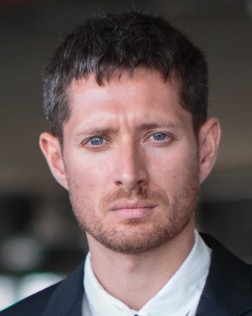 Robin Carhart-Harris合作论文数Psychedelics Division,University of California, San Francisco;Center for Psychedelic Research, Imperial College London2
 Michiel van Elk合作论文数Department of Social Psychology, University of Amsterdam2
 Noble Helen合作论文数2
 Kalina Christoff合作论文数Department of Psychology, Faculty of Arts, University of British Columbia;Peter Wall Institute for Advanced Studies, University of British Columbia2
 Weisman Kara合作论文数Department of Psychology, University of Wisconsin-Madison2
 Matti Gartner合作论文数Cluster of Excellence "Languages of Emotion&, Freie Universität Berlin, Charité University Medicine Berlin;, Freie Universität Berlin, Charité University Medicine Berlin;Charité University Medicine Berlin, Charité University Medicine Berlin2
 Susana G Torres-Platas合作论文数2
 Kieran Fox合作论文数Department of Psychology, University of British Columbia2




