Abstract Reproductive biology is a key determinant of fitness. State-dependent speciation-extinction methods (SSEs) are often used to associate traits with patterns of diversification. Previously, SSEs have been used within families to investigate the hypothesis that selfing is an evolutionary “dead end.” To the best of the authors’ knowledge, no study has looked across families, which would increase power to more generally test this hypothesis. Here, we examine the impact of 1) mating system and 2) sexual system on diversification across 18 phylogenetically diverse families. We also discuss how more recent advances in SSE models (i.e., “hidden state” and tree-only models) influence our interpretation of these patterns and evaluate how the relationship between mating and sexual systems can be leveraged to gain insight into the impact of reproductive biology on evolutionary outcomes. In this study, we find that the mating system as a trait does not better explain patterns of diversification when compared to null models, but the sexual system often does. We also find family-level heterogeneity in our results, which suggests conclusions drawn from studies on individual families may not be consistent with any broader trend.
Sexual selection potentially drives the evolution of exaggerated traits used in intrasexual contests. However, the extent to which mating systems influence weapon morphology remains unclear. In fiddler crab males, an exaggerated claw functions both as a weapon and a signaling tool, varying according to the species' mating system. We examined claw evolution in male fiddler crabs, differentiating between two main mating strategies: (1) males defend their mating burrows (= "burrow"); (2) males do not mate in their own burrows (= "surface"). We measured claw morphological traits and tested whether the mating system affects their evolutionary rates, expecting "burrow" species to exhibit higher evolutionary rates. In general, claw size scales isometrically with body size across species. Both systems showed no correlation between claw elements and mechanical advantage, indicating the necessity of maintaining a conspicuous signaling tool alongside an efficient lever system for grip strength as body size increases. Contrary to predictions, however, "burrow" males exhibited lower evolutionary rates in claw traits than "surface" males, suggesting stronger stabilizing selection. These findings highlight the nuanced effects of sexual selection on male fiddler crab weapon evolution, suggesting that mating systems can modulate evolutionary trajectories, yet functional demands for dual weapon-signal roles constrain claw morphology.
BackgroundNo effective therapies exist to prevent neurodegenerative mild cognitive impairment (MCI) related to Alzheimer's disease. Therapies integrating music and/or dance are promising non-pharmacological options to effectively mitigate cognitive decline.ObjectiveTo deepen our understanding of individuals' relationships (i.e., histories, experiences, and attitudes) with music and dance, in order to incorporate such knowledge into the design of music- and dance-based interventions, thereby improving therapeutic outcomes.MethodsEleven older adults with MCI and five of their care partners/ spouses (4 M/12F; Black: n = 4, White: n = 10, Hispanic/Latino: n = 2; Age: 71.4 ± 9.6 years) first completed questionnaires, then participated in focus groups that captured aspects of their relationships with music and dance. Emergent themes were extracted from four major topics, including: (1) experience and history, (2) enjoyment and preferences, (3) confidence and barriers, and (4) impressions of music and dance as therapeutic tools.ResultsThematic analysis revealed participants' positive impressions of music and dance as potential therapeutic interventions, citing perceived neuropsychological, emotional, and physical benefits. Participants viewed music and dance as integral to their lives, histories, and identities within a culture, family, and/ or community. Participants also identified lifelong engagement barriers that, in conjunction with negative feedback, instilled persistent low self-efficacy regarding dancing and active music engagement. Questionnaires verified individuals' moderately-strong music and dance relationships, which were strongest in passive forms of music engagement (e.g., listening).ConclusionsOur findings support that individuals' music and dance relationships and the associated perceptions toward music and dance therapy may offer valuable insights that enhance the design of efficacious and engaging non-pharmacological therapies for individuals with MCI.
Children in out-of-home care participate in less organised sport than children from other household structures, potentially reducing opportunities for improvements in social, developmental, and health outcomes. Despite this, little is known about barriers and facilitators of sport participation for children in care. We aimed to explore carers’ perspectives on the influences on children in care’s participation and experiences in organised sport. We interviewed 26 foster and kinship carers and analysed data through a reflexive thematic analysis approach. We identified five themes regarding participation and experiences in sport for children in care. Carers reported that (1) children in care’s vulnerability, resulting from past traumatic experiences, left them feeling uncertain in their environment and ‘different’ to other children. Carers also described (2) the importance of their own values, and (3) the difficulties they face in navigating challenges related to out-of-home care. Finally, they discussed (4) how other people in sporting environments, and (5) overarching systems and entities, significantly impact children in care’s participation and experiences in sport. Our study extends existing literature by amplifying the voices of foster and kinship carers to deepen our understanding of the influences most critical for children in care’s participation and experiences in sport. Based on our findings, we encourage prioritisation of sport within policy impacting children in out-of-home care, and greater flexibility among sporting organisations to support children in care’s needs. Further consideration of the interactions between intrapersonal, familial, and environmental factors influencing children in care’s participation and experiences in sport is required.
IntroductionAssessment of motor competence is critical for planning and monitoring children's development. However, many assessment tools require time, training, and resources not available to most teachers. We aimed to evaluate the external aspect of construct validity of a rapid product-oriented fundamental movement skill assessment tool designed specifically for primary education settings.MethodsFundamental movement skills of 73 children aged 4–8 were assessed using the KIDDO Challenge assessment tool and the Test of Gross Motor Development-2 (TGMD-2). We conducted correlational analyses between scores derived from the assessment tools.ResultsWe found significant associations (ranging from weak to moderate in nature; r range = −0.17 to 0.68) between scores of individual skills on the KIDDO Challenge and the TGMD-2. Age- and gender-standardised overall proficiency ratings between assessment tools exhibited a significant moderate, positive correlation (r = 0.52, p < .01).ConclusionsOur findings indicate that the KIDDO Challenge and TGMD-2 were significantly associated in their assessment of children's overall fundamental movement skill proficiency. These findings may assist teachers or school administration in selecting rapid fundamental movement skill assessment tools with evidence of validity for motor competence screening in primary education settings.
BackgroundRobust evaluation is critical for understanding and enhancing the impact of health promotion initiatives. However, many community-based organisations face challenges in planning and conducting evaluation due to limitations in knowledge, resources, and the applicability of existing evaluation frameworks. The Healthway Evaluation Framework, and its accompanying practical Measurement Toolkit, was designed to support evaluation planning, implementation, and reporting across diverse health promotion programs and settings.Methods and resultsDrawing on an evidence review and extensive consultation with community organisations and health promotion funders, the Framework consists of four pillars: (i) Activity; (ii) Knowledge, Attitude, Behaviour; (iii) Organisational; and (iv) Sustainability. Each pillar includes clearly defined elements to guide the evaluation of both delivery processes and health and organisational outcomes. A Measurement Toolkit accompanies the Evaluation Framework, providing practical guidance for data collection in health promotion evaluation.ConclusionThe Healthway Evaluation Framework provides a practical and adaptable solution for advancing evaluation practice, enhancing the consistency of reporting, and strengthening the evidence base for health promotion.
Background Participation in sport is associated with a range of physical, psychological, and social benefits. However, children in out-of-home care face complex barriers to sport participation, with lower participation rates than children in other household arrangements. Objective We aimed to establish carers' recommendations for improving children in care's participation and experiences in sport. Participants and setting Overall, 42 foster and kinship carers in Western Australia participated in the study. Data were collected via online surveys and interviews. Methods We conducted a sequential explanatory mixed-methods study, utilising both quantitative and qualitative methods. Results Analyses revealed three key recommendations—with accompanying implementation strategies—for policymakers, researchers, peak sporting bodies, and sporting organisations: (1) inclusive practices should be embedded in existing sport programs; (2) education for sport program providers should be developed; and (3) support for carers to facilitate sport participation for children in care should be provided. Conclusions This work provides guidance for increasing participation in sport for children in care, and maximising opportunities for physical, psychological, and social development.
OBJECTIVES:This scoping review considers the experiences of aspiring high school-aged athletes as they navigate the complexities of managing sport, education, social, and family life. The review synthesises existing literature on the decisions, barriers, facilitators, and support systems that influence aspiring athletes' pathways. DESIGN:Systematic scoping review. METHODS:Following the PRISMA-ScR framework, four databases were searched (SCOPUS, SPORTDiscus, PsycInfo, CINAHL), and studies involving aspiring high school aged athletes were uploaded to Covidence. RESULTS:Across the four databases 1781 studies were identified through abstract screening and 61 of these studies were used for the final review. Despite the significant commitment that many young athletes devote to their sporting endeavours, the transition from aspiring to elite athlete remains challenging, with only a small percentage achieving elite status. Key findings indicate that aspiring athletes often prioritise their athletic identity over academic and social pursuits, leading to potential risks in personal development. The reviewed literature also highlights the importance of personal skills, the role of key influencers such as parents and coaches, and systemic support from educational and sport organisations. CONCLUSIONS:In this review we highlight the need for a clearer definition of an aspiring athlete to enhance the comparability and synthesis of future research, and to facilitate a more systematic understanding of this population. Addressing these gaps will support the development of targeted support systems and interventions, whereas direct improvements in athlete wellbeing will require comprehensive approaches that address developmental pathways, systemic support, and individual needs.
Purpose : To assess the implementation of the digital version of the Physical Literacy in Children Questionnaire (PL-C Quest) in a primary school environment. Methods : A mixed-methods study with teachers ( n = 13) and students ( n = 20) about their respective reflections on administering and completing the PL-C Quest. Results : The PL-C Quest was perceived as acceptable, appropriate, and feasible. All teachers felt the PL-C Quest was easy for them, and, their students to use. Students enjoyed completing the PL-C Quest, they understood the questionnaire, and found it easy to use; teachers described the ease of administration of the PL-C Quest and their interest in the data provided. Some teachers reported concerns about the usefulness of the PL-C Quest results, highlighting that greater school-wide focus on physical literacy (including professional learning opportunities) would be required. Conclusions : The findings from this study highlight critical considerations for integrating physical literacy assessment tools into school practice.
Increasing evidence suggests that urbanization is associated with higher mutation rates, which can affect the health and evolution of organisms that inhabit cities. Elevated pollution levels in urban areas can induce DNA damage, leading to de novo mutations. Studies on mutations induced by urban pollution are most prevalent in humans and microorganisms, whereas studies of non-human eukaryotes are rare, even though increased mutation rates have the potential to affect organisms and their populations in contemporary time. Our Perspective explores how higher mutation rates in urban environments could impact the fitness, ecology and evolution of populations. Most mutations will be neutral or deleterious, and higher mutation rates associated with elevated pollution in urban populations can increase the risk of cancer in humans and potentially other species. We highlight the potential for urban-driven increased deleterious mutational loads in some organisms, which could lead to a decline in population growth of a wide diversity of organisms. Although beneficial mutations are expected to be rare, we argue that higher mutation rates in urban areas could influence adaptive evolution, especially in organisms with short generation times. Finally, we explore avenues for future research to better understand the effects of urban-induced mutations on the fitness, ecology and evolution of city-dwelling organisms. Pollution in urban areas causes higher rates of mutation than in unpolluted areas. This Perspective discusses the effects of these mutations on the health, evolutionary fitness and ecology of urban organisms.
Physical literacy development in early childhood, viewed by many as the foundation for lifelong physical activity engagement, is significantly influenced by parents. Our aim was to explore parents’ understanding of physical literacy and gain insight into their perspectives on physical literacy promotion. We recruited 18 parents of children between 5 and 8 years old in Australia. Using semistructured interviews and thematic analysis, we identified several key issues regarding parents’ understanding and implementation of physical literacy. Parents expressed interest in improving their implementation of physical literacy practices and had (often unintentionally) provided support for physical literacy subcomponents in the past. However, they described difficulties prioritizing physical literacy above other parental demands and expressed conflicting perceptions regarding where the responsibility should lie for developing their child’s physical literacy (e.g., at home or at school). To ensure that the physical literacy “message” reaches parents, we encourage physical literacy promoters to consider the target (e.g., responsibility, priorities, and awareness) of their promotional strategies. Further investigation into the influence of sociocultural and economic factors on parents’ understanding and application of physical literacy is warranted.
Background:Personalized dance-based movement therapies may improve cognitive and motor function in individuals with mild cognitive impairment (MCI), a precursor to Alzheimer's disease. While age- and MCI-related deficits reduce individuals' abilities to perform dance-like rhythmic movement sequences (RMS)-spatial and temporal modifications to movement-it remains unclear how individuals' relationships to dance and music affect their ability to perform RMS. Objective:Characterize associations between RMS performance and music or dance relationships, as well as the ability to perceive rhythm and meter (rhythmic proficiency) in adults with and without MCI. Methods:We used wearable inertial sensors to evaluate the ability of 12 young adults (YA; age=23.9±4.2 yrs; 9F), 26 older adults without MCI (OA; age=68.1±8.5 yrs; 16F), and 18 adults with MCI (MCI; age=70.8±6.2 yrs; 10F) to accurately perform spatial, temporal, and spatiotemporal RMS. To quantify self-reported music and dance relationships and rhythmic proficiency, we developed Music (MRQ) and Dance Relationship Questionnaires (DRQ), and a rhythm assessment (RA), respectively. We correlated MRQ, DRQ, and RA scores against RMS performance for each group separately. Results:The OA and YA groups exhibited better MRQ and RA scores than the MCI group (p<0.006). Better MRQ and RA scores were associated with better temporal RMS performance for only the YA and OA groups (r2=0.18-0.41; p<0.045). DRQ scores were not associated with RMS performance in any group. Conclusions:Cognitive deficits in adults with MCI likely limit the extent to which music relationships or rhythmic proficiency improve the ability to perform temporal aspects of movements performed during dance-based therapies.
Many young people are exposed to risk factors that increase their risk of mental illness. Physical activity provision is an increasingly popular approach to protect against mental illness in the face of these risk factors. We examined the effectiveness of physical activity interventions for the promotion of mental health outcomes in at-risk children and adolescents. We searched health databases for randomised and non-randomised intervention studies, with no date restriction, and assessed risk of bias using the Cochrane Risk of Bias tools. We present a narrative synthesis of our results accompanied with a summary of available effect sizes. Thirty-seven reports on 36 studies were included, with multi-sport or yoga interventions the most popular intervention approaches (a combined 50% of included studies). Outcomes measured included internalising, self-evaluative, wellbeing, overall symptomatology, resilience, externalising, and trauma outcomes. We found that 63% of between-groups effects favoured the intervention arm, and 83% of within-groups effects favoured an intervention effect. While recognising high risk of bias, our findings provide evidence in support of the effectiveness of physical activity interventions for promoting mental health outcomes in at-risk young people. We encourage further work designed to better understand the intervention characteristics that may lead to positive benefits.
BackgroundCardiac rehabilitation has been identified as having the most homogenous clinical exercise service structure in the United Kingdom (UK), but inconsistencies are evident in staff roles and qualifications within and across services. The recognition of Clinical Exercise Physiologists (CEPs) as a registered health professional in 2021 in the UK, provides a potential solution to standardise the cardiac rehabilitation workforce. This case study examined, in a purposefully selected cardiac exercise service that employed registered CEPs, (i) how staff knowledge, skills and competencies contribute to the provision of the service, (ii) how these components assist in creating effective service teams, and (iii) the existing challenges from staff and patient perspectives.MethodsA multi-method qualitative approach (inc., semi-structured interviews, observations, field notes and researcher reflections) was employed with the researcher immersed for 12-weeks within the service. The Consolidated Framework for Implementation Research was used as an overarching guide for data collection. Data derived from registered CEPs (n = 5), clinical nurse specialists (n = 2), dietitians (n = 1), service managers/leads (n = 2) and patients (n = 7) were thematically analysed.ResultsRegistered CEPs delivered innovative exercise prescription based on their training, continued professional development (CPD), academic qualifications and involvement in research studies as part of the service. Exposure to a wide multidisciplinary team (MDT) allowed skill and competency transfer in areas such as clinical assessments. Developing an effective behaviour change strategy was challenging with delivery of lifestyle information more effective during less formal conversations compared to timetabled education sessions.ConclusionsRegistered CEPs have the specialist knowledge and skills to undertake and implement the latest evidence-based exercise prescription in a cardiac rehabilitation setting. An MDT service structure enables a more effective team upskilling through shared peer experiences, observations and collaborative working between healthcare professionals.
There is a need to identify the outcomes of changes in loneliness during adolescence, and to consider this within a multidimensional framework of loneliness. This study considered the effects of different trajectories of change in Isolation Loneliness and in Friendship Loneliness upon both positive wellbeing and symptoms of depression. To achieve this, 1782 (43% female; 12.92 years old at the start of the study, SD = 1.60) young people took part in a longitudinal study with four data points across 2 years. Four Isolation Loneliness trajectories and five Friendship Loneliness trajectories were identified. Youth who experienced low levels of Isolation Loneliness that subsequently increased appear to be at particular risk for poor outcomes. Similarly, initially high levels of Friendship Loneliness that decreased rapidly, or which began at a low level and only increased marginally, seem to also be a risk. Loneliness is a multi-dimensional construct and its development during adolescence impacts upon young people’s depressive symptomatology and positive mental wellbeing.
Although spiders are one of the most diverse groups of arthropods, the genetic architecture of their evolutionary adaptations is largely unknown. Specifically, ancient genome-wide duplication occurring during arachnid evolution ~450 mya resulted in a vast assembly of gene families, yet the extent to which selection has shaped this variation is understudied. To aid in comparative genome sequence analyses, we provide a chromosome-level genome of the Western black widow spider (Latrodectus hesperus)-a focus due to its silk properties, venom applications, and as a model for urban adaptation. We used long-read and Hi-C sequencing data, combined with transcriptomes, to assemble 14 chromosomes in a 1.46 Gb genome, with 38,393 genes annotated, and a BUSCO score of 95.3%. Our analyses identified high repetitive gene content and heterozygosity, consistent with other spider genomes, which has led to challenges in genome characterization. Our comparative evolutionary analyses of eight genomes available for species within the Araneoidea group (orb weavers and their descendants) identified 1,827 single-copy orthologs. Of these, 155 exhibit significant positive selection primarily associated with developmental genes, and with traits linked to sensory perception. These results support the hypothesis that several traits unique to spiders emerged from the adaptive evolution of ohnologs-or retained ancestrally duplicated genes-from ancient genome-wide duplication. These comparative spider genome analyses can serve as a model to understand how positive selection continually shapes ancestral duplications in generating novel traits today within and between diverse taxonomic groups.
Based on the socioecological conceptual model, the physical environment within the home, childcare and neighbourhood domains are key factors that influence preschool children's physical activity; however, the relative importance of each of these domains for preschool children's physical activity is unclear. We explored the physical environment characteristics within three latent profiles of 115 preschool children aged 2-5 years based on where they accumulated moderate-to-vigorous physical activity (MVPA) across five GPS-derived environmental domains. The three profiles were "Active at home" (n = 41), "Active except close to home" (n = 61), and "Active except in local neighbourhood" (n = 13). Compared to other profiles, "Active at home" had fewer parks and playgrounds within their 500-1600 m neighbourhood. Findings suggest preschool children's MVPA profiles are reflections of their physical environmental opportunities.
The rise of research synthesis and systematic reviews over the last 25 years has been aided by a series of software packages providing simple and accessible GUI interfaces which are intuitively easy to use by novice analysts and users. Development of many of these packages has been abandoned over time due to a variety of factors, leaving a gap in the software infrastructure available for meta-analysis. To fulfill the continued demand for a GUI-based meta-analytic system, we have now released MetaWin 3 as free, open-source, multi-platform software. MetaWin3 is written in Python and developed from scratch relative to earlier versions. The codebase is available on Github, with pre-compiled executables for both Windows and macOS available from the MetaWin website. MetaWin includes standardized effect size calculations, exploratory and publication bias analyses, and allows for both simple and complex explanatory models of variation within a meta-analytic framework, including meta-regression, using traditional least-squares/moments estimation.
This study investigated where preschool children were more or less active in outdoor play areas in Early Childhood Education and Care (ECEC) centers using a novel method of combined device-measured physical activity, spatial data and on-site audit data. Preschool children (n = 237) aged 2-5 years from 30 ECEC centers wore accelerometer (Actigraph GT3X+) and Global Positioning System device (Qstarz Q-1000XT) for 7 days. Optimized hot spot analysis was performed to identify physical activity hot and cold spots in ECEC outdoor play areas. Preschoolers' mean daily minutes of physical activity per ECEC day were significantly higher in large-very large ECEC centers compared to small-medium sized ECEC centers (all p < .01). Physical activity hot spots were frequently found in open areas and sometimes also found in their adjacent outdoor play areas if children can freely move between these areas. The amount of running space in ECEC outdoor play area and its location in relation to open areas are important for facilitating physical activity in preschool children. The findings provide objective behavioral and spatial information of ECEC outdoor play area designs that promote physical activity behavior in preschoolers, which can be used to inform the planning and design of physical activity promoting ECEC outdoor environments.
 Douglas Nixon合作论文数Department of Microbiology, Immunology, and Tropical Medicine, School of Medicine and Health Sciences, George Washington University;Weill Cornell Medicine25
 Andrew Wiznia合作论文数22
 Christina Davies合作论文数School of Population Health and School of Sport Science, Exercise &The University of Western Australia;School of Population Health and School of Sport Science, Exercise & Health (M431),, The University of Western Australia18Lisa G. Wood合作论文数18
 Clover Maitland合作论文数School of Sport Science, Exercise and Health, University of Western Australia17Sarah French合作论文数16
 Julie Saunders合作论文数School of Population and Global Health, The University of Western Australia15
 Ben Jackson合作论文数School of Human Sciences, The University of Western Australia;Telethon Kids Institute14
 Thornton Ashleigh L合作论文数14Rebecca A. Braham合作论文数13
 Trevor Robert Shilton合作论文数13
 Ferguson Renee合作论文数12
 Billie Giles-Corti合作论文数Centre for Urban Research, School of Global, Urban and Social Studies, RMIT University;The University of Western Australia12
 Robert Donovan合作论文数School of Human Sciences, University of Western Australia12
 Gareth Stratton合作论文数Department of Engineering, Swansea University;Applied Sport Technology and Exercise Medicine Research Centre, College of Engineering, Swansea University11
 Stephen Houghton合作论文数Graduate School of Education, University of Western Australia11Paul T. Sindelar合作论文数11
 James A. Dimmock合作论文数School of Human Movement and Exercise Science, The University of Western Australia10
 Tim Budden合作论文数School of Human Sciences (Exercise and Sport Science),, The University of Western Australia9
 Buzzacott Peter合作论文数9
 Matthew Knuiman合作论文数Cardiovascular Epidemiology Research Centre, School of Population and Global Health, University of Western Australia9
 Lisa Jane Wood合作论文数8
 Corinne Zadow合作论文数8
 Fiona Bull合作论文数School of Human Sciences, The University of Western Australia8
 Simon C. Hunter合作论文数Francis , Ltd8
 Brodie Ward合作论文数7renee teal合作论文数7
 Joanna Dobroszycki合作论文数7
 Steven Deeks合作论文数School of Medicine, University of California, San Francisco;Division of HIV, Infectious Diseases and Global Medicine, Zuckerberg San Francisco General Hospital7
 Johan Sandberg合作论文数Department of Medicine, Huddinge, Karolinska Institutet7
 Catherine P. Bradshaw合作论文数Johns Hopkins Bloomberg School of Public Health Department of Mental Health, Johns Hopkins Center for the Prevention of Youth Violence7
 Anne C. Stone合作论文数Center for Evolution and Medicine, School of Human Evolution and Social Change, Arizona State University;Institute of Human Origins, Arizona State University;Osher Lifelong Learning Institute, Arizona State University7Terri Pikora合作论文数School of Population Health7Elizabeth R Sharp合作论文数6
 Aaron Simpson合作论文数6
 Brendan Lay合作论文数6
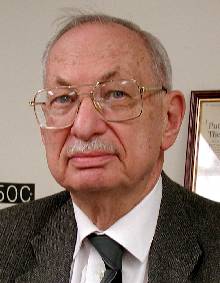 Robert R. Sokal合作论文数State University of New York at Stony Brook6
 Sudhir Kumar合作论文数Department of Biology, College of Science and Technology, Temple University;Institute for Genomics and Evolutionary Medicine, Temple University;Department of Computer & Information Sciences, Temple University6Neal L. Oden (Neal Oden)合作论文数The EMMES Corporation6Glenn J. Fennelly合作论文数The Lewis M. Fraad Department of Pediatrics, Jacobi Medical Center6
 Louise Naylor合作论文数6Jacobo Abadi合作论文数6
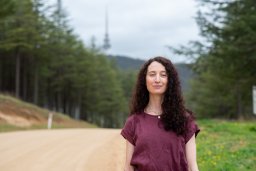 Melanie Pescud合作论文数University of Western Australia Perth6Kimberly A. Jordan合作论文数5
 Daniel Green合作论文数5Amanda Derbyshire合作论文数5
 Areekul Amornsriwatanakul合作论文数Coll Sports Sci & Technol, Mahidol Univ5Hayley Christian合作论文数5
 Claire Willis合作论文数Dept Physiotherapy Podiatry & Prosthet & Orthot, La Trobe Univ5




