Understanding the human impacts of environmental hazards is a growing concern. While there is a plethora of research on climate adaptation, the literature is highly fragmented, and empirical studies are rarely carried out with global samples. This lack of comparative work limits our ability to understand general patterns in how societies adapt, thereby impeding effective policy and practice at a wider scale. To fill this gap, we outline a global comparative approach to the study of hazards that uses ethnographic data. The approach operationalizes five ecological dimensions of environmental hazards, including event type, frequency, onset speed, predictability, and severity, and investigates how they relate across a world-wide sample of 132 nonindustrial societies with significant variation in time and space. We then utilize this approach to explore how specific ecological dimensions might influence the adaptive capacity of societies to respond to events. Findings uncover generalizable patterns that exist across our global sample, suggesting that predictability enhances adaptive capacity, while temporal factors that promote uncertainty (including slow onset speed, longer event duration, and unpredictability) limit the success of adaptation efforts.
Social sanctions sustain social order by reinforcing widely accepted principles. Political polarization may weaken this mechanism by fragmenting these principles, yet causal effects are hard to identify: observational data cannot separate the effect of polarized preferences from exposure to polarization. We model theoretically and test experimentally the effectiveness of social sanctions in a representative U.S. sample (N = 2,400) that exogenously varies environmental polarization. Participants allocate money between politically opposed recipients privately and publicly, and public allocations can be punished by partisan Observers drawn from distributions varying in their degree of polarization. With greater polarization, public allocations become less equitable because participants (correctly) expect punishment even when acting fairly. This shows that polarization causally undermines the disciplining role of social sanctions.
War depends on organizations that turn abstract political objectives into concrete acts of force. Yet within these organizations, violence must be carried out by individuals whose willingness to harm does not ensure disciplined action under conditions of threat, uncertainty, and time pressure. How do military organizations make lethal violence reliably executable under these conditions? Drawing on an abductive study of 57 soldiers from the United States, Ukraine, and Israel, we develop a theory of the execution of organized violence centered on mechanistic self-dehumanization (MSD): an episodic shift in self-perception in which people experience themselves as instruments, with reduced emotional responsiveness and reflective processing. We find that military socialization, training, and combat routines create strong situations in which this instrumental self-perception becomes viable and, in some cases, useful for execution. In these moments, participants recalled becoming less like reflective moral subjects and more like instruments of execution, a shift they described as helping them carry out violence that might otherwise be psychologically difficult. Effective execution could then become affirming, experienced as evidence of competence, validation of professional identity, or enactment of a valued moral purpose. By showing how organizations reshape self-experience to make difficult action performable, this study advances research on organized violence, self-dehumanization, and the micro-foundations of organizational action.
Mechanistic self-dehumanization—the experience of oneself as an emotionless, unreflective instrument—may facilitate intergroup violence by disengaging affect while preserving execution. Although prior qualitative interviews suggested its relevance in combat, its empirical validity had not been tested. We surveyed 503 Ukrainian combatants who had used lethal force to examine whether mechanistic self-dehumanization is distinct from related constructs and whether it predicts violence. Results showed that mechanistic self-dehumanization is empirically separable from other altered self-concepts and uniquely predicts a single-minded focus on killing and desires to commit war crimes. In contrast, animalistic self-dehumanization predicted a more emotionally volatile pattern marked by both attraction to and distress about violence. These findings establish the construct validity of mechanistic self-dehumanization and highlight distinct psychological pathways through which the self may be reshaped to enable violence.
Vocational interests are an important factor in individuals' career choice and development. However, current understanding about the vocational interests of sexual minorities is underdeveloped. Using data from 31,348 men and 59,715 women (N = 91,063) from 48 countries who self-identified as heterosexual, gay/lesbian, bisexual, or asexual, this study used a fine-grained approach to investigating the relationship of sexual orientation to Holland's realistic, investigative, artistic, social, enterprising, and conventional interests, separately by gender. Across these countries, we also explored how the strength of social norms-that is, cultural tightness-looseness-moderates this relationship. Results indicated generally small sexual orientation differences in realistic, investigative, artistic, social, enterprising, and conventional interests within women and within men. On average, the interests of sexual minorities tend to be less gender-typical, but more investigative and artistic, than those of heterosexual people. Multilevel analyses show that cultural tightness-looseness moderated sexual orientation differences in realistic, investigative, artistic, social, enterprising, and conventional interests, such that some of these differences are smaller (larger) in tight (loose) cultures. This implies that tight cultures that have strong norms might constrain sexual minorities' vocational interests, whereas loose cultures that have weak norms offer greater latitude for them to pursue different interests. Altogether, this study advances our collective understanding of sexual minorities' vocational interests and highlights the role of the cultural context in shaping their career choices and development. Implications for counseling and career development of sexual minority clients are discussed. (PsycInfo Database Record (c) 2025 APA, all rights reserved).
Drawing on the Significance Quest Theory (Kruglanski et al., 2022), we used the Honor Dictionary (Gelfand et al., 2015) in a word frequency textual analysis (Pennebaker et al., 2007) to investigate extreme rhetoric. We thus conducted two studies. The first, investigating the political context, compared speeches of fascist dictator Benito Mussolini (1918–1945, N = 284) with those of democratic Presidents of the Italian Republic (1949–2006, N = 901). The second, focused on lone-actors terrorists, examined texts from the Extremist Manifesto Database (EMD, Grigoryan et al., 2023) and compared writings by terrorists driven by political ideologies (left & right-wing, ethno-nationalists, and anti-government, N = 65) with those of terrorists motivated by religious ideologies (N = 23). Notably, we hypothesized and found that, compared to democratic rhetoric, fascist rhetoric contained (a) more words expressing feelings of lost honor and (b) fewer words reflecting gaining honor. Moreover, as expected, we found that lone-actor religious terrorists' rhetoric, compared to lone-actor political terrorists, contained more words expressing feelings of lost honor and fewer words expressing honor gain. Notably, this is the first research to use the Honor Dictionary to linguistically measure the activation of the need for significance, demonstrating a strong correlation with the endorsement of extreme ideologies. Further, our research supports the hypothesis that extreme rhetoric reflects–and aims to induce–significance loss feelings.
Cultures, such as Japan, are characterized by tighter or more rigid norms than others, like the United States. However, the mechanism underlying this cultural difference remains unclear. We tested the hypothesis that individuals carrying genetic polymorphisms linked to cultural learning, particularly the 7- or 2-repeat variable number of tandem repeat variants of the dopamine D4 receptor gene, DRD4, would show heightened sensitivity to norm violations if they are from tight cultures but not in loose cultures. A total of 214 Japanese and 236 European American young adults (total N = 450) evaluated the normativity of various behaviors while their electroencephalogram (EEG) was recorded. Consistent with previous findings, norm violations elicited a robust N400 response, an electrocortical marker of expectancy violation. Critically, this N400 norm-violation effect was significantly stronger for Japanese carriers of the DRD4 alleles linked to cultural learning, but no such genetic moderation was observed among European Americans. Moreover, Japanese non-carriers showed a significantly weaker N400 response than their American counterparts. These results suggest that in a tight culture like Japan, heightened neural sensitivity to norm violations may be concentrated among individuals with genetic predispositions for enhanced reward processing, pointing to the dynamic interplay between genetic variations and cultural environments.
Research on culture and personality has greatly enhanced personality science by bringing attention to the bidirectional processes by which socio-cultural factors shape personality and individuals in turn shape their social environments to fit and express their personalities. This review showcases the unique perspectives and topical contributions of five different sets of experts, who examine these issues from different standpoints and answer different questions. Specifically, these contributions focus on (1) the usefulness of anthropology-based distributive models of culture, (2) how culture and personality make-up each other, (3) the cultural and ecological basis of wellbeing, (4) how individual personality expressions relate to culture, and (5) the multicultural mind and self. These advances put personality psychology at the center of important current social science debates about the dynamic interplay between macro-level factors and individual variables, and how individuals can best manage cultural diversity and globalization.
To effectively address support for intergroup violence, we must understand the psychology promoting it. Dehumanization-the explicit and blatant denial of an outgroup's humanity-is widely considered one such promoter, which has informed extensive research and practice on support for intergroup violence. Nonetheless, dehumanization is often intertwined with intense dislike, raising concerns that dehumanization's explanatory power is much more restricted than widely assumed. In the extreme, "dehumanization" is merely another way to express dislike. If so, then theories of dehumanization distort our understanding of the psychology promoting support for intergroup violence. Here, we test dehumanization's reality and explanatory power through three studies that span diverse methods and samples. First, we meta-analyze existing studies on dehumanization and dislike to establish their independent effects on support for violence (k = 120; N = 128,022). We then test the generalizability of these effects across four violent conflicts in the United States, Russia and Ukraine, Israel and the Palestinian diaspora, and India (NTotal = 3,773). In these studies, we also test whether individuals' dehumanizing responses are merely metaphor or whether they are intended literally. Finally, we experimentally isolate dehumanization's role in support for violence in another U.S. sample (N = 753). Our results converge to demonstrate that dehumanization (a) is distinct from dislike and often literal, (b) has a unique-and particularly strong-relationship with support for violence, and (c) can promote such support. This clarifies our understanding of the psychology promoting support for intergroup violence and can inform efforts to address it. (PsycInfo Database Record (c) 2026 APA, all rights reserved).
With climate change intensifying, building resilience against climate-related shocks is now a global imperative. Historically, many societies have faced natural hazards, with some adapting through specific social and cultural practices. Understanding these responses is key to developing modern sustainability strategies. Here, we address this issue by developing a mathematical model explicitly accounting for various environmental shock dimensions, cooperative activities common in nonindustrial societies, and decision-making based on material factors as well as personal values and social norms. Our results suggest that cultural looseness can be vital for effectively responding to mild, slow-onset shocks, leading to moderate cooperation and minimal cultural change. Conversely, coping with severe shocks requires an intermediate level of cultural tightness, fostering significant cultural transformation and high cooperation. While tight societies struggle with new shocks, they may handle regular, severe, fast-onset shocks better than do loose societies. Our research enhances understanding of environmental impacts on cooperation, cultural tightness, and social resilience, and highlights cultural adaptations useful in addressing current environmental challenges like global warming, floods, tornadoes, and soil degradation.
Exploring social norms through a diversity perspective, this review examines whether minorities live in ‘tighter’ worlds, wherein they are subject to stricter rules and punishments. Integrating research from psychology, economics, and organizational behavior, we first examine whether minorities are more likely to have tightness imposed on them—i.e., receive more monitoring and harsher penalties in response to norm violations, compared to their majority counterparts. Turning to the subjective experience of minority group members, we explore whether minorities are calibrated to these penalties and experience greater lived tightness—the feeling of being chronically surveilled, judged harshly, and fearing excessive punishment for wrongdoing. We suggest that both imposed and lived tightness contributes to power inequalities and patterns of segregation. This framework helps to organize disparate research streams investigating minorities’ experience of social norms, and highlights unanswered questions about when, and why, minority group members feel more constrained by social rules, as well as the consequences of these experiences for their economic and psychological well-being.
Gossip, the exchange of personal information about absent third parties, is ubiquitous in human societies. However, the evolution of gossip remains a puzzle. The current article proposes an evolutionary cycle of gossip and uses an agent-based evolutionary game-theoretic model to assess it. We argue that the evolution of gossip is the joint consequence of its reputation dissemination and selfishness deterrence functions. Specifically, the dissemination of information about individuals’ reputations leads more individuals to condition their behavior on others’ reputations. This induces individuals to behave more cooperatively toward gossipers in order to improve their reputations. As a result, gossiping has an evolutionary advantage that leads to its proliferation. The evolution of gossip further facilitates these two functions of gossip and sustains the evolutionary cycle.
Previous research in western countries shows that artists whose work deviates from their own previous style (intrapersonal deviance) and other artists' styles (interpersonal deviance) gain greater impact than nondeviant artists (Stamkou et al., 2018). However, aesthetic norms are embedded in cultural contexts that shape the meaning of artist deviance. Deviance is compatible with the ideal of innovation endorsed by loose cultures, yet incongruent with the ideal of conformity prominent in tight cultures. Here we examine how cultural tightness-looseness influences the effect of interpersonal (Studies 1-2) and intrapersonal deviance (Studies 3-4) on various indices of impact, including perceived artist influence, artwork valuation, purchase intention, and recommendation of the artist's work to a museum. Study 1 shows that Italian participants (looser culture) perceived artists who deviated from the motif used by their contemporary artists as more impactful than Chinese participants (tighter culture). Study 2 shows that the looser U.S. communities' response to COVID-19 rules, the more impactful they considered deviant artists. Study 3 shows that U.S. participants low in tightness mindset were more likely to recommend artists who deviated from their previous style to a company than artists who consistently followed a single style. Accordingly, Study 4 shows that U.S. participants high in tightness mindset were more likely to recommend nondeviant over deviant artworks to a museum. Cultural tightness attenuates the effect of deviance on impact by reducing the experience of profound aesthetic emotions (e.g., awe, beauty, interest) in response to deviant artworks (Studies 2-4).
Abstract Humans are social animals. Group living provides us with security, food, and culturally transmitted knowledge, which has enabled the greatest achievements of human civilization. At the same time, categorizing individuals as ‘us’ vs ‘them’ also brings intergroup prejudice, discrimination, and even violent conflict, which has led to some of the deadliest events in human history. In this chapter, the authors discuss the complexity of intergroup relations from an evolutionary perspective. The authors first discuss the adaptive functions of group living and outline the mechanisms that maintain groups. Next, the authors discuss the evolutionary basis that contributes to the emergence of intergroup boundaries, hatred, and conflict. Although the tendency for intergroup conflict is pervasive, groups can sometimes overcome their boundaries and cooperate. In the last section, the authors explore factors that may attenuate intergroup conflict and provide suggestions for improving intergroup relations in this increasingly global world.
Social norms research is booming. In recent years, several experts have recommended using social norms (unwritten rules that prescribe what people ought or ought not to do) to confront the societal, environmental and health challenges our societies face. If we are to do so, a better understanding is required of how social norms themselves emerge, evolve and respond to these challenges. Social norms have long been used aspost hocexplanations of behaviour or are seen as stable social constructs. Yet norms evolve dynamically with the changing group processes (e.g. political polarization, kinship structures) and societal challenges (e.g. pandemics, climate change) for which they are presented as solutions. The Theme Issue ‘Social norm change: drivers and consequences' contains 14 contributions that present state-of-the-art approaches to understand what generates social norm change and how this impacts our societies. Contributions give insight into (i) the identification of norms, norm change and their effect on behaviour; (ii) drivers and consequences of spontaneous norm change; and (iii) how norm change can be engineered to promote desired behavioural change.This article is part of the theme issue ‘Social norm change: drivers and consequences’.
Interpersonal conflict is an uncomfortable but unavoidable fact of life. Navigating conflict successfully is a skill—one that can be learned through deliberate practice—but few have access to effective training or feedback. To expand this access, we introduce Rehearsal, a system that allows users to rehearse conflicts with a believable simulated interlocutor, explore counterfactual “what if?” scenarios to identify alternative conversational paths, and learn through feedback on how and when to apply specific conflict strategies. Users can utilize Rehearsal to practice handling a variety of predefined conflict scenarios, from office disputes to relationship issues, or they can choose to create their own setting. To enable Rehearsal, we develop IRP prompting, a method of conditioning output of a large language model on the influential Interest-Rights-Power (IRP) theory from conflict resolution. Rehearsal uses IRP to generate utterances grounded in conflict resolution theory, guiding users towards counterfactual conflict resolution strategies that help de-escalate difficult conversations. In a between-subjects evaluation, 40 participants engaged in an actual conflict with a confederate after training. Compared to a control group with lecture material covering the same IRP theory, participants with simulated training from Rehearsal significantly improved their performance in the unaided conflict: they reduced their use of escalating competitive strategies by an average of 67%, while doubling their use of cooperative strategies. Overall, Rehearsal highlights the potential effectiveness of language models as tools for learning and practicing interpersonal skills.
 Arie W. Kruglanski合作论文数Department of Psychology, College of Behavioral & Social Sciences, University of Maryland, College Park35
 Joshua Conrad Jackson合作论文数Univ N Carolina, Dept Psychol & Neurosci, Chapel Hill, NC 27515 USA22
 Lisa M. Leslie合作论文数University of Maryland19
 Ashley Fulmer合作论文数Robinson Coll Business, Georgia State Univ17
 Dana S. Nau合作论文数Department of Computer Science, University of Maryland;Institute for Systems Research, University of Maryland;Maryland Robotics Center, University of Maryland16
 Jana L. Raver合作论文数Queens Sch Business, Queens Univ15
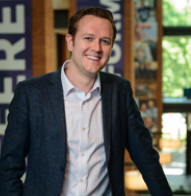 Ryan Fehr合作论文数Foster School of Business, University of Washington15
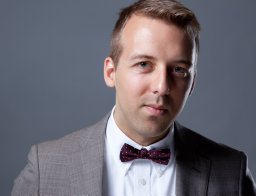 Jocelyn J Belanger合作论文数Dept Psychol, New York Univ Abu Dhabi14
 Rohan Gunaratna合作论文数S. Rajaratnam School of International Studies, Nanyang Technological University14
 Chi Yue Chiu (赵志裕)合作论文数City University of Hong Kong (Dongguan)13
 Janetta Lun合作论文数13
 Munqith Dagher合作论文数12
 Garriy Shteynberg合作论文数12
 Zeynep Aycan合作论文数Department of Psychology, Koç University;School of Management, Koç University11
 Laura Severance合作论文数10
 Andrzej Nowak合作论文数International Center for the Study of Complexity and Conflict (ICSCC),, Warsaw School of Social Psychology10
 Paul Alphons Maria Van Lange合作论文数Department of Experimental and Applied Psychology, Faculty of Behavior and Movement Science, Vrije Universiteit Amsterdam10
 Xinyue Pan合作论文数Univ Maryland, Dept Psychol, College Pk, MD 20742 USA9
 Ian Mcculloh合作论文数School of Computer Science, Institute for Software Research;Carnegie Mellon University;Institute for Software Research School of Computer Science, Carnegie Mellon University9
 Karl Kaltenthaler合作论文数Polit Sci, Univ Akron9
 Virginia K Choi合作论文数Univ Maryland, Dept Psychol, College Pk, MD 20742 USA8Malkanthi Hettiarachchi合作论文数8
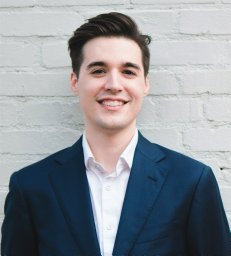 David Webber合作论文数L Douglas Wilder Sch Govt & Publ Affairs, Virginia Commonwealth Univ8
 Nava Caluori合作论文数Dept Psychol, Univ Virginia8
 Shinobu Kitayama合作论文数Culture and Cognition Lab, Department of Psychology, College of Literature, Science, and the Arts, University of Michigan8Jesse R. Harrington合作论文数8
 Yan Mu (穆妍)合作论文数Institute of Psychology, Chinese Academy of Sciences8
 Antonio Pierro合作论文数Radiology Department, San Timoteo Hospital Termoli8
 Lisa Nishii合作论文数School of Industrial and Labor Relations, Cornell University7
 Cichocka Aleksandra合作论文数Sch Psychol, Univ Kent7
 Sarah Lyons-Padilla合作论文数7
 Imai Lynn合作论文数7
 Jeanne M. Brett合作论文数Kellogg School of Management, Northwestern University7
 Ying-Yi Hong (康螢儀)合作论文数Department of Management, Faculty of Business Administration, The Chinese University of Hong Kong7
 Patrick Roos合作论文数Department of Computer Science7
 Kurt Gray合作论文数University of Maryland7Elizabeth Salmon合作论文数7
 Shihui Han (韩世辉)合作论文数School of Psychology and Cognitive Sciences, Peking University7
 Gerben A. Van Kleef合作论文数Department of Social Psychology, Faculty of Social and Behavioural Sciences, University of Amsterdam7k m keller合作论文数6Martina Hrebickova合作论文数6
 Pawel Boski合作论文数Univ Social Sci & Humanities, Warsaw, Poland6
 Eugen Dimant合作论文数University of Pennsylvania6
 Eftychia Stamkou合作论文数Dept Psychol, Univ Amsterdam6
 Fritz Drasgow合作论文数Department of Psychology, College of Liberal Arts and Sciences, University of Illinois Urbana-Champaign6
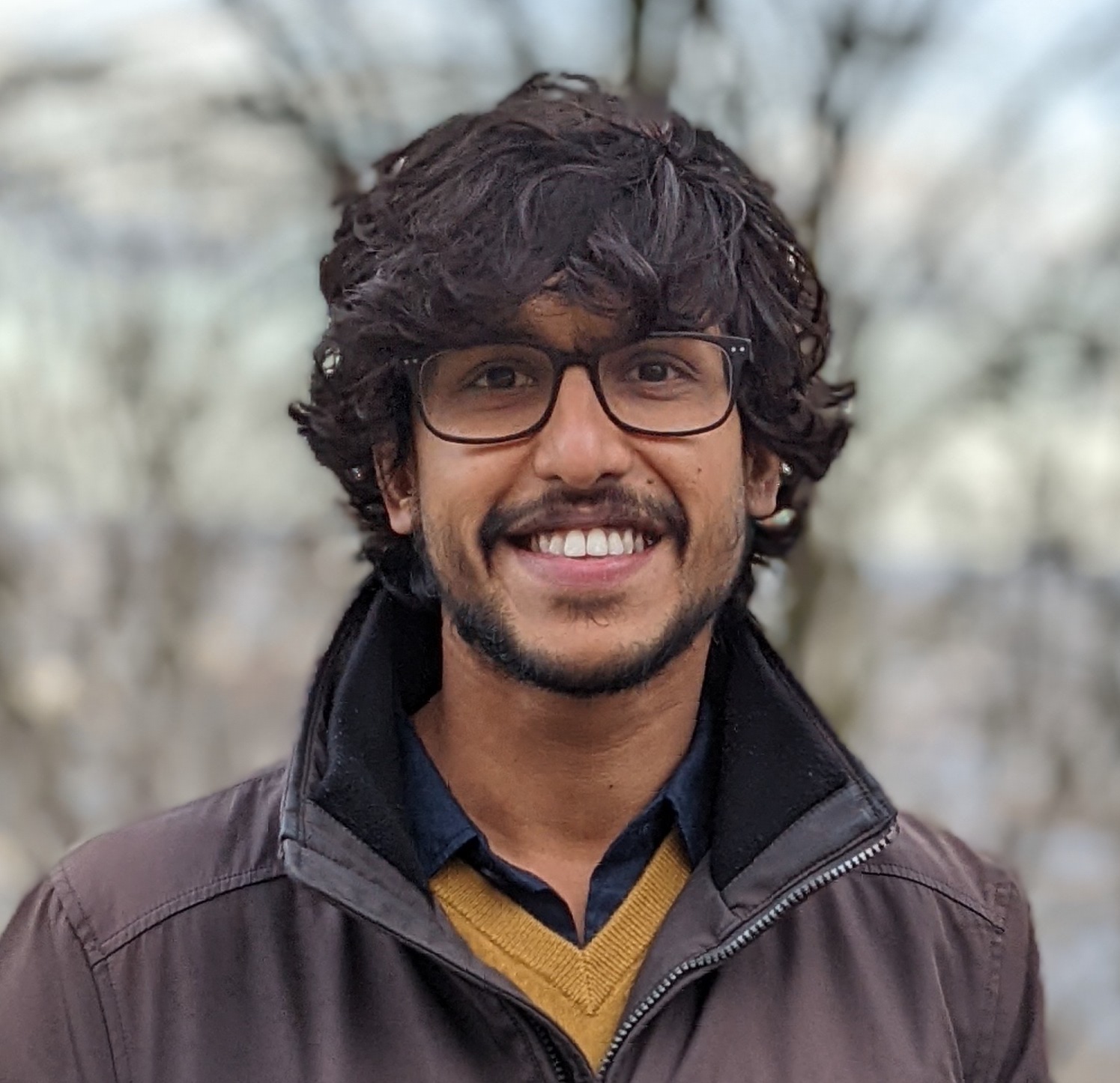 Soham De合作论文数DeepMind6
 Anu Realo合作论文数Department of Psychology, University of Warwick;Institute of Psychology, Faculty of Social Sciences, University of Tartu6
 WOJCIECH BORKOWSKI合作论文数6
 Carsten de Dreu合作论文数Institute for Advanced Study, University of Amsterdam;Department Sociology, Faculty of Behavioural and Social Sciences, University of Groningen6




