Apex predators are at the centre of human–wildlife conflict, particularly when their prey include commercially important species, making it critical to understand their diet and ecological impact. In 60 years, the Atlantic grey seal (Halichoerus grypus Fabricius, 1791) population of the Gulf of St. Lawrence (Gulf) has increased ten-folds. In response to population increase and declining sea ice, new offshore colonies have emerged in the Magdalen Islands, now the second-largest aggregation in Canada. Yet, quantitative estimates of diet composition for these colonies are limited, hindering assessments of their impact on the recovery of valuable fish stocks. Conducting hard-part analyses on 496 grey seals sampled between 2015 and 2023, we (I) characterized the seasonal diet of these offshore colonies, (II) compared diet offshore with long-established coastal colonies, and (III) examined inter-annual and age–sex variation. Diet at emerging offshore colonies differed drastically from coastal colonies, reflecting a prey assemblage exploited by a growing number of animals. Diet variation was more pronounced across years than age–sex groups, with year-to-year differences likely driven by shifts in prey availability and age–sex patterns reflecting differences in foraging capacity. These findings provide timely insights into grey seal foraging ecology across major southern Gulf colonies, needed to support ecosystem-based fisheries management.
Human-induced threats to terrestrial and marine wildlife are on the rise, and while some species face a single major threat, others face multiple concurrent threats. Harp seals, an abundant pinniped in the North Atlantic that was historically depleted by human harvest, are one such species. Although commercial and subsistence harvests remain a significant source of mortality, in recent decades their environment has undergone significant changes, which could also impact population dynamics. Inferring the relative importance of various threats as drivers of population dynamics can be challenging, particularly for marine species where monitoring abundance is difficult: the use of integrated population models (IPMs), which leverage multiple data sources to parameterize process-based models of population dynamics, provides one solution. We developed a hierarchical Bayesian IPM with which to explore the shifting roles of anthropogenic and environmental factors in driving trends. We used a competing hazards formulation for survival, enabling the partitioning of mortality into multiple discreet causes and allowing us to assess variation in hazards over 7 decades (1952-2019). We fit the model to available data on pup production, fecundity, age structure, human removals, and environmental conditions. We conducted a Bayesian life stage simulation analysis (LSA) to compare the contributions of various hazards to variation in population growth. We found that harvests of young of the year (YOY) and adults were the primary contributors to variation in trends from 1951 to 1982; however, after 1983, the relative importance of harvest mortality decreased while the impacts of natural mortality increased, especially for YOY. Since 2000, the impacts of YOY mortality from ice cover anomalies have become one of the strongest drivers of trends, while harvest mortality has declined. Based on current climate models, which project warmer water and decreasing ice cover, we expect continued high levels of YOY mortality from environmental factors such as deteriorating ice conditions. These climate-related hazards are likely to become the dominant drivers of population dynamics in coming decades, which will in turn affect sustainable harvest levels for both Canada and Greenland. Our model will provide a useful tool for exploring future scenarios of climate impacts and management strategies.
The endangered landlocked subspecies of harbour seal Phoca vitulina mellonae, composed of 50-600 individuals, inhabits a wide subarctic lake ecosystem of 700 km2 in Canada. Its critical habitat was identified and is protected under Canada's Species at Risk Act. Since 2019, environmental DNA (eDNA) detections are used to increase the subspecies surveying capacity. A probe-based qPCR assay and a metabarcoding assay were developed to enable a sensitive occurrence survey and a mitochondrial DNA diversity survey, respectively. Repeated temporal or spatial eDNA detections with the qPCR assay suggested the subspecies occurrence in waterbodies inside but also outside the critical habitat. Our results also showed that eDNA copy numbers estimated with the qPCR assay are affected by the sampling month and the water volume, and that they correlate negatively with distances from seals. Haplotypes obtained from the metabarcoding assay confirmed the subspecies' distinct clade in P. vitulina's global diversity. The network of samplers and the eDNA detection results underscore the role of eDNA survey in improving endangered marine mammal distribution characterization in areas with limited accessibility.
Juvenile survival, a fundamental parameter in the population dynamics of long-lived species, is often tightly linked to early-life body growth. Here, based on repeated mass measurements on 555 harbour seal Phoca vitulina pups marked between 1998 and 2023 in the St. Lawrence Estuary, we first characterized the shape of neonatal growth patterns of the pups using Bayesian hierarchical nonlinear models. Second, we evaluated the effect of sex on neonatal growth to better understand the development of sexual dimorphism in this species and tested for compensatory growth. Finally, we assessed the influence of local variables (wind speed, sea surface temperature, pup abundance and breeding site) during the neonatal stage on pup weaning mass. Our results showed that neonatal growth follows a Gompertz curve, characterized by minimal growth the first few days after birth, followed by a significant increase in mass until a stabilization near weaning (similar to 30 d of age). We found no sex difference in the growth pattern, but males were slightly heavier at birth than females. Larger pups accumulated more mass than smaller pups, suggesting increasing returns for greater body mass at birth but no compensatory growth. Finally, wind speed, sea surface temperature, pup abundance and breeding site did not affect weaning mass. This study provides insight into the characterization of nonlinear growth in harbour seal pups. Monitoring neonatal growth provides a tool to assess potential patterns of juvenile survival, which are important in studies of population dynamics.
The Arctic is a global warming ‘hot-spot’ that is experiencing rapid increases in air and ocean temperatures and concomitant decreases in sea ice cover. These environmental changes are having major consequences on Arctic ecosystems. All Arctic endemic marine mammals are highly dependent on ice-associated ecosystems for at least part of their life cycle and thus are sensitive to the changes occurring in their habitats. Understanding the biological consequences of changes in these environments is essential for ecosystem management and conservation. However, our ability to study climate change impacts on Arctic marine mammals is generally limited by the lack of sufficiently long data time series. In this study, we took advantage of a unique dataset on hooded seal ( Cystophora cristata ) movements (and serum samples) that spans more than 30 years in the Northwest Atlantic to (i) investigate foraging (distribution and habitat use) and dietary (trophic level of prey and location) habits over the last three decades and (ii) predict future locations of suitable habitat given a projected global warming scenario. We found that, despite a change in isotopic signatures that might suggest prey changes over the 30-year period, hooded seals from the Northwest Atlantic appeared to target similar oceanographic characteristics throughout the study period. However, over decades, they have moved northward to find food. Somewhat surprisingly, foraging habits differed between seals breeding in the Gulf of St Lawrence vs those breeding at the “Front” (off Newfoundland). Seals from the Gulf favoured colder waters while Front seals favoured warmer waters. We predict that foraging habitats for hooded seals will continue to shift northwards and that Front seals are likely to have the greatest resilience. This study shows how hooded seals are responding to rapid environmental change and provides an indication of future trends for the species—information essential for effective ecosystem management and conservation.
Effective conservation strategies inherently depend on preserving populations, which in turn requires accurate tools for their detection. Beluga whales (Delphinapterus leucas) inhabit the circumpolar Arctic and form discrete summer aggregations. Previous genetic studies using mitochondrial and microsatellite loci have delineated distinct populations associated to summer aggregations but the extent of dispersal and interbreeding among these populations remains largely unknown. Such information is essential for the conservation of populations in Canada as some are endangered and harvested for subsistence by Inuit communities. Here, we used reduced representation and whole-genome sequencing approaches to characterize population structure of beluga whales in eastern Canada and examine admixture between populations. A total of 905 beluga whales sampled between 1989 and 2021 were genotyped. Six main genomic clusters, with potential subclusters, were identified using multiple proxies for population structure. Most of the six main genomic clusters were consistent with previously identified populations, except in southeast Hudson Bay where two clusters were identified. Beluga summer aggregations may consequently be comprised of more than one distinct population. A low number of dispersers were identified between summer aggregations and limited interbreeding was detected between the six genomic clusters. Our work highlights the value of genomic approaches to improve our understanding of population structure and reproductive behavior in beluga whales, offering insights applicable to other cetacean species of conservation concern. An expansion of the geographical scope and increase in number of genotyped individuals will, however, be needed to improve the characterization of the finer scale structure and of the extent of admixture between populations.
Canada is committed to managing its resources using a Precautionary Approach (PA). However, when applying this approach to Arctic marine mammals, the Government of Canada must also respect the land claims agreements it has signed with Canada’s Inuit. Under these agreements the co-management boards are responsible for wildlife management within the land claim area. In addition to protecting the rights of hunters to harvest, the land claims agreements also call for the development of management systems that respect the principles of conservation and ensure sustainability of the resource, potentially resulting in a management paradox. We present criteria by which the status of a population can be assessed, and an appropriate PA framework applied. If sufficient data are available to understand the population dynamics of a given stock (i.e., a Data Rich situation), management decisions can be based upon an appropriate population model with quantitatively estimated reference levels. In cases where the population dynamics are poorly understood (i.e., Data Poor), a more conservative approach, referred to as the Potential Biological Removal (PBR) should be used to provide advice on sustainable harvest levels. Generally, only the most recent estimate of abundance is used in the PBR calculation which may ignore other data. We propose that if sufficient data are available to fit a population model, while still not sufficient to be considered Data Rich, the modelled estimate of current abundance can be used for a more robust PBR estimate. We also review guidelines for the choice of the recovery factor which is part of the PBR calculation. The apparent management paradox can be addressed within the context of a Management Procedure or Management Strategy Evaluation where Indigenous Knowledge and Western Science can contribute to setting management objectives, decision rules and appropriate time-frames that can be evaluated within a simulation environment.
Marine mammal populations worldwide greatly benefitted from conservation measures put in place since the 1970s following overexploitation, and many pinniped populations have recovered. However, threats due to bycatch, interspecific interactions or climate change remain, and detailed knowledge on vital rates, population dynamics, and their responses to environmental changes is essential for efficient management and conservation of wild populations. In this study, we quantified pup abundance and survival of individually marked harbour seal ( Phoca vitulina Linnaeus, 1758) pups during the preweaning period at Bic Island and Métis sites in the St. Lawrence Estuary from 1998 to 2019. We used mark-recapture models to evaluate competing hypotheses regarding variation in daily preweaning survival rates and capture probability during the pups’ first 30 days of life. Pup abundance increased from 76 [95% CI: 59, 101] to 323 [95% CI: 233, 338] in the past two decades at Bic Island and from 66 [95% CI: 47, 91] to 285 [95% CI: 204, 318] at Métis. Preweaning survival was generally higher at Bic (0.73 [95% CI: 0.58, 0.82]) than at Métis (0.68 [95% CI: 0.52, 0.79]). We hypothesize that differences between habitats and human disturbance contribute to lower preweaning survival at Métis, but behavioural studies are needed to understand the impacts of disturbance on mother–pup interactions during the nursing period.
The harp seal (Pagophilus groenlandicus) is the most abundant pinniped in the northern hemisphere, with an estimated total of 9.5 million animals. Commercially exploited since the eighteenth century, there is a large historical body of ecological knowledge that has provided insights into environmental factors that affect this species' behavioral dynamics. Often referred to as the ice-loving seal from Greenland, harp seals breed and rest in spring on the drifting pack ice at the southern limits of their range, then migrate northwards to summer at the edge of the Arctic polar ice pack. Harp seals are gregarious during the breeding season. Ice-based research opportunities have provided insights into how harp seals locate conspecifics, care for their young, and how young transition from a 'terrestrial' to a marine environment. Fine-scale observations of animals outside of the breeding season have been more limited as animals disperse over hundreds of kilometers to the north of the breeding areas to molt and then feed. Nonetheless, the deployment of biologgers, working with seal hunters, and multidisciplinary studies have provided insights into factors affecting productivity and how environmental factors such as climate change may impact harp seals in the longer term.
The harbour seal (Phoca vitulina) is the most widely distributed pinniped, occupying a wide variety of habitats and climatic zones across the Northern Hemisphere. Intriguingly, the harbour seal is also one of the most philopatric seals, raising questions as to how it colonized its current range. To shed light on the origin, remarkable range expansion, population structure and genetic diversity of this species, we used genotyping-by-sequencing to analyse ~13,500 biallelic single nucleotide polymorphisms from 286 individuals sampled from 22 localities across the species' range. Our results point to a Northeast Pacific origin of the harbour seal, colonization of the North Atlantic via the Canadian Arctic, and subsequent stepping-stone range expansions across the North Atlantic from North America to Europe, accompanied by a successive loss of genetic diversity. Our analyses further revealed a deep divergence between modern North Pacific and North Atlantic harbour seals, with finer-scale genetic structure at regional and local scales consistent with strong philopatry. The study provides new insights into the harbour seal's remarkable ability to colonize and adapt to a wide range of habitats. Furthermore, it has implications for current harbour seal subspecies delineations and highlights the need for international and national red lists and management plans to ensure the protection of genetically and demographically isolated populations.
Photographic and visual aerial surveys were conducted off Newfoundland and Labrador (”the Front”), and in the Gulf of St. Lawrence (“Gulf”) in March 2017 to estimate pup production of Northwest Atlantic harp seals (Pagophilus groenlandicus). Traditionally, harp seals pup (whelp) in three general areas; the southern Gulf of St. Lawrence, the northern Gulf of St. Lawrence, and off the east coast of Newfoundland and Labrador. After extensive reconnaissance, four whelping areas were identified: one in each of the southern and northern Gulf, and two at the Front. We estimated a total pup production in 2017 of 746,500 (SE=89,900, CV=12%), the lowest since 1994. Most (96%) pups were born at the Front (714,600 pups, SE=89,700). Very few pups were born in the southern Gulf (18,300, SE=1,500) and no whelping concentrations were observed prior to March 5, approximately one week later than previously observed. This is far lower than the 2012 survey estimate of 115,500 (SE=15,100) for the same area. Pup production in the northern Gulf was also lower than in previous years, at 13,600 (SE=3,000). The timing of births in the southern Gulf was much later than normal in 2017, and unusually early pupping at the Front suggests that some females from the Gulf herd may have moved to the Front to whelp due to a lack of ice suitable for pupping (i.e., thin first year) in the Gulf. Harp seals whelp in large concentrations. While one large whelping concentration formed at the Front, approximately 15% of the pupping at the Front occurred in small, dispersed groups which formed later than observed in previous years. Given the unusual ice conditions, distribution of whelping seals, and timing of pupping, assessing the results of the 2017 surveys relative to other estimates of pup production in the Northwest Atlantic is challenging and indicates the ongoing difficulties of assessing a population that is being impacted by climate change.
Environmental changes are affecting the Arctic at an unprecedented rate, but limited scientific knowledge exists on their impacts on species such as walruses (Odobenus rosmarus). Inuit Traditional and Local Ecological Knowledge (Inuit TEK/LEK) held by Inuit walrus harvesters could shed light on walrus ecology and related environmental changes. Our main objective was to study spatial and temporal changes in Atlantic walrus (Odobenus rosmarus rosmarus) distribution in Nunavik (northern Québec, Canada) using Inuit TEK/LEK. To do so, we documented the knowledge and observations of 33 local hunters and Elders as part of a larger project on Atlantic walruses in Nunavik. We first gathered information on changes in Inuit land use patterns and harvesting practices through time and space, which was a crucial step to avoid potential biases in interpreting local observations on walrus distribution. We found that walrus hunters are now covering smaller hunting areas over shorter time periods, reducing in space and time their observations of Atlantic walruses around Nunavik. While clearly taking these limitations into account, we learned from interviews that some areas abandoned by Atlantic walruses in the past were now being re-occupied. Importantly, Atlantic walruses, which migrate following the melting ice, are now traveling along the eastern coast of Nunavik one month earlier, suggesting that Atlantic walrus migration has changed due to variations in sea-ice coverage around Nunavik. Our study not only highlighted important changes in Atlantic walrus distribution and migration in Nunavik, but also sheds light on the importance of documenting temporal and spatial changes in Inuit land use patterns and harvesting practices to understand the ecology of Arctic species using Inuit Knowledge.
We present a novel application using unoccupied aircraft systems (UAS; drones) for structure‐from‐motion three‐dimensional (3‐D) photogrammetry of multiple, free‐living animals simultaneously. Pinnipeds reliably haul out on shore for pupping and breeding each year, accompanied by dramatic female‐to‐pup mass transfer over a short lactation period and males lose mass while defending mating territories. This provides a tractable study system for validating the use of UAS as a non‐invasive tool for tracking energy dynamics in wild populations. UAS imagery of grey seals Halichoerus grypus was collected at Saddle Island, Nova Scotia. A multirotor UAS was piloted in 360‐degree orbits around relatively dense animal aggregations and georeferenced images were used for construction of a 3‐D point cloud, orthomosaic and Digital Surface Model for animal volumetric measurements. Directly following UAS survey, a subset of adult females were hand‐measured (morphometrics, blubber depth, n = 21 handlings [15 were unique animals]) and female–pup pairs were weighed (adult females: n = 32 [24]; pups: n = 33 [23]) to validate that UAS 3‐D photogrammetric models provided accurate animal volume and mass estimates. UAS two‐dimensional body length measurements were sensitive to animal recumbency and posture. The new UAS 3‐D photogrammetric method overcame these constraints, and aerial‐derived body volume measurements were equivalent to those collected from the ground. UAS body volume measurements precisely predicted ‘true’ body mass (mean absolute error, adult female: 3.8 kg, 2.1% body mass; pup: 4.1 kg, 9.8%), and exhibited a stronger relationship with total body mass than with blubber volume. The method was applied to 673 free‐living animals to characterize volume and mass dynamics across lactation and breeding for a much larger sample size than would be possible using traditional ground methods. Indeed, 1–46 animals (M ± SE: 9.2 ± 1.2) were modelled concurrently within the focal area of a UAS flight. Application of the method also captured significant inter‐annual variation in body volume/mass dynamics, and female‐to‐pup energy transfer efficiencies were lower when there was low sea ice extent. The UAS 3‐D photogrammetric method presented in this study is likely to be broadly applicable to other species, and the ability to measure whole groups of free‐living animals at once makes strides towards ‘weighing populations’.
Current scientific evidence indicates that the threatened Cumberland Sound beluga whale (Delphinapterus leucas (Pallas, 1776)) population is genetically differentiated and spatially segregated from other beluga whale populations. This population has been hunted for subsistence for centuries by Inuit who now live in the community of Pangnirtung, Nunavut, Canada, and was harvested commercially from 1860 until 1966. The commercial harvest removed at least 10 000 individuals from the population. Visual and photographic aerial surveys were flown during August 2014 and 2017 and produced beluga whale abundance estimates of 1151 (CV = 0.214; 95% confidence interval (CI) = 760–1744) and 1381 (CV = 0.043; CI = 1270–1502), respectively. Long-term trends in abundance were examined by fitting a Bayesian surplus-production population model to a time series of abundance estimates (n = 5), flown between 1990 and 2017, taking into account reported subsistence harvests (1960–2017). The model suggests the population is declining. Engaged co-management of the Cumberland Sound beluga population and information on demographic parameters, such as reproductive rates, and age and sex composition of the harvest, are needed to restore the ecological integrity of the Cumberland Sound marine ecosystem.
The recovery of marine mammal populations has led to increased predation on commercially valuable prey species, creating conflicts with fisheries and calls for predator control. Grey seals are important predators of Atlantic Cod and Winter Skate in the southern Gulf of St. Lawrence (sGSL), and both species are likely to be extirpated unless grey seal presence in that ecosystem is strongly reduced. We aimed to identify harvest strategies that reduced grey seal presence in the sGSL to levels that favour fish recovery while maintaining grey seal conservation goals. We fit an integrated population model to grey seal abundance, reproductive and mark-recapture data, and projected future presence in the sGSL while varying the magnitude and age-composition of the annual commercial quota. We found that both removal and conservation targets could be met with annual quotas of 6000 seals if 50% of hunted seals were young of the year (YOY), though small amounts of overhunting reduced seal abundance below limit reference levels. Harvest strategies that targeted higher proportions of YOY were less likely to trigger conservation concerns, though these strategies required much larger quotas to achieve removal targets.
To support sustainable management of apex predator populations, it is important to estimate population size and understand the drivers of population trends to anticipate the consequences of human decisions. Robust population models are needed, which must be based on realistic biological principles and validated with the best available data. A team of international experts reviewed age-structured models of North Atlantic pinniped populations, including Grey seal (Halichoerus grypus), Harp seal (Pagophilus groenlandicus), and Hooded seal (Cystophora cristata). Statistical methods used to fit such models to data were compared and contrasted. Differences in biological assumptions and model equations were driven by the data available from separate studies, including observation methodology and pre-processing. Counts of pups during the breeding season were used in all models, with additional counts of adults and juveniles available in some. The regularity and frequency of data collection, including survey counts and vital rate estimates, varied. Important differences between the models concerned the nature and causes of variation in vital rates (age-dependent survival and fecundity). Parameterisation of age at maturity was detailed and time-dependent in some models and simplified in others. Methods for estimation of model parameters were reviewed and compared. They included Bayesian and maximum likelihood (ML) approaches, implemented via bespoke coding in C, C++, TMB or JAGS. Comparative model runs suggested that as expected, ML-based implementations were rapid and computationally efficient, while Bayesian approaches, which used MCMC or sequential importance sampling, required longer for inference. For grey seal populations in the Netherlands, where preliminary ML-based TMB results were compared with the outputs of a Bayesian JAGS implementation, some differences in parameter estimates were apparent. For these seal populations, further investigations are recommended to explore differences that might result from the modelling framework and model-fitting methodology, and their importance for inference and management advice. The group recommended building on the success of this workshop via continued collaboration with ICES and NAMMCO assessment groups, as well as other experts in the marine mammal modelling community. Specifically, for Northeast Atlantic harp and hooded seal populations, the workshop represents the initial step towards a full ICES benchmark process aimed at revising and evaluating new assessment models.
The hooded seal is a migratory species inhabiting the North Atlantic. Passive acoustic monitoring (PAM) conducted over spatial scales consistent with their known and potential habitat could provide insight into seasonal and spatial occurrence patterns of this species. Hooded seal airborne and underwater acoustic signals were recorded during the breeding season on the pack ice in the Gulf of St. Lawrence in March 2018 to better characterize their acoustic repertoire (notably underwater calls). In-air and underwater signals were classified into 12 and 22 types, respectively. Signals produced by males through the inflation and deflation of the proboscis and septum were the predominant sounds heard on the ice surface. Five of the 22 underwater signals were proboscis and septum noises. The remaining underwater signals (17) were categorized as voiced calls and further analyzed using two classification methods. Agreement with the initial subjective classification of voiced calls was high (77% for classification tree analysis and 88% for random forest analysis), showing that 12-13 call types separated well. The hooded seal's underwater acoustic repertoire is larger and more diverse than has been previously described. This study provides important baseline information necessary to monitor hooded seals using PAM.
Harp seals are the most abundant marine mammal in the north Atlantic. As an ice obligatory predator, they reflect changes in their environment, particularly during a period of climatic change. As the focus of a commercial hunt, a large historic data set exists that can be used to quantify changes. There are three populations of harp seals: White Sea/Barents Sea, Greenland Sea and Northwest Atlantic. The objective of this paper is to review their current status and to identify the factors that are influencing population dynamics in different areas. Although important historically, recent catches have been low and do not appear to be influencing trends in either of the two northeast Atlantic populations. Massive mortalities of White Sea/Barents Sea seals occurred during the mid 1980s due to collapses in their main prey species. Between 2004 and 2006, pup production in this population declined by 2/3 and has remained low. Body condition declined during the same period, suggesting that ecosystem changes may have resulted in reduced reproductive rates, possibly due to reduced prey availability and/or competition with Atlantic cod. The most recent estimate of pup production in the Greenland Sea also suggests a possible decline during a period of reduced hunting although the trend in this population is unclear. Pupping concentrations are closer to the Greenland coast due to the reduction in ice in the traditional area and increased drift may result in young being displaced from their traditional feeding grounds leading to increased mortality. Reduced ice extent and thickness has resulted in major mortality of young in the Northwest Atlantic population in some years. After a period of increase, the population remained relatively stable between 1996 and 2013 due to increased hunting, multiple years with increased ice-related mortality of young seals, and lower reproductive rates. With a reduction in harvest and improved survival of young, the population appears to be increasing although extremely large interannual variations in body condition and fecundity have been observed which were found to be influenced by variations in capelin biomass and ice conditions. Each of these populations has been impacted differently by changes in their ecosystems and hunting practices. By identifying the factors influencing these three populations, we can gain a better understanding of how species may respond to changes that are occurring in their ecosystems.
DAY 1 | TUESDAY, MARCH 12 *Presenting Author Keynote Presentations: GLOBAL ADVANCES AND NEEDS FOR BELUGA RESEARCH AND CONSERVATION 9:30-10:00am | Global Review of the Conservation Status of Monodontid Stocks Roderick C. Hobbs1, Randall R. Reeves2*, Jill S. Prewitt3, Geneviève Desportes3, Kaitlin BretonHoneyman4, Tom Christensen5, John J. Citta6, Steven H. Ferguson7, Kathryn J. Frost8, Eva Garde9, Maria Gavrilo10, Maha Ghazal11, Dmitri M. Glazov12, Jean-Francois Gosselin13, Mike Hammill13, Rikke G. Hansen9, Lois Harwood14, Mads Peter Heide-Joergensen9, Gerald Inglangasuk15, Kit M. Kovacs16, Vera V. Krasnova17, Daria M. Kuznetsova12, David S. Lee18, Véronique Lesage13, Dennis I. Litovka19, Eline Lorenzen20, Lloyd F. Lowry8, Christian Lydersen16, Cory J. D. Matthews7, Ilya G. Meschersky12, Arnaud Mosnier13, Gregory O’Corry-Crowe21, Lianne Postma7, Lori T. Quakenbush6, Olga V. Shpak12, Mikkel Skovrind20, Robert S. Suydam22, and Cortney A. Watt7 1North Atlantic Marine Mammal Commission, Sykehusveien 21-23, N-9294, Tromsø, Norway ; 2Okapi Wildlife Associates, Hudson, Quebec, J0P 1H0, Canada; 3North Atlantic Marine Mammal Commission, Sykehusveien 2123, N-9294, Tromsø, Norway; 4Nunavik Marine Region Wildlife Board, Nunavik, Quebec, JOM 1MO, Canada; 5Aarhus University and Arctic Council’s Conservation of Arctic Flora and Fauna Circumpolar Biodiversity Monitoring Program, Akureyri, 600, Iceland; 6Alaska Department of Fish and Game, Fairbanks, Alaska, 99701, USA; 7Department of Fisheries and Oceans Canada, Winnipeg, Manitoba, R3T 2N6, Canada; 8Alaska Beluga Whale Committee, Utqiagvik, Alaska, 99723, USA; 9Greenland Institute of Natural Resources c/o Greenland Representation, København K, Copenhagen, MHQJ+8H, Denmark; 10Association Maritime Heritage, Icebreaker Museum Krassin, Saint-Petersburg, 199106, Russia; 11Government of Nunavut, Pangnirtung, Nunavut, Canada; 12Severtsov Institute of Ecology and Evolution of Russian Academy of Sciences, Moscow, 119071, Russia; 13Department of Fisheries and Oceans, Maurice Lamontagne Institute, Mont-Joli, Quebec, G5H 3Z4, Canada; 14Oceans Program, Department of Fisheries and Oceans Canada, Yellowknife, Northwest Territories, X1A 1E2, Canada; 15Inuvialuit Regional Corporation, Inuvik, Northwest Territories, X0E 0T0, Canada; 16Norwegian Polar Institute, Fram Centre, 9296, Tromsø, Norway; 17Shirshov Institute of Oceanology of Russian Academy of Sciences, Moscow, 117997, Russia; 18Nunavut Tunngavik Incorporated, Department of Wildlife and Environment, Ottawa, Ontario, K1P 5E7, Canada; 19Marine Mammal Laboratory, ChukotTINRO, Anadyr, Chukotka, 689000, Russia; 20University of Copenhagen, Section for Evolutionary Genomics, Natural History Museum of Denmark, Copenhagen, 1350, Denmark; 21Harbor Branch Oceanographic Institute, Florida Atlantic University, Fort Pierce, Florida, 34946, USA; 22North Slope Borough Department of Wildlife Management, Utqiagvik, Alaska, 99723, USA Abstract Monodontids, belugas, Delphinapterus leucas and narwhals, Monodon monoceros, are found in much of the Arctic and in some subarctic areas. They are hunted by indigenous subsistence users, and in theMonodontids, belugas, Delphinapterus leucas and narwhals, Monodon monoceros, are found in much of the Arctic and in some subarctic areas. They are hunted by indigenous subsistence users, and in the past, some populations were substantially reduced by commercial hunting and culling. More recently, some populations have declined due to uncontrolled subsistence hunting and environmental degradation.
Many animals exhibit ontogenetic changes associated with adaptations for survival. Harp seals (Pagophilus groenlandicus) live in the Arctic and rely on thick insulation to maintain thermal homeostasis. Adult harp seals primarily use blubber for insulation, but newborn harp seals rely on a lanugo pelt while nursing, as their blubber layer develops and their first-year pelage grows. This study compared ontogenetic changes in the thermal properties of harp seal pelts in water and in air. Thermal conductivity, pelt thickness, and thermal resistance were measured in water for pelts of harp seal neonates (1 day old), thin whitecoats (4 day old), fat whitecoats (9 day old), ragged jackets (2 week old), beaters (3 week old), and adults and compared to previously published measurements made on the same pelts in air. Pelt conductivity was significantly higher in water than air for pre-molt and molting pups (P ≤ 0.031). Unlike adult pelage, which flattened underwater, lanugo hairs lifted underwater, a phenomenon that has not been reported previously. Thermal resistance of the pelt was significantly reduced in water compared to air for neonates and thin whitecoats (P ≤ 0.0001). A mathematical model of conductive heat transfer for an ellipsoid body showed volume-specific heat loss in water decreased and then stabilized as harp seals aged (P = 0.0321) and was significantly higher for neonates, thin whitecoats, and ragged jackets in water than in air (P ≤ 0.0089). Overall, pelt function is reduced in water for harp seal pups with lanugo, and this renders neonates and thin whitecoats particularly vulnerable to heat loss if submerged.
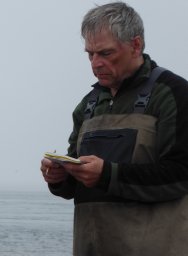 Garry B. Stenson合作论文数Department of Fisheries and Oceans;Northwest Atlantic Fisheries Centre;Department of Fisheries and Oceans, Northwest Atlantic Fisheries Centre38
 Christian Lydersen合作论文数Scientific Research Department, Norwegian Polar Institute20
 Kit Kovacs合作论文数Norwegian Polar Institute;The University Centre in Svalbard18
 Jennifer M. Burns合作论文数Department of Biological Sciences, University of Alaska Anchorage14
 arnaud mosnier合作论文数11Aqqalu Rosing-Asvid合作论文数11
 Lars Boehme合作论文数Sea Mammal Research Unit, University of St. Andrews10Douglas P. Swain合作论文数Gulf Fisheries Centre, Fisheries and Oceans Canada10V Lesage合作论文数8Claude Savenkoff合作论文数8Michel Lebeuf合作论文数8
 Denis Chabot合作论文数Pêches et Océans Canada, Institut Maurice-Lamontagne8
 Lyne Morissette合作论文数Institut des Sciences de la Mer de Rimouski 310, Allée des Ursulines C.P. 3300 Rimouski QC Canada G5L 3A17Fraser J. M. Davidson合作论文数7Michel Fournier合作论文数6
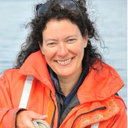 Veronique Lesage合作论文数6Hugo Bourdages合作论文数6
 Hugues P. Benoit合作论文数Fisheries & Oceans Canada6Jean-François Gosselin合作论文数5
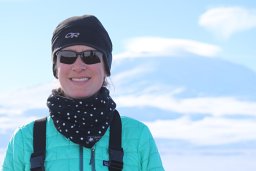 Pearson Linnea E合作论文数5Anne Kirstine Frie合作论文数5
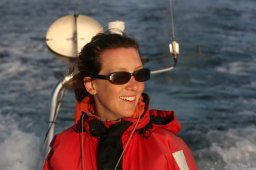 Heloise Frouin合作论文数5
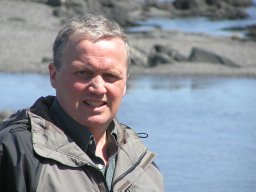 Martin Castonguay合作论文数Pêches et Océans Canada, Institut Maurice-Lamontagne5Mike Fedak合作论文数4
 Lianne D. Postma合作论文数4
 Caroline C Sauvé合作论文数Ctr Rech Sante Publ, Univ Montreal4
 David Johnston合作论文数Marine Science & Conservation, Nicholas School of the Environment, Duke University4
 Daniel P Costa合作论文数Department of Ecology & Evolutionary Biology, University of California Santa Cruz;Institute of Marine Sciences, University of California Santa Cruz4
 Heather Liwanag合作论文数4
 Mark Hindell合作论文数Institute for Marine and Antarctic Studies, University of Tasmania4
 Monica Muelbert合作论文数Programa de Pós-Graduação em Oceanografia Biológica Laboratório de Mamíferos Marinhos e Tartarugas Marinhas, Departamento de Oceanografia Cx. Postal, 474 Rio Grande RS 96201-900 Brazil4
 Michael Meredith合作论文数British Antarctic Survey;Murray Edwards College, University of Cambridge4
 Chris Furgal合作论文数Chanie Wenjack School for Indigenous Studies, School of the Environment, Trent University4David Sutherland合作论文数Dept Geol Sci, Univ Oregon4
 Frederic Bailleul合作论文数Centre d’Etudes Biologiques de Chizé (CEBC),, CNRS UPR 19344
 Lena Measures合作论文数4T. Doniol-Valcroze合作论文数3W. D. Bowen合作论文数3
 Picard Baptiste合作论文数3
 Luciana C. Ferreira合作论文数Australian Institute of Marine Science, University of Western Australia3
 Juan Fernández-Gracia合作论文数3
 Steve Ferguson合作论文数Fisheries and Oceans Canada3
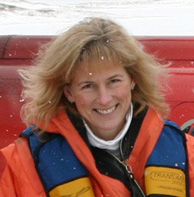 Sara Iverson合作论文数Department of Biology, Dalhousie University;Institute of Marine Science, School of Fisheries and Ocean Sciences, University of Alaska Fairbanks3Thums Michele合作论文数Australian Institute of Marine Science3
 David Sims合作论文数School of Ocean and Earth Science, University of Southampton;Marine Biological Association Lab, University of Southampton3
 Mette Skern-Mauritzen合作论文数3
 Julie Marie Andersen合作论文数3
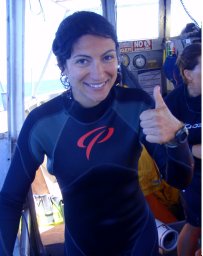 Ana M M Sequeira合作论文数The Environment Institute and School of Earth and Environmental Sciences, The University of Adelaide3
 Shelley L C Lang合作论文数3




