The root structure of different populations of Asparagus cochinchinensis(Lour.) was studied using paraffin technology.The results showed the population from Cuizhou Kaili had 6~7 line epidermal cells,populations from Yunnan Qujing and Hunan Tongdao had 4-5 line epidermal cells.The population from Hunan Tongdao had obvious casparian strips and thicken cell wall,the populations from Cuizhou Kaili and Yunnan Qujing hadnt obvious casparian strips or hadnt casparian strips.The amount of xylem and phloem were also different,the population from Guizhou Kaili had 20~35,the population from Hunan Tongdao had 15~30 and population from Yunnan Qujing had 7~15.Taking together,casparian strips,cell wall of casparian strips and amount of xylem and phloem were the key factors to identification different populations of Asparagus cochinchinensis(Lour.).
The genetic diversity of 67 individuals from 19 populati-ons was analyzed by ISSR.The results showed that 13 primers were selected to produce highly reproducible ISSR bands,92 showed polymorphism among 125 amplified bands and the percentage of polymorphic bands reached 73%,ISSR marker of different populations was found.Nei' s gene diversity index(H) was 0.192,Shannon's information index was 0.30,genetic differentiation index was 0.8206.The Clustering tree showed the populations of Qinghai and Yunnan province,5 populations of Guizhou province were a branch,others populations were another branch.Asparagus had a high genetic diversity and the majority of genetic variation occurred among populations.The ISSR marker could be used for analysis of genetic diversity and identification of genetic variation of Asparagus cochinchinensis.
Euryodendron excelsum is a critically endangered species from the family Theaceae endemic to China,very few individuals exist in Bajia region,Guangdong province.The author observed flowering phenology,flowering pattern,species of visiting insects and their foraging behavior, and bagged experiments had been done to determine it's pollination system.The results indicated that E.excelsum flowered normally and the flowering period was long,the nature fruit bearing percentage ranged from 42.4 % to 50.4 %.E.excelsum was an entomophilous plant,pollinators were diverse small insects such as bees,flies and butterflies etc.Totally seventeen species of insects were captured on the florescence and 9 species of them were observed visiting the flowers in every population.The pollination processes were normal,no fruit set of over 100 bagged flowers showed it was a cross pollinated plant.Because of agricultural exploitation and urban construction,many insects were affected,it was therefore suggested that including the pollinator protection in the strategy of E.excelsum protection.
In the current research, the task of number discrimination was used to investigate the development of the concept of much and few. The numbers of 2 to 30 and 5 to 100 dots were presented to the subjects. The result showed that: on the condition of 5-100 dot numbers, the discrimination of much and few numbers is developed with age; the age from 7 to 9 is a critical period of developing concept of much and few numbers; the children discriminate much and few numbers relatively; on the two conditions of the research, the critical value and the discrimination of much and few numbers become the most numbers of the stimulated dots of 2/3, 1/3 and 1/2 increasingly, but the undefined distance of discriminating much and few numbers is in the range of 1/3 stimulated dots or less than 1/3.
There are some similar aspects between Crassula perforate and Crassula argentea.Through the comparison of a blooming Crassula perforate with a typical Crassula argentea in form and chromosome,we find a proper way to differentiate them.The classification is based on the leaves grown in the most suitable conditions,with their specific characteristics such as the shape of the leaves and the linking-up of leaves at the base.Chromosome serves as an assisting determining factor.
 WANG Bo-Yi合作论文数1Shen Guo-zhu合作论文数1Shuzhen Wei合作论文数1LiJun Ou (欧立军)合作论文数1
 Lijun Ou (欧立军)合作论文数College of Horticulture, Hunan Agricultural University1
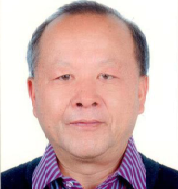 Yuehua Wang (王跃华)合作论文数School of Life Sciences, Yunnan University1
 Shikang Shen (申仕康)合作论文数School of Ecology and Environmental Science, Yunnan University1Jiameng Liu (刘佳蒙)合作论文数1Yuren Wang (王俞人)合作论文数1Shuhe Li (李淑荷)合作论文数1Zhiwen Tan (谭智文)合作论文数1Xiangyong Liu (刘湘永)合作论文数1Tingting Zhao (赵婷婷)合作论文数1Yingxia Li (李英霞)合作论文数1Xiaoli Hu (胡晓立)合作论文数1




