Generative artificial intelligence (GAI) has gained increasing attention in English as a foreign language (EFL) education, with growing evidence supporting its efficacy in enhancing oral performance. Nonetheless, limited research has examined how GAI's multimodal capabilities shape learner behavior, and how different learning behavior clusters relate to motivation and oral performance dynamics. To address these gaps, this study explored (1) the learning behavior clusters emerging from learners' interactions with the Multimodal GAI (MGAI), and (2) the relationship between these clusters, and associated changes in motivation and oral performance. From a three-week intervention with 60 EFL learners, data were collected on behavior, motivation and performance. K-means clustering identified four distinct learners' behavior clusters: interaction-based taskers, comfort-oriented balancers, output-focused monitors, and resource-driven strategists. We found significant differences across clusters. Resource-driven strategists and output-focused monitors showed greater positive changes in intrinsic motivation, while interaction-based taskers exhibited greater positive changes in extrinsic motivation. In oral performance, resource-driven strategists and output-focused monitors exhibited greater positive changes than both comfort-oriented balancers and interaction-based taskers in terms of fluency and coherence. Qualitative insights (i.e., interview and dialogue data) in each cluster provided illustrative information for these quantitative results. These findings provide pedagogical insights for the integration of MGAI into language learning contexts, highlighting that multimodal support alone does not automatically lead to positive learning changes. Thus, pedagogically guided use of multimodal support is needed to help learners move beyond surface-level MGAI-human interaction and more effectively appropriate MGAI tools to support scaffolded oral learning.
Hypergraph neural networks (HGNNs) have shown great potential in modeling higher-order relationships among multiple entities. However, most existing HGNNs primarily emphasize low-pass filtering while neglecting the role of high-frequency information. In this work, we present a theoretical investigation into the spectral behavior of HGNNs and prove that combining both low-pass and high-pass components leads to more expressive and effective models. Notably, our analysis highlights that high-pass signals play a crucial role in capturing local discriminative structures within hypergraphs. Guided by these insights, we propose a novel sheaflet-based HNNs that integrates cellular sheaf theory and framelet transforms to preserve higher-order dependencies while enabling multi-scale spectral decomposition. This framework explicitly emphasizes high-pass components, aligning with our theoretical findings. Extensive experiments on benchmark datasets demonstrate the superiority of our approach over existing methods, validating the importance of high-frequency information in hypergraph learning.
Dropout and DropConnect are two standard stochastic regularization mechanisms for deep neural networks, acting on neurons and connections, respectively, to mitigate overfitting and improve generalization. However, these strategies are typically employed in isolation, and their intrinsic coupling mechanisms have not yet been revealed. This paper develops a unified theoretical framework that jointly models neuron and connection dropout, and proposes a mixed scheme, termed MixedDropout. We derive an upper bound on the generalization gap of deep neural networks using Rademacher complexity analysis under this setting. The analysis reveals that MixedDropout effectively reduces model complexity by constraining feature norms, thereby tightening the generalization guarantees more than purely neuron-level or purely connection-level dropout and offering a theoretical explanation for its enhanced generalization ability. Another important finding is that, by optimizing this bound, this paper establishes a coupling constraint between neuron and connection dropout rates, characterizing their optimal trade-off condition that minimizes the obtained generalization gap. Under specific conditions, MixedDropout naturally degenerates to standard dropout and DropConnect, highlighting its generality. Guided by these insights, we design a novel MixedDropout algorithm. Experiments across multiple datasets using various network architectures for classic image classification tasks validate the effectiveness of MixedDropout, consistently improving the generalization performance of deep neural networks compared with various dropout variants. Particularly, MixedDropout outperforms both standard dropout and DropConnect, aligning well with our theoretical findings. To facilitate reproducibility, the source code is publicly available at https://github.com/suanku430-ctrl/MixedDropout.
Scene Graph Generation (SGG) unifies object localization and visual relationship reasoning by predicting boxes and subject–predicate–object triples. Yet most pipelines treat SGG as a one-shot, deterministic classification instead of a genuine {progressive, generative} task. We propose \textbf{FlowSG}, which recasts SGG as continuous-time transport on a {hybrid} discrete–continuous state: starting from a {noised graph}, the model progressively grows an image-conditioned scene graph through constraint-aware refinements that jointly synthesize nodes (objects) and edges (predicates). Specifically, we first leverage a VQ-VAE to quantize a {scene graph} (e.g., the continuous visual features) into compact, predictable tokens; a graph Transformer then (i) predicts a conditional velocity field to transport continuous geometry (boxes) and (ii) updates discrete posteriors for {categorical tokens (object features and predicate labels)}, coupling semantics and geometry via flow-conditioned message aggregation. Training combines flow-matching losses for geometry with a discrete-flow objective for tokens, yielding few-step inference and plug-and-play compatibility with standard detectors/segmenters. Extensive experiments on VG and PSG under closed- and open-vocabulary protocols show consistent gains in predicate R/mR and graph-level metrics, validating the mixed discrete–continuous generative formulation over one-shot classification baselines, e.g., an average improvement of about 3 points over the SOTA USG-Par.
Sequential recommendation aims to predict users' future behaviors by modeling their historical interaction sequences, where latent user intents play a crucial role in improving recommendation quality. However, existing methods face several challenges in intent modeling: inability to adapt to dynamic interest shifts, difficulty in capturing periodic and cross-scale patterns, and limited robustness due to single-objective learning. To address these issues, we propose an intent-aware sequential recommendation framework - TF-Rec (Time-Frequency Enhanced Sequential Recommendation). TF-Rec enhances dynamic intent modeling through learnable adaptive intent clustering, and designs a dual-path time-frequency feature extraction module to integrate short-term behavioral variations with long-term periodic trends. Furthermore, a three-branch multi-task contrastive learning strategy is introduced to improve semantic consistency across different views. Experimental results on multiple public datasets demonstrate that TF-Rec significantly outperforms state-of-theart methods, achieving improvements of 2.6%-7.2% in HR@5 and 2.0%-7.6% in NDCG@5. Ablation studies further verify the effectiveness of each component.
In this paper, we develop a novel local graph pooling method, namely the Separated Subgraph-based Hierarchical Pooling (SSHPool), for graph classification. We commence by assigning the nodes of a sample graph into different clusters, resulting in a family of separated subgraphs. We individually employ the local graph convolution units as the local structure to further compress each subgraph into a coarsened node, transforming the original graph into a coarsened graph. Since these subgraphs are separated by different clusters and the structural information cannot be propagated between them, the local convolution operation can significantly avoid the over-smoothing problem caused by message passing through edges in most existing Graph Neural Networks (GNNs). By hierarchically performing the proposed procedures on the resulting coarsened graph, the proposed SSHPool can effectively extract the hierarchical global features of the original graph structure, encapsulating rich intrinsic structural characteristics. Furthermore, we develop an end-to-end GNN framework associated with the SSHPool module for graph classification. Experimental results demonstrate the superior performance of the proposed model on real-world datasets.
Graph Neural Networks (GNNs) have achieved remarkable successes in graph analysis due to the Message-Passing (MP) mechanism, yet they struggle with heterophilic graphs where connected nodes often have distinct labels or dissimilar attributes. Graph Contrastive Learning (GCL) serves as a promising approach to extract the information beyond neighboring nodes, effectively mitigating the limitations of the MP mechanism in handling heterophilic graphs. Nevertheless, GCL faces two critical challenges when applied to heterophilic graphs, i.e., the potential distribution shift from data augmentation and the loss of robustness caused by high-frequency signals. To address these problems, we propose a novel model, namely the Spectral Fusion Contrastive Learning with Topology-Adaptive Graph Augmentation (SFCLTA) for unsupervised graph representation learning. Our method dynamically adjusts graph structures by a heterophily-aware augmentation strategy, and constrains high-frequency distortions by spectral regularization. We utilize the confidence-weighted fusion to enhance the robustness. Additionally, we introduce a feature reconstruction task as the prerequisites to explicitly mitigate feature-level distribution shifts. Experiments on multiple real-world datasets demonstrate that the proposed SFCLTA consistently outperforms baseline models in multiple tasks.
Time series forecasting requires architectures that simultaneously achieve three competing objectives: (1) strict temporal causality for reliable predictions, (2) sub-quadratic complexity for practical scalability, and (3) multi-scale pattern recognition for accurate long-horizon forecasting. We introduce AutoHFormer, a hierarchical autoregressive transformer that addresses these challenges through three key innovations: 1) Hierarchical Temporal Modeling: Our architecture decomposes predictions into segment-level blocks processed in parallel, followed by intra-segment sequential refinement. This dual-scale approach maintains temporal coherence while enabling efficient computation. 2) Dynamic Windowed Attention: The attention mechanism employs learnable causal windows with exponential decay, reducing complexity while preserving precise temporal relationships. This design avoids both the anti-causal violations of standard transformers and the sequential bottlenecks of RNN hybrids. 3) Adaptive Temporal Encoding: a novel position encoding system is adopted to capture time patterns at multiple scales. It combines fixed oscillating patterns for short-term variations with learnable decay rates for long-term trends. Comprehensive experiments demonstrate that AutoHFormer 10.76X faster training and 6.06X memory reduction compared to PatchTST on PEMS08, while maintaining consistent accuracy across 96-720 step horizons in most of cases. These breakthroughs establish new benchmarks for efficient and precise time series modeling. Implementations of our method and all baselines in hierarchical autoregressive mechanism are available at https://github.com/lizzyhku/Autotime.
The intelligent battery swap recommendation (BSRec) system for e-bikes is a critical need in the development of smart urban transportation. However, challenges such as limited observable data and the complexity of cabinet-battery constraints have hindered model generalization across multiple tasks. In this paper, we propose eBASE, the first model for e-bike BSRec, which integrates a hybrid expert system with dual-tower joint optimization. Experimental results show that eBASE outperforms existing models in three real-world tasks: cabinet, battery, and cabinet-battery recommendations. Additionally, the BSRec system developed with eBASE has been deployed in over 10 cities, significantly improving the multi-dimensional satisfaction of millions of riders.
Hypergraphs provide a natural and expressive framework for modeling high-order relationships, enabling the representation of group-wise interactions beyond pairwise connections. While hypergraph neural networks (HNNs) have shown promise for learning on such structures, existing models often rely on shallow message passing and lack the ability to extract multiscale patterns. Framelet-based techniques offer a principled solution by decomposing signals into multiple frequency bands. However, most prior framelet systems, particularly Haar-type ones, are sensitive to node ordering and fail to ensure consistent representations under permutation, leading to instability in hypergraph learning. To address this, we propose Permutation Equivariant Framelet-based Hypergraph Neural Networks (PEF-HNN), a novel framework that integrates multiscale framelet analysis with permutation-consistent learning. We construct a new family of permutation equivariant Haar-type framelets specifically designed for hypergraphs, supported by theoretical analysis of their stability and decomposition properties. Built upon these framelets, PEF-HNN incorporates both low-pass and high-pass components across multiple scales into a unified neural architecture. Extensive experiments on nine benchmark datasets, including three homophilic and four heterophilic hypergraphs, as well as two real-world datasets for visual object classification, demonstrate the effectiveness of our approach, consistently outperforming existing HNN baselines and highlighting the advantages of permutation equivariant framelet design in hypergraph representation learning.
Enzyme substrate interaction (ESI) prediction is a fundamental computational task for biocatalyst discovery and reaction screening in large biochemical spaces. In practical settings, ESI prediction is challenged by sparse positive supervision and low-homology distribution shift, where test enzymes share limited sequence identity with those observed during training. To address these challenges, we propose RAMMESI, a retrieval-augmented multimodal framework for robust ESI prediction. RAMMESI learns explicit pairwise enzyme-substrate representations through directional cross-modal interaction modeling and adaptive fusion. To enhance robustness, RAMMESI retrieves neighboring enzymes at inference time, recombines them with the query substrate, and aggregates the resulting pairwise predictions as contextual evidence. To improve learning under sparse positive supervision, we further adopt an imbalance-aware weighted-BCE objective. Experiments on two ESI benchmarks under sequence-identity-aware splits demonstrate that RAMMESI achieves consistently strong performance, with particular advantages in more challenging low-identity regimes. In addition, the retrieval module improves multiple ESI backbones in a plug-and-play manner, suggesting that retrieval provides a general mechanism for improving robustness under homology shift.
Vision language models (VLMs) extend the reasoning capabilities of large language models (LLMs) to cross-modal settings, yet remain highly vulnerable to multimodal jailbreak attacks. Existing defenses predominantly rely on safety fine-tuning or \textit{aggressive} token manipulations, incurring substantial training costs or significantly degrading utility. Recent research shows that LLMs inherently recognize unsafe content in text, and the incorporation of visual inputs in VLMs frequently dilutes risk-related signals. Motivated by this, we propose Risk Awareness Injection (RAI), a \textit{lightweight} and training-free framework for safety calibration that restores LLM-like risk recognition by amplifying unsafe signals in VLMs. Specifically, RAI constructs an Unsafe Prototype Subspace from language embeddings and performs targeted modulation on selected high-risk visual tokens, explicitly activating safety-critical signals within the cross-modal feature space. This modulation restores the model’s LLM-like ability to detect unsafe content from visual inputs, while preserving the semantic integrity of original tokens for cross-modal reasoning. Extensive experiments across multiple jailbreak and utility benchmarks demonstrate that RAI substantially reduces attack success rate without compromising task performance.
Social recommendation leverages users’ social connections to enhance recommendation accuracy. However, user behavior and interests evolve over time, posing challenges for traditional social models that fail to dynamically capture these changes. As a result, existing approaches struggle to reflect users’ current preferences, leading to suboptimal recommendation performance. To address this limitation, this paper proposes a graph neural network with dynamic similarity fusion (termed GNN–DSF) for social recommendation. GNN–DSF reconstructs the social relationship graph by extracting user similarity from both the user-item interaction graph and the social graph, enabling a more adaptive and comprehensive representation of user relationships. Furthermore, we integrate dynamic and static representations of users and items, capturing both temporal variations and long-term dependencies to enhance the personalization of recommendations. Extensive experiments on benchmark datasets demonstrate the effectiveness of our approach in improving recommendation accuracy compared to existing methods.
Sequential recommendation aims to model users’ interaction histories to capture dynamic preference patterns. Masked autoencoder-based models (e.g., MAERec) have shown promising results through effective sequence reconstruction. However, existing approaches face two key limitations: (1) Transformer architectures suffer from efficiency bottlenecks on long sequences; (2) they overlook structured collaborative information in user-item interactions, limiting personalized preference modeling in sparse scenarios. To address these limitations, we propose M2GRec, integrating the state-space model Mamba into a masked autoencoder framework with dual-channel graph modeling. The masked autoencoder reconstructs user sequences to learn robust representations, while the Mamba encoder efficiently captures long-range dependencies with linear complexity. Meanwhile, a dual-channel graph module models item-item transitions and user-item interactions to inject collaborative signals, and these representations are adaptively fused via gating for joint structural-sequential modeling. Extensive experiments on four public datasets demonstrate that M2GRec consistently outperforms state-of-the-art baselines, particularly on sparse datasets, validating the effectiveness of our approach.
Hypergraph contrastive learning is an effective paradigm for representation learning on higher-order relational data, yet existing methods largely ignore that hyperedges link nodes with multi-level semantics. Standard contrastive objectives emphasize instance discrimination via hyperspherical uniformity and tend to push embeddings apart in an indiscriminate manner. We show that this leads to a , whose geometric manifestation is , where the semantic depth of hyperedges collapses into a nearly flat cloud of instances. To address this issue, we introduce , a hypergraph contrastive learning framework that moves representations towards a hierarchy–uniformity equilibrium by jointly coordinating spectral and geometric signals. HyperDepth employs a decoupled spectral encoding scheme with adaptive gating so that high-frequency components focus on local instance discrimination while low-frequency components capture global hierarchical structure. On top of this, an energy-based hierarchical Alignment module attaches a learnable prototype tree to the representation space and minimizes an interpretable energy functional to recover the semantic depth of hyperedges. Theoretically, under a mild frequency-separation assumption, we show that the local contrastive and global hierarchical objectives operate on orthogonal spectral components and admit equilibrium embeddings that preserve semantic depth while still retaining instance-level discrimination. Experiments on 15 hypergraph datasets and 17 supervised and self-supervised baselines, spanning homophilic and heterophilic regimes, show that HyperDepth attains strong performance with the best average rank.
Hypergraph Neural Networks (HGNNs) can effectively model high-order relational data but lack robust multi-scale analysis tools and struggle with heterophilic hypergraphs. To address these issues, this paper proposes SWDHFN, a novel Spline-Wavelet-based Decimated Hypergraph Framelets Neural Network. Inspired by Haar wavelets and spline theory, SWDHFN embeds hypergraph structures into spline function spaces to encode multi-entity interactions. SWDHFN leverages the smoothness of spline bases into hypergraph modeling. This ensures the continuity and smooth transition of feature encoding and avoids noise interference during neighborhood information aggregation. We also propose the fast framelet transforms for the spline-Wavelet-based decimated hypergraph framelets, with computational complexity 𝒪(Nlog N) . Experimental results on benchmark datasets show that SWDHFN achieves state-of-the-art (SOTA) performance on both homophilic and heterophilic hypergraphs, outperforming traditional HGNNs and framelet-based models. Its sparse matrix optimization ensures superior computational scalability.
Model merging is an effective technique for composing the capabilities of a multilingual model and a reasoning model. It has achieved promising generalization in multilingual reasoning tasks by aligning feature spaces of different models. However, the merged single model often fails to address the conflicts between source models, leading to suboptimal performance. In other words, the one-size-fits-all merging strategy may not align with the characteristics of different inputs which may require prioritizing certain models over others. To this end, we propose a Steerable Model Merging (ST-Merge) framework to modulate the contribution of each source model. To realize this idea, we introduce a gated cross-attention mechanism to weight or filter the two attended source models in an adaptive manner. Extensive experiments demonstrate that ST-Merge consistently outperforms multiple strong baselines on four multilingual reasoning benchmarks across 21 different languages.
Graph Convolutional Networks (GCNs) are defined based on aggregating the node information of adjacent nodes, that are usually treated as equally important as each other, limiting the representational power of existing GCNs for graph classification. To address this shortcoming, we propose a novel Global Interacted Graph Convolutional Network (GI-GCN), that can leverage the solution vectors maintained during the iterative updates of the Dominant Set to adaptively characterize the global importance distribution of different nodes. Specifically, at each convolution layer, this distribution is adopted to adaptively modulate the importance weights of different node features before performing the local message passing. We show that this convolution strategy can effectively capture the highly correlated information between nonadjacent nodes through the Dominant Set algorithm, not only emphasizing the critical information at the graph level but also enhancing the discriminative power of graph representations. Furthermore, we optimize the spatial complexity of the framework, significantly reducing the memory overhead associated with the global interaction modeling. Experiments demonstrate the effectiveness of the proposed GI-GCN.
To solve the problem of scattered storage of information science objects among paper texts, citation paths, author institutions, source journals, topic tags and time periods, a multimodal knowledge graph empirical sample based on open academic metadata has been established and its function in knowledge organization and data mining has been tested. The sample includes records of information science and related directions from 2014 to 2024. After processing, 5200 papers, 13172 entities and 105148 relationships remain, forming seven kinds of nodes: papers, authors, institutions, sources, keywords, topics and years, and relationships such as authorship, institutional affiliation, source publication, keyword association, topic attribution, citation linkage and co-occurrence. In terms of methodology, the titles, abstracts and keywords of the papers, the citation network, the author-institution network, the source-topic distribution and the annual period were encoded into five kinds of modal features and compared in four tasks: entity alignment, relationship completion, cross-modal retrieval and topic mining: Text only, Citation GCN, Late Fusion, MKG-BERT and Proposed MDF-KG. The results show that the average Macro-F1 of Proposed MDF-KG in four types of tasks is 0.8535, which is higher than the 0.8213 of MKG-BERT and the 0.7880 of Late Fusion; the Mean Reciprocal Rank (MRR) reaches 0.912 in the relationship completion task and the normalized discounted cumulative gain at 10 (nDCG@10) reaches 0.858 in cross-modal retrieval. The results of the ablation study indicate that the text modality has the highest average contribution and the performance decreases by 0.0553 after deleting it; the citation modality decreases by 0.0415 and the source topic modality decreases by 0.0318. The robustness test shows that when the field is missing or the noise ratio reaches 0.5, the average Macro-F1 of the Proposed MDF-KG is still 0.8080. The research findings suggest that the multimodal field organization can enhance the connectivity, ranking quality and error correction capability of information science knowledge graphs, but author alias, topic granularity and weak citation context are still the main obstacles for further development.
 Lu Bai (白璐)合作论文数School of Artificial Intelligence, Beijing Normal University34
 Lixin Cui (崔丽欣)合作论文数School of Information, Central University of Finance and Economics30
 Feilong Cao (曹飞龙)合作论文数College of Sciences, China Jiliang University29
 Changqin Huang (黄昌勤)合作论文数School of Information Technology in Education, South China Normal University;Zhejiang Normal University24
 Edwin Hancock合作论文数Department of Computer Science, University of York;Beijing Advanced Innovation Centre for Big Data and Brain Compuring, Beihang University19
 Yuting Chen合作论文数Tsing Hua University16
 Yue Wang (王悦)合作论文数School of Information, Central University of Finance and Economics16
 Yuguang Wang (王宇光)合作论文数Institute of Natural Sciences, Shanghai Jiao Tong University;School of Mathematical Sciences, Shanghai Jiao Tong University;Department of Computer Science and Engineering, Shanghai Jiao Tong University15
 Zhao Li (李朝)合作论文数Zhejiang Lab;Hangzhou Yugu Technology Co.,Ltd14
 Pietro Liò合作论文数Department of Computer Science and Technology, University of Cambridge;Cambridge Centre for AI in Medicine, University of Cambridge13
 Hangyuan Du (杜航原)合作论文数School of Computer and Information Technology, Shanxi University12
 Hailiang Ye合作论文数11
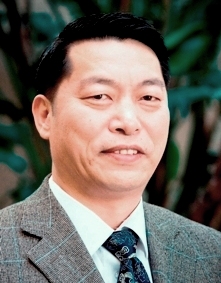 Dianhui Wang (王殿辉)合作论文数School of Information and Control Engineering, China University of Mining and Technology;Department of Computer Science and Information Technology, La Trobe University10
 Xiaosheng Zhuang (庄晓生)合作论文数Department of Mathematics, College of Science, City University of Hong Kong10
 Yunliang Jiang (蒋云良)合作论文数湖州师范学院信息工程学院9
 Mutlu Cukurova合作论文数Department of Culture, Communication and Media, Faculty of Education and Society, University College London8
 Shirui Pan (潘世瑞)合作论文数School of Information and Communication Technology, Griffith University7
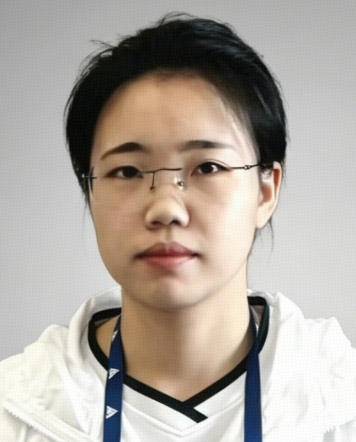 Tingyi Cai (蔡听依)合作论文数School of Computer Science and Technology, Zhejiang Normal University6
 Jiye Liang (梁吉业)合作论文数School of Computer and Information Technology, Shanxi University;Key Laboratory of Computational Intelligence and Chinese Information Processing of Ministry of Education, Shanxi University6
 Jiandong Shi合作论文数5
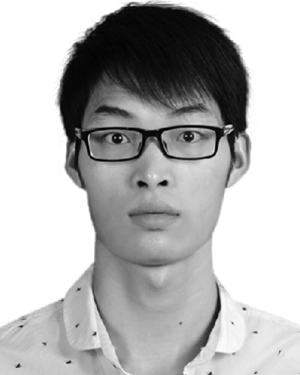 Bing Yang合作论文数5
 Ziyu Lyu (吕子钰)合作论文数School of Cyber Science and Technology, Sun Yat-sen University;School of Artificial Intelligence, University of Chinese Academy of Sciences5
 Tao He (何涛)合作论文数Department of Data Science & AI, Faculty of Information Technology, Monash University5
 Bingxin Zhou (周冰心)合作论文数Institute of Natural Sciences, Shanghai Jiao Tong University5
 Xindong Wu (吴信东)合作论文数School of Computer Science and Information Engineering, Hefei University of Technology;Key Laboratory of Knowledge Engineering with Big Data, Ministry of Education of China, Hefei University of Technology5
 Philip S. Yu (俞士綸)合作论文数Department of Computer Science, College of Engineering, University of Illinois Chicago;Big Data and Social Computing Lab, University of Illinois Chicago5
 Xiaodi Huang合作论文数School of Computing, Mathematics and Engineering, Charles Sturt University;Gulbali Research Institute, Charles Sturt University5
 Feng Han (馮寒)合作论文数Department of Mathematics, College of Science, City University of Hong Kong5
 Junbin Gao合作论文数Business School, University of Sydney5
 Yuan-Fang Li (李元放)合作论文数5Siwei Zhou合作论文数4
 Yi Wang合作论文数4
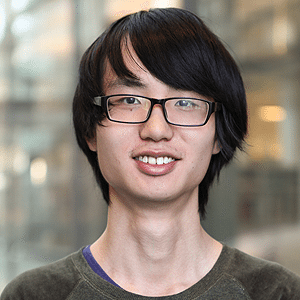 Zheng Ma合作论文数Princeton University4
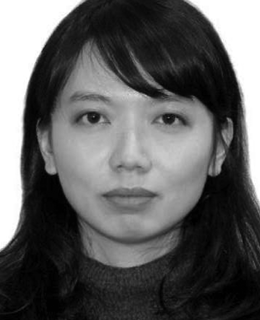 Yu Xie合作论文数Alibaba4
 Kaixuan Yao (姚凯旋)合作论文数School of Computer and Information Technology, Shanxi University4Xinya Qin合作论文数School of Artificial Intelligence, Beijing Normal University3
 Jiaxu Leng (冷佳旭)合作论文数Chongqing University of Posts and Telecommunications3
 Xizhe Wang合作论文数3
 Zhongmei Han合作论文数Sch Informat Technol Educ, South China Normal Univ3
 Zhuo Xu合作论文数3
 Xuemei Wu合作论文数3
 Gwo-Jen Hwang (黃國禎)合作论文数Graduate Institute of Educational Information and Measurement, National Taichung University of Education;Graduate Institute of Digital Learning and Education, National Taiwan University of Science and Technology3
 Zhihui Wang (王智慧)合作论文数School of Software, Dalian University of Technology3
 Xibei Yang (杨习贝)合作论文数School of Computer, Jiangsu University of Science and Technology3
 Ke Qin (秦科)合作论文数School of Computing Science and Engineering,University of Electronic Science and Technology of China,Chengdu3
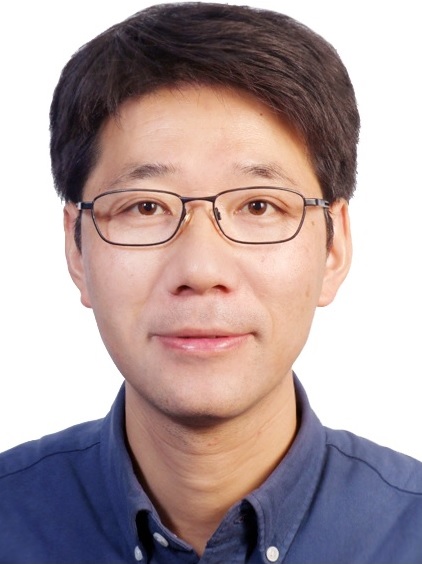 Weiping Ding (丁卫平)合作论文数School of Information Science and Technology, Nantong University;Faculty of Data Science, City University of Macau3
 Andriy Olenko合作论文数3
 Xuebin Zheng合作论文数Fosun Pharma3
 Guido Montúfar合作论文数Departments of Mathematics and Statistics & Data Science, University of California Los Angeles3




