Despite the recent surge in the use of telerehabilitation (TR) for neurological disorders, there is a lack of TR programs tailored to persons with Parkinson’s disease (PwPD), particularly in low-resource settings. To address this gap, we aimed to develop a tele-assisted home exercise program for improving balance and functional mobility in PwPD (TELEPORT-PD). An e-Delphi process was conducted with an international, interprofessional team of experts involved in rehabilitation of PwPD. A comprehensive pool of exercises was compiled and evaluated across three rounds of e-Delphi process. Out of 473 exercises pooled from literature and experts, 99 exercises entered the e-Delphi process after deduplication and were categorized under six domains. After consensus, the final program included 42 exercises along with dosage, progression, and safety considerations. The TELEPORT-PD protocol developed through an international, e-Delphi consensus could be adapted for its use in low-resource settings worldwide.
Sleep disturbances and mental health issues are common amongprofessional graduate students. This study investigated theprevalence of functional sleep problems and the relationship betweengraduate students' sleep quality and mental health. 90 professional graduate students from Physical and OccupationalTherapy programs participated. Data were collected anonymously using SurveyMonkey. Sleep quality wasassessed using the self-reported Functional Outcomes of SleepQuestionnaire (FOSQ-10), which evaluates five subscales: generalproductivity, activity, vigilance, social outcomes, and intimacy. Mental health was evaluated using the Depression Anxiety Stress Scale(DASS-21), which includes stress, anxiety, and depression subscales.Higher FOSQ scores indicated better sleep quality, while higherDASS-21 scores reflected greater mental health issues. 84.27% (n = 75) of students reported experiencing functional sleepissues. A significant negative correlation was found between sleepscores and stress (ρ = -0.489, p < .001), anxiety (ρ = -0.453, p < .001), and depression (ρ = -0.604, p < .001). The results suggest a high prevalence of sleep disturbances amonggraduate students, with poor sleep quality associated with increasedstress, anxiety, and depression. Interventions targeting sleep mayimprove mental health outcomes.
This scoping review aimed to explore and summarize the published evidence on yoga as an adjunctive intervention to standard rehabilitative care for individuals with Duchenne muscular dystrophy (DMD). A comprehensive literature search was conducted across five databases – PubMed/MEDLINE, SPORTDiscus, ProQuest Health and Medicine Collection, Web of Science Core Collection, and CINAHL – using the terms “Duchenne muscular dystrophy” (or DMD) and “yoga.” Studies were included if they (1) were published between January 2000 and December 2024; (2) involved participants with DMD; (3) examined yoga as an intervention; (4) were peer-reviewed; and (5) were published in English. We used a standardized data extraction form to capture study characteristics, including authorship, publication year, sample size, participant demographics, intervention details, outcome measures, and main results. We assessed study quality with the Modified Downs and Black Checklist (MDBC). Six studies met the inclusion criteria. Five were rated as having fair quality (MDBC score: 15–17/28), and one was rated as having poor quality (MDBC score: 3/28). Yoga interventions incorporated asanas (postures), dhyana (meditation), and pranayama (breathing practices). Outcome measures varied widely, encompassing mobility, self-care, comfort, heart rate variability, respiratory function, quality of life, and functional performance. Modest improvements were noted in pulmonary function and self-reported well-being; however, evidence remains limited and inconsistent. Current literature provides preliminary support for yoga as a complementary therapy in DMD rehabilitation. More rigorous, large-scale trials are needed to establish their efficacy and clinical relevance.
Fatigue experienced by individuals with multiple sclerosis (MS) during activities of daily living affects their balance and increases the risk of falls. The aim was to assess the effect of fatigue induced by a functional task on balance control in individuals with MS. The study involved 10 individuals with MS and 10 gender-matched healthy volunteers who performed a functional sit-to-stand task using a standardized chair and metronome until they reported an inability to continue. Motor Control and Sensory Organization tests were implemented using Dynamic Posturography three times: before, immediately after fatigue, and after a 30-min rest period. The Motor Control Test revealed that individuals with MS, compared to healthy controls, showed significantly longer latencies during small, medium, and large amplitudes of backward perturbation. Longer latencies were observed in the MS group after fatigue, specifically during small and large amplitudes of forward perturbations. The Sensory Organization Test discovered that following fatigue, the MS group demonstrated significantly lower equilibrium scores compared with healthy controls in the following conditions: eyes closed (p < .001), sway-referenced visual surround (p = .02), and sway-referenced support surface (p = .03). Functional fatigue induced by sit-to-stand tasks significantly impacted outcomes of both the Motor Control and Sensory Organization tests of balance control in individuals with MS. These findings lay the groundwork for future investigations into the role of fatigue in balance control in individuals with MS.
Introduction: This study explored the impact of early identification and student academic advising on performance in the clinical neuroscience course using a mixed-method design. The researchers hypothesized that early identification of students experiencing academic difficulties, followed by comprehensive advising, would improve performance. Methods: Twenty Doctor of Physical Therapy (DPT) students from the third trimester of the program participated in this mixed-methods study. Early identification was achieved through a quiz in the first week or early second week of the course, with students scoring below 70% offered voluntary enrollment. Nine students were assigned to the control group, while 11 received early academic advising. Qualitative data on factors influencing performance and quantitative quizzes and exam scores were analyzed using Dedoose® and SPSS, respectively. Results: Quantitative analysis showed significant improvements in Quiz 2 (p Discussion: The mixed-methods design provided insights into factors affecting student performance. Early academic advising positively influenced student success in the neuroscience course, underscoring the importance of structured academic support in physical therapy education.
Introduction: Inclusion of interprofessional education (IPE) in academia is required by education accreditation agencies for occupational therapy (OT) and physical therapy (PT) in the United States. Limited information is available on models of IPE to guide faculty. The purpose of this pilot study was to determine the feasibility of implementing a recently designed IPE model with OT and PT graduate students. This IPE model aligned Interprofessional Education Collaborative core competency domains with novel learning activities, such as an escape room, simulated medical chart, and two simulations. Methods: Data were retrieved from 52 auto-enrolled students (n=14 OT) and (n=38 PT) in a 15-week course held in 2019. Students completed the Interprofessional Education Collaborative Self-Assessment Tool on the first day (pre) and last day (post) of the course. Inclusion criteria required all archived assignments to be completed thoroughly. Data were analyzed using a non-parametric statistical test with a significant threshold set at p < 0.05. Results: Results indicated total post-scores were significantly higher compared to pre-scores, z = -5.08, p < .001. Further, sub-group analysis using the Wilcoxon Signed Ranks Test showed significantly higher post-scores compared to pre-scores for interaction component (z=-5.27, p < .001) and values component (z=-2.50, p =.012). Comparison between OT and PT students using the Mann-Whitney U test did not show any significant difference in total scores (U=231.5; p=.853), interaction component (U=221.0; p=.678), and value component (U=238.5; p=.972). Discussion: This IPE model is feasible for a larger study and, after participating, students will move forward in the curriculum with better IPE foundational knowledge.
Background The pandemic's preventive measures adversely impacted physical and psychological well-being, leading to increased sleep issues and mental health problems. This study examines sleep health and mental well-being among individuals with multiple sclerosis (MS) during this period. It explores potential correlations between sleep problems and mental health in this population. Methods A cross-sectional design utilized an anonymous SurveyMonkey survey distributed to three MS centers, collecting responses from 24 individuals with MS (21 females, 3 males). Sleep data were assessed using the Functional Outcome of Sleep Questionnaire (FSOQ)-10, and mental health status was assessed using the Depression Anxiety Stress Scale (DASS)-21. FOSQ scores ≥17.9 indicated normal sleep, while the DASS-21 comprised stress, anxiety, and depression subscales, each with 7 questions rated on a 0–3 scale, with higher scores indicating greater mental health issues. Results Of 24 participants, 18 MS individuals reported functional sleep issues during the pandemic. Analysis revealed significantly lower productivity, vigilance, and social outcomes in the sleep problems group (p < .01). Additionally, this group had elevated stress (p = .004) and depression scores (p = .002). Negative correlations were observed between sleep scores and both stress (ρ = -0.485, p = .016) and depression (ρ = -0.562, p = .004). Conclusions 75 % of MS individuals experienced functional sleep disturbances during the pandemic, with 25 % affected by stress, 16.6 % by anxiety, and 37 % by depression. Sleep issues are correlated with increased stress and depression levels. Recognizing the impact on rehabilitative outcomes, specialists must consider sleep behavior and mental health when designing therapies for individuals with MS.
Background: The mental health of Doctor of Physical Therapy (DPT), Master of Occupational Therapy (MOT), and Doctorate of Occupation Therapy (OTD) students was impacted by the COVID-19 pandemic. The investigators explored the impact of the pandemic on the students' mental health. Methods: The study included 90 students from the DPT, MOT, and OTD programs. The data was collected using a survey including demographics and the Depression Anxiety Stress Scales-21. Results: The prevalence of stress, anxiety, and depression increased two-fold in all three disciplines of students. Out of the 90 students, 60% reported stress, 52.2% anxiety, and 53.3% depression. No significant difference was observed between genders, marital status, and the different disciplines. Conclusion: This study shows that graduate DPT, MOT, and OTD students experienced a significant degree of mental health disorder during the pandemic. Adequate measures need to be adopted to support the well-being of the students and for a successful academic career.
Objectives: The purpose of this study was to determine which stratification (anatomical versus functional) forms a better construct for classification of para surfers with spinal cord injury; to assess the groupings of these para surfers; and to evaluate the strength of association between manual muscle testing and surfing performance.Design: Cross-sectional. Methods: Archived data from classification records including demographics, spinal cord injury levels, trunk strength, and limb strength were compared to judged wave scores and competition rankings.Results: Participants (n = 70, male n = 56; female n = 14) met inclusion criteria and were classified into Para Surfing Kneeling (n = 9); Sit (n = 11); Prone 1 (n = 25); and Prone 2 (n = 25) sport classes. Reliability statistics showed that functional grouping (Cronbach's alpha = 0.759) is better grouped with strength testing and rankings compared to anatomical grouping (Cronbach's alpha = 0.721). Under exploratory factor analysis with 2 fixed components, based on the factor loadings (rank and strength) functional stratification (0.978) is better aligned compared to anatomical stratification (0.785) for grouping of surfers. Further, the association and impact of strength with functional spinal cord level stratification were confirmed using regression analysis (chi-square of 74.06 with p-value <.0001). Conclusions: Trunk and limb strengths have been shown to influence wave riding performance in surfers with spinal cord injury. Surfers with spinal cord injury can equitably be classified into one of the four para surfing sport classes. The use of functional stratification of spinal cord injury with trunk and limb strengths should be considered as an integral component in para surfing athlete sport classification.(c) 2023 Sports Medicine Australia. Published by Elsevier Ltd. All rights reserved.
Hatha yoga is commonly practiced in Western countries and is claimed to reduce risk of cardiovascular disease. The purpose of this study was to evaluate and compare time-domain and frequency-domain metrics of heart rate variability (HRV) in Hatha yoga practitioners and healthy controls. This cross-sectional study, which was conducted at a regional university and community wellness center, included convenience sampling of 19 Hatha yoga practitioners and 8 healthy controls. Using a lead II ECG system, 10 minutes of electrocardiogram (ECG) recording was collected for each participant. Artifact-free, 5-minute signals were used to derive time-domain and frequency-domain measures of HRV. The mean duration of Hatha yoga practice among practitioners was 11.47 ± 8 years. Demographic and anthropometric characteristics did not differ significantly between groups. Compared with the control group, the yoga group had significantly greater mean high frequency (HF) power (859.2 ± 1342.1 vs 175.5 ± 121.1; P = .04) and mean HF normalized units (nu) (57.0 ± 16.6 vs 36.7 ± 13.4; P = .02) and a significantly lower low frequency (LF)/HF ratio (1.1 ± 0.5 vs 2.2 ± 1.1; P = .01). No significant intergroup differences were observed for LF power, LF nu, or any time-domain measures of HRV. These results lack generalizability due to small sample size and lack of blinded assessment of outcome measures. Hatha yoga practitioners showed parasympathetic predominance compared with healthy controls. Analyzing frequency-domain HRV metrics enables detecting changes in cardiac autonomic function earlier than by analysis of time-domain metrics. Parasympathetic predominance demonstrated in the yoga group suggests Hatha yoga practitioners may be at lower risk for stress-related comorbidities.
ABSTRACT Introduction This study investigated surfing performance in surfers with transfemoral amputations (TFAs) and transtibial amputations (TTAs) who participated in international para surfing competitions. The purpose of this research was to compare surfers with lower-limb amputations with judged wave scores and surfing experience for para surfing classification efficacy. Materials and Methods Collected archived data (n = 20) from classification records included demographics, residual limb lengths, surfing experiences, and judged wave scores. Continuous variables age (years), residual leg length (cm), remaining leg length (%), prior surfing experience (years), and duration of competing experience (years) were analyzed using independent sample t-test. Ordinal variables surfing performance scores of 2019 and 2020 between the groups were compared using Mann-Whitney U test. Spearman ρ correlation coefficient was used to determine the association between the duration of prior surfing experience and duration of competition experience with the surfing score in both groups. Results Surfers with TFA with longer residual limb lengths (n = 3) and surfers with TTA (n = 14) surfed with a prosthetic leg standing. Surfers with TFA with shorter residual limb lengths (n = 3) surfed without a prosthesis kneeling. We found that para surfers who stood or kneeled with TFA performed significantly better than para surfers with TTA, reflected through judged wave scores in 2019 (P = 0.028) and 2020 (P = 0.019). No statistically significant relationship existed between para surfers with TFA who kneeled or stood. No statistically significant relationship existed between years of para surfing and judged wave scores. Conclusions Surfers with TFA who stood or kneeled received higher judged wave scores than surfers with TTA; however, no other significant significance was found for TFA intragroup comparisons or prior surf experience. The data size was too small for confirmatory analysis. Results appeal to a new need for inquiry on para surfers with TFA and TTA, specifically biomechanical performance surfing differences. Clinical Relevance Individuals with transfemoral and/or transtibial amputations can participate competitively in para surfing contests. Surfers with TFAs can successfully compete either standing with a prosthesis or kneeling without a prosthesis.
A new evidence-informed classification structure following the Paralympic classification code was recent ly developed and implemented at two para surfing competitions. The purpose of this study was to under-stand the agreement and satisfaction levels of this novel classification structure among para surfers. Pre-and post-surveys were conducted in September 2019 and March 2020 at two international competitions before the COVID-19 pandemic. Surfers (n=131) met inclusion criteria of being older than 18 years old, completed classification, and surfed at least twice in their sport class. Pre-surveys (n=79) were conducted after classification and before surfing and post-surveys (n=98) were conducted after surfing twice in their sport class. Agreement and satisfaction levels were measured using a 4-point Likert scales. Results demonstrated high agreement and high levels of satisfaction (95%-100%) with this para surfing classification. No significant difference was found between the pre-and post-survey scores except in one sport class, Para Surfing Stand 2, that showed a significant difference in the requirement to be classified. Findings suggest para surfers widely accepted this new classification structure immediately after classification and after competing at least twice in their sport class.
BACKGROUND:Individuals with multiple sclerosis (MS) often experience limitations in mobility due to impairment of gait and balance. Rehabilitation approaches to improve balance and mobility in individuals with MS are limited. We have developed a novel visual cue guided multi-direction step (MDS) training method to improve balance and mobility in individuals with MS. OBJECTIVE:To examine the effect of MDS training on balance, gait, and mobility in individuals with MS. METHODS:Five individuals with relapsing- remitting MS participated in the 4-week training involving stepping in eight directions in response to a visual cue. Balance, gait, and mobility were assessed before and after training. RESULTS:Training related improvements were seen in the limits of stability (p< .05), spatial and temporal gait parameters (p<.05), and performance of the Tinetti Mobility Assessment (p=.001), 10-Meter Walk test (p<.001), and Four-Square Step test (p<.002). CONCLUSION:Balance, gait, and mobility in individuals with MS could be improved after 4 weeks of visual cue guided multi-direction stepping training. Outcomes from this feasibility study could help to refocus conventional rehabilitation strategies aimed at aiding individuals with MS to achieve maximal independence in mobility.
To evaluate and compare static and dynamic balance as well as a gait in individuals with and without diabetic neuropathy.
To evaluate and compare the frequency domain heart rate variability in individuals who practices Hatha-yoga and healthy controls.
Background Prospects of a participation measure to be valid across cultures are debatable. Existing stroke outcome measures had been shown to have limited validity when used within Indian sociocultural contexts. Aim To develop and validate a patient-reported outcome measure of participation in daily activities appropriate for patients with stroke living in an Indian sociocultural context. Methods The scale was developed in two phases: scale development and psychometric testing. Items were derived from a conceptual framework of participation in daily activities of patients who had experienced stroke within an Indian context. The final version of the scale consisted of 25 items. A total of 377 patients diagnosed with stroke were recruited from two tertiary care hospitals and five physiotherapy outpatient rehabilitation centers in India. Psychometric testing of the scale included investigation of internal consistency, unidimensionality, construct validity (known group and convergent validity), and test–retest reliability. Results The scale items demonstrated good internal consistency (Cronbach’s alpha = .94). Confirmatory factor analysis results showed acceptable goodness of fit. The scale has shown good construct validity and test–retest reliability (intraclass correlation coefficient = 0.80). The scale differentiated patients with low and high disability severity (mean difference = 34, 95% CI = 27 to 39) and moderately associated with physical and instrumental activities of daily living ( r = 0.64, p < .001) and social participation domains of stroke impact scale ( r = 0.44, p < .001) and Barthel index ( r = 0.59, p < .001). Conclusion The Indian Stroke Scale has shown preliminary evidence of validity to support its use as a patient-reported outcome measure for evaluating poststroke participation in daily activities among patients with stroke in India.
Purpose: To gain insight into the preferred outcomes of patients with stroke living in India and develop a conceptual framework of participation in daily activities based on patient perspectives informed by the International Classification of Functioning, Disability, and Health. Methods: This study took a phenomenological approach. A purposive sample of 30 patients with stroke and diverse socio-demographic and disease related characteristics participated in semi-structured interviews. Interviews consisted of open-ended questions about their post stroke rehabilitation goals. Data were analyzed using content analysis. Results: Patients expressed preference for outcomes such as the use of eastern toilets, squatting and sitting on the floor, eating with the right hand, taking a "bucket bath," walking for long distances (1-2 km) and the use of public transportation. Patients attributed their outcome preferences to contextual factors such as the physical environment (natural and built environment), family structure and living conditions, cultural values, norms and practices. Based on the outcomes identified by the patients, we developed the conceptual framework of participation in daily activities relevant to Indian context consisting of Mobility, Self-care, Domestic Life, and Social participation domains informed by the International Classification of Functioning, Disability, and Health. Conclusions: Outcome preferences of patients with stroke are not universal. The conceptual framework including its domains and contents developed in this study can be a useful guide to clinicians and researchers in choosing what to measure within Indian as well as other similar sociocultural contexts.
To evaluate and compare the time domain and distance domain functional mobility outcome measures in individuals with higher body mass index (HI) and normal body mass index (NI).
To evaluate and compare static and dynamic balance between individuals with high body mass index (≥25 BMI) and individuals with normal body mass index.
 Pramod Kumar Pal合作论文数9Alexander S. Aruin合作论文数8
 Sathyaprabha Talakad N合作论文数National Institute of Mental Health and Neurosciences6
 Anupam Gupta合作论文数6
 Yun-Ju Lee合作论文数Department of Industrial Engineering and Engineering Management, National Tsing-Hua University5
 Prakash Vaidhiyalingam合作论文数Charotar Institute of Physiotherapy, Charotar University of Science and Technology4Maureen E Johnson合作论文数3Kanekar Neeta合作论文数Department of Physical Therapy, University of Illinois at Chicago3Vasanthan Rajagopalan合作论文数College of Science, Oxford2
 Jaideep Sriranjini Sitaram合作论文数Department of Neurophysiology, National Institute of Mental Health &Neurosciences (NIMHANS), Hosur Road, Bangalore 560029, India;Clinical Research Group, School of Health Sciences, Institute of Transdisciplinary Health Sciences and Technology (FRLHT-ITDHST), Bangalore 560106, India.;Institute of Transdisciplinary Health Sciences and Technology (FRLHT-ITDHST),, National Institute of Mental Health & Neurosciences (NIMHANS),2
 Hariohm Katherasapandian合作论文数2
 Muthaiah Vijaya Prakash Krishnan合作论文数Department of Anatomy, University of Madras2
 Trichur R Raju合作论文数Department of Neurophysiology, National Institute of Mental Health and Neurosciences2S. Talakad合作论文数1Heather David合作论文数1pramod pal dm合作论文数1
 Bradley Kruse合作论文数1
 Theresa Koos合作论文数1A Gupta合作论文数1
 Divyani Garg合作论文数Dept Neurol, Vardhman Mahavir Med Coll & Safdarjung Hosp1
 Ravi Yadav合作论文数1
 Shaik Pasha合作论文数1
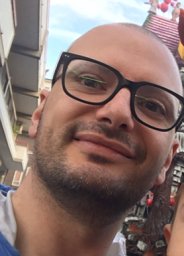 Francesco Lena合作论文数1
 Chandan H Suresh合作论文数1Skias Demetrios合作论文数1
 Kashinath Metri合作论文数Divison of Yoga and Life Sciences, Swami Vivekananda Yoga Anusandhana Samsthana (S-VYASA) University1
 Karuna Datta合作论文数hysiology, Base Hospital1
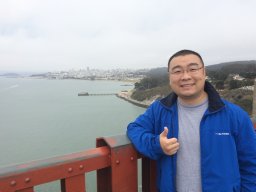 Bing Chen合作论文数Department of Physical Therapy, University of Illinois at Chicago1
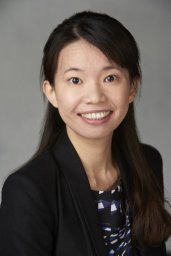 Liang Jing Nong合作论文数Feinberg School of Medicine, Northwestern University1
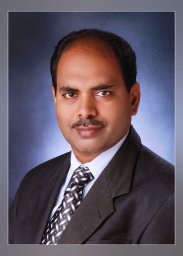 N Manikandan合作论文数1
 Thennarasu Kandavel合作论文数Department of Biostatistics, National Institute of Mental Health and Neurosciences1
 Susan L Whitney合作论文数1Kumar R. Sendhil合作论文数1B. R. Usha合作论文数1
 Joseph Roche合作论文数Department of Physiology, University of Maryland1




