Zakat constitutes a fundamental pillar of the Islamic economic framework, functioning as a vital mechanism for the equitable redistribution of wealth to disadvantaged groups, particularly the poor and other designated recipients (asnaf). Despite its centrality, zakat institutions in many Muslim societies face challenges in maximising its potential as an instrument of socio-economic transformation, particularly in addressing contemporary crises such as poverty, inequality, and economic instability. This study examines the role of zakat as a strategic tool for sustainable poverty alleviation and economic resilience. Employing a qualitative research design through document analysis of classical fiqh texts, contemporary scholarly works, and policy reports, the study evaluates how zakat can be systematically mobilised to respond to modern socio-economic challenges. The findings highlight that zakat, when effectively managed and integrated into national economic strategies, not only fulfils religious obligations but also mitigates wealth disparities, empowers recipients through continuous financial and material support, and serves as a stabilising force during economic downturns. This study contributes to the literature by framing zakat as both a spiritual duty and a socioeconomic policy instrument, offering insights for policymakers and zakat institutions to strengthen its implementation in promoting inclusive development and social cohesion within the Muslim ummah.
Maqasid Shari'ah is a concept that has developed alongside other branches of Islamic knowledge and it is often discussed and applied across various aspects of life. Maqasid Shari'ah has evolved through continuous discussions and scholarly discourse into a distinct field of study shaped by dynamic intellectual ideas. This has led to growing interest in the subject, making it an emerging phenomenon in academic research. This study aimed to examine articles related to Maqasid Shari'ah appearing in the Scopus database. Several questions were addressed pertaining to current publication trends and the distribution of Maqasid Shari'ahrelated studies as well as the characteristics of research collaboration among scholars in this field and the background of their affiliations. The objectives of this study are to identify the growth and distribution of Maqasid Shari'ah research and to analyze the nature of researcher collaborations in this field. It applied a bibliometric analysis involving 315 documents found in the Scopus database that discussed Maqasid Shari'ah. Findings indicate a steady increase in the number of publications, international collaborations, and the expansion of the research scope across various contemporary disciplines,such as Islamic finance, education and social development
This study examines how Maqasid Shariah principles influence the evolving discourse on Islamic financial technology (FinTech) at the global level. Based on 397 Scopus-indexed publications from 2019 to 2023, the study employs analytical mapping to explore publication trends, thematic developments, and international collaborations. The findings reveal a surge of scholarly attention between 2019 and 2021, followed by a slight decline, with Malaysia identified as the most active contributor. Six key thematic clusters emerged-covering crowdfunding, blockchain, digital assets, and Islamic banking- indicating a gradual shift of Maqasid Shariah from theoretical discussions to practical applications. Conceptually, Maqasid is framed not only as an ethical compass but as a normative and epistemological foundation that integrates Shariah, economics, and technology. Practically, the study offers insights for policymakers and industry players to align digital finance with justice, transparency, and inclusivity while contributing to broader global agendas such as the SDGs and ESG. Although limited to Scopus data, the study encourages further qualitative and comparative inquiries to deepen understanding of Maqasid implementation and strengthen the development of ethical and sustainable Islamic FinTech ecosystems.
One of the essential conditions for the validity of prayer (solat) in Islam is that it must be performed within the prescribed times based on the Quran and Hadith. Therefore, it is essential to accurately determine the specific start and end times for these prayers to ensure they are performed correctly. This study aims to identify and analyse the factors influencing prayer times at elevated locations and high-rise buildings, and to re-evaluate the times for Syuruk (sunrise) and Maghrib (sunset) at these locations, taking into account the factors affecting prayer times. Research was conducted at Pengkalan SKN312 Western Hill, Penang, for the western horizon (Maghrib time), and at Bukit Maras, Kuala Nerus, and Menara Kuantan 188, Pahang, for the eastern horizon (Syuruk time) at elevations of 813 m, 329 m, and 104 m, respectively. Data extrapolation methods based on observational data trends were employed. Additionally, simulations were generated using appropriate equations. The extrapolated field data for Maghrib indicated that at an elevation of 813m, the sunset occurs 3–4 minutes later. At an elevation of 104 m, sunrise occurs 1.2–1.3 minutes earlier, aligning with the sunrise times recorded in the Kuantan calendar. The study found that various methods for synthetic data simulation calculations were in agreement with one another and produced minimal errors. The calculated refraction value at sea level in Penang is 32 arc minutes. At an elevation of 100m, sunset occurs 1.384 minutes later, and at 813m, sunset occurs approximately 4 minutes later.
To achieve success in the science and technology of halal, numerous kinds of stakeholders, including academics, industry players, and governmental entities, are making a major contribution. Simultaneously, there exists an interest in the discipline of philosophy that includes the discourse on epistemology, ontology, and axiology. This aims to inhibit the publics comprehension of halal science, which is fundamentally factual and scientific. As a result, the fundamental framework for comprehending halal science is through the study of the Quran. This paper analyzes the concept of halal science as presented in the Quran. This literature study employs a systematic approach of Tafsir al-Mawduiyto delineate and then examine the terminology of halal science in the Quran. The study identified three principal topics of halal science terminology in the Quran: first, the truth of the natural worlds creation second, revelation as the foundation of knowledge and third, human ethics and values. These three themes are the philosophy of Islamic science that are the basic paradigm in facing the theoretical issues of the halal science industry.
Setiap individu yang beragama Islam perlu memiliki elemen berpegang teguh pada agama Allah SWT bagi mencapai kejayaan dalam bidang keusahawanan. Elemen berpegang teguh pada agama Allah SWT yang dimaksudkan adalah berkait rapat dengan konsep dua kalimah syahadah yang digariskan dalam agama Islam. Kejayaan yang dikecapi oleh usahawan wanita Muslim yang mengusahakan produk kesihatan sudah tentu mempunyai pelbagai cabaran dan terpaksa menempuhi segala rintangan dalam dunia perniagaan. Sungguh pun begitu, cabaran sebagai seorang usahawan Muslim berjaya bukan sahaja dilihat dari segi jumlah pendapatan dalam perniagaan semata-mata, namun perlu juga berpegang teguh kepada ajaran Islam. Persoalannya, bagaimanakah usahawan wanita Muslim yang mengusahakan produk kesihatan mampu berjaya dalam bidang keusahawanan? Adakah mereka sentiasa berpegang teguh dengan melaksanakan amalan keagamaan dalam kehidupan seharian? Oleh itu, artikel ini bertujuan mengkaji amalan-amalan yang dilaksanakan oleh usahawan wanita Muslim yang mengusahkan produk kesihatan di Malaysia. Bagi tujuan tersebut, artikel ini menggunakan kaedah kualitatif iaitu melalui temu bual bersama dengan 10 orang wanita Muslim yang berjaya dalam membangunkan produk kesihatan di Malaysia. Data yang didapati kemudiannya dianalisis dengan menggunakan kaedah analisis kandungan. Sebagai hasilnya, kajian ini mendapati usahawan wanita Muslim yang mengusahakan produk kesihatan di Malaysia melaksanakan amalan-amalan keagamaan dalam kehidupan seharian. Antara amalan yang diamalkan termasuklah pertama, mendirikan solat lima waktu; kedua, menunaikan zakat; ketiga, berpuasa di bulan Ramadan; keempat, menunaikan ibadah haji bagi yang berkemampuan; dan kelima, zuhud dalam kehidupan dengan melaksanakan amar makruf dan nahi mungkar. Every Muslim individual should be resolutely devoted to the religion of Allah SWT, or Islam, in order to achieve sustainable success in the field of entrepreneurship. The element of being resolutely devoted to Islam is closely related to the concept of the Syahadah (two words of Syahadah), as outlined in Islam. Successful Muslim women entrepreneurs dealing in health products undoubtedly face various challenges and have to overcome numerous obstacles that continuously surface in the business world. The challenge of being a successful Muslim entrepreneur is not only reflected in the amount of profit, but it is also necessary to be resolutely devoted to the teachings of Islam. Hence, how can Malaysian Muslim women entrepreneurs dealing in health products become successful? Do they always adhere to religious practices in their daily lives? This study aimed to examine the religious practices of Malaysian Muslim women entrepreneurs dealing in health products. This qualitative study employed the interview method for collecting data, which involved 10 successful Malaysian Muslim women entrepreneurs dealing in health products, and the data were then analysed using the content analysis method. Findings indicated that Malaysian Muslim women entrepreneurs dealing in health products do implement religious practices in their daily lives. Among the practices are performing the five mandatory daily prayers, paying zakah, fasting during the month of Ramadan, performing the Hajj (those who are able to and at least once in a lifetime) and living an ascetic (zuhd) lifestyle by observing the amar makruf and nahi munkar principle.
Fishermen still use knowledge-based astronomical phenomena in their fishing practices in this modern age. Several scholars were interested in this aspect, producing mixed results and formulating different perspectives. The diversity of these previous data and the differences in their perspectives have geared towards a need to review these past findings systematically. Therefore, established systematic literature is required as it provides advantages related to quality control and limits systematic bias by defining, screening and synthesising studies that address the research question. Hence, this study conducted a systematic literature review on how fishermen use their knowledge-based astronomical phenomena in their fisheries activities. This study relied on the review protocol-ROSES. Two main databases, Scopus and Google Scholar, and one supporting database, Dimensions, were used. Based on the thematic analysis, three main themes were identified and, thus, have further produced 11 sub-themes. Findings show that fishermen’s astronomical knowledge influences their fishery activities based on six elements; first, know the best time to catch an abundance of marine catches; second, know the best location to catch an abundance of marine catches; third, enable fishermen to assess the maturity of marine species; fourth, repeating astronomical phenomena produced a calendar to assist fishermen in carrying out fishery activities; fifth, guide the estimation time and safety for fishermen at sea; and sixth, guides fishermen on the most appropriate technique to use when carrying out fishery activities.
Epistemologi merupakan salah satu perbincangan hierarki ilmu yang membuktikan kekuatan rujukan dan sumber ilmu. Hal ini termasuklah bidang ilmu sains halal. Kemajuan bidang sains halal telah diberi tumpuan bagi memastikan seluruh manusia bagi mendapatkan manfaat produk halal semaksimum mungkin. Sebagai contoh, penghasilan makanan ubah suai genetik, bioteknologi moden tumbuhan dan penggunaan teknologi seperti stunning dan thoracic sticking untuk membantu pihak pengeluar rumah sembelih. Namun timbul persoalan, apakah kesan perkembangan sains dan teknologi tersebut memberi manfaat kepada manusia? Apakah epistemologi bagi bidang sains halal tersebut? Memandangkan isu ini melibatkan orang Islam maka kajiannya perlu dirujuk kepada Al-Quran. Oleh itu, makalah ini mempunyai dua objektif. Pertama, mengenal pasti konsep sains halal dan kedua menganalisis ayat-ayat Al-Quran terpilih mengenai epistemologi sains halal. Kajian secara kepustakaan ini mendapati terdapat ayat Al-Quran yang membincangkan kepentingan wahyu dalam sains halal. Secara tidak langsung wahyu juga menonjolkan keterbatasan akal manusia. Justeru manusia perlu kembali kepada Al-Quran sebagai rujukan utama di samping tidak menolak peranan akal manusia dalam menginterpretasikan masalah ummah. Namun kedudukan wahyu adalah yang tertinggi dalam epistemologi menurut Islam.
Islamic science must be used as a tool to find the truth and solutions to all problems that involve the needs of society as a whole and not just a part of it. The philosophy of Islamic science requires some principles and policies of Islam itself. It cannot be measured using modern scientific civilization. Islamic science also has many past scholar who are very critical, firm and with integrity in understanding nature. It also illustrates the greatness of the spiritual and intellectual elements of the Islamic discipline. Thus, this working paper carries two objectives. First of all, it seeks to identify the definition of philosophy of Islamic science and secondly, it intends to analyse the philosophy of Islamic science study trend. This library study reveals that the definition of Islamic science is more comprehensive than the modern counterpart. All of these carry the purpose of ensuring that the philosophy of Islamic science stays relevant from time to time.
This working paper intended to discuss the meaning of quality teachers according to Islam and the effect of quality teachers on education based on qalbu. The issue pertaining to quality teachers is frequently discussed by various parties, especially when there is a problem among students. One view states that teachers today are void of the quality and soul of an educator, which minimises the effects of the education agenda and aim at all levels. This situation leads two questions. First, what is the meaning of the quality of teachers according to the Islamic worldview? Second, how can the quality of teachers affect education based on qalbu? This study intended to answer these questions by adopting a qualitative method that used content analysis. The results show that quality of teachers is a priority in Islam according to Islamic worldview, which is based on revealed knowledge sourced from the al-Qur’an and al-Sunnah as well as views from scholars on Islamic education. It is intended to guarantee the success of education and have a direct affect on the success of the education agenda based on qalbu.
In the administration and development of the Malaysian nation-state, each prime minister has contributed and exhibited his distinct leadership style. Abdul Razak Hussein and Mahathir Mohamad’s contributions and leadership, especially in the nation-state’s development and modernisation, are well-recognised by Malaysians. They referred to Razak as the Development Father while Mahathir is known as the Father of Modernisation. Their leaderships’ effectiveness is also evident in their outstanding achievements based on the policies and actions during their tenure as the nation’s leaders. Therefore, this study aims to discuss the achievement-oriented aspects of Razak-Mahathir leadership in Malaysia’s nation-state development. A qualitative historical descriptive design was used as the research methodology where the primary source of this study was the texts of the two prime ministers’ speeches. These sources are qualitatively analysed to explore the qualities of leadership they practised to develop and modernise the country. The results showed that leadership qualities such as stimulating people’s intellectual capacity, motivating people, good planning, demonstrating influence, emphasising togetherness, emphasising good values, exhibiting firmness, demonstrating self-confidence, being considerate, envisioning the future and acknowledging people’s contribution were practised by Razak and Mahathir in conducting their duties as prime ministers. It showed that a country can achieve remarkable development and modernisation when it is led by leaders who incorporate the aforementioned leadership qualities. This study’s social implications are as follows: first, underlining the importance of achievement-oriented leadership that can inspire the people and the government to foster a steady national development and secondly, implying the essential roles of leaders in defining and shaping a suitable nation-state concept that should be adopted in a nation-state. This study innovatively introduces a leadership model framework based on Razak-Mahathir’s achievements during their administration. It gives an overview of their successful leadership styles in governing the country, which can be applied or practised by leaders or related parties with similar roles, aspirations and goals.
The qualitative data analysis is an important component in conventional research method (CRM) and also Islamic-based research Method (IBRM) methods. The qualitative data analysis method is inappropriate when used as an IBR method because it lacks elements of tasawur, epistemology and analytical tools. Hence, what is deficient in the qualitative data analysis method and is Islamic knowledge suitable as an Islamic-based qualitative research method. This study intended to identify the deficiencies in the qualitative data analysis method and review literature related to the use of Islamic knowledge as an Islamic-based qualitative research method. This qualitative study collected data from previous studies related to the Islamic-based research method and analysed the data using the dilalah analysis method. Findings show that methods in the usul al-fiqh, Hadith and tafsir, which are constituents of Islamic knowledge, should be highlighted as data analysis methods in Islamic-based research.
Each development process surely has its actors (development actors). In Islamic-based development theory and conventional development theory, humankind plays the role of a development actor. However, the role of humans as development actors in conventional development theory differs. So, what is the function of humans as development actors in conventional development theory? Is it consistent with the al-Qur’an? To answer both these questions, this working paper has two objectives, which is to identify the role of humans as development actors in conventional development theory and determine the function of humans as development actors based on the alQur’an. A library research on conventional development theory using the al-mawdhu’iy interpretation analysis method found that the humanistic role was solely confined to the physical and capability aspects, without considering the spiritual aspect. Therefore, the humanistic role in conventional development theory only considers the physical nature of humans or the pseudohuman perspective, which makes them “incomplete humans”, as it only refers to their physical strength as well as productive and cognitive capabilities. This clearly contradicts the function of humans according to the al-Qur’an, which is to be the subject and khalifah of Allah SWT.
Abstract This paper attempts to seek answers, Firstly, it intends to identify Jahiliyyah practices that are allegedly accepted and practiced in Islam. Secondly, to analyze the worldview of these Jahiliyyah-origin practices within an Islamic worldview construct. The analysis was based on selected practices of the Jahiliyyah that were adopted by Rasulullah SAW. This historiography study concludes that the similarities of these practices, if any, eventhough are similar to those practiced by the Jahiliyyah, were only restricted to its names and terms, while the structure and roots were revamped by Rasulullah SAW. The divine revelations received by Rasulullah SAW are proof that Islam is absolutely free from Jahiliyyah practices. The arguments used by those who advocate the use of conventional ideas to solve problems related to Islam are therefore, incorrect.
The existence of the Islamic pawnbroking scheme known as Ar-Rahnu is one form of microfinancing. This micro financing scheme (Ar Rahnu) provides a cash loan facility that is Syariah compliant,fast, and convenient compared to other financial institutions. This study intended to examine thedevelopment of micro financing (Ar-Rahnu) among several South East Asian countries (Malaysia,Indonesia, Brunei, and Thailand). It applied the document analysis method for collecting primary data, whilesecondary data were based on the history of financing in several South East Asian countries that hasimmensely helped the local community and fulfilled its needs. Findings show that Ar-Rahnu wasimplemented in Malaysia more than 20 years ago with the formation of Muasassah Gadaian IslamTerengganu (MGIT), followed by Permodalan Kelantan Berhad (PKB), Ar-Rahnu YaPEIM (YayasanPembangunan Ekonomi Islam Malaysia) and banking institutions, such as Ar-Rahnu Bank Rakyat, ArRahnu Agro Bank, Ar-Rahnu Bank Islam and many more. In Indonesia, Perum Pegadaian, which wasformed in 1990, manages pawnbroking services. It introduced an Islamic pawnbroking scheme known asAr-Rahn in 1999 and sent its staff to Malaysia to learn about the Ar-Rahnu scheme in Malaysia. In Brunei,the Ar-Rahnu scheme was introduced by Bank Islam Brunei Berhad (BIBD) in 1996 with the aim of helpingsociety to receive financial assistance faster and in a Syariah-compliant manner. Whereas in Thailand, theIslamic Savings Cooperative of Pattani Limited, which was formed in 1987, had implemented Syariahcompliant financial principles. The society’s warm response there shows that the financing scheme (ArRahnu) has been welcomed by the local population.
This study aims analyze the potential of attractions in Madura to become sharia tourism destinations. Next will measure the level of community readiness and development strategies for Islamic tourism in Madura. To analyze the potential of sharia tourism objects, they use observational analysis and public perceptions about the suitability of tourism objects with sharia tourism. As for the analysis of the development of Islamic tourism on the island of Madura using the Analytical Hierarchy Process method. The results showed that, Madura has the potential to become a sharia tourist destination, because has a potential tourist attraction to be developed into an Islamic tourist attraction. Second , the Madurese people already have an understanding of sharia tourism, this will be a big capital for Madura to become sharia tourism destinations in Indonesia. Citizen Branding Strategy can be a top priority in efforts to develop Islamic tourism on the island of Madura.
Living in the city may be seen as an effort to get a job, place of residence and job opportunities in addition to a lucrative salary. However, to what extent is this true. Therefore, this study will describe the issues and challenges faced by urban residents in major cities in Malaysia such as George Town, Ipoh, Kuala Lumpur and Johor Bahru. The challenges and issues discussed also give a true picture of the situation of the urban population in selected major cities in Malaysia. In fact, an in-depth description and scrutiny of the issues and challenges of the population in these major cities can be used as a guide to stakeholders in thinking of solutions to the issues and challenges currently facing the urban population, especially in major cities such as George Town, Ipoh. , Kuala Lumpur and Johor Bahru. Indirectly, it can provide a solution to the issues that arise among the urban population, especially those living in major cities in Malaysia.
Dense technology development nowadays leads to various new issues especially in the law determination. Most of the problems have never happened before; in fact they have never been discussed in details in the books of fiqh previously. Moreover, the qualification of a mufti is usually in their main field which is in sharia studies. In encountering the problems, fatwa institution becomes the most affected body due to its role to solve the problems from the aspect of religion. Therefore, fatwa institutions in Malaysia need to take appropriate actions to get along with technology progress. This article intends to see the challenges faced by fatwa institutions in Malaysia and resolving measures executed to solve problems happening due to the technology development. This article is divided into two objectives. First, the roles of fatwa institutions in Malaysia. Second, the challenges and solutions performed by fatwa institutions to problems regarding technology. This study used documentation method to collect data. Those data then were analysed through content analysis method. The study found that there are two main institutions functioning to solve fatwa problems in Malaysia which are Department of Islamic Development Malaysia (JAKIM) and state fatwa institutions throughout Malaysia. These institutions are assisted by governmental and non-governmental bodies in ensuring the resolution of rising religious problems in Malaysia. The study also found that there are many problems faced Muslim community in Malaysia due to technology development including modern medicine, information technology and others. To handle these problems, fatwa institutions in Malaysia has done a lot of efforts to solve them according to Islamic perspective including by strengthening the methodology of contemporary fatwa research, organising fatwa discussion in group and appointing the experts of related fields.
Philosophy of science in general is divided into three types, which is natural science, social sciences and applied sciences. In fact there are also Islamic scholars who place the science of tauhid as the main factor for avoiding the modern science’s thought such as saintism, rationalism and empiricism and that can effect the philosophy of Islamic science. This includes the field of halal science which is a branch of philosophy of Islamic science. Furthermore, the impacts of science and technology on the theory and application of halal science has led to some polemics in the community including genetically modified food (GMF), biotechnology risk in plants, halal slaughtering using machines, wool or lecithin based on animal or human resources, the use of elements pigs and derivatives in various products, alcohol (alcohol and ethanol) in food and more. Hence, research on philosophy of halal science is important. Therefore, this article has three objectives. First, identify the philosophy of halal science. Second; analyze the verses of the Quru0027an on the philosophy of halal science and the third; to build the philosophy of halal science based on the Quru0027an which is the main source and remains relevant. This literature study found that there are three important elements that must exist in the philosophy of halal science namely tauhid as the main support, wahyu as a reference source and third role and values of humankind in the philosophy of Islamic science in managing and using halal science products. Keywords : Philosophy , Islam ic science , halal science , thematic exegesis
 Shahirah Said合作论文数10
 Zahri Hamat合作论文数University College Bestari7
 Wan Mohd Khairul Firdaus Wan Khairuldin合作论文数7
 Mohd Syahmir Alias合作论文数School of Humanities, Universiti Sains Malaysia6
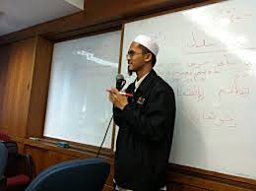 Shahir Akram Hassan合作论文数Centre for Islamic Development Management Studies, Universiti Sains Malaysia6
 Siti Mastura Muhammad合作论文数4
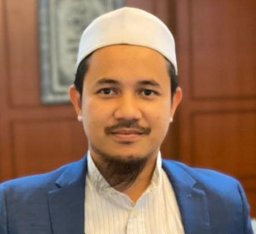 Abdul Hanis Embong合作论文数Univ Malaysia Terengganu3Yusma Fariza Yasin合作论文数2Nurul Farhana Yahaya合作论文数2Amir Mohd Nason合作论文数2
 Daud Ismail合作论文数Universiti Sultan Zainal Abidin2
 Wan Nur Izzati Wan Nor Anas合作论文数2Wan Norhaniza Wan Hasan合作论文数Universiti Sains Malaysia2Mohamad Ainuddin Iskandar Lee Abdullah合作论文数1
 Muhamad Helmy Sabtu合作论文数1Khairul azman Mohamad合作论文数1Shahrul Suhaimi合作论文数1Mohammad Noor Asyraf Bin Mohammad Fadhil合作论文数1
 Zurina Ismail合作论文数1Noor Alyani Nor Azazi合作论文数1Nur Aida Athirah Sulaiman合作论文数1Sutikno Sutikno合作论文数1
 Khairul Azhar Meerangani合作论文数Universiti Teknologi MARA1
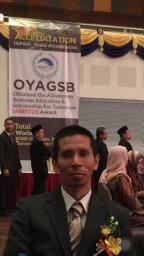 solahuddin abdul hamid合作论文数Coll Arts & Sci, Univ Utara Malaysia1
 Siti SARAH Binti Izham合作论文数Academy Of Contemporary Islamic Studies (ACIS),, Universiti Teknologi MARA1
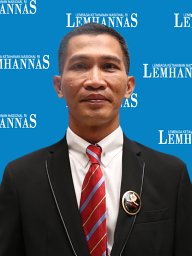 Caturida Meiwanto Doktoralina合作论文数Universitas1
 Azreen Hamiza Abdul Aziz合作论文数1
 Shereeza Mohamed Saniff合作论文数1
 Lutfan Jaes合作论文数Ctr Gen Studies & Cocurricular, Univ Tun Hussein Onn Malaysia1Nur Azwin Ismail合作论文数School of Physics, Universiti Sains Malaysia1Nurul Aimi Razali合作论文数1
 Muhammad Fuad Othman合作论文数Asian Inst Int Affairs & Diplomacy, Univ Utara Malaysia1
 R. B. Radin Firdaus合作论文数Sch Social Sci, Univ Sains Malaysia1
 Mohamad Shaharudin Samsurijan合作论文数Dev Planning & Management, Univ Sains Malaysia1
 Roslan Umar合作论文数East Coast Environm Res Inst ESERI, Univ Sultan Zainal Abidin1
 Kizito Uyi Ehigiamusoe合作论文数University of Southampton Malaysia1Hayrol Azril Mohamed Shaffril合作论文数1




