Copepodamides are N-acyl taurines isolated from copepods─the most abundant zooplankton on Earth and the main link between phytoplankton primary production and higher trophic levels. They act as interspecific alarm cues in marine plankton, as prey cells sensing copepodamides respond by launching defensive traits including toxin production, bioluminescence, and morphological changes to reduce predation risk, contributing to large-scale processes such as harmful algal bloom (HAB) formation. Here, we summarize research on copepodamides since their discovery in 2015 and outline current challenges and future opportunities. To date, 41 copepodamides have been identified from marine and freshwater copepods, and 21 marine protist taxa─including several abundant HAB-forming species─have been shown to respond to these cues. In situ measurements of copepodamides have been proposed to improve precision and lead time in HAB forecasting models, and their potential to increase yields of natural products in bioreactors warrants further investigation. Copepodamides provide a powerful framework for quantifying the costs and benefits of inducible defenses in phytoplankton. The widespread occurrence of copepodamides across aquatic habitats highlights the relevance of copepodamide signaling in HAB dynamics and marine food web interactions.
Retinopathy of prematurity (ROP) is a neurovascular retinal disease affecting extremely preterm infants (<28 weeks' gestational age), and links between early lipid metabolism and ROP are unclear. We investigated whether the lipid mediator sphingosine-1-phosphate (S1P) and its carrier apolipoprotein M (ApoM) are associated with ROP and parenteral nutrition in preterm infants. In this multicenter cohort, extremely preterm infants were grouped by ROP outcome: no ROP (n = 72) or any ROP (n = 105). Serum was collected at birth and longitudinally to postnatal day 100. S1P was quantified by LC-MS/MS and ApoM by proximity extension assay. Associations between first month mean parenteral fluid intake, S1P, ApoM, and ROP were analyzed using logistic regression; log-normal linear regression was applied to continuous outcomes, adjusting for gestational age and LCPUFA supplementation. Results showed that serum S1P and ApoM were positively correlated (r = 0.53, 95% confidence interval [CI] = 0.50-0.56). Higher first-month parenteral fluid intake was associated with lower S1P and ApoM (per 50 ml/kg/day increase, geometric mean ratio = 0.84, 95% CI = 0.79-0.88 for S1P; 0.97, 95% CI = 0.96-0.98 for ApoM; both P < 0.001). Higher mean S1P in the first month was associated with reduced odds of any ROP (per 0.1 μmol/l increase, adjusted odds ratio = 0.84; 95% CI = 0.71-0.99; P = 0.037). Mean ApoM was associated with ROP only in unadjusted analyses. In conclusion, low S1P and ApoM levels were linked to high parenteral fluid exposure and ROP development, suggesting that infants with high parenteral nutrition requirements may be particularly vulnerable to S1P-ApoM depletion, supporting this pathway as a potential therapeutic target.
BACKGROUND AND AIMS:Water availability is the most limiting factor for global agricultural productivity. Rain-fed smallholder farming common to sub-Saharan Africa is particularly sensitive to unpredictable precipitation patterns and periods of drought - issues that are projected to be exacerbated by ongoing climate change. Common bean (Phaseolus vulgaris) is widely cultivated in East Africa and represents an important source of protein, carbohydrates, micronutrients and income for smallholder agriculture. Bean water-use traits and productivity responses to water limitation are thus of great importance. In this study we sought to investigate the genetic variation of water-use traits and responses to terminal drought among Rwandan landraces and improved cultivars of common bean. METHODS:Eighteen landraces and twelve improved cultivars were cultivated under realistic field conditions and evaluated for physiological traits related to water use, phenological properties, and effects of terminal drought treatment. KEY RESULTS:Considerable genetic variation was detected across landraces and improved cultivars for all investigated traits. There was a strong negative correlation between yield and intrinsic water-use efficiency. High yielding cultivars demonstrated low water-use efficiency. There was, however, also notable variation in this relationship, with some cultivars combining water-conserving properties and high productivity. Phenological data indicated a positive relationship between productivity and time to maturity. The lack of a consistent association between water-use traits and drought responses demonstrates that traits for drought avoidance and tolerance are genetically distinct and regulated separately. CONCLUSIONS:Our results demonstrate a large degree of genetic variation and highlight the possibility of combining traits for water economy and drought tolerance while maintaining yield in common bean. The contrasting genotypes reported in this study could be used for genetic mapping of genomic regions and cultivars combining high grain yield with moderate water use and moderate tolerance to drought are suggested for future breeding efforts.
Climate warming increases the risk of harmful leaf temperatures in terrestrial plants, particularly in tropical tree species that have evolved in warm and thermally stable environments. We examined heat tolerance thresholds of photosynthetic light reactions in sun-exposed leaves of 12 tropical montane tree species with different strategies for growth and water use. Leaf chlorophyll a fluorescence, gas exchange, morphology and thylakoid membrane lipid composition were measured at three common gardens along an elevation and temperature gradient in Rwanda. Tree species with traits predisposing them to higher leaf temperatures, such as lower stomatal conductance and large leaves, had higher photosynthetic heat tolerance, but narrower thermal safety margins (TSMs). Photosynthetic heat tolerance partially acclimated to increased growth temperature, increasing by 0.31°C on average for every 1°C increase in growth temperature. Thus, TSMs were narrower for trees grown at the warmer sites. Heat tolerance and its acclimation were linked to the adjustment of thylakoid membrane lipid composition. Moreover, TSMs were larger in species with high leaf mass per area. Our results show that (i) leaf temperature is more important than heat tolerance in controlling interspecific variation in TSMs, and that (ii) tropical trees have limited ability to thermally acclimate to increasing temperatures.
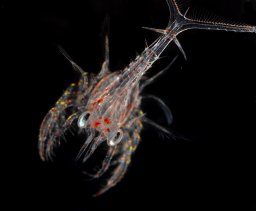
Marine copepods, the most abundant animals in the global ocean, imprint their surrounding waters with chemical cues, called copepodamides. Copepodamides induce defensive traits such as toxin production, bioluminescence, and colony size plasticity in a variety of marine phytoplankton. The role of copepodamides in freshwater ecosystems is, however, unknown. Here we report the consistent presence of copepodamides in copepods from six Swedish freshwater lakes. Copepodamide concentrations in freshwater copepods are similar to those of marine copepods, around 0.1 ppt of dry mass in millimetre sized individuals. The composition substantially overlaps with marine copepodamides but is also distinctly different. Marine copepods commonly contain both subgroups of copepodamides, the copepodamides (CA) and the dihydro-copepodamides (dhCA), whereas freshwater copepods are dominated by the dhCAs. Taxonomic groups had consistent copepodamide profiles across sampling sites and timepoints, supporting the presence of species-specific copepodamide signatures. We describe 10 new copepodamide structures, four of which were found exclusively in freshwater copepods. The presence of copepodamides in limnic copepods also warrants studies into their potential function as predator alarm cues in freshwater systems.
Context:Neurodevelopmental impairments are common among survivors of extremely preterm birth, particularly in males. Hyperactivation of the hypothalamic-pituitary-gonadal (HPG) axis has been suggested as an underlying cause, but this has been poorly investigated. Objective:Establish levels and temporal changes in circulating androgens in extremely preterm infant males. Methods:Observational cohort study analyzing cord blood serum (n = 25) and postnatal plasma (n = 13) collected from day 0 until week 11 from infant males born at 22.8-27.9 weeks gestational age. Testosterone and dihydrotestosterone (DHT) were determined using gas chromatography mass spectrometry, sex hormone-binding globulin (SHBG) with an enzyme-linked immunosorbent assay, and follicle-stimulating hormone (FSH) and luteinizing hormone (LH) with the Luminex xMAP multiplex assay. Results:Testosterone and DHT levels were higher on day 0 (median 4.27 and 0.30 ng/mL) than in cord blood (0.15 and 0.01 ng/mL) (P < .001 for both). Levels of the hormones then declined rapidly until day 5 (median 0.16 and 0.12 ng/mL), then remained relatively constant throughout the study period. Median levels of testosterone and DHT across the whole study period were approximately 6-fold higher than reported in utero levels. FSH and LH showed similar postnatal patterns as the androgens. SHBG steadily increased over time, and, as a result, the fraction of bioavailable testosterone declined with infant postnatal age. Conclusion:The HPG axis is activated immediately after birth in extremely preterm infant males, resulting in an androgen pulse occurring several months earlier than during a normal pregnancy. The long-term implications of high androgen exposure during a sensitive neurodevelopmental period warrant further studies.
There is an increasing interest in algae-based biomass produced outdoors in natural and industrial settings for biotechnological applications. To predict the yield and biochemical composition of the biomass, it is important to understand how the transcriptome of species and strains of interest is affected by seasonal changes. Here we studied the effects of Nordic winter and summer on the transcriptome of two phytoplankton species, namely the diatom Skeletonema marinoi (Sm) and the eustigmatophyte Nannochloropsis granulata (Ng), recently identified as potentially important for biomass production on the west coast of Sweden. Cultures were grown in photobioreactors in simulated Nordic summer and winter, and the gene expression in two phases was quantified by Illumina RNA-sequencing. Five paired comparisons were made among the four conditions. Sm was overall more responsive to seasons since 70 % of the total transcriptome (14,783 genes) showed differential expression in at least one comparison as compared to 1.6 % (1403 genes) for Ng. For both species, we observed larger differences between the seasons than between the phases of the same season. In summer phase 1, Sm cells focused on photosynthesis and polysaccharide biosynthesis. Nitrate assimilation and recycling of intracellular nitrogen for protein biosynthesis were more active in summer phase 2 and throughout winter. Lipid catabolism was upregulated in winter relative to summer to supply carbon for respiration. Ng favored lipid accumulation in summer, while in winter activated different lipid remodeling pathways as compared to Sm. To cope with winter, Ng upregulated breakdown and transport of carbohydrates for energy production. Taken together, our transcriptome data reveal insights into adaptive seasonal responses of Sm and Ng important for biotechnological applications on the west coast of Sweden, but more work is required to decipher the molecular mechanisms behind these responses.
Land plants evolved multiple adaptations to restrict transpiration. However, the underlying molecular mechanisms are not sufficiently understood. We used an ozone-sensitivity forward genetics approach to identify Arabidopsis thaliana mutants impaired in gas exchange regulation. High water loss from detached leaves and impaired decrease of leaf conductance in response to multiple stomata-closing stimuli were identified in a mutant of MURUS1 (MUR1), an enzyme required for GDP-l-fucose biosynthesis. High water loss observed in mur1 was independent from stomatal movements and instead could be linked to metabolic defects. Plants defective in import of GDP-l-Fuc into the Golgi apparatus phenocopied the high water loss of mur1 mutants, linking this phenotype to Golgi-localized fucosylation events. However, impaired fucosylation of xyloglucan, N-linked glycans, and arabinogalactan proteins did not explain the aberrant water loss of mur1 mutants. Partial reversion of mur1 water loss phenotype by borate supplementation and high water loss observed in boron uptake mutants link mur1 gas exchange phenotypes to pleiotropic consequences of l-fucose and boron deficiency, which in turn affect mechanical and morphological properties of stomatal complexes and whole-plant physiology. Our work emphasizes the impact of fucose metabolism and boron uptake on plant-water relations.
Marine copepods, the most abundant group of zooplankton in the worlds oceans, imprint their surrounding waters with chemical cues, called copepodamides. Copepodamides induce defensive traits such as toxin production, bioluminescence, and colony size plasticity in a variety of marine phytoplankton. The role of copepodamides in freshwater ecosystems is, however, unknown. Here we report the consistent presence of copepodamides in copepods from six Swedish lakes. Copepodamide concentrations in freshwater copepods are similar to those of marine copepods, around 0.1 ppt of dry mass in millimetre sized individuals. The composition substantially overlaps with marine copepodamides but is also distinctly different. Freshwater copepods are largely dominated by one of the two subgroups of copepodamides, the dihydro-copepodamides, whereas marine copepods more commonly contain representatives from both subgroups. We describe 10 new copepodamide structures, four of which only found in freshwater copepods. Taxonomic groups had consistent copepodamide profiles across sampling sites and timepoints, supporting the presence of species specific copepodamide signatures. The presence of copepodamides in freshwater environments warrants study into their potential function as predator alarm cues also in freshwater systems.
Background & aim: Preterm infants risk deficits of long-chain polyunsaturated fatty acids (LCPUFAs) that may contribute to morbidities and hamper neurodevelopment. We aimed to determine longitudinal serum fatty acid profiles in preterm infants and how the profiles are affected by enteral and parenteral lipid sources. Methods: Cohort study analyzing fatty acid data from the Mega Donna Mega study, a randomized control trial with infants born <28 weeks of gestation (n = 204) receiving standard nutrition or daily enteral lipid supplementation with arachidonic acid (AA):docosahexaenoic acid (DHA) (100:50 mg/kg/day). Infants received an intravenous lipid emulsion containing olive oil:soybean oil (4:1). Infants were followed from birth to postmenstrual age 40 weeks. Levels of 31 different fatty acids from serum phospholipids were determined by GC-MS and reported in relative (mol%) and absolute concentration (mmol l-1) units. Results: Higher parenteral lipid administration resulted in lower serum proportion of AA and DHA relative to other fatty acids during the first 13 weeks of life (p < 0.001 for the 25th vs the 75th percentile). The enteral AA:DHA supplement increased the target fatty acids with little impact on other fatty acids. The absolute concentration of total phospholipid fatty acids changed rapidly in the first weeks of life, peaking at day 3, median (Q1-Q3) 4452 (3645-5466) mmol l-1, and was positively correlated to the intake of parenteral lipids. Overall, infants displayed common fatty acid trajectories over the study period. However, remarkable differences in fatty acid patterns were observed depending on whether levels were expressed in relative or absolute units. For example, the relative levels of many LCPUFAs, including DHA and AA, declined rapidly after birth while their absolute concentrations increased in the first week of life. For DHA, absolute levels were significantly higher compared to cord blood from day 1 until postnatal week 16 (p < 0.001). For AA, absolute postnatal levels were lower compared to cord blood from week 4 throughout the study period (p < 0.05). Conclusions: Our data show that parenteral lipids aggravate the postnatal loss of LCPUFAs seen in preterm infants and that serum AA available for accretion is below that in utero. Further research is needed
Intense red colours in birds are often owing to ketocarotenoids (KCs). In many land birds, KCs are oxidized from dietary yellow precursors, presumably by the avian carotenoid ketolase CYP2J19, the regulation and constraints of which have important implications for condition-dependence and honest signalling of carotenoid colour displays. We investigated hepatic CYP2J19 gene expression in the seasonally and sexually dichromatic southern red bishop (Euplectes orix) in relation to season, sex, progression of the prenuptial moult, testis size, body condition, redness and circulating sex steroids. A coloration function of CYP2J19 is supported by a seasonal upregulation prior to and during the carotenoid-depositing stage of the male prenuptial moult. However, CYP2J19 expression was similarly high in females (which do not moult prenuptially), and remained high in males after moult, suggesting additional or alternative roles of hepatic CYP2J19 or its products, such as detoxification or antioxidant functions. In males, the CYP2J19 upregulation preceded and was unrelated to the rise in plasma testosterone, but was correlated with androstenedione, probably of adrenal origin and compatible with luteinizing hormone-induced and (in females) oestrogen-suppressed moult. Finally, contrary to ideas that carotenoid ketolation rate mediates honest signalling of male quality, CYP2J19 expression was not related to plumage redness or male body condition.
A local strain of Nannochloropsis granulata (Ng) has been reported as the most productive microalgal strain in terms of both biomass yield and lipid content when cultivated in photobioreactors that simulate the light and temperature conditions during the summer on the west coast of Sweden. To further increase the biomass and the biotechnological potential of this strain in these conditions, mixotrophic growth (i.e., the simultaneous use of photosynthesis and respiration) with glycerol as an external carbon source was investigated in this study and compared with phototrophic growth that made use of air enriched with 1–2% CO2. The addition of either glycerol or CO2-enriched air stimulated the growth of Ng and theproduction of high-value long-chain polyunsaturated fatty acids (EPA) as well as the carotenoid canthaxanthin. Bioassays in human prostate cell lines indicated the highest antitumoral activity for Ng extracts and fractions from mixotrophic conditions. Metabolomics detected betaine lipids specifically in the bioactive fractions, suggesting their involvement in the observed antitumoral effect. Genes related to autophagy were found to be upregulated by the most bioactive fraction, suggesting a possible therapeutic target against prostate cancer progression. Taken together, our results suggest that the local Ng strain can be cultivated mixotrophically in summer conditions on the west coast of Sweden for the production of high-value biomass containing antiproliferative compounds, carotenoids, and EPA.
The effect of temperature change on leaf physiology has been extensively studied in temperate trees and to some extent in boreal and tropical tree species. While increased temperature typically stimulates leaf CO2 assimilation and tree growth in high-altitude ecosystems, tropical species are often negatively affected. These trees may operate close to their temperature optima and have a limited thermal acclimation capacity due to low seasonal and historical variation in temperature. To test this hypothesis, we studied the extent to which the temperature sensitivities of leaf photosynthesis and respiration acclimate to growth temperature in four common African tropical tree species. Tree seedlings native to different altitudes and therefore adapted to different growth temperatures were cultivated at three different temperatures in climate-controlled chambers. We estimated the acclimation capacity of the temperature sensitivities of light-saturated net photosynthesis, the maximum rates of Rubisco carboxylation (V-cmax) and thylakoid electron transport (J), and dark respiration. Leaf thylakoid membrane lipid composition, nitrogen content and leaf mass per area were also analyzed. Our results showed that photosynthesis in tropical tree species acclimated to higher growth temperatures, but that this was weakest in the species originating from the coolest climate. The temperature optimum of J acclimated significantly in three species and variation in J was linked to changes in the thylakoid membrane lipid composition. For V-cmax, there was only evidence of significant acclimation of optimal temperature in the lowest elevation species. Respiration acclimated to maintain homeostasis at growth temperature in all four species. Our results suggest that the lowest elevation species is better physiologically adapted to acclimate to high growth temperatures than the highest elevation species, indicating a potential shift in competitive balance and tree community composition to the disadvantage of montane tree species in a warmer world.
Warming climate increases the risk for harmful leaf temperatures in terrestrial plants, causing heat stress and loss of productivity. The heat sensitivity may be particularly high in equatorial tropical tree species adapted to a thermally stable climate. Thermal thresholds of the photosynthetic system of sun-exposed leaves were investigated in three tropical montane tree species native to Rwanda with different growth and water use strategies (Harungana montana, Syzygium guineense and Entandrophragma exselsum). Measurements of chlorophyll fluorescence, leaf gas exchange, morphology, chemistry and temperature were made at three common gardens along an elevation/temperature gradient. Heat tolerance acclimated to maximum leaf temperature (Tleaf ) across the species. At the warmest sites, the thermal threshold for normal function of photosystem II was exceeded in the species with the highest Tleaf despite their higher heat tolerance. This was not the case in the species with the highest transpiration rates and lowest Tleaf . The results point to two differently effective strategies for managing thermal stress: tolerance through physiological adjustment of leaf osmolality and thylakoid membrane lipid composition, or avoidance through morphological adaptation and transpiratory cooling. More severe photosynthetic heat stress in low-transpiring montane climax species may result in a competitive disadvantage compared to high-transpiring pioneer species with more efficient leaf cooling.
At Nordic latitudes, year-round outdoor cultivation of microalgae is debatable due to seasonal variations in productivity. Shall the same species/strains be used throughout the year, or shall seasonal-adapted ones be used? To elucidate this, a laboratory study was performed where two out of 167 marine microalgal strains were selected for intended cultivation at the west coast of Sweden. The two local strains belong to Nannochloropsis granulata (Ng) and Skeletonema marinoi (Sm142). They were cultivated in photobioreactors and compared in conditions simulating variations in light and temperature of a year divided into three growth seasons (spring, summer and winter). The strains grew similarly well in summer (and also in spring), but Ng produced more biomass (0.225 vs. 0.066 g DW L-1 day(-1)) which was more energy rich (25.0 vs. 16.6 MJ kg(-1) DW). In winter, Sm142 grew faster and produced more biomass (0.017 vs. 0.007 g DW L-1 day(-1)), having similar energy to the other seasons. The higher energy of the Ng biomass is attributed to a higher lipid content (40 vs. 16% in summer). The biomass of both strains was richest in proteins (65%) in spring. In all seasons, Sm142 was more effective in removing phosphorus from the cultivation medium (6.58 vs. 4.14 mg L-1 day(-1) in summer), whereas Ng was more effective in removing nitrogen only in summer (55.0 vs. 30.8 mg L-1 day(-1)). Our results suggest that, depending on the purpose, either the same or different local species can be cultivated, and are relevant when designing outdoor studies.
Background Docosahexaenoic acid (DHA) and arachidonic acid (AA) are important for fetal brain growth and development. Our aim was to evaluate the association between serum DHA and AA levels and brain volumes in extremely preterm infants. Methods Infants born at <28 weeks gestational age in 2013–2015, a cohort derived from a randomized controlled trial comparing two types of parenteral lipid emulsions, were included ( n = 90). Serum DHA and AA levels were measured at postnatal days 1, 7, 14, and 28, and the area under the curve was calculated. Magnetic resonance (MR) imaging was performed at term-equivalent age ( n = 66), and volumes of six brain regions were automatically generated. Results After MR image quality assessment and area under the curve calculation, 48 infants were included (gestational age mean [SD] 25.5 [1.4] weeks). DHA levels were positively associated with total brain ( B = 7.966, p = 0.012), cortical gray matter ( B = 3.653, p = 0.036), deep gray matter ( B = 0.439, p = 0.014), cerebellar ( B = 0.932, p = 0.003), and white matter volume ( B = 3.373, p = 0.022). AA levels showed no association with brain volumes. Conclusions Serum DHA levels during the first 28 postnatal days were positively associated with volumes of several brain structures in extremely preterm infants at term-equivalent age. Impact Higher serum levels of DHA in the first 28 postnatal days are positively associated with brain volumes at term-equivalent age in extremely preterm born infants. Especially the most immature infants suffer from low DHA levels in the first 28 postnatal days, with little increase over time. Future research is needed to explore whether postnatal fatty acid supplementation can improve brain development and may serve as a nutritional preventive and therapeutic treatment option in extremely preterm infants.
BACKGROUND:Extremely preterm infants are at risk of developing retinopathy of prematurity (ROP) that can cause impaired vision or blindness. Changes in blood lipids have been associated with ROP. This study aimed to monitor longitudinal changes in the serum sphingolipidome of extremely preterm infants and investigate the relationship to development of severe ROP. METHODS:This is a prospective study that included 47 infants born <28 gestational weeks. Serum samples were collected from cord blood and at postnatal days 1, 7, 14, and 28, and at postmenstrual weeks (PMW) 32, 36, and 40. Serum sphingolipids and phosphatidylcholines were extracted and analyzed by LC-MS/MS. Associations between sphingolipid species and ROP were assessed using mixed models for repeated measures. RESULTS:The serum concentration of all investigated lipid classes, including ceramide, mono- di- and trihexosylceramide, sphingomyelin, and phosphatidylcholine displayed distinct temporal patterns between birth and PMW40. There were also substantial changes in the lipid species composition within each class. Among the analyzed sphingolipid species, sphingosine-1-phosphate showed the strongest association with severe ROP, and this association was independent of gestational age at birth and weight standard deviation score change. CONCLUSIONS:The serum phospho- and sphingolipidome undergoes significant remodeling during the first weeks of the preterm infant's life. Low postnatal levels of the signaling lipid sphingosine-1-phosphate are associated with the development of severe ROP.
IMPORTANCE Lack of arachidonic acid (AA) and docosahexaenoic acid (DHA) after extremely preterm birth may contribute to preterm morbidity, including retinopathy of prematurity (ROP). OBJECTIVE To determine whether enteral supplementation with fatty acids from birth to 40 weeks' postmenstrual age reduces ROP in extremely preterm infants. DESIGN, SETTING, AND PARTICIPANTS The Mega Donna Mega trial, a randomized clinical trial, was a multicenter study performed at 3 university hospitals in Sweden from December 15, 2016, to December 15, 2019. The screening pediatric ophthalmologists were masked to patient groupings. A total of 209 infants born at less than 27 weeks' gestation were tested for eligibility, and 206 infants were included. Efficacy analyses were performed on as-randomized groups on the intention-to-treat population and on the per-protocol population using as-treated groups. Statistical analyses were performed from February to April 2020. INTERVENTIONS Infants received either supplementation with an enteral oil providing AA (100mg/kg/d) and DHA (50mg/kg/d) (AA:DHA group) or no supplementation within 3 days after birth until 40 weeks' postmenstrual age. MAIN OUTCOMES AND MEASURES The primary outcomewas severe ROP (stage 3 and/or type 1). The secondary outcomes were AA and DHA serum levels and rates of other complications of preterm birth. RESULTS A total of 101 infants (58 boys [57.4%]; mean [SD] gestational age, 25.5 [1.5] weeks) were included in the AA:DHA group, and 105 infants (59 boys [56.2%]; mean [SD] gestational age, 25.5 [1.4] weeks) were included in the control group. Treatment with AA and DHA reduced severe ROP compared with the standard of care (16 of 101 [15.8%] in the AA:DHA group vs 35 of 105 [33.3%] in the control group; adjusted relative risk, 0.50 [95% CI, 0.28-0.91]; P =.02). The AA:DHA group had significantly higher fractions of AA and DHA in serum phospholipids compared with controls (overall mean difference in AA:DHA group, 0.82 mol% [95% CI, 0.46-1.18 mol%]; P <.001; overall mean difference in control group, 0.13 mol% [95% CI, 0.01-0.24 mol%]; P =.03). There were no significant differences between the AA:DHA group and the control group in the rates of bronchopulmonary dysplasia (48 of 101 [47.5%] vs 48 of 105 [45.7%]) and of any grade of intraventricular hemorrhage (43 of 101 [42.6%] vs 42 of 105 [40.0%]). In the AA:DHA group and control group, respectively, sepsis occurred in 42 of 101 infants (41.6%) and 53 of 105 infants (50.5%), serious adverse events occurred in 26 of 101 infants (25.7%) and 26 of 105 infants (24.8%), and 16 of 101 infants (15.8%) and 13 of 106 infants (12.3%) died. CONCLUSIONS AND RELEVANCE This study found that, compared with standard of care, enteral AA:DHA supplementation lowered the risk of severe ROP by 50% and showed overall higher serum levels of both AA and DHA. Enteral lipid supplementation with AA:DHA is a novel preventive strategy to decrease severe ROP in extremely preterm infants.
Quantitation of endogenous steroids and their precursors is essential for diagnosis of a wide range of endocrine disorders. Usually, these analyses have been carried out using immunoassays. However, immunoassays often overestimate concentrations due to assay interference by other endogenous steroids, especially for low concentrations. Mass spectrometry based methods offer superior specificity, accuracy, and sensitivity. We therefore present a liquid chromatography-tandem mass spectrometry (LC-MS/MS) method with automated sample preparation for determination of 17 alpha-hydroxyprogesterone (17OHP), cortisol, cortisone, dehydroepiandrosterone sulfate (DHEAS), androstenedione (A(4)), testosterone (T), and estrone sulfate (E1S). Samples were prepared using protein precipitation and 96-well filter plates, fully automated in a pipetting robot and analyzed by LC-MS/MS. Serum samples from 187 healthy children and adolescents aged 5-18 years were used to study hormone changes in relation to sex and pubertal stage. Lower limit of quantification for 17OHP was 0.7 nmol/L, for cortisol 11 nmol/L, for cortisone 2 nmol/L, for DHEAS 0.1 mu mol/L, and for A(4), T, and E1S, 0.2 nmol/L. This study showed a general increase in 17OHP, DHEAS, A(4), T and E1S in both genders during puberty. In boys, A(4)and T increased significantly throughout pubertal development. Girls had significantly higher A(4)and E1S concentrations, while boys had higher T concentrations. No sex- or puberty-specific differences were seen in cortisol or cortisone concentrations. To the best of our knowledge, this is the first presentation of changes in serum E1S concentrations during pubertal development in healthy children.
A simple and sensitive method to quantify five different arabidopsides by HPLC—ion trap mass spectrometry in complex plant samples was developed and validated. Arabidopsides are oxidized galactolipids first described in Arabidopsis thaliana but also produced by other plant species under stress conditions. External calibration was performed using arabidopsides purified from freeze-thawed Arabidopsis leaves. Lipids were extracted and pre-purified on an SPE silica column before HPLC–MS analysis. Arabidopsides were separated on a C18 column using a gradient of mQ water and acetonitrile:mQ water (85:15) supplemented with formic acid (0.2%) and ammonium formate (12 mM). The method was validated according to European commission decision 2002/657/CE. LOD, LOQ, linearity, intra-day and inter-day precision and accuracy, selectivity, matrix effects and recoveries were determined for the five metabolites. The established method is highly selective in a complex plant matrix. LOD and LOQ were, respectively, in the range 0.098–0.78 and 0.64–1.56 µM, allowing the arabidopside quantification from 25.6–62.4 nmol/g fresh weight. Calibration curve correlation coefficients were higher than 0.997. Matrix effects ranged from -2.09% to 6.10% and recoveries between 70.7% and 109%. The method was successfully applied to complex plant matrixes: Arabidopsis thaliana and Nasturtium officinale.
 Anders K Nilsson合作论文数24
 Ellerström Mats合作论文数13
 Ann Hellström合作论文数Department of Clinical Neuroscience, University of Gothenburg12
 Oskar N Johansson合作论文数11Anna Stina Sandelius合作论文数11Sävman Karin合作论文数10
 Per Fahlberg合作论文数Department of Biology and Environmental Sciences, University of Gothenburg Gothenburg10
 Lois E. H. Smith合作论文数Department of Ophthalmology, Harvard Medical School, Harvard University10
 Chatarina Lofqvist合作论文数Sahlgrenska Acad,, Univ Gothenburg9
 Erik Selander合作论文数Sven Loven Centre for Marine Sciences, University of Gothenburg8Gunnel Hellgren合作论文数Institute of Clinical Sciences, University of Gothenburg8
 Mats Hamberg合作论文数Institute of Environmental Medicine, Karolinska Institutet7
 Cornelia Spetea合作论文数Institute of Plant Physiology, Biological Research Center7
 Manon Genva合作论文数Gembloux Agro Bio Tech, Univ Liege6
 Carina Ankarberg-Lindgren合作论文数6
 Johan Uddling合作论文数Department of Plant and Environmental Sciences, Göteborg University6Jovanna Dahlgren合作论文数6Svetlana Najm合作论文数5
 Aldina Pivodic合作论文数5
 Laurence Lins合作论文数Be-Life5
 Marie-Laure Fauconnier合作论文数Unité de Chimie Générale et Organique, Faculté Universitaire des Sciences Agronomiques de Gembloux, Passage des Déportés 2, B-5030 Gembloux, Belgium5
 Magali Deleu合作论文数Université de Liège5
 Ulrika Sjobom合作论文数4
 Henrik Seth合作论文数Department of Biological and Environmental Sciences, University of Gothenburg4
 Anna Godhe合作论文数College of Fisheries, University of Agricultural Sciences4Anna-Lena Hård合作论文数4
 Eric Hanse合作论文数Department of Physiology, Goteborg University4
 Olga Kourtchenko合作论文数4
 Sreeramaiah N. Gangappa合作论文数3Susanne Ekendahl合作论文数3
 Maria Wittemann合作论文数3
 Magnus Holm合作论文数3
 Béla Böddi合作论文数Dept Plant Anat, Eotvos Lorand Univ3
 Dongqing Xu (许冬清)合作论文数College of Agriculture, Nanjing Agricultural University3
 Mats Topel合作论文数Dept Marine Sci, Univ Gothenburg3
 Nasir Mehmet Nail合作论文数Université de Lyon3
 Tarvainen Lasse合作论文数Department of Forest Ecology and Management, Swedish University of Agricultural Sciences (SLU),3
 Pia Lundgren合作论文数Institute of Neuroscience and Physiology, Sahlgrenska Academy at University of Gothenburg3
 Julia Kubanek合作论文数School of Chemistry and Biochemistry, College of Sciences, Georgia Institute of Technology;School of Biological Sciences, College of Sciences, Georgia Institute of Technology3
 Chamari Hettiarachchi合作论文数Department of Biological and Environmental Sciences, Gothenburg University3
 Xingwang Deng (邓兴旺)合作论文数School of Advanced Agricultural Sciences, Peking University;Department of Biology, SUSTech3
 Yan Jiang (姜岩)合作论文数School of Biology & Basic Medical Science, Soochow University3
 Jigang Li (李继刚)合作论文数College of Biological Sciences, China Agricultural University;State Key Laboratory of Plant Environmental Resilience, China Agricultural University3
 Goran Wallin合作论文数Dept Biol & Environm Sci, Univ Gothenburg3Tjellström Henrik合作论文数3David Ley合作论文数3Margareta Ryberg合作论文数3Johan Engelbrektsson合作论文数3N. Buhot合作论文数3




