Although the relationship between cirrhosis and hepatocellular carcinoma is well established, a growing body of evidence suggests patients with cirrhosis also face elevated risks of nonhepatic cancers (NHCs). Liver cirrhosis has been found to confer up to a two-fold increased risk for NHCs compared with the general population. Clinicians have limited guidance when treating patients with both NHCs and liver cirrhosis given there is a glaring paucity of data regarding optimal management strategies for this subset of patients. Hepatic dysfunction limits therapeutic and interventional approaches, alters the pharmacokinetics of common anticancer drugs, and increases the risk of side effects associated with anticancer treatment. Patients with well-compensated cirrhosis whose life expectancy is primarily determined by their NHC can be appropriate candidates for anticancer therapy with careful monitoring. Conversely, patients with decompensated cirrhosis should have their clinical focus shift toward managing liver-related complications or transitioning to palliative care because oncological treatment likely worsens overall prognosis. Prognostic models like Child-Pugh and Model for End-Stage Liver Disease scores can be used in a complementary fashion to identify appropriate patients and individualize treatment decisions. In this narrative review, we will examine the epidemiology of NHCs in patients with cirrhosis, the influence of hepatic dysfunction on therapeutic approaches, and the current strength of evidence on the safety and efficacy of common anticancer modalities in the setting of both compensated and decompensated cirrhosis.
Direct-acting antiviral therapies can cure most people with hepatitis C virus (HCV) infection with little need for testing or monitoring. A major challenge to eliminating HCV is ensuring patients complete all steps of care, including confirmation of cure. We assessed the concordance of sustained virologic response (SVR) at 4 weeks (SVR4) and 12 weeks (SVR12) post-treatment to evaluate the viability of SVR4 as a predictor of cure in patients treated with sofosbuvir (SOF)/velpatasvir (VEL). We conducted a retrospective analysis of patients from the Phase 3 ASTRAL-1, -2, and -3 programs and a historical cohort from the Louisiana Department of Health Sexually Transmitted Infection (STI)/HIV/Hepatitis Program claims database. Concordance analyses were performed for patients with both SVR4 and SVR12 data. The concordance analysis in the ASTRAL studies included 1015 patients; 1005 and 1002 achieved SVR4 and SVR12, respectively. Among SVR4 achievers, 3 failed to maintain SVR12, while all (10/10) patients who did not achieve SVR4 also failed SVR12. In the real-world cohort, 479/509 (94%) patients achieved SVR4 and 485/509 (95%) achieved SVR12. Of those with SVR4, 7 failed SVR12; 17 of 30 patients who did not achieve SVR4 also failed SVR12. High concordance between SVR4 and SVR12 was observed in both ASTRAL and the real-world dataset, supporting the use of SVR4 as a predictor of long-term SVR in patients with HCV infection treated with SOF/VEL. Streamlining cure confirmation by shifting SVR determination from week 12 to week 4 post-treatment may reduce patient loss to follow-up.
BACKGROUND:Hepatitis C Virus (HCV) in pregnancy has increased, leading to increased perinatally exposed infants. Although universal HCV screening in pregnancy is recommended, pediatric cases remain undiagnosed. We examine the cost-effectiveness of universal HCV screening among children at age 2 and 10, when other routine blood testing is recommended. METHODS:An HCV natural history Markov model evaluated the cost-effectiveness of universal HCV screening independently at ages 2 and 10 compared to the currently recommended risk-based screening of children born to those with HCV. Based on previous literature, we assumed a 0.05% pediatric HCV chronic prevalence (0.73% chronic prevalence among pregnant persons and 7.2% vertical transmission). In the status-quo scenario, we assumed 23% of children with prenatal HCV exposure were screened. We assessed costs (United States Dollar), quality-adjusted life years (QALYs), and the incremental cost-effectiveness ratio (ICER, $ per QALY gained) compared to a willingness-to-pay threshold (WTP) of $50 000/QALY. We explored parameter uncertainty, including pediatric HCV chronic prevalence and screening rates, in multiple sensitivity analyses. RESULTS:Universal HCV screening at age 2 was cost-effective (ICER = $8774/QALY gained) compared to the status-quo risk-based screening. The lowest pediatric HCV chronic prevalence in which universal screening remained cost-effective under a WTP of $50 000/QALY was 0.007%. At age 10, universal screening was cost-effective compared to risk-based screening (ICER = $4404/gained) and was cost-effective at the lowest HCV prevalence in children of 0.006%. Models at both age 2 and 10 were robust to sensitivity analyses. CONCLUSIONS:Universal HCV screening in childhood is cost-effective. Guidelines should consider recommending universal screening nationally, particularly if it can be conducted along with other routine pediatric blood draws.
BACKGROUND AND AIMS:Metabolic dysfunction-associated steatotic liver disease (MASLD) is the most prevalent chronic liver disease globally and a rising cause of cirrhosis, hepatocellular carcinoma, liver transplantation, cardiovascular events and impaired quality of life. In Romania, a 30-33% adult prevalence would correspond to approximately 4.5-5.1 million adults with MASLD, including an estimated 225,000-410,000 with the progressive phenotype of metabolic dysfunction-associated steatohepatitis (MASH) with fibrosis. In May 2026, a national multidisciplinary initiative was launched to support a coordinated response aligned with the World Health Assembly. draft resolution on steatotic liver disease. METHODS:The 3rd Romanian Forum of Metabolic Hepatology (Bucharest, 12 March 2026), co-hosted by Romanian Society of Gastroenterology and Hepatology (SRGH) and Romanian Association for Liver Diseases (RoALD), convened hepatology, primary care, metabolic, cardiovascular, renal, respiratory, ENT, transfusion medicine, public health, policy and patient representatives. Evidence, Romanian estimates, EASL-EASD-EASO 2024 guidance and policy documents were reviewed and refined into ten consensus statements. RESULTS:The statements address burden, nomenclature, policy gaps, MASLD phenotypes, metabolic dysfunction and alcohol-associated liver disease (MetALD), integration within the cardio-reno-hepato-metabolic/non-communicable diseases framework, fibrosis-4 index (FIB-4) based case-finding, cross-specialty prescribing, a Romanian clinical care pathway and a national action plan including quality-of-life outcomes and access to EU-approved resmetirom for eligible adults with non-cirrhotic MASH and F2-F3 fibrosis. CONCLUSIONS:This position paper provides a Romanian framework for MASLD prevention, detection and care, requiring coordinated action by professional societies, health authorities, the Romanian National Health Insurance Agency (CNAS), primary care, patient organisations and civil society.
Hepatic encephalopathy (HE) is a common complication of decompensated cirrhosis that can be reversed with treatment. Frequent episodes of recurrence are common, impacting patients, caregivers and healthcare systems, increasing morbidity and mortality statistics and resulting in grave financial consequences. Uptake and adherence to formal recommendations for HE diagnosis and management are low. There is an unmet need to advocate for the use of these recommendations in a more pragmatic form. Clinicians from multiple disciplines, dedicated to raising liver disease awareness, convened in a roundtable format to review and discuss the latest HE guidelines and relevant peer-reviewed literature on HE. The result was this clinical care publication on the screening, diagnosis and management of HE which seeks to facilitate clinicians' recognition and diagnosis of HE, apply a pathway of care for HE that addresses steps for initial management, long-term maintenance and prevention; it also addresses practical recommendations concerning situations encountered in HE. Resources are provided to address the different needs of the three key players in HE: patients, caregivers, and healthcare professionals.
Many state Medicaid programs implemented sobriety restrictions that delay timely initiation of direct-acting antivirals (DAAs) for patients with hepatitis C virus (HCV) infections. This claims database study examined the economic impact of sobriety restrictions on DAAs among Medicaid-insured patients with HCV. A retrospective database analysis of the Anlitiks All Payor Claims data (APCD) during the period January 1, 2020 to June 30, 2022 was conducted. Continuously enrolled adult (aged 18–64 years) Medicaid-insured patients with HCV who initiated DAAs (i.e., index date) during the period January 1, 2021 to December 31, 2021 with ≥ 12 months pre-index and ≥ 6 months post-index follow-up were categorized into two cohorts (states with sobriety restriction [SR] and states with no sobriety restriction [NSR]) based on the sobriety restriction status in the state of residence on the index date. Measures analyzed were the proportion of patients with one or more all-cause medical health care resource utilization (HCRU) (inpatient hospitalization [IP], emergency department [ED], outpatient [OP], professional office [PV], and other [OV] visits) and mean per-patient medical, pharmacy, and overall costs. HCRU and cost differences were compared using adjusted multivariable logistic and gamma-log link regression models, respectively. Patients in the SR (n = 2,295) versus NSR (n = 4,623) cohort had a higher mean age (45 ± 12.02 vs. 43 ± 11.51 years), fewer males (50.28
Increased funding for hepatitis C virus (HCV) research and care delivery is needed to support effective programs for vulnerable communities and meet the WHO 2030 targets for HCV elimination. Strategic collaborations among industry and non-industry stakeholders can address this need. Establishing clear expectations, transparency, and investigator independence in these partnerships can enhance and accelerate HCV elimination efforts. Similar collaborative partnerships can be extended to address challenges in other therapeutic areas.
BACKGROUND & AIMS:Metabolic dysfunction- and alcohol-associated liver disease (MetALD) is a recently defined entity for individuals with liver steatosis, metabolic dysfunction, and increased alcohol intake. However, the current definition of MetALD poses multiple challenges in clinical practice and research. In this Delphi consensus, we provide practical recommendations for the clinical assessment and management of MetALD to address current clinical challenges in MetALD. METHODS:We used a modified Delphi process, including 2 surveys involving a panel of 28 experts from 10 countries spanning 4 continents. We predefined consensus as requiring an ≥80% agreement. RESULTS:The panel reached consensus on 28 statements. Recommendations emphasize the importance of a comprehensive assessment of patients with presumed MetALD, including the quantification of alcohol intake using validated questionnaires and the use of objective biomarkers of alcohol use, such as phosphatidylethanol. The need to reassess metabolic risk factors and liver disease after a period of alcohol abstinence was highlighted to distinguish the primary driver of liver injury. Noninvasive tests were recommended to assess liver disease severity, whereas routine liver biopsy was deemed unnecessary unless other diagnoses were suspected. Comprehensive management strategies should involve multidisciplinary care focusing on lifestyle modifications, alcohol reduction or cessation, weight loss, and exercise. Finally, the panel identified significant gaps in knowledge, advocating for standardized research protocols, longitudinal studies, exploration of pathophysiological mechanisms to inform precision medicine approaches, and the validation of quantitative alcohol biomarkers for identifying MetALD. CONCLUSIONS:This Delphi consensus provides clear recommendations for the clinical assessment and management of MetALD, addressing the unique challenges posed by this condition.
Chronic hepatitis D (CHD) is the most severe form of viral hepatitis, which results in accelerated progression to cirrhosis and poor prognosis compared with other hepatitis infections, impacting patients’ health-related quality of life (HRQoL). To adequately capture patient perspectives of new hepatitis D virus (HDV) treatments in clinical trials, patient-reported outcome (PRO) measures that are valid and assess key concepts relevant to the patient are needed. This study aimed to explore the patient experience of CHD and evaluate the content validity of the Hepatitis Quality of Life Questionnaire (HQLQv2) and the Fatigue Severity Scale (FSS) for use in an HDV population. Combined qualitative concept elicitation (CE) and cognitive debriefing (CD) interviews were conducted with 39 patients in Germany, Italy, Spain, and the US with a clinician-confirmed diagnosis of CHD. Participants described their experience of CHD, informing the development of a conceptual model, and then completed the HQLQv2 and FSS using a think-aloud technique to assess understanding, relevance, and comprehensiveness of items, instructions, response scales, and recall periods. Interviews were conducted in the principal language of each country; official translations of the instruments were used, and all patient-facing study documents and the interview guide were translated by certified translators. The sample included participants with a range of liver fibrosis stages, including 11 with compensated (n = 9) and decompensated (n = 2) cirrhosis. Fatigue, loss of appetite, nausea, joint pain, and pain over the liver were the most frequently reported signs/symptoms. Fatigue was most commonly mentioned and was described as a severe and particularly burdensome symptom, that impacted several aspects of patients’ daily lives. Participants reported that CHD impacted their emotional wellbeing (low mood, anxiety), physical functioning (difficulty walking), social functioning (attending social events), activities of daily living (household chores), and work. Participants demonstrated a good understanding of the HQLQv2 and FSS items, instructions, response scales and recall periods, and the concepts assessed were considered relevant to CHD by most participants. Findings contribute to the understanding of the patient experience of CHD and support content validity of the HQLQv2 and FSS as outcome assessments for use in an HDV population.
 Donald Jensen合作论文数82
 Helen S. Te合作论文数Biological Sciences Division, The University of Chicago40Andrew Aronsohn合作论文数Center for Liver Disease, University of Chicago Medical Center33Smruti R. Mohanty合作论文数Centre of Plasma Physics32
 K. Rajender (Raj) Reddy合作论文数Department of Medicine, Perelman School of Medicine, University of Pennsylvania;Division of Gastroenterology, University of Pennsylvania28
 Kapuluru Reddy合作论文数Department of Medicine, The University of Chicago25
 Michael W. Fried合作论文数Center for Gastrointestinal Biology and Disease, School of Medicine, The University of North Carolina;Division of Gastroenterology and Hepatology, Department of Medicine, The University of North Carolina;Target RWE Health Evidence Solutions24Satoskar Rohit合作论文数23Gautham Reddy合作论文数18
 Costica Aloman合作论文数Westchester Medical Center Health Network;Division of Gastroenterology and Hepatobiliary Diseases, School of Medicine, New York Medical College18
 David R. Nelson合作论文数Division of Gastroenterology, Hepatology & Nutrition, Department of Medicine, College of Medicine, University of Florida17
 Anna Lok (駱淑芳)合作论文数Department of Internal Medicine, Medical School, University of Michigan16
 Joseph Lim合作论文数Department of Medicine, Yale School of Medicine, Yale University;Section of Digestive Diseases, Department of Internal Medicine, Yale School of Medicine, Yale University15
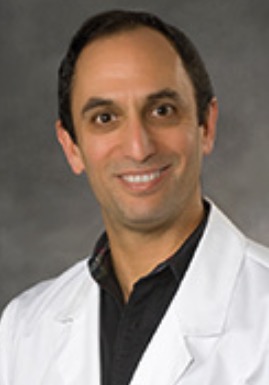 Richard K. Sterling合作论文数Department of Medicine, School of Medicine, Virginia Commonwealth University;Department of Internal Medicine, School of Medicine, Virginia Commonwealth University15
 Paul Y. Kwo合作论文数Medicine Department, Stanford University15
 Helen Te合作论文数Department of Medicine, The University of Chicago14Evon Donna M合作论文数14
 Archita P. Desai合作论文数School of Medicine, Indiana University14
 Souvik Sarkar合作论文数14
 Diana M. Brainard合作论文数AlloVir;MPM BioImpact14
 Carol Golin合作论文数Department of Health Behavior, Gillings School of Global Public Health, The University of North Carolina at Chapel Hill14
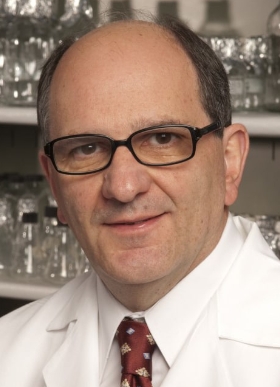 Adrian M. Di Bisceglie合作论文数Division of Gastroenterology and Hepatology, Saint Louis University;HighTide Therapeutics, Inc.14
 Mark Sulkowski合作论文数Division of Infectious Diseases, Johns Hopkins Bayview Medical Center;Johns Hopkins University School of Medicine12Jipcy Amador合作论文数University of North Carolina at Chapel Hill11Eswaran Sheila合作论文数11
 Tran THUY Tram合作论文数11Bryce B. Reeve合作论文数Department of Population Health Sciences, Duke University School of Medicine10
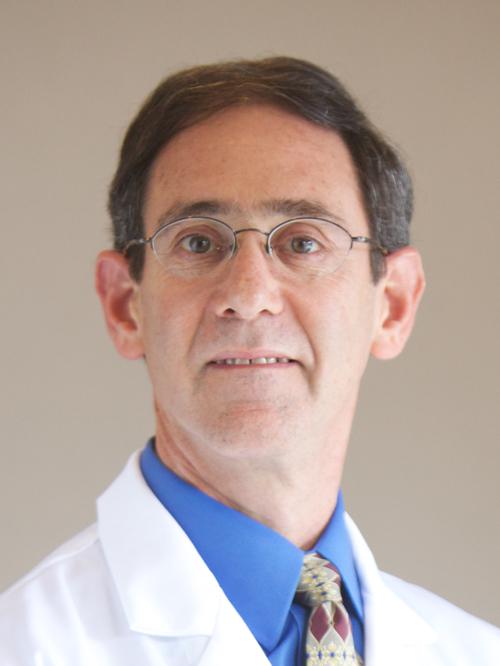 Mitchell L. Shiffman合作论文数Liver Institute of Virginia, Bon Secours Mercy Health;Eastern Virginia Medical School10David Bernstein合作论文数10
 Jessica Strzepka合作论文数9Steven E Marx合作论文数9
 Eric Lawitz合作论文数Department of Medicine, University of Texas Health Science Center in San Antonio;Transplant Center, University of Texas Health Science Center in San Antonio;Texas Liver Institute, University of Texas Health Science Center in San Antonio9Zoe Post合作论文数8Justin Mitchell合作论文数8
 Kris Kowdley合作论文数Liver Institute Northwest;Elson S. Floyd College of Medicine, Washington State University;Velocity Clinical Research, Inc.8Stamm Luisa M合作论文数8
 Heiner Wedemeyer合作论文数Department of Gastroenterology, Hepatology, Infectious Diseases and Endocrinology, Hannover Medical School8
 John Mchutchison合作论文数Tune Therapeutics8
 Sujit Janardhan合作论文数7Paul W Stewart合作论文数7
 John N Gaetano合作论文数Gastroenterology and Hepatology, Department of Medicine, Feinberg School of Medicine, Northwestern University7John Hart合作论文数Department of Medicine, The University of Chicago7
 Nezam H. Afdha合作论文数Division of Gastroenterology, Beth Israel Deaconess Medical Center;Liver Center, Beth Israel Deaconess Medical Center;Harvard Medical School7Kushner Tatyana合作论文数7
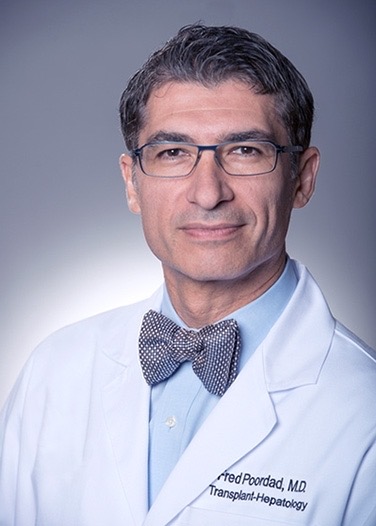 Fred Poordad合作论文数Hepatology University Transplant Center, The University of Texas Health Science Center at San Antonio;Cedars Sinai Medical Center, Department of Hepatology and Liver Transplantation, The University of Texas Health Science Center at San Antonio;Department of Medicine, The University of Texas Health Science Center at San Antonio7
 Stefan Zeuzem合作论文数J W Goethe University Hospital7
 Xavier Forns Bernhardt合作论文数Hepatitis Unit, Hospital Clínic de Barcelona;Institut d’Investigacions Biomèdiques August Pi i Sunyer;CIBERehd7
 Michael P. Curry合作论文数Department of Medicine, Beth Israel Deaconess Medical Center;Harvard Medical School;IHC Research7Hadas Dvory-Sobol合作论文数7




