Epicardial and endocardial left atrial appendage occlusion (LAAO) is commonly performed for stroke prevention for atrial fibrillation (AF) patients at increased risk for stroke who cannot tolerate long-term oral anticoagulation. However, there is limited data on the outcomes of unsuccessful LAAO procedures. This study aims to assess the incidence and outcomes of unsuccessful LAAO procedures. A retrospective analysis was performed on patients undergoing LAAO at our institution from 2020 to 2023. The primary endpoint was a failure to deploy the LAAO device, which was defined as unsuccessful device implantation (UDI). A total of 411 patients underwent LAAO (Lariat = 6.8
The Heart Rhythm Society (HRS) Scientific Documents Pathway was established to support the development of high-quality, evidence-informed scientific statements that advance the field of electrophysiology through the synthesis and communication of foundational knowledge, translational insights, and emerging trends. Unlike clinical practice guidelines, scientific documents are not designed to offer practice recommendations. Instead, they provide a framework for understanding scientific domains that impact the arrhythmia care community. The Scientific Documents Committee oversees the proposal review, development, and approval of these documents, ensuring transparency, balance, and methodological consistency. This executive summary outlines the core components of the Scientific Documents Methodology Manual, including document types, committee structure, proposal and review processes, writing committee expectations, conflict of interest management, and publication requirements. The manual is intended to support the HRS community, authors, and partners in understanding the process by which these documents are developed and how they serve the Society’s strategic goals.
BACKGROUND:Left atrial appendage closure (LAAC) is increasingly used for stroke prevention; however, left atrial appendage (LAA) anatomy may pose significant challenges. CASE SUMMARY:A 67-year-old man with paroxysmal atrial fibrillation, CHA2DS2-VASc Score of 3, and recurrent falls was referred for LAAC. Owing to challenging anatomy noted during preoperative imaging, epicardial access was obtained at procedure onset. Following multiple unsuccessful endocardial attempts, LAAC was successfully achieved by an epicardial device. DISCUSSION:Preprocedural imaging can identify challenging LAA anatomy and assist in procedural planning. In patients with challenging LAA anatomy, obtaining epicardial access up front before endocardial closure attempts offers an additional immediate option in case of failure. This case highlights the importance and use of both endocardial and epicardial LAAC strategies for a comprehensive LAAC program. TAKE-HOME MESSAGE:We demonstrate that a methodological approach with preprocedural LAA imaging and endocardial and epicardial LAAC strategies results in successful clinical outcomes.
BACKGROUND:Early evidence showed reduced complications with pulsed field ablation (PFA), but non-target tissue collateral damage created by electroporation effects is poorly understood and may significantly differ between systems. OBJECTIVES:In this study, the authors evaluated the collateral effects of PFA. METHODS:NEMESIS-PFA is a multicenter, observational registry of patients who underwent AF ablation from March 2024 onwards with any approved PFA systems-either a circular multielectrode array, spherical, pentaspline, or variable loop catheter-or radiofrequency ablation (RFA). We assessed procedural characteristics, biomarkers for myocardial injury, hemolytic anemia, and renal function, and left atrial function in select patients. RESULTS:A total of 871 patients, aged 68.9 ± 10.9 years and male (70.8%), with paroxysmal atrial fibrillation (59.4%), and CHA2DS2VASC of 3.3 ± 1.3 were included. Of these, 87.1% (n = 773) underwent PFA with a pentaspline (70.9%), circular multielectrode (14.1%), spherical (12.4%), and variable loop (2.3%) catheter. Significant postprocedural change in certain biomarkers such as troponin (13,551.0 vs 127.5 ng/dL; P < 0.001), lactate dehydrogenase (107.5 vs 26.5 IU/L; P < 0.001), and haptoglobin (-102.0 vs -33.5 mg/dL; P < 0.001) were detected following the PFA procedures compared with RFA, and the change was dose-dependent. There were also significant differences in biomarkers across PFA systems. Lastly, there was a significant change in left atrial ejection fraction (-20.0% vs. -5.0%, P < 0.001) in PFA vs RFA. CONCLUSIONS:Current PFA technologies are associated with worse troponin leak, hemolysis, and renal dysfunction than RFA. As PFA becomes mainstream, future studies appraising these effects and understanding the short term and long-term implications are needed.
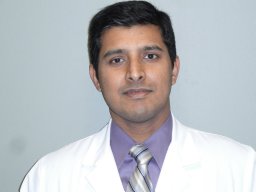 Gopinathannair Rakesh合作论文数Division of Cardiovascular Medicine, University of Louisville96
 Rajesh Kabra合作论文数77
 Douglas Darden合作论文数University of California San Diego76
 Adnan Ahmed合作论文数54
 Dhanunjaya D J Lakkireddy合作论文数Overland Park Regional Medical Center, Kansas City Heart Rhythm Institute, HCA Midwest Health;Belton Regional Medical Center, Kansas City Heart Rhythm Institute, HCA Midwest Health;University of Missouri53Lakkireddy Dhanunjaya合作论文数43Donita Atkins合作论文数40
 Danish Bawa合作论文数37Paydak Hakan合作论文数34
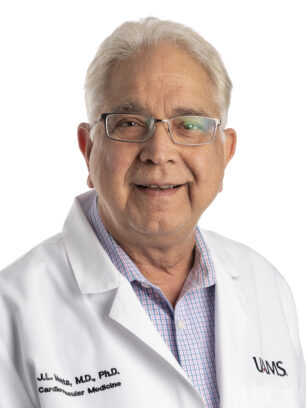 Jawahar L. Mehta合作论文数Cardiology Clinic, University of Arkansas for Medical Sciences Medical Center;Department of Physiology and Cell Biology, College of Medicine, University of Arkansas for Medical Sciences33
 Jalaj Garg合作论文数Beth Israel Deaconess Medical Center31Aashish Katapadi合作论文数27Nikhila Chelikam合作论文数25
 Abdul Hakeem合作论文数University of Arkansas for Medical Sciences;Central Arkansas VA25
 Rachad Ghazal合作论文数24Deshmukh Abhishek合作论文数Department of Cardiovascular Medicine, Mayo Clinic24
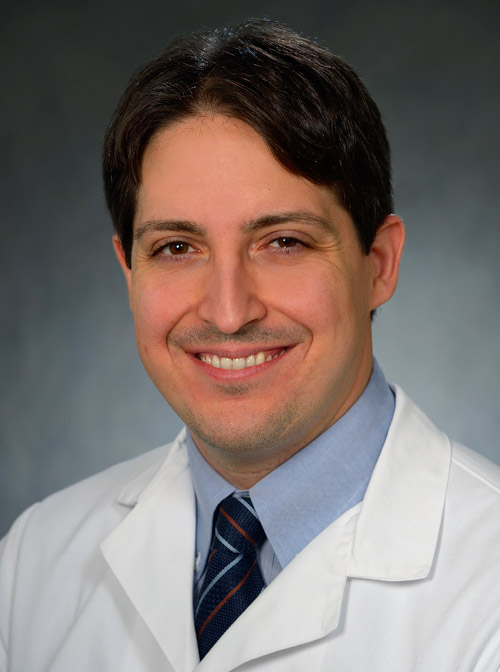 Pasquale Santangeli合作论文数Department of Medicine, Perelman School of Medicine, University of Pennsylvania23
 Francis Edward Marchlinski合作论文数Department of Medicine, Perelman School of Medicine, University of Pennsylvania22
 Robert D. Schaller合作论文数Department of Medicine, Perelman School of Medicine, University of Pennsylvania21Swathi Kovelamudi合作论文数20Aditya Mansabdar合作论文数18FNU EHTESHAMUDDIN合作论文数16Scott Koerber合作论文数16
 Fermin C. Garcia合作论文数Department of Medicine, Perelman School of Medicine, University of Pennsylvania16
 David S. Frankel合作论文数Department of Medicine, Perelman School of Medicine, University of Pennsylvania16
 Rochlani Yogita M合作论文数Department of Internal Medicine, University of Arkansas for Medical Sciences16Uretsky Barry F合作论文数16
 Rajat Deo合作论文数Department of Medicine, Perelman School of Medicine, University of Pennsylvania15
 Gregory E. Supple合作论文数Department of Medicine, Perelman School of Medicine, University of Pennsylvania15
 Ramez Nairooz合作论文数Univ Arkansas Med Sci15
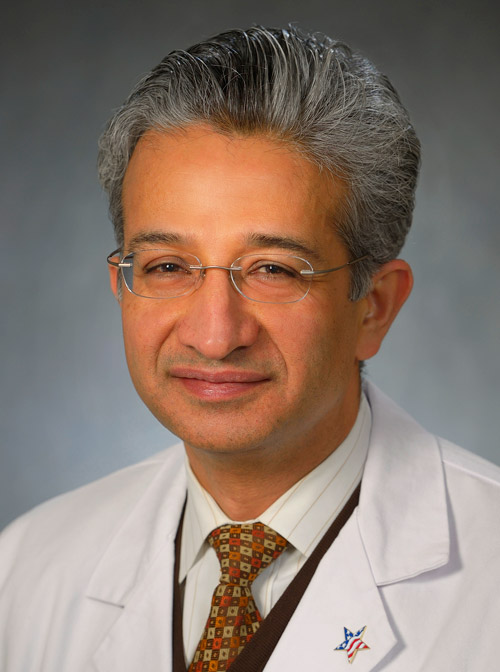 Sanjay Dixit合作论文数Department of Medicine, Perelman School of Medicine, University of Pennsylvania14
 Saman Nazarian合作论文数Department of Medicine, Perelman School of Medicine, University of Pennsylvania14
 Andrea Natale合作论文数HCA Healthcare;Texas Cardiac Arrhythmia Institute, St. David's Health Care;Scripps Green Hospital14
 Almomani Ahmed合作论文数Department of Internal Medicine, University Of Texas Medical Branch14Nicholas Khai Pham合作论文数13
 Payne Jason合作论文数13
 Matthew Hyman合作论文数13Rishi Charate合作论文数12
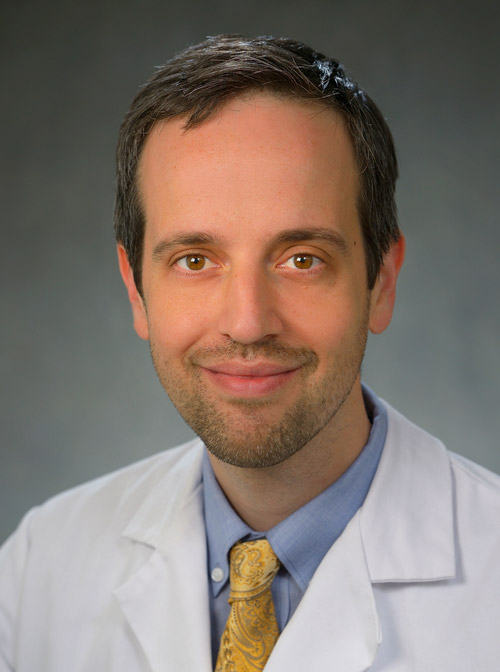 Jeffrey S. Arkles合作论文数Department of Medicine, Perelman School of Medicine, University of Pennsylvania12
 Andrew E. Epstein合作论文数Department of Medicine, Perelman School of Medicine, University of Pennsylvania12
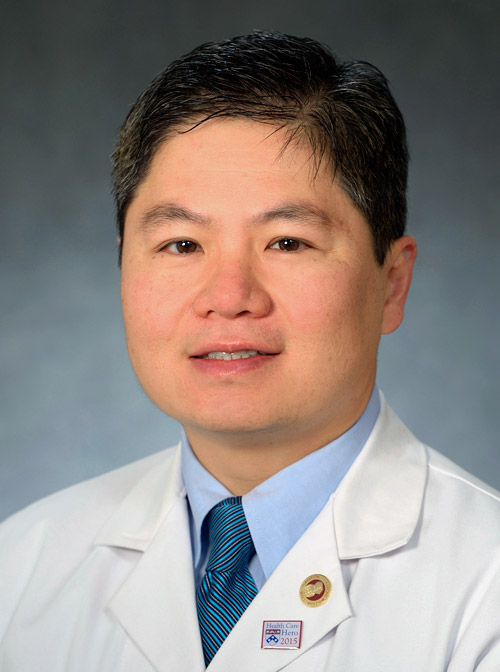 David Lin合作论文数Department of Medicine, Perelman School of Medicine, University of Pennsylvania11Nicholas Pham合作论文数10Rangarao Tummala合作论文数10Ahmed Romeya合作论文数10
 David J. Callans合作论文数Cardiology Division, Hospital of the University of Pennsylvania10
 Kattoor Ajoe John合作论文数10
 Mallikarjuna Rao Edupuganti Mohan合作论文数UAMS), University of Arkansas for Medical Sciences;Central Arkansas VA Medical Center10
 Luigi Di Biase合作论文数Department of Medicine, Albert Einstein College of Medicine10
 Amid Al-Ahmad合作论文数St. David's Medical Center, Texas Cardiac Arrhythmia Institute10




