OBJECTIVES:Depression is increasingly prevalent among older adults in China, particularly in rural areas of China. Although social and built environments are recognized as key mental health factors, their interaction across urban and rural contexts remains understudied. This study explores the pathways linking social capital, built environments, and depressive symptoms among older Chinese adults. METHODS:Data were drawn from the 2016 wave of the China Family Panel Study (CFPS), including 3483 urban and 3812 rural adults aged 60 and above. The study examined the mediating and moderating roles of different levels of social capital in the relationship between neighborhood environments and depressive symptoms. RESULTS:Community-level social capital partially mediated the relationship between the neighborhood environment and depressive symptoms in both urban and rural settings. However, a compensatory relationship between community and society social capital, emerged only in urban areas, indicating significant urban-rural disparities. CONCLUSION:This study supports the ecological model of health for older adults, emphasizing the impact of built and social neighborhood environments on depressive symptoms. The findings stress the importance of addressing mutiple levels of the social environement experienced by older adults. These results have practical implications for community development, particularly in urban areas where societal-level social capital may be limited.
The COVID-19 pandemic has significantly impacted older adult volunteering. It is important to understand if prior relationships between volunteering and health remain consistent in a post-pandemic context. We surveyed Oasis tutors aged 51 and older before and after two years of volunteering and matched them with a comparison group of non-volunteers in the 2016 and 2018 waves of the Health and Retirement Study. G-computation was then used on the merged sample (N = 518) to estimate the effect of volunteering on depression, functional limitations, and self-rated health. With all three matching algorithms, Oasis tutors experienced lower levels of depression and fewer functional limitations, compared to the HRS group of non-volunteers. When using nearest-neighbor matching, Oasis tutors had better self-rated health than the HRS comparison group. The Oasis Intergenerational Tutoring Program is positively associated with older adults' health, supporting the social model of health promotion.
This essay argues for a fuller integration of ageism and age discrimination into the productive aging framework. We briefly review the productive aging scholarship and the extent to which ageism has been considered in regard to working, volunteering, education, and caregiving. We suggest that ageism has not been adequately considered, and we identify how it permeates productive engagement in later life. We introduce modifications to the productive aging framework to more directly capture the roles of ageism and age discrimination in activity engagement and the outcomes achieved. We argue for the integration of key concepts from minority stress theory and critical race theory that may yield important insights for an increasingly diverse older population. We conclude with research directions that will guide intervention development to reduce ageism at the societal, organizational, and individual level.
Demographic shifts and the growth of diversity, equity, and inclusion (DEI) initiatives are occurring simultaneously on college campuses. This study seeks to understand their intersection by focusing on age in DEI initiatives on college campuses. Findings from six focus groups suggest that age is not given much attention in DEI initiatives. Participants acknowledge the issue of age; but in general, they strive to keep other identities, like race and gender, in the forefront, especially in the face of low resources. While it may be difficult to elevate age in DEI initiatives on campuses, interventions were identified.
Abstract Existing literature often overlooks the multifaceted social engagements of older adults, neglecting how well-being is intricately influenced by diverse combinations of social capital. This study investigates social capital profiles among Chinese older adults, examining how these profiles vary in relation to demographic characteristics and health outcomes. The China Family Panel Study (CFPS) 2016 wave provided data for 7,295 adults aged 60 and above. Based on three levels of social capital (family, community, and societal), Latent Class Analysis (LCA) was employed to identify the social capital profiles of older adults. Multinomial logistic and linear regression models analyze the influence of personal and neighborhood factors on social capital profiles and their correlation with depressive symptoms. Through LCA, three distinct social capital profiles emerged: “Family-centered,” “Family Plus Society,” and “Diverse.” These profiles, each with their unique configurations of social capital, are linked to specific demographic and community features as well as mental health statuses. Notably, this research underscores the particular vulnerability of the “Family-centered” group, characterized by their restricted access to various forms of social capital. Meanwhile, older adults’ social capital is highly connected with the neighborhood they live in. The findings from this study deepen our understanding of social capital by adopting an ecological perspective. The methodology employed to discern social capital compositions and profiles more accurately reflects the diverse social engagements of older adults, offering important insights into the intricate interplay between different levels of social capital and varied older populations.
We argue that gerontologists are products of our ageist culture and that we both perpetuate ageism and suffer from internalized ageism ourselves. We make ageist comments, deny our own age, fail to teach students to recognize and confront ageism, and use language that authorizes and categorizes older people. Gerontologists are in ideal positions to confront ageism through our scholarly work, teaching, and community engagement. However, we suggest that, despite our deep gerontological knowledge, we do not have enough awareness, knowledge, and skills for taking anti-ageism actions in these arenas of our professional lives. We offer some suggestions for confronting ageism, including self-study, increasing content on ageism in the classroom and beyond, pointing out ageist language and behaviors to colleagues and students, working with diversity, equity and inclusion offices on campus, and giving careful consideration to our research approaches and academic writing. To go forward, we must increase awareness about ageism and gain skills in promoting anti-ageism.
This study investigated the benefits and challenges of intergenerational tutoring in a post-pandemic context. We explored how the benefits of intergenerational tutoring vary among subgroups of volunteers-first-time tutors, male tutors, tutors who are caregivers, and tutors with moderate or severe loneliness. Older adult tutors (N = 319) were surveyed before and after the 2021-2022 school year, and the data were analyzed with structural equation multivariate regression and thematic analysis. Results indicated that while public health measures like mask-wearing posed challenges for some tutors, there were positive outcomes for tutors, especially first-time tutors, who experienced more health and well-being benefits, and tutors who are caregivers, who experienced improved civic attitudes towards public education. These results can help programs attract subgroups of volunteers who are likely to benefit the most, as well as attend to the unique challenges of pandemic-related policies.
Abstract The COVID-19 pandemic has significantly impacted older adult volunteering. It is important to understand if prior relationships between volunteering and health remain consistent in a post-pandemic context. We surveyed Oasis tutors aged 51 and over before and after two years of volunteering and used three matching algorithms—nearest-neighbor matching, optimal full matching, and subclassification—to match them with a comparison group of non-volunteers in the 2016 and 2018 waves of the Health and Retirement Study. G-computation was then used on the merged sample (N = 518) to estimate the effect of volunteering on depression, functional limitations, and self-rated health. With all three matching algorithms, Oasis tutors experienced lower levels of depression and fewer functional limitations, compared to the HRS group of non-volunteers. When using nearest-neighbor matching, Oasis tutors had better self-rated health than the HRS comparison group. Volunteering in the Oasis Intergenerational Tutoring Program positively impacts older adults’ health, supporting the social model of health promotion.
This study examined the moderating mechanisms of generative concerns (perception of making contributions to others) between generative civic activities and mental health among middle-aged and older adults. A total of 1,109 community-dwelling adults aged over 45 were recruited through an online survey. Generative civic activities (political participation and volunteering), generative concerns (the Loyola Generativity Scale), and two outcomes of mental health (depressive symptoms and mental wellbeing) were measured. Linear regression models and simple slope analyses were used to probe the moderating effects of generative concerns, stratified by age (45-64 years and 65+). Generative activities, but not concerns, were associated with lower depressive symptoms among middle-aged and older adults. Generative concerns and activities were related to better mental wellbeing among middle-aged adults. Generative concerns moderated the associations between civic activities and depressive symptoms. Those with higher generative concerns but lower civic activities had higher depression scores. Conversely, a stronger reduction in depressive symptoms by engaging in civic activities was found only when individuals had greater concerns. No moderating effect was found on mental wellbeing. The positive effect of civic engagement on reducing depressive symptoms depends on generative concerns, particularly among older people and those with greater concerns. Bridging the gap between perceived generative concerns and actual civic actions may improve later-life mental health.
My research career began focused on age-as-deficit; then, when studying productive aging, I moved to an age-as-asset perspective. I have come to another understanding of later life: deficits and assets exist within older adults and within the older population. We must tell the full and accurate story of aging and eliminate artificial limits curtailing engagement in life. Real limits exist as our bodies grow old; but powerful artificial limits are created by physical and social structures, policies, organizational practices, attitudes, expectations, and internalized beliefs about aging. If we eliminate artificial limits, we might handle real limits better, both individually and as a society.
Abstract The Oasis Intergenerational Tutoring Program is a national program that connects older adult tutors with elementary children in Grades K-3. We are conducting an ongoing project to assess multiple health and well-being outcomes associated with this tutoring program, especially among four sub-groups: first-time tutors, male tutors, tutors who are caregivers, and tutors who report being lonely. In year one of our project, we have collected data from 329 older adults who tutored children in the 2021-2022 school year. We found that a larger proportion of tutors who felt lonely reported improvements to their health, compared to tutors who did not feel lonely. We also found that first-time tutors experienced larger increases in at least two areas of health (physical, emotional, and cognitive), compared to repeat tutors. When we asked tutors about their experience tutoring during the pandemic, major themes included a sense of purpose in life, increased social engagement, and the negotiation of risks and benefits (e.g., remote vs. in-person tutoring). An upcoming two-year follow-up study will enable us to compare our findings with the Health and Retirement Study, a nationally representative sample of older adults. Findings from this project will inform programs across the nation and policies that seek to harness the power of intergenerational bonds.
Recent declines in life expectancy in the US, especially for middle-aged White persons, have called attention to mortality from deaths of despair - deaths due to alcohol, drugs, and suicide. Using data from the Centers for Disease Control and the U.S. Census Bureau, this paper examined deaths of despair by race/ethnicity, age, cause of death, birth cohort, and sex in Missouri. We focused on Area Agencies on Aging as geographic units of interest to increase usefulness of our findings to public administrators. Deaths of despair began trending up for all age groups beginning in 2007-2009, with the sharpest increases occurring for Black or African American non-Hispanics beginning in 2013-2015. The most dramatic increases occurred for the population age 50-59 in St. Louis City and Area Agency on Aging regions in southern Missouri. For older adults, considerable variation in rates, trends, and cause of deaths of despair is evident across the state.
Abstract Undergraduate classes on aging have the potential to challenge ageist beliefs and alter students’ academic and career trajectories. For the past eight years, we have led an introductory, interdisciplinary class on aging, bringing first-year students and older adults together to discuss various facets of aging and share their perceptions and experiences. Both prior to and after the class, students in the class (n = 494), and a group of their age-matched peers not enrolled in the class (n = 620), completed an online survey measuring attitudes and knowledge about aging and older adults. Repeated measure analyses revealed significant group-by-time interactions across several measures. While students who were not in the class did not show statistically significant changes across measures, students in the class displayed statistically significant increases in knowledge about aging, F(1, 760) = 108.133, ηp2 = 0.125; decreases in aging related anxiety F(1, 766) = 51.947, ηp2 = 0.064; and more favorable expectations about their own aging, F(1, 627) = 45.598, ηp2 = 0.068. Moreover, students in the class endorsed fewer ageist beliefs over time, F(1,768) = 135.313, ηp2 = 0.15, all p’s < 0.05. Despite these promising changes, overall intent to engage in an aging-related career did not statistically change across groups, F(1, 113) = 2.948, p > 0.05. Results suggest that exposing students to information about aging in an intergenerational classroom has the potential to mitigate biases against older adults, though challenges remain in maintaining student interest in aging-related careers.
Abstract The global population is aging at an increasingly fast pace compared to past generations. Although the magnitudes and rates of aging in the United States and Japan differ, the drastic change in population structure has resulted in common challenges for both countries. One challenge is preparing people and society for living a long life while promoting well-being in old age for everyone. Combating ageism, delivering accurate information about aging, and encouraging people to have a balanced view of the aging process are all important topics for living in an aging society. Therefore, gerontology education and training plays a critical role. In this symposium, we will present examples of current efforts and research findings on aging education and training in both the United States and Japan. The first presenter will discuss their efforts on promoting gerontology education through redesigning communities with interdisciplinary collaboration in Japan. The second presenter will explain gerontology curriculum and degree programs in Japan. The third presenter will introduce an international gerontology education course designed for United States graduate students. The last presenter will report findings from a scoping review on intergenerational activities in higher education. Implications for future gerontology education will also be discussed.
Abstract Advocacy and scholarship grounded in the productive aging paradigm have evolved over 40 years. From an age-drain to an age-as-asset perspective, productive aging scholars have focused on programs and policies to optimize the vital engagement of older people in paid and unpaid work (working, volunteering, caregiving). I have contributed to this body of work and I have evolved with it. I have changed what I study, how I think about later life, and what I think is important for gerontologists to consider. In this presentation, I will review the development of productive aging literature, including tensions that have existed in the scholarship. Themes of ageism and diversity, equity and inclusion have gained prominence in this work; and I will suggest future directions. I will reflect on how my own aging and experiences have shaped my thinking on productive aging.
BACKGROUND AND OBJECTIVES:Recent research has identified neighborhoods as an important contributor to later-life frailty. However, little is known about how neighborhood resources are associated with frailty trajectories over time, especially in developing countries. This study examines the impact of neighborhood physical and social resources on the trajectories of frailty over time among older people in China.RESEARCH DESIGN AND METHODS:Using the four waves of the China Health and Retirement Longitudinal Study (2011-2018), 5673 respondents aged 60 and above at baseline were included for analyses. Multilevel growth modeling was fitted to estimate the effects of neighborhood resources on frailty trajectories over a 7-year period, controlling for individual-level characteristics.RESULTS:Older Chinese people who lived in neighborhoods with better basic infrastructures and a greater number of voluntary organizations were less frail at baseline. Accessible exercise facilities were associated with a lower initial level of frailty only among rural older adults, while higher community-level socioeconomic status (SES) was associated with a lower initial level of frailty only among urban older adults. Over the 7-year follow-up period, better basic infrastructures and accessible exercise facilities were associated with a slower increase rate of frailty scores among rural residents.DISCUSSION AND IMPLICATIONS:Neighborhood resources are important contributors to the level of frailty among older Chinese people. Our findings of significant urban-rural differences have important implications for designing and implementing infrastructure development and community building programs in rural and urban China.
Abstract This study described how DEI officers across universities/colleges currently think about AGE as a diversity factor; and identified strategies used to increase age-inclusivity. Data were generated through review of university websites, focus groups and one-to-one interviews with DEI staff. Findings suggest that age is acknowledged as a diversity factor but there is less action toward strategies to increase age-inclusion. Examples of initiatives include: training human resource staff to be age-neutral in hiring; eliminating birthdates and other years from applications; workshops on multigenerational workplaces and classrooms; presentations on ageism; and specific programs to support non-traditionally aged students. Some of the motivation to address ageism stems from legal mandates rather than being mission-driven. There is the concern that focusing more on age may require moving attention and resources away from other diversity factors. It appears that there is interest in elevating age as an important factor in DEI efforts.
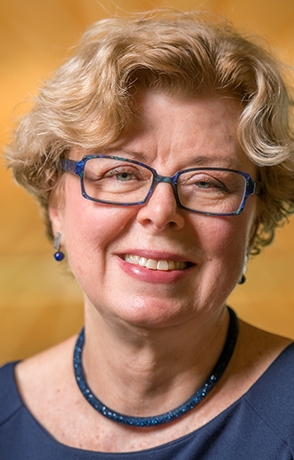 Enola Proctor合作论文数George Warren Brown School of Social Work, Washington university in St. Louis64
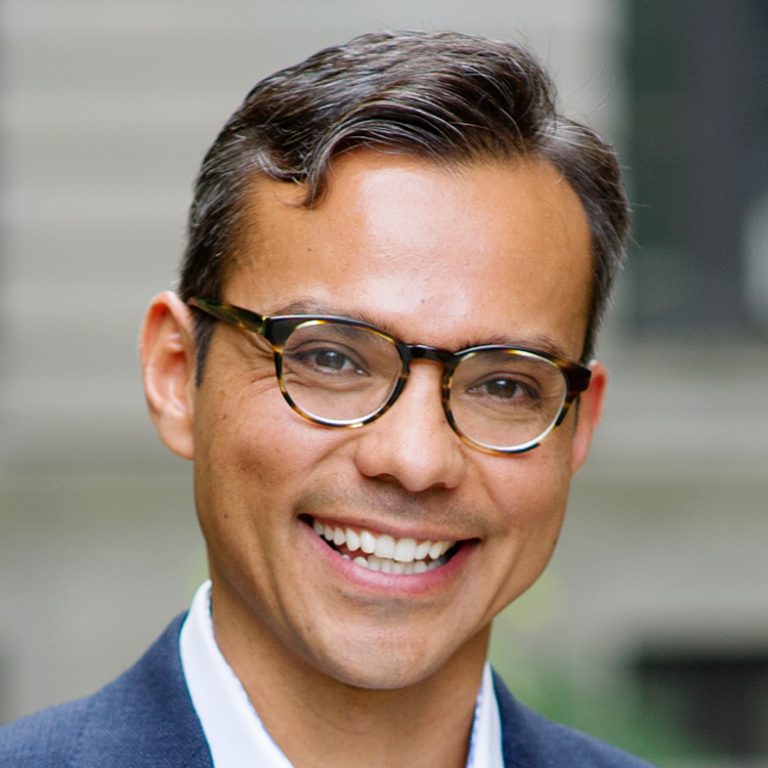 Ernest Gonzales合作论文数Silver School of Social Work, New York University24
 McCrary Stacey合作论文数17
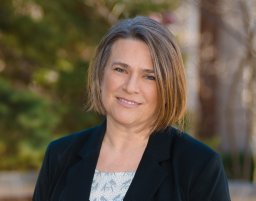 Jennifer C. Greenfield合作论文数Graduate School of Social Work, University of Denver17Yungsoo Lee合作论文数Incheon National University15
 Michelle Putnam合作论文数15Brian D. Carpenter合作论文数15
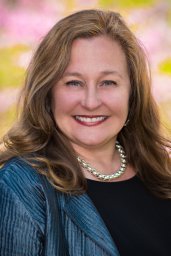 Amanda Mcbride合作论文数Center for Social Development, Washington University in St. Louis14
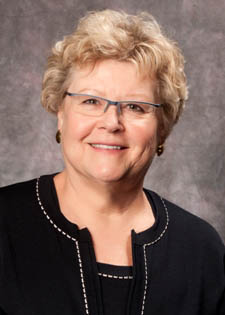 Baum, M. Carolyn合作论文数School of Medicine, Washington University in St. Louis12Tang Fengyan合作论文数12Wayne Blinne合作论文数20812
 Yi Wang合作论文数11Natalie Galucia合作论文数10Peter C Sun合作论文数10
 Song-Iee Hong合作论文数10P Dore合作论文数9
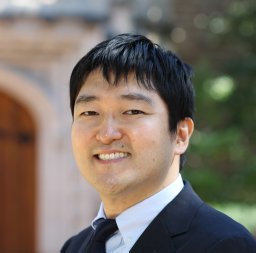 Takashi Amano合作论文数9Herbers Stephanie H合作论文数9
 Y.C. Chen合作论文数Department of Social Work and Social Administration, The University of Hong Kong8
 James E Hinterlong合作论文数8Philip A. Rozario合作论文数8
 Leslie Hasche合作论文数8
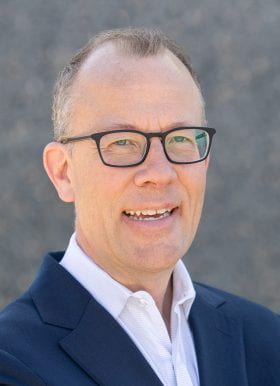 Eric J. Lenze合作论文数Healthy Mind Lab, Department of Psychiatry, Washington University School of Medicine in St. Louis8Sojung Park合作论文数7Hong Li合作论文数7
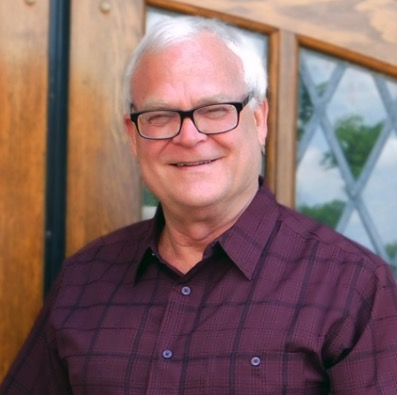 Michael W. Sherraden合作论文数Department of Social Work, George Warren Brown School, Washington University in St. Louis7
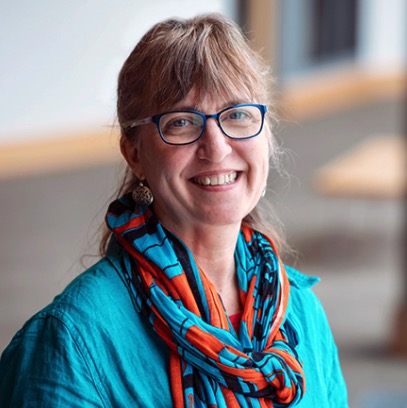 Melissa Jonson-Reid合作论文数George Warren Brown School of Social Work, Washington University7Emma Swinford合作论文数6
 Yuekang Li合作论文数McDonnell International Scholars Academy, Washington University in St. Louis6Binder Ellen F合作论文数6
 Prusaczyk Beth合作论文数6Chen Huajuan合作论文数6
 Denise Burnette合作论文数School of Social Work, Columbia University6
 Dorothy Edwards合作论文数Program in Occupational Therapy, Washington University6M. Inoue合作论文数5Mn Ozawa合作论文数5Inoue Megumi合作论文数5Host Helen H合作论文数5
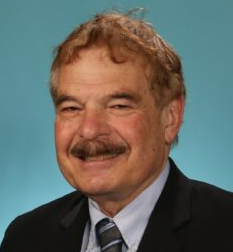 Kenneth Freedland合作论文数Department of Psychiatry, School of Medicine, Washington University in St. Louis5
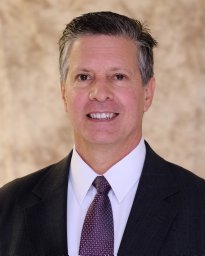 Joseph Gerald Pickard合作论文数5Ada C. Mui合作论文数5
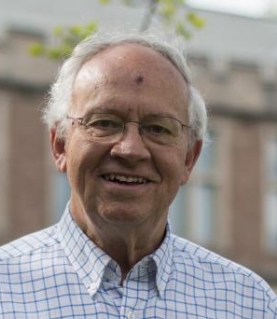 Edward Spitznagel合作论文数Department of Mathematics and Statistics, College of Arts & Sciences, Washington University in St. Louis;Division of Biostatistics, School of Medicine, Washington University5L Chadiha合作论文数4Edward F. Lawlor合作论文数4Tanner Meyer合作论文数4H. Taylor合作论文数4Y. Lee合作论文数4S. Hong合作论文数4Lee Mi Jin合作论文数4




