Background:Ostomy creation for cancer treatment negatively impacts the quality of life of both patients and caregivers. Hispanic patients with cancer and caregivers often face additional challenges, including limited access to supportive care programs. Objective:This study aimed to examine the experiences and preferences of Hispanic patients with cancer living with ostomies and their caregivers to inform the cultural adaptation of an existing intervention program and the design of Ostomy Self-Care Program (Programa de AutoCuidado de Estoma [PACE]). Methods:In this 2-stage study, conducted between March and August 2023 in San Antonio, Texas, we used a qualitatively driven mixed methods design, starting with an initial survey followed by qualitative interviews to explore the experiences, needs, and intervention preferences of Hispanic patients and caregivers managing ostomy care. We used Braun and Clarke's 6-phase thematic analysis approach to analyze the qualitative data and performed descriptive analysis for the quantitative data. Subsequently, we applied affinity diagramming and persuasive systems design principles to guide the design of PACE. Results:In total, 14 Hispanic participants managing an ostomy (9 patients with cancer and 5 caregivers) completed a survey and participated in interviews, continuing until data saturation was reached. Participants had a mean age of 58.9 (SD 13.01, range 37-79) years, and most (n=12) reported a high school diploma or General Educational Development as their highest education level. Around 5 (36%) participants scored below 26 on the eHealth Literacy Scale (eHEALS), indicating low digital health literacy, and the average Charlson Comorbidity Index (CCI) was 3.21 (SD 1.86, range 0-6). Overall, 3 major themes emerged from the qualitative data analysis, namely perceptions of living with an ostomy, seeking support, and postsurgery challenges. Additionally, two primary themes emerged from participant interviews: (1) importance of preferred language and multimedia delivery and (2) patients and caregivers desire early introduction, multimodal delivery of materials, and inclusion of peer and family support. These themes informed the design and development of a culturally appropriate, web-based, bilingual PACE intervention that integrates content visualization, cultural adaptations, and persuasive technologies-strategies designed to encourage user engagement. Conclusions:Our findings emphasize the importance of understanding the ostomy care experiences, supportive care needs, and intervention preferences of Hispanic patients and caregivers. Informed by stakeholders' insights, we culturally adapted the original intervention program using persuasive systems design principles to design and develop the PACE intervention, aiming to enhance engagement among Hispanic patients with cancer and caregivers, support effective self-management of ostomy care, and improve health outcomes.
The Gal & aacute;pagos is best known for being home to flora and fauna rarely found in other parts of the world and for inspiring Charles Darwin to develop his theory of evolution by natural selection. However, the Gal & aacute;pagos is also home to thousands of people, including youth. Despite growing research with people who live in the Gal & aacute;pagos, there is a dearth of research examining youths' experiences and needs growing up in the Gal & aacute;pagos. To address this gap, and informed by Critical Positive Youth Development, we used Photovoice with 20 youth (15-17 years old) in San Crist & oacute;bal to explore the question, "What do youth want the world to know about their needs growing up in the Gal & aacute;pagos?" Through photo-assignments and group discussion, participants identified needs and potential solutions related to recreation, education, and physical and mental health. The findings demonstrate youth engagement in critical reflection related to their social environments. Participants described pathways for contribution through advocacy, community action, and institutional engagement, illustrating the relevance of Critical Positive Youth Development for understanding youth experiences in the Gal & aacute;pagos.
Because people with HIV are living longer, there is a growing need for effective health self-management interventions. An urgent gap in care for Latino people with HIV (LWH) is the lack of culturally adapted interventions to support their health information needs. To respond to this need, we developed ViviendoPositivos, a culturally tailored telenovela (soap opera) intervention to promote HIV self-management among LWH. We used a mixed methods approach to gather data for the development of the intervention from 24 Spanish or English-speaking LWHs aged ≥ 18 years. Telenovela vignettes were co-created in collaboration with a community advisory board (CAB), our research team, and a telenovela director. Through focus groups, individual interviews, and a survey, we explored the acceptability of the telenovela vignettes (n = 24 LWH). Participants were mostly male (88%, n = 21), with an average age of 49 years (SD = 12) and living with HIV for 16 years (SD = 12). During the development of ViviendoPositivos, CAB members identified five priority content areas: mental health and social support, HIV knowledge, adherence to antiretroviral treatment, partner communication and negotiation, and healthy aging. Contextual and cultural aspects were also incorporated into the telenovela vignettes. Participants reported high satisfaction with the information and stories presented (92%, n = 22) and mentioned that the topics were relatable. All participants expressed willingness to watch the telenovela with a preference for online streaming via a website. The final product was an HIV self-management telenovela series of five 10-minute filmed episodes that incorporated the ideas and feedback of LWH.
Older Black women (OBW) aged 50 years and older are disproportionately affected by HIV, a condition that remains highly stigmatized. This qualitative descriptive study uses secondary data of previously collected data to explore the effects of HIV-related stigma on a sample of 19 OBW living with HIV. Convenience sampling was used to recruit participants in Florida, USA. In-depth interviews were conducted. Through conventional content analysis, seven themes were constructed: (a) the need for HIV to be a secret, (b) concerns about discrimination, (c) anticipated stigma, (d) behavioral responses to anticipated stigma, (e) ignorance and fear as sources of stigma, (f) emotional responses to experienced stigma, and (g) suggestions for future interventions. HIV-related stigma continues to be a major obstacle that OBW living with HIV must confront. The study’s findings can inform clinical practice and health professional education and encourage greater use of mental health resources among OBW living with HIV.
This mixed-methods study explored resilience-enabling behaviors and practices exhibited by young Latino sexual minority men (YLSMM) to cope with stigmatizing experiences attributed to their multiple minoritized identities and reduce their HIV risk. Guided by a positive deviance approach, we identified and interviewed 15 YLSMM (aged 18 to 24) with a history of regular HIV testing and lived experiences of intersectional stigma. Thematic analysis reveals multilevel strategies used by participants to mitigate the adverse effects of stigma on mental health and HIV preventive behaviors. Strategies included using positive self-talk and self-expression, having an immediate network of supportive friends and families, and engaging in community-based support groups and events. In turn, these strategies motivated participants to exercise self-care, accept their minoritized identities, especially their sexual orientation, seek emotional and informational support, and connect with other Latino sexual minority men and the larger Latine community.
Adolescent girls are more likely to experience early sexual debut than boys. However, the developmental context of their sexual behaviors is under-investigated. Using the socio-ecological model and Malawi Schooling and Adolescent Survey, we investigated factors crucial in determining the development of sexual behaviors of 416, 14-year-old girls in rural southern Malawi. We applied Bivariate Logistic Regression analysis to determine associations. Results showed that 353 (84.9%) experienced sexual intercourse, 60 (18.4%) had multiple sexual partners, and 32 (9.1%) used condoms or hormonal contraceptives. Participants’ educational background, desire for higher education, reproductive health knowledge, and being monitored by teachers in school were positively associated with healthy sexual behaviors. Having a boyfriend, lack of schooling support, and being invited to teachers’ homes were positively associated with risky sexual behaviors. Therefore, promoting adolescents’ formal education, sexual health literacy, and safety in schools should be essential components of research and biobehavioral interventions targeting young adolescents in Malawi.
Introduction: The use of telenovelas shows promise as a mode of education that could enhance Latino people's ability to prevent or manage different health conditions. This scoping review examined the available evidence about telenovela interventions on Latino health. Methods: A scoping review was conducted by searching five peer-reviewed databases for articles published on any date in English or Spanish. The methods of this review were guided by the Preferred Reporting Items for Systematic Reviews and Meta-Analyses Extension for Scoping Reviews recommendations. Results: A total of 431 articles were identified, and 22 articles published between 1999 and 2022 were included in the final scoping review. Nineteen telenovela interventions were described in the literature. Most studies included telenovela interventions without other elements ( n = 15; 68%), and 91% were conducted in the U.S. ( n = 20). Studies were qualitative ( n = 8; 36%), quantitative ( n = 8; 36%), and mixed methods ( n = 6; 27%), and most telenovela interventions were developed and/or tested in Spanish ( n = 10; 53%). The most common topics for the telenovela interventions were substance use/risky sexual health behaviors, cardiovascular disease, and mental health. Conclusions: This scoping review may serve to continue empirical and theoretical work on telenovela-style entertainment interventions on Latino health and future implementation in real-life settings.
BACKGROUND: In 2018, one in six newly diagnosed individuals with HIV in the United States were adults aged 50 years and older, 24% were women, and 60% were Black/African American and Hispanic (42% and 18%, respectively). AIMS: This study aims to examine the factors associated with HIV psychosocial illness impact among Black/African American and Hispanic older women living with HIV. METHOD: Guided by the socioecological model, a secondary data analysis design with cross-sectional data that included 138 Black/African American and Hispanic women aged 50 years and older was conducted. RESULTS: Higher levels of avoidant coping, depressive symptoms, negative self-perception of health, and decreased social support were significant factors associated with HIV psychosocial illness impact among this sample. CONCLUSIONS: Findings from this study can contribute to identifying solutions to prevent and decrease these negative factors associated with HIV psychosocial illness impact among Black/African American and Hispanic older women.
Introduction: Frailty is a geriatric syndrome of increased vulnerability to stressors marked by a higher risk for poor health outcomes. HIV-related stigma is a stressor for Latino people with HIV (PWH) and an important barrier to HIV care. This study examines the association between HIV-related stigma and multidimensional frailty among older Latino PWH. Methods: A cross-sectional design with 120 Latino PWH aged 50 and older was used. Self-reported questionnaires were administered to assess multidimensional frailty (Tilburg Frailty Indicator) and HIV-related stigma (HIV stigma scale). Results: Participants were 59.1 ± 7.0 years old, primarily White-Hispanic (85.00%, n = 102), single (48.33%, n = 58), and male (73.30%, n = 88). Nearly half of the participants were frail (45.85%, n = 55). Compared to non-frail, frail individuals had significantly higher scores in the total HIV-related stigma (M = 98.5 ± 24.7 vs. M = 85.3 ± 25.6, p = .020) and all subscales. The odds of multidimensional frailty were 1.021 times higher for people with higher HIV-related stigma scores (p = .007). This association remained significant after adjustment for income and comorbidities (p = .049). Conclusions: HIV-related stigma among older Latino PWH was significantly associated with their odds of being frail. Efforts to prevent multidimensional frailty should consider addressing HIV-related stigma through age-appropriate and culturally tailored resources for this group.
Hispanic women who experience intimate partner violence (IPV) face unique disparities. They have poorer health outcomes and are less likely to seek help than their non-Hispanic counterparts. When women remain in relationships where IPV occurs and refuse to disclose or seek treatment, they may resort to self-silencing, which can also worsen health outcomes. The purpose of this study was to develop a theory that explains how self-silencing evolves among Hispanic women who experience IPV. Participants were recruited from two research studies focused on Hispanic women's health, and from snowball sampling, which involved referrals by previously registered participants. Data were collected via Zoom® and included individual interviews. A total of 25 women participated in this study. Analysis followed constructive grounded theory levels of analysis described by Charmaz and constant comparative methods described by Glaser and Strauss. A grounded theory entitled Bearing (Aguantando) With Intimate Partner Violence emerged from the data. The theory explains the main strategy Hispanic women use to deal with violence while remaining in a relationship where IPV occurs. The theory is constructed of four categories with subcategories. The results of this study provide an initial framework to understand the self-silencing process among Hispanic women who experience IPV. In addition, this study identifies different levels of interventions that can be useful for researchers and healthcare providers to promote Hispanic women's ability to become empowered, use their voices, and seek help.
The HIV epidemic disproportionately affects Hispanics in the U.S., with Hispanic women (HW) accounting for 18% of new HIV diagnoses in 2019 despite comprising only 16% of the female population. The imbalance of power related to cultural values and HW's lack of knowledge and low perception of risk for HIV interferes with prevention efforts (e.g., condom use, HIV testing, and Pre-Exposure Prophylaxis [PrEP]). It is estimated that in 2019, only 10% of women in the U.S. who could benefit from PrEP were given prescriptions for it. This number is estimated to be significantly lower among HW. PrEP is highly effective for preventing HIV, reducing the risk of acquiring HIV from sexual activity by about 99%. To respond to this need, we developed SEPA+PrEP, a biobehavioral HIV prevention intervention that adapted and integrated SEPA (Salud/Health, Educación/Education, Prevención/Prevention, Autocuidado/Self-Care), an empirically validated behavioral HIV prevention intervention, with the evidence-based biomedical strategy of PrEP. This study aimed to investigate the feasibility and acceptability of SEPA+PrEP among cisgender heterosexual Hispanic women (HW). We used a mixed methods approach to gather data from 44 HW living in the City of Homestead and its surrounding communities in Miami-Dade County, Florida. None of the participants knew about PrEP prior to participating in the study, and the majority (70.5%, n = 23) had not used condoms when engaging in vaginal sex during the previous three months. Overall, study results suggest that SEPA+PrEP is an acceptable and feasible intervention to prevent HIV among HW, with a focus on PrEP knowledge, initiation, and maintenance.
Introduction: This study explored the influence of the Theory of Planned Behavior constructs on human papillomavirus (HPV) vaccine (HPVV) intentions and uptake among Hispanic parents in South Florida for their children aged 9–21. Method: A descriptive exploratory analysis was conducted using 39 surveys completed by Hispanic parents. These surveys encompassed demographic data and questions about HPVV uptake, intention, attitudes, subjective norms, knowledge, self-efficacy, and awareness. Results: Most participants were uninsured (77%), unemployed (59%), and had low Americanism acculturation (74%). A little over half were aware of the HPVV (54%), yet most had high positive HPVV attitudes (95%) and self-efficacy (85%). HPVV intentions within the year were also high (82%); however, HPVV uptake (45%) and HPVV knowledge (40%) were low at the time of the study. Most parents reported physicians (72%) and nurses/nurse practitioners (59%) as the most influential individuals in their decision-making. A statistically significant relationship between HPVV intention and HPVV attitude (X_Wald^2 (1) = 5.71, p = 0.02., OR = 5.11) and between HPVV uptake and HPVV awareness (X_Wald^2 (1) = 4.63, p = 0.03., OR = 12) were observed. Conclusion: This study recommends further research and targeted interventions to improve HPVV awareness among Hispanic communities. The participants’ highly positive attitudes and self-efficacy provide a hopeful outlook for future vaccination efforts within this demographic.
Studies show that adolescent girls who experience violence grow up with fear and develop survival mechanisms that increase their susceptibility to sexually transmitted infections including HIV. However, the relationship between violence and the development of sexual behavior in young adolescent girls is under-investigated. We examined the Malawi Schooling and Adolescent Study data to explore the associations between home- and school-based violence and sexual behaviors in 416 young adolescent girls in rural Southern Malawi. Bivariate Logistic Regression analysis was applied to determine associations. Of 353 (84.9%) girls who had sex with a male partner, 123 (34.8%) experienced home-based violence, and 53 (15%) experienced school-based violence. The odds of girls who experienced home-based violence (OR = 2.46, 95% CI = 1.21, 5.01) and those who first experienced home-based violence between 13 and 14 years (OR = 2.78, 95% CI = 1.35, 5.74) were higher among girls who had multiple sexual partners than those with a single sexual partner. With school-based violence, sexual initiation, having multiple sexual partners, and not using protection were positively associated with experiencing teasing, sexual comments, punching, and touching in private areas in transit to school and by a teacher. These results suggest that home- and school-based violence should be essential components of research and biobehavioral interventions targeting the sexual behaviors of young adolescent girls.
Chronic diseases (CDs) are increasingly common among the aging population. Some evidence suggests that older Hispanic women ages 50 years and older (OHW) are at an increased risk for CDs and poorer outcomes than other groups. This study investigated the preliminary efficacy of ActuaYa, a culturally tailored CD prevention and health promotion intervention for OHW. A prospective, single-group, repeated measures study (n = 50) was conducted in Florida. Clinical measures and surveys were collected at baseline and post-intervention at 3- and 6-month follow-up. Descriptive statistics, paired-sample t-tests, and McNemar tests were used for analysis. At baseline, more than half of the participants had a CD. Post-intervention results showed a significant decrease in participants' MAP, BMI, and A1C, and a significant increase in self-efficacy for exercise and HIV knowledge compared to baseline measures. The results of this study support the preliminary efficacy of ActuaYa in preventing CDs and increasing health promotion among OHW.
Purpose: This review sought to identify and integrate available evidence on various sources of Hispanic women's well-being following intimate partner violence (IPV). Methods: The review was conducted using the Preferred Reporting Items for Systematic reviews and Meta-Analyses extension for Scoping Reviews (PRISMA-ScR). Four peer-reviewed databases were reviewed for studies published between 2007 and 2022. The inclusion criteria include being an original research, quantitative and/or qualitative data, Hispanic women as a separate group for analysis, well-being as an outcome variable (quantitative) or phenomenon of interest (qualitative), and published in English or Spanish. Results: A total of 2,292 records were identified, and nine articles were included in the final review. Findings revealed that ensuring safety and opportunities for women's children, separating from violent partners, and obtaining a job were related to increased well-being. Other findings revealed that peer support, self-empowerment, and leadership skills were associated with interpersonal, psychological, and community well-being, respectively. Economic and occupational well-being was linked to education and financial independence. Conclusions: This scoping review advances the exploration of well-being among Hispanic women who have experienced IPV. This knowledge can be used to inform post-IPV support for Hispanic women and highlight areas for intervention development to promote well-being.
The purpose of the current study was to identify biopsychosocial factors associated with depressive symptoms among Hispanic women aged ≥50 years. Cross-sectional data related to 10 biological, psychological, and social factors were analyzed. Center for Epidemiologic Studies Depression Scale scores suggested that 32% of the sample had depressive symptoms. Self-esteem, self-perception of health status, income, and chronic pain had statistically significant associations with depressive symptoms. A logistic regression analysis showed that increasing self-esteem scores were associated with decreases in the likelihood of having depressive symptoms. Findings underscore that depression is associated with biological, psychological, and social factors. Culturally tailored interventions that aim at targeting these factors may have an impact on Hispanic women's depression and overall well-being. [Journal of Psychosocial Nursing and Mental Health Services, 61(11), 32-42.].
This study addresses rural Guatemala's poor maternal health and HIV status by culturally adapting an evidence-based HIV intervention, SEPA (Self-Care, Education, Prevention, Self-Care), to extend the capacity of comadronas (Mayan birth attendants) as HIV prevention providers. This mixed-method study examined the acceptability, suitability, and feasibility of SEPA presented to traditional elder and a younger cohort of comadronas over three sessions. Outcome variables were reported as mean scores. Open-ended qualitative responses were categorized under central themes. Session 1, 2, and 3 acceptability (4.6/5, 4.6/5, 4.8/5), suitability (4.7/5, 4.6/5, 4.9/5), and feasibility (4.4/5, 4.7/5, 4.8/5) remained high across sessions. While comadronas reported that information was difficult, they reported high levels of understanding and comfort with SEPA content and they also found it to be culturally appropriate, increasing their confidence to discuss HIV with their community. The broader utilization of comadronas could create a pathway to enhance reproductive health among indigenous women.
Latinas continue to be disproportionately affected by HIV in the United States. Effective interventions to address HIV-related disparities among Latinas are available; however, they have not achieved widespread dissemination due to implementation challenges for real-world settings. A culturally tailored intervention that increases access to HIV prevention is urgently needed. The objective of this study was to develop a culturally tailored telenovela (i.e., a soap opera) to promote HIV prevention behaviors (condom use; HIV testing; and pre-exposure prophylaxis awareness, access, and use) among Latinas. The study was conducted in community organizations throughout South Florida. A total of 44 Spanish-speaking Latinas, 18-35 years old, and sexually active with a man in the past 6 months participated in the study. The final product was an HIV prevention telenovela that incorporated Latinas' ideas and feedback and was produced as four 10-minute filmed episodes. This study aimed to develop innovative approaches to reduce HIV-related disparities for Latinas.
 Rosina Cianelli合作论文数67Lilian Ferrer合作论文数22
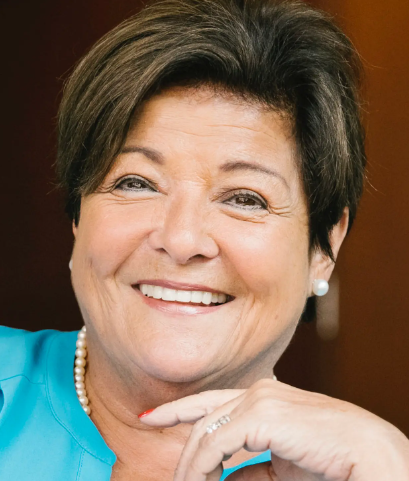 Nilda (Nena) Peragallo Montano合作论文数School of Nursing, University of North Carolina at Chapel Hill18
 Nilda Peragallo合作论文数16
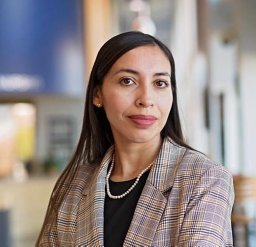 Evelyn Iriarte合作论文数Ponti ficia Univ Catolica Chile14
 Giovanna C. De Oliveira合作论文数11
 Christine Toledo合作论文数10
 Joseph De Santis合作论文数9Rosa Gonzalez-Guarda合作论文数PhD Program Faculty, School of Nursing, Duke University6Lisette Irarrázabal合作论文数6Lauren Poupin B合作论文数6
 Madeline Fernandez-Pineda合作论文数5Maria Jose Baeza Robba合作论文数School of Nursing and Health Studies, University of Miami5
 Brian E Mccabe合作论文数School of Nursing and Health Studies, University of Miami5
 Lila de Tantillo合作论文数Keigwin School of Nursing, Jacksonville University4
 Maria-Teresa Urrutia合作论文数Fac Enfermeria4Yaya Alexandra O合作论文数4Reed Reiley合作论文数4Kaelber Lorena合作论文数4Daniel A. Santisteban合作论文数4
 Baltica Cabieses合作论文数4N Peragallo合作论文数3Nilda Peragallo-Montano合作论文数3Angel Solorzano Martinez合作论文数3Sophia Thomas合作论文数3
 Yui Matsuda合作论文数Sch Nursing & Hlth Studies, Univ Miami3
 Jose G Castro合作论文数3Lara Loreto合作论文数3
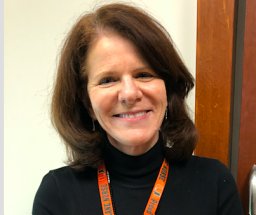 Victoria B. Mitrani合作论文数School of Nursing and Health Studies, University of Miami3
 James M. McMahon合作论文数2Todd Ambrosia合作论文数2Ximena Ferrer合作论文数2Alejandrina Arratia合作论文数2Shakira Henderson合作论文数2
 Yerko Molina合作论文数2Forest Jacobson合作论文数2Sebastián Sanhueza合作论文数2Kimberly A Hires合作论文数2
 Margarita Bernales合作论文数2Eloise Davenport合作论文数2Sadandaula R Muheriwa合作论文数2nohemi selene alarcon luna合作论文数2Melanie Fernandez合作论文数2Emmanuela Ojukwu合作论文数2
 patricia masalan apip合作论文数Pontificia Universidad Católica de Chile2
 Miguel A. Villegas-Pantoja合作论文数Facultad de Enfermería de Nuevo Laredo, Universidad Autónoma de Tamaulipas2
 Martha Dalila Mendez-Ruiz合作论文数Facultad de Enfermería de Nuevo Laredo, Universidad Autónoma de TamaulipasNuevo Laredo2Nilda Peragallo Montano合作论文数2
 Mary Hooshmand合作论文数School of Nursing and Health Studies, University of Miami2




