The high-value recovery and utilization of dispersed uranium resources from uranium mine wastewater, fluorine-uranium wastewater and seawater are of great significance for ecological environmental protection and sustainable development of nuclear energy. However, achieving efficient extraction of uranium resources and dual regulation of environmental health remains a challenging issue to be addressed. Hereon, amino-phosphoric acid modified polyacrylonitrile fibers (PAA-PAN(E)) were fabricated using hydrophilic amino and phosphoric acid as ligands. The adsorption capacity of PAA-PAN(E) fibers reached 583.4 mg g(-1) within the pH was 7.0, with an equilibrium time of 80 min. PAA-PAN(E) fibers mainly coordinated with U(VI) through -NH-/-NH2, -OH and P-O/P=O. The cumulative adsorption capacity of the fibers for U(VI) in the continuous injection of simulated wastewater was 381.9 mg g(-1). The adsorption rates of PAA-PAN(E) fibers for U(VI) in real uranium mine water, high-fluoride uranium-containing wastewater, and seawater were 99.9 %, 99.5 %, and 96.1 %, respectively, with a distribution coefficients (K-d) of up to >2.0 x 10(6) mL g(-1). After continuous feeding of 102 column volumes of real uranium mine water, the U(VI) concentration in the effluent remained stable below 0.05 mg L-1 (lower than the environmental discharge standard for industrial wastewater). Meanwhile, after continuous treatment of 26.0 L spiked seawater with PAA-PAN(E) fiber, the accumulated adsorption capacity of U(VI) reached 44.2 mg g(-1). After incineration of fibers at the end of their service life, the weight reduction rate of the fibers could reach >99.1 %, and the recovered uranium resource were U3O8 and UP2O7. This fiber is anticipated to effectively extract and utilize the dispersed uranium resources in actual complex uranium-containing wastewater and seawater.
Fabricating efficient copper-based adsorbents for radioactive iodine removal is crucial for environmental protection and waste volume reduction, particularly in the treatment of radioactive waste from hospitals. In this study, a composite of reduced graphene oxide (RGO) supported by Cu-Cu2O nanocrystals (Cu-Cu2O/RGO-3) was synthesized via a one-step method and evaluated for its effectiveness in iodide removal from water. The composite was comprehensively characterized using XRD, SEM, FT-IR, and XPS analyses. The effects of copper content, pH, contact time, iodide concentration, temperature, and coexisting anions on iodide uptake were systematically investigated. In the Cu-Cu2O/RGO-3 composite, copper primarily existed as metallic Cu, along with a small amount of Cu2O. Cu-Cu2O/RGO-3 exhibited a significantly higher I- adsorption capacity compared to Cu powder, effectively reducing I- concentrations from 8.6 to 0.029 mg/L within just 3 min, demonstrating a rapid uptake rate for trace I-. Furthermore, the maximum adsorption capacity reached 152.1 mg/g at pH 7.0, surpassing that of many reported copper-based adsorbents. The composite showed selectivity in the presence of competing ions like Cl-, NO3-, and SO42-, but HCO3- at higher concentrations inhibited I- adsorption. Post- adsorption analysis revealed that iodine was present solely as CuI. XPS analysis indicated that residual carboxyl groups in RGO facilitated the oxidation of Cu and promoted redox reactions between Cu(OH)2 and Cu, providing multiple pathways for generating additional Cu+ ions, thereby enhancing I- adsorption. This study offers a practical approach for modifying carbon-based materials with copper compounds, emphasizing the potential of copper-based materials for effective iodide purification in wastewater treatment.
Functionalized amidoxime [AO, R-C(NH2)=N(OH)] is widely used for uranium extraction from seawater, but increasing the effective functional sites for high AO utilization in adsorbents remains challenging. This study introduces a hydrogen bond reconstruction strategy to enhance uranium extraction efficiency of AO-modified polyacrylonitrile (PAN) fibers by blending with polyvinyl alcohol (PVA). The PAN/PVA fibers are synthesized via electrospinning, followed by amidoximation on PAN to prepare PAN-AO/PVA adsorbents. These materials can extract uranyl ions from the uranyl-carbonate complex in seawater, achieving an adsorption capacity of 21.0 mg g(-1) under simulated seawater conditions with 330 ppb uranium concentration over 24 h. PVA blending increases AO utilization efficiency by 4 times (from 1/291 to 1/69), exceeding most reported values. The adsorbent also shows excellent reusability, retaining over 95% capacity after seven adsorption-desorption cycles. Quantum-chemical studies based on density functional theory reveal that PVA modulates the hydrogen bonding network by shifting intramolecular bonds in PAN-AO to intermolecular ones with PVA, increasing permeability and exposing more active N and O sites. Additionally, PVA's hydroxyl groups coordinate with UO(2)2+, enhancing uranyl adsorption through an enthalpy-entropy synergy relationship. This strategy offers a practical approach to improving uranium extraction from seawater.
Autism Spectrum Disorder (ASD) is a lifelong neurodevelopmental condition characterized by atypical brain growth. While advances in neuroimaging and openly sharing large-sample datasets such as the Autism Brain Imaging Data Exchange (ABIDE) have improved understanding of ASD, most studies focus on adolescents and adults, with early brain development-critical for diagnosis and intervention-remaining underexplored. Existing research predominantly involves Western samples, offering limited insight and generalizability into non-Caucasian populations. We introduce the China Autism Brain Imaging Consortium (CABIC) (https://php.bdnilab.com/resources/), a grassroots effort by researchers across the country to aggregate previously collected multi-site structural MRI datasets and phenotypic information from 1,451 autistic children and 1,119 typically developing children, covering an age range from early childhood to school age (1.0 - 12.92 years). Here, we present this resource and depict brain growth charts to push forward a more comprehensive understanding of the brain development in Chinese autism children. We constructed brain growth charts that reveal a developmental shift in autistic children, transitioning from early overgrowth to delayed maturation. Regional analyses identified distinct atypical trajectories across specific brain regions. Individual deviation scores quantified inter-subject variability, characterizing the heterogeneity of brain development in ASD. Comparative analyses between CABIC and ABIDE highlighted differences potentially attributable to ethnicity and culture, advancing our understanding of cross-population neurodevelopmental diversity. CABIC MRI datasets will be shared publicly to foster investigation of the potential neural mechanisms underlying ASD in non-Western populations and support efforts toward precision medicine for autistic individuals across diverse backgrounds. ### Competing Interest Statement The authors have declared no competing interest.
Background Autistic traits are distributed along a continuum ranging from clinical presentations to the general population, being associated with high-risk of mental health problems. However, the underlying mechanism remains unclear. Given that alexithymia, which contributes to emotional difficulties related to autistic traits, along with the utilization of social camouflaging as a potential mechanism for coping, may exacerbate mental health issues. This study aimed to examine the mediating effects of alexithymia and social camouflaging in the associations between autistic traits and symptoms of anxiety/depression. Methods A total of 1085 Chinese university students (age: 21.8 ± 2.7 years, 51.9% males) were recruited through an online survey which measured autistic traits, mental health problems (anxiety and depression), alexithymia, and social camouflaging. The mediator effects of alexithymia and social camouflaging on the associations of autistic traits with anxiety and depression were conducted, and two serial mediation models were verified by regression analysis. Results The findings revealed a significant positive association of autistic traits with symptoms of anxiety and depression. The manifestation of anxiety symptoms was found to be influenced by autistic traits, mediated sequentially by alexithymia and social camouflaging (β = 0.022, 95% confidence interval [CI]: 0.011–0.035). Differently, the depression symptoms were linked to autistic traits solely through alexithymia (β = 0.499, 95%CI: 0.423–0.578). According to the subgroup analysis, the results within the female group were consistent with the observations made in the overall sample. However, in the male group, the statistical significance of the mediating effect of social camouflaging between autistic traits and anxiety was no longer evident. Limitations This study can only identify associations between autistic traits and social camouflaging, not causal relationships. Neuroimaging research is necessary to unravel the neural mechanisms that underlie these associations. Conclusions Our findings found that alexithymia and social camouflaging play a serial mediating role in the relationship between autistic traits and mental health problems in Chinese university students, especially anxiety. The associations between autistic traits and mental health issues may vary between males and females. This study highlights a significant pathway that has the potential to improve mental well-being in individuals exhibiting high autistic traits.
BACKGROUND:Morphological awareness (MA) deficit is strongly associated with Chinese developmental dyslexia (DD). However, little is known about the white matter substrates underlying the MA deficit in Chinese children with DD. METHODS:In the current study, 34 Chinese children with DD and 42 typical developmental (TD) children were recruited to complete a diffusion magnetic resonance imaging scan and cognitive tests for MA. We conducted linear regression to test the correlation between MA and DTI metrics, the structural abnormalities of the tracts related to MA, and the interaction effect of DTI metrics by group on MA. RESULTS:First, MA was significant related to the right inferior occipito-frontal fascicle (IFO) and inferior longitudinal fsciculus (ILF), the bilateral thalamo-occipital (T_OCC) and the left arcuate fasciculus (AF); second, compared to TD children, Chinese children with DD had lower axial diffusivity (AD) in the right IFO and T_OCC; third, there were significant interactions between metrics (fractional anisotropy (FA) and radial diffusivity (RD)) of the right IFO and MA in groups. The FA and RD of the right IFO were significantly associated with MA in children with DD but not in TD children. CONCLUSION:In conclusion, compared to TD children, Chinese children with DD had axonal degeneration not only in the ventral tract (the right IFO) but also the visuospatial tract (the right T_OCC) which were associated with their MA deficit. And Chinese MA involved not only the ventral tracts, but also the visuospatial pathway and dorsal tracts.
Water contamination by radioactive iodide raises public concerns due to potential threats to human health and ecosystems. In this study, we synthesized Ag/RGO-4, anchoring nanosilver (Ag) onto reduced graphene oxide (RGO), and verified its efficacy for selective iodide removal. The structure, surface morphology, and functional group composition of the composite material were thoroughly characterized. Iodide adsorption properties, encompassing pH effect, kinetics, equilibrium isotherm, anions' influence, and column test, were systematically evaluated. Batch tests revealed that RGO addition increased silver's iodide adsorption capacity from 0.87 to 2.06 mmol g(-1) at neutral pH. pH variations had minimal impact, as Ag/RGO-4 relied on AgI precipitate formation. The maximum adsorption capacity was 2.9 mmol g(-1). Ag/RGO-4 selectively removed iodide in the presence of interfering anions (CO32-, SO42-, NO3-, Cl-) at 266 mmol L-1, with minimal iodide removal enhancement. After batch test analysis and using comprehensive analytical techniques (XRD, SEM, TEM, FTIR, and XPS), a plausible adsorption mechanism emerged. Hypothesized is the initial oxidation of Ag by C=O groups on RGO in Ag/RGO-4, producing Ag+, leading to iodide sequestration as AgI. The material holds promise for treating iodide-contaminated water from nuclear incidents and nuclear medicine.
The present work investigated the adsorption of gaseous iodine molecules (I2) on stable CuS surface, which has demonstrated excellent performance as an adsorbent for I2 removal, with first-principles density functional theory (DFT). In this work, a pair of asymmetric surfaces (marked as slab1 and slab2) formed by breaking the weakest bond along (0 0 1) direction are chosen to present CuS surfaces. The findings indicate that the adsorption of I2 molecules on the pristine CuS(0 0 1) surface is relatively weak, while surface defects significantly enhance the binding strength of I2. In particular, S-vacancy CuS(0 0 1) surfaces exhibit considerably higher adsorption energy for I2 compared to Cu-vacancy surfaces. We found that the hollow and Cu-top sites are typically the dominant adsorption sites, and the initial orientation of I2 relative to the surface also influences the adsorption performance.
The effects of the long-term bilingual experience on structure and function of the cerebellum remain unclear. To explore whether there are differences in cerebellar gray matter structure between Cantonese-Mandarin bilinguals and Mandarin monolinguals and whether these different cerebellar structures have different resting-state functional connectivity (RSFC) with the cerebrum between the two groups, 30 Cantonese-Mandarin bilingual and 30 Mandarin monolingual college students were scanned by the T1-weighted magnetic resonance imaging (MRI) and resting-state functional MRI. Voxel-based morphology (VBM) analysis and RSFC analysis were used to analyze the cerebellar gray matter volume (GMV) and cerebellar-cerebro functional connectivity, respectively. Correlation analysis was performed between GMV/RSFC and the rapid automatized naming (RAN) and cognitive control. Compared to Mandarin monolinguals, Cantonese-Mandarin bilinguals showed larger GMV in bilateral cerebellar inferior posterior lobe (including bilateral VIIIa, VIIIb,IX, and right X, Vermis VIIIb, and Vermis IX) and a significant increase in RSFC coupling of the right inferior cerebellar posterior lobe with orbital part of left inferior frontal gyrus (IFG). In addition, there was a positive correlation between average response time (RT) of Mandarin alphanumeric RAN and RSFC between the right inferior posterior lobe of cerebellum and left IFG of all participants. The long-term Cantonese-Mandarin bilingual experience can increase the GMV of the bilateral cerebellar inferior posterior lobe and the RSFC between the right inferior cerebellar posterior lobe with orbital part of left inferior frontal gyrus (IFG).
目的 了解三~五年级发育性阅读障碍(DD)儿童的识字量和识字错误特点,为针对性地识字教学、提高DD儿童汉字书写能力提供参考.方法 2019年11-12月,以广州市南沙839名三~五年级学生为研究对象,采用"儿童汉语阅读障碍量表"筛查DD儿童;采用小学生标准识字量测试儿童的识字量水平和识字错误类型;采用t检验、x2检验、单因素和多因素回归进行统计分析.结果 与正常儿童比,DD儿童识字量水平更低(β=-250.55,95%CI:-318.17~-182.94),识字量异常风险更高(OR=3.08,95%CI:1.68~5.66);DD儿童的汉字抄写错误率(β=0.44,95%CI:0.05~0.84)和汉字生成错误率(β=5.79,95%CI:3.13~8.46)更高,汉字生成任务主要是组词字部件错误率(β=0.28,95%CI:0.06~0.50)、组词错误率(β=5.48,95%CI:2.89~8.07)高于正常儿童.分层线性回归分析发现三、四年级DD儿童在汉字生成任务中更易犯错,体现在三年级DD儿童的组词错误率更高(β=5.85,95%CI:1.75~9.95),四年级DD儿童的组词字部件错误率(β=0.56,95%CI:0.19~0.93)、组词错误率(β=8.05,95%CI:3.34-12.76)更高.结论 三~五年级DD儿童存在明显的识字缺陷,容易出现汉字抄写错误、组词部件错误和组词错误,三年级容易出现组词错误,四年级容易出现组词字部件错误、组词错误.
Objective: To explore the differences of functional brain networks in processing auditory phonological tasks between Cantonese-Mandarin bilinguals and Mandarin monolinguals.Methods: 31 Cantonese-Mandarin bilinguals and 31 Mandarin monolinguals performed auditory rhyming tasks under a functional magnetic resonance imaging (fMRI) scanning. Bilinguals performed two language tasks (Cantonese, CC; Mandarin, CM), while monolinguals performed only one task (Mandarin, MM). Graph theory and network-based statistic (NBS) analyses were used to reveal the differences of functional brain networks among CC, CM and MM. Results: The functional brain networks of CC, CM and MM were all small-world, and there were no differences in network properties, but widespread differences in functional connectivity among distributed brain regions.Conclusions: The Cantonese-Mandarin bilingualism and Mandarin monolingualism shared similar efficient to-pological structure of brain network for auditory phonological processing, but varied in widespread functional connectivity. And the two languages within bilingualism employed different functional brain networks for auditory phonological processing.
BackgroundEmotional and behavioral problems are common in children with autism spectrum disorder (ASD). It's still unclear whether children with ASD have abnormal sugar-sweetened beverages (SSBs) and milk intake and whether this abnormality will affect their emotions and behavior remains unclear. The current study aims to investigate the association of SSBs and milk intake with emotional and behavioral problems in children with autism spectrum disorder (ASD). Methods107 children with ASD and 207 typical developing (TD) children aged 6-12 years old were recruited for the study. The frequency of SSBs and milk intake was assessed by a self-designed questionnaire. Emotional and behavioral problems were assessed by Strength and Difficulties Questionnaire (SDQ). Then, the linear regression model was produced to evaluate the association of SSBs and milk intake with emotional and behavioral problems. ResultsIn the current study, there was no difference in frequency of SSBs intake between children with ASD and TD children (p > 0.05), and children with ASD consumed less milk compared to TD children (p < 0.05). After adjusting sex, age, maternal and paternal education, and monthly family income, we found a significant difference in each subscale score of SDQ in the two groups (p < 0.05). In children with ASD, higher frequent SSBs intake was positively associated with the scores of the emotional problem (p for trend <0.05), and lower frequent milk intake was inversely associated with the scores of prosocial behavior (p for trend <0.05). No interactive effects were found on SSBs and milk intake with emotional and behavioral problems (p for trend > 0.05). ConclusionIn children with ASD, frequency of SSBs and milk intake was associated with the emotional problem and prosocial behavior, respectively. Children with ASD should increase the frequency of milk intake and decrease the frequency of SSBs intake.
It is of great significance to develop an adsorbent with high adsorption capacity and excellent resistance to anion and cation interference toward the removal of U(VI). Herein, a novel polyamine-modified polyacrylonitrile-based fiber (PANPA) has been synthesized through hydrothermal method, which can validly remove U(VI) from solution. Combined with mesoscopic, spectral characterization and simulation method, the removal behavior and mechanism of U(VI) from high fluorine uranium-containing wastewater by PANPA are systematically investigated. The results show that, based on the strong coordination principle of polyamine group and UO22+, PANPA can selectively remove U(VI) from wastewater. In addition, the qmax of 459.27 mg g(-1) was more than that of many other adsorbent materials. More importantly, PANPA is not affected by high concentration of F-, and exhibits higher distribution coefficient (559,900 mL g(-1)) and removal efficiency (99.5%) to U(VI) than other coexisting ions in real wastewater. Furthermore, the column experiment was also implemented to remove U(VI). The results indicate that PANPA is a promising material to effectively remove U(VI) from real wastewater produced during the fabrication of nuclear fuel elements.
A kind of amino groups modified polyacrylonitrile fibers (PAN-A) was prepared to extract uranium from organic-containing low-level radioactive wastewater (OC-LLRW). SEM/EDS and FTIR characterization conformed that amino group was triumphant grafed on polyacrylonitrile fibers (PAN) surface. Its adsorption capacity was 492.1 mg g−1 (pH 6.0) and can endure at least five adsorption/desorption cycles under condition of 0.1 mol L−1 HCl solution. This PAN-A can work efficiently in the organic containing waste water (urea, tetrahydrofurfuryl alcohol), while the polyvinylalcohol (PVA) exhibited an apparently suppressive effect. This phenomenon was mainly with respect to the sticky nature of PVA.
Cantonese and Mandarin are logographic languages, and the phonology is the main difference between the two languages. It is unclear whether the long-term experience of Cantonese-Mandarin bilingualism will shape different brain white matter structures related to phonological processing. A total of 30 Cantonese-Mandarin bilinguals and 30 Mandarin monolinguals completed diffusion-weighted imaging scan and phonological processing tasks. The tractography and tract-based spatial statistics were used to investigate the structural differences in the bilateral superior longitudinal fasciculus (SLF), inferior longitudinal fasciculus (ILF), and inferior fronto-occipital fasciculus (IFOF) between Cantonese-Mandarin bilinguals and Mandarin monolinguals. The post-hoc correlation analysis was conducted to investigate the relationship between the different structures with phonological processing skills. Compared to the Mandarin monolinguals, the Cantonese-Mandarin bilinguals had higher fractional anisotropy (FA) along the left ILFs higher mean diffusivity (MD) along the right IFOF and the temporoparietal segment of SLF (tSLF), higher axial diffusivity (AD) in the right IFOF and left ILF, and lower number of streamlines in the bilateral tSLF. The mean AD of the different voxels in the right IFOF and the mean FA of the different voxels in the left ILF were positively correlated with the inverse efficiency score (IES) of the Cantonese auditory and Mandarin visual rhyming judgment tasks, respectively, within the bilingual group. The correlation between FA and IES was different among the groups. The long-term experience of Cantonese-Mandarin bilinguals shapes the different brain white matter structures in tSLF, IFOF, and ILF. Compared to the monolinguals, the bilinguals' white matter showed higher diffusivity, especially in the axonal direction. These changes were related to bilinguals' phonological processing.
A theoretical model was developed based on the interaction between textiles and the Quick-Intelligent Handle Evaluation System (QIHES), to investigate the bending properties. The effect of friction and extensibility are considered and discussed based on the decomposition of contact and non-contact sections by the Capstan equations and Rung-Kutta method. According to the comparative analysis among the QIHES and the two theoretical models (with or without friction), the shapes of experimental and theoretical force-displacement curves are similar with good agreements, and the correlation coefficient between the QIHES and the bending characteristic parameters of the theoretical model is up to 0.99 and the maximum error is 15.13%. It could be concluded that the theoretical model is effective, which further proves that QIHES is feasible and reliable in characterizing the bending properties. Thus, this work could be applied for assessing the bending performance of textiles in many fields.
Empathizing, systemizing, and empathizing-systemizing difference can be linked to autistic traits in the general adult population and those with autism spectrum disorder (ASD), but these profiles and associations remain unclear in children with ASD, with and without intellectual disability (ASD + ID; ASD-noID). We recruited three groups including 160 boys with ASD (73 ASD + ID; 87 ASD-noID) and 99 typically developing (TD) boys (6-12 years). We measured empathizing, systemizing, and empathizing-systemizing difference using the parent-reported child Empathy and Systemizing Quotient (EQ-C/SQ-C). We measured autistic traits using the Social Responsiveness Scale (SRS). Among the three groups, children with ASD + ID and ASD-noID scored lower on the EQ-C and SQ-C than TD children (all p < 0.001). There was no difference in the EQ-C between children with ASD + ID and ASD-noID (16.59 ± 5.53 vs. 16.23 ± 5.85, p = 0.973), and the difference in the SQ-C attenuated to null when adjusting for intelligence between children with ASD-noID and TD children (18.89 ± 7.80 vs. 24.15 ± 6.73, p = 0.089). Children with ASD + ID scored higher on empathizing-systemizing difference than TD children but lower than children with ASD-noID (all p < 0.05). Negative associations between EQ-C and all autistic traits, null associations between SQ-C and all autistic traits, and positive associations between empathizing-systemizing difference and all autistic traits were found in all groups. We observed differences in empathizing, systemizing, and empathizing-systemizing difference and the consistency of their associations with autistic traits among the three groups. Our findings provide implication that behavioral interventions of ASD should consider the balance of empathizing and systemizing. LAY SUMMARY: We examined the profiles of empathizing, systemizing, and empathizing-systemizing difference in children with autism spectrum disorder, with and without intellectual disability (ASD + ID; ASD-noID), and typically developing (TD) children aged 6-12 years. We observed differences in these profiles and the consistency of their associations with autistic traits among the three groups. Empathizing and empathizing-systemizing difference, rather than systemizing, were associated with autistic traits within the three groups. Our findings provide implication that behavioral interventions of ASD should consider these imbalance profiles.
 Moran Wang (王沫然)合作论文数Institute of Engineering Thermophysics, Department of Engineering Mechanics, School of Aerospace Engineering, Tsinghua University;Laboratory of Multiscale Interfacial Transport, Department of Engineering Mechanics, School of Aerospace Engineering, Tsinghua University;Center for Nano and Micro Mechanics, Tsinghua University29
 Weidong Yu (于伟东)合作论文数College of Textiles, Donghua University25
 Zhong Wen合作论文数Dept Biosyst Engn, Univ Manitoba17Sukang Zhu合作论文数17
 Qun Chen (陈群)合作论文数School of Aerospace Engineering, Tsinghua University;North China University of Technology16Chunsheng Du合作论文数15
 Jing Gao (高晶)合作论文数College of Textiles, Donghua University14
 Xiuhong Li (李秀红)合作论文数School of Public Health, Shenzhen, Sun Yat-Sen University14
 Jin Jing (静进)合作论文数School of Public Health, Sun Yat-sen University14
 Zeng-Yuan Guo (过增元)合作论文数Institutes of Engineering Thermal Physics, Department of Engineering Mechanics, School of Aerospace Engineering, Tsinghua University;Department of Mechanical Engineering, Michigan State University13
 Ding Pan (潘鼎)合作论文数College of Materials Science and Engineering, Donghua University13
 Li Chen (陈利)合作论文数School of Textile Science and Engineering, Tiangong University12
 Mingwei Tian (田明伟)合作论文数青岛大学纺织服装学院11
 Xiaoqin Nie (聂小琴)合作论文数Key Discipline Laboratory for National Defense for Biotechnology in Uranium Mining and Hydrometallurgy, University of South China10
 Bipin Kumar合作论文数9
 David Lukas合作论文数9Shu Yang合作论文数9
 Ying Sun (孙颖)合作论文数School of Textile Science and Engineering, Tiangong University9
 Hao Zou合作论文数Second Military Medical University, Second Military Medical University8
 Jinlian Hu (胡金莲)合作论文数Department of Biomedical Engineering, City University of Hong Kong8Sh Zeronian合作论文数7Hao Lei合作论文数7
 Lizi Lin (林力孜)合作论文数School of Public Health, Sun Yat-sen University7
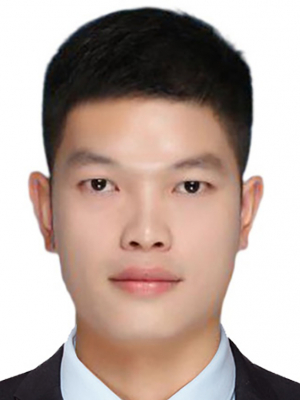 Xiaoyu Xu (徐晓宇)合作论文数School of Pharmaceutical Sciences, Sun Yat-sen University7
 Jihuan He (何吉欢)合作论文数College of Textile and Clothing Engineering, Soochow University7
 Sanliang Zhang合作论文数UC Davis, University of California7
 Lianjiang Tan (谭连江)合作论文数School of Materials Science and Engineering, Shanghai Institute of Technology;Shanghai Jiao Tong University7
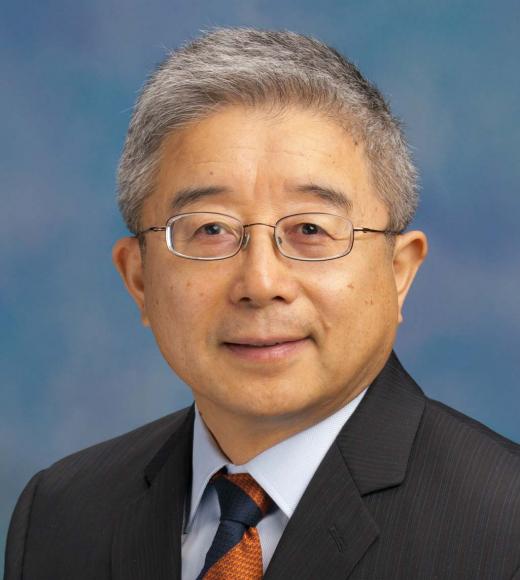 Gang Sun合作论文数Materials Science and Engineering, University of California Davis/Biological and Agricultural Engineering, University of California Davis7
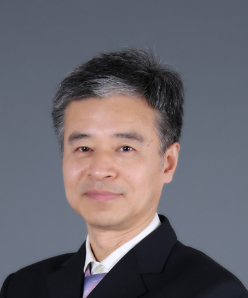 Huiyu Sun (孙慧玉)合作论文数Nanjing University of Aeronautics and Astronautics7Jinku Wang合作论文数7
 Tingrui Pan (潘挺睿)合作论文数Suzhou Institute for Advanced Research, University of Science and Technology of China7Fangting Chi合作论文数6Xiaoqiang Wang合作论文数6Xiaoxuan Fan合作论文数6
 Hongying Yang (杨红英)合作论文数Zhongyuan University of Technology6Postle R合作论文数6
 Diantang Zhang (张典堂)合作论文数College of Textile Science and Engineering, Jiangnan University6
 Malcolm Xing合作论文数Department of Mechanical Engineering, University of Manitoba6
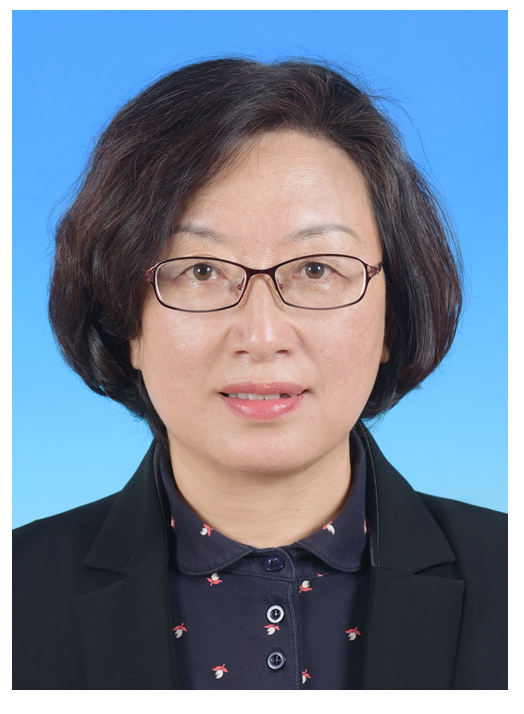 Lijun Qu (曲丽君)合作论文数College of Textiles & Clothing, Qingdao University6
 Stanley Backer合作论文数Department of Mechanical Engineering,Massachusetts Institute of Technology6Lars Becker合作论文数6Leah Sabin合作论文数5Shifeng Zhu合作论文数5Jingwen Ma合作论文数5Meghan Drummond合作论文数Regeneron Pharmaceut, Tarrytown, NY USA5Yuying Jin合作论文数5CaiJuan Xu (许才娟)合作论文数5
 Zhaofeng Chen (陈照峰)合作论文数College of Materials Science and Technology, Nanjing University of Aeronautics and Astronautics5
 Chuanqin Xia (夏传琴)合作论文数College of Chemistry, Sichuan University5




