Post-stroke patients often suffer from impaired postural stability and a heightened risk of falls due to neu- romuscular deficits. Russian current stimulation, a medium-frequency neuromuscular electrical stimulation technique, has shown promise in enhancing muscle strength and mo- tor control. This study aimed to investigate the effect of Russian current stimulation applied to the ante-rior tibial muscle group, in conjunction with a structured physiotherapy program, on postural stability and fall risk in stroke survivors. A randomized controlled trial was conducted with 40 stroke patients aged 40–60 years (BMI < 30 kg/m²), divided equally into study (n=20) and control (n=20) groups. Both groups received a standard 40-minute physiotherapy regimen three times weekly for six weeks. The study group also received Russian current stimulation (2.5 kHz, 50 bursts/sec, 20 min/session) target- ing the anterior tibial group. Outcomes were assessed pre- and post-intervention using the Biodex Balance System in- dices (overall, anterior-posterior, and medial-lateral stabil- ity), and fall risk index Significant improvements were observed in the study group compared to controls as reductions in overall stability index, anterior-posterior and medial-lateral sway indices (all p < 0.05). No significant dif- ference was noted between groups in fall risk under eyes- closed conditions (p > 0.05). The addition of Russian current stimulation to conventional physical therapy significantly improves postural stability and reduces fall risk in stroke patients under eyes-open conditions. These findings support the integration of neuromuscular electrical stimulation into stroke rehabilitation protocols targeting the anterior tibial muscle group. Clinical-Trials.gov Identifier: NCT06793865
BACKGROUND:Total knee arthroplasty (TKA) is a common procedure to relieve pain and restore function in osteoarthritis patients. Postoperative rehabilitation is essential to address pain, swelling, reduced range of motion, and functional limitations. Hydrotherapy, using water buoyancy and resistance, may enhance recovery, but evidence on its effectiveness after these surgeries remains limited. METHODS:A systematic literature search was conducted across six databases: PubMed, ProQuest, Science Direct, Google Scholar, Scopus, the Cochrane Library, and PEDro, covering studies published up to 30 November 2025. Only prospective randomized controlled trials were considered for inclusion. Studies such as case reports, uncontrolled case series, and those focused on outcomes other than postoperative pain and decreased muscle strength in patients undergoing total knee arthroplasty were excluded. This review was registered in PROSPERO (CRD420251164054). RESULTS:Pooled analysis showed no statistically significant difference between hydrotherapy and land-based or usual-care rehabilitation in Visual Analogue Scale (VAS)-measured pain (MD ≈ -0.35; 95% CI [-1.06, 0.36]; p=0.34) or in WOMAC pain (MD ≈ -0.46; 95% CI [-8.50, 7.58]; p=0.89). In contrast, hydrotherapy produced a moderate, statistically significant improvement in lower-limb muscle strength (Hedges' g=0.46; 95% CI [0.23, 0.69]), particularly in knee extensor and hip abductor strength. Heterogeneity was low for VAS pain and muscle strength but substantial for WOMAC pain (I2≈71%), and no evidence of publication bias was identified. CONCLUSIONS:Hydrotherapy did not reduce postoperative pain more than land-based exercise or usual care; pain relief was comparable between approaches, whereas hydrotherapy yielded greater gains in muscle strength. Heterogeneity in treatment parameters and the limited number of high-quality trials preclude definitive conclusions; future research should standardize hydrotherapy protocols and investigate long-term outcomes.
Objective The study aimed to evaluate the efficacy of a multimodal intervention on urodynamic outcomes, urinary incontinence severity, and pelvic floor muscle strength in individuals with overactive bladder after incomplete spinal cord injury. Methods A single-blind randomized controlled trial was conducted on 74 male participants diagnosed with overactive bladder and incomplete spinal cord injury. Participants were randomly assigned to an experimental group or a control group. Treatment was conducted for 8 weeks, three sessions per week. Outcomes were assessed at baseline, post-intervention, and the 8-week follow-up. Results The experimental group showed significantly greater improvements in the measured outcomes compared with the control group (P < 0.001). Conclusion Incorporating a multimodal regimen demonstrated significant efficacy in enhancing bladder capacity, continence, and muscle function in individuals with overactive bladder due to incomplete spinal cord injury. Clinical trial registry (ID: NCT07008157). https://clinicaltrials.gov/study/NCT07008157?cond=Spinal%20Cord%20Injuries&intr=Multimodal%20Rehabilitation%20Program&viewType=Card&rank=1
BackgroundPalliative care (PC) is a specialized healthcare approach dedicated to improving the quality of life for patients and families facing life-threatening illnesses. While global standards emphasize a multidisciplinary team, the specific role of Occupational Therapy (OT) within the Saudi Arabian PC landscape remains under-investigated. This study aims to evaluate the knowledge, attitudes, and perceived barriers of Saudi Occupational therapists (OTs).MethodologyA cross-sectional online survey was conducted among 50 licensed occupational therapists in Saudi Arabia. Data was analyzed using descriptive statistics and inferential tests, including Pearson’s Chi-square and Independent Samples t-tests, to evaluate the influence of education and experience on PC competencies.Results50% of participants demonstrated “average” knowledge, and 80% reported positive attitudes. However, critical gaps were identified, with 94% incorrectly believing PC is only for the terminal stages. Statistical analysis revealed that therapists who received PC training during their university education had significantly higher knowledge scores (p = 0.041) than those who did not. The primary barrier to practice was a lack of awareness regarding the OT role (54%).ConclusionAlthough Saudi occupational therapists mainly held favorable views about PC, there were notable knowledge gaps and misunderstandings regarding palliative care. The most significant barrier identified was a lack of awareness of the OT role in a palliative setting. As such, integrating standardized PC modules into OT curricula is vital for raising the awareness of the OT role and aligning with Saudi Arabia’s Vision 2030 healthcare objectives.
Objective:To examine the effectiveness of high-intensity laser acupuncture (HILA) combined with physical therapy exercises on trunk muscular performance, pain, and quality of life (QoL) in individuals with chronic nonspecific low back pain (CNSLBP). Methods:A randomized, prospective, double-blind, controlled study was conducted at the outpatient clinic of the Faculty of Physical Therapy, Cairo University. Sixty patients aged 20-40 years with CNSLBP were randomly allocated to each group. The HILA group received HILA treatment and physical therapy exercises, whereas the sham group received a placebo laser and the same physical therapy exercises. The therapy was administered for four weeks, three times a week. Trunk muscular performance, pain, and QoL were evaluated before and after the intervention and at the 1-month follow-up using isokinetic dynamometry, the visual analog scale, and the World Health Organization QoL (WHOQOL-BREF), respectively. Results:The differences between the baseline and post-intervention assessments were statistically significant for all variables in both groups, favoring the HILA group (all P < 0.05). A slight decrease was observed from post-intervention to follow-up in both groups, but the HILA group remained superior (P < 0.05), with follow-up Cohen's d effect sizes of 0.849 (peak torque for trunk extensors), 0.636 (peak torque for trunk flexors), 0.875 (average power for trunk extensors), 0.888 (average power for trunk flexors), 1.729 (pain), and 0.586 (WHOQOL-BREF). Conclusion:HILA therapy, combined with physical exercise therapy, may provide greater improvement in trunk muscular performance, pain, and QoL for patients with CNSLBP in the short term compared to physical exercise therapy alone. These findings suggest that HILA treatment may be a valid and safe adjunctive therapeutic option for patients with CNSLBP. Further research is necessary to assess the long-term effects and optimize treatment protocols.
Background/Objectives: Given the growing need for prenatal care, Nordic Walking (NW) is a promising intervention for maintaining maternal physical activity and quality of life (QoL). We aimed to investigate the influence of NW on gait kinematics, pelvic girdle pain, low back pain (LBP), and QoL during pregnancy. Methods: This is a single-blind randomized controlled trial. A total of 44 pregnant women aged 20 to 40 years with 13-28 weeks of gestation and mild to moderate musculoskeletal pain were included. Participants were randomly assigned to either the study (NW) group or the control group. The study group received the NW program for 12 weeks, three sessions per week, each lasting 45 min. The control group received standard prenatal care plus 30 min of moderate walking three days a week. The GAITRite system was used to measure gait kinematics, and the Visual Analog Scale (VAS) for pain and the SF-36 for QoL were administered at baseline, the fourth week, and the twelfth week. Results: NW significantly improved gait kinematics and reduced musculoskeletal pain (p < 0.001) with improvements in pain and gait speed exceeding the previous reported MCID thresholds. QoL improved across all SF-36 domains in the NW group (p < 0.001) compared with the control group, with large effect sizes observed for the primary outcomes. Conversely, the control group experienced declines in several QoL domains, including energy/fatigue and emotional well-being, despite moderate walking exercise and standard prenatal care over 12 weeks. Conclusions: NW may represent an effective prenatal exercise regimen associated with improved gait, reduced pain, and better overall QoL compared with moderate exercise, consistent with standard prenatal care.
Leukemia and its treatment can substantially impair children’s health-related quality of life (HRQoL). This descriptive cross-sectional study aimed to evaluate HRQoL among Saudi children with leukemia and to identify the demographic, clinical, and functional factors associated with HRQoL. Eighty-six children aged 5–14 years with acute lymphoblastic or acute myeloid leukemia (AML) who were receiving active treatment at King Faisal Specialist Hospital and Research Center Riyadh, Saudi Arabia. All participants had been diagnosed at least three months before enrolment and were receiving active treatment. HRQoL was assessed using the Arabic version of the Pediatric Quality of Life Inventory™ (PedsQL™) 3.0 Cancer Module, while physical function was evaluated using the Quick Disabilities of the Arm, Shoulder and Hand (Quick-DASH) questionnaire and the Lower Extremity Functional Scale (LEFS). Correlations and theory-driven multiple linear regression analyses were performed to identify factors associated with HRQoL. The mean overall HRQoL score was 62.7 ± 16.5, indicating a moderate level of HRQoL. The lowest scores were observed for procedural anxiety, whereas communication had the highest domain score. Girls demonstrated significantly higher HRQoL than boys.Multiple linear regression identified female gender (β = 0.270, 95
Background: Stroke is a primary cause of adult disability and often causes cognitive impairment. Rehabilitation interventions aim to enhance patients' cognitive abilities, thereby addressing care needs, improving quality of life, and optimizing performance in compromised functions. Objective: To evaluate the impact of incorporating cognitive-behavioral training (CBT) into a selected exercise program on cortical reorganization and cognitive recovery in post-stroke patients. Methods: Thirty post-stroke patients of both sexes (27 male and 3 female) aged from 40 to 65 years were randomly divided into two groups: the study group (n = 15) received CBT combined with a selected exercise program including weight-bearing, balance, and aerobic exercises, while the control group (n = 15) underwent the selected exercise program only. All participants engaged in an 8-week intervention with three sessions per week. Cortical reorganization was measured using quantitative electroencephalography (QEEG) at electrode sites F3, F4, T5, and T6, and cognitive function was assessed using the Montreal Cognitive Assessment (MoCA) and RehaCom, focusing on memory, attention, concentration, logical reasoning, and reaction behavior. Assessments were carried out for all patients before and after the 8-week treatment program. Results: Improvements were assessed through three key measures: QEEG, the MoCA, and RehaCom. Post-intervention, the study group demonstrated a significantly higher (alpha + beta)/(delta + theta) ratio at F3, F4, T5, and T6 (p < 0.01), indicative of enhanced cortical reorganization. MoCA scores increased by 16.98% in the study group compared to 7.40% in the control group (p < 0.01). Additionally, RehaCom assessments revealed marked improvements in memory, attention, logical reasoning, and reaction behavior in the study group (p < 0.01). Conclusions: Integrating cognitive-behavioral training with a selected exercise program significantly enhances cortical reorganization and cognitive recovery in post-stroke patients. These findings suggest that adding CBT to rehabilitation protocols can effectively address deficits in memory and attention, ultimately improving functional outcomes.
Background/objective: Children with autism spectrum disorders (ASD) are recognized to experience challenges with muscle function. However, there is a lack of knowledge about muscle and hand grip strength in autism. Therefore, the study aims to assess the handgrip and pinch strength of ASD and typical children. Material and method: This study enrolled 45 participants of both sexes, 27 males and 18 females, aged 6–12 years old; 24 (13 females and 11 males) were typically developing children and 21 (5 females and 16 males) had ASD. The outcome measures were hand grip and pinch strength, with the handheld dynamometer assessing handgrip strength and the hydraulic pinch gauge evaluating pinch grip. The hydraulic pinch gauge measured the pinch strengths of the key, tripod, and pulp grips. Both groups were assessed on both their dominant and non-dominant sides. Result: A comparison of the ASD group with the control group revealed that children with ASD exhibited lower values of the hand grip, key pinch, tripod pinch, and pulp pinch strengths for both hands (p < 0.05). Conclusions: The hand and pinch strengths of ASD children are lower than those of typically developing children. Therefore, the evaluation process for children with ASD should include hand and pinch strengths as a standard component. Furthermore, the rehabilitation program for ASD should prioritize enhancing hand strength.
Cervicogenic headache is characterized by unilateral headache potentially stemming from cervical spine mechanical dysfunction. Research indicates that proprioceptive exercises, specifically gaze direction recognition (GDR), are found to be effective in reducing cervical joint position error and enhancing the quality of cervical afferent signals to the central nervous system. This study aimed to evaluate proprioceptive training’s impact on headache pain intensity, functional limitation, and neck motion range in individuals experiencing cervicogenic headache. This study employed a randomized controlled design involving 40 participants with cervicogenic headache between 35 and 49 years of age, divided equally into two groups. CONT (control) received only conventional physical therapy interventions, while EXPR (Experimental) underwent both proprioceptive training and standard physical therapy. Both programs consisted of 24, 60–70 min long sessions over 8 weeks. Assessment tools included the Numeric Rating Scale for headache pain, the Neck Disability Index for functional limitation evaluation, and a cervical range of motion (CROM) device for mobility assessment. Statistical analysis showed that headache pain and disability level significantly decreased (P = 0.0001) post-intervention in both groups, with superior outcomes in EXPR. Similarly, cervical mobility significantly improved (p = 0.0001) in both groups following treatment, with EXPR demonstrating greater enhancements. Gaze direction recognition exercise (GDR) is effective in reducing headache pain severity, and disability level, and increasing cervical ROM in subjects with Cervicogenic headache. Approval was granted on 29 February 2024. (PACTR202402489039282), available at https://pactr.samrc.ac.za/ .
Background/Objectives: As aging leads to a decline in muscle mass, strength, and functional capacity, identifying effective, low-risk interventions for older adults is essential. Blood flow restriction training (BFRT) has gained recognition as a potential substitute for traditional high-load resistance training, offering comparable benefits with reduced mechanical stress. This scoping review explores current BFRT protocols—specifically cuff pressure, training frequency, and duration—and their impact on muscular strength, hypertrophy, and functional capabilities among healthy elderly individuals. Methods: Following PRISMA-ScR and Arksey and O’Malley’s framework, six databases were searched (2010–2024), yielding 13 eligible studies. Data were charted for BFRT parameters, training regimens, and outcomes related to strength, muscle size, and functionality. Risk of bias was assessed using Cochrane guidelines. Results: Low-load BFRT (20–40% 1RM), applied 2–4 times weekly for 6–12 weeks, significantly improved muscle strength, hypertrophy (e.g., quadriceps CSA), and functional performance (e.g., TUG, 6MWT). Cuff pressures ranged from 50 to 80% arterial occlusion pressure (AOP) for the lower limbs and 30–50% above systolic pressure for the upper limbs. Wider cuffs enhanced safety and comfort. BFRT demonstrated comparable or superior outcomes to conventional training in most studies, with minimal adverse effects reported. Conclusions: The existing evidence suggests that BFRT may be a promising intervention for improving muscle health and functionality in older adults; however, future research should focus on standardizing protocols, long-term outcomes, and tailored guidelines to optimize safety and efficacy.
Background and Objectives: Lean body mass loss after bariatric surgery (BS) is remarkable, despite an effective long-term mass reduction and significant declines in comorbidities. A person’s functional capacity is adversely affected when their skeletal muscle strength declines by up to 30%. This study aimed to assess the isokinetic trunk muscle strength and fatigue rate in individuals after BS. Materials and Methods: This study included fifty-eight patients, both male and female, ranging in age from 19 to 45. Twenty-seven individuals had BS and twenty-seven healthy people served as the control group. The primary outcomes were the measurement of the concentric and eccentric isokinetic muscle strength of the trunk flexor and extensor muscles. An isokinetic dynamometer (Biodex Rehabilitation and Testing System 3) was used for the assessment of the isokinetic muscle strength. Noraxon EMG was used to determine a secondary outcome, which was the median frequency slop (MF/time) and root mean square slop (RMS/time) of the lumbar erector spinea muscle at 50% of the Maximum Voluntary Isometric Contraction (MVIC). Outcome measures were assessed for both groups. Results: Compared to the control group, the bariatric group showed a lower mean value of both concentric and eccentric isokinetic muscle strength for the flexor and extensor trunk muscles (p < 0.05). In terms of the EMG fatigue rate, the RMS slope increased significantly more than that of the control group, while the MF slope decreased (p > 0.05). Conclusions: The current study found that, in comparison to the healthy subjects, the BS group showed reduced levels of fatigue and isokinetic strength in the trunk muscles. Based on these results, it is recommended that individuals who underwent BS take part in tailored rehabilitation programs to avoid potential musculoskeletal issues in the future.
The objectives of this study are to compare hip muscle strength, hip joint proprioception, and functional balance between individuals with unilateral hip OA and asymptomatic individuals and to examine the relationships among these variables in the hip OA population. In a prospective cross-sectional study, 122 participants (unilateral Hip OA: n = 56, asymptomatic: n = 56) were assessed at the CAMS/KKU musculoskeletal Physical Therapy laboratory. Ethical standards were upheld throughout the research, with informed consent obtained. Hip muscle strength was measured using a hand-held dynamometer, hip joint proprioception with a digital inclinometer, and functional balance using the Berg Balance Scale (BBS) and Timed Up and Go (TUG) test. Hip OA individuals exhibited significantly lower muscle strength and proprioceptive accuracy, and poorer functional balance than controls (p < 0.003). Correlation analyses revealed a positive correlation between muscle strength and BBS scores (r = 0.38 to 0.42) and a negative correlation with TUG test times (r = -0.36 to -0.41). Hip joint reposition sense (JRS) in flexion showed a negative correlation with balance (r = -0.46), while JRS in abduction was positively correlated (r = 0.46). The study highlights the clinical importance of muscle strength and proprioception in functional balance among individuals with unilateral hip OA. The results support the incorporation of muscle strengthening and proprioceptive training in interventions to improve balance and mobility in this population.
Background: Treatments that combine both elastic and rigid taping in knee osteoarthritis have not yet been investigated in the literature. Thus, the purpose of the present study is to investigate how the combination taping technique affects functional status, disability, and quadricep isokinetic torque in cases of knee osteoarthritis. Patient Methods: A total of fifty-four patients were assigned to the experimental group or control group. Conventional physical therapy was provided to both groups, in addition, participants in the experimental group also received combination taping. Disability, functional status, and isokinetic quadriceps torque were assessed at baseline, six weeks (post-intervention), and twelve weeks (follow-up). Results: MANOVA showed that post-intervention measurements were significantly better than baseline measurements of both groups, except for isokinetic quadriceps torque, which showed a nonsignificant difference in the control group. The control group’s follow-up measurements revealed nonsignificant differences from those taken after the intervention, whereas the experimental group’s differences were significant excluding isokinetic quadriceps torque. Measurements taken at post-intervention and follow-up revealed that the experimental group had significantly improved compared to the control groups. Conclusions: Combination taping was found to be more beneficial when used in addition to conventional physical therapy than when used alone in knee OA.
Purpose:The primary objective was to investigate the effects of Pilates exercises on CS, and the secondary objective was to assess static trunk balance after recovery from COVID-19.Patients and Methods:145 recovered COVID-19 university students between the ages of 19 and 25 participated in this single-blinded, randomized controlled trial study. The participants were divided into a Pilates group and a control group, each of which received a home exercise program. Core muscle endurance was measured using the five basic endurance tests and static balance using the Prokin system with open eyes (OE) and closed eyes (CE) at baseline and after three months of treatment.Results:All measured parameters showed improvement within the groups after treatment. Group comparison revealed a significant increase in the Pilates group in all core endurance tests (P<0.001). The Prokin system results showed improvement in the Pilates group after treatment, while perimeter with OE, CE, and ellipse area with EC decreased (P<0.001), but there was no significant difference in ellipse with OE between the groups.Conclusion:Pilates exercises positively improved core muscle endurance and trunk balance in people infected with COVID-19, which will be reflected in their quality of movement patterns and quality of life.
Chronic rhinosinusitis (CRS) is a debilitating disease that resists medical treatment. Photobiomodulation therapy is one of the promising treatment modalities for CRS. The purpose is to investigate the effect of photobiomodulation therapy on headache, fatigue, sinus opacification, and ostiomeatal complex obstruction in patients with CRS. Thirty-one patients with CRS were randomly divided into photobiomodulation therapy and control groups. The photobiomodulation therapy group received photobiomodulation therapy (2.5 J, frequency 9.12 Hz, and 904 nm for 10 min for 12 sessions) on eight rhinosinusitis sites, and the control group received a sham laser. Headache, fatigue, and sinus opacification outcomes were measured before and after treatment. There was a significant improvement in headache, fatigue, and sinus opacification in the photobiomodulation therapy group in comparison with the control group (p < 0.05). Photobiomodulation therapy is an effective physical therapy treatment modality for the management of CRS. Clinical trial registry: NCT05861817
Background and Objectives: Pulsed electromagnetic field (PEMF) therapy offers a promising approach to treating inflammatory diseases. Its notable anti-inflammatory and antimicrobial effects and enhancement of microcirculation in the nasal mucosa make it a valuable treatment option. Despite its potential, the use of PEMF for chronic rhinosinusitis (CRS) is still in its early stages, with limited exploration of its effectiveness. This study aimed to assess the impact of PEMF on alleviating symptoms such as fatigue, headaches, sinus opacifications, and ostiomeatal complex issues associated with CRS. Materials and Methods: Forty-seven patients of both genders with CRS, aged 19 to 40 years, were involved in this study. The participants were randomly assigned to either a magnetic or a control group. The magnetic group underwent a 10 min PEMF session with a 20-gauss magnetic field strength at 7 Hz thrice a week for a month. The control group received the same PEMF application as an inactive device. Before and after the intervention, researchers assessed fatigue levels with a visual analog fatigue scale (VAFS), headache intensity via a numerical pain-rating scale, and the status of sinus opacifications and ostiomeatal complex obstructions by computerized tomography (CT). Results: The study findings showed a significant reduction in fatigue and headache scores in the magnetic group compared to the control group (p < 0.05). Additionally, there was a notable improvement in sinus opacifications and ostiomeatal complex obstructions among participants who received PEMF therapy. Conclusions: PEMF therapy effectively reduces fatigue, headaches, and sinus opacifications in CRS patients, suggesting its potential for inclusion in CRS management guidelines to improve patient outcomes and quality of life. The results of this study indicate that PEMF represents a noninvasive and cost-effective approach for treating adults with mild-to-moderate CRS.
Purpose: This study aimed to evaluate the utilization of telerehabilitation services in Egypt and to investigate the concerns and barriers faced by Egyptian physiotherapists for implementation. Methods: This cross-sectional study recruited 306 Egyptian physiotherapists who were asked to complete an online survey including questions about the utilization of telerehabilitation services, awareness, perception, and attitude. Results: A total of 299 physiotherapists completed the online survey. Within the sample, 38.5% utilized telerehabilitation at work. Telerehabilitation was used frequently to deliver patient advice (17.6%), follow-up (16%), and exercise prescription (15.2%). Pain (16.2%) was the most common outcome assessed utilizing telerehabilitation. Additionally, 85.3% of physiotherapists agreed that the inclusion of telerehabilitation during the rehabilitation program is effective. The main barriers to implementing telerehabilitation in Egypt were lack of awareness (59.9%) and technical issues (58.2%). Conclusion: This study sheds light on the trends and challenges in utilizing telerehabilitation and may help in shaping the future of telerehabilitation in Egypt.
Background/Objectives: Hamstring shortening is a significant musculoskeletal condition affecting the posture and mobility of the spine and lower extremities. This study examined the impact of incorporating neurodynamic slump stretch and suboccipital muscle inhibition into passive static stretching on hamstring flexibility in individuals with short hamstrings. Methods: 117 female participants were classified into three groups: the control group, which received passive static stretch of the hamstring muscle; the neurodynamic slump group, which received neurodynamic slump stretch with passive static stretch; and the suboccipital muscle inhibition group, which received suboccipital muscle inhibition with passive static stretch, for three sessions a week, 10 min each, for four weeks. The outcome measures were the popliteal angle test (PAT), straight leg raising (SLR) test, and forward bending test (FBT) at baseline, immediately following the first session and after four weeks. Results: Statistically significant differences were found within groups (p < 0.001) for all outcome measures. Between the groups, there was a more significant improvement in the PAT and the SLR tests, favoring the neurodynamic slump and suboccipital muscle inhibition groups in comparison with the passive static stretch group (p < 0.001) with no significant difference between the two groups after the first session and at four weeks of treatment. However, the FBT showed no significant differences immediately following the first session or at four weeks of treatment (p > 0.05). Conclusions: This study found that incorporating neurodynamic slump stretch and suboccipital muscle inhibition into passive static stretch techniques effectively treats short hamstrings in healthy individuals.
BACKGROUND:Electronic media have become integral parts of modern life, in which prolonged screen viewing time (SVT) by children is nearly unavoidable. Prolonged use of smartphones could lead to musculoskeletal problems.OBJECTIVES:To investigate the effect of SVT on head and neck posture during and after using smartphones for various periods of time in either standing or sitting postures.METHODS:This observational study included 34 male children aged 5-12 years who were assigned to one of two groups based on average smartphone use duration per day: group A comprised 18 children averaging > 4 hours per day (h/day) of smartphone use, and group B comprised 16 children with < 4 h/day of smartphone use. The children's postures were photographed in standing and sitting positions while using a smartphone and 30 min after ceasing smartphone use. The head flexion, neck flexion, gaze, and craniocervical angles were measured using the software program Kinovea.RESULTS:Significant increases were found in head flexion, neck flexion, and gaze angles. Furthermore, both groups saw a significant decrease in craniocervical angle when sitting compared to when standing, both during and 30 min after smartphone use. The head flexion, neck flexion, and gaze angles of group A were significantly higher than those of group B, and the craniocervical angle of group A was significantly lower than that of group B in both postures (p< 0.05).CONCLUSION:SVT is associated with increased neck and head flexion posture in children, especially in a sitting position.
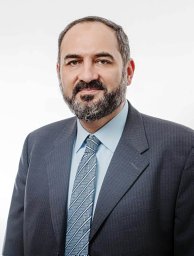 Osama Ragaa Abdelraouf合作论文数7
 Ali Zizi M Ibrahim合作论文数6Basant Hamdy合作论文数4Mohamed A Abdel Ghafar合作论文数4Wafaa Mahmoud Amin合作论文数3Amira M. El-Gendy合作论文数3
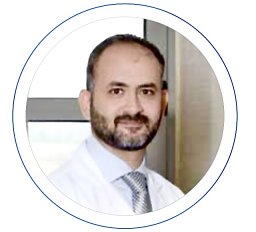 ali osman selim合作论文数Faculty of Physical Therapy, Cairo University3Nouf H. Alkhamees合作论文数2Bodor H Bin Sheeha合作论文数2Rafik Radwan合作论文数2
 Abdelrahman mohamed Emad合作论文数Dept Gen Surg, Benha Univ2Hoda Zakaria合作论文数2Mona Mohamed Taha合作论文数Dept Cardiovasc Resp Disorder & Geriatr, Cairo Univ2
 Amr Abdel-aziem合作论文数Faculty of Physical Therapy, Cairo University2Mohamed M. Ahmed合作论文数1Ahmed E. Sakr合作论文数1Batool Abdulelah Alkhamis合作论文数1Hamada Ahmed Hamada合作论文数1Rania Ali合作论文数1
 Doaa Tammam Atia合作论文数1Ahmed Mohamed合作论文数1Alshaimaa K Abdelaal合作论文数1Manar Hussien Abdelsatta合作论文数1Mariam Omran Gras合作论文数1Mohamed S. Kharoub合作论文数1Basma Ragab合作论文数1Mahmoud S. Asal合作论文数1Instar S. Waked合作论文数1
 Ahmed Elgebaly合作论文数1Embaby Eman Ahmed合作论文数1Nouf Alkhamees合作论文数1mona h g ellaithy合作论文数1
 Neveen Abdellatif Abdel-Raoof合作论文数Faculty of Physical Therapy, Cairo University1
 Abdelgalil Allam Abdelgalil合作论文数Faculty of Applied Medical Sciences, Umm Al-Qura University1Reem M Elkholy合作论文数1
 Haytham Elhafez合作论文数1Walaa Ragab合作论文数Faculty of Medical Rehabilitation Sciences, Taibah University1
 Saeed Mastour Alshahrani合作论文数College of Applied Medical Sciences, King Khalid University1El-Sayed Essam El-Sayed Felaya合作论文数1
 Amira Hassan Bekhet合作论文数Faculty of Physical Therapy, Cairo University1Dalia Mohammed Mosaad合作论文数Dept Basic Sci, Badr Univ1Hassan Izzeddin Sarsak合作论文数1
 Debjani Mukherjee合作论文数Dept Med Rehabil Sci, King Khalid Univ1Samah A Moawd合作论文数Dept Hlth & Rehabil Sci, Prince Sattam Bin Abdulaziz Univ1
 M Ashraf Balbaa合作论文数Faculty of Medicine, Menoufia University1
 Fatma Mohamed Hassan合作论文数Forens Med & Clin Toxicol Dept, Cairo Univ1
 Abdelrahman Ibrahim Abushouk合作论文数Heart, Vascular & Thoracic Institute, Cleveland Clinic Foundation1
 Eid M合作论文数1
 Haytham Dahlawi合作论文数Faculty of Health and Well Being, Sheffield Hallam University1




