Importance:As transcatheter aortic valve replacement (TAVR) is considered for younger and lower-risk populations, the durability of bioprosthetic valves is increasingly important. Limited data exist on long-term (7 years and beyond) valve durability. Objective:To report 7-year valve durability outcomes for low-risk patients with symptomatic severe aortic stenosis treated with TAVR vs surgery. Design, Setting, and Participants:Between March 2016 and October 2017, a total of 1000 patients were enrolled at 71 centers in the US and Canada and randomized to undergo TAVR vs surgery. The patient population for the present analysis consisted of all patients who underwent valve implantation (495 with TAVR and 453 with surgery). The last 7-year follow-up occurred in March 2025. Interventions:Patients were randomized to balloon-expandable TAVR with the SAPIEN 3 valve or surgery with any commercially available valve. Main Outcomes and Measures:The main outcomes of this analysis were stage 2 or 3 bioprosthetic valve dysfunction (BVD) related to structural valve deterioration (SVD), thrombosis, or endocarditis; all-cause bioprosthetic valve failure (BVF); BVF related to SVD; and aortic valve reintervention at 7 years. Analyses are presented as cumulative incidence rates with death as a competing risk. Results:The mean (SD) age of the study population was 73.5 (6.0) years, and 657 participants (69.3%) were male. Of 671 patients who were still alive and enrolled in the study at 7-year follow-up, 537 (80.0%) were available for echocardiographic analysis. Cumulative incidence rates of stage 2 or 3 SVD-related BVD (7.3% vs 7.6%; hazard ratio [HR], 0.96; 95% CI, 0.59-1.57; P = .88), all-cause BVF (6.9% vs 7.5%; HR, 0.91; 95% CI, 0.55-1.49; P = .69), SVD-related BVF (3.9% vs 5.3%; HR, 0.72; 95% CI, 0.39-1.36; P = .31), and valve reintervention (6.0% vs 5.5%; HR, 1.09; 95% CI, 0.62-1.90; P = .77) were low and similar for TAVR and surgery, respectively. Stage 2 or 3 thrombosis-related BVD (subclinical and clinical) occurred more frequently with TAVR (5.2% vs 0.9%; HR, 5.52; 95% CI, 1.92-15.85; P < .001), although most events occurred within 3 years and few progressed to BVF. Rates of stage 2 or 3 endocarditis-related BVD were also low and similar (0.4% in the TAVR group vs 0.5% in the surgery group; HR, 0.85; 95% CI, 0.12-6.07; P = .87). The proportion of patients alive and free of all-cause BVF was 73.4% (331/451) with TAVR vs 74.8% (288/385) with surgery (P = .69). Conclusions and Relevance:In this ad hoc analysis of a randomized clinical trial among low-risk patients with symptomatic severe aortic stenosis randomized to TAVR or surgery, both TAVR and surgery demonstrated comparable and sustained valve durability, with low and similar rates of SVD, all-cause BVF, and reintervention through 7 years. These findings may inform discussions of valve replacement strategies. Trial Registration:ClinicalTrials.gov Identifier: NCT02675114.
Importance As transcatheter aortic valve replacement (TAVR) is considered for younger and lower-risk populations, the durability of bioprosthetic valves is increasingly important. Limited data exist on long-term (7 years and beyond) valve durability. Objective To report 7-year valve durability outcomes for low-risk patients with symptomatic severe aortic stenosis treated with TAVR vs surgery. Design, Setting, and Participants Between March 2016 and October 2017, a total of 1000 patients were enrolled at 71 centers in the US and Canada and randomized to undergo TAVR vs surgery. The patient population for the present analysis consisted of all patients who underwent valve implantation (495 with TAVR and 453 with surgery). The last 7-year follow-up occurred in March 2025. Interventions Patients were randomized to balloon-expandable TAVR with the SAPIEN 3 valve or surgery with any commercially available valve. Main Outcomes and Measures The main outcomes of this analysis were stage 2 or 3 bioprosthetic valve dysfunction (BVD) related to structural valve deterioration (SVD), thrombosis, or endocarditis; all-cause bioprosthetic valve failure (BVF); BVF related to SVD; and aortic valve reintervention at 7 years. Analyses are presented as cumulative incidence rates with death as a competing risk. Results The mean (SD) age of the study population was 73.5 (6.0) years, and 657 participants (69.3%) were male. Of 671 patients who were still alive and enrolled in the study at 7-year follow-up, 537 (80.0%) were available for echocardiographic analysis. Cumulative incidence rates of stage 2 or 3 SVD-related BVD (7.3% vs 7.6%; hazard ratio [HR], 0.96; 95% CI, 0.59-1.57; P = .88), all-cause BVF (6.9% vs 7.5%; HR, 0.91; 95% CI, 0.55-1.49; P = .69), SVD-related BVF (3.9% vs 5.3%; HR, 0.72; 95% CI, 0.39-1.36; P = .31), and valve reintervention (6.0% vs 5.5%; HR, 1.09; 95% CI, 0.62-1.90; P = .77) were low and similar for TAVR and surgery, respectively. Stage 2 or 3 thrombosis-related BVD (subclinical and clinical) occurred more frequently with TAVR (5.2% vs 0.9%; HR, 5.52; 95% CI, 1.92-15.85; P < .001), although most events occurred within 3 years and few progressed to BVF. Rates of stage 2 or 3 endocarditis-related BVD were also low and similar (0.4% in the TAVR group vs 0.5% in the surgery group; HR, 0.85; 95% CI, 0.12-6.07; P = .87). The proportion of patients alive and free of all-cause BVF was 73.4% (331/451) with TAVR vs 74.8% (288/385) with surgery ( P = .69). Conclusions and Relevance In this ad hoc analysis of a randomized clinical trial among low-risk patients with symptomatic severe aortic stenosis randomized to TAVR or surgery, both TAVR and surgery demonstrated comparable and sustained valve durability, with low and similar rates of SVD, all-cause BVF, and reintervention through 7 years. These findings may inform discussions of valve replacement strategies. Trial Registration ClinicalTrials.gov Identifier: NCT02675114
Background:Transcatheter heart valve (THV) underexpansion following transcatheter aortic valve implantation (TAVI) is associated with elevated gradients, paravalvular leak, and/or risk of hypoattenuating leaflet thickening. We aimed to simulate TAVI using pre-TAVI computed tomography (CT) images to predict the extent of THV underexpansion and the effect of staged balloon postdilatation on THV expansion. Methods:Patients who underwent balloon postdilatation as a staged procedure for symptomatic THV dysfunction following native or valve-in-valve TAVI with available pre-TAVI, post-TAVI, and post-balloon aortic valvuloplasty CT between 2016 and 2023 were analyzed. TAVI and postdilatation were simulated computationally in patient-specific models using finite element analysis. Simulations were performed in blinded fashion without information of index procedure. THV expansion was defined as the percentage of THV area achieved by THV in CT or modeling when compared to nominal area defined by THV manufacturer. Results:Among patients with balloon-expandable THVs following TAVI, the differences in expansion between CT and simulation measurements were -0.88% ± 3.27% (p = 0.75), -3.11% ± 4.65% (p = 0.26), and -3.27% ± 4.67% (p = 0.03) at the inflow, mid, and outflow regions, respectively. Following postdilatation, the differences in expansion between CT and simulation measurements were -0.60% ± 4.7% (p = 0.71), -1.64% ± 6.0% (p = 0.99), and -1.13% ± 4.2% (p = 0.55), respectively. Among patients with self-expandable THVs following TAVI, the percentage difference between CT and simulation measurements were 6.2% ± 4.2% (p = 0.99) and 9.3% ± 2.7% (p = 0.99) at the inflow and mid regions, respectively. Following postdilatation, the differences in expansion between CT and simulation measurements were 9.0% ± 3.2% and 8.9% ± 3.4%, respectively. Conclusions:Patient-specific computational modeling can predict THV underexpansion during the index procedure and the effect of postdilatation on THV expansion.
BACKGROUND Transcatheter heart valve (THV) underexpansion following transcatheter aortic valve implantation (TAVI) is associated with elevated gradients, paravalvular leak (PVL), and/or risk of hypoattenuating leaflet thickening. We aimed to simulate TAVI using pre-TAVI computed tomography (CT) images to predict the extent of THV underexpansion and the effect of staged balloon post-dilatation on THV expansion. METHODS Patients who underwent balloon post-dilatation as a staged procedure for symptomatic THV dysfunction following native or valve-in-valve (ViV) TAVI with available pre-TAVI, post-TAVI, and post–balloon aortic valvuloplasty (BAV) CT between 2016–2023 were analyzed. TAVI and post-dilatation were simulated computationally in patient-specific models using finite element analysis. All simulations were performed in blinded fashion without information of index procedure. THV expansion was defined as the percentage of THV area achieved by the THV in CT or modeling when compared to nominal area defined by THV manufacturer. RESULTS Among patients with balloon-expandable THVs following TAVI, the differences in expansion between CT and simulation measurements were −0.88% ± 3.27% (p = 0.75), −3.11% ± 4.65% (p = 0.26), and −3.27% ± 4.67% (p = 0.03) at the inflow, mid, and outflow regions, respectively. Following post-dilatation, the differences in expansion between CT and simulation measurements were −0.60% ± 4.7% (p = 0.71), −1.64% ± 6.0% (p = 0.99), and −1.13% ± 4.2% (p = 0.55), respectively. Among patients with self-expandable THVs following TAVI, the percentage difference between CT and simulation measurements were 6.2% ± 4.2% (p = 0.99) and 9.3% ± 2.7% (p = 0.99) at the inflow and mid regions, respectively. Following post-dilatation, the differences in expansion between CT and simulation measurements were 9.0% ± 3.2% and 8.9% ± 3.4%, respectively. CONCLUSIONS Patient-specific computational modeling can predict THV underexpansion during the index procedure and the effect of post-dilatation on THV expansion.
BACKGROUND:Leaflet modification (LM) techniques, including electrosurgical and mechanical BASILICA (bioprosthetic or native aortic scallop intentional laceration to prevent iatrogenic coronary artery obstruction) and intraleaflet deployment, are important in the lifetime management of aortic valve disease. However, benchtop assessment is limited. OBJECTIVES:The aim of this study was to provide a benchtop assessment of LM in native valves and bioprosthetic surgical aortic valves (SAVs). METHODS:Features of calcific native aortic valves (n = 100) and naive SAVs (7 types) were assessed. Calcific native cusps (n = 13) and SAV leaflets (n = 14) stratified by calcific load were modified by electrosurgical or mechanical BASILICA or intraleaflet deployment with assessment of splay, laceration patterns, and embolic debris. The impact of leaflet length and valve-in-valve implantation on splay area was analyzed. RESULTS:In native cusps, calcification in traversal and laceration zones was common (89% and 97%, respectively). LM was feasible across calcification severities, although increasing calcification was associated with laceration difficulty (P = 0.028), leaflet tears (P = 0.02), and increased embolic debris (P < 0.05). Leaflet splay decreased with shortening of leaflet length (68.9% ± 10.7% at 5 mm; R2 = 0.72) and increased with simulated valve expansion in a limited analysis. In SAVs, neoskirt heights and features varied. LM was feasible across SAV leaflet calcification levels. No overall association between calcification and debris was observed; however, in a restricted subset, higher calcification was associated with increased debris (P = 0.035). SAV leaflet splay decreased with leaflet length (80.2% ± 8.8% at 5 mm; R2 = 0.84) and generally increased with simulated valve expansion, but this varied by SAV type. CONCLUSIONS:Features of native aortic valves and SAVs impact the efficacy of LM. LM is feasible across a spectrum of calcific disease. Further study is required.
BACKGROUND:The Alterra Adaptive Prestent provides a landing zone for implantation of the 29 mm SAPIEN 3 transcatheter heart valve (THV) in patients with a dysfunctional right ventricular outflow tract (RVOT) to treat pulmonary regurgitation (PR). Here, we report 3-year outcomes from a pooled analysis of patients who underwent Alterra/SAPIEN 3 THV implantation enrolled in the ALTERRA pivotal trial, Continued Access Protocol, and Pulmonic Delivery System Registry. METHODS:This multicenter, prospective trial enrolled patients with moderate or greater PR and RVOT/pulmonary valve anatomy suitable for implantation. The nonhierarchical composite end point of THV dysfunction was examined at 6 months: RVOT/pulmonary valve reintervention, moderate or greater PR, and mean RVOT/pulmonary valve gradient ≥35 mm Hg. Individual components of the composite, as well as additional clinical and echocardiographic outcomes were examined up to 3 years. RESULTS:The Alterra/SAPIEN 3 THV system was implanted in 118 patients at 14 sites. At 6 months, THV dysfunction was 3.5% (4/113). At 3 years, 97.3% of patients in the valve implant population had freedom from reintervention, 100% of patients had a mean RVOT/pulmonary valve gradients <35 mm Hg, and 93.3% of patients had mild or lesser total PR. The Kaplan-Meier estimate of all-cause mortality was 3.5% at 3 years. There were no cases of coronary artery compression, hemopericardium, or endocarditis. CONCLUSIONS:This analysis reports the longest follow-up in the largest cohort of patients from the ALTERRA trials. The Alterra Adaptive Prestent with the SAPIEN 3 THV system has shown excellent procedural outcomes and is effective in reducing PR at 3-year follow-up. REGISTRATION:URL: https://www.clinicaltrials.gov; Unique identifier: NCT03130777.
BACKGROUND:Diabetes mellitus, smoking, hypertension, and hyperlipidemia are well-studied cardiovascular risk factors (CVRF) for coronary artery disease (CAD). However, their combined and individual influence on atherosclerotic total plaque volume (TPV) and plaque subtypes as assessed by coronary computed tomographic angiography (CCTA) has not been well evaluated. PURPOSE:To evaluate the association between CVRF on TPV and plaque subtypes and to develop quantitative plaque nomograms stratified by sex, age, and CVRF using CCTA findings. METHODS:This analysis included participants from the ADVANCE (Assessing Diagnostic Value of Noninvasive CT-FFR in Coronary Care) registry. Quantitative assessment of TPV and plaque subtypes was performed using an Artificial Intelligence-Enabled Quantitative Coronary Plaque Analysis tool. RESULTS:A total of 4430 patients were included in the analysis, with a median age of 67.0 [59.0-73.0] years, and 1512 (34.1 %) were women. The median TPV was 390 mm3 (IQR: 163-760 mm3) and it was significantly higher in male participants (460 mm3; IQR 197-855 mm3) compared to female participants (280.5 mm3; IQR: 118-583 mm3) (P < 0.0001). Independent of sex, participants with CVRF had higher median TPVs (404.5 mm3; IQR: 175-788.5 mm3) than those without CVRF (187 mm3; IQR: 74-431 mm3) (P < 0.0001). On ROC analysis, age emerged as the strongest predictor of TPV >250 mm3 (AUC 0.62; CI: 0.60-0.64), with only modest improvements in the model after adding male sex (0.67; CI: 0.65-0.69) and CVRF (0.69; CI: 0.68-0.71). CONCLUSIONS:Our data indicate that TPV is significantly higher in participants with CVRF compared to those without. Age demonstrated the strongest association with plaque volume, while the addition of CVRF only modestly increased the AUC. Altogether, age and CVRF were only modestly associated with plaque volume, highlighting the need for further research to fully understand the potential and limitations of plaque imaging assessing the extent and severity of CAD, in patients with and without CVRF.
BACKGROUND:Coronary artery disease (CAD) is common in patients with severe aortic stenosis (AS) and may impact transcatheter aortic valve replacement (TAVR) procedural and long-term outcomes. CT coronary angiography (CTA) and CT-derived fractional flow reserve (FFRCT) are tools used to assess CAD. However, adoption in the TAVR population is hindered by safety concerns with nitroglycerin and beta-blockers. The safety, accuracy, and utility of CTA and FFRCT optimised with these medications for TAVR have not been established. METHODS:This international, multi-center, prospective registry included severe AS patients referred for TAVR, assessed for CAD with CTA and FFRCT. Patients all received nitroglycerin and beta-blockers as needed to optimise image quality. Severe ventricular dysfunction, recent syncope/heart failure, critical hemodynamics, or prior revascularization were excluded. Significant CAD was defined as CTA stenosis ≥50 % and FFRCT≤0.75. Primary endpoint was per-patient sensitivity and negative predictive value (NPV) of CTA compared to invasive coronary angiography (ICA). Secondary endpoints included specificity and positive predictive value (PPV) of CTA and FFRCT, safety, feasibility (non-evaluable rate), and the modelled potential of CTA + FFRCT to reduce pre-TAVR ICA. RESULTS:327 patients (75.9 ± 9.7 years, 53 % male) underwent CTA. CTA was safe and well tolerated in nearly all patients, with transient hypotension in 4 (1.2 %). CTA was evaluable in 326 patients (99.7 %), with 9 (2.8 %) having a non-evaluable vessel. FFRCT and ICA were performed in 110 (33.6 %) and 133 (40.7 %) patients, respectively. Per-patient sensitivity, specificity, NPV, and PPV of CTA were 100 %, 71.4 %, 100 %, and 75.9 % and per-vessel 82.7 %, 78.9 %, 92.3 %, and 59.9 %. FFRCT improved specificity and PPV to 88.9 % and 88.0 % for per-patient and 95.1 % and 81.8 % for per-vessel analysis. Using a simulated triage model deferring ICA in patients with CTA <50 % or ≥50 % stenosis with FFRCT >0.75, 267 patients (81.7 %) could potentially have avoided ICA. CONCLUSION:Coronary CTA performed with nitroglycerin and selective use of beta-blockers is safe and effective for assessing CAD in stable severe AS patients. Combining CTA and FFRCT enhances diagnostic accuracy, potentially reducing the need for invasive angiography and streamlining TAVR workup.
AIMS:Transcatheter mitral valve replacement (TMVR) with the Tendyne Mitral Valve System is a treatment option for patients with severe symptomatic mitral regurgitation (MR) unsuitable for conventional mitral valve surgery or transcatheter edge-to-edge repair (TEER). This study sought to evaluate the safety and effectiveness of TMVR through 5-year follow-up. METHODS AND RESULTS:The Tendyne Expanded Clinical Study is a prospective, single-arm, multicentre study that enrolled patients between November 2014 and June 2020. The study enrolled 191 patients (mean age 74.1 ± 8.0 years, 62.8% male, 70.2% New York Heart Association Class (NYHA) class III/IV, 88.5% secondary MR), of whom 186 (97.4%) underwent TMVR with Tendyne. MR grade decreased from ≥3+ in 99.5% patients at baseline to grade ≤1+ in 95.3% at 5 years. In those patients surviving to 5 years (n = 49), durable symptomatic improvement was evidenced by 73.5% patients being in NYHA class I/II at 5 years. The Kansas City Cardiomyopathy Questionnaire overall summary score increased from 48.5 ± 22.5 points at baseline to 67.6 ± 21.5 points at 5 years. Serious adverse events that occurred through 5 years included life-threatening bleeding (11.5%), fatal bleeding (2.6%), renal insufficiency/failure (28.8%), endocarditis (7.3%), device thrombosis (5.8%), and new onset atrial fibrillation (13.1%). No structural device degeneration or device embolism occurred through 5 years. CONCLUSIONS:The Tendyne TMVR was effective at achieving immediate and sustainable elimination of MR, which was associated with symptomatic improvement and absence of structural valve degeneration in a high-risk cohort over 5 years. These findings support TMVR with the Tendyne System as an alternative for patients with appropriate mitral valve anatomy and symptomatic secondary MR unsuitable for mitral surgery or TEER.
This updated Heart Valve Collaboratory framework addresses the growing concern for transcatheter valve failure (TVF) following transcatheter aortic valve replacement (TAVR). With the increasing volume of redo-TAV and surgical TAV explantation, there is a critical need for standardized pathways and protocols for evaluating TVF using echocardiography and cardiac computed tomography (CT) angiography. This document clarifies prior definitions of bioprosthetic valve deterioration and bioprosthetic valve failure in a practical, imaging directed context for TAVR. It discusses various imaging modalities for diagnosing TVF, including echocardiography, cardiac CT angiography, cardiac magnetic resonance, and positron emission tomography/CT. Recommendations are provided on the systematic imaging for: 1) follow-up post-TAVR; 2) procedural planning for redo-TAV; and 3) post–redo-TAV, emphasizing the importance of regular monitoring and the need for comprehensive imaging data to optimize patient outcomes in the lifetime management of aortic valve disease.
Purpose To evaluate the relationship between artificial intelligence (AI)-quantified coronary plaque characteristics derived from coronary CT angiography (CCTA), stenosis severity, and high-sensitivity cardiac troponin T (hs-cTnT) levels in predicting adverse cardiovascular outcomes in emergency department patients. Materials and Methods This single-center retrospective cohort study included patients who presented acutely to the emergency department and underwent hs-cTnT testing (February 2016-March 2021). Based on peak hs-cTnT levels, patients were categorized into three groups: undetectable (<5 ng/L), intermediate (5-13 ng/L), and elevated (≥14 ng/L). All patients underwent CCTA, and those with Coronary Artery Disease Reporting and Data System score > 0 underwent plaque quantification using an AI-based plaque tool. Patients were followed up for major adverse cardiovascular events (MACE), including acute coronary syndrome, stroke, all-cause mortality, and late revascularization. Statistical analysis included nonparametric tests, χ2 tests, and Cox hazards regression. Results Among 527 patients (291 [55%] male; mean age, 56 years ± 12 [SD]), 141 had undetectable, 275 had intermediate, and 111 had elevated hs-cTnT levels. Coronary artery disease prevalence at CCTA was 59% overall and 55% in patients with nonelevated hs-cTnT levels. Total, calcified, noncalcified, and low-density noncalcified plaque volumes increased significantly with higher troponin levels (P < .001). Over a median 29-month follow-up period, 22 MACE occurred. Elevated hs-cTnT level was not associated with increased MACE risk, whereas total plaque volume > 250 mm3 was a significant predictor of both MACE (hazard ratio [HR], 2.62 [95% CI: 1.13, 6.07]; P = .02) and all-cause mortality (HR, 3.62 [95% CI: 1.25, 10.50]; P = .02). Conclusion In this cohort, AI-quantified total plaque volume predicted MACE whereas troponin level did not. This study supports the use of CCTA with AI-based plaque quantification for risk stratification in a real-world population. Keywords: CT Angiography, Coronary Arteries, Arteriosclerosis, Coronary Artery Disease, Plaque Quantification, Troponin, Coronary Computed Tomography Angiography, Artificial Intelligence Supplemental material is available for this article. © RSNA, 2025.
AIMS:To evaluate the impact of age and sex on the diagnostic performance of the coronary artery calcium (CAC) score to detect any coronary plaque in individuals referred for preventive screening. METHODS AND RESULTS:We analyzed 1372 patients (56 % male, mean age 51 ± 9 years) referred for preventive coronary artery disease (CAD) screening due to a positive family history of premature CAD in a first degree family member that had non cardiac or atypical symptoms or an abnormal exercise tolerance test. All individuals underwent CAC scoring and coronary computed tomography angiography. The diagnostic performance of a CAC score >0 to detect any coronary plaque was assessed across 5-year age categories, stratified by sex. Coronary plaque was demonstrated by CCTA in 761 patients (55 %), including 156 individuals (20 %) with a CAC score of 0. The sensitivity of the CAC score increased with age, from 53 % (95%CI: 34-71 %) in individuals aged <40-93 % (95%CI: 84-98 %) in patients ≥65 years old. Consequently, a CAC score of 0 resulted in an absolute risk reduction for coronary plaque of 8 % in patients <40, whereas this was 50 % in individuals ≥65. The sensitivity of the calcium score in detecting coronary plaque was generally higher in males and patients on lipid lowering therapy across all age groups. CONCLUSIONS:The diagnostic accuracy of a CAC score of 0 improves with age. A CAC score of 0 does not reliably exclude coronary plaque in younger individuals, whereas its utility is greater in older adults.
BACKGROUND For patients with asymptomatic severe aortic stenosis and preserved left ventricular ejection fraction, current guidelines recommend routine clinical surveillance every 6 to 12 months. Data from randomized trials examining whether early intervention with transcatheter aortic-valve replacement (TAVR) will improve outcomes in these patients are lacking. METHODS At 75 centers in the United States and Canada, we randomly assigned, in a 1:1 ratio, patients with asymptomatic severe aortic stenosis to undergo early TAVR with transfemoral placement of a balloon-expandable valve or clinical surveillance. The primary end point was a composite of death, stroke, or unplanned hospitalization for cardiovascular causes. Superiority testing was performed in the intention-to-treat population. RESULTS A total of 901 patients underwent randomization; 455 patients were assigned to TAVR and 446 to clinical surveillance. The mean age of the patients was 75.8 years, the mean Society of Thoracic Surgeons Predicted Risk of Mortality score was 1.8% (on a scale from 0 to 100%, with higher scores indicating a greater risk of death within 30 days after surgery), and 83.6% of patients were at low surgical risk. A primary end-point event occurred in 122 patients (26.8%) in the TAVR group and in 202 patients (45.3%) in the clinical surveillance group (hazard ratio, 0.50; 95% confidence interval, 0.40 to 0.63; P<0.001). Death occurred in 8.4% of the patients assigned to TAVR and in 9.2% of the patients assigned to clinical surveillance, stroke occurred in 4.2% and 6.7%, respectively, and unplanned hospitalization for cardiovascular causes occurred in 20.9% and 41.7%. During a median follow-up of 3.8 years, 87.0% of patients in the clinical surveillance group underwent aortic-valve replacement. There were no apparent differences in procedure-related adverse events between patients in the TAVR group and those in the clinical surveillance group who underwent aortic-valve replacement. CONCLUSIONS Among patients with asymptomatic severe aortic stenosis, a strategy of early TAVR was superior to clinical surveillance in reducing the incidence of death, stroke, or unplanned hospitalization for cardiovascular causes.
BACKGROUND:A 63-year-old man underwent surgical aortic valve replacement with an On-X valve using COR-KNOT suturing to facilitate a mini-sternotomy approach. CASE SUMMARY:The patient presented with recurrent inferior ST-segment elevation myocardial infarctions over a few-year period, despite optimal anticoagulation therapy. Repeated coronary angiography showed no obstructive coronary artery disease or thromboembolic occlusion. Intravascular ultrasound showed a filling defect in the ostium of the right coronary artery (RCA). A cardiac computed tomography confirmed the interference between a COR-KNOT and the RCA. Percutaneous coronary intervention of the RCA ostium was performed with good outcomes. DISCUSSION:This is the first case to report a ST-segment elevation myocardial infarction caused by an automated suturing. The combination of mini-sternotomy with COR-KNOT may have contributed to this rare but serious complication. TAKE-HOME MESSAGES:Multimodality imaging is crucial in establishing unusual diagnoses. COR-KNOT may interfere with coronary flow resulting in transient coronary occlusion when used in surgical aortic valve replacement.
 Jonathon A. Leipsic合作论文数Department of Radiology, University of British Columbia296
 John Webb合作论文数St Paul's Hospital, University of British Columbia;Department of Medicine, Faculty of Medicine, University of British Columbia160
 Janarthanan Sathananthan合作论文数Centre for Cardiovascular and Heart Valve Innovation, St. Paul's and Vancouver General Hospital94
 Stephanie Sellers合作论文数Northern Medical Program, University of Northern British Columbia88
 David Wood合作论文数Divisions of Cardiology & Cardiovascular Surgery, Department of Medicine, Faculty of Medicine, The University of British Columbia71
 Philippe Pibarot合作论文数Faculté Médecine, Université Laval;Centre de recherche de l'Institut universitaire de cardiologie et de pneumonie de Québec;Institut universitaire de cardiologie et de pneumologie de Québec – Université Laval68
 Martin Leon合作论文数Center for Interventional Vascular Therapy, Columbia University Medical Center59
 Vinod H. Thourani合作论文数Piedmont Healthcare54
 Anson Cheung合作论文数Divisions of Cardiology & Cardiovascular Surgery, Department of Medicine, Faculty of Medicine, The University of British Columbia53
 Danny Dvir合作论文数52
 Jian Ye合作论文数Department of Surgery, Faculty of Medicine, The University of British Columbia49Babaliaros Vasilis合作论文数44
 Rebecca T. Hahn合作论文数Seymour, Paul and Gloria Milstein Division of Cardiology, Department of Medicine, Columbia University Irving Medical Center44Bjarne Linde Nørgaard合作论文数The Department of Cardiological Medicine B, Department of Clinical Medicine, Aarhus University42Matthias Siepe合作论文数40
 David Meier合作论文数St. Paul's Hospital, University of British Columbia40
 Mariama Akodad合作论文数Heart Valve Centre, Providence Health Care39
 Georgios Tzimas合作论文数Department of Medicine and Radiology, University of British Columbia36
 Jeroen Bax合作论文数Echo Laboratory, Department of Cardiology, Leiden University Medical Centre35
 Rajendra Makkar合作论文数Smidt Heart Institute, Cedars-Sinai Medical Center35Gregor Pache合作论文数35Friedhelm Beyersdorf合作论文数33Christopher Naoum合作论文数Concord Hospital, University of Sydney31
 Robert Moss合作论文数Divisions of Cardiology & Cardiovascular Surgery, Department of Medicine, Faculty of Medicine, The University of British Columbia31Susheel Kodali合作论文数30Mark Hensey合作论文数30Langer M合作论文数25
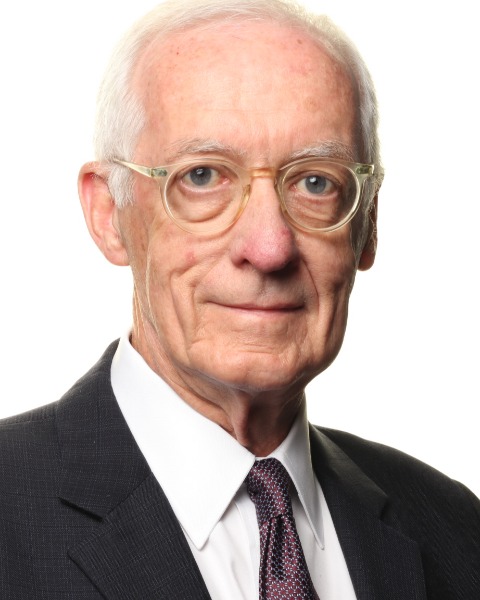 Michael Mack合作论文数Baylor Scott & White Health25Mathias Langer合作论文数Radiologische Universitatsklinik24
 Maria Alu合作论文数Columbia University Medical Center;Soprano Baroque Orchestra of NJ20G Pache合作论文数20Philipp Ruile合作论文数Division of Cardiology and Angiology, University Heart Center Freiburg-Bad Krozingen20
 Sandra Lauck合作论文数School of Nursing, Faculty of Applied Science, The University of British Columbia20Perlman Gidon Y合作论文数19Stefan Bulla合作论文数19
 U. Joseph Schoepf合作论文数Department of Radiology and Radiological Science, College of Medicine, Medical University of South Carolina19
 Lars Sondergaard合作论文数18Jonathon Leipsic合作论文数18
 Pamela Susan Douglas合作论文数Division of Cardiology, Department of Medicine, Duke University School of Medicine;Duke Clinical Research Institute, Duke University School of Medicine18
 Gianluca Pontone合作论文数18Uri Landes合作论文数17
 Robert Boone合作论文数Divisions of Cardiology & Cardiovascular Surgery, Department of Medicine, Faculty of Medicine, The University of British Columbia17
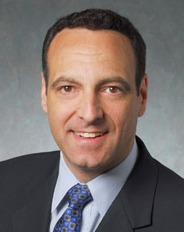 David J. Cohen合作论文数University of Missouri-Kansas City17
 Jonathan Weir-McCall合作论文数Department of Radiology, University of Cambridge17
 Howard C. Herrmann合作论文数Perelman School of Medicine, University of Pennsylvania;Interventional Cardiology, Cardiovascular Division, Hospital of the University of Pennsylvania;Medtronic;Johnson & Johnson MedTech;Various Medical Device Companies17Bartosz Rylski合作论文数17
 Neil J Weissman合作论文数MedStar Health Research Institute;School of Medicine, Georgetown University17
 Wael Jaber合作论文数Department of Cardiovascular Medicine, Sydell and Arnold Miller Family Heart, Vascular & Thoracic Institute, Cleveland Clinic17Nicolo Piazza合作论文数17




