But de l’étudeL’objectif de cette étude était d’appréhender les pratiques informationnelles des patients pris en charge en allergologie.Patients et méthodesNous avons mené une étude prospective monocentrique par questionnaire, auprès de 200 patients consultant pour des allergies dans un centre hospitalo-universitaire français. Les répondants ont fourni des réponses sur leurs caractéristiques sociodémographiques, les pratiques de recherche d’informations sur les allergies, la compréhension des informations partagées par les allergologues, et l’attitude du médecin.RésultatsParmi 68 % des patients ont déclaré s’informer sur les allergies. Les professionnels de santé étaient leurs sources principales d’information (allergologue 66 %, médecin de famille 57 %, autres spécialistes 5 %), puis l’Internet (22 %), les dépliants des laboratoires pharmaceutiques (16 %), et les médias traditionnels (télévision 11 %, presse 6 %, radio 2 %). Les patients ont manifesté le besoin d’informations et d’explications de la part de l’allergologue, concernant l’allergie diagnostiquée, les effets indésirables et la durée du traitement. Trente et un pour cent ont rencontré des difficultés à comprendre les informations partagées par les médecins lors de la consultation, et ce particulièrement chez les patients souffrant d’allergies respiratoires avec une courte histoire clinique, un niveau de scolarité inférieur au baccalauréat et chez ceux qui ne s’informent pas sur les allergies en dehors la consultation.ConclusionCette étude exploratoire a permis d’identifier les premières tendances sur les pratiques informationnelles des patients allergiques. Elle sera poursuivie par une enquête qualitative.
Introduction (contexte de la recherche) L’effet thérapeutique significatif de la solution de pollen de bouleau (PB) 300IR pourrait induire une amélioration des symptômes de la rhino conjonctivite allergique (ARC) et/ou une réduction des médicaments symptomatiques chez les patients atteints d’ARC dû au PB. Objectif Illustrer les résultats en bénéfice thérapeutique concret pour les patients. Méthodes Lors d’un essai clinique randomisé (RCT), des adultes avec ARC saisonnière modérée à sévère due au PB, avec ou sans asthme léger, traités par le 300IR PB ou placebo en pré- et co-saisonnier pendant 2 saisons polliniques consécutives. L’efficacité du 300IR PB a été évaluée par un score combiné total de 0 à 38 (TCS0-38), évaluant de manière quasi égale les scores symptômes et médicaments. Le TCS0-38 a été analysé a posteriori en ITT modifié sur la période pollinique (PP) annuelle. Fin de la PP2 : critère principal. Résultats Chez les patients évaluables (n=536 et 500 dans PP1 et PP2), le traitement a produit une différence absolue vs placebo sur le TCS0-38 de –2,76 en fin de PP1 et de –3,81 en fin de PP2. Une réduction minimale de 2 points reflète un gain en termes de diminution de gravité des symptômes de 1 point sur 2 symptômes ou de 2 points sur 1 symptôme, ou de réduction de l’utilisation de médicaments (environ 1 mois de médicaments en moins tous les 3 mois si antihistaminiques pris quotidiennement). Par exemple, chez un patient sous placebo et un patient traité avec la solution de 300IR PB avec un TCS0-38 moyen respectif de 10,27 et 6,46 en fin de PP2, la réduction de –3,81 peut s’appliquer sur le nez bouché et la gravité des démangeaisons oculaires considérant les autres symptômes et de l’utilisation de médicament comme stable. Avec une telle réduction également répartie entre les deux symptômes, le patient traité peut s’attendre à ne pas avoir de jours avec le nez bouché modérément ou sévèrement et les yeux qui piquent en fin de PP2. Les analyses ont aussi montré un bénéfice en fin de PP1. Conclusions Cette étude illustrant l’effet de la solution bouleau 300IR reflète la signification clinique de ce traitement pour les patients ayant une sévérité moyenne de RCA de PB et permet de supposer un impact plus important chez les plus sévères.
BACKGROUND: Two-dimensional (2D) classifications of iodinated contrast media (ICM) are insufficient to explain the observed skin test (ST) reactivity patterns in patients with drug hypersensitivity reactions (DHRs) to ICM. OBJECTIVE: To refine the current view on allergic DHRs to ICM by analyzing ST reactivity patterns in patients with previous reactions to ICM. METHODS: Patients with a history of DHR to ICM and positive STs, who presented at the University Hospital of Montpellier between 2004 and 2022, were included in the study. The relative difference between every two ICM products was measured by Manhattan distance and odds ratios were computed for all pairs of products in the immediate reaction (IR) and nonimmediate reaction (NIR) ST groups. RESULTS: A total of 181 patients were included in the study. Odds ratio analysis identified significant associations between classical cross-reactive ICM, such as iohexol-ioversol, iohexoliomeprol, iomeprol-ioversol, and iohexol-iodixanol in the IR ST group and iohexol-ioversol, iopromide-iohexol, and iomeprol-ioversol in the NIR ST group. We also identified uncommon associations, such as ioxitalamate-amidotrizoate in the IR ST group and amidotrizoate-iopamidol and amidotrizoate-ioxitalamate in the NIR ST group. The results were reflected by the Manhattan distance, which suggested the existence of clusters containing the same classically associated ICM as well as uncommon associations, which we hypothesize to be related to similarities in the 3D structure of the respective ICM. CONCLUSIONS: Current chemical (2D) classifications cannot explain all observed ST reactivity patterns. Whether the 3D structure can be integrated into the current classifications to interpret the observed ST reactivity patterns and predict tolerance to alternative ICM requires further research. (c) 2023 American Academy of Allergy, Asthma & Immunology (J Allergy Clin Immunol Pract 2024;12:705-13)
. - Lung transplantation (LTx) constitutes the ultimate treatment for end -stage respiratory failure and concerns around 400 patients per year in France. The indications for LTx remain dominated by pulmonary fibrosis and chronic obstructive pulmonary disease. LTx is a complex activity which calls upon numerous expertises and raises several issues potentially threatening its efficiency and sustainability. Among these, the match between supply and demand for lung allografts, the organization of harvesting and transplantation, and the vitality of clinical and translational research in LTx. The National Academy of Medicine wishes in this report: (1) to take stock of the LTx activity in France and the clinical and fundamental research linked to this activity, assessing the strong points and weak points of each item; (2) propose recommendations to optimize the activity and avenues for improvement. This report, which covers the current data known in the area of LTx in France, highlights the main issues related to this activity, including the cumbersome organization of LTx, the limited preservation of the graft and the weakening of the teams. It puts forward proposals relating to care and research aimed at optimizing and guaranteeing the continuation and development of this practice for the years to come, with in particular the encouragement of the opening of a shared platform for packaging allografts or the creation of a network bringing together French lung transplant centers. (c) 2024 l'Academie nationale de medecine. Published by Elsevier Masson SAS. All rights reserved.
Introduction (contexte de la recherche) Moderate to severe delayed hypersensitivity reactions (DHR) pose a challenge, as currently available skin tests (ST) lack sensitivity, while drug provocation tests (DPT) with the culprit drugs are considered high-risk procedures. There is limited data on the use of gradual DPT (gDPT, with dose escalation over a few days versus a 30min to 1h) in these cases. Objectif To report the modalities and the results of evaluating moderate to severe suspected delayed DHR through gDPT. Méthodes We retrospectively included patients who underwent gDPT between February 2015 and September 2023 in the Allergy Unit at the University Hospital of Montpellier, France. Data regarding drug intake, clinical presentation and the allergy workup performed (patch tests, delayed reading intradermal tests (IDT) and gDPT) were extracted from the medical records. Résultats 72 patients (median age 54, range 3 to 85 years) were included. Among 92 described reactions, 64 (69.56 %) had a recorded danger sign, with 18 DHR (19.57 %) described as having “skin desquamation”. The most common cutaneous form was maculopapular exanthema (MPE) (n=35, 38.04 %), including severe forms (n=20, 57.14 %). Thirteen (14.13%) reactions were reported as severe cutaneous reactions (SCARs). Beta-lactam antibiotics were the most frequently involved drugs (n=75, 81.52%). 84 gDPT were performed, the majority with a culprit drug (n=58, 69.05%). Previous positive ST prompted a gDPT with an alternative drug in 14 cases (16.67%). The gDPT protocol mostly comprised 3 or 4 steps, with a dose-escalation interval ranging between 1 and 14 days ; 7 days was the most common interval (n=57, 67.86%). Of 79 completed gDPT, only 9 (11.54%) were positive, all involving a suspected drug, with amoxicillin being the most common (n=4). Symptoms were mostly mild, with one case presenting severity signs (liver cytolysis and fever). Reactive doses varied from 10% (n=3) to full dose (n=1) and most reactions (n=6) developed within 24hours. Conclusions gDPT, preceded by a causality assessment and appropriate ST, could become an important tool for the reintroduction of essential, innocuous medications in centers specialized in the evaluation of suspected delayed DHR with severity signs.
Allergen multiplex arrays are increasingly used in Europe as an exhaustive diagnosis approach. Major drawbacks are the time-consuming interpretation and the need for cutting-edge knowledge in molecular allergology. We hypothesized that artificial intelligence (AI) will improve their interpretation.
Study objective. - The objective of this study was to apprehend information practices of patients receiving allergy care. Patients and methods. - We conducted a prospective monocentric study administering a questionnaire to 200 patients consulting for any type of allergy in a French university hospital center. Respondents provided answers on their socio-demographic characteristics, personal practices for seeking information on allergies, understanding of the information shared by allergists, and doctor's attitude. Results. - In all, 68% of patients declared informing themselves on allergies. Healthcare professionals were their main sources of information (allergist 66%, family doctor 57%, other specialists 5%), followed by the Internet (22%), leaflets from pharmaceutical laboratories (16%), and traditional media (television 11%, press 6%, radio, 2%). Patients expressed the need for information and explanations from the allergist, regarding the diagnosed allergy, adverse effects, and duration of treatment. Thirty-one percent of them encountered difficulty in understanding the information shared by the doctor during the consultation, especially in patients suffering from respiratory allergies, with a short clinical history, an educational level below high school diploma and among those who do not seek information on allergies besides medical consultation. Discussion and conclusion. - The study led to identify first outlines on information practices of allergy patients. The work will be continued by a qualitative study. (c) 2024 The Authors. Published by Elsevier Masson SAS on behalf of Soci & eacute;t & eacute; franc , aise d'allergologie. This is an open access article under the CC BY -NC -ND license (http://creativecommons.org/licenses/by-ncnd/4.0/).
Hen’s egg allergy is the second most frequent food allergy in children and is often associated with other food or respiratory allergies, and with eczema, the latter influencing both the severity and the persistency of the allergy. Dietary avoidance of eggs may be very troublesome and cause an important impairment in the quality of life of patients and caregivers. Most patients acquire a natural spontaneous tolerance, and, by the age of 6, 70-80% of them may eat cooked egg.The diagnosis of hen’s egg allergy requires a thorough anamnesis that should be integrated with the results of the skin prick tests with extracts and/or fresh foods, serum specific IgE (sIgE), including molecular components, and, whenever available, basophil activation test (BAT). Nowadays, oral food challenges remain the gold standard for the diagnosis, as no cut-off values for skin prick test or sIgE are considered as universally valid.Egg avoidance and education on the proper treatment in case of allergic reactions are essential cornerstones in patients’ management. In those children not outgrowing natural tolerance and suffering from persistent forms, oral immunotherapy is a helpful approach to induce tolerance or, at least, to increase the reactive threshold. However, this procedure is still considered as experimental due to the lack of standardized protocols.In the present review, we discuss clinical manifestations, diagnostic procedures, and management approaches of sIgE mediated hen’s egg allergy.
ObjectivesTo explore the relationship between physical activity over a 10-year period and current symptoms of insomnia, daytime sleepiness and estimated sleep duration in adults aged 39–67.DesignPopulation-based, multicentre cohort study.Setting21 centres in nine European countries.MethodsIncluded were 4339 participants in the third follow-up to the European Community Respiratory Health Survey (ECRHS III), who answered questions on physical activity at baseline (ECRHS II) and questions on physical activity, insomnia symptoms, sleep duration and daytime sleepiness at 10-year follow-up (ECRHS III). Participants who reported that they exercised with a frequency of at least two or more times a week, for 1 hour/week or more, were classified as being physically active. Changes in activity status were categorised into four groups: persistently non-active; became inactive; became active; and persistently active.Main outcome measuresInsomnia, sleep time and daytime sleepiness in relation to physical activity.ResultsAltogether, 37% of participants were persistently non-active, 25% were persistently active, 20% became inactive and 18% became active from baseline to follow-up. Participants who were persistently active were less likely to report difficulties initiating sleep (OR 0.60, 95% CI 0.45–0.78), a short sleep duration of ≤6 hours/night (OR 0.71, 95% CI 0.59–0.85) and a long sleep of ≥9 hours/night (OR 0.53, 95% CI 0.33–0.84) than persistently non-active subjects after adjusting for age, sex, body mass index, smoking history and study centre. Daytime sleepiness and difficulties maintaining sleep were not related to physical activity status.ConclusionPhysically active people have a lower risk of some insomnia symptoms and extreme sleep durations, both long and short.
 Jean Bousquet合作论文数Departement de Pneumologie et Addictologie, Centre Hospitalier Universitaire de Montpellier247
 P. Godard合作论文数87F. B. Michel合作论文数85A. M. Chiriac合作论文数58Davide Caimmi合作论文数Unité d’allergologie, CHU de Montpellier55
 Moises A Calderon合作论文数National Heart and Lung Institute, Imperial College London;Section of Allergy and Clinical Immunology, Imperial College London, Royal Brompton Hospital55
 Torsten Zuberbier合作论文数Fraunhofer Institute for Translational Medicine and Pharmacology50
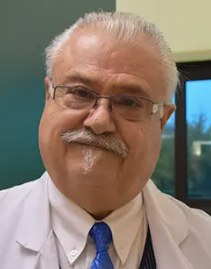 Giorgio Walter Canonica合作论文数Humanitas University;Personalised Medicine, Asthma and Allergy Centre, Humanitas Research Hospital Institute for Research, Hospitalization and Health Care45
 Nikos Papadopoulos合作论文数University of Athens;University of Manchester44
 Claus Bachert合作论文数Division of Ear, Nose and Throat Diseases, Department of Clinical Science, Intervention and Technology, Karolinska Institutet;University Hospital of Ghent;The First Affiliated Hospital, Sun Yat-Sen University41
 Oliver Pfaar合作论文数Universitätsklinikum Marburg;Section of Rhinology and Allergology, University Hospital, Philipps-University Marburg40
 Marek L. Kowalski合作论文数Department of Immunology and Allergy, Medical University of Lodz39J. Just合作论文数38
 Philippe Devillier合作论文数Hôpital Foch;Versailles Saint-Quentin-en-Yvelines University38
 Giovanni Passalacqua合作论文数Dipartimento di Medicina Interna e Specialità Mediche, University of Genoa37Valovirta Erkka合作论文数36
 Frederic de Blay合作论文数Hopitaux Universitaires de Strasbourg36Fokkens Wytske J合作论文数35
 Stephen Durham合作论文数Royal Brompton Hospital London;Section for Allergy and Clinical Immunology, National Heart and Lung Institute, Faculty of Medicine, Imperial College London33
 Thomas B. Casale合作论文数Division of Allergy and Immunology, University of South Florida31
 Tari Haahtela合作论文数University of Helsinki30
 Isabella Annesi-Maesano合作论文数29A. Romano合作论文数Dept Clin & Expt Med MEDCLIN, Univ Catania29
 Joaquim Mullol合作论文数29S Bonini合作论文数28K-C Bergmann合作论文数28
 Violeta Kvedariene合作论文数Institute of Clinical medicine, Vilnius University27A. Bedbrook合作论文数27H. Dhivert-Donnadieu合作论文数27
 Peter Hellings合作论文数Department of Microbiology, Immunology and Transplantation, KU Leuven;Faculty of Medicine, KU Leuven;Department of Otorhinolaryngology, University Hospitals of Leuven;Catholic University of Leuven;Department of Otorhinolyngology, Academic Medical Center, University of Amsterdam;University of Ghent27
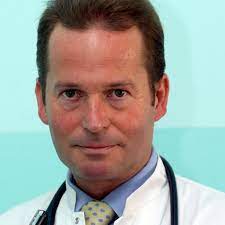 Piotr Kuna合作论文数Klinika Chorob Wewnetrznych, Astmy i Alergii, Medical University of Łodz26A. Didier合作论文数26Boleslaw Samolinski合作论文数26
 Dany Jaffuel合作论文数Institut National de la Santé et de la Recherche Médicale U454-IFR3 and Service des Maladies Respiratoires, CHU de Montpellier26
 Magnus Wickman合作论文数Institute of Environmental Medicine, Karolinska Institutet26
 Thomas Keil合作论文数25I. Bosse合作论文数25Jean-Luc Bourrain合作论文数25
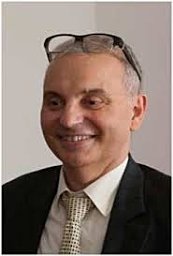 Jean-Louis Pujol合作论文数Service des Maladies Respiratoires;Centre RÃ © gional de Transfusion Sanguine;Centre de RechercheSanofi;Centre RÃ © gional de Transfusion Sanguine, Centre de RechercheSanofi25A Todo Bom合作论文数24
 Dermot Ryan合作论文数Usher institute, University of Edinburgh24
 Adnan Custovic合作论文数National Heart & Lung Institute, Faculty of Medicine, Imperial College London;Imperial College Healthcare NHS Trust21
 Cezmi Akdis合作论文数Swiss Institute of Allergy and Asthma Research, University of Zurich21
 Rudolf Valenta合作论文数Center for Pathophysiology, Infectiology and Immunology, Medical University of Vienna;Division of Immunopathology, Department of Pathophysiology, Vienna General Hospital, University of Vienna21D Messaad合作论文数21S. Arnavielhe合作论文数20
 João Fonseca合作论文数Departamento de Medicina da Comunidade, Informação e Decisão em Saúde, Faculdade de Medicina, Universidade do Porto;CUF Porto Hospital and Instituto;MEDIDA, Lda;Doutoramento em Investigação Clínica e em Serviços de Saúde da Fac. Med. UP;Mestrado em Informática Médica20Mike Bewick合作论文数19
 Inger Kull合作论文数19




