PURPOSE:The purpose of this study was to test whether critical thinking changes over the course of dental education by assessing dental students at the beginning and toward the end of their training.METHODS:Dental student participants completed a survey at the beginning of their first year (August 2019) and at the start of their last year of dental school (August 2022). The survey consisted of two instruments designed to measure the disposition and metacognition components of critical thinking. The study used a pretest-posttest design. Paired t tests were used to determine whether critical thinking scores changed over the 3-year period.RESULTS:Surveys were completed by 85 of 94 students (90%) on the pretest and 63 of 93 students (68%) on the posttest. Of the 92 students who were members of the class at both testing periods, data were available for 59 students (64%). There were significant mean decreases in disposition and its tolerance for cognitive complexity subscale, as well as in metacognition and its metacognitive strategies subscale (p < .05). There was no significant mean change in either open-mindedness or metacognitive thinking.CONCLUSION:Results of this study suggest that some aspects of critical thinking (metacognition and disposition) decrease over the course of dental education. Future research should investigate why this is the case, and explore different instructional methods designed to improve critical thinking.
The authors declare that there is no conflict of interest that could be perceived as prejudicing the impartiality of the research reported.
OBJECTIVE:The purpose of this study was to determine the psychometric properties of instruments designed to assess the critical thinking domains of disposition and metacognition in a dental student population.METHODS:Two instruments originally developed to assess disposition and metacognition domains in undergraduate student populations were administered to dental students from 3 classes in the Spring of 2019. The overall response rate was 73%. Sampling adequacy was established for both domains. Exploratory factor analysis was used to determine underlying dimensions. Criterion validity was established by correlation with traditional measures of academic achievement.RESULTS:Kaiser-Meyer-Olkin index (>0.80) and Bartlett's test of sphericity (P < 0.005) indicated sampling adequacy for both domains. Factor analysis supported a 2-factor solution for Disposition (Level of Open Mindedness and Tolerance for Cognitive Complexity) and a 2-factor solution for Metacognition (Metacognitive Thinking and Metacognitive Strategies). Items loading at 0.4 or higher were retained. Cronbach's alpha was above 0.8 for all but the Metacognitive Thinking subscale, which nonetheless showed adequate reliability (0.65). Reliability for Disposition and Metacognition scales was also above 0.8.CONCLUSION:These results indicate that the instrument has sufficient validity and reliability to support further use in dental education.
Critical thinking is widely recognized as an essential competency in dental education, but there is little agreement on how it should be assessed. The aim of this systematic review was to determine the availability of instruments that could be used to measure critical thinking in dental students and to evaluate psychometric evidence to support their use. In January 2017, an electronic search of both the medical and education literature was performed on nine databases. The search included both keyword and Medical Subject Heading terms for critical thinking, higher education/health sciences education, measurement/assessment, and reproducibility of results. The grey literature was included in the search. The search produced 2,977 unique records. From the title and abstract review, 183 articles were selected for further review, which resulted in 36 articles for data extraction. Ten of these studies sought to evaluate psychometric properties of the instruments used and were subjected to quality assessment. Seven assessment instruments were identified. Of these, three instruments that have not been widely used nor tested in health professions students showed evidence of psychometric strength and appeared to have potential for use in dental education. Further research should focus on the three critical thinking instruments with strong psychometric evidence, with the aim of establishing validity and reliability in the context of dental education.
OBJECTIVE:Recent dental school graduates' willingness to assess blood pressure and blood sugar in practice is positively influenced by having a workplace policy fostering these assessments. Negative influences toward these assessments include practice culture issues and time management concerns. The aim of this study was to determine whether 2010-2014 graduates of the School of Dental Medicine at Buffalo, NY (UB-SDM) continue to assess blood pressure and capillary blood sugar after graduation.STUDY DESIGN:Starting in 2010, UB-SDM predoctoral students were required to assess blood pressure (BP) on all patients and capillary blood sugar (CBS) on all patients with diabetes at every clinic appointment. UB-SDM graduates from 2010-2014 were sent an anonymous survey consisting of 34 questions to determine whether these assessments continue after graduation. The survey consisted of BP and CBS assessment parameters, including benefits and barriers to assessments.RESULTS:Although UB-SDM graduates generally assessed BP (77%) and CBS (23%), most did not follow the school's strict educational policies when providing these services. Dental practice policies mandating BP and CBS assessments were positively correlated with UB-SDM graduates' actually providing these services. Lack of time and poor practice support were cited as negative factors toward BP and CBS assessments.CONCLUSIONS:Disparities between UB-SDM educational efforts and entrenched dental practice cultures must be addressed in order for our graduates to fully embrace BP and CBS assessments in practice.
The aims of this study were to develop, implement, and evaluate a novel interprofessional standardized patient exercise (ISPE) with oral-systemic and interprofessional collaborative practice (IPCP) components. Dental students and doctor of nursing practice (DNP) students at one U.S. university participated in the simulation, which was primarily designed to test their teamwork skills. In spring 2014, DNP students worked in the dental clinics with dental students under the supervision of nursing and dental faculty members. To test the teamwork outcomes for both groups of students, a standardized patient (SP) scenario was designed to include multiple chronic medical diagnoses and an oral-systemic component. The exercise was filmed for later review. Outcomes measures included SP and student self-evaluations and faculty evaluation of student documentation. The primary outcome of interest from a dental standpoint was faculty evaluation of IPCP competencies derived from the Core Competencies of Interprofessional Collaborative Practice and were deemed to be observable by faculty when viewing the videotaped scenario. Eight teams of students participated with an SP trained in the scenario. Each team consisted of a DNP student, a fourth-year dental student, and a second-year dental student. All eligible students in the DNP class (n=20) and eight students from each dental class (approximately 110 each) participated. The results showed that the teams scored highest on the role/responsibilities subscale, indicating students were respectful of each other's roles and expertise and effectively engaged each other to develop strategies to meet the patient's needs. Scores on the three other subscales (values/ethics, interprofessional communication, and teams/teamwork) were also high. These findings appeared to support IPCP as a method to foster knowledge and respect for other roles and responsibilities, improve appreciation of teamwork, and encourage better communication among health care providers. The ISPE scenario provided an effective way to evaluate IPCP competencies.
OBJECTIVE:The objective of this study was to determine student adherence to infection control policies at 1 dental school. A secondary objective was to determine the influence of Ebola virus disease (EVD)-related training on student infection control behaviors.METHODS:An instrument to assess and record infection control behaviors was developed to reflect Centers for Disease Control and Prevention guidelines as well as current teaching. Third- and fourth-year dental students were observed during patient-care appointments and behaviors were recorded and analyzed. Behaviors observed before the EVD outbreak and subsequent mandatory in-service training were compared with behaviors observed after completion of the training.RESULTS:Use of personal protective equipment was nearly universal. Overall compliance with infection control parameters was 88%. However, only a minority of students demonstrated no breaches of protocol. Most violations involved improper mask use and improper glove use during the intraoperative phase of an appointment and failure to wash hands after removing gloves. There were no significant overall differences in observed behavior pre- and post-EVD training.CONCLUSION:Overall compliance with recommendations was high but some areas showed room for improvement. Future training in infection control should focus on these areas. Training related to EVD had no influence on student behavior.
Poor oral health and dental disease are major public health problems that are, in many cases, directly or indirectly linked with chronic conditions. Interprofessional collaborative teams are a way to address this problem. In this study we describe the development of an interprofessional education and interprofessional collaborative practice endeavor utilizing standardized patients to teach and evaluate clinical competencies in oral-systemic health and interprofessional collaborative practice settings. This pilot project paired family nurse practitioner students with student dentists to enhance the education of both groups. Standardized patients provided a safe and supervised environment to provide performance feedback and formatively evaluate student performance.
The objectives of this study were to compare glucometer experience and attitudes toward counseling, monitoring, and screening for diabetes between two classes of graduating students at one dental school to determine if there were differences by experience and year of graduation. Dental students graduating in 2010 and 2013 completed a survey about their experience with use of a glucometer as well as their attitudes toward and perceived barriers to performing glucose monitoring, screening, and counseling. Response rates for the two classes were 100 percent and 95.7 percent, respectively. Students in the two classes were in general agreement that activities related to glucose monitoring and counseling of patients with diabetes are within the scope and responsibility of the dental profession. Examination of their attitudes toward diabetes monitoring and counseling activities by level of glucometer experience indicated that students with more experience using a glucometer were more likely to consider these activities to be within the scope of dental practice and less likely to perceive barriers to such activities compared to those with little or no experience. In addition, regardless of experience, there was significantly higher endorsement for monitoring of patients who had already been diagnosed than for screening of patients who had not been diagnosed. This study suggests that any strategy to encourage dental students' and dentists' involvement in nontraditional health promotion activities should include ample direct clinical experience with these activities.
The main objective of this study was to determine if level of education, gender, and tobacco history affected attitudes of dental students toward tobacco cessation counseling. A secondary objective was to examine the psychometric properties of the survey instrument. First- and fourth-year dental students at one school of dental medicine completed a survey examining attitudes toward tobacco cessation and perceived barriers to performing tobacco cessation counseling in a dental setting. Analyses were conducted to determine whether there were differences in attitudes by gender, level of education, or personal and family tobacco use. A main effect for education level was discovered. Fourth-year students were more likely than first-year students to consider the prescription of nicotine gum and transdermal patches to be within the scope and responsibility of the dental profession. No significant differences were seen with regard to gender or students' personal and family tobacco histories. Dental students were in general agreement that tobacco cessation counseling is within the responsibility of the dental profession, is within the scope of dental practice, and can be effective. Psychometric analysis revealed reliability of the survey instrument.
The main objective of this study was to examine attitudes of dental students toward chairside counseling and monitoring of and screening for diabetes. A secondary objective was to examine the psychometric properties of the survey instrument. First- and fourth-year students at one dental school completed a survey examining attitudes toward and perceived barriers to performing glucose monitoring, screening, and counseling in a dental setting. Surveys were completed by seventy-one of ninety first-year dental students (79 percent) and eighty-six fourth-year students (100 percent) for a total of 157 responses. Factor analysis of the survey instrument resulted in a three-factor solution: scope and responsibility, barriers, and glucometer use. In analyses to determine whether there were differences in attitudes by gender, level of education, or family history of diabetes, no statistically significant effects were seen. The dental students were in general agreement that glucose monitoring of patients diagnosed with diabetes is within the scope and responsibility of the dental profession; however, only a minority endorsed screening of patients who have not been diagnosed with diabetes. Psychometric analysis revealed internal reliability of the survey instrument.
Patients diagnosed with multiple myeloma and metastatic breast, prostate and renal cancers have a better opportunity for longer survival due to a myriad of chemotherapies regimens that attempt to manage disease progression while decreasing treatment-related side effects. Osteonecrosis of the jaws (ONJ) is a known side effect of bisphosphonates and other anti-neoplastic drugs. This complication can lead to oncologic treatment interruptions as well as diminished quality of life. Most recommendations for treatment of ONJ are based on position papers and case reports, while evidence-based treatment paradigms are lacking. With cancer survivorship on the rise, long-term chemotherapeutic side effects are becoming more prevalent and attention to untoward oral complications cannot be understated. In this review, the accepted recommendations for dental clearance prior to head and neck chemo-radiation therapy are put forth as a means of possibly preventing and treating drug induced ONJ.
A systematic review of original studies was conducted to determine if differences in oral health exist between adults who have intellectual disabilities (ID) and the general population. Electronic searching identified 27 studies that met the inclusion criteria. These studies were assessed for strength of evidence. People with ID have poorer oral hygiene and higher prevalence and greater severity of periodontal disease. Caries rates in people with ID are the same as or lower than the general population. However, the rates of untreated caries are consistently higher in people with ID. Two subgroups at especially high risk for oral health problems are people with Down syndrome and people unable to cooperate for routine dental care. Evidence supports the need to develop strategies to increase patient acceptance for routine care, additional training for dentists to provide this care, and the development of more effective preventive strategies to minimize the need for this care.
As health care improves and life expectancy increases, dentists and dental students are treating a growing number of elderly and medically compromised patients, increasing the likelihood of a medical emergency during treatment. Previous studies examining emergencies in a dental setting have relied upon self-reports and are therefore subject to biases in reporting. The purpose of this study was to examine data generated from documentation of CODE-5 medical emergency events at the University at Buffalo School of Dental Medicine over an eight-and-a-half-year period. The incidence of emergencies was found to be 164 events per million patient visits, which is lower than reported in previous studies. Most emergencies involved suspected cardiovascular events, syncope, complications related to local anesthesia, and hypoglycemia. Twenty percent of emergencies involved people who were in the building for reasons other than to receive dental care, underscoring the need for an operational CODE-5 system whenever a building is occupied. We suggest strategies to reduce the incidence of medical emergencies and increase ability to manage those that do occur.
A variety of pathologic conditions can cause orofacial pain. Establishing the etiology of the pain is key to providing appropriate treatment. Trigeminal neuralgia (TN) is a relatively uncommon condition and can present a diagnostic challenge to even the experienced dental practitioner. The authors discuss two cases of TN that exhibited intraoral trigger points, which initially resulted in confusion regarding the establishment of a correct diagnosis and treatment.
Although some forms of viral hepatitis were identified more than 50 years ago, hepatitis continues to have an impact on the practice of dentistry. Possible transmission in the dental setting, management of the chronically ill, and legal issues related to treatment of infectious patients combine to emphasize that hepatitis is still an important issue for dental health care workers. Currently, 7 viral forms are recognized. Those with predominantly enteral modes of transmission--including HAV, HEV, and HFV--are of minor concern in the dental environment. HBV, the most infectious blood-borne pathogen, has been largely controlled in this country by vaccination and the use of universal precautions. HDV is an incomplete virus that has HBV infection as a prerequisite. HCV is of great concern today for several reasons. A high percentage of HCV infections results in chronic disease. Most cases remain asymptomatic for an extended period of time, and many have no identifiable risk factors. Currently, no vaccination is available for HCV. Patients infected with HCV present a management challenge, because they may ultimately develop serious liver dysfunction. In fact, HCV infection is presently the most common reason for liver transplantation. By understanding the various forms of viral hepatitis and following recommended infection control and vaccination protocols, the dental healthcare worker can treat infected patients in a manner that is safe for both patients and dental health care workers.
Dentists and other health care workers have long been concerned about a variety of infectious agents that may be transmitted within the dental setting. In recent years there has also been widespread concern among the general public. Many infectious diseases, including HIV, hepatitis, tuberculosis and syphilis, are important both because of their potential transmissibility and because the first manifestations of the disease may appear in the oral cavity. A knowledge of these diseases will allow the practitioner to recognize associated lesions and also to take appropriate steps to minimize the risk of transmission in the dental office.
Self‐inflicted oral trauma is often encountered in patients who lack cerebral control over the masticatory cycle. Many factors must be considered in treatment, and a variety of appliances may be fabricated to prevent injury to oral structures. This case report documents the use of a soft acrylic appliance in treatment of a comatose patient who showed ruminatory reflex chewing.This case report demonstrated successful use of a soft acrylic mouthguard material as an intraoral appliance. The appliance was designed and fabricated in accordance with previously mentioned guidelines (Table). Fabrication, insertion, and maintenance was uncomplicated and noninvasive. Periodic examinations over a 6‐month period have demonstrated resolution of the oral lesion and a high level of tolerance of the appliance.
 Elaine L Davis合作论文数8W.D. Mccall合作论文数7
 Michael Hatton合作论文数Department of Oral Surgery, State University of New York at Buffalo4
 Terrence J. Thines合作论文数3Donald E Antonson合作论文数2Tammy Austin-Ketch合作论文数2Maureen Sullivan合作论文数2Jayaprakash Vijayvel合作论文数2Rossitto Rachael A合作论文数2Hinchy Nicole V合作论文数2
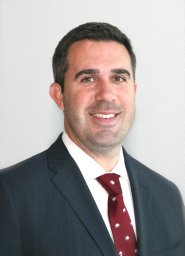 Andrew Fabiano合作论文数2
 Nancy Campbell-Heider合作论文数2Yvonne K. Scherer合作论文数2Alan J. Drinnan合作论文数1Pamela Paplham合作论文数1Mathew McClure合作论文数1Nora E Townsend合作论文数1
 Elizabeth Stellrecht合作论文数SUNY Buffalo, Univ Lib1Rigual Nestor R合作论文数1Neiders Mirdza E合作论文数1Croglio D P合作论文数1Hatton Elizabeth合作论文数1Canallatos Paul合作论文数1Korff Kathryn C合作论文数1Frustino Jennifer合作论文数1Mihai Merzianu合作论文数1
 Heather Orom合作论文数The State University of New York, University at Buffalo1Karen H. Zinnerstrom合作论文数1
 Mary Reid合作论文数Roswell Park Comprehensive Cancer Center;Department of Epidemiology and Environmental Health, School of Public Health, The State University of New York at Buffalo1




