Parkinson’s disease (PD) is the fastest-growing neurodegenerative disease in the world1. Gastrointestinal (GI) dysfunction can occur decades before motor impairments and in up to 80% of individuals living with PD2–4. We investigated peripheral relationships that may underlie mechanisms along the gut–blood axis that contribute to PD progression. Single-cell multiomic spatial molecular imaging (SMI) of colonic tissue localized and identified inflammatory injury within epithelial cells that appear to be associated with iron mishandling in both inflammatory bowel disease (IBD) and PD biosamples. We found that both the single-cell SMI of RNA and protein revealed parallel cross-modal dysregulation in the gut epithelium, in both IBD and PD biosamples. These data are accompanied by plasma (PD) and stool (IBD) protein depletion of CCL22. Our findings suggest iron mishandling along the gut barrier likely contributes to systemic inflammation, which may be one catalyst that primes circulating immune cells to body-first PD progression.
Sepsis survivors frequently experience post-discharge physical function decline and encounter logistical barriers to participation in traditional outpatient rehabilitation. This pilot study examined the feasibility, safety, and preliminary efficacy of a remotely delivered, home-based exercise program on physical function in older sepsis survivors. In this single-blinded, randomized controlled trial (RCT), sepsis survivors aged ≥ 55 years were randomized to (a) 12 weeks of avatar-guided, progressive exercise training group (EX) or (b) a standard care control group (CO). Primary outcomes were feasibility (retention, adherence) and safety (adverse events), whereas secondary outcomes were changes in the 30-s Sit-to-Stand (30SSTS), 4-Stage Balance Test (4SBT), Timed Up-and-Go (TUG) tests, and Eastern Cooperative Oncology Group/Zubrod's (ECOG/Zubrod) performance status score. Twenty-one participants were randomized to either EX (n = 10, mean age = 69.6 ± 8.5 years, 40
IntroductionSepsis survivors frequently develop long-term immune dysfunction, but the epigenetic mechanisms underlying persistent myeloid suppression remain unclear. Myeloid-derived suppressor cells (MDSCs), whose function is shaped by host age and sex, are key contributors to post-sepsis immune dysregulation.MethodsHere, we present a high-resolution epigenetic map targeting gene promoters of MDSCs after sepsis and daily chronic stress using MAPit-FENGC, a single-molecule assay that simultaneously profiles DNA methylation and chromatin accessibility. In a clinically relevant murine model, including young and older adult male and female mice, splenic MDSCs were isolated for MAPit-FENGC and single-cell RNA sequencing.ResultsUnsupervised clustering identified nine promoter classes reflecting chromatin dynamics: age- and sex-dependent sepsis-induced opening (Classes 1-4), persistent closure with varying levels of DNA methylation (Classes 5-7), and constitutive openness post-sepsis (Classes 8, 9). Transcriptomic profiling corroborated these promoter states, linking accessibility with gene expression.ConclusionsThese findings define promoter-level epigenetic classes across a targeted locus panel in splenic CD11b+Gr1+ cells within this murine sepsis model and generate mechanistic hypotheses regarding age- and sex-associated chromatin states.
OBJECTIVES:To review how the human microbiome impacts management of the critically ill or injured patient. DATA SOURCES:English-language manuscripts were sourced from PubMed and OVID from inception to August 2025. STUDY SELECTION:Manuscripts addressing the mammalian microbiome, microbiome characterization, microbiome derangement, microbiome restoration, critical care interventions, the ICU, and organ system outcomes related to the human microbiome. Gray literature was excluded. DATA EXTRACTION:Data that informed microbiome characterization, derangement, support, manipulation, as well as the impact of the microbiome on critical care medicine interventions or outcomes were abstracted. DATA SYNTHESIS:Humans demonstrate a variety of unique microbiomes spanning eyes, skin, oropharynx, lung, bladder, and gastrointestinal tract. The most identifiable active outside of the lifecycles of resident microbiota is the gastrointestinal microbiome. The gastrointestinal microbiome plays a critical role in health maintenance as well as the physiologic recovery-or failure-of the critically ill or injured. Microbial balance disruption is common in ICU patients due to index admission disease processes as well as rescue or management therapeutics. Understanding how disease-modulated and therapy-driven microbiome changes occur-as well as their impact-may reveal strategies to improve critical care outcomes. The gastrointestinal microbiome serves as a lens through which microbial actions and host-microbe-regulated functions may be understood. CONCLUSIONS:Based on the impact of the human microbiome on critical care-relevant interventions and outcomes, the ICU clinician will benefit from understanding: 1) microbiome evaluation fundamentals, 2) microbiome adaptive or maladaptive alteration by disease process as well as therapeutic agents, and 3) current and emerging interventions to mitigate pathobiome induction and restore homeostasis to improve outcomes.
BACKGROUND:Sepsis is associated with skeletal muscle weakness and atrophy, particularly in older and immobilized patients; however, how sepsis interacts with disuse, reloading, aging, and biological sex remains poorly defined. METHODS:Young (5 mo) and older (20 mo) male and female C57BL/6J mice underwent cecal ligation and puncture (CLP) or sham surgery followed by hindlimb suspension (HLS) or normal ambulation (NA) for 7 days (Experiment 1). A separate cohort underwent 3 days of reloading after HLS (REL; Experiment 2). Outcomes included survival, body mass, soleus force-frequency, myofiber cross-sectional area (CSA), macrophage infiltration (CD68+), extracellular matrix (ECM), and satellite cells (Pax7+). RESULTS:Survival was preserved in septic young mice (> 84%) but reduced in older septic mice (~51%-60% males; ~57% females). Disuse was the primary driver of body mass loss during HLS/REL, with older females exhibiting the greatest decline (day 11: -19.8% ± 6.8% Sham; -17.4% ± 6.5% CLP). Disuse reduced median fiber CSA by ~27%-46% across cohorts (e.g., young males: 1840 ± 189 to 997 ± 345 μm2). In Experiment 1, CD68+ macrophages increased most with combined sepsis and disuse, whereas ECM expansion was observed only in males. Pax7+ satellite cells were markedly reduced in young males with sepsis and disuse and in older mice of both sexes with sepsis. Following REL, older septic males retained force deficits, and septic females remained significantly atrophic. CONCLUSION:Muscle disuse amplifies sepsis-induced myopathy in an age- and sex-dependent manner, with incomplete early recovery after reloading.
Sepsis disproportionately affects the elderly, and the cellular mechanisms driving age- and sex-dependent lymphoid immune remodeling remain poorly defined. In this work, we mapped the splenic lymphoid transcriptional landscape of young and older adult, male and female mice after sepsis by single-cell RNA sequencing. While both sexual and age dimorphism shaped the baseline lymphocyte composition, the transcriptional reprogramming induced by sepsis was significantly influenced only by age. Sepsis induced a proportional reduction in lymphocytes across age and sex groups; however, aging modified the pattern of lymphocyte reconstitution. Following sepsis, older adult mice displayed an enhanced B cell maturation compared to young mice. Moreover, across all major lymphocyte subtypes, older adult mice demonstrated transcriptionally suppressed metabolic pathways at baseline that shifted to exaggerated activation after sepsis. Furthermore, intercellular communication analysis from antigen-presenting cells to T cells revealed broadly age-dependent activation of co-stimulatory and antigen-presentation pathways after sepsis. Age and sepsis also widely reshaped the druggable landscape in lymphocytes, revealing a distinct predicted drug response profile in older adult mice after sepsis. These data suggest that aging reshapes the lymphoid baseline and the subsequent septic response in ways that may contribute to the poorer outcomes observed in older hosts. Notably, under these conditions, we did not detect significant sexual dimorphism. This lymphoid-specific age-driven transcriptional override highlights specific metabolic and signaling checkpoints as potential targets for precision immunotherapy in older sepsis.
BACKGROUND:Bone marrow dysfunction is a key driver of persistent hematologic and immune derangements following severe trauma. Circulating exosomes offer a minimally invasive platform to interrogate systemic stress responses, yet it remains unclear whether plasma-derived exosomal microRNAs reflect bone marrow regulatory programs. We hypothesized that chronic stress after polytrauma induces compartment-specific exosomal microRNA signatures. METHODS:Male rats (N = 4/group) underwent polytrauma (lung contusion, hemorrhagic shock, cecal ligation, and pseudofracture) or polytrauma plus daily restraint stress for 7 days to model chronic critical illness. On day 7, bone marrow and plasma exosomes were isolated and profiled by small RNA sequencing. Differential expression was defined as fold change ≥1.5 or ≤-1.5 with P ≤ .05. RESULTS:Chronic stress induced distinct microRNA responses in bone marrow and plasma exosomes. Only 9 microRNAs were significantly altered in bone marrow-derived exosomes following polytrauma plus daily restraint stress compared with polytrauma alone, whereas plasma-derived exosomes demonstrated 20 differentially expressed microRNAs. Overlap between compartments was minimal, indicating divergent regulatory programs. Plasma exosomal microRNAs demonstrated broader shifts consistent with systemic inflammatory and metabolic stress signaling, whereas bone marrow exosomal changes were more restricted, suggesting localized modulation of hematopoietic and microenvironmental pathways. CONCLUSION:Chronic stress following polytrauma produces compartment-specific exosomal microRNA remodeling, with plasma exosomes capturing systemic stress signatures and bone marrow exosomes reflecting localized regulatory adaptation. These findings challenge the assumption that circulating exosomes directly mirror bone marrow dysfunction and highlight the importance of tissue origin when developing exosomal microRNA biomarkers or therapeutic targets in trauma-induced chronic critical illness.
Sepsis remains a leading cause of morbidity and mortality worldwide, with survivors often following divergent trajectories: rapid recovery (RAP) or progression to chronic critical illness (CCI). CCI is characterized by persistent organ dysfunction, recurrent infections, and immune dysregulation. Myeloid-derived suppressor cells (MDSCs), which expand in number after sepsis, are implicated in this maladaptive state, yet their epigenetic regulation remains poorly understood. Here, we applied an Omni-ATAC protocol optimized to profile chromatin accessibility in CD66b + MDSCs from healthy participants (HPs) and sepsis patients across time points (day 4, day 14-21, and 6 months) and clinical outcomes (RAP, CCI, and Deceased). Dimensionality reduction analyses of genome-wide chromatin accessibility showed clear separation of sepsis and HP samples. Furthermore, these analyses revealed distinct trajectories post-sepsis diagnosis: RAP samples progressively regained HP-like chromatin states, whereas CCI samples remained epigenetically "locked" in aberrant states. Differential accessibility analysis identified thousands of promoter regions with altered accessibility, including immune checkpoint and inflammatory genes (e.g., ARG1, CD274, S100A8 / 9 ). Pathway analyses predicted global suppression of immune, metabolic, and chromatin remodeling programs in CCI, contrasting with restoration in RAP. These findings from patient-derived CD66b + MDSCs suggest that epigenetic chromatin remodeling underlies divergent recovery trajectories and highlight chromatin-modifying pathways as potential therapeutic targets to restore immune competence in sepsis patients with CCI.
OBJECTIVES:The aims of this scoping review were to: 1) explore factors driving surgical ICU (SICU) admission decisions, 2) provide an environmental scan of SICU admission practices, and 3) identify underexamined domains relevant for SICU triage, admission, and discharge inquiries. DATA SOURCES:Embase, PubMed, and Medline were queried from inception to April 18, 2024, for English-language peer-reviewed studies related to adult SICU admission criteria and decision-making; neonatal ICU, PICU, veterinary ICU, and military ICU data and gray literature were excluded. Studies were not limited by design. STUDY SELECTION:Following duplicate removal, 363 of the initial 625 abstracts remained. After content screening, 54 abstracts remained topic aligned. Full-text review identified 44 articles appropriate for analysis. DATA EXTRACTION:Abstracted data addressed SICU structure, function, findings, and potential future directions. DATA SYNTHESIS:Most included studies (n = 23, 52%) focused on identifying risk factors for SICU admission or risk factors for the need for SICU admission, including demographics, comorbidities, and procedural specifics. Admission protocol evaluation studies were less common (n = 5, 11%), but offered promise in reducing unnecessary admissions using preoperative or postoperative interventions. Future inquiry domains included admission and discharge protocol development (n = 17, 39%), risk factors for ICU admission or the need for ICU admission (n = 16, 36%), multicenter studies (n = 16, 36%), additional or specific patient populations (n = 15, 34%), prospective studies (n = 14, 32%), costs (n = 6, 14%), and implementation of embedded clinical decision-support aids to inform SICU triage decision-making (n = 2, 5%). No included studies presented results regarding SICU discharge decision-making or ICU stress adaptations relevant during surge episodes. CONCLUSIONS:Research on SICU triage decision-making primarily focuses at admission risk factor discovery, with less emphasis on protocol evaluation and implementation practices. Future research should focus on refining existing SICU triage approaches that include discharge and surge-based decision-making coupled with deployable clinical decision-support aids.
SUMMARY:Impact of sepsis on human T-cell function and outcome was assessed. In sepsis survivors, IFNγ-production in response to T-cell stimulation remains intact, while sepsis non-survivors display exaggerated IFNγ responses to TCR-independent stimuli.
Innate immune memory, traditionally underappreciated in contrast to adaptive immunity, is now recognized as a critical component of host defense, particularly in the context of sepsis and sterile inflammatory injury. Recent advances have identified a central role for metabolic and epigenetic reprogramming in driving trained immunity (TRIM), where monocytes, macrophages, and other innate cells develop enhanced or tolerized responses to secondary stimuli. This review synthesizes current knowledge of how damage-associated molecular patterns (DAMPs), including oxidized LDL, HMGB1, heme, urate crystals, and mitochondrial DNA, serve as potent inducers of immunometabolic rewiring, often through the mTOR/HIF-1α axis or alternative pathways such as SYK signaling. We highlight distinct epigenetic mechanisms, such as enhancer priming via H3K4me1/H3K27ac, and metabolic shifts like the Warburg effect, succinate accumulation, and fatty acid synthesis, that define the trained or tolerized states. Particular attention is given to the relevance of these mechanisms in the pathophysiology of sepsis, burns, trauma, and other critical illnesses where persistent DAMP exposure may sustain maladaptive inflammation or immunosuppression. We review data linking central (stem cell-level) and peripheral reprogramming to long-term immune dysfunction in various inflammatory disease models, and explore how DAMPs intersect with PAMPs to shape the immune trajectory. Finally, we identify pressing gaps in the field, including the need for standardized TRIM models, validated biomarkers of innate memory, and mechanistic clarity on mitochondrial DAMPs in immune tolerance. These insights provide a foundation for future therapeutic strategies aimed at modulating trained immunity to improve outcomes in critically ill patients.
This study evaluated the ability of ELISpot to identify potential immuno-modulatory drug therapies in sepsis. ELISpot was performed ex vivo on whole blood from septic patients and healthy controls. Innate and adaptive immunity were evaluated by production of TNF-α and IFN-γ, respectively. Drug efficacy was determined by their effects to modulate the both the number of cytokine-producing cells and amount of cytokine produced per cell. The corticosteroid dexamethasone was evaluated for its ability to down modulate TNF-α and IFN-γ production. The TLR7/8 agonist resiquimod (R848) and T cell stimulants IL-7 and anti-PD-1 mAb were tested for their ability to enhance immunity. LPS and resiquimod increased total TNF-α production in septic patients by 1,549% and 1,829%, respectively. Conversely, dexamethasone diminished the responses to LPS or resiquimod by 75% and 61%, respectively. IL-7, but not anti-PD-1 mAb markedly increased IFN-γ production in both healthy subjects (121%) and septic patients (82%). Dexamethasone also reduced anti-CD3/CD28 mAb stimulated IFN-γ production by 69%; while IL-7 ameliorated dexamethasone-induced suppression. IL-7 significantly enhanced lymphocyte function in over 90% of septic patients. ELISpot can reveal host immune response patterns and the effects of drugs to selectively down- or up-regulate patient immunity. Furthermore, the ability of ELISpot to detect the effect of specific immuno-modulatory drugs to independently regulate the innate and adaptive host response could enable precision-based immune drug therapies in sepsis.
Sepsis induces profound immune dysregulation, often resulting in chronic critical illness characterized by persistent immunosuppression and poor outcomes. Myeloid-derived suppressor cells (MDSCs) are central mediators of this immunosuppressive phenotype, yet the influence of age and sex on their transcriptional and metabolic states remain poorly understood. Here, we employed single-cell RNA sequencing of splenic leukocytes from young (3-4 months) and older (18-24 months) adult male and female mice subjected to a clinically relevant murine sepsis model to define age- and sex-specific MDSC phenotypes. We identified significant differences regarding age and sex in MDSC expansion, transcriptome, canonical pathway activation, RNA velocity, mitochondrial metabolism, and predicted cell-cell communication after sepsis. Using drug2cell analysis of total leukocytes we also identified cohort-specific drug target profiles. These findings underscore the importance of age and sex in shaping sepsis-induced MDSC biology and suggest that personalized immunomodulatory strategies targeting MDSCs could improve sepsis outcomes.
Background: Patients with traumatic injuries who develop ventilator-associated pneumonia (VAP) incur a higher risk of developing multi-drug resistance. Shorter duration of antibiotic agents for early VAP at five days may reduce antibiotic agent exposure without worsening patient outcomes. Methods: This retrospective cohort study performed at a Level I Trauma Center included adult (≥16 years old) patients with trauma diagnosed with bronchoalveolar lavage (BAL)-proven early (within four days of intubation) bacterial VAP. Groups were stratified by treatment duration. The primary outcome was the rate of recurrent pneumonia. Secondary outcomes included total antibiotic agent duration, time to recurrent pneumonia, ventilator days, ventilator-free days, intensive care unit and hospital length of stay, re-admission within 30 days, and mortality at discharge and at one year. Results: Of the 73 included patients in the analysis, 38 underwent a shortened course (4-5 d) of systemic antibiotic agents, while 35 patients had a standard course (7-8 d). Patients in the short-duration cohort were significantly older with a lower injury severity score (ISS) and were more likely to be extubated at the time of antibiotic agent discontinuation (61% vs. 37%, p = 0.045). There was no difference in the primary outcome; 10 patients had recurrence in the short-duration cohort, while 7 patients had recurrence in the standard cohort (26% vs. 20%, p = 0.522). There were no significant differences in secondary outcomes. Conclusion: This study suggests that in patients with trauma diagnosed with early VAP on BAL, five days of antibiotic agent therapy can reduce antibiotic agent use with no adverse impact on pneumonia recurrence rates or other salient outcomes.
IntroductionSevere injury, including burn trauma, leads to profound immune dysfunction, yet the mechanisms driving these changes remain incompletely defined. This lack of understanding has hindered efforts to modulate the immune response effectively. Additionally, a clear biomarker profile to guide clinicians in identifying burn patients at high risk for poor clinical outcomes is lacking. Extracellular vesicles (EVs) have emerged as novel mediators of immune dysfunction in various pathologies. Prior studies in mouse models have demonstrated that plasma EVs increase following burn injury and contribute to immune dysfunction. Furthermore, EVs have potential as biomarkers for predicting extended hospital stays in burn patients. This study hypothesizes that human EVs, purified early and late after burn injury, will exhibit immune reprogramming effects similar to those observed in mice and that specific EV protein cargo may serve as biomarkers of immune and physiological responses to burn injury.MethodsEVs were isolated from the plasma of burn-injury patients at early (<72h) and late (≥14 days) time points post-injury. Using unbiased immune transcriptome and bioinformatic causal network analyses, the immunomodulatory effects of these EVs were assessed in human THP-1 macrophages. Mass spectrometry-based quantitative proteomics and pathway analyses were conducted to characterize the protein cargo of EVs from both human and mouse models at different post-burn phases.ResultsEarly post-burn human EVs induced significant immune reprogramming in macrophages, increasing pro-inflammatory signaling while suppressing anti-inflammatory pathways. In contrast, late post-burn EVs exhibited an immunosuppressive profile, with downregulation of pro-inflammatory pathways and upregulation of anti-inflammatory signaling. Proteomic analyses revealed that human and mouse EVs contained unique and overlapping protein cargo across different time points. At day 7 post-burn, mouse EVs were enriched in circulation/complement and neuronal proteins, whereas by day 14, reductions in membrane and metabolism-associated proteins were observed. Similarly, in human EVs at 14 days post-burn, increased levels of circulation/complement, immune, and transport proteins were detected.ConclusionsEVs from burn-injury patients at distinct time points differentially modulate immune responses in macrophages, mirroring the temporal immune phenotypes observed in clinical settings. These findings suggest that EV-macrophage interactions play a crucial role in burn-induced immune dysfunction and highlight the potential of EV protein cargo as biomarkers for immune status and patient outcomes following burn injury.
OBJECTIVES BACKGROUND:Monocyte anisocytosis (monocyte distribution width [MDW]) has been previously validated to predict sepsis and outcome in patients presenting in the emergency department and mixed-population ICUs. Determining sepsis in a critically ill surgical/trauma population is often difficult due to concomitant inflammation and stress. We examined whether MDW could identify sepsis among patients admitted to a surgical/trauma ICU and predict clinical outcome. DESIGN:Secondary analysis of three prospective observational clinical studies. SETTING:Single institution ICU. PATIENTS/SUBJECTS:Two hundred thirty-eight participants were included in this study: 107 patients who were admitted to the ICU and adjudicated to have sepsis, 80 patients who were considered critically ill nonseptic (CINS), and 51 healthy control participants. INTERVENTIONS:MDW was measured among hospitalized patients admitted to the ICU with the diagnosis of sepsis or CINS patients at risk of developing sepsis. Blood samples were collected at admission and at intervals during ICU admission. MEASUREMENTS AND MAIN RESULTS:MDW significantly differed between septic and CINS patients on ICU admission (26.4, interquartile range [IQR, 23.5-30.8] vs. 20.1 [IQR, 17.9-21.9]; p < 0.001) and could discriminate with an area under the receiver operating characteristic curve of 0.85 (95% CI, 0.79-0.91; p < 0.001). An MDW of greater than 22.0 at admission to the ICU could identify sepsis with a 78% specificity and a 90% sensitivity but could not discriminate in-hospital, 30-day, or 90-day mortality. LIMITATIONS:Small sample size from a single institution. Our analysis did not include other relevant biomarkers such as procalcitonin, C-reactive protein, and interleukin-6. In the imputation of missing values, linear mixed-effect models were used, risking model misspecification and the violation of the missing-at-random assumption. CONCLUSIONS:Among surgical/trauma ICU patients, MDW can discriminate between sepsis and nonseptic inflammation, but it is a weak predictor of mortality.
ABSTRACT:Establishing a high-functioning team of advanced practice providers (APPs) with optimal teamwork and procedural skill capability provides marked improvement in areas of utilization, communication, knowledge, and billing. Herein is an example of a maximally operational clinical team of critical care APPs as a solution to providing quality care, managing costs, and providing healthcare access for many patients admitted to the ICU. APP job satisfaction is safeguarded by focusing on enhanced areas of clinical practice, professional growth and development, scope of practice, and safety and quality improvement. Further fulfillment is ensured with optimized utilization of both physician associates (PAs) and nurse practitioners (NPs). This, in turn, allows for further healthcare availability, elevation in the quality of medical care, and improved cost management, all while APPs work at the top of their license in high-acuity ICUs.
 Lyle L. Moldawer合作论文数Department of Surgery, College of Medicine, University of Florida219
 Alicia Mohr合作论文数Department of Surgery, College of Medicine, University of Florida Health168
 Frederick A Moore合作论文数Department of Surgery, College of Medicine, University of Florida;University of Florida Health141
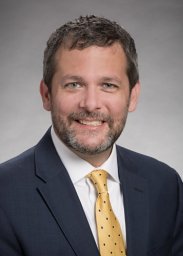 Brakenridge Scott合作论文数132
 Tyler John Loftus合作论文数108
 Azra Bihorac合作论文数Division of Nephrology, Hypertension & Renal Transplantation, Department of Medicine, College of Medicine, University of Florida Health89
 Dina C. Nacionales合作论文数65Kolenkode B Kannan合作论文数63Ricardo Ungaro合作论文数60Ozrazgat-Baslanti Tezcan合作论文数Dept Med, Univ Florida54
 Jaimar C Rincon合作论文数Facultad de Medicina, Universidad del Zulia Instituto de Investigaciones Clinicas “Dr. Americo Negrette”47
 Henry V Baker合作论文数Department of Molecular Genetics and Microbiology, University of Florida College of Medicine47
 Christiaan Leeuwenburgh合作论文数Department of Physiology and Aging, College of Medicine, University of Florida;Center for Translational Research in Neurodegenerative Disease, College of Medicine, University of Florida45
 Julie Stortz合作论文数St. John’s Mercy Medical Center, St Louis University45
 Dijoia Darden合作论文数41
 Shawn D Larson合作论文数Research/Animal Health, Seattle Aquarium40
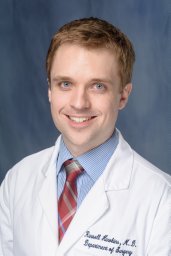 Russell B. Hawkins合作论文数Department of Surgery, University of Florida College of Medicine39
 Alex Cuenca合作论文数37
 Zhongkai Wang合作论文数Dept Biostat, Univ Florida35
 Brumback Babette A合作论文数Dept Biostat, Univ Florida35Kelly Lauren合作论文数35
 Gilbert R. Upchurch合作论文数University of Virginia33
 Gabriela Ghita合作论文数Dept Biostat, Univ Florida31Marvin Dirain合作论文数30
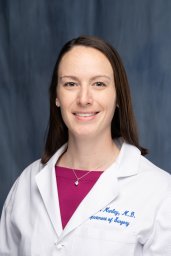 Jennifer A Munley合作论文数From the Department of Surgery and Sepsis and Critical Illness Research Center (J.A.M., University of Florida College of Medicine;Pathogenesis, LLC (E.M.W.), Gainesville, Florida;and Department of Nutrition and Integrative Physiology (R.N.),, Florida State University College of Health and Human Sciences28Croft Chasen合作论文数28
 Steven Raymond合作论文数Department of Pediatric Surgery, Loma Linda University Children's Hospital27
 Michael Cox合作论文数Department of Urologic Sciences, Faculty of Medicine, The University of British Columbia27Jeremy Balch合作论文数26Letitia Bible合作论文数25Camille G. Apple合作论文数24Evan L Barrios合作论文数23
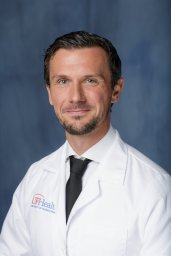 Mankowski Robert T合作论文数Institute on Aging, University of Florida;Department of Rehabilitation Medicine, Erasmus University Medical Centre23
 Juan Camilo Mira合作论文数College of Medicine, University of Florida23Valerie E Polcz合作论文数22
 R. Stephen Smith合作论文数Department of Surgery, College of Medicine, University of Florida22
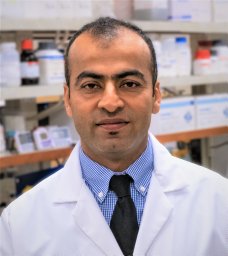 Ravinder Nagpal合作论文数Institute of Engineering & Technology, MIT22McKenzie Hollen合作论文数21Lori F Gentile合作论文数20Erick E Pons合作论文数20
 Philip O. Scumpia合作论文数Department of Surgery, University of Florida College of Medicine20
 Kindra Kelly-Scumpia合作论文数Clinical and Translational Science Institute, University of California, Los Angeles;Division of Dermatology, University of California, Los Angeles20Darwin Ang合作论文数Department of Surgery, University of Washington19
 Parisa Rashidi合作论文数J. Crayton Pruitt Family Department of Biomedical Engineering, Herbert Wertheim College of Engineering, University of Florida;Intelligent Clinical Care Center, University of Florida19
 Stephen D. Anton合作论文数LSU System Pennington Biomedical Research Center19
 Matthew J. Delano合作论文数18
 Shannon M Wallet合作论文数Department of Oral Biology, College of Dentistry, University of Florida17
 Michael P Kladde合作论文数Dept Biochem & Mol Biol, Univ Florida16
 Cai Guoshuai合作论文数16




